

Best Time to Visit Ha Long Bay: Month-by-Month Weather Guide
Best time to visit Ha Long Bay: March–May and September–November balance clear skies and fair prices. See months, storm risks, holidays and cancellation tips.
On this page
Last updated November 2026. The best time to visit Ha Long Bay is the shoulder seasons, March to May and September to November, when skies are clearer and storms are rare. Summer brings typhoon-season cancellations and domestic crowds, while winter brings mist that suits moody photography more than swimming. Use this guide to match a month to your priorities, then pair it with our Ha Long Bay activity guide.
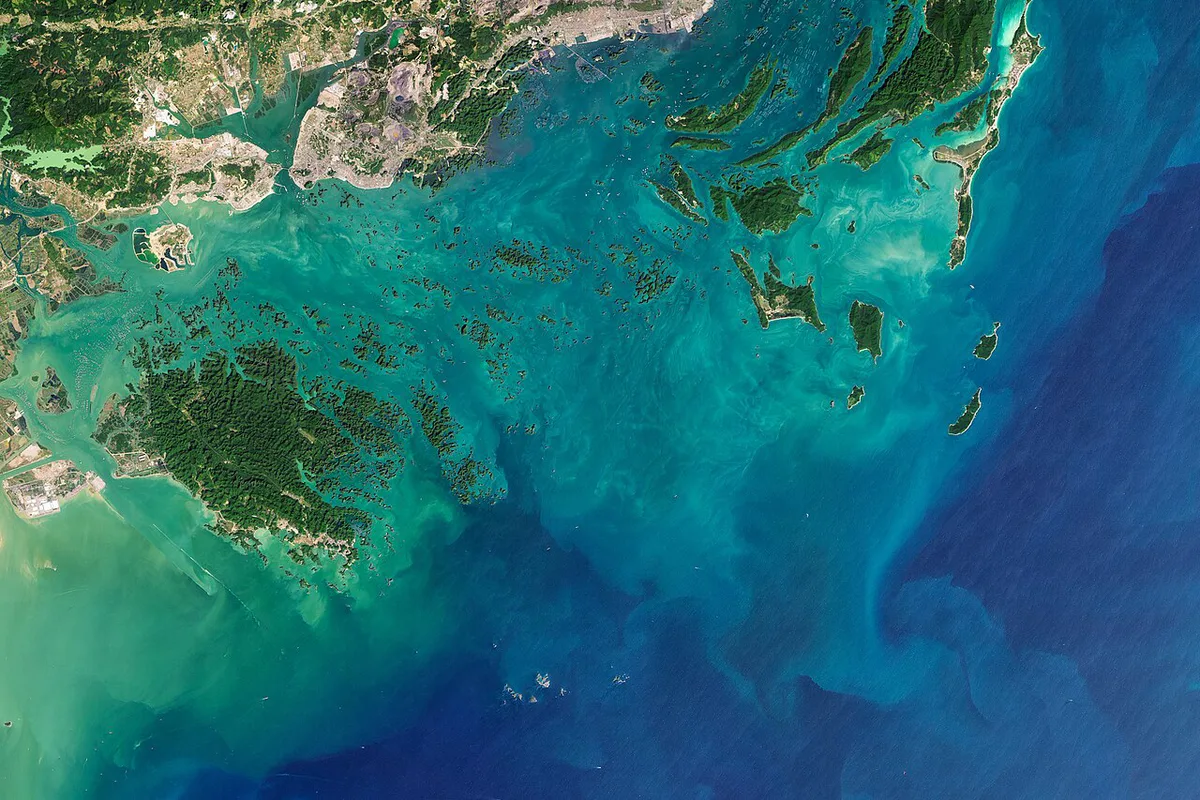
Featured image: Dennis G. Jarvis, CC BY-SA 2.0, via Wikimedia Commons.

Quick Verdict: When Should You Go?
Aim for March–May or September–November. Spring averages roughly 20 to 25°C (68 to 77°F), with gentle sunshine, little rain and calm seas. Autumn brings clear blue skies and comfortable humidity. Both seasons sit between the winter fog and the summer storms. Visitor numbers stay moderate in autumn, and services cost less than on public holidays.
| Season | Weather | Crowds | Price | Best For |
|---|---|---|---|---|
| Spring (Mar–May) | Mild, 20–25°C (68–77°F), little rain | Moderate, spikes on 30 April–1 May | Mid, higher on holidays | Kayaking, swimming, blossoms |
| Summer (Jun–Aug) | Hot, humid, storm risk | Heavy domestic crowds | Highest demand | Flexible travelers only |
| Autumn (Sep–Nov) | Clear skies, cooler air | Moderate | Mid to good value | Photography, sunsets |
| Winter (Dec–Feb) | Cool, dry, often misty | Light outside Tet | Lower, but Tet surges | Moody scenery, quiet decks |
Take the route offline
Free: the Vietnam route starter
A two-week south-to-north route with real nightly rates by city, what to book first and how far ahead, region-by-region timing, and the transport costs between each leg — drawn from our published guides.
Ha Long Bay Weather by Month and Season

Ha Long Bay has a tropical monsoon climate. Some sources split it into a hot, stormy May–September and a cooler, drier October–April. Here is how each season feels on the water.
- Spring (March–May): Warm but not humid, with bombax and bauhinia blossoms. April to June offers the warmest water for kayaking and swimming.
- Summer (June–August): High heat and humidity, often above 30°C (86°F). This is the stormy season, and sudden typhoons can stop sailings. It is also the domestic peak, when Vietnamese families fill the boats.
- Autumn (September–November): Clear skies and softer air. October is a strong month for sunrise and sunset photos.
- Winter (December–February): Cool and dry, with decks that can feel near 15°C (59°F) in the wind. Fog can limit views, so it suits travelers who like the ink-wash look of karsts in mist and will skip swimming.

Worst Time to Visit Ha Long Bay: Navigating Risks
June to August carries the biggest risk. Heavy rain and strong seas can cause cruise cancellations or delays. Port authorities decide whether boats sail, and they can cancel on short notice. Your operator cannot overrule that call. Choose a booking with flexible rescheduling or a full refund if the boat cannot sail. A land-based alternative on the same itinerary is a useful extra. Compare how those policies read before you pay.
Avoid public holidays if you want calm and fair prices. These are Lunar New Year (Tet), 30 April and 1 May. Hotel, tour and food prices rise, and some services run thinly. Verify exact dates for your year with an official calendar. July humidity can also make a cabin uncomfortable, even on a luxury boat.

Seasonal Price Swing: What to Budget
Shoulder months usually cost less than peak weeks. As an illustrative planning example, not a published rate, an overnight cruise might quote about ₫3,000,000 per person in May and ₫4,500,000 or more in July. Holiday weeks can push quotes higher still. May and September often bring shoulder deals before and after the summer rush. Always compare live quotes for your exact dates, and read our cruise boat types guide to see what changes the price.
Treat ₫3,000,000 per person in May as illustrative only, because 30 April and 1 May can push quotes higher still.
Activity-Specific Timing
Match the month to what you want to do. The picks below follow the seasonal pattern above.
- Photography: October and April offer soft light, clear skies and calm water.
- Budget: May and September, before and after the summer rush.
- Swimming and kayaking: April to June has the warmest water.
- Fewer crowds: consider Cat Ba as a quieter option in peak months.

Planning Logistics: Weather, Packing and Itinerary
Check the forecast before departure and again the night before. Seasonal transitions can change fast. For packing, bring light, breathable clothes in summer and a windbreaker for winter decks. Add sun protection in spring. The new highway cuts the drive from Hanoi to roughly 2.5 hours, though storms can still slow the road. Our Hanoi to Ha Long Bay transfer guide covers options. Build in a spare day if the cruise is tight against a flight. To fit the bay into a longer route, see the 7-Day Northern Vietnam Itinerary: Complete Guide. Weighing inland scenery as well? Read how Ninh Binh compares with Ha Long Bay.
Hanoi to Ha Long Bay now takes roughly 2.5 hours, while June to August sailings can be cancelled on short notice.
Summary: Making Your Choice
Pick by priority. For weather, choose April or October. For price, choose May or September. For solitude, choose winter outside Tet, and accept fog. For the least risk of cancellation, avoid June to August. Decide how long to stay with our days in Ha Long Bay guide.
Frequently Asked Questions
Is Halong Bay worth visiting in December?
Yes, if you like cool, dry, misty scenes. December can be foggy, which limits views and suits photographers more than swimmers. Pack a windbreaker for the deck.
What is the best month to visit Vietnam?
For Ha Long Bay in the north, April and October are strong picks. Other regions have different seasons, so check each stop separately. Our northern route is a good starting point.
Take the route offline
Free: the Vietnam route starter
A two-week south-to-north route with real nightly rates by city, what to book first and how far ahead, region-by-region timing, and the transport costs between each leg — drawn from our published guides.
Keep unfolding Vietnam
Continue along the route
Three nearby guides for the next decision in your trip.


