

4-Day Ha Giang Loop Itinerary: Vietnam's Best Ride
Plan a 4-day Ha Giang Loop itinerary with realistic timing, costs, and stops. Follow our day-by-day guide to ride Vietnam's north with confidence.
On this page
The Ha Giang Loop is a roughly 350 km motorbike route through Vietnam's northernmost mountains. This Ha Giang Loop itinerary breaks the route into four rideable, realistic days. Karst peaks, terraced fields, and small ethnic-minority villages line almost every stretch. First-time riders can follow this plan start to finish without missing key stops.
Last updated July 2026. Prices and river-crossing conditions change often, so this guide reflects current 2026 planning norms. Expect a full day-by-day plan, plus costs, timing, and booking tips below. This guide is built for riders tackling the loop for the first time.
Most travelers start the loop in Ha Giang town after a bus or van transfer from Hanoi. Some ride a rented semi-automatic bike solo, while others hire an Easy Rider guide. Either route works, and this itinerary flags where each choice changes your day. Neighborhood grouping matters here too, since backtracking on these roads wastes real time.
Key Takeaways
- The Ha Giang Loop is a roughly 350 km motorbike route through Vietnam's northernmost mountains.
- This Ha Giang Loop itinerary breaks the route into four rideable, realistic days.
- Karst peaks, terraced fields, and small ethnic-minority villages line almost every stretch.
- First-time riders can follow this plan start to finish without missing key stops.
Take the route offline
Free: the Ha Giang route notes
Where to base yourself and what it costs, a day-by-day route that avoids backtracking, real transfer times and fares, seasonal timing, and where it connects onward — condensed from our Ha Giang guides and made to take offline.
Ha Giang Loop Itinerary: At a Glance (4 Days)
This four-day Ha Giang Loop itinerary starts and ends in Ha Giang town. The full loop covers roughly 350 km through Vietnam's far northern mountains. Riders can self-drive, book an Easy Rider guide, or join a car tour. Each option changes your daily pace, so pick based on comfort and time.
Day 1 through Day 4 below group stops by region to cut backtracking. Mornings tend to stay quieter, while afternoon convoys crowd popular viewpoints. Weather shifts fast in these mountains, especially between October and March. Check each day's optional swap if fog or rain changes visibility.
Guided tours typically run about $150 to $250 for three or four days. That price usually bundles a guide, fuel, meals, and homestay-style lodging. Independent riders should budget separately for bike rental, fuel, and food. Transport options range from self-drive bikes to hired guides to private cars.
Group your packing and fuel stops by region, not by attraction popularity alone. Ha Giang town, Yen Minh, Dong Van, and Meo Vac each anchor one riding day. This keeps you moving in one direction instead of doubling back on tired roads. It also spreads fuel stops evenly, since gas stations thin out past Yen Minh.
Rainy days call for a car-based swap instead of pushing through slick mountain curves. Families or nervous riders can book a private car for part or all of the route. Budget travelers can skip the guide and self-drive with a rented semi-automatic bike instead. Each swap trades a bit of independence for comfort, cost, or safety, depending on your priority.
- Day 1: Hanoi to Ha Giang, first mountain views
- Morning: transfer from Hanoi to Ha Giang town
- Afternoon: bike check, then ride toward Quan Ba
- Evening: arrive Yen Minh after Twin Mountains stop
- Day 2: Dong Van karst plateau and Lung Cu
- Morning: ride to Dong Van via Tham Ma Pass
- Afternoon: detour to Lung Cu Flag Tower
- Evening: explore Dong Van's old quarter market
- Day 3: Ma Pi Leng pass and Meo Vac
- Morning: cross Ma Pi Leng Pass slowly
- Afternoon: optional boat ride on Nho Que River
- Evening: settle into Meo Vac for the night
- Day 4: Du Gia waterfall, loop closes at Ha Giang
- Morning: ride Meo Vac to Du Gia via Mau Due
- Afternoon: visit Du Gia Waterfall, return your bike
- Evening: transfer back toward Hanoi or rest in Ha Giang
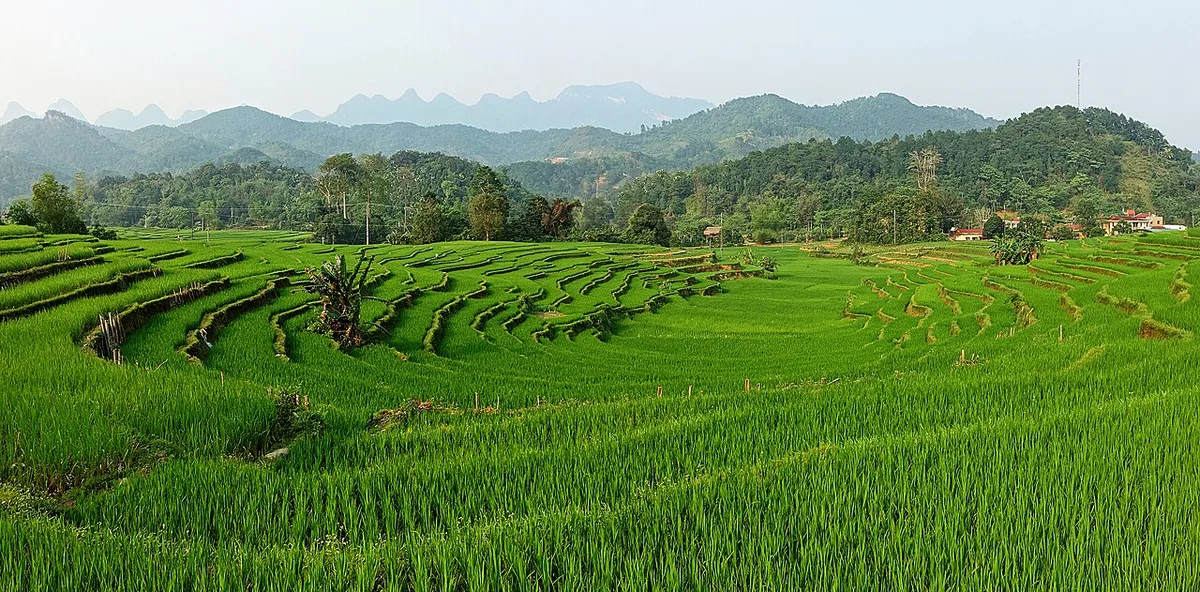
Your 4-Day Ha Giang Loop Itinerary, Day by Day
Below is the realistic version of this route, grouped so travel stays efficient. Each day blends riding time with one or two stops worth the pause. We built the pacing around typical convoy speeds, not race-level riding. Expect slower going in fog or right after rain, especially on Ma Pi Leng.
Day 1 covers the transfer from Hanoi and the first ride into the mountains. We suggest the daytime van from Hanoi, which takes about 7 hours with stops. Motorbike rental shops in Ha Giang town typically open by 7 AM and charge around $6 to $10 a day. The trade-off: arriving late means less daylight for the ride toward Yen Minh.
Day 2 climbs onto the Dong Van karst plateau, a UNESCO Global Geopark. Lung Cu Flag Tower marks Vietnam's northernmost point and charges a small entrance fee, typically $1 or less. Most riders reach the tower by early afternoon, before tour buses fill the lot. The trade-off: the detour adds about 45 minutes but confirms the northernmost point reached.
Day 3 tackles Ma Pi Leng Pass, often called Vietnam's most spectacular road. The Nho Que River boat ride runs about 30 minutes and costs roughly $5 to $8 per person. Boats generally operate from 7 AM to 5 PM, and mid-morning tends to be quietest. The trade-off: skipping the boat saves an hour but skips the canyon's best angle.
Day 4 winds down through Mau Due before reaching Du Gia Waterfall. Du Gia Waterfall has no entrance fee and stays accessible most of the year. Locals note the final stretch toward the falls turns rough and slippery after rain. We suggest returning bikes by early evening to avoid rushing the drop-off inspection.
- Day 1: Hanoi to Ha Giang, first mountain views
- Morning: night bus arrives around dawn
- Afternoon: bike check, then ride toward Quan Ba
- Evening: arrive Yen Minh, overnight stay
- Time: about 7 hours travel plus riding
- Logistics: rest before starting the ride
- Optional: skip Quan Ba if exhausted
- Day 2: Dong Van karst plateau and Lung Cu
- Morning: ride Tham Ma Pass to Dong Van
- Afternoon: detour to Lung Cu Flag Tower
- Evening: wander Dong Van's old quarter market
- Time: roughly 4 to 5 hours riding
- Logistics: fuel up before leaving Yen Minh
- Optional: skip Lung Cu if running late
- Day 3: Ma Pi Leng pass and Meo Vac
- Morning: cross Ma Pi Leng Pass slowly
- Afternoon: optional boat ride on Nho Que
- Evening: settle into Meo Vac for the night
- Time: about 3 hours riding, plus boat
- Logistics: book boat tickets at the dock
- Optional: swap the boat for a viewpoint stop
- Day 4: Du Gia waterfall, loop closes at Ha Giang
- Morning: ride Meo Vac to Du Gia
- Afternoon: visit Du Gia Waterfall, return bikes
- Evening: transfer back to Hanoi overnight
- Time: about 4 hours riding, plus transfer
- Logistics: confirm bike drop-off time early
- Optional: stay overnight in Ha Giang instead
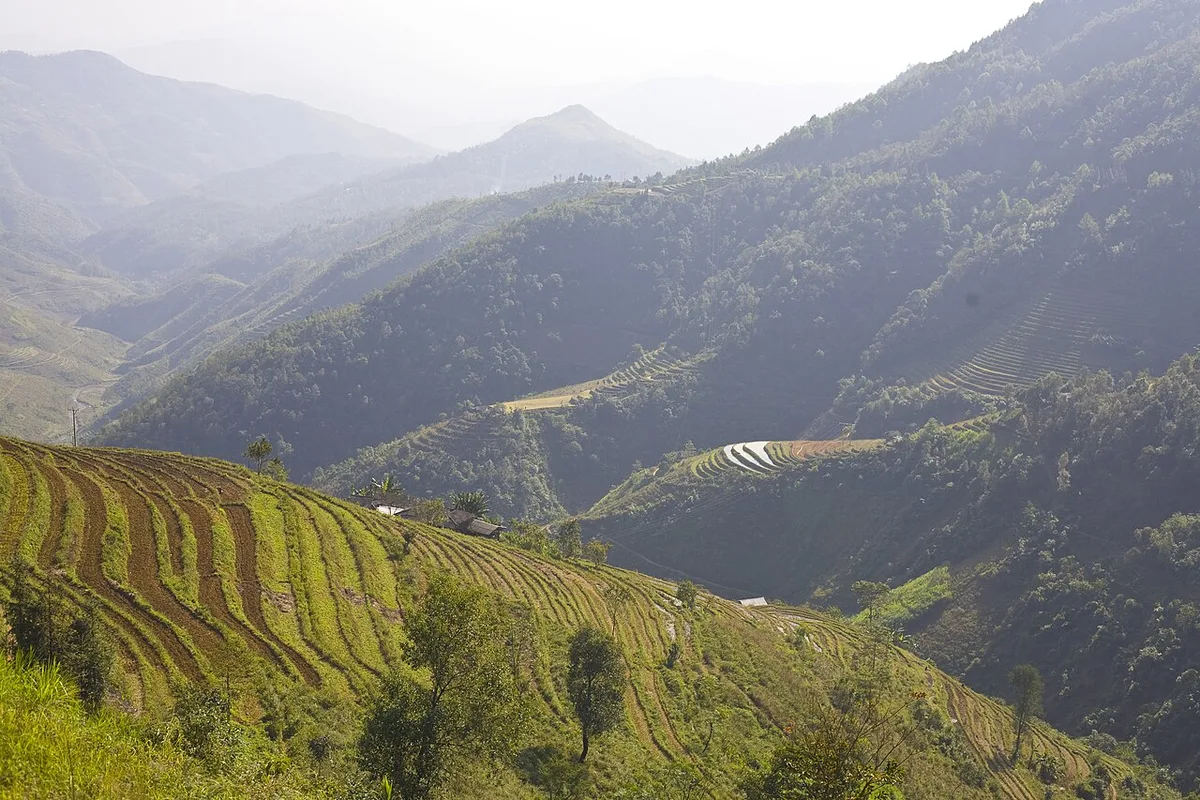
Ha Giang Loop Trip Planning Logistics and Map
Ha Giang town sits roughly 5.5 hours north of Hanoi by road. No airport serves the area directly, so travelers arrive by bus or van. Overnight buses leave Hanoi around 9 PM and arrive by early morning. Daytime vans take about 7 hours and arrive by early afternoon instead.
Mobile coverage becomes unreliable between towns. Download the route offline before leaving Ha Giang town. Save accommodation and fuel stops separately in your maps to avoid confusion between similarly named homestays.
| Transport Option | Cost | What's Included | Best For |
|---|---|---|---|
| Self-drive bike rental | $6–$10 per day | Bike rental; fuel, meals, and lodging separate | Confident motorbike riders |
| Easy Rider guided tour | $150–$250 (3–4 days) | Guide, fuel, meals, and homestay lodging | First-time riders |
| Private car tour | Not specified | Vehicle and driver | Families and nervous riders |
Most bus and van companies pick up near Hanoi's Old Quarter, close to hotels. Confirm your pickup address the night before, since instructions vary by operator. Tickets for the daytime van typically run $12 to $18 one way. Overnight sleeper buses cost slightly less, around $10 to $15 one way.
Flying into Hanoi first means planning an airport transfer before the northbound trip. Review airport to Old Quarter transfers so timing lines up with your bus. A taxi or ride-hailing app usually takes 45 minutes from the airport downtown. Leave a buffer, since Hanoi traffic can stretch that transfer during rush hour.
The classic loop runs clockwise through Quan Ba, Yen Minh, Dong Van, and Meo Vac. A quieter alternative follows QL4C northeast toward Bao Lam, then QL34 back southwest. Self-drive suits confident riders, while an Easy Rider guide suits total beginners. Those skipping bikes entirely can join a Ha Giang Loop in a car instead.
September through November brings clear skies and the best mountain visibility. December through February turns cold and foggy, especially above 1,000 meters. Operators such as Ha Giang loop tours run guided trips across most of the year. Roads stay passable year-round, though landslide closures happen occasionally during summer rains.
Book in Advance: Guides, Permits, and Timed Stops
Not everything on the loop needs booking weeks out, but a few things do. Guided multi-day tours fill up fastest during peak months like October and November. Booking at least one to two weeks ahead avoids scrambling for a same-day guide. Solo self-drive riders have more flexibility but still need to plan bike pickup.
Ha Giang requires a simple travel permit for entry into certain border districts. Hotels or tour desks in Ha Giang town arrange it same-day for a small fee. Guided tours typically include this in the overall trip cost.
Ha Giang also requires a simple travel permit for entry into certain border districts. Hotels or tour desks in Ha Giang town usually arrange it same-day for a small fee. Self-drive riders should ask their homestay to help, since the process is mostly paperwork. Guided tours typically fold this permit into the overall trip cost already.
Local operators such as a local travel company publish set departure dates. Comparing two or three operators helps match group size, bike type, and pace. Ask about group size caps, since smaller groups move faster through mountain traffic. Confirm whether fuel, meals, and homestay lodging are included in the quoted price.
Hostels in Ha Giang town also sell loop tours bundled with a bed for the first night. Options like book your Ha Giang Loop tour here suit riders arriving on a night bus. Some hostels offer a free dorm bed for guests arriving between 2 AM and 8 AM. That perk matters after a rough overnight ride from Hanoi.
The list below covers the three items worth locking in early. Everything else on the loop can be arranged day to day without much risk. Prices below are typical ranges, so confirm current rates with your chosen operator. Fast-changing details like exact schedules are best verified on the operator's own site.
- Easy Rider guide: book 1-2 weeks ahead
- Cost: guided multi-day tours average $150-$250
- Tip: book earlier during Sep-Nov peak season
- Motorbike rental: reserve 2-3 days ahead
- Cost: self-drive rental runs $6-$10 per day
- Tip: confirm bike condition before leaving town
- Nho Que boat ride: buy same-day tickets
- Cost: around $5-$8 per person, 30 minutes
- Tip: mornings before 10 AM run quieter
Where to Stay: Best Base Before and After the Loop
Ha Giang town works best as your base the night before and after the loop. Budget dorms and private rooms both cluster near the main bus station area. Expect to pay roughly $5 to $8 for a dorm bed and $15 to $25 for a private room. Staying central keeps you close to bike rental shops and breakfast spots at dawn.
Many travelers add a night in Hanoi before or after the loop to recover. See Hanoi Travel Planning Hub: Complete 2026 Guide for ideas to fill that extra day. A short rest day also helps you adjust before six-plus hours on a bus. It gives sore muscles time to recover before or after the mountain roads.
Riders flying out of Hanoi often pair the loop with extra city time. A 2-day Hanoi itinerary fits neatly before an early loop departure or after a late return. That combination balances mountain adventure with easier walking and food-focused days. Book the Hanoi hotel first, since northbound buses often need an early pickup.
Mid-loop nights in Yen Minh, Dong Van, and Meo Vac stay simple by design. Homestays and small guesthouses run about $8 to $15 per night with breakfast included. Rooms rarely need advance booking outside peak season, since supply keeps pace with demand. During October and November, though, booking a day ahead avoids a late-evening scramble.
Traveling with kids or on a tight budget changes the best-base calculus a bit. Families often prefer a private car tour paired with simple guesthouse stops each night. Budget travelers can mix dorm beds in town with basic homestays along the route. Both swaps keep the same overall route while adjusting comfort and daily cost.
Should You Add an Extra Day to the Ha Giang Loop?
Four days covers the loop's essentials, but a fifth day adds real breathing room. Cao Bang province sits within reach for riders wanting a longer mountain trip. Ban Gioc Waterfall, near the Chinese border, makes a popular two-day extension. That add-on suits riders with six or more days total in northern Vietnam.
A shorter add-on stays closer to the loop itself instead of Cao Bang. Spending a second night in Du Gia lets you explore the valley on foot. Local guides note the waterfall area gets far quieter after tour groups leave by early afternoon. That quieter window suits travelers who prefer photos without a crowd in frame.
Travelers short on time sometimes weigh Ha Giang against a shorter mountain trip. A 3-day Sapa itinerary offers rice-terrace views with far less riding time. Sapa suits hikers and train travelers, while Ha Giang suits confident motorbike riders. Choose based on comfort on two wheels versus comfort on foot.
Base the extra day on your remaining schedule, riding comfort, and weather forecast. Fog and rain slow the mountain passes more than distance alone ever does. Build in one buffer day if your return flight sits within 24 hours of the loop's end. That buffer absorbs delays from landslides, breakdowns, or simple fatigue.
Riders who'd rather skip an extra motorbike day can still add value elsewhere. A private car covers Cao Bang or Ban Gioc without adding riding fatigue. This suits families, less confident riders, or anyone recovering from the main loop. It keeps the extension flexible without forcing everyone back onto two wheels.
How to Read the Ha Giang Loop Map
The standard clockwise route follows QL4C north from Ha Giang town through Quan Ba and Yen Minh to Dong Van, then crosses Ma Pi Leng Pass to Meo Vac. From Meo Vac, most four-day itineraries turn toward Mau Due and Du Gia before returning to Ha Giang. Do not rely only on the map’s distance estimate: steep gradients, construction, livestock, fog, and photo stops make mountain travel much slower than the kilometer count suggests.
Download the route for offline use before leaving Ha Giang, because mobile coverage becomes unreliable between towns. Save your accommodation, fuel stops, Lung Cu Flag Tower, the Nho Que River access point, and Du Gia separately; similarly named homestays can appear in different villages. At each overnight stop, ask the host to confirm the next day’s road conditions, particularly around Du Gia after heavy rain.
A longer, quieter variation continues from Meo Vac toward Bao Lam and returns southwest on QL34. Choose it only if you have extra time and confirmed road conditions, as it bypasses the usual Du Gia return and increases the distance between dependable services.
Frequently Asked Questions
What is the Ha Giang Loop?
The Ha Giang Loop is a roughly 350 km motorbike route through Vietnam's northernmost mountains. It winds past karst peaks, deep canyons, and villages home to several ethnic minority groups. Most riders complete it in three to four days starting and ending in Ha Giang town.
Do you need a guide for the Ha Giang Loop?
No, but many first-time riders choose an Easy Rider guide for safety and local knowledge. A guide handles navigation, bike issues, and language gaps on quiet mountain roads. Confident riders with motorbike experience often self-drive instead.
How much time should you plan for a Ha Giang Loop itinerary?
Plan on four full days for a realistic pace without rushing the mountain passes. Three days works if you skip a stop or two, while five adds a Cao Bang extension. Add a travel day on each end for the Hanoi transfer.
Is the Ha Giang Loop safe for tourists?
The loop is generally safe, though narrow roads, drop-offs, and fog raise real risk for inexperienced riders. Wearing a helmet, riding sober, and choosing a guide if unsure all reduce that risk. Vietnam overall ranks as a low-crime destination for travelers.
Where does the Ha Giang Loop start and end?
Most riders start and end the loop in Ha Giang town, the provincial capital. The route runs clockwise through Quan Ba, Yen Minh, Dong Van, and Meo Vac before looping back. A quieter QL4C to QL34 variant swaps the direction and pace.
What should travelers avoid when planning a Ha Giang Loop itinerary?
Avoid booking a bike sight unseen or skipping a test ride before departure. Riding after dark on mountain roads raises risk sharply, so plan arrival times with a buffer. Skipping travel insurance is also a common and costly mistake.
Is a Ha Giang Loop itinerary worth it on a short Vietnam trip?
Yes, even a compressed version delivers dramatic scenery most visitors never see. A tight 10-day Vietnam trip can still fit a 4-day loop with two travel days. Shorter trips should skip the Cao Bang extension and stick to the core route.
Which Ha Giang Loop itinerary fits first-time visitors best?
First-time visitors do best with the four-day version and an Easy Rider guide. That combination balances safety, pace, and sightseeing without overloading any single day. Confident, experienced riders can shorten it to three days instead.
A four-day Ha Giang Loop itinerary gives first-time riders enough time without feeling rushed. Group your stops by region, book a guide or bike ahead, and build in one weather buffer. Costs stay modest, guides included, once you compare tour operators side by side. Check Getting Around Hanoi: A Step-by-Step 2026 Guide before you leave, so the bookend transfers stay simple too.
Ready to plan the rest of the trip around this loop? Browse more Vietnam travel guides for connected routes across the north. Save this itinerary, confirm current prices, and lock in your guide or bike early. The mountains reward those who plan ahead and ride within their comfort level.
Take the route offline
Free: the Ha Giang route notes
Where to base yourself and what it costs, a day-by-day route that avoids backtracking, real transfer times and fares, seasonal timing, and where it connects onward — condensed from our Ha Giang guides and made to take offline.
Keep unfolding Vietnam
Continue along the route
Three nearby guides for the next decision in your trip.


