

Photo: sridgway via Flickr (CC BY 2.0)
Central Vietnam Itinerary: A 10-Day Route Guide
Plan a 10-day Central Vietnam itinerary covering Phong Nha, Hue, Da Nang, and Hoi An, with costs, timing, and booking tips. Start planning your route today.
On this page
Planning a Central Vietnam itinerary means choosing between caves, imperial cities, and beach towns spread across four provinces. This guide is built for first-time visitors who want a realistic ten-day route without constant backtracking. Last updated July 2026.
We recommend a ten-day route as the sweet spot for covering the region's four core stops. Travelers with only a week need a tighter route than the one mapped out here. Repeat visitors can skip a Hue tomb and add extra beach time in Hoi An.
Every day below lists typical costs, hour patterns, and transfer times so you can budget with confidence. Metro-style city buses, private transfers, and the reunification train all serve this route in different ways. Prices and hours shift often, so confirm fast-changing details on each attraction's official site.
Key Takeaways
- Ten days covers Phong Nha, Hue, Da Nang, and Hoi An at a realistic pace.
- Book VinWonders and Ba Na Hills tickets three to five days ahead in peak season.
- Budget $40–$55 a day backpacker style, or $80–$110 a day mid-range.
Take the route offline
Free: the Central Vietnam route notes
Where to base yourself and what it costs, a day-by-day route that avoids backtracking, real transfer times and fares, seasonal timing, and where it connects onward — condensed from our Central Vietnam guides and made to take offline.

Central Vietnam Itinerary at a Glance: 10 Days
Phong Nha's caves open this Central Vietnam itinerary, and the route moves south toward Hoi An's lantern-lit lanes. Four base towns anchor the trip, with two to three nights booked in each one. First-timers get the clearest picture of pacing from this quick overview before the full day-by-day plan.

Each day below pairs a morning activity with an afternoon stop in the same neighborhood. That grouping cuts down on taxi time and lets you walk between sights where possible. Evenings lean toward food streets, river walks, or beach sunsets depending on the base city. Swap any day for a rest day if the pace feels rushed.
Grab and local ride-hailing apps cover short hops inside each city for a few dollars. Longer legs between cities run on private transfer, open-tour bus, or the reunification train. The day-by-day plan ahead notes which transport option fits each transfer best.
Most travelers underestimate Phong Nha's travel time and end up rushing the imperial sights in Hue. Building two transfer-only pockets into the week, days 3 and 5, keeps the rest of the trip relaxed. That structure also matches how most private transfers and buses schedule departures along this corridor.
- Day 1: Phong Nha arrival and cave first look
- Morning: Fly into Dong Hoi
- Afternoon: Settle into riverside Phong Nha
- Evening: Farm-style dinner, quiet town
- Day 2: Deep caves and jungle river paddling
- Morning: Boat into Phong Nha Cave
- Afternoon: Paradise Cave boardwalk and buggy
- Evening: Riverside beers, swap travel notes
- Day 3: Phong Nha to Hue transfer day
- Morning: Private car south to Hue
- Afternoon: Check in, Dong Ba Market
- Evening: Perfume River walk, bun bo Hue
- Day 4: Imperial Hue tombs and pagodas
- Morning: Imperial City self-guided walk
- Afternoon: Khai Dinh and Tu Duc tombs
- Evening: Royal-style dinner, court music show
- Day 5: Hue to Da Nang via Hai Van Pass
- Morning: Thien Mu Pagoda, then depart
- Afternoon: Hai Van Pass scenic transfer
- Evening: My Khe Beach sunset stroll
- Day 6: Da Nang beaches and marble peaks
- Morning: Marble Mountains cave temples
- Afternoon: Son Tra Peninsula viewpoint loop
- Evening: Dragon Bridge, Han River lights
- Day 7: Hoi An ancient town lantern wander
- Morning: Transfer to Hoi An, check in
- Afternoon: Ancient Town heritage ticket walk
- Evening: Lantern release on the river
- Day 8: My Son ruins and cooking class
- Morning: My Son Sanctuary day trip
- Afternoon: Market tour and cooking class
- Evening: Tailor fitting, riverside dinner
- Day 9: Hoi An beach day and VinWonders
- Morning: An Bang Beach, slow swim
- Afternoon: VinWonders Nam Hoi An park
- Evening: Old Town bars, live music
- Day 10: Slow morning and departure prep
- Morning: Last-minute tailor pickups, coffee
- Afternoon: Transfer to Da Nang airport
- Evening: Optional Da Nang layover dinner
Day-by-Day Central Vietnam Itinerary: 10 Days
The plan below moves in one direction, south from Phong Nha to Hoi An over ten days. That keeps backtracking to a minimum and matches how buses, trains, and transfers actually run. If ten days feels long, our 7-day Hue, Da Nang, and Hoi An itinerary trims out the caves.
Phong Nha gets two full days because the caves reward unhurried mornings before tour buses arrive. Most visitors find Paradise Cave's boardwalk crowds thin out again after 3pm. Hue and Da Nang each get a single overnight, which is tight but workable for first-timers. Short on time, skip Hue's second tomb and add a Hoi An beach morning instead.
Every stop below lists typical costs, hour patterns, and transfer times so budgeting takes little extra work. Prices shift with season and fuel costs, so treat these ranges as a planning baseline. For live pricing and current cave-tour schedules, check each site's official page before you travel.
Transport options along this route include private car, sleeper bus, the reunification train, and short flights. Our Central Vietnam transport comparison breaks down cost and comfort for each leg. In general, private transfers cost more but save two to three hours over public buses.
- Day 1: Phong Nha arrival and cave first look
- Morning: Fly into Dong Hoi, about 1 hr
- Afternoon: Transfer to Phong Nha, ~45 min, $10–$15
- Evening: Riverside dinner, quiet town after dark
- Time: Flight ~1 hr, transfer ~45 min
- Logistics: Airport transfers get busy after 2pm
- Optional: Rainy day, visit the park's cave museum
- Day 2: Deep caves and jungle river paddling
- Morning: Boat into Phong Nha Cave, 8:30am start
- Afternoon: Paradise Cave boardwalk, optional electric buggy
- Evening: Riverside bar, swap tips with travelers
- Time: Full-day tour, roughly 6–7 hrs
- Logistics: Cave entry $6–$10, boats fill by 9am
- Optional: Budget swap, skip the buggy, walk instead
- Day 3: Phong Nha to Hue transfer day
- Morning: Private car south, depart by 8am
- Afternoon: Check into Hue, walk Dong Ba Market
- Evening: Perfume River walk, crowds thin after 8pm
- Time: Transfer ~3–3.5 hrs by car
- Logistics: Private car $35–$45, shared van $10–$15
- Optional: Kid-friendly swap, river cruise instead
- Day 4: Imperial Hue tombs and pagodas
- Morning: Imperial City walk, open daily 7am–5:30pm
- Afternoon: Khai Dinh tomb before 10am tour buses
- Evening: Royal-style dinner with court music show
- Time: Sightseeing ~4–5 hrs total
- Logistics: Imperial City $8, each tomb $6
- Optional: Low-budget swap, pick one tomb only
- Day 5: Hue to Da Nang via Hai Van Pass
- Morning: Thien Mu Pagoda, free entry, then depart
- Afternoon: Hai Van Pass, clearer views before noon
- Evening: My Khe Beach sunset, seafood dinner
- Time: Transfer ~2.5–3 hrs by car
- Logistics: Private car with stops runs $40–$55
- Optional: Rainy day, take the coastal train instead
- Day 6: Da Nang beaches and marble peaks
- Morning: Marble Mountains cave temples, arrive by 8am
- Afternoon: Son Tra Peninsula loop by rented scooter
- Evening: Dragon Bridge, Han River night market
- Time: Sights ~4 hrs, transfer to Hoi An ~45 min
- Logistics: Marble Mountains $2, elevator add-on $1.50
- Optional: Kid-friendly swap, Da Nang beach park instead
- Day 7: Hoi An ancient town lantern wander
- Morning: Transfer to Hoi An, check in by noon
- Afternoon: Ancient Town walk, quieter after 4pm
- Evening: Lantern release, riverside night market
- Time: Transfer ~45 min, walking tour ~3 hrs
- Logistics: Heritage ticket $5, covers several sites
- Optional: Budget swap, walk the free river path
- Day 8: My Son ruins and cooking class
- Morning: My Son ruins before 9am tour buses
- Afternoon: Market tour and hands-on cooking class
- Evening: Tailor fitting, riverside dinner in town
- Time: Day trip ~4 hrs round-trip
- Logistics: My Son entry $6, open 6:30am–5pm
- Optional: Rainy day, cooking class only, skip ruins
- Day 9: Hoi An beach day and VinWonders
- Morning: An Bang Beach, quiet before 9am
- Afternoon: VinWonders Nam Hoi An theme park
- Evening: Old Town bars, live acoustic sets
- Time: Beach ~2 hrs, park ~4–5 hrs
- Logistics: VinWonders tickets from $25, book online
- Optional: Low-budget swap, skip park, extend beach time
- Day 10: Slow morning and departure prep
- Morning: Last tailor pickups, coffee by the river
- Afternoon: Transfer to Da Nang airport, ~45 min
- Evening: Optional Da Nang layover dinner near beach
- Time: Transfer ~45 min to Da Nang airport
- Logistics: Airport transfer $15–$20, book day before
- Optional: Extend swap, add a Ba Na Hills half-day
Where to Stay: Best Bases in Central Vietnam
Phong Nha has one main strip along the river, so almost any guesthouse sits within walking distance of tours. Budget bungalows run $15–$25 a night, while riverside resorts reach $50–$80. Book two nights minimum since cave tours often start early and run long.
Hoi An hotels near the river flood during typhoon season (September–November). Book accommodation toward Cua Dai Road or An Bang for easier access during wet months.
In Hue, stay inside the Citadel walls or along the Perfume River's south bank near Le Loi Street. That area keeps the Imperial City, restaurants, and river cruises within a short walk. Mid-range hotels average $30–$50 a night, and a few heritage properties sit right on the water.
Da Nang and Hoi An sit close enough that picking a base comes down to preference, not distance. Our Da Nang versus Hoi An stay comparison breaks down the trade-offs in detail. In short, pick Da Nang for beach resorts and nightlife, Hoi An for walkable heritage streets. This itinerary bases you in Hoi An for three nights since the Ancient Town closes to cars each evening.
Across all four bases, a private room with air conditioning typically runs $20–$45 a night in low season. Prices climb 20 to 30 percent around Tet and summer holidays, so book those dates early. Grouping nights this way trims transfer time to under an hour between most stops.
Booking two nights minimum in each base avoids same-day check-in and cave-tour scheduling conflicts. Hoi An hotels near the river flood occasionally during typhoon season, so ask before booking a ground floor. Higher-floor rooms or properties on Cua Dai Road avoid that risk entirely.
Top Central Vietnam Cities and Worth-It Detours
Phong Nha, Hue, Da Nang, and Hoi An anchor this route, and each one earns its spot differently. Phong Nha suits cave and jungle fans, while Hue rewards travelers who like layered history. Da Nang works best for beach time and modern infrastructure, and Hoi An wins on walkable charm.
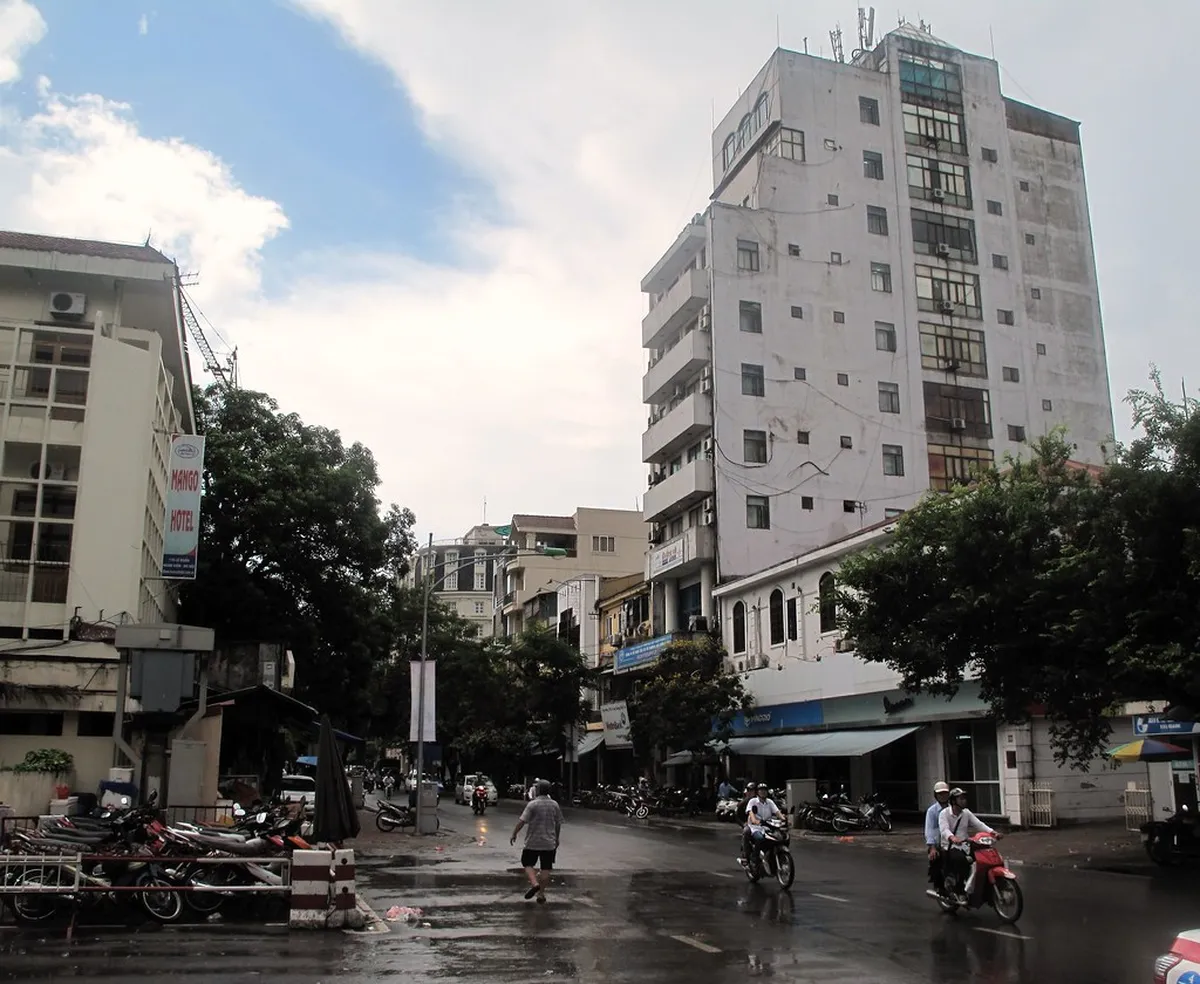
Short on time, you'll want to cut Phong Nha before Hoi An, since caves need a full extra day. Travelers who prioritize photography often keep Hue for the tombs and drop a Da Nang beach day instead. Families with young kids tend to favor Da Nang's calm shoreline over Hue's walking-heavy tomb circuit.
| City | Best For | Recommended Stay | Key Detail |
|---|---|---|---|
| Phong Nha | Caves and jungle | 2+ nights minimum | Early tours require early mornings |
| Hue | Layered history | 1–2 nights (tight) | Imperial City, tombs, pagodas |
| Da Nang | Beaches and modern infrastructure | 1–2 nights | Base for beach or access to Hoi An |
| Hoi An | Walkable charm and heritage | 3 nights in this itinerary | Ancient Town closed to cars evenings |
Nha Trang and Quy Nhon extend this route south if you have more than ten days. Nha Trang adds resort beaches and the VinWonders Nha Trang island park; use the Da Nang-to-Nha Trang transport comparison to decide whether a flight, day train, or overnight journey fits. Quy Nhon stays quieter and cheaper, but fewer direct flights make it a harder add-on for short trips.
Adding either city means dropping a full day somewhere else, since flights rarely connect same-day with cave tours. In our view, Phong Nha and Nha Trang do not pair well on a single ten-day trip. Pick caves and mountains, or pick islands and reef diving, rather than rushing both.
Buon Ma Thuot and Da Lat sit further inland and rarely fit a coastal Central Vietnam route like this one. They pair better with a Central Highlands trip planned as its own separate itinerary. Keep this route focused on the coast and caves rather than stretching it across the whole region.
Book Tickets and Timed Entries in Advance
A few Central Vietnam stops need advance booking, especially during July and August peak season. Book tickets to VinWonders Nam Hoi An a day ahead to unlock the online-only rate. Same-day gate tickets cost more and sometimes run out on weekends.
VinWonders Nam Hoi An and Ba Na Hills require advance booking during peak season. Book three to five days ahead for online rates; same-day tickets cost more and sometimes sell out.
Travelers extending south to Nha Trang should plan the same way. Book tickets to VinWonders Nha Trang three to five days before arrival for the best pricing. Ba Na Hills near Da Nang gets crowded too, so buy cable car tickets three to five days out.
My Son Sanctuary does not require pre-booking, but arriving by 6:30am beats the tour-bus crush. Most visitors find the site's second wave of buses lands around 9am, doubling the crowd. Hue's Imperial City sells same-day tickets at the gate, so no advance booking is necessary there.
Prices and booking windows shift often, so confirm current rates on each attraction's official site before you go. Cave tours inside Phong Nha-Ke Bang National Park can sell out on holiday weekends, especially the Dark Cave zipline combo. Reserve those slots at least a week ahead if your trip falls near a Vietnamese public holiday.
None of these bookings require a deposit larger than the ticket price itself, so risk stays low. Keep screenshots of confirmation emails, since some rural ticket counters have unreliable internet access.
Is 10 Days Enough for Central Vietnam?
Ten days covers Central Vietnam's core well, but it will feel brisk if you love slow mornings. Seven days works if you drop Phong Nha, and fourteen days lets you add Nha Trang or Quy Nhon. Most first-timers find ten days the most realistic balance between coverage and pace.
Budget travelers can expect to spend around $40–$55 a day covering guesthouses, street food, and buses. Mid-range travel with private transfers and nicer hotels runs closer to $80–$110 a day. Across ten days, that puts total costs somewhere between $400 and $1,100 depending on style.
Weather varies a lot across this route, since Hue and Da Nang sit on opposite sides of Hai Van Pass. Check our guide to the best time to visit Central Vietnam before picking exact dates. In general, February through May brings the driest, calmest weather across all four stops.
Getting around mixes Grab scooters and taxis in cities with private cars or trains between them. Cyclists and e-bike renters can also cover Hoi An and Hue at a slower, quieter pace. Travelers who love caves can extend Phong Nha using our 3-day Phong Nha itinerary for a deeper dive.
Pack light rain gear even in the dry season, since mountain weather near Hai Van Pass shifts fast. Dress modestly at Hue's tombs and Hoi An's temples, covering shoulders and knees out of respect. Keep small bills on hand, since many market stalls and cave-park kiosks cannot break large notes.
Plan for Flooding and Seasonal Closures
Central Vietnam’s weather can disrupt this route unevenly. Heavy rain from roughly September through November may flood low-lying streets in Hoi An, while storms can suspend boats to Phong Nha Cave or close jungle trails in Phong Nha-Ke Bang National Park. Hue also receives prolonged rain, and cloud or fog can obscure viewpoints along Hai Van Pass.

Keep the Phong Nha and Hoi An portions flexible rather than tying every activity to a non-refundable booking. Check forecasts and official attraction notices before leaving Dong Hoi, Hue, or Da Nang. If cave boats stop operating, Paradise Cave may remain a possible alternative when road access is safe because its visitor route is reached overland. In Hoi An, choose accommodation away from the lowest parts of the Thu Bon riverfront during wet months; areas toward Cua Dai or An Bang can offer easier road access, although they are not immune to storms.
When visibility is poor on Hai Van Pass, use the direct road transfer or the Reunification Express between Hue and Da Nang and save scenic stops for clearer weather. Never ride a scooter through standing water or during a severe-weather warning.
Complete the corridor with the Da Nang to Hue transport guide and fit the Dragon Bridge show route into a Da Nang evening.
Frequently Asked Questions
How many days do you need for a Central Vietnam itinerary?
Ten days covers Phong Nha, Hue, Da Nang, and Hoi An at a comfortable pace. Seven days works if you skip the caves, while two weeks leaves room for Nha Trang. Most first-timers find ten days the sweet spot for this route.
Is Central Vietnam worth visiting?
Yes, Central Vietnam packs caves, imperial history, and beaches into one compact region between Hanoi and Ho Chi Minh City. Phong Nha-Ke Bang holds some of the world's largest cave systems. Hue's Imperial City remains a UNESCO World Heritage Site just north of Da Nang.
Where should you go in Central Vietnam?
Start with Phong Nha, Hue, Da Nang, and Hoi An, the region's four most connected stops. Nha Trang and Quy Nhon make good add-ons for beach time if your trip runs past ten days. Each city groups its sights within a walkable or short-drive radius.
Is $50 a day enough for a Central Vietnam trip?
Yes, $50 a day covers budget guesthouses, street food, and local buses across this route. Mid-range travel with private transfers and nicer hotels runs closer to $80–$110 a day. Add extra for timed-entry tickets like VinWonders or Ba Na Hills.
What is the best time of year for this Central Vietnam itinerary?
February through May brings the driest weather across Phong Nha, Hue, Da Nang, and Hoi An. Typhoon season peaks from September through November, mainly around Hue and Da Nang. Pack a light rain layer even in the dry months near Hai Van Pass.
This ten-day Central Vietnam itinerary covers caves, imperial history, beaches, and lantern-lit streets without constant rushing. Adjust the pace to fit your style, whether that means extra Hoi An beach time or a faster Hue stop. Book VinWonders and Ba Na Hills tickets ahead, then stay flexible with everything else.
For a broader planning framework across the rest of the country, Access our free Vietnam Destinations guide here. You can also browse more regional routes on the Viet Unfold travel blog as you finalize your trip. Central Vietnam rewards travelers who plan loosely and leave room for one slow afternoon.
Explore Every Guide in This Cluster
Use this hub to reach all 31 connected guides for routes, timing, transport, stays, and destination decisions.
- Read 6 Best Areas to Stay in Hoi An (2026) – Budget, Beach & Old Town Guide
- Read Best Area To Stay In Da Nang Travel Guide (2026)
- Read Best Area To Stay In Hue (2026 Visitor
- Read Best Time to Visit Central Vietnam: Travel Guide
- Read Central Vietnam 10 Day Itinerary: A First-Timer Route
- Read Central Vietnam in Rainy Season: Travel Guide 2026
- Read Central Vietnam Transport Guide: Buses, Trains & Taxis
- Read Da Nang 3 Day Itinerary Travel Guide
- Read Da Nang Airport To City Center Travel Guide
- Read Da Nang Airport To Hoi An Travel Guide
- Read Da Nang Food Route: Complete DIY Guide
- Read Da Nang or Hoi An Where to Stay: Full 2026 Guide
- Read Da Nang to Hoi An Transport Guide (2026)
- Read Da Nang Travel Planning Hub Travel Guide
- Read Hai Van Pass Guide Travel Guide
- Read Hoi An 3 Day Itinerary Travel Guide
- Read Hoi An Food Route Travel Guide
- Read Hoi An Old Town Guide Travel Guide
- Read Hoi An Travel Planning Hub Travel Guide
- Read Hoi An With Kids Travel Guide
- Read How to Book Hue to Hoi An Transport in 2026
- Read Hue 2-Day Itinerary: A First-Timer
- Read Hue Airport To City Center Travel Guide
- Read Hue Da Nang Hoi An Itinerary: 7 Days in Central Vietnam
- Read Hue Food Route Travel Guide
- Read Hue Travel Planning Hub: Complete Guide
- Read Hue vs Hoi An: Which Central Vietnam City to Visit?
- Read Marble Mountains Guide Travel Guide
- Read My Son Sanctuary From Hoi An Travel Guide
- Read Phong Nha Itinerary 3 Days: A First-Timer
- Read Phong Nha To Hue Transport Travel Guide
Take the route offline
Free: the Central Vietnam route notes
Where to base yourself and what it costs, a day-by-day route that avoids backtracking, real transfer times and fares, seasonal timing, and where it connects onward — condensed from our Central Vietnam guides and made to take offline.
Keep unfolding Vietnam
Continue along the route
Three nearby guides for the next decision in your trip.


