

Photo: denverkid via Flickr (CC BY 2.0)
Ho Chi Minh City Travel Planning Hub Travel Guide
Plan your Ho Chi Minh City travel planning hub trip with top picks, neighborhood context, timing tips, and practical booking advice for a smoother 2026 visit.
On this page
Ho Chi Minh City rewards travelers who plan a few key decisions before they land. This Ho Chi Minh City travel planning hub breaks down neighborhoods, attractions, transport, and day trips in one place. Last updated July 2026. Formerly known as Saigon, the city blends French colonial streets with modern towers and constant motorbike traffic.
Most visitors spend two to four days in the city before joining a 5-Day Southern Vietnam Itinerary Guide 2026 toward the Mekong Delta or coast. A clear route plan helps you avoid backtracking between districts and wasted taxi time. Neighborhood choice, transport habits, and attraction timing all shape how smooth the trip feels. The sections below cover where to stay, what to see, and how to move between southern Vietnam stops.
Families, couples, and solo travelers all find a workable pace somewhere in this guide. Budget travelers and comfort-focused visitors both get practical cost ranges throughout. Each section pairs a decision point, like where to stay, with the trade-offs behind it. Use the FAQ near the end for quick answers on timing, safety, and budget.
Key Takeaways
- Ho Chi Minh City rewards travelers who plan a few key decisions before they land.
- This Ho Chi Minh City travel planning hub breaks down neighborhoods, attractions, transport, and day trips in one place.
- Formerly known as Saigon, the city blends French colonial streets with modern towers and constant motorbike traffic.
- Most visitors spend two to four days in the city before joining a 5-Day Southern Vietnam Itinerary Guide 2026 toward the Mekong Delta or coast.
Take the route offline
Free: the Ho Chi Minh City route notes
Where to base yourself and what it costs, a day-by-day route that avoids backtracking, real transfer times and fares, seasonal timing, and where it connects onward — condensed from our Ho Chi Minh City guides and made to take offline.
Ho Chi Minh City Travel Planning: Where to Begin
Most travelers need two full days to cover central Ho Chi Minh City's major sights. A third day allows time for a day trip to the Cu Chi Tunnels or a Mekong Delta tour. Travelers connecting onward to the coast often extend their stay to four or five days total. Follow a 3-day Ho Chi Minh City itinerary if you want a tested day-by-day structure.
Midday heat between March and May significantly slows sightseeing progress. Plan indoor museum visits or riverside cafes during peak afternoon hours. This pacing habit prevents fatigue that catches many visitors off guard.
Weather shapes comfort more than most first-time visitors expect. The dry season from December through April brings lower humidity and easier walking conditions. May through October brings heavier rain, though showers are often brief afternoon downpours. Booking travel insurance before you fly covers weather delays and unexpected medical costs.
Southbound travelers often use Ho Chi Minh City as a launch point rather than a final stop. Many pair the city with a multi-day Mekong Delta route for rice paddies and floating markets. Others add Phu Quoc for beach time after the city's museums and markets. Deciding your route early helps you book transport and hotels at better rates.
First-time visitors should budget extra buffer time for Saigon's traffic and heat. Midday heat between March and May can slow even a tight sightseeing plan. Plan indoor museum visits or riverside cafes during the hottest afternoon hours. Building in this pacing habit prevents the fatigue that catches many first-day visitors off guard.
A common planning mistake is scheduling too many far-apart sights on a single day. Group attractions by district instead, then move between clusters rather than criss-crossing the city. Check opening days before you go, since some museums close one weekday for maintenance. A loose morning-and-afternoon structure works better than an hour-by-hour fixed schedule.
Choosing Where to Stay in Ho Chi Minh City
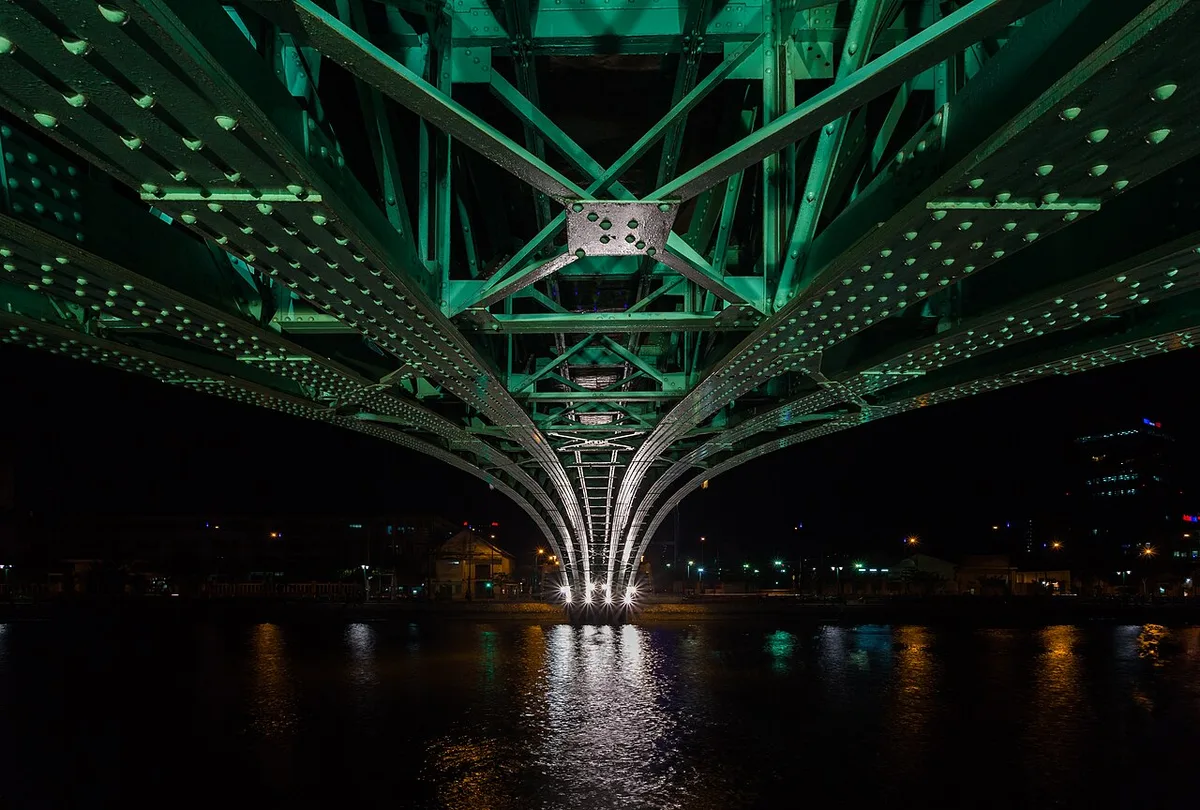
Where you sleep changes how much time you lose to traffic each day. District 1 sits at the center of most major sights, hotels, and restaurants. Staying here suits first-time visitors who want everything within walking distance. Room rates tend to run higher here than in nearby residential districts.
Vietnamese addresses use slash format to mark alleys off main streets. Save hotel addresses in Vietnamese script for taxi drivers unfamiliar with English names. Confirm walking distance to main roads before booking.
| District | Best For | Access to Center | Cost Range | Main Trade-off |
|---|---|---|---|---|
| District 1 | First-time visitors | Walk to major sights | Higher rates | Busy, touristy streets |
| District 3 | Repeat visitors | Short ride to center | Mid-range | Fewer sights nearby |
| District 4 | Food-focused travelers | 10-15 minute walk | Budget-friendly | Fewer tourist amenities |
| Binh Thanh | Longer stays | Short Grab ride to center | Mid to high-range | Farther from historic sights |
| Phu Nhuan | Early or late flights | Short ride to center | Budget to mid-range | Limited nightlife options |
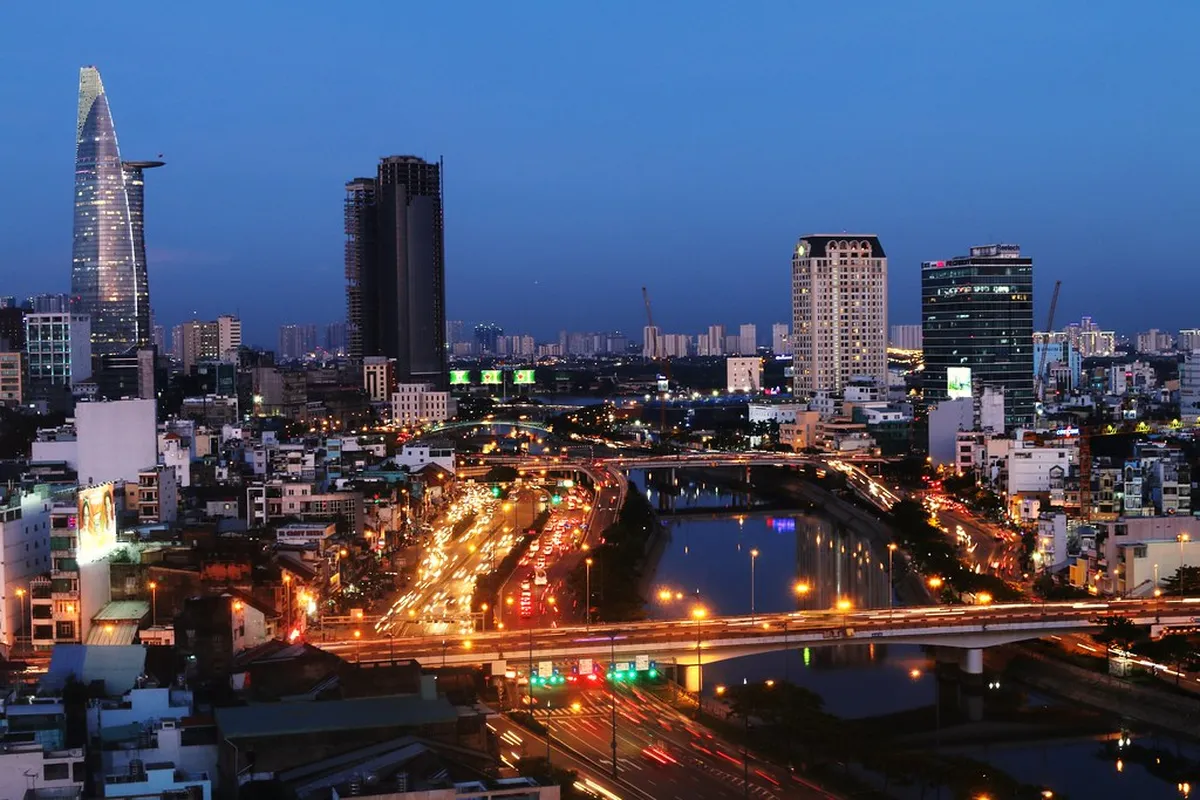
District 3 and District 4 sit just outside the main tourist core. District 3 offers tree-lined streets, local cafes, and a quieter pace after dark. District 4 has become known for late-night street food stalls along the riverfront. Both districts stay within a short ride of District 1's main sights.
Binh Thanh District has grown fast with riverside towers and modern apartments. It suits travelers staying a week or longer who want newer buildings and river views. Phu Nhuan District sits closer to Tan Son Nhat Airport than the historic core. That location makes it a practical base for early flights or short layovers.
Match your district choice to your trip length and daily pace. Short stays of two or three days work best close to District 1's sights. Longer stays reward the lower rates and local feel of Binh Thanh or Phu Nhuan. Confirm walking distance to a main road before booking, since side streets can be hard for taxis to reach.
Vietnamese addresses often use a slash format, marking an alley off a main street. Save your hotel's address in Vietnamese script for drivers who do not read English street names. Rooms facing a main road can be noisy, so ask about interior or upper-floor rooms if you need quiet. Double-check air conditioning and hot water reviews, since older buildings vary widely in upkeep.
- District 1: central sightseeing base
- Best for: first-time visitors
- Access: walk to major sights
- Cost: higher hotel rates
- Trade-off: busy and touristy streets
- District 3: quieter local streets
- Best for: repeat visitors
- Access: short ride to center
- Cost: mid-range hotels
- Trade-off: fewer sights nearby
- District 4: riverside street food
- Best for: food-focused travelers
- Access: 10 to 15 minute walk
- Cost: budget-friendly rooms
- Trade-off: fewer tourist amenities
- Binh Thanh: modern riverside towers
- Best for: longer stays
- Access: short Grab ride to center
- Cost: mid to high-range
- Trade-off: farther from historic sights
- Phu Nhuan: close to the airport
- Best for: early or late flights
- Access: short ride to center
- Cost: budget to mid-range
- Trade-off: limited nightlife options
Must-See Attractions, Museums, and Culture
Central Ho Chi Minh City packs several major landmarks into a compact walking loop. The Reunification Palace, Notre Dame Cathedral Basilica, and Ben Thanh Market sit within a few blocks of each other. Most visitors cover this loop comfortably in a single morning on foot. Start early to avoid both the heat and the midday tour bus crowds.
The War Remnants Museum draws most first-time visitors for its historical depth. It typically opens daily from 7:30 am to 5:30 pm, though hours can shift on holidays. Set aside at least ninety minutes, since several exhibits cover difficult wartime material. Confirm current hours on the museum's official channels before you plan your visit.
Art-focused travelers should add the Ho Chi Minh City Museum of Fine Arts to their route. The museum usually runs daily from 8 am to 5 pm inside a restored colonial-era mansion. Its collection spans lacquer paintings, wartime propaganda art, and contemporary Vietnamese work. Entry fees stay modest, though you should check current pricing on the official site.
For city views, the Bitexco Financial Tower's Saigon Skydeck sits 178 meters above the streets. The deck typically opens daily from 9:30 am to 9:30 pm, making both sunset and night visits possible. Buying a timed ticket in advance can save you a wait during peak evening hours. Clear days give you views stretching across the Saigon River toward District 4 and beyond.
With only one day, prioritize the War Remnants Museum and the Reunification Palace over smaller stops. Add the Fine Arts Museum only if you have a genuine interest in Vietnamese art history. Save the Skydeck for a clear evening, since haze can hide the skyline on humid days. Cutting one attraction is often better than rushing through four in a single afternoon.
Parks, Walking Streets, and Local Experiences
Tao Dan Park and September 23 Park give the city center a break from traffic noise. Locals use these green spaces for morning exercise, badminton, and quiet reading breaks. Early morning visits, before 7 am, show the park at its most local and least touristy. Shade cover makes these parks a practical midday rest stop between sightseeing stops.
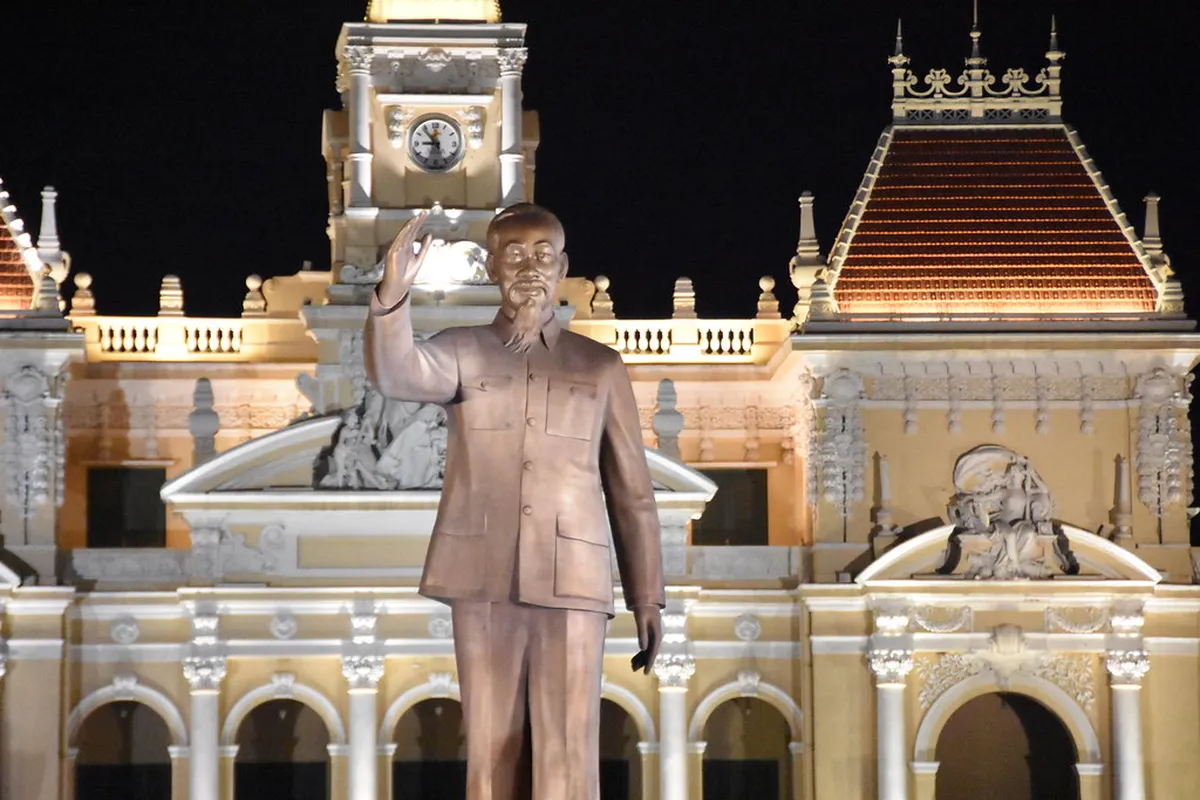
Bui Vien Walking Street turns into a pedestrian strip of bars and street stalls after dark. It suits travelers who want a livelier night out with cheap drinks and street performers. Nguyen Hue Walking Street offers a calmer contrast, with wide open plaza space near City Hall. Families and daytime strollers tend to prefer Nguyen Hue over the louder Bui Vien scene.
A river water bus route runs along the Saigon River between several city landmarks. It gives you a quieter, traffic-free way to see the riverfront skyline from the water. Schedules run less frequently than city buses, so check current timetables before planning around it. Treat it as a scenic add-on rather than your main way of getting around.
The Ho Chi Minh City Book Street offers a shaded, low-key stop between bigger sights. Cafes line both sides of the pedestrian lane, making it an easy rest break. A double-decker sightseeing bus also passes many landmarks if you prefer sitting over walking. It suits travelers managing heat, mobility limits, or a tight one-day sightseeing window.
Bui Vien gets loud and crowded after 9 pm, especially on weekends, so keep valuables close. Nguyen Hue works better for daytime photos, since evening crowds gather around street performers there too. Water bus piers can be easy to miss, so confirm the exact pier location beforehand. Pair one park, one walking street, and one lesser-known stop for a balanced half-day loop.
How to Get Around Ho Chi Minh City
Ho Chi Minh City runs on a mix of buses, taxis, rideshares, and motorbikes. Most major sights sit within District 1, so many trips stay short and simple. Choosing the right mode mostly comes down to your budget and comfort with crowds. Grab, the region's main ride-hailing app, is worth installing before you land.
The city bus network covers more than 100 routes across greater Ho Chi Minh City. Ben Thanh bus station, near the central market, works as the main transfer hub. Fares stay low and most buses run air conditioning for comfort in the heat. Routes and schedules shift occasionally, so confirm your route before boarding.
Taxis and Grab cars offer the most predictable way to reach farther districts. Always confirm the meter is running at the start of any street-hailed taxi ride. Grab shows your fare before booking, which removes most price negotiation stress. Reserve extra travel time during rush hour, roughly 7 to 9 am and 5 to 7 pm.
A hop-on hop-off sightseeing bus covers major landmarks with recorded audio commentary. Passes typically run for 24 or 48 hours of unlimited access on the route. Cyclos, the city's bicycle rickshaws, suit a short, scenic ride rather than daily transport. Skip cyclos for long trips, since they move slower than any motorized option.
Renting a scooter looks tempting, but city traffic overwhelms many visitors within an hour. Consider a guided motorbike tour instead if you want the experience without the driving stress. Walking works well within a single district, but the heat makes cross-town walks impractical. Combine short walks with Grab rides for the most comfortable balance of cost and pace.
- Public buses: cheap citywide network
- Routes: over 100 across the city
- Hub: Ben Thanh bus station
- Cost: low fixed fares
- Best for: budget travelers with time
- Grab rides: convenient door-to-door option
- Booking: via smartphone app
- Cost: fare shown before booking
- Best for: most everyday trips
- Tip: confirm pickup pin location
- Metered taxis: flexible street hailing
- Booking: hailed curbside anytime
- Cost: meter must run from start
- Best for: short direct trips
- Tip: choose recognized taxi brands
- Hop-on hop-off bus: sightseeing loop
- Pass: 24 or 48 hour access
- Feature: recorded audio commentary
- Best for: first-day orientation
- Tip: confirm current pricing online
- Cyclos: short scenic center rides
- Best for: brief photo-friendly rides
- Cost: negotiate fare beforehand
- Trade-off: slower than motorized transport
- Tip: agree on price first
Day Trips and Onward Routes from Ho Chi Minh City
The Cu Chi Tunnels sit roughly one and a half to two hours from central Ho Chi Minh City. Tunnel network entry has run around 65,000 VND, or about 3 US dollars, per adult. Combined tours often run 8 to 9 hours, covering transport, a guide, and tunnel access. Confirm current pricing before booking, since entry fees and tour costs shift over time.
A Mekong Delta day trip trades tunnels for floating markets, orchards, and canal boat rides. Full-day tours from the city typically run 8 to 9 hours, similar to the Cu Chi option. Read the full Mekong Delta Travel Guide: Routes, Costs, Timing before choosing which towns to prioritize. Book morning departures when possible, since afternoon tours often skip the liveliest floating markets.
A single day only scratches the surface of the wider Mekong Delta region. Travelers with three or more spare days get more from a slower, overnight-based route. Follow a 3-day Mekong Delta itinerary if you want homestays and quieter canal towns. That trade swaps a busy single day for a deeper, less rushed regional pace.
Some travelers extend the trip further with a beach stop after the delta or the city. A 4-day Phu Quoc itinerary pairs well as a relaxed close to a southern Vietnam route. Flights from Ho Chi Minh City to Phu Quoc typically run under an hour. Weigh your remaining days, budget, and appetite for more travel before adding this leg.
Choose Cu Chi for a half-day history focus that fits around a single afternoon. A Mekong Delta day trip suits markets and canals without changing hotels. Pick the multi-day delta route or Phu Quoc only if your schedule has real room. Matching the trip to your remaining days prevents a rushed, exhausting final stretch.
- Cu Chi Tunnels: half-day history stop
- Time: about 90 minutes each way
- Cost: around 65,000 VND entry
- Best for: history-focused travelers
- Trade-off: tight tunnels, limited access
- Mekong Delta: one-day market and canal trip
- Time: 8 to 9 hour tour
- Cost: varies by tour operator
- Best for: first delta taste
- Trade-off: rushed single-town coverage
- Mekong Delta: multi-day slower route
- Time: 3 or more days
- Cost: higher than a day tour
- Best for: homestays and quiet towns
- Trade-off: needs extra trip days
- Phu Quoc: beach extension
- Time: under 1 hour flight
- Cost: added flight and hotel budget
- Best for: post-city beach relaxation
- Trade-off: extra planning and packing
Eating on Vinh Khanh Street in District 4
Vinh Khanh Street in District 4 is one of Ho Chi Minh City’s best-known evening seafood areas and an easy food-focused detour from District 1. Restaurants and pavement tables become busiest after sunset, serving Vietnamese snail dishes known collectively as ốc, along with clams, scallops, crab, prawns, and grilled fish. Common preparations include tamarind sauce, garlic butter, lemongrass, chili, and scallion oil.
Vinh Khanh is an active road rather than a pedestrian street, so watch for motorbikes when crossing or walking between restaurants. A Grab ride is usually more comfortable than walking from the central sights, particularly in humid weather. Choose a busy venue where seafood is displayed clearly and cooked to order. Confirm the price, portion size, and cooking style before ordering because some items are priced by weight rather than by plate.
Bring tissues or wet wipes, and mention shellfish allergies explicitly. Travelers who do not eat seafood can still find grilled meat, noodles, fried rice, and drinks nearby. Visit on a separate evening from Bui Vien if you want time to eat slowly rather than rushing between nightlife districts.
Official Planning Checks Before You Go
Use the official Vietnam Tourism Ho Chi Minh City guide for destination context and the official Vietnam Tourism transport overview for a second official baseline. Recheck any opening hour, fare, timetable, closure, access rule, weather risk, or booking condition with the responsible operator shortly before travel; an official destination overview is not a live inventory or service guarantee.
For the wider route context, continue with Ho Chi Minh City 3 Day Itinerary Guide, and 8 Best Areas to Stay in Ho Chi Minh City (2026) before fixing this stop in your itinerary.
Frequently Asked Questions
How many days is enough for Ho Chi Minh City?
Two full days cover most central landmarks, museums, and markets comfortably. Add a third day for a Cu Chi Tunnels or Mekong Delta side trip. Longer southern Vietnam routes often stretch the total stay to four or five days, especially for travelers continuing toward the delta or the coast.
Is $1000 enough for 2 weeks in Vietnam?
Yes, $1000 typically covers two weeks for budget-conscious travelers who choose guesthouses, local buses, and street food. Costs stay low outside peak holiday weeks like Tet. Add extra budget for domestic flights, private tours, or higher-end hotels if you want more comfort.
Which month should you avoid in Ho Chi Minh City?
September and October bring the heaviest rainfall and occasional flooding on low-lying streets. Showers are often short but can disrupt walking plans and outdoor sightseeing for part of the day. If you prefer drier conditions, plan your trip between December and April instead.
Is Ho Chi Minh City safe for travelers right now?
Ho Chi Minh City is generally safe for travelers who take normal city precautions. Petty theft, like bag snatching from motorbikes, is the main risk in busy tourist areas. Keep valuables secure, use registered taxis or Grab, and check current government travel advisories before departure.
Where should first-time visitors stay in Ho Chi Minh City?
District 1 works best for first-time visitors who want major sights, hotels, and restaurants within walking distance. It sits close to the Reunification Palace, Notre Dame Cathedral Basilica, and Ben Thanh Market. Book early during December and January, when demand and prices both run highest.
Ho Chi Minh City rewards travelers who match their neighborhood, pace, and route to their actual trip length. A short stay favors District 1's central sights, while a longer stay opens up Binh Thanh or Phu Nhuan. Either way, buses, Grab rides, and the odd cyclo trip cover nearly every practical need. Museums, walking streets, and riverside parks fill the gaps between bigger landmark visits.
Use this Ho Chi Minh City travel planning hub as your starting point, not your only stop. Pair it with a focused itinerary once you know your dates and travel style. Browse the full Vietnam travel blog for more route comparisons and regional guides. A little upfront planning turns a chaotic first impression into a smooth, memorable trip.
Book your district and rough itinerary before you land, then stay flexible for weather and energy levels. Confirm attraction hours and tour prices close to your travel dates, since these details shift over time. Pack light, comfortable shoes, since most of this city is best explored on foot within each district. A well-paced plan leaves room for the unplanned discoveries that make Ho Chi Minh City memorable.
Take the route offline
Free: the Ho Chi Minh City route notes
Where to base yourself and what it costs, a day-by-day route that avoids backtracking, real transfer times and fares, seasonal timing, and where it connects onward — condensed from our Ho Chi Minh City guides and made to take offline.
Keep unfolding Vietnam
Continue along the route
Three nearby guides for the next decision in your trip.


