

Photo: shankar s. via Flickr (CC BY 2.0)
Mekong Delta Travel Guide: Routes, Costs, Timing
Use this Mekong Delta travel guide to plan floating markets, homestays, and river routes with costs, timings, and booking tips for a smoother 2026 trip.
On this page
The Mekong Delta stretches across southern Vietnam in a maze of rivers, rice paddies, and floating markets. This Mekong Delta travel guide breaks down routes, timing, and costs so your trip through the region runs smoothly. Canal towns like Can Tho, Ben Tre, and Chau Doc each offer a slightly different slice of delta life. Pair this overview with our 3-day Mekong Delta itinerary for a ready-made route.
Last updated July 2026. Southern Vietnam's canals link small towns like Ben Tre, Vinh Long, Cai Be, and Can Tho into one loose network. Each town suits a different kind of traveler, from market photographers to slow-travel homestay fans. The sections below cover getting there, choosing a base, timing the trip, and deciding how many days to stay.
This guide focuses on realistic routes and honest trade-offs rather than a generic list of sights. Expect practical notes on transport costs, seasonal timing, and where different traveler types tend to feel most comfortable.
Key Takeaways
- The Mekong Delta stretches across southern Vietnam in a maze of rivers, rice paddies, and floating markets.
- This Mekong Delta travel guide breaks down routes, timing, and costs so your trip through the region runs smoothly.
- Canal towns like Can Tho, Ben Tre, and Chau Doc each offer a slightly different slice of delta life.
- Pair this overview with our 3-day Mekong Delta itinerary for a ready-made route.
Take the route offline
Free: the Mekong Delta route notes
Where to base yourself and what it costs, a day-by-day route that avoids backtracking, real transfer times and fares, seasonal timing, and where it connects onward — condensed from our Mekong Delta guides and made to take offline.
Must-See Highlights for Your Mekong Delta Travel Guide
Cai Rang floating market near Can Tho ranks as the region's signature scene for most visitors. Boats loaded with pineapples, dragon fruit, and cabbage typically gather on the water well before sunrise. Plan a boat ride around 5 AM, since most trading activity wraps up by roughly 8 AM. Arrive after 9 AM and the market often feels close to empty, with only a few vendors left.
Arrive at Cai Rang floating market around 5 AM—most trading wraps up by 8 AM. Arriving after 9 AM finds few vendors. Early starts deliver the most authentic market experience.
Can Tho also holds a handful of temples worth an afternoon, including riverside Ong Pagoda. Munirensay Temple and Chua Phat Hoc sit almost directly across the street from one another downtown. Further north in My Tho, Vinh Trang Pagoda draws visitors with its colorful, layered facade and gardens. Each site takes only thirty to forty minutes to explore at an easy pace.
Cai Be and Vinh Long sit conveniently between Can Tho and Ho Chi Minh City, making them easy stopovers. Cai Be's river market has shrunk noticeably over the years, so early visits before 9 AM show the most activity. Vinh Long pairs naturally with orchard walks and short homestay stays right along the riverbank. Both towns work well as a half-day add-on rather than a full separate destination.
Tra Vinh brings a distinct cultural layer, since roughly 31 percent of its population is ethnic Khmer. Khmer pagodas here show architecture and color schemes quite different from Buddhist temples further north in the delta. Kompong Chrai Pagoda, also known locally as Hang Pagoda, sits about 6 kilometers from Tra Vinh's town center. Visiting Tra Vinh adds a full day to most itineraries, given its distance from Can Tho.
Once evening falls, Ninh Kieu Wharf in Can Tho turns into a lively riverside night market. Food stalls, cool river breezes, and a pedestrian bridge make it a relaxed way to end a delta day. Locals and travelers mix here more casually than at the busier morning floating markets.
Ask before photographing vendors closely at any market, since some prefer not to be in frequent tourist photos. A simple smile and a small purchase go a long way toward a friendlier exchange on the water. Cash in small denominations works best for boat vendors, since few carry change for larger notes.
Some travelers report that certain floating markets feel smaller than they did years ago, as trucks and bridges take over cargo routes. Cai Rang remains the most consistently active market in the region, even as smaller ones fade. If a quieter market disappoints, a canal boat ride through smaller waterways can still deliver a similarly memorable morning. Local guides usually know which stretches of canal stay busiest on a given day.
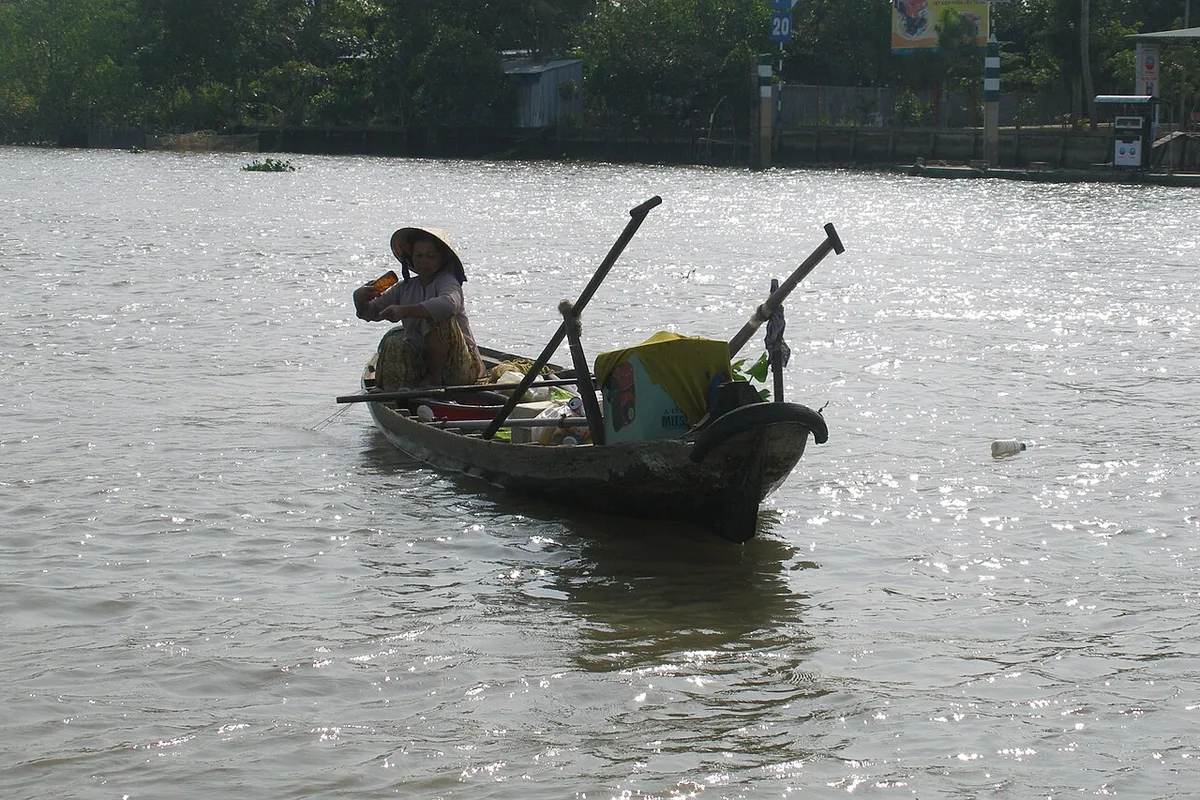
Getting to the Mekong Delta from Ho Chi Minh City
Most trips to the Mekong Delta begin in Ho Chi Minh City, since it functions as the main southern gateway. Ben Tre, the closest delta gateway, sits roughly 85 kilometers from central Ho Chi Minh City. Explore the capital first with our guide to Ho Chi Minh City Travel Planning Hub Travel Guide before heading further south.
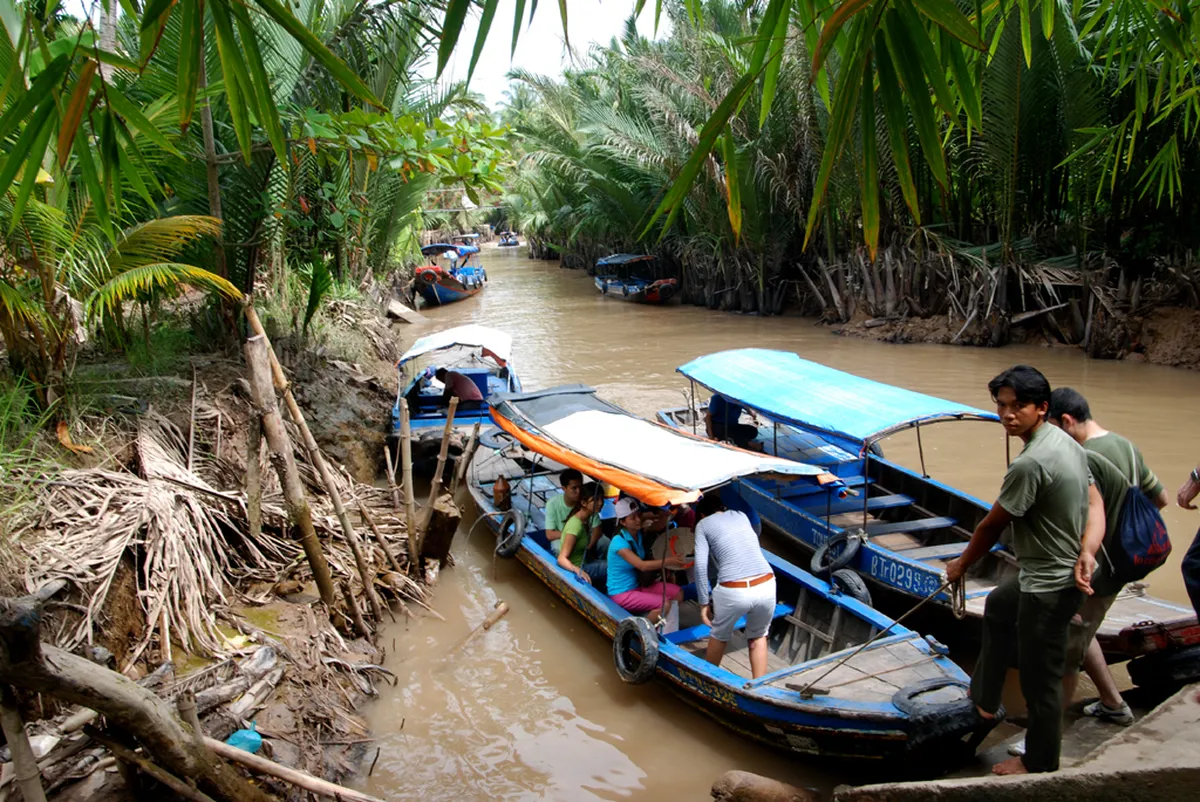
Four main transport options connect Ho Chi Minh City to the delta towns, each with distinct trade-offs. Costs and travel times shift with fuel prices, season, and demand, so confirm current rates before booking anything. The list below compares typical cost, duration, and best-fit traveler for each option.
| Transport Option | Cost | Duration | Best For |
|---|---|---|---|
| Public bus | Budget-friendly | 2 to 4 hours | Budget-conscious travelers |
| Private car transfer | $50 to Ben Tre, $85 to Can Tho | Faster than shared buses | Small groups, flexible stops |
| Guided day tour | Varies by operator | Full day, fixed schedule | First-time visitors |
| Domestic flight | — | About 1 hour from major hubs | Travelers short on time |
Self-driving by motorbike is possible but demands real confidence on narrow, elevated paths near the canals. Roads outside the main towns can be narrow and shared with pedestrians and livestock, so go slowly. First-time riders in Vietnam often prefer a guided tour or a private driver instead of self-driving.
A less obvious choice is combining transport modes, such as a bus to Ben Tre followed by a local boat. This approach costs slightly more than a single bus ticket but adds a short river crossing to the day. It suits travelers who want a taste of river transport without committing to a full boat tour.
Can Tho's airport mainly serves domestic routes, so most international travelers connect through Ho Chi Minh City first. Rach Gia airport sits further west and suits travelers heading onward toward Phu Quoc by ferry or short flight. Check flight schedules a few weeks ahead, since some domestic routes run only a few times a week.
Luggage storage can be tight on shared buses, so pack a smaller daypack for shorter delta hops. Private transfers usually allow more flexibility for extra stops, like a quick photo break at a roadside market. Whichever option is chosen, confirm the exact pickup point the night before departure. Hotel front desks in Ho Chi Minh City can usually arrange any of these transport options directly.
- Public bus to Ben Tre or Can Tho
- Cost: budget-friendly, shared seating
- Duration: roughly 2 to 4 hours
- Best for: budget-conscious travelers
- Booking: local bus stations or hotels
- Private car transfer to the delta
- Cost: around $50 to Ben Tre
- Cost: around $85 to Can Tho
- Duration: faster than shared buses
- Best for: small groups, flexible stops
- Guided day tour from Saigon
- Cost: varies by operator and group
- Duration: full day, fixed schedule
- Best for: first-time visitors
- Booking: check reviews before paying
- Domestic flight to Can Tho or Rach Gia
- Duration: about 1 hour from major hubs
- From Hanoi: roughly 2 hours 10 minutes
- From Danang: roughly 1 hour 30 minutes
- Best for: travelers short on time
Where to Stay: Can Tho, Ben Tre, and Chau Doc
Can Tho works as the most practical base, since it sits closest to Cai Rang floating market. Hotels here range from simple guesthouses to riverside mid-range stays with pools and breakfast included. Find hotels in Can Tho — at the heart of the Mekong Delta to compare current rates and locations before booking.
Book floating market boat rides and any homestay rooms a few days ahead, particularly during the dry season. Rooms fill quickly around local festivals and holidays throughout the region.
Ben Tre and the countryside around Can Tho also offer farmstay lodges tucked among coconut groves and canals. Mekong Farmstay Can Tho puts guests within a short boat ride of the floating market itself. These stays suit travelers who want quiet mornings on the water instead of a standard hotel breakfast.
Budget travelers and solo backpackers have plenty of options too, especially around Can Tho's compact town center. Check backpacker hostels in Can Tho for dorm beds and shared kitchens close to the wharf. Book ahead during peak dry-season months, since rooms fill quickly around local festivals and holidays.
Chau Doc, further west near the Cambodian border, makes a solid base for Khmer culture and Sam Mountain views. It also works as a launch point for river crossings into Cambodia by boat, for travelers continuing onward. Expect a smaller choice of hotels here, mostly simple guesthouses and a handful of mid-range options.
Rooms across all three towns get tighter around Tet and other major Vietnamese holidays, so book weeks ahead. Mid-range hotels in Can Tho typically offer better value than similar rooms in central Ho Chi Minh City. Farmstays often include meals in the nightly rate, which can offset the slightly higher cost per night.
Cancellation policies vary widely between farmstays, hostels, and hotel chains, so read the fine print before paying. Free cancellation up to a day or two before arrival is common at larger hotels in Can Tho. Smaller farmstays sometimes require a deposit that is non-refundable closer to the travel date.
Rooms directly on the river often come with more noise from early boat traffic starting before dawn. Travelers who value sleep may prefer a room set back a street or two from the water. Ask hotels directly about early-morning boat activity near their location before booking a river-view room. This small detail rarely appears in standard listings but matters for light sleepers.
- Can Tho: central base, easiest market access
- Best for: first visits, short stays
- Stay length: 1 to 2 nights
- Access: closest to Cai Rang market
- Ben Tre: quieter coconut-country farmstays
- Best for: slow travel, families
- Stay length: 1 night homestay
- Access: about 85 km from HCMC
- Chau Doc: Khmer culture and border access
- Best for: extending into Cambodia
- Stay length: 1 to 2 nights
- Access: further west, fewer direct transfers
Family-Friendly and Budget-Friendly Delta Routes
Family groups tend to enjoy shorter boat rides and orchard stops over long, early market mornings. A two-hour canal cruise with fruit tasting keeps young kids engaged without a 4 AM wake-up call. Orchard visits near Cai Be or Vinh Long let children see how dragon fruit and durian actually grow. Most orchard stops also include a short rest area with drinks and snacks for tired kids.

Local food experiences can pair with an early floating-market visit, but menus, prices, and tour formats change. Compare a live quote and confirm what food, drinks, transport, and dietary support are included.
Cycling offers a quiet way to see small lanes and canals. The official Vietnam Tourism Mekong Delta guide specifically recommends cycling through lanes, islets, and hamlets. Choose a route that fits the youngest or least confident rider, inspect helmets and bikes, and ask about traffic and boat crossings.
Budget-friendly choices may include shared transport, simple guesthouses, and local meals, but price the actual dates. Compare the Vietnam travel budget categories rather than relying on a single per-day promise.
Families should confirm correctly sized life jackets before boarding any small boat or sampan. Bring sun protection, water, and snacks, and ask about railings, boarding assistance, toilet stops, weather cancellation, and swimming requirements before paying.
A homestay and independent bicycle rental may cost less than a guided package, but a guide can add route and safety support. Compare both choices using current prices, included equipment, cancellation terms, and the family's confidence.
How to Plan a Smooth Mekong Delta Itinerary
Most travelers spend one to three days in the Mekong Delta, depending on pace and personal interest. A single day trip usually covers Cai Rang market plus one additional town, often Ben Tre or My Tho. Multi-day trips allow slower stops in Vinh Long, Can Tho, and sometimes Tra Vinh or Chau Doc. Longer trips also leave room for an unhurried breakfast instead of rushing straight to the next stop.
The delta also fits neatly into a longer loop through southern Vietnam rather than standing alone. See how it connects with beach and city stops in our 5-Day Southern Vietnam Itinerary Guide 2026 guide. That framework helps balance delta days against time spent in Saigon or along the coast.
Dry season, roughly December through April, brings easier road travel and generally clearer river views. Wet season months bring afternoon showers but also greener rice paddies and noticeably fewer crowds. Either season works well for a floating market visit, since trading wraps up before most rain arrives. Pack a light rain jacket regardless of season, since delta weather can shift quickly by afternoon.
A common mistake is treating the delta as a rushed half-day stop tacked onto a Saigon trip. Travel time alone often runs 2 to 4 hours each way by car or shared bus. That leaves little room for a market visit, a proper meal, and a temple stop in one afternoon. Plan at least one overnight stay whenever the broader itinerary allows it.
Book floating market boats and any homestay rooms a few days ahead during busy dry-season weekends. Confirm pickup times the night before, since early starts leave little margin for miscommunication. A local guide can also help translate menu items and market chatter along the way.
Prices for boats, transfers, and tours shift from year to year, so treat exact figures as approximate. Confirm current rates directly with operators or through the accommodation booking sites before finalizing a budget. Building in a small buffer day also helps absorb weather delays during the wetter months.
Travelers building a full southern Vietnam trip often slot delta days right after a Ho Chi Minh City stay. This order lets the slower delta pace serve as a natural wind-down after busier city sightseeing. Others prefer the reverse order, using city comforts to recover after early delta mornings. Either sequence works, so choose based on personal energy levels and jet lag.
Is the Mekong Delta Worth Visiting? Honest Take
The Mekong Delta rewards travelers who enjoy slow mornings, river life, and quiet rural scenery. It suits food-focused trips, photography stops, and cultural detours away from Vietnam's bigger cities. It appeals less to travelers who want fast-paced sightseeing packed tightly into a single day.
The most common complaint involves distance, since reaching the delta from Ho Chi Minh City can take 2 to 4 hours. Some floating markets have also shrunk over the years as roads gradually replaced river-based trade. Travelers expecting the bustling scenes from older photos may find a quieter market than they hoped for. Checking recent traveler reviews before booking a tour can help set realistic expectations about crowd size.
The delta fits best for travelers with at least two extra days available in southern Vietnam. It also suits those who prioritize food, culture, or nature over strict checklist sightseeing. Travelers on a tight one-week Vietnam trip may prefer a single well-chosen day tour instead.
Some travelers pair delta days with a beach stretch further south for a change of pace. Our 4-day Phu Quoc itinerary works well as a follow-on beach break after the delta. That combination balances river culture with relaxed island downtime inside one longer overall trip.
Weigh the decision on three points: available days, tolerance for early starts, and interest in rural life. Travelers who tick two of the three usually come away satisfied with the trip. Those who tick none of them may get more value from a single guided day tour instead.
There is no single right answer, since the delta suits some trip styles far better than others. Travelers chasing quiet river mornings tend to leave satisfied, while checklist-focused travelers sometimes feel the pace too slow. Reading the trade-offs above before booking helps set expectations that match the actual experience.
Overall value depends heavily on matching expectations to the actual pace of delta travel. Travelers expecting a fast-paced, photo-heavy day often rate the experience lower than those seeking a slower trip. Reading a few recent traveler reviews before booking helps calibrate expectations realistically. For most travelers, a well-planned one or two day visit delivers solid value for the time spent.
What to Eat in the Mekong Delta
Food varies across the delta, so look beyond generic tour lunches. In My Tho, try hu tieu My Tho, a noodle soup commonly served with pork, shrimp, herbs, and bean sprouts. Can Tho is known for banh cong, a crisp mung-bean and shrimp fritter eaten with lettuce, herbs, and fish sauce. Its markets are also good places to sample tropical fruit and dishes made with freshwater fish.
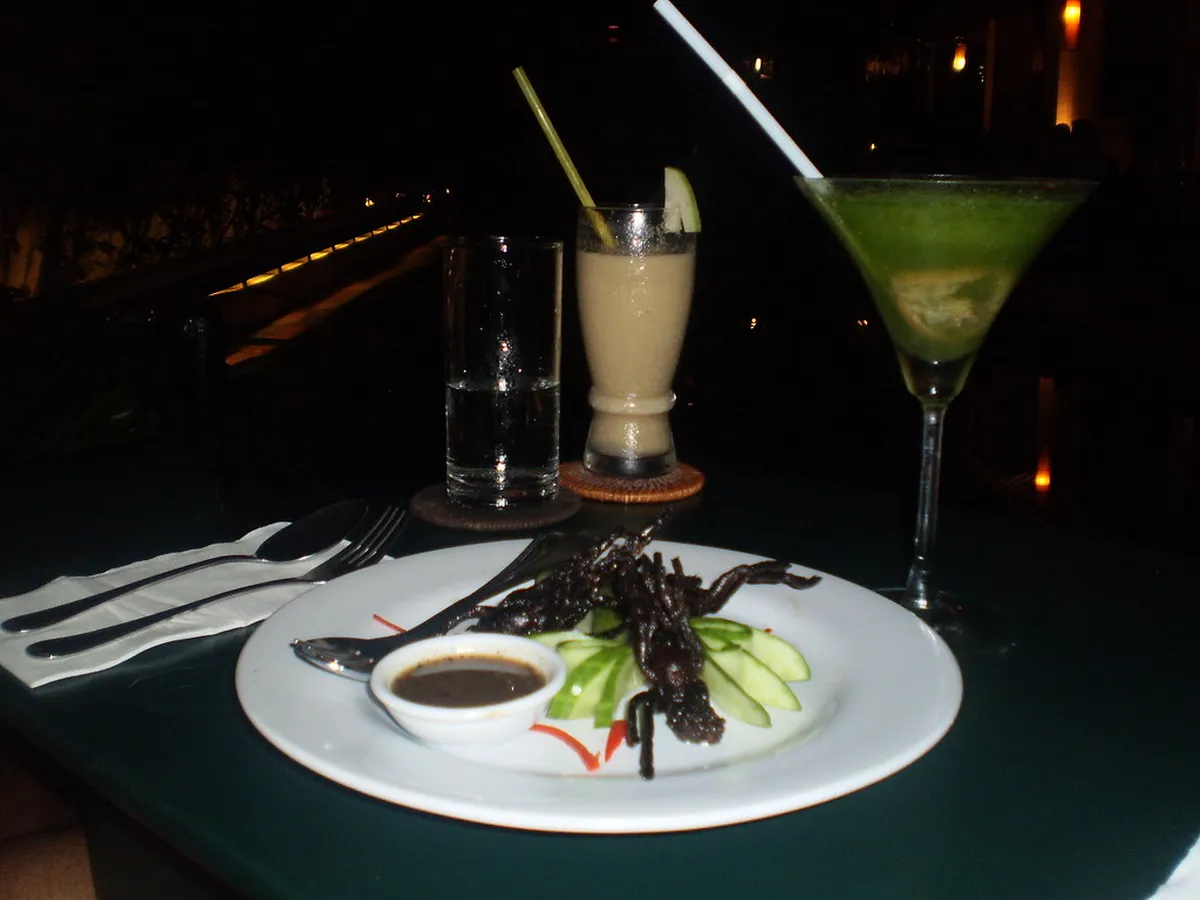
Ben Tre’s coconut groves shape its local specialties. Workshops around the province produce keo dua, soft coconut candy, while homestays often serve coconut milk in braised fish or vegetable dishes. In Chau Doc, bun ca features fish in a turmeric-colored broth with herbs and noodles; the town’s markets also display regional fermented fish products, known as mam.
For a broader selection, visit Can Tho Market or the food stalls around Ninh Kieu Wharf in the evening. Choose busy stalls where ingredients are cooked to order, carry small notes for market purchases, and tell vendors clearly if you cannot eat fish sauce, shellfish, peanuts, or chili.
Official Planning Checks Before You Go
Use the official Vietnam Tourism Mekong Delta guide for destination context and the official Vietnam Tourism Can Tho guide for a second official baseline. Recheck any opening hour, fare, timetable, closure, access rule, weather risk, or booking condition with the responsible operator shortly before travel; an official destination overview is not a live inventory or service guarantee.
Frequently Asked Questions
What makes the Mekong Delta unique?
Water shapes daily life across the delta, from floating markets to canal-side homes and orchard farms. Ethnic Khmer and Cham communities add distinct temples, festivals, and food traditions found nowhere else in Vietnam. Rice paddies, coconut groves, and constant river transport give the region a slower rhythm than Saigon or Hanoi.
Is the Mekong Delta worth visiting on a short Vietnam trip?
Yes, even a single day trip from Ho Chi Minh City covers a floating market and one delta town comfortably. Travelers with only a week in Vietnam often choose a guided day tour to save travel time. Those with two or more spare days gain more from an overnight stay in Can Tho or Ben Tre.
How many days should you plan for the Mekong Delta?
Plan one day for a quick floating market visit, or two to three days for a noticeably slower pace. Multi-day trips allow stops in Vinh Long, Tra Vinh, or Chau Doc without feeling rushed between towns. Longer stays also make early starts, like the 5 AM Cai Rang boat ride, easier to manage.
How do you get from Ho Chi Minh City to the Mekong Delta?
Buses, private transfers, guided tours, and short domestic flights all connect Ho Chi Minh City to delta towns. Ben Tre sits closest at roughly 85 kilometers, while Can Tho sits further southwest. Pair the trip with our Ho Chi Minh City 3-day itinerary for a fuller southern Vietnam route.
What should travelers avoid when planning a Mekong Delta trip?
Avoid arriving at Cai Rang floating market after 9 AM, since most trading wraps up well before then. Avoid treating the delta as a rushed half-day add-on, since travel time alone can reach 4 hours. Confirm boat safety gear and current tour prices before booking, since conditions shift by season.
Which town should first-time visitors choose as a base?
Can Tho suits most first-time visitors best, since it sits closest to Cai Rang floating market and has the widest hotel choice. Ben Tre works well for travelers who prefer a quieter, farmstay-based pace over a city-style base. Chau Doc fits travelers planning to continue toward Cambodia by land or river.
The Mekong Delta rewards travelers willing to slow down and follow the rhythm of the water. Floating markets, canal towns, and Khmer temples give the region a character distinct from anywhere else in Vietnam. Picking the right base and travel method often makes the difference between a rushed stop and a memorable one.
Use the transport and town comparisons above to match the trip to available time and budget. Weigh the honest trade-offs from the sections above before deciding how many days to commit. A short, well-planned visit can still deliver a genuine floating market morning worth remembering.
For more route ideas across the country, browse the Vietnam travel guide collection on Viet Unfold. A well-timed floating market morning is often the single best reason travelers give for making the trip. Start planning early, since the best homestays and boat slots book up during peak dry-season months.
Take the route offline
Free: the Mekong Delta route notes
Where to base yourself and what it costs, a day-by-day route that avoids backtracking, real transfer times and fares, seasonal timing, and where it connects onward — condensed from our Mekong Delta guides and made to take offline.
Keep unfolding Vietnam
Continue along the route
Three nearby guides for the next decision in your trip.


