

Hanoi Travel Planning Hub: Complete 2026 Guide
Plan your Hanoi trip with this Hanoi travel planning hub covering budgets, visas, neighborhoods, day trips, safety tips, and food picks for 2026.
On this page
Planning a trip to Hanoi involves visas, budgets, neighborhoods, and day trips all at once. This Hanoi travel planning hub breaks that process into clear, manageable steps. Last updated July 2026. You will find quick reference numbers, cost ranges, and links to deeper guides for each stage.
Hanoi rewards travelers who arrive with a rough plan rather than a rigid one. Old Quarter alleys, French colonial streets, and quiet lakeside cafes each suit different travel styles. Start with the Hanoi 3-day itinerary if your trip window is tight, then return here for the practical basics.
Every section below links to a focused guide so you can go deeper on the topics that matter most. Treat this page as your starting checklist before you book flights or hotels.
Key Takeaways
- Check passport-specific entry requirements and any required approval well ahead.
- Budget $25 to $40 a day backpacker style, or $70 to $130 mid-range.
- Add one day trip, like Ninh Binh, if you have four or more days.
- Confirm arrival card and entry details again the week before you fly.
- Match your neighborhood choice to how much walking you want to do.
Take the route offline
Free: the Hanoi route notes
Where to base yourself and what it costs, a day-by-day route that avoids backtracking, real transfer times and fares, seasonal timing, and where it connects onward — condensed from our Hanoi guides and made to take offline.
Hanoi Travel Quick Reference
Use this Hanoi travel planning hub section as your first checkpoint before booking anything. The list below covers timing, budget, entry rules, and airport transfers at a glance. Every line connects to a fuller section further down the page.
Northern Vietnam runs on four real seasons, unlike the south of the country. Autumn from September to November brings clear skies and comfortable temperatures near 22 to 29 degrees Celsius. Summer turns hot and humid, with sudden rain showers common from May through August.
These numbers shift a little from year to year, so treat them as planning ranges rather than fixed rules. Confirm current entry rules and transfer costs closer to your travel dates.
Once the basics are clear, the sections below unpack each one in more detail. Start with visas if your trip is still months away, or jump straight to budget if your dates are already set.
This hub focuses on connected planning decisions rather than a generic list of sights. Each choice below feeds into the next, from timing to budget to where you sleep. Work through them roughly in order for the smoothest planning experience.
- Best time to visit
- Peak season: September to November
- Cool season: December to February
- Hot season: May to August
- Ideal for first visits: autumn
- Recommended trip length
- Quick stopover: 2 to 3 days
- Sweet spot: 3 to 4 days
- With day trips: 5 to 6 days
- Extended base: 7 to 14 days
- Entry requirement
- Rules depend on passport and trip
- Check official exemption list
- Use the official e-visa portal if required
- Verify approval details before flying
- Daily budget range
- Backpacker: $25 to $40
- Mid-range: $70 to $130
- Upscale: $200 to $350
- Luxury: $500 or more
- Getting from the airport
- Airport: Noi Bai International
- Distance: about 25 kilometers
- Ride time: 45 minutes or more
- Options: taxi, Grab, or bus
Visa Requirements and Entry
Entry requirements depend on passport, trip length, and purpose. Some travelers qualify for a visa exemption, while others need an e-visa or another visa type. Do not assume that a rule applying to one nationality applies to every visitor.
Use the official Vietnam e-visa portal rather than a lookalike or paid intermediary. Apply with enough time to correct a rejected photo or data-entry error, and verify the permitted entry point, validity period, and number of entries shown on the approval.
Your passport should meet the validity requirement stated for your travel document and visa route. Keep an offline copy of the approval because an airline may ask to see evidence that you meet Vietnam's entry requirements before boarding.
An e-visa is not the same as a general tourist “visa on arrival.” Follow the process that applies to your passport and itinerary, and check the official portal again shortly before departure because entry rules can change.
Visa exemptions carry their own stay limits and conditions. Confirm eligibility through an official Vietnamese immigration or diplomatic source before deciding that no application is needed.
Pre-Arrival Information for Flights to Hanoi
Vietnam introduced a Pre-Arrival Information declaration at major international airports in 2026, including Noi Bai. The latest Vietnamese diplomatic notice encourages foreign travelers to submit it within three days before arrival or on arrival; it does not describe the declaration as a replacement for a visa.
Use only the official Pre-Arrival Information portal. Save the generated QR code offline and recheck the official instructions shortly before flying because the system is still evolving.
The form asks for passport, visa, flight, accommodation, and travel details. Prepare the address of your first night's stay and the flight information exactly as shown on the booking.
The Vietnamese Embassy's July 2026 notice lists Noi Bai among the participating airports and says travelers are strongly encouraged to complete the declaration. Check for a newer Immigration Department notice before departure rather than relying on an older blog summary.
Keep your passport, visa or exemption evidence, onward-travel details, accommodation address, and declaration QR code accessible at check-in and immigration. Each passport holder should have the documents applicable to them, including children.
Getting to Hanoi and Around the City
Noi Bai International Airport sits roughly 25 kilometers north of central Hanoi. A taxi or Grab car ride into the Old Quarter typically takes 45 minutes or more in traffic. Airport shuttle buses run a cheaper but slower route into the city center.
Inside the city, ride-hailing apps like Grab offer the most predictable pricing for cars and motorbikes. Walking works well inside the compact Old Quarter, though sidewalks fill quickly with parked motorbikes. Local buses cover longer routes cheaply but take longer than a private ride.
Where you sleep changes how much time you spend commuting between attractions and dinner. The Old Quarter puts you within walking distance of most sights but comes with constant noise. Quieter options near West Lake suit longer stays, while French Quarter hotels favor comfort over proximity.
Match your neighborhood to your trip style before you book, not after you land. The guide to the best area to stay in Hanoi breaks down each neighborhood by traveler type. It pairs well with the budget ranges covered in the next section.
Room rates in the Old Quarter often run a little higher than similar options near West Lake. Compare a few neighborhoods before locking in dates, especially during peak season weekends. The complete Where to Stay in Hanoi guide adds more detail on pricing by area.
How Much Does a Trip to Hanoi Cost?
Hanoi remains one of the more affordable capital cities in Southeast Asia to visit. Daily costs vary widely based on hotel choice, dining style, and how many tours you book. The ranges below exclude international flights, which usually get booked and paid for separately.

Backpacker travel runs about $25 to $40 a day, covering a dorm bed, street food, and public transport. Mid-range travel costs $70 to $130 a day for a boutique three or four-star hotel and Grab rides. Upscale trips reach $200 to $350 a day with a five-star hotel and private guides.
A sample five-day trip lands near $300 per person on a backpacker budget, excluding flights. Mid-range travelers should plan closer to $700 for the same five days. Upscale trips with a private car and a premium Halong Bay cruise run near $1,500.
A small budget increase often buys a disproportionate jump in comfort in Hanoi. Moving from a basic hostel bed to a modest hotel room can already feel like a premium upgrade. Decide where that jump matters most to you, whether that means sleep quality or better tour access.
International flights typically add $700 to $1,200 from the US or Europe, or $300 to $600 from within Asia. Food costs range from $5 to $15 a day for street food only, up to $80 or more for fine dining. In-city transport stays cheap, running $5 to $10 a day for Grab rides or free if you mostly walk.
- Backpacker
- Cost: $25 to $40 per day
- Stay: dorm bed or hostel
- Eat: street food mostly
- Extras: free attractions, occasional bia hoi
- Mid-range
- Cost: $70 to $130 per day
- Stay: 3 to 4 star hotel
- Eat: mix of restaurants and street food
- Extras: Grab rides, paid attractions
- Upscale
- Cost: $200 to $350 per day
- Stay: 5-star hotel
- Eat: fine dining, private guides
- Extras: spa, premium tours
- Luxury
- Cost: $500 or more per day
- Stay: suite at top hotels
- Eat: private dining experiences
- Extras: private car, liveaboard cruise
Hanoi Food: What to Eat
Food alone justifies a trip to Hanoi for many travelers. Pho, the classic beef or chicken noodle soup, works well for breakfast at a plastic-stool stall. Bun cha, grilled pork with rice noodles and herbs, remains a lunchtime favorite across the city.
Banh mi stalls sell crusty baguette sandwiches for a few dollars, perfect for eating on the move. Egg coffee, a rich Hanoi specialty, blends whipped egg yolk with strong local coffee. Try it at a small cafe in the Old Quarter rather than a chain for the traditional version.
Street food stalls charge roughly $1 to $3 per dish, while sit-down restaurants run higher. A guided food tour or cooking class adds structure if you prefer not to guess where to eat. Both options pair well with a walk through a local morning market.
Stick to stalls with high turnover and visible cooking, since that usually signals fresher ingredients. Bottled or boiled water is the safer default over tap water or ice from unclear sources. The food guide covers regional specialties in more detail.
Vegetarian and vegan travelers can still eat well, especially near pagodas and specialty restaurants. Many stalls will adjust a dish on request, though language barriers sometimes complicate substitutions. Learning a few basic Vietnamese food words helps smooth over ordering mix-ups.
Day Trips from Hanoi
Hanoi works well as a base for exploring northern Vietnam, not just as a standalone stop. Several standout destinations sit within a few hours of the city by car or bus. Picking the right one depends on how many spare days your itinerary allows.
Ninh Binh sits about two hours south and offers limestone karsts, rivers, and boat rides through Trang An or Tam Coc. A single full day covers the highlights, though an overnight stay allows a slower pace. The Ninh Binh 2-day itinerary works well if you want to add a cave or biking loop.
| Destination | Distance | Known For | Best Duration |
|---|---|---|---|
| Ninh Binh | About 2 hours | Limestone karsts, boat rides | One full day or overnight |
| Halong Bay | About 3.5 hours | Bay cruises | Overnight cruise |
| Sapa | 5 to 6 hours | Rice terraces, trekking | Overnight or longer |
| Bat Trang Pottery Village | About 40 minutes | Ceramics workshops | Half day |
Halong Bay requires roughly three and a half hours of travel each way, so most travelers book an overnight cruise. Sapa sits further out, around five to six hours by road or an overnight train. Both destinations reward travelers who can spare at least one extra night away from Hanoi.
Bat Trang Pottery Village offers a shorter option at about 40 minutes from central Hanoi. A half day there covers ceramics workshops and a relaxed riverside lunch. The day trips from Hanoi guide compares routes and timing in more detail.
Multi-day travelers sometimes combine two destinations, such as Ninh Binh and Halong Bay, into one longer loop. That approach demands more advance planning around transport connections and overnight stays. Weigh the extra logistics against how much flexibility your remaining Hanoi days allow.
- Ninh Binh
- Distance: about 2 hours
- Known for: limestone karsts, boat rides
- Best for: one full day
- Pair with: Trang An or Tam Coc
- Halong Bay
- Distance: about 3.5 hours
- Known for: bay cruises
- Best for: overnight cruise
- Book: 1 to 2 days ahead
- Sapa
- Distance: about 5 to 6 hours
- Known for: rice terraces, trekking
- Best for: overnight or longer
- Access: overnight train or bus
- Bat Trang Pottery Village
- Distance: about 40 minutes
- Known for: ceramics workshops
- Best for: half day
- Access: bus or Grab
Hanoi Safety Tips and Scams to Know
Hanoi is generally safe for travelers who stay alert in crowded, high-traffic areas. Crossing the street can feel intimidating at first, since traffic rarely stops completely. Walk at a slow, steady pace and let motorbikes flow around you instead of stopping.
Taxi meter scams are the most common complaint among first-time visitors. Use reputable companies like Mai Linh or Vinasun, or book rides through the Grab app. Confirm the meter is running before the car departs.
Taxi meter scams remain the most common complaint among first-time visitors. Stick to reputable companies like Mai Linh or Vinasun, or book through the Grab app instead. Confirm the fare or meter is running before the car pulls away from the curb.
Watch for street vendors who hand over goods before agreeing on a price, then demand more. Fake tour desks near popular hotels sometimes oversell packages that do not match what gets delivered. Book tours through your hotel or a known operator rather than a street stall.
Keep valuables in a hotel safe and carry only what you need for the day. Pickpocketing is more common in dense markets and crowded tourist areas than elsewhere in the city. The Hanoi safety guide covers current scams and precautions in more depth.
Register your trip dates with your embassy if your home country offers that service. Save a local emergency contact number in your phone before you start exploring each day. Basic travel insurance covers most of the small mishaps that occur during a busy Hanoi trip.
Money, ATMs, and Card Payments in Hanoi
Vietnamese dong is the everyday currency in Hanoi. Hotels, larger restaurants, shopping centers, and established tour operators commonly accept cards, but street-food stalls, market vendors, small cafes, and local buses may require cash. Carry smaller notes for low-cost purchases because vendors may struggle to change large denominations.
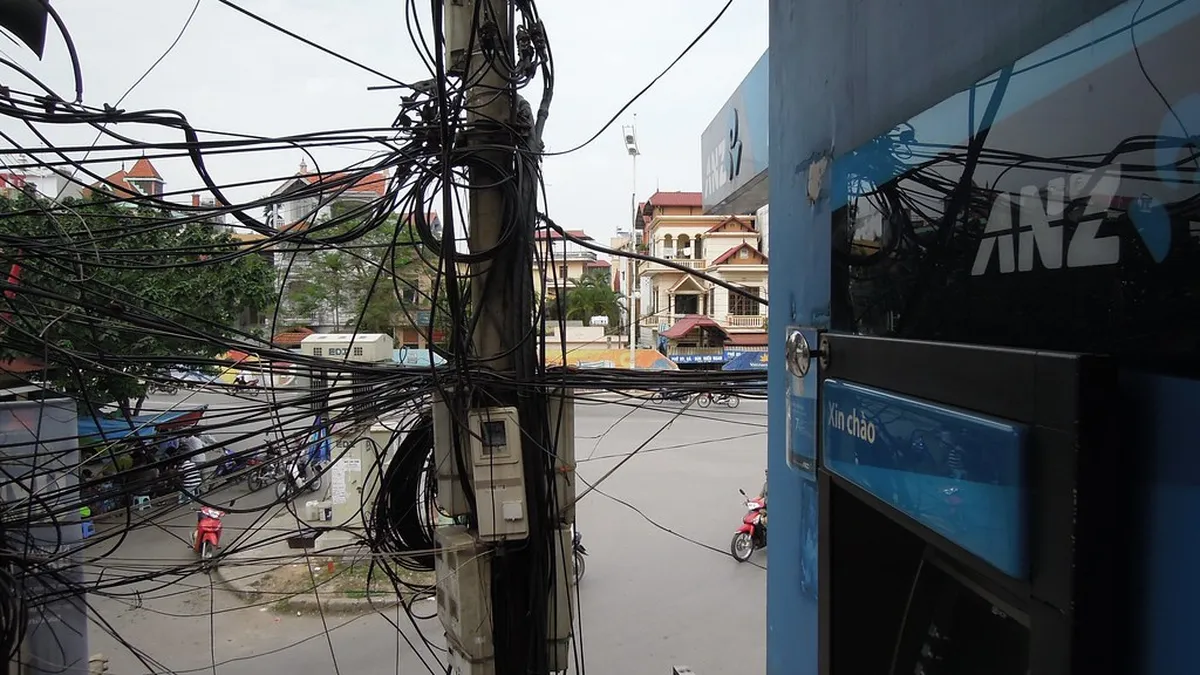
ATMs are widespread around the Old Quarter, Hoan Kiem Lake, the French Quarter, and West Lake. Use machines attached to established banks such as Vietcombank, BIDV, Techcombank, or Agribank, preferably during branch hours in case a card is retained. Withdrawal limits and fees vary by bank, so check the amount and displayed charge before confirming. Take your card and cash immediately, then keep the receipt until the transaction appears in your account.
When a card terminal or ATM offers to convert the transaction into your home currency, choose payment in Vietnamese dong and let your own bank handle the conversion. Keep a second card separate from your wallet, enable transaction alerts, and avoid exchanging money with unofficial street dealers. Airport exchange counters are convenient for initial transport money, while bank branches and licensed exchange desks are better places to compare rates later.
Build the mountain section with the Hanoi to Cao Bang route, Hanoi to Mai Chau options, the Sapa to Ha Giang transfer, the Ha Giang to Cao Bang connection, or the Sapa versus Ha Giang comparison.
Frequently Asked Questions
How much does a trip to Hanoi cost per day?
Daily costs in Hanoi range widely by travel style. Backpackers spend around $25 to $40 a day on hostels and street food. Mid-range travelers should budget $70 to $130 for a boutique hotel and sit-down meals. Upscale trips with private guides and five-star stays run $200 to $350 a day.
Do you need a visa to visit Hanoi?
Vietnam entry rules depend on your passport, trip purpose, and stay. Some listed passports qualify for an exemption; other travelers need an approved e-visa or another visa before departure. Check official Vietnamese sources and keep any required approval available for airline and immigration checks.
Is Hanoi safe for travelers?
Hanoi is generally safe, though busy traffic and occasional scams catch first-time visitors off guard. Stick to metered taxis or the Grab app, and book tours through known operators. Keep valuables in a hotel safe and stay alert in crowded markets and tourist areas.
How many days should you plan for a Hanoi trip?
Three to four days covers Hanoi's city center well, including one nearby day trip. Five to six days allows a Halong Bay cruise plus a Ninh Binh visit. Seven or more days works if you plan to add Sapa trekking as well.
What should you avoid when planning a Hanoi trip?
Avoid assuming that another traveler's entry rule applies to your passport. Use official Vietnamese sources, allow time to correct an application error, and verify your approval details before flying. Also keep your first accommodation address accessible for arrival formalities.
A smooth Hanoi trip comes down to a handful of decisions made early. Confirm your entry documents, rough budget, and neighborhood before you get lost in daily sightseeing plans. Everything else tends to fall into place once those basics are settled.
Use this Hanoi travel planning hub as a checklist, then return to it as your dates get closer. Details like exact prices and entry rules can shift, so double-check them a few weeks before departure. Small adjustments now save real stress once you land at Noi Bai.
Ready to build out the rest of your trip? Browse the Viet Unfold travel blog for more route-specific guides across northern Vietnam. Each linked guide above digs deeper into the step you are working on right now.
Explore Every Guide in This Cluster
Use this hub to reach all 31 connected guides for routes, timing, transport, stays, and destination decisions.
- Read 12 Best Day Trips from Hanoi (2026 Guide)
- Read 12 Best Free Things to Do in Hanoi (2026)
- Read 4-Day Ha Giang Loop Itinerary: Vietnam
- Read 7-Day Northern Vietnam Itinerary: Complete Guide
- Read Best Area to Stay in Hanoi: 7 Picks for 2026
- Read Best Time To Visit Hanoi Travel Guide
- Read Getting Around Hanoi: A Step-by-Step 2026 Guide
- Read Ha Long Bay Or Cat Ba Travel Guide
- Read Hanoi 2 Day Itinerary: A First-Timer
- Read Hanoi 3 Day Itinerary: First-Timer
- Read Hanoi Airport to Old Quarter: Complete Transport Guide
- Read Hanoi Coffee Guide Travel Guide
- Read Hanoi Food Route Travel Guide
- Read Hanoi Layover Guide: Top Picks and Airport Tips
- Read Hanoi Luggage Storage Guide Travel Guide
- Read Hanoi Markets Guide: Your 2026 Shopping Handbook
- Read Hanoi Neighborhoods Guide Travel Guide
- Read Hanoi Nightlife Guide Travel Guide
- Read Hanoi Old Quarter Guide: What to Know Before You Go
- Read Hanoi to Cat Ba: Step-by-Step Travel Guide 2026
- Read Hanoi To Ha Giang Travel Guide
- Read Hanoi To Ha Long Bay Travel Guide
- Read Hanoi to Ninh Binh: Complete Day Trip Guide 2026
- Read Hanoi to Sapa: Complete Travel Guide
- Read Hanoi Train Station Guide Travel Guide
- Read Hanoi Train Street Guide: Schedule, Tips
- Read Hanoi With Kids Family Travel Guide
- Read How Many Days In Hanoi Travel Guide
- Read Ninh Binh Itinerary 2 Days: A First-Timer
- Read Ninh Binh Vs Ha Long Bay Travel Guide
- Read Sapa Itinerary 3 Days: First-Timer
Take the route offline
Free: the Hanoi route notes
Where to base yourself and what it costs, a day-by-day route that avoids backtracking, real transfer times and fares, seasonal timing, and where it connects onward — condensed from our Hanoi guides and made to take offline.
Keep unfolding Vietnam
Continue along the route
Three nearby guides for the next decision in your trip.


