

8 Best Ha Long Bay Photography Spots for Every Light
A shot list of 8 Ha Long Bay photography spots with golden-hour windows, access effort and lens picks. Plan Ti Top, Sung Sot Cave and floating villages.
On this page
Last updated November 2026: this guide sorts the best ha long bay photography spots into a shot list you can plan around. It runs from the Ti Top summit to Sung Sot Cave and a floating village. Each pick comes with timing, access effort and a lens suggestion for this UNESCO World Heritage Site.
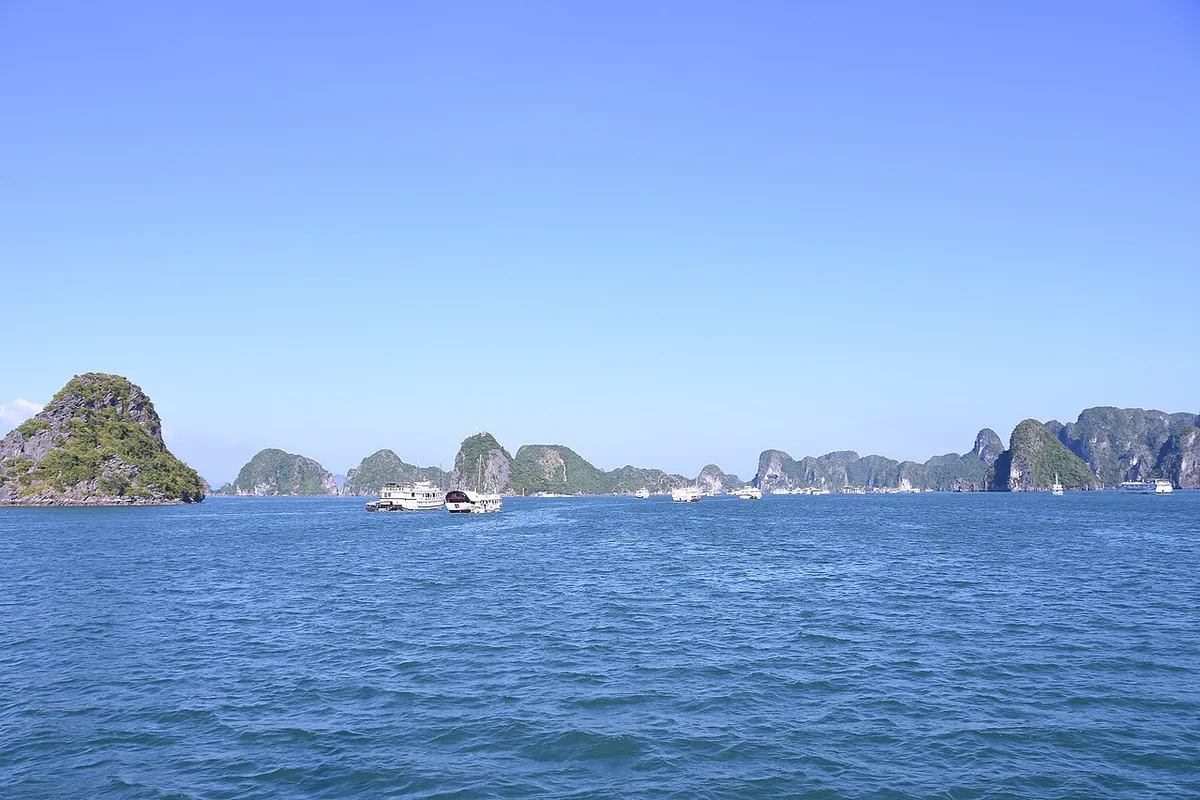
Featured image: Vyacheslav Argenberg, CC BY 4.0, via Wikimedia Commons.
Planning Ha Long Bay Photography Spots by Light and Season
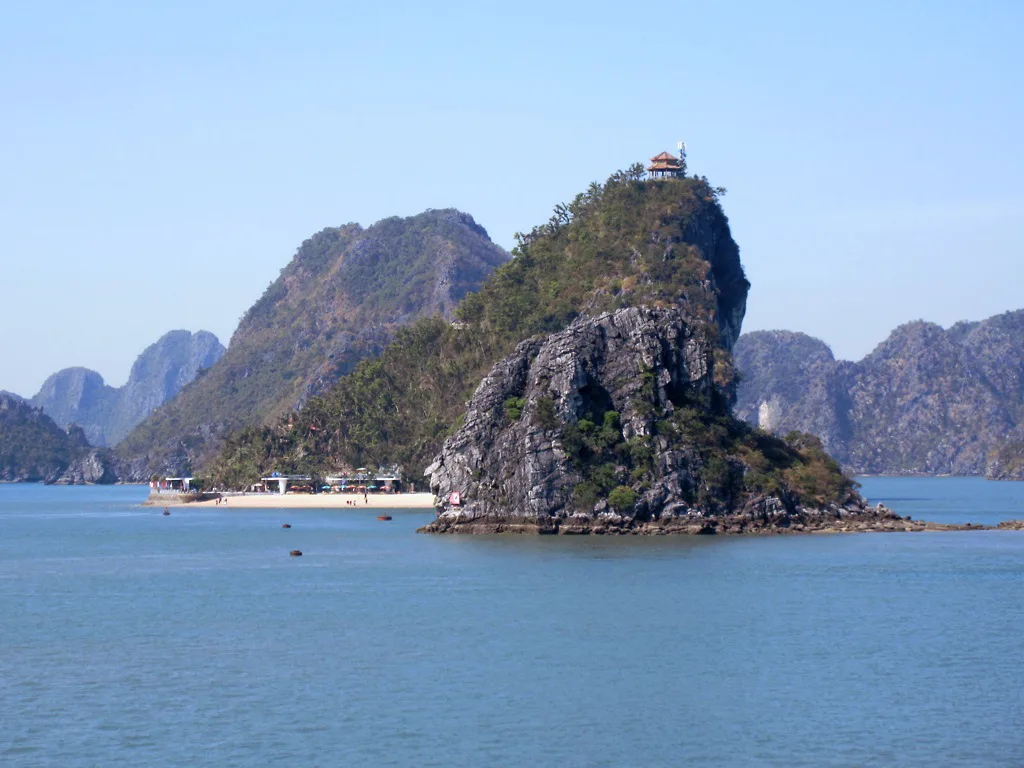
Golden hour covers roughly the first hour after sunrise and the last hour before sunset. From November to February, sunrise falls between 6:00 and 6:30 AM and sunset between 5:00 and 5:45 PM. From March to October, sunrise comes between 5:00 and 5:45 AM and sunset between 5:30 and 6:30 PM. Winter and spring, October to April, bring clear skies and early mist over the karsts. May to August gives high-contrast light and saturated emerald water, but storms are a risk. Some cruise operators advise skipping December to February because thick fog cuts visibility. Moody mist suits silhouettes of the limestone peaks, though, so match the season to the look you want. For month-by-month weather, read our season-by-season weather notes. Pack a wide-angle lens for the karst landscapes and a CPL filter to cut water glare. A tripod is essential for caves and night work. Bring a waterproof bag and a microfiber cloth if you will kayak or sit on an open deck. If you plan to fly a drone, confirm current permit requirements with your operator before you travel.
Take the route offline
Free: the Vietnam route starter
A two-week south-to-north route with real nightly rates by city, what to book first and how far ahead, region-by-region timing, and the transport costs between each leg — drawn from our published guides.
8 Ha Long Bay Photography Spots to Shoot
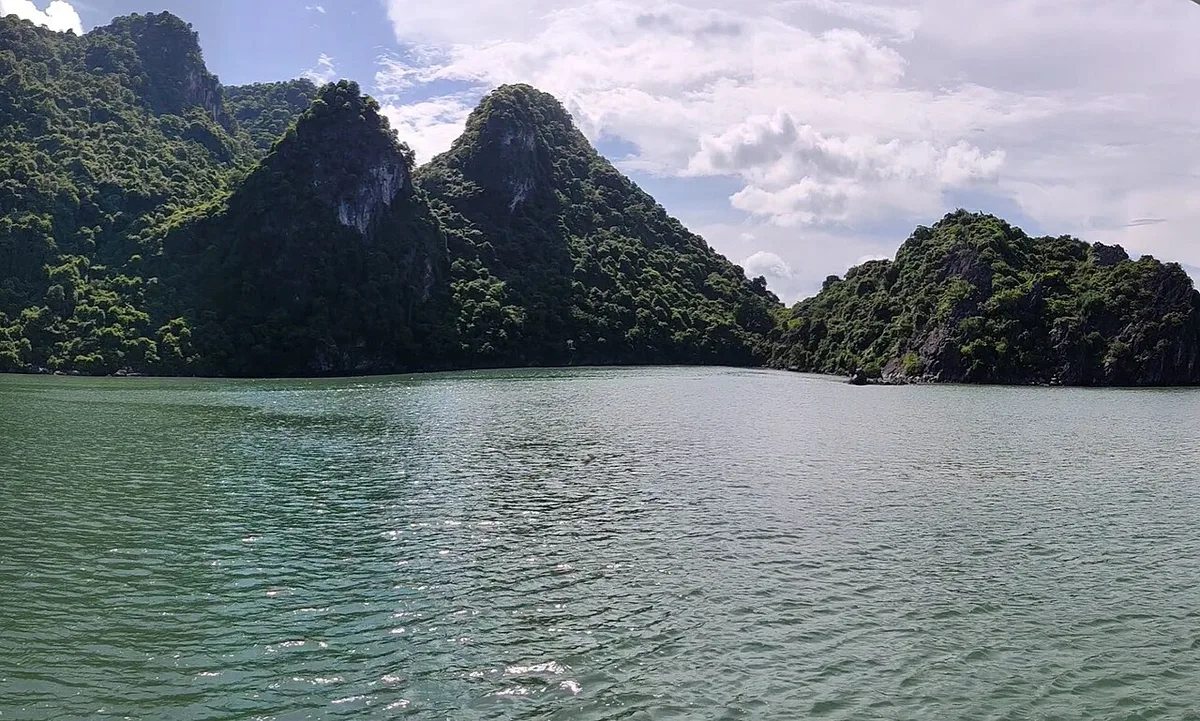
Work through these in the order that fits your route. Ti Top Island sits about 8 km from Bai Chay Port, while the Sun Wheel rises to roughly 250 m on Ba Deo Mountain. Others, such as the caves and floating villages, are usually reached by boat. Access ratings in the summary table below are our editorial assessment.
Between November and February, sunrise falls between 6:00 and 6:30 AM, which still leaves time to reach Ti Top before the 10:00 AM rush.
- 1. Ti Top Island summit
- Ti Top lies about 8 km southeast of Bai Chay Port. The summit gives a 360-degree view of emerald water and limestone karsts, so use a wide-angle lens.
- Expect a climb of 400+ steps. Reach the top before the 10:00 AM rush if you want clear foregrounds. Our climbing Ti Top Island notes cover the route in detail.
- The white-sand beach below also works for sunrise and sunset frames.
- 2. Sun Wheel on Ba Deo Mountain
- This Ferris wheel gives a bird's-eye view from about 250 m above sea level. It has 64 cabins.
- Night is the strongest slot, when city lights frame the bay. Shoot close to the glass and check current opening hours before you commit.
- 3. Bai Chay Bridge
- Its harp-inspired design, with vertical cables and sweeping curves, contrasts with the karst skyline.
- Use a tripod for long exposures after dark, when the bridge is lit.
- 4. Hon Trong Mai (Kissing Rocks)
- Two limestone formations that resemble a pair of kissing chickens make this the most photographed scene in the bay.
- Shooting from a moving boat is hard. Use a fast shutter speed and take bursts as the boat rounds the rocks.
- Golden hour from the sundeck is the best slot.
- 5. Vung Vieng and Cua Van floating villages
- Both villages suit human-interest frames: fishermen casting nets, boats at work and colorful floating houses against green water.
- Vung Vieng, in Bai Tu Long Bay, is also known for net weaving and pearl farming. Ask before you photograph people up close.
- 6. Sung Sot Cave, Thien Cung Grotto and Dau Go Cave
- Sung Sot (Surprise Cave) rewards patience with chandelier-like formations. Start near ISO 1600 and f/4, then raise ISO before you slow the shutter.
- Thien Cung Grotto offers light shafts and fine stalactites. Dau Go Cave has three large chambers with rich rock texture.
- Tripod rules vary by cave, so check on arrival.
- 7. Bai Tu Long Bay and Cat Ba Island
- Bai Tu Long Bay suits calm, uncrowded frames with scattered islands and few boats in the shot.
- Cat Ba Island adds rugged cliffs and coastline. Bring a telephoto lens for distant islets and details.
- 8. Seaplane aerial view
- Flying shows the dragon's-back line of karsts from above, a view no boat can give.
- Ask the operator about flight duration and window seats. Press the lens close to the glass and wear dark clothing to reduce reflections.
Beating the Crowds at Ha Long Bay Viewpoints
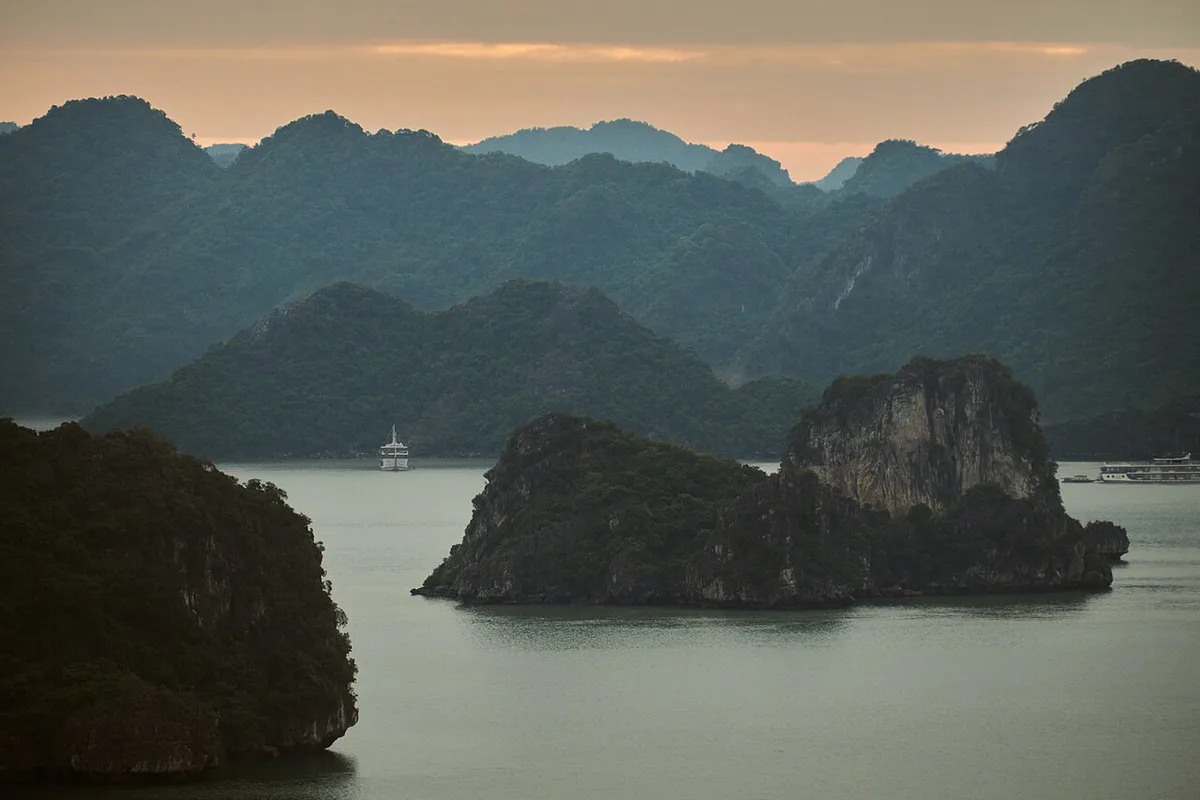
Ti Top fills up near 10:00 AM, so arrive earlier and climb the 400+ steps while the light is soft. On a cruise, claim a deck rail facing the setting sun well before dusk. Sunset silhouettes of junk-boat sails work best with an uncluttered horizon. Our guide to sunset viewing spots adds more options. Overnight boats usually pass good viewpoints at golden hour, which helps. Read choosing an overnight cruise before you book. Day-trippers should check transfer times in the guide to getting from Hanoi, because arrival time decides your light.
Storytelling and Exposure Tips for Bay Photos
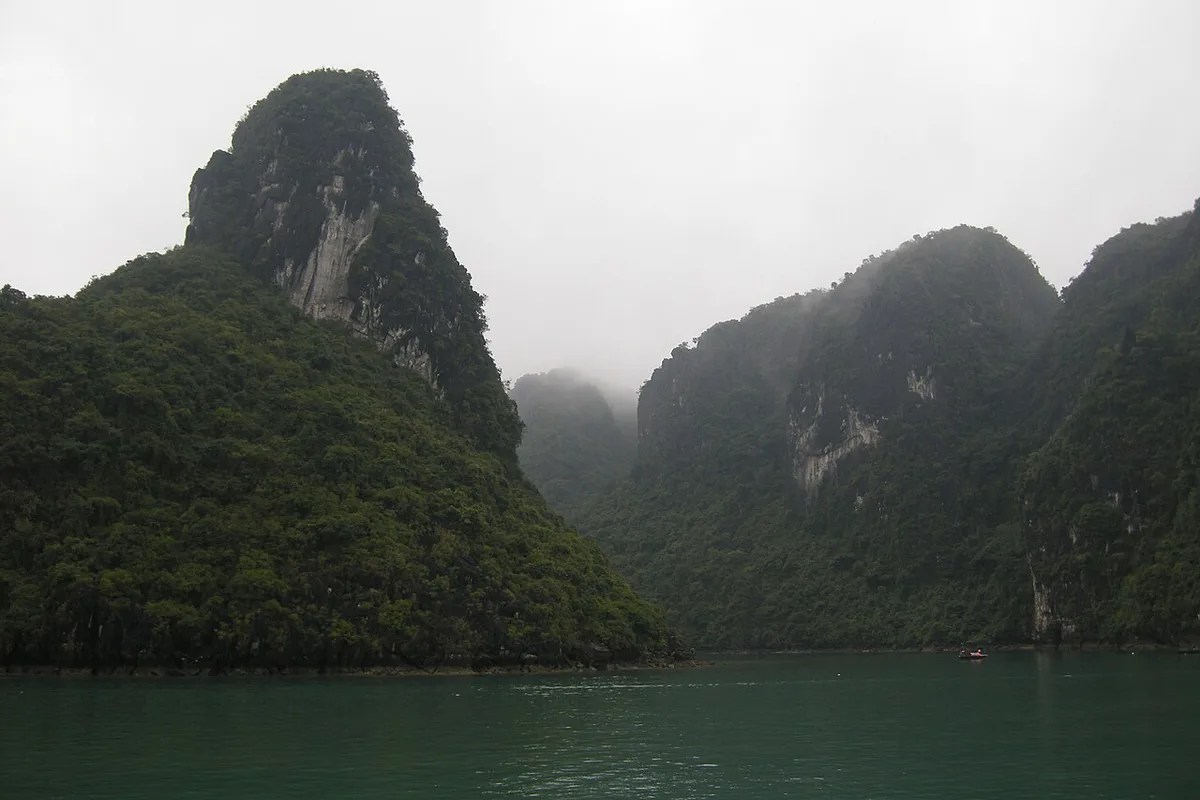
Add a subject for scale. A fisherman casting a net, a colorful junk sail or a travel companion standing before the karsts turns a postcard into a story. White limestone against dark water confuses meters, so check exposure on the spot. Review your histogram, adjust, then reshoot. Move your feet and change your height rather than taking every frame from one rail. Cloudy days still work when low mist wraps the peaks.
Ha Long Bay Photography Spots at a Glance
Use this table to build a day around light and effort. Ratings are our editorial assessment, not measured data. For more stops between shoots, see more things to do around the bay.
From March to October, sunset between 5:30 and 6:30 PM leaves the afternoon open for Sung Sot and Thien Cung caves, which are daytime shoots.
| Spot | Best Time | Access | Recommended Lens |
|---|---|---|---|
| Ti Top Island summit | Early morning, before 10:00 AM | Hard (400+ steps) | Wide-angle |
| Sun Wheel | After dark | Easy | Standard zoom |
| Bai Chay Bridge | Night | Easy | Wide-angle with tripod |
| Hon Trong Mai | Golden hour | Medium (boat) | Telephoto zoom |
| Floating villages | Morning | Medium (boat) | Mid-range zoom |
| Sung Sot and Thien Cung caves | Daytime | Medium | Fast wide-angle |
| Bai Tu Long Bay | Sunrise | Medium (boat) | Wide to telephoto |
| Seaplane flight | Clear mornings | Hard (flight) | Short zoom |
Explore Ha Long Bay
Plan your Ha Long Bay photography with viewpoint guides, sunset timing and the practical planning pages that get you on the water.
Photo spots and timing
Plan your trip
Take the route offline
Free: the Vietnam route starter
A two-week south-to-north route with real nightly rates by city, what to book first and how far ahead, region-by-region timing, and the transport costs between each leg — drawn from our published guides.
Keep unfolding Vietnam
Continue along the route
Three nearby guides for the next decision in your trip.


