

Cao Lau Hoi An: What It Is, Where to Eat It and What to Pay
Cao lau Hoi An explained: the noodles, the Ba Le well story, three places to eat it, typical bowl prices of ₫40,000–₫60,000 and how to season it.
On this page
Last updated November 2026: this cao lau Hoi An guide covers what goes in the bowl, three places I'd start, and what to pay. My picks rest on published vendor accounts and the brief, not on a tasting of my own. Budget roughly ₫40,000 to ₫60,000 a bowl and plan to eat before mid-afternoon.
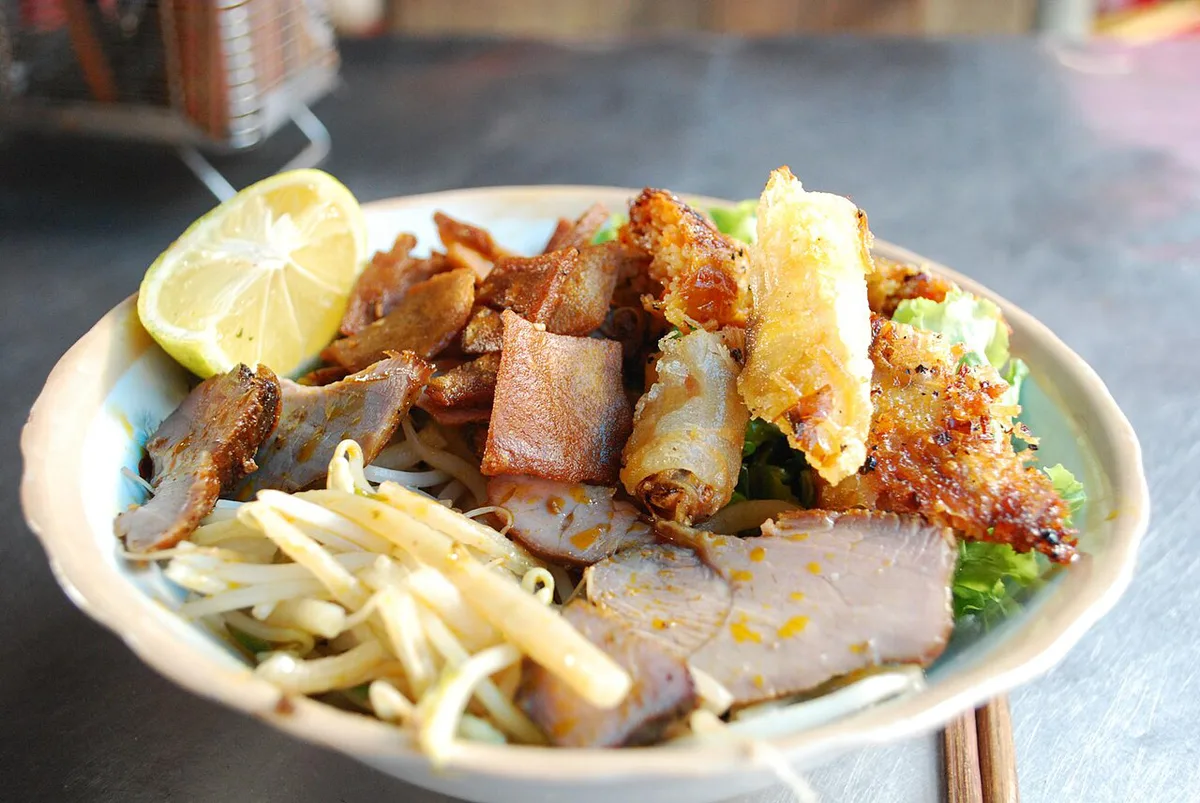
Featured image: Dragfyre, CC BY-SA 3.0, via Wikimedia Commons.
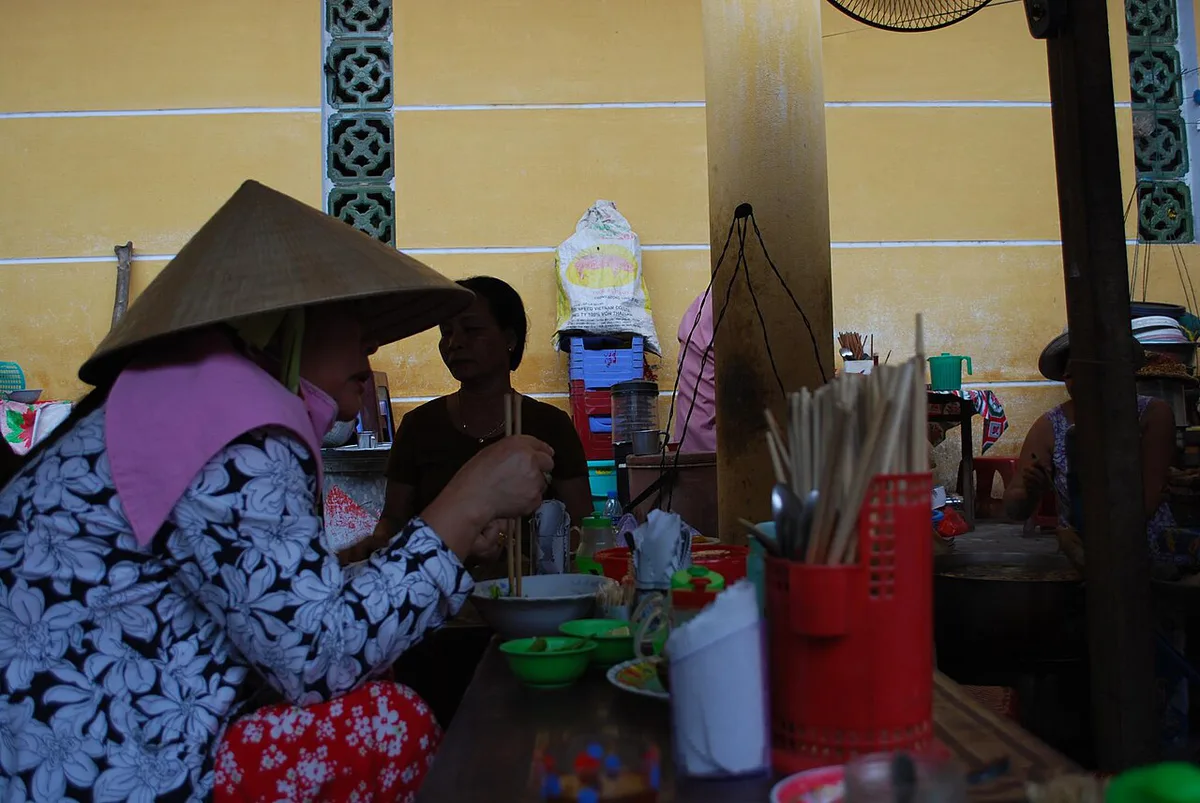
What Cao Lau Is and Why It Belongs to Hoi An
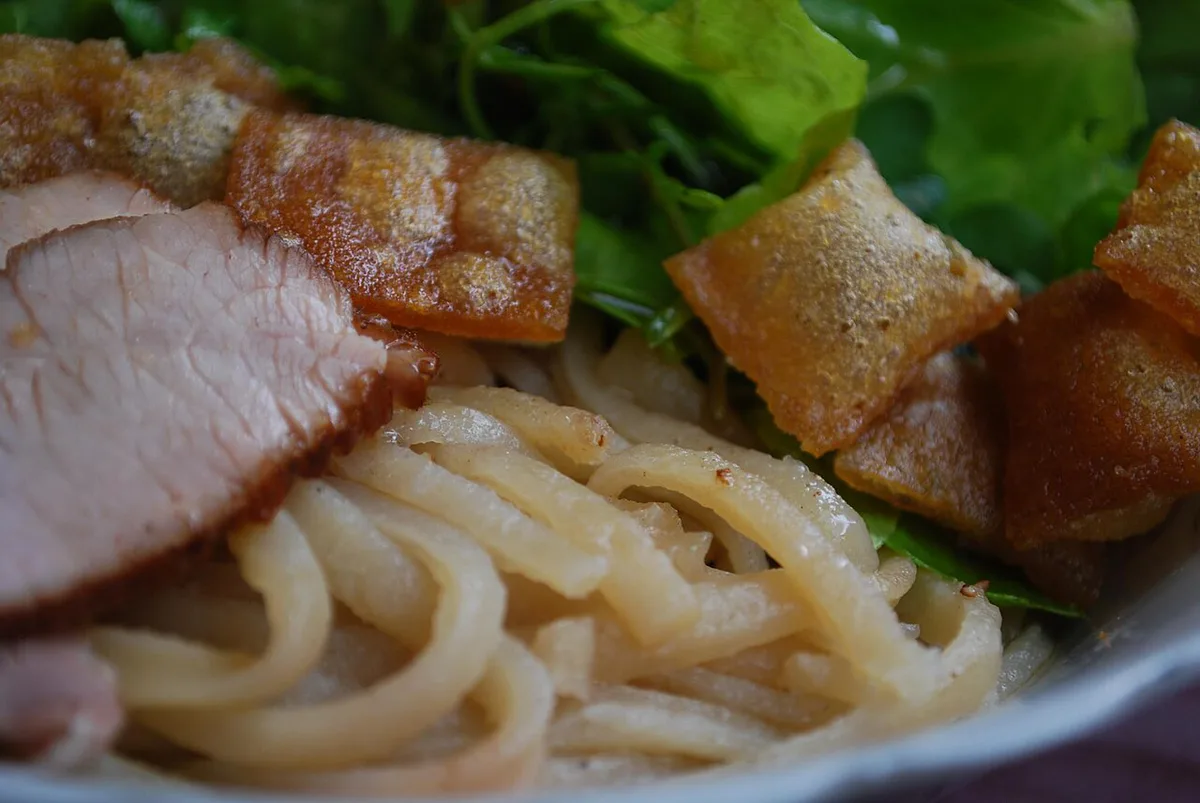
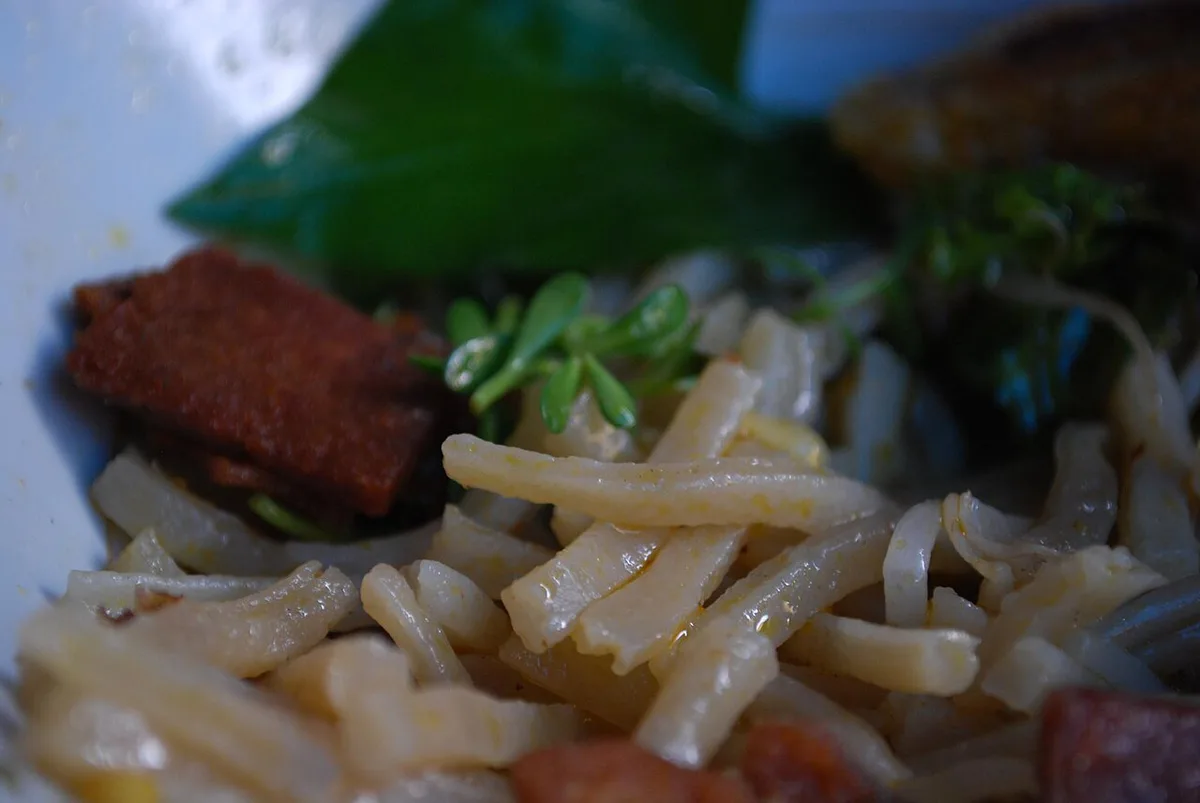
Cao lau is a dry noodle dish. You get thick, chewy rice noodles, sliced braised pork, fresh greens and crisp crackers made from the same dough. A small amount of concentrated sauce coats everything, so there is no broth to sip. Tradition ties the noodles to water from the old Ba Le well and wood ash from Cu Lao Cham, the Cham Islands. That ash makes an alkaline lye, which gives the noodles their snap and grey-yellow colour. Sources place the dish's start around the 17th century, when Hoi An was a trading port with Chinese and Japanese merchants. Its exact origin is still argued. One common translation of the name is "high floor". For wider context on local dishes, see my Hoi An street food guide.
Take the route offline
Free: the Hoi An route notes
Where to base yourself and what it costs, a day-by-day route that avoids backtracking, real transfer times and fares, seasonal timing, and where it connects onward — condensed from our Hoi An guides and made to take offline.
The Water Myth: What I'd Believe and What I'd Question
Traditionalists insist on Ba Le well water. Hoa, the daughter at Quán Mười, says the real secret is water low in alum. She adds that the well is now a preservation site. Noodle makers today use good water from other freshwater sources. Another owner says many vendors have moved to machine-made noodles because traditional makers have retired. My takeaway is simple. I'd treat the well as heritage, not as a quality guarantee. Judge a bowl by its snap, its sauce and its pork instead.
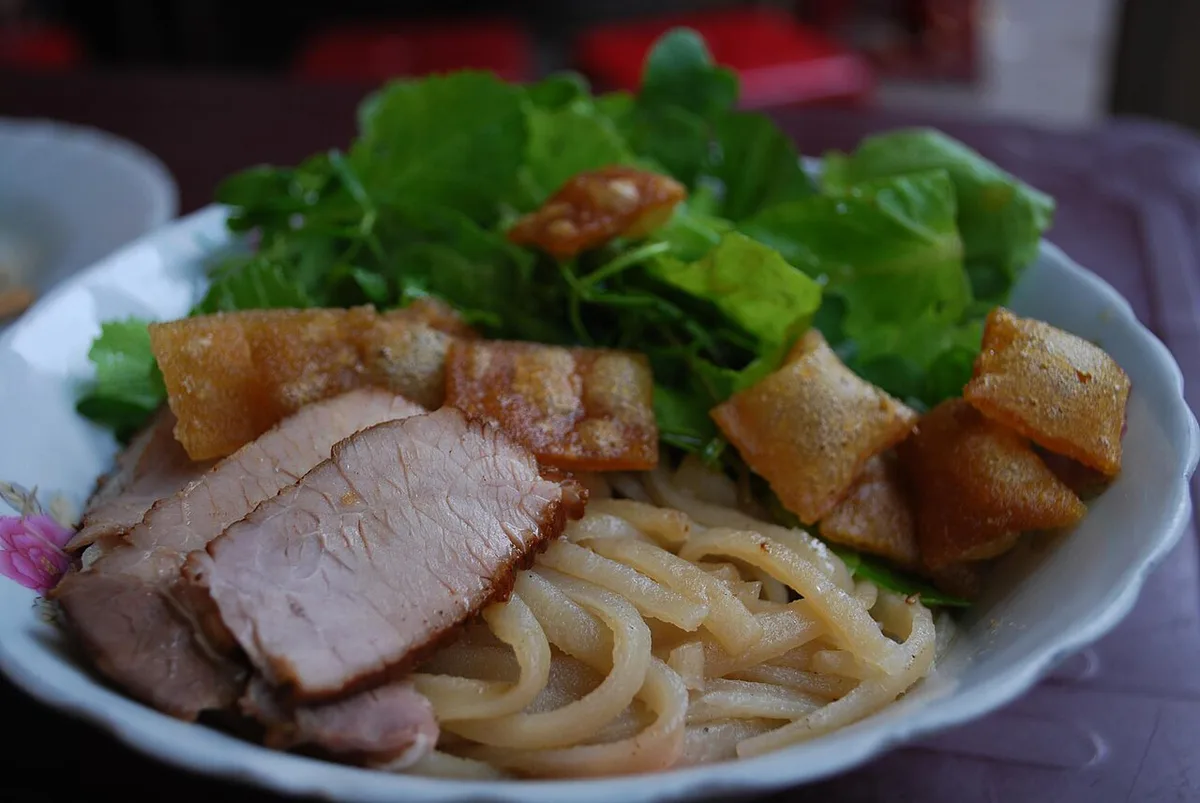
Anatomy of a Good Bowl of Cao Lau
Each part does a job, so it helps to know what to look for. The noodles are made from rice batter mixed with ash water. That batter is steamed into a dough, pressed into sheets and cut to roughly udon thickness. Pork is thit xiu, braised with five-spice and soy sauce, not roasted red like Chinese char siu. At Bá Lễ, the owner says loin has replaced belly for health-conscious diners. Greens come mostly from Trà Quế, a herb-growing village near Hoi An. Crunch comes from ram, also spelled tép, which is fried noodle dough. Bá Lễ also adds crispy pork lard and blanches its noodles in a copper pot, according to Saucefish.
- Noodles: chewy with a distinct snap, never mushy
- Pork: five-spice and soy braise, sliced thin, juicy
- Herbs: fresh Trà Quế greens and bean sprouts
- Crunch: fried noodle-dough crackers
Where to Eat Cao Lau in Hoi An: Three Picks
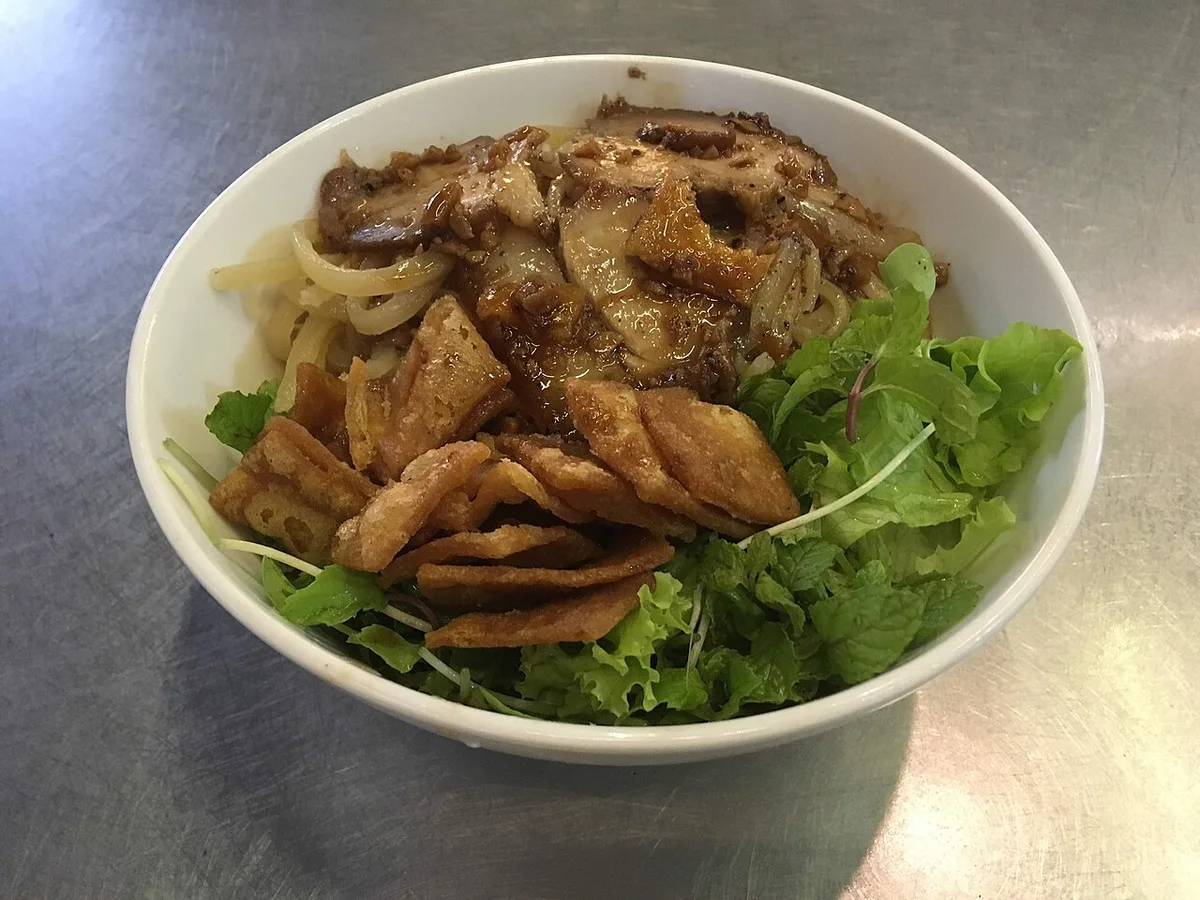
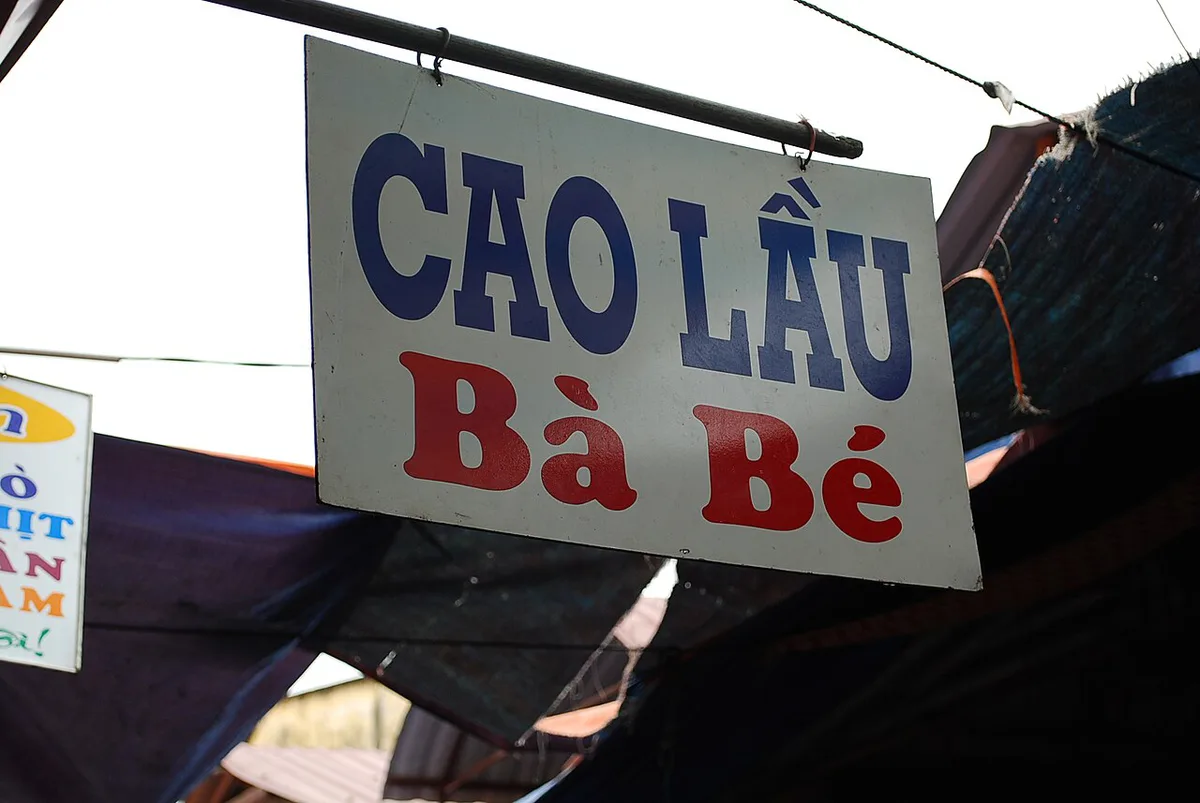
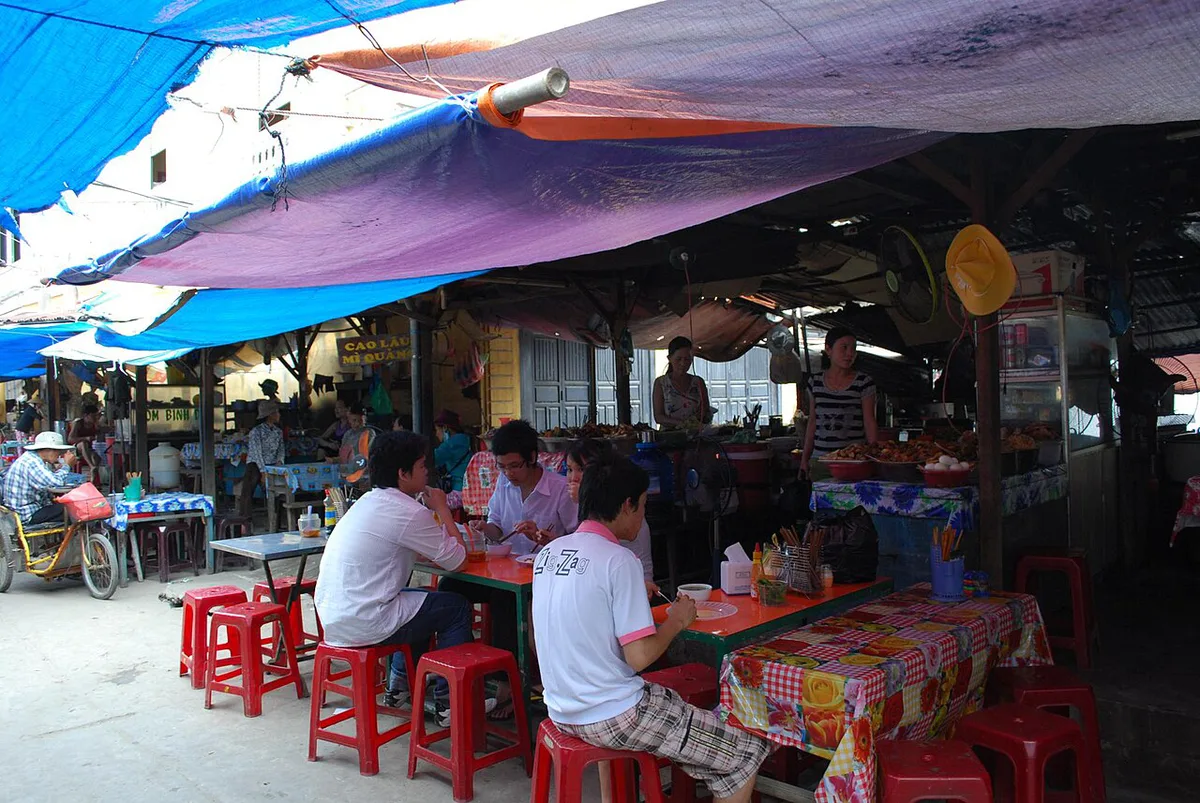
Hunt for specialists, not generalist restaurants that serve pizza next to pho. Quán Cao Lầu Thanh is my pick for a first bowl. It sits at 26 Thái Phiên, and Saucefish says Madam Thanh has made cao lau there for 30 years. Cao Lầu Bá Lễ is at 49/3 Trần Hưng Đạo. Its founder first sold the dish from a carrying pole on Trần Phú street, near the Japanese Bridge. Quán Mười is at 80 Hải Thượng Lãn Ông and has operated since 1986. Its sauce is punchier and its chilli preserve hotter. Use the Old Town walking guide to link stops on foot.
| Spot | Address | Vibe | Best for |
|---|---|---|---|
| Quán Cao Lầu Thanh | 26 Thái Phiên | Humble, central, tour groups arrive | First-timers, history, location |
| Cao Lầu Bá Lễ | 49/3 Trần Hưng Đạo | Alley setting, backpacker feel | Authenticity, traditional method |
| Quán Mười | 80 Hải Thượng Lãn Ông | No-frills family kitchen | Spice lovers, local feel |
How to Eat Cao Lau Like a Local
Start by remembering there is no soup. Toss the bowl from the bottom up so sauce, herbs and noodles mix before the first bite. Hoa at Quán Mười recommends adding chilli and a dash of soy sauce. A Hoi An blogger found the dish bland until she added one spoonful of chilli and lime. Bá Lễ puts pickled shallots on the table for a touch of acidity. I'd keep it simple and skip add-ons like egg or beef. Hoa voiced disappointment about those at some inner Old Town spots.
Prices, Timing and Practical Cautions
Expect ₫40,000 to ₫60,000 per bowl. Anything much higher looks like a tourist premium to me. A April 2024 blog listed Bá Lễ at ₫40,000, but prices drift, so check the menu. Thanh can sell out by early afternoon, so go for breakfast or an early lunch. Many cao lau stalls close by 7:00 PM or when the noodles run out. That same 2024 listing gave Bá Lễ hours of 11 AM to 9:30 PM on weekdays and 8 AM to 9:30 PM on weekends. Confirm hours before you go, and check Hoi An's official tourism site for current visitor information. Most of these shops sit in alleys, where parked motorbikes crowd the entrances. One blogger suspected honking motorbikes near a roadside table, so I'd sit further inside.
Cao Lau Outside Hoi An: The Saigon Exception
If you miss Hoi An, Cao Lầu Cô Ba Ân in Ho Chi Minh City is the one Saigon spot Saucefish calls close to the original. Bowls cost ₫50,000 there. The owner is from Đà Nẵng and has adapted the dish for local tastes. Her special bowl has two kinds of pork plus a fried spring roll. I'd treat it as a cousin, not a replacement for Hoi An.
At ₫50,000, the Saigon bowl sits inside the ₫40,000 to ₫60,000 range you should expect in Hoi An.
Planning Your Hoi An Food Route
Cao lau works as a heavy breakfast or early lunch, so keep the evening light. Walk the Hoi An night market after dark for snacks. Pair that with the best banh mi stops on another day. If you want to learn the sauce and pork braise yourself, book a Hoi An cooking class.
Stalls close by 7:00 PM, so a noodle breakfast fits the day better than a late dinner, and the night market can handle the evening snacks.
For trip-planning details, see Hoi An - Wikipedia.
Frequently Asked Questions
Where is the best Cao Lau in Hoi An?
There is no single winner. For a first bowl, I'd start at Quán Cao Lầu Thanh at 26 Thái Phiên. For tradition, try Cao Lầu Bá Lễ at 49/3 Trần Hưng Đạo. For a punchier sauce, go to Quán Mười at 80 Hải Thượng Lãn Ông.
What are Vietnamese noodles called?
Names depend on the dish. Cao lau is the thick rice noodle dish tied to Hoi An. Mì Quảng is another Hoi An noodle dish. Phở and bún bò Huế appear on many menus nationwide.
Take the route offline
Free: the Hoi An route notes
Where to base yourself and what it costs, a day-by-day route that avoids backtracking, real transfer times and fares, seasonal timing, and where it connects onward — condensed from our Hoi An guides and made to take offline.
Keep unfolding Vietnam
Continue along the route
Three nearby guides for the next decision in your trip.


