

Hoi An Old Town Guide Travel Guide
Plan your Hoi An Old Town guide with essential tips, ticket strategies, cultural insights, timing advice, and practical booking information for a smooth visit.
On this page
Hoi An Old Town is one of Southeast Asia's best-preserved ancient trading ports. This UNESCO World Heritage Site, designated in 1999, attracts travelers worldwide with its iconic yellow buildings and lantern-lit streets. The town's 30-hectare protected core zone contains architectural treasures from the 15th to 19th centuries. Whether you're exploring for a few hours or spending multiple days, this Hoi An Old Town guide covers everything you need to plan a memorable visit.
Last updated July 2026. From ticket strategies and hidden free attractions to neighborhood guidance and day-trip options, you'll discover how to experience this charming destination efficiently and authentically. The following sections break down what to see, when to visit, and how to maximize both your time and budget in this stunning Vietnamese landmark.
Key Takeaways
- Hoi An Old Town is one of Southeast Asia's best-preserved ancient trading ports.
- This UNESCO World Heritage Site, designated in 1999, attracts travelers worldwide with its iconic yellow buildings and lantern-lit streets.
- The town's 30-hectare protected core zone contains architectural treasures from the 15th to 19th centuries.
- Whether you're exploring for a few hours or spending multiple days, this Hoi An Old Town guide covers everything you need to plan a memorable visit.
Take the route offline
Free: the Hoi An route notes
Where to base yourself and what it costs, a day-by-day route that avoids backtracking, real transfer times and fares, seasonal timing, and where it connects onward — condensed from our Hoi An guides and made to take offline.
Must-See Hoi An Attractions
Hoi An Old Town houses remarkable attractions spanning multiple centuries of Vietnamese and foreign influence. The town's ticketed attractions can feel overwhelming at first glance. Prioritizing which ones to visit is essential for maximizing your time and budget. The good news is that most highlights are concentrated in a walkable area covering about 40 minutes end to end.
Assembly halls showcase the Chinese, Japanese, and Vietnamese communities that thrived during Hoi An's trading era. The Chinese Assembly Hall impresses visitors with its ornate decorations and historical significance. These structures offer insight into merchant life and cultural traditions. Most assembly halls require a heritage ticket but rank among the most worthwhile uses of your allocation.
Tan Ky Old House and Phun Hung Old House represent well-preserved traditional architecture. Both buildings showcase authentic furnishings and room layouts spanning different centuries. Walking through these residences gives a tangible sense of daily life in ancient Hoi An. Plan 15-20 minutes per house to absorb the details.
Temples and pagodas throughout town offer spiritual atmosphere and distinctive architectural beauty. The riverside promenade provides excellent photo opportunities, especially at sunset between 5:30 and 6:30 PM. Boats operate along the Hoai River for scenic 20-minute rides through the town's waterways. This short journey offers a fresh perspective on the town's layout and surrounding landscape.
Lantern Street comes alive after dark with thousands of colorful paper lanterns illuminating walkways. Visiting in evening creates an almost magical experience that photos struggle to capture adequately. Most visitors agree the nighttime atmosphere justifies planning an evening stroll. Aim for 6:00 to 9:00 PM when lanterns are fully lit and crowds peak.
- Assembly Halls
- Type: merchant gathering and worship spaces
- Time needed: 20-30 minutes each
- Ticket required: yes, uses 1 ticket
- Best for: cultural and historical interest
- Historic Old Houses
- Examples: Tan Ky, Phun Hung houses
- Time needed: 15-20 minutes each
- Ticket required: yes, uses 1 ticket each
- Best for: architectural appreciation and daily life insights
- Temples & Pagodas
- Type: religious and spiritual structures
- Time needed: 10-20 minutes each
- Ticket required: yes for most
- Best for: peaceful reflection and photography
- Riverside Promenade
- Type: scenic walkway along Hoai River
- Time needed: 20-30 minutes minimum
- Ticket required: no
- Best for: sunset views and evening strolls
- Boat Tours
- Type: scenic water-based excursion
- Duration: 20 minutes per ride
- Cost: ticket included or separate fee
- Best for: river perspective and photo opportunities
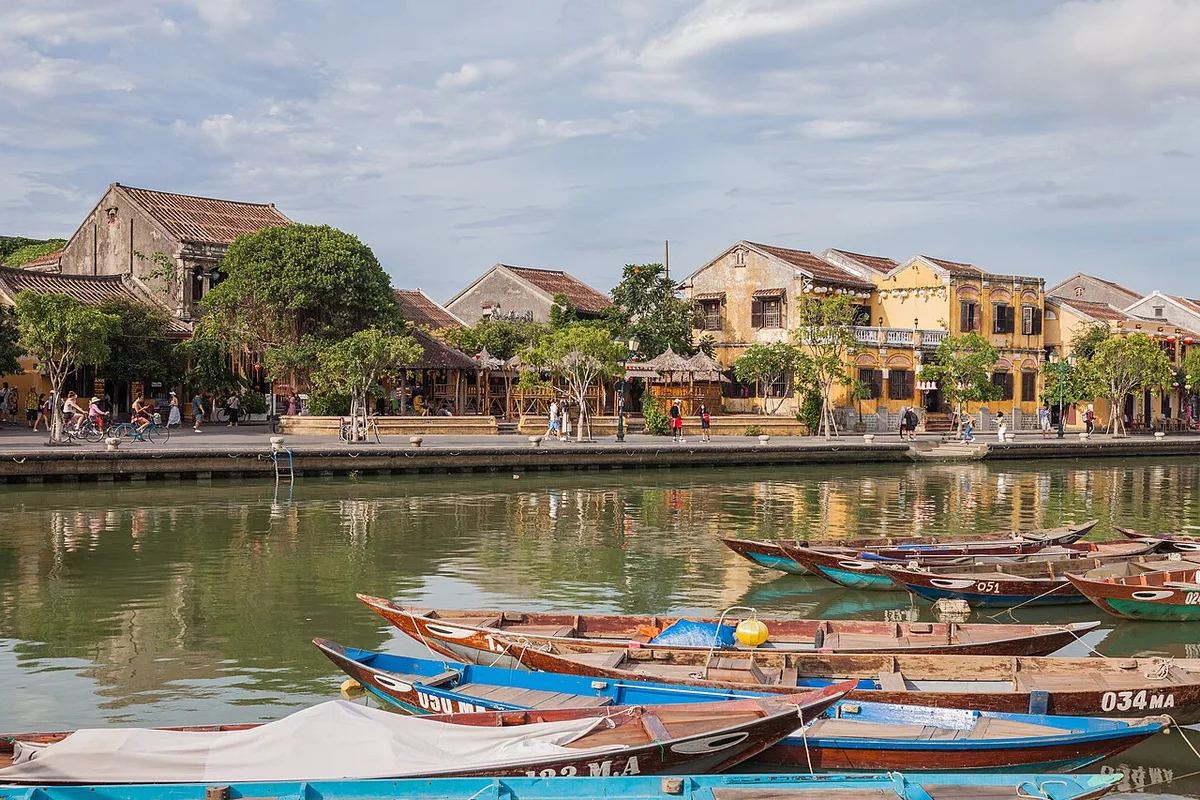
Museums, Art, and Culture in Hoi An
Museums and cultural sites in Hoi An provide deeper understanding of the town's trading heritage. Several galleries showcase local artwork by contemporary Vietnamese artists. These spaces complement historical attractions by offering modern artistic perspectives. Plan 30-45 minutes to explore museum collections thoroughly.
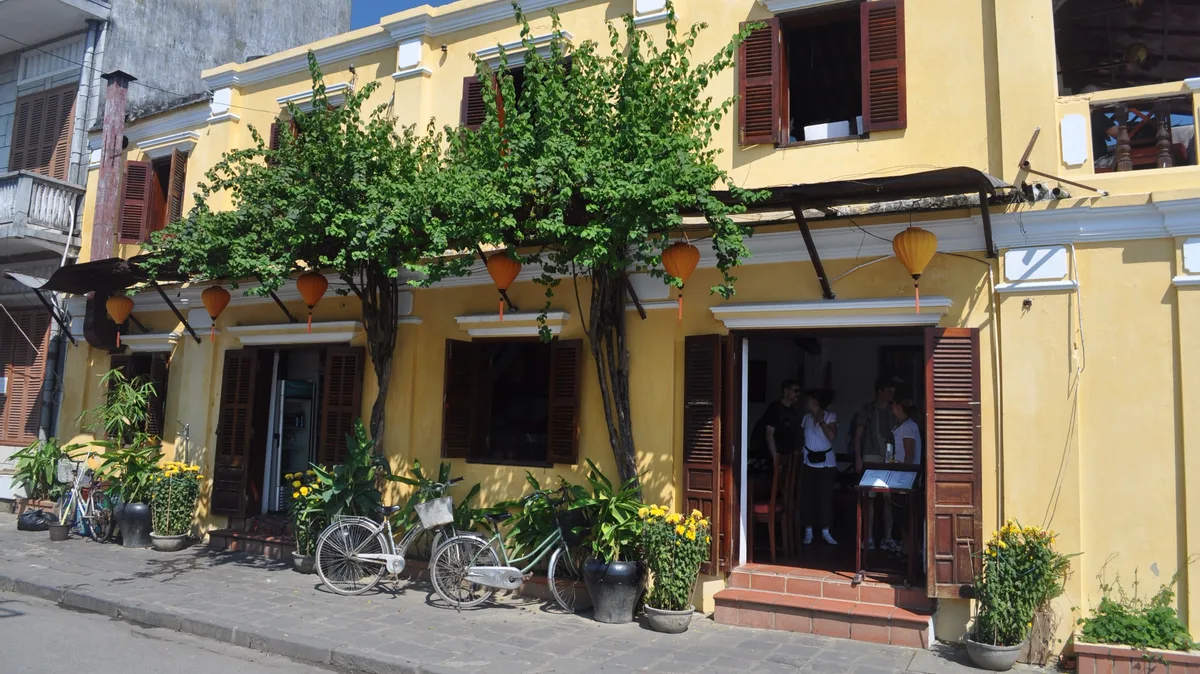
Hoi An Heritage Museum documents the town's history through artifacts and photographic displays. The Museum of Trade displays goods from merchants who settled in ancient Hoi An. Some museums highlight traditional crafts like woodcarving and textile production. Each offers unique insights into Hoi An's cultural evolution over centuries.
Silk-weaving workshops demonstrate traditional techniques practiced for hundreds of years. Lantern-making studios show how artisans create the famous colorful lanterns. Watch craftspeople work with materials and consider purchasing handmade souvenirs. These workshops offer interactive experiences without requiring a heritage ticket or advance booking.
Art galleries feature paintings, sculptures, and installations by local and regional artists. Many galleries double as shops selling original artwork and handcrafted goods. Browsing galleries provides cultural insights while supporting Vietnamese artisans. Most galleries welcome visitors during business hours without entrance fees.
Parks, Gardens, and Outdoor Spots in Hoi An
An Bang Beach offers a 4-kilometer stretch of sand lined with deckchairs and relaxed beach bars. Located just outside the old town, the beach provides a natural escape from historic architecture. Swimming and water sports are available during peak seasons. Beach bars serve fresh seafood and local drinks at affordable prices.
Scenic rice paddies are located just 10-15 minutes' ride from the old town. Bicycle tours and motorcycle taxi rides access these agricultural landscapes easily. The paddies showcase rural Vietnamese farming life and offer peaceful green vistas. Late afternoon light creates the best photography conditions.
The Hoai River promenade runs alongside the old town with riverside shops and cafes. Walking paths provide shaded rest areas and benches overlooking the water. Sunset viewing from the promenade creates memorable photo opportunities. The route connects several major attractions and spans approximately 1.5 kilometers.
Tra Que Vegetable Village offers herb gardens and a working farm 3 kilometers from town. Visitors can participate in harvesting herbs and cooking traditional dishes. The village experience provides insight into rural Vietnamese agricultural practices. Tours typically include lunch and herb garden walks lasting 2-3 hours.
Family-Friendly and Budget-Friendly Options in Hoi An
Free attractions include many street areas, riverside walks, and shop browsing throughout the town. Lantern Street and walking streets during non-motorized hours (9-11 AM and 3-9:30 PM) require no entrance fee. Photography, street food sampling, and market exploration cost little to nothing. Families with young children particularly benefit from zero-cost street exploration.
Children enjoy lantern-making workshops where they create colorful paper lanterns. Tailor services offer affordable custom clothing at competitive prices. Boat rides on the Hoai River cost between 50,000-100,000 VND per person for short tours. Cooking classes engage families with hands-on food preparation and cultural learning.
Budget travelers can extend their heritage ticket value by spacing visits across multiple days. Purchasing two tickets (240,000 VND total) allows relaxed exploration of 10 ticketed attractions. Street food costs 20,000-50,000 VND per meal, making dining affordable. Hostels and budget hotels cluster near the old town within walking distance.
Group tours from Da Nang often bundle Hoi An with nearby attractions at package rates. The 30-minute journey from Da Nang costs 50,000-150,000 VND depending on transportation type. Free museum hours sometimes apply during specific times, so check ahead. Local discount cards and combination tickets may reduce per-person entrance costs.
How to Plan a Smooth Hoi An Attractions Day
Walking across Hoi An Old Town takes approximately 40 minutes from one end to the other. This compact layout means most attractions are reachable without motorized transport. Plan walking routes to cluster nearby attractions and minimize backtracking. Comfortable shoes are essential, as streets are narrow and often uneven.
Plan walks during non-motorized vehicle hours (9-11 AM and 3-9:30 PM) when streets transform into pedestrian zones. Peak crowds occur 10 AM-1 PM and 2-5 PM. Quieter windows significantly enhance exploration and photography experiences.
Non-motorized vehicle restrictions run daily from 9:00 to 11:00 AM and 3:00 to 9:30 PM. During these windows, bicycles and trishaws cannot enter the protected core zone. Planning your walking schedule around these hours improves pedestrian experiences. Bicycles are recommended for arriving before 9:00 AM or after 9:30 PM to avoid restrictions.
Ticket offices open after 7:00 AM, but travelers arriving before this hour enter free. However, limited attractions operate before dawn and early morning light. This free window suits photographers seeking sunrise shots without crowds. Most heritage sites open fully between 7:30 and 8:00 AM.
Spending one full day allows relaxed exploration of 8-12 key attractions. Two-day visits permit deeper engagement with museums, workshops, and evening experiences. Multi-day stays enable rice paddy tours, beach trips, and neighborhood exploration. A strategic accommodation choice reduces transit time and enhances convenience.
Peak visiting hours are 10:00 AM to 1:00 PM and 2:00 PM to 5:00 PM. Arriving early or visiting after 6:00 PM reduces crowds significantly. Cloudy days still provide excellent exploration conditions and photography opportunities. Late morning departures allow sleep and slow coffee before sightseeing.
Free Things to do in Hoi An
Walking Hoi An's streets during non-motorized hours is completely free and highly rewarding. The 9-11 AM and 3-9:30 PM windows transform the town into a pedestrian-friendly paradise. Lantern Street glows beautifully in evening light without any entrance requirement. Street exploration reveals family shops, local cafes, and artisan workshops.
Riverside promenade walks cost nothing and deliver scenic views of the Hoai River. Early morning or sunset walks attract fewer tourists and offer peaceful atmospheres. Benches and rest areas dot the promenade for sit-down breaks. Photography from the riverside captures iconic architecture framed by water.
Shopping and browsing storefronts provide cultural immersion without purchase obligations. Tailors welcome window shoppers and offer consultation even without custom orders. Souvenir shops, art galleries, and craft stores make browsing entertaining. Haggling is expected in markets and some shops, adding interactive cultural engagement.
Hoi An's central market operates early morning (5:00-8:00 AM) and sells local produce and goods. Watching morning commerce and sampling cheap street breakfast costs under 50,000 VND total. Food stalls serve authentic pho and banh mi for 25,000-40,000 VND per item. Market exploration provides genuine local insights unavailable in tourist areas.
Street food tasting tours conducted independently cost minimal fees. Lantern-making or flower-arranging classes sometimes offer free demonstrations. Temple visits for spiritual purposes remain free even if heritage sites require tickets. Talking with locals often yields insider knowledge and authentic recommendations.
Tours In/From Hoi An
Local guided tours typically last 3 to 5 hours and focus on history and architecture. Small-group tours limit participants to 8-15 people for personalized attention. Private guide options cost more but allow customized itineraries based on interests. Booking through hotels or tour operators offers reliability and flexible cancellation.
Tailor-experience tours combine town exploration with custom clothing fittings. Tailors can create garments in 24 hours to 2 days for express service. Guided tours to tailors cost 200,000-400,000 VND and include cultural insights. Standard tailor quality suits work well for casual and business wear.
Cooking classes teach authentic Vietnamese dishes using local market ingredients. Half-day classes run 4-5 hours and include market visits and hands-on preparation. Costs range from 300,000-600,000 VND per person including meals. This option appeals to food enthusiasts and travelers seeking cultural participation.
Da Nang day trips depart Hoi An and return within 8-10 hours total. Da Nang is located 30 minutes from Hoi An by car or bus. Ba Na Hills cable car (18 minutes upward) offers alpine coaster rides and gardens. Tours from Hoi An to Ba Na Hills cost 500,000-1,000,000 VND per person including transport.
My Son Sanctuary tours combine ancient temple ruins with cultural history. Full-day excursions depart early morning and return by evening. Costs typically range 600,000-1,200,000 VND including transport and guide services. Tailor experiences are often combined with this tour for comprehensive cultural engagement.
Hoi An's Iconic Yellow Buildings & History
Hoi An's yellow buildings became the town's iconic trademark during late 20th-century preservation efforts. French colonial influence introduced the practice of painting buildings in unified colors. Yellow was chosen to create visual cohesion while respecting historical architecture. The color became synonymous with Hoi An's identity and UNESCO World Heritage designation.
The 30-hectare protected core zone was designated to safeguard the town's best-preserved sections. Boundaries are defined by the Hoai River to the south and three major roads. Strict regulations govern building modifications within this protected area. UNESCO World Heritage status granted in 1999 recognized Hoi An's outstanding cultural value.
Hoi An served as Southeast Asia's primary trading port from the 15th to 19th centuries. Chinese, Japanese, and Vietnamese merchants established permanent communities here. They built assembly halls, temples, and residences that blended architectural styles. This fusion created the distinctive aesthetic that attracts travelers today.
The lantern tradition grew from merchant times and evolved into a cultural symbol. Colorful silk lanterns now illuminate evening streets, creating magical atmospheres. Annual lantern festivals draw thousands of visitors during full moon celebrations. The tradition connects ancient commerce with modern tourism and cultural pride.
Vietnamese, Chinese, and Japanese influences merged to form distinctive Hoi An architecture. Chinese assembly halls feature red pillars and ornate wooden decorations. Japanese design elements appear in bridge construction and spatial planning. This cultural synthesis makes Hoi An architecturally unique in Southeast Asia.
Hoi An Old Town Entrance Fee & Ticket
Entrance tickets cost 120,000 VND per ticket for adults and children above 15 years old. Each ticket is valid for five separate attraction entries. After using all five entries, visitors purchase another ticket at the same price. Children under 15 years old may have reduced rates; confirm at ticket booths upon arrival.
Ticket offices open after 7:00 AM, but travelers arriving before this hour enter free. This early-entry window suits photographers seeking sunrise shots without crowds, though most heritage sites operate only after 7:30-8:00 AM.
Ticket offices open after 7:00 AM daily and remain open until late evening. Early arrivals before 7:00 AM enter the town free but encounter limited operations. This early-entry window suits photographers seeking sunrise shots and peaceful strolls. However, most heritage sites and museums open only after 7:30-8:00 AM.
Two-ticket purchases (240,000 VND total) allow relaxed exploration without rushing. This budget provides access to 10 key attractions spanning different site types. Spacing visits across two days prevents decision fatigue. Most travelers find two tickets sufficient to see primary highlights.
Free attractions include street walks, riverside promenades, and market exploration. Museums sometimes offer discounted hours or reduced rates during shoulder seasons. Group discounts may apply for parties of 10 or more visitors. Ask ticket sellers about current promotions or combination deals upon arrival.
Ticket stubs are collected at each heritage site attraction. Staff verify tickets by tearing stubs rather than scanning codes. Some attractions verify tickets rigorously while others check casually. Plan to use tickets strategically at sites that genuinely interest you most.
Money Exchange, ATM, Pharmacy & Others
ATM machines are located throughout Hoi An Old Town and surrounding neighborhoods. Most major banks operate withdrawal-friendly machines accepting international cards. Vietcombank and Agribank ATMs are widely available and reliable. Expect small fees (10,000-20,000 VND) for international card withdrawals.
Currency exchange services operate at banks, hotels, and dedicated exchange shops. Hotel exchange rates typically favor establishments over street exchanges. Banks offer official rates and reliable service during business hours. Exchange shops near the central market provide competitive rates but require vigilance.
Pharmacies operate throughout town and sell common medications without prescriptions. Tourist-oriented pharmacies employ English speakers and carry familiar brand names. Costs for basic medications are low compared to Western prices. Locate pharmacies near your accommodation for convenient evening access.
Tourist police office assists foreign visitors with emergencies and documentation. English-speaking staff handle common issues like lost documents and crime reporting. The office is located near the central market area. Hospital facilities exist in nearby Da Nang for serious medical needs.
Shopping and restaurant vendors accept both Vietnamese dong and some USD. Card payment options are expanding but remain limited outside major establishments. Bring sufficient cash for local purchases, tips, and small purchases. Accommodation providers typically accept card payments and offer exchange services for guests.
Money Exchange, ATMs, Pharmacies, and Practical Services
Bring some Vietnamese dong into the pedestrian zone, as heritage houses, market stalls, food vendors, and lantern boats may not accept cards. ATMs are easier to find around the Old Town’s edges, particularly along Trần Hưng Đạo, Lê Lợi, and Hoàng Diệu streets. Bank-operated machines are generally a safer choice than standalone tourist-area ATMs; check the displayed withdrawal fee and exchange rate before confirming.
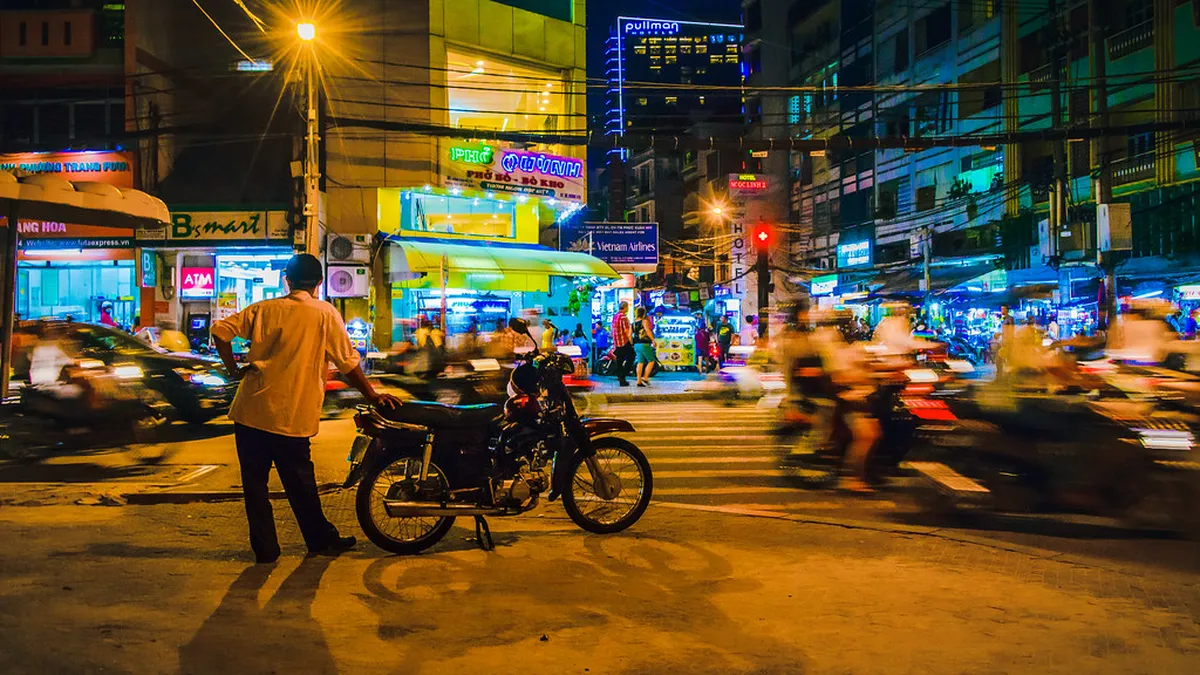
For currency exchange, use a bank or a clearly identified licensed counter and count the notes before leaving. Avoid changing money with informal street vendors. Hotels can often exchange small amounts for convenience, although their rates may be less favorable.
Pharmacies are concentrated on Trần Hưng Đạo and other roads north of the protected core. Bring the medicine’s generic name or a photo of its packaging, because brand names differ between countries. For minor needs, Hoi An Market and nearby convenience shops sell water, sunscreen, tissues, and basic toiletries. Keep your passport secured at your accommodation and carry a copy or digital image when withdrawing money or arranging services.
Official Planning Checks Before You Go
Use the official Vietnam Tourism Hoi An guide for destination context and the UNESCO Hoi An listing for a second official baseline. Recheck any opening hour, fare, timetable, closure, access rule, weather risk, or booking condition with the responsible operator shortly before travel; an official destination overview is not a live inventory or service guarantee.
Frequently Asked Questions
How long does it take to walk around Hoi An Old Town?
You can walk from one end of Hoi An Old Town to the other in approximately 40 minutes. However, meaningful exploration of attractions, museums, and shops requires 3-5 hours minimum for highlights and 1-2 full days for thorough coverage. Most visitors spend 4-6 hours on their first visit, seeing primary attractions without rushing.
What's the best time of year to visit Hoi An?
Late September through November (autumn) and February through April (spring) offer the most pleasant weather and manageable crowds. Avoid May through August when monsoon rains and peak heat create humidity and congestion. December through January brings cooler temperatures but attracts more international tourists. The annual lantern festival occurs on full moon nights, drawing larger crowds but creating magical evening experiences.
How much does Hoi An Old Town entrance cost?
Heritage tickets cost 120,000 VND per ticket and grant access to five attractions. Children under 15 years old may receive discounts. Walking the streets and riverside areas requires no ticket. Many shops, galleries, and food stalls operate freely outside the heritage ticketing system. Traveling before 7:00 AM allows free entry but limits access to operating attractions.
What should I wear when visiting Hoi An?
Wear comfortable walking shoes suitable for uneven brick streets and narrow alleys. Lightweight, breathable clothing suits Vietnam's warm and humid climate. Sun protection including hats and sunscreen is essential. Modest clothing covering shoulders and knees respects local customs in temples and religious sites. Evening strolls at Lantern Street require nothing special, though layers handle variable restaurant and café temperatures.
Is Hoi An Old Town walkable for families with children?
Yes, Hoi An is highly walkable for families with children of all ages. The compact 40-minute walk span means short legs don't face excessive distances. Narrow streets have few vehicles during non-motorized hours (9-11 AM and 3-9:30 PM), making pedestrian travel safe. Child-friendly activities include lantern-making workshops, boat rides, and regional day trips to rice paddies and beaches. Cafes and restaurants throughout town welcome families.
Hoi An Old Town remains one of Vietnam's most rewarding travel destinations for diverse visitor interests. Whether you spend a few hours sampling street food or multiple days exploring heritage sites, the town delivers cultural richness and authentic experiences. Planning around ticket strategies, non-motorized hours, and timing ensures smooth sightseeing without stress.
The combination of free attractions, affordable tours, and family-friendly activities makes Hoi An accessible across budgets. Ancient architecture, lantern-lit streets, and local hospitality create memories lasting far beyond your stay. Visit Hoi An with this comprehensive guide, and discover why this UNESCO World Heritage Site captivates millions of travelers each year.
Take the route offline
Free: the Hoi An route notes
Where to base yourself and what it costs, a day-by-day route that avoids backtracking, real transfer times and fares, seasonal timing, and where it connects onward — condensed from our Hoi An guides and made to take offline.
Keep unfolding Vietnam
Continue along the route
Three nearby guides for the next decision in your trip.


