
Best Time to Visit Da Lat: Monthly Weather & Flower Guide
When is the best time to visit Da Lat? Compare dry and rainy months, flower seasons, cloud hunting and hotel price swings in Vietnam's Central Highlands.
On this page
Last updated November 2026: the best time to visit Da Lat is November to March, when skies are clearer and flowers peak. May to October brings afternoon rain, mist and softer prices. Pick your month by what matters most: blooms, trekking, cloud views or a lower room rate.
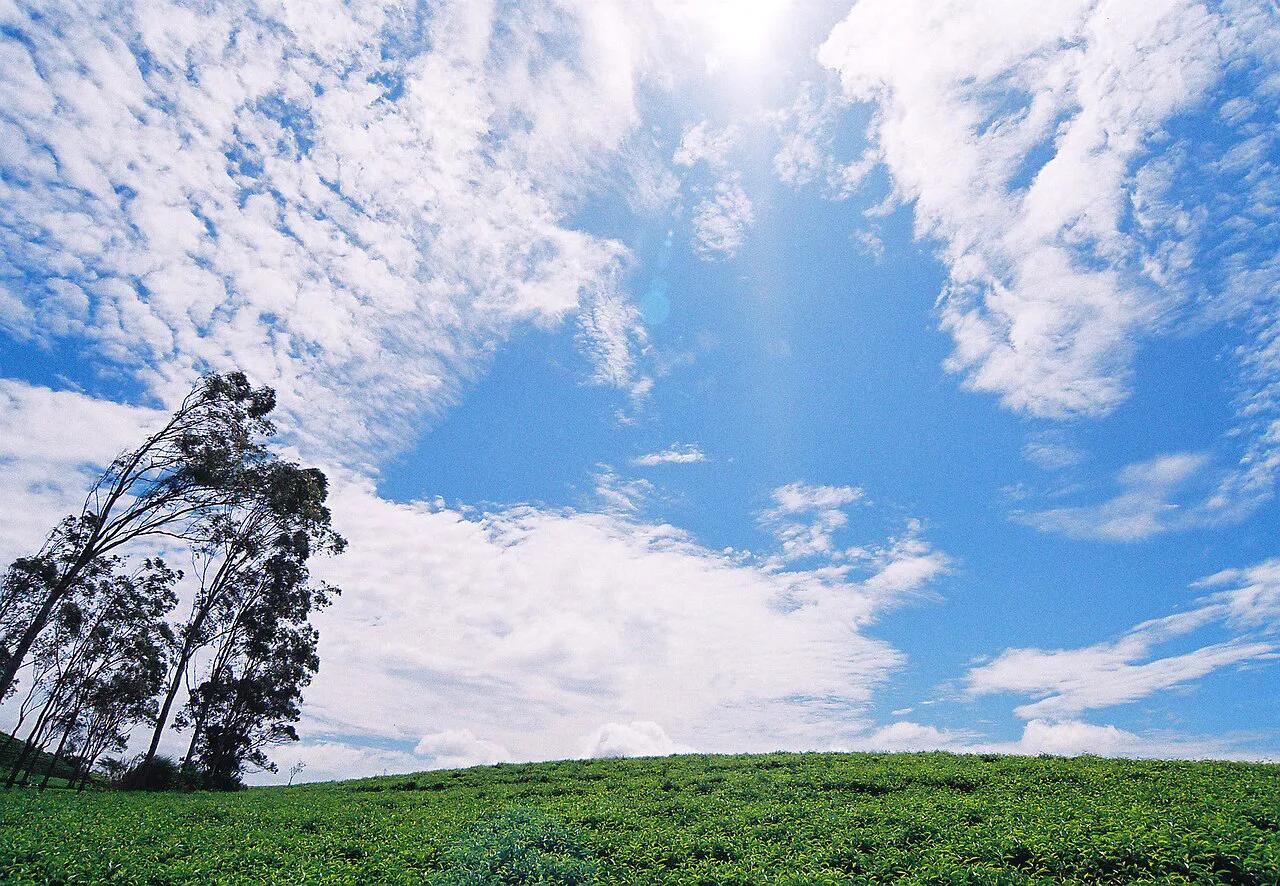
Featured image: Violetbonmua, CC BY-SA 3.0, via Wikimedia Commons.
Quick Answer: The Best Time to Visit Da Lat
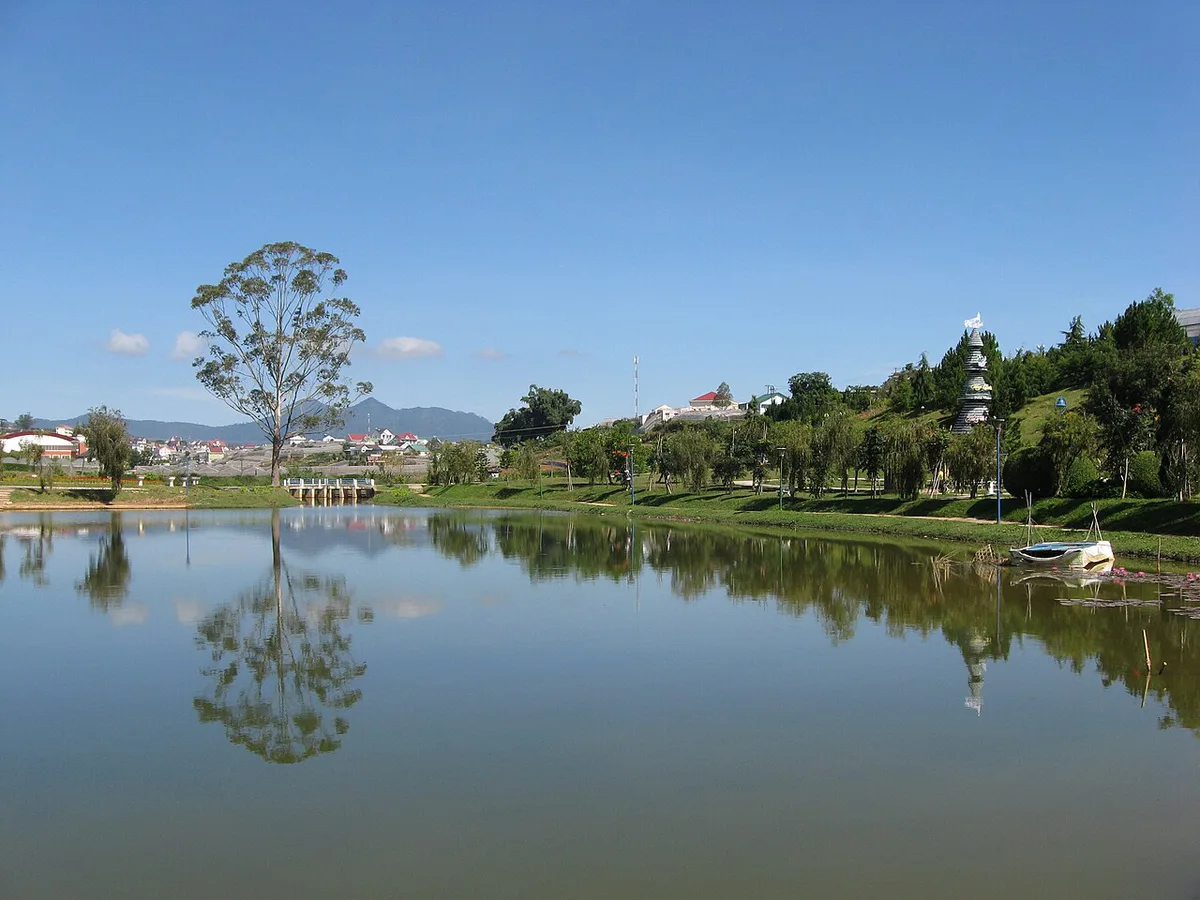
Aim for November to March if you want dry days, cool nights and flowers. Da Lat sits high enough that daytime averages stay around 18°C (64°F) to 22°C (72°F) all year. Nights in the dry season can fall below 10°C (50°F), so you need a jacket even in a tropical country. Rain returns from roughly May to October, mostly as afternoon showers. For route ideas that suit dry weather, see our guide to 10 Best Things to Do in Da Lat: Nature, Adventure and Town Sights.

Take the route offline
Free: the Da Lat route notes
Where to base yourself and what it costs, a day-by-day route that avoids backtracking, real transfer times and fares, seasonal timing, and where it connects onward — condensed from our Da Lat guides and made to take offline.
Da Lat Weather by Season: Dry vs Rainy
Da Lat has two main seasons. The dry season runs from roughly November or December to April. The rainy season runs from May to October, and August and September are the wettest months. Locals sometimes describe four seasons in a single day. Mornings start cool and misty, midday warms up, and evenings turn cold again. Plan outdoor activities for the morning and keep afternoons flexible.

| Factor | Dry season (Nov–Apr) | Rainy season (May–Oct) |
|---|---|---|
| Weather | Clear skies, cold nights, below 10°C (50°F) possible | Afternoon showers, mist, wettest in Aug–Sep |
| Best for | Trekking, motorbike rides, flowers | Cloud hunting, cafés, lower prices |
| Crowds | Higher, peaking around Tet | Lower, apart from summer school holidays |
| Road risk | Low | Higher on mountain passes in heavy rain |
Da Lat Weather by Month and Flower Calendar

Each month has a different payoff. Use this list to match your dates to the blooms and weather you want.
- January–February: cherry blossoms (mai anh dao) peak, temperatures stay cool, and Tet brings domestic crowds.
- March–April: transition months, pleasant for canyoning and other outdoor activities.
- May–June: rains begin, so lean on café culture and indoor stops.
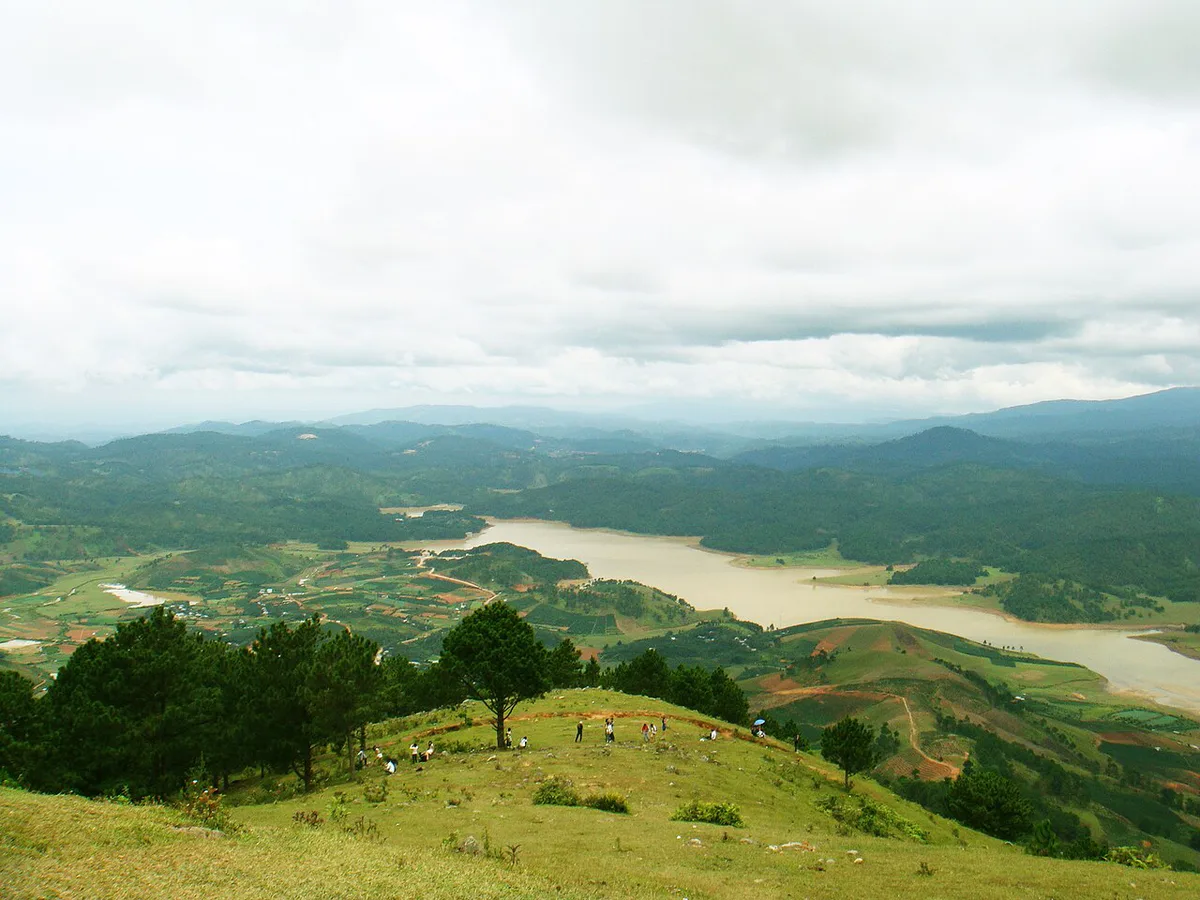
- July–August: lush green hills and the best cloud hunting (san may) mornings.
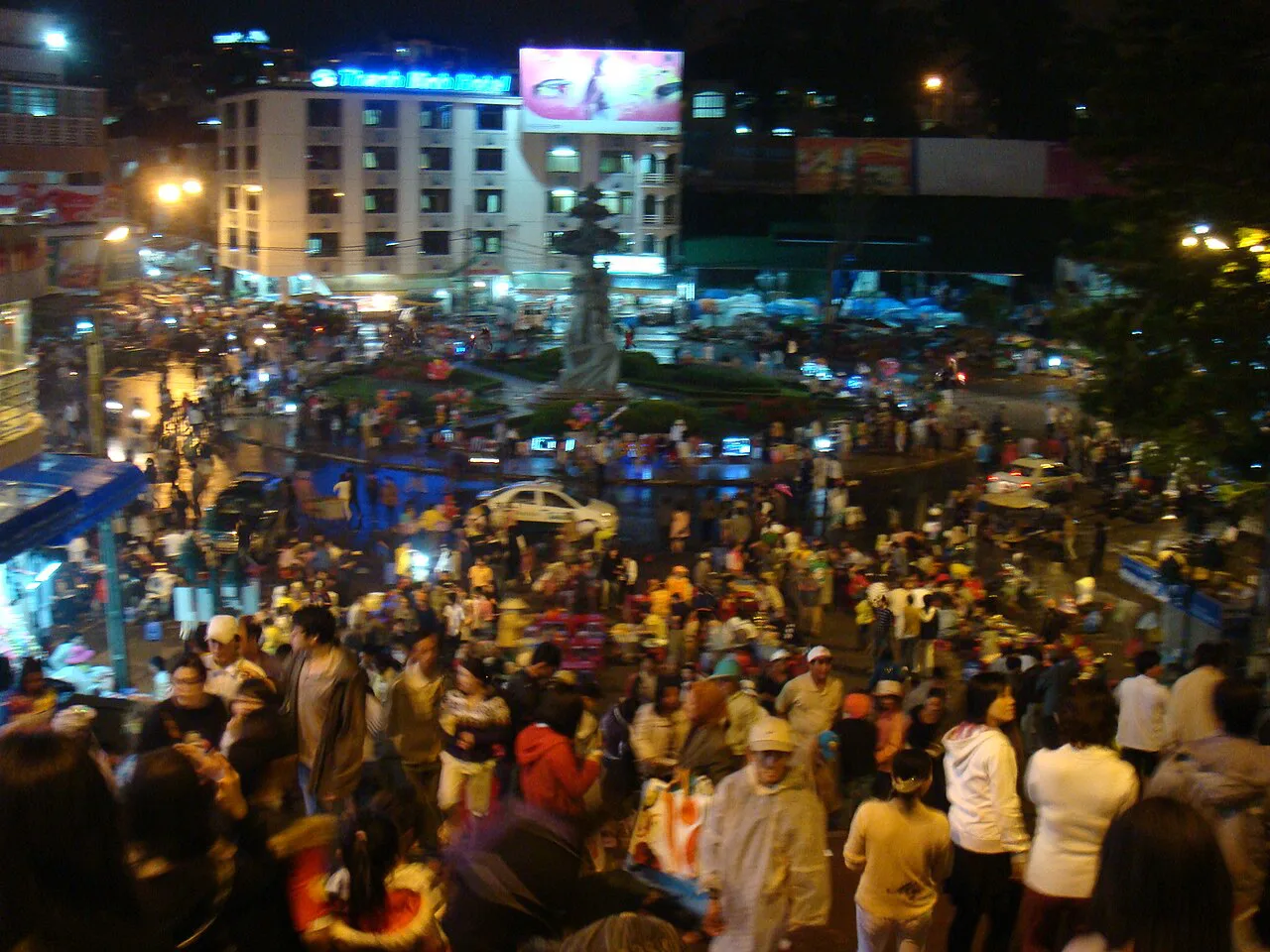
- September–October: highest rain risk. Wild sunflowers (hoa da quy) start appearing in late October.
- November–December: cool and dry. Hydrangeas bloom year-round, and the Da Lat Flower Festival runs every two years, so confirm whether it falls this year.
Cloud Hunting and the Wet-Season Case
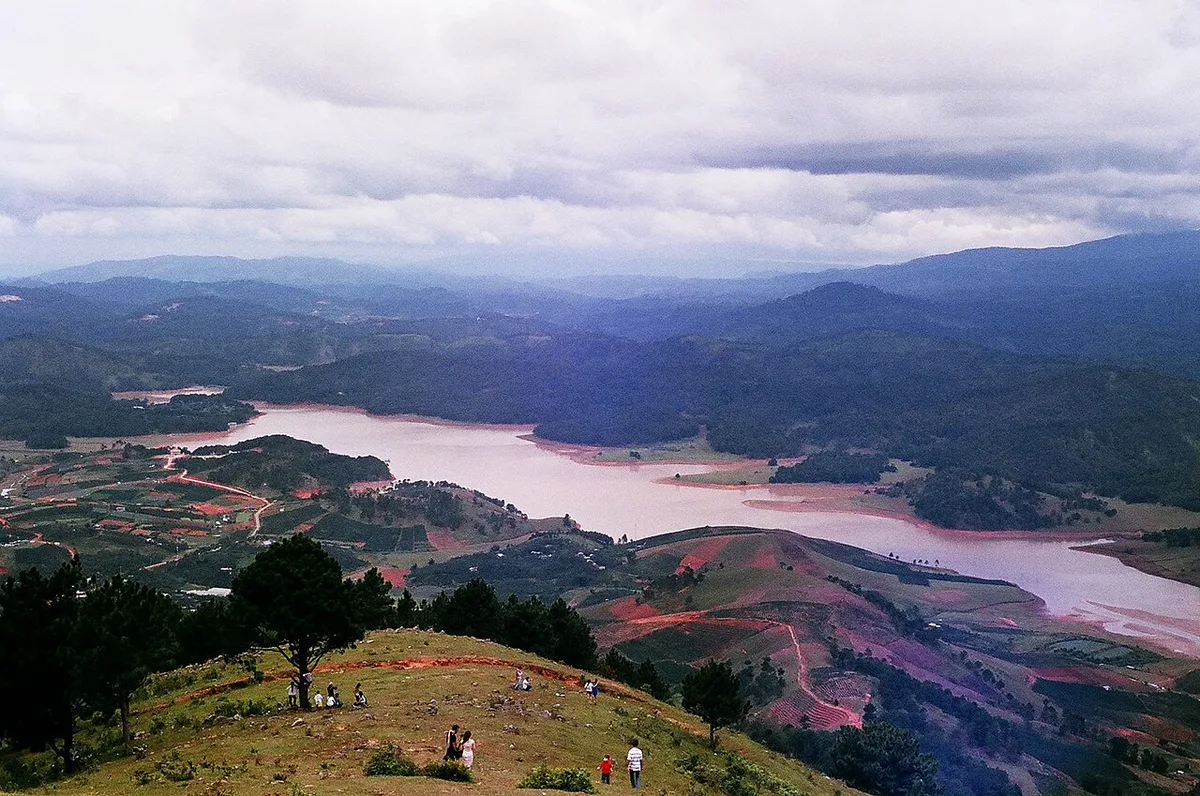
Rain does not ruin a Da Lat trip. Photographers choose July and August for low cloud over the pine hills and green valleys. Start before dawn, because mist usually burns off as the day warms. Showers tend to arrive in the afternoon, which leaves mornings workable. Save museums, cafés and market stops for the wet hours. For dishes that suit cold, damp evenings, read our Da Lat Food Guide: Must-Try Dishes, Prices & Where to Eat.
Seasonal Prices and Where to Stay
Rooms cost more around Tet and during the June to August holidays. Rainy-season weekdays outside school breaks are usually the easiest time to negotiate. As an editorial planning example, not a published rate, a mid-range room might run about ₫600,000 a night in a quiet September week against ₫900,000 or more during Tet. Check live listings for your dates. Book early for February and for July and August weekends. Your base also matters when roads are wet, so compare options in our guide to the Where to Stay in Da Lat: 4 Best Areas Compared.
A Tet-week room can cost ₫900,000 or more during Tet, so confirm Lunar New Year dates before you lock in a price.
Packing and Getting There by Season
Pack layers in every month. Bring a warm jacket for nights below 10°C (50°F), plus a light rain shell from May to October. Mountain passes are slower and riskier in heavy September rain. Allow extra time if you drive or ride. Compare routes in our guides to Ho Chi Minh City to Da Lat Travel Guide and Da Lat to Nha Trang: Complete Travel Guide. Check current bus and flight frequencies with operators, since schedules shift by season. For official regional information, see the Lam Dong tourism portal.
Daytime highs of 18°C (64°F) to 22°C (72°F) can feel mild, but nights below 10°C (50°F) in the dry season still need a warm jacket.
Mistakes to Avoid When Timing Your Trip
Do not assume Da Lat is hot. Leaving the jacket at home is the most common error. Avoid booking mountain treks in peak September rain, when trails and passes turn slick. Do not underestimate domestic crowds during Tet or public holidays. Confirm Lunar New Year dates and any Flower Festival dates before you book. Once the month is set, build days with our 3-day Da Lat itinerary. If Da Lat is one stop among several, compare regions in our Vietnam timing by region guide. The Vietnam National Authority of Tourism publishes national travel updates.
Frequently Asked Questions
What is the climate like in Da Lat, Vietnam?
Da Lat has a cool highland climate, with daytime averages around 18°C (64°F) to 22°C (72°F). A dry season runs roughly November to April, and a rainy season runs May to October. Nights in the dry months can drop below 10°C (50°F).
What is the best month to visit Vietnam?
It depends on the region, because Vietnam's weather differs between north, centre and south. For Da Lat, November to March is the strongest window. Compare other regions in our regional timing guide.
How many days to explore Da Lat?
Three days covers the main sights without rushing. Our 3-day itinerary shows one way to split them. Add a day in the rainy season to absorb wet afternoons.
Take the route offline
Free: the Da Lat route notes
Where to base yourself and what it costs, a day-by-day route that avoids backtracking, real transfer times and fares, seasonal timing, and where it connects onward — condensed from our Da Lat guides and made to take offline.
Keep unfolding Vietnam
Continue along the route
Three nearby guides for the next decision in your trip.