

Best Time to Visit Ninh Binh: Seasonal Guide & Weather Tips
Find the best time to visit Ninh Binh. Compare the golden rice harvest in late May, the cool dry season, and month-by-month weather for Tam Coc and Trang An.
On this page
Last updated November 2026. The best time to visit Ninh Binh is late May to early June for golden rice, or September to October for a second harvest and milder air. Dry-season months from November to April suit hiking, but skies turn grey and the karst views lose contrast. Use this guide to match your dates to rice colour, heat, rain and crowds around Tam Coc and Trang An.
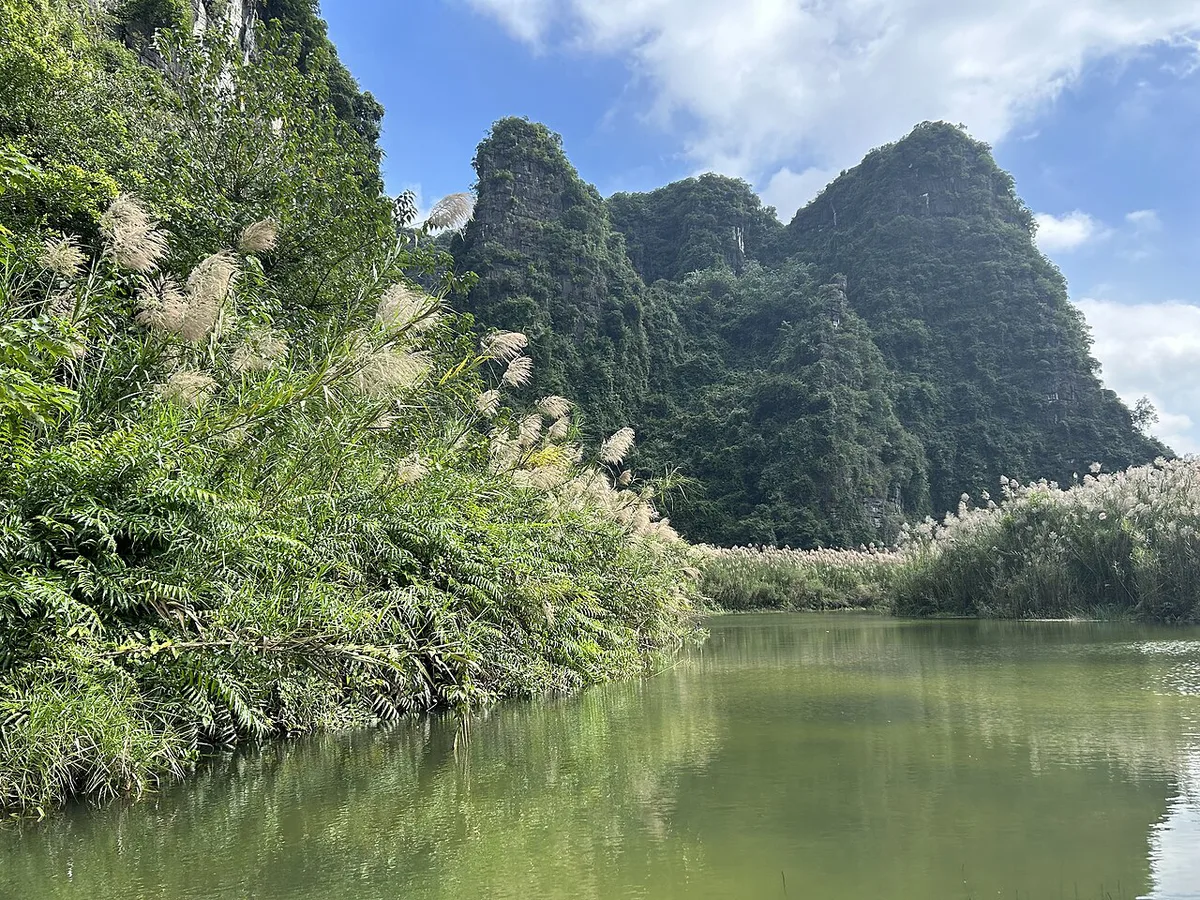
Featured image: NASA Earth Observatory image by Michala Garrison, using Landsat data from the U.S. Geological Survey. Photo by Tuấn Mai. Story by Lindsey Doermann., Public domain, via Wikimedia Commons.
Quick Answer: When Should You Go?
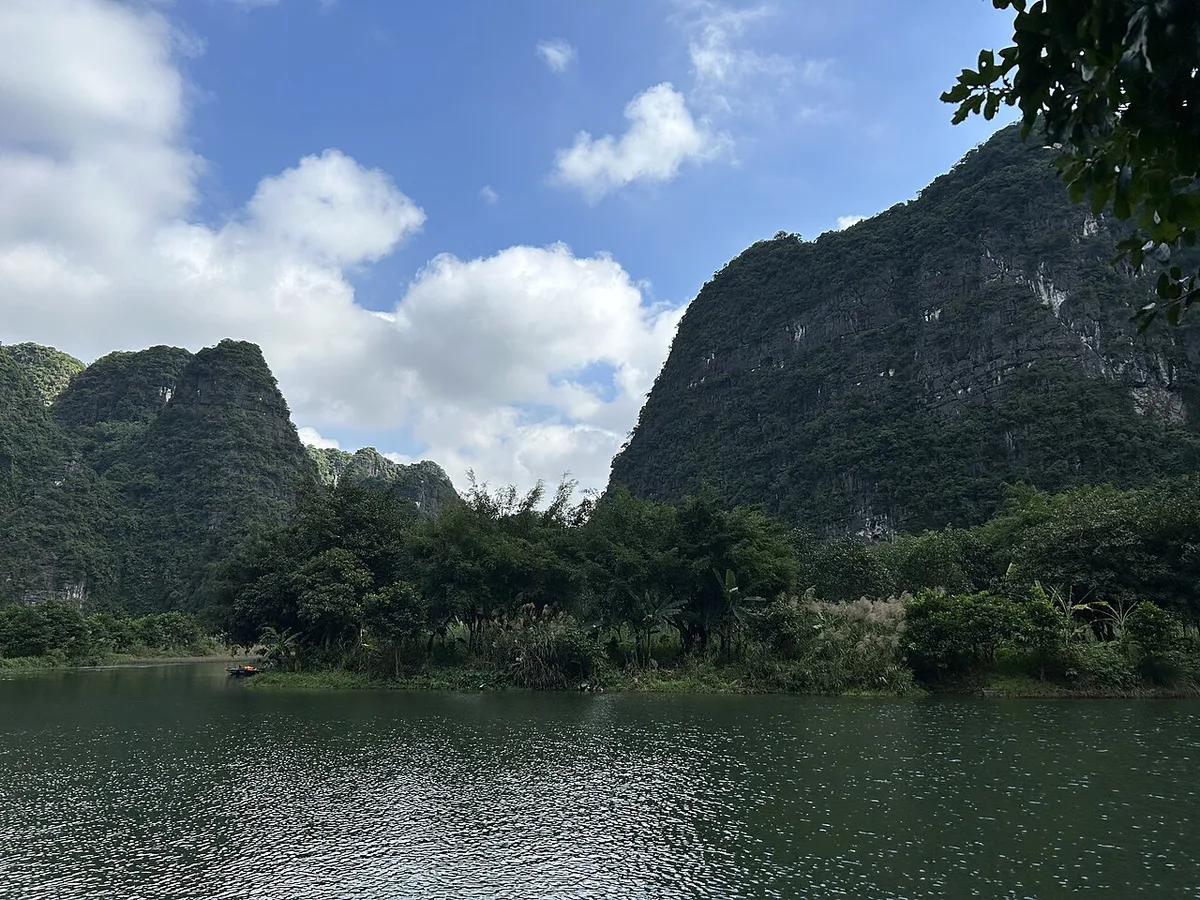
Pick late May to early June if golden rice fields matter most. Pick September to October if you want a second harvest, clearer skies and cooler afternoons. November to April is the dry stretch for people who care more about walking and climbing than colour. For the wider country, see our guide to the best time for each Vietnam region. Our Ninh Binh Travel Guide: 7 Decisions to Make Before You Book covers the rest of trip planning.

Take the route offline
Free: the Ninh Binh route notes
Where to base yourself and what it costs, a day-by-day route that avoids backtracking, real transfer times and fares, seasonal timing, and where it connects onward — condensed from our Ninh Binh guides and made to take offline.
Ninh Binh Seasonal Breakdown
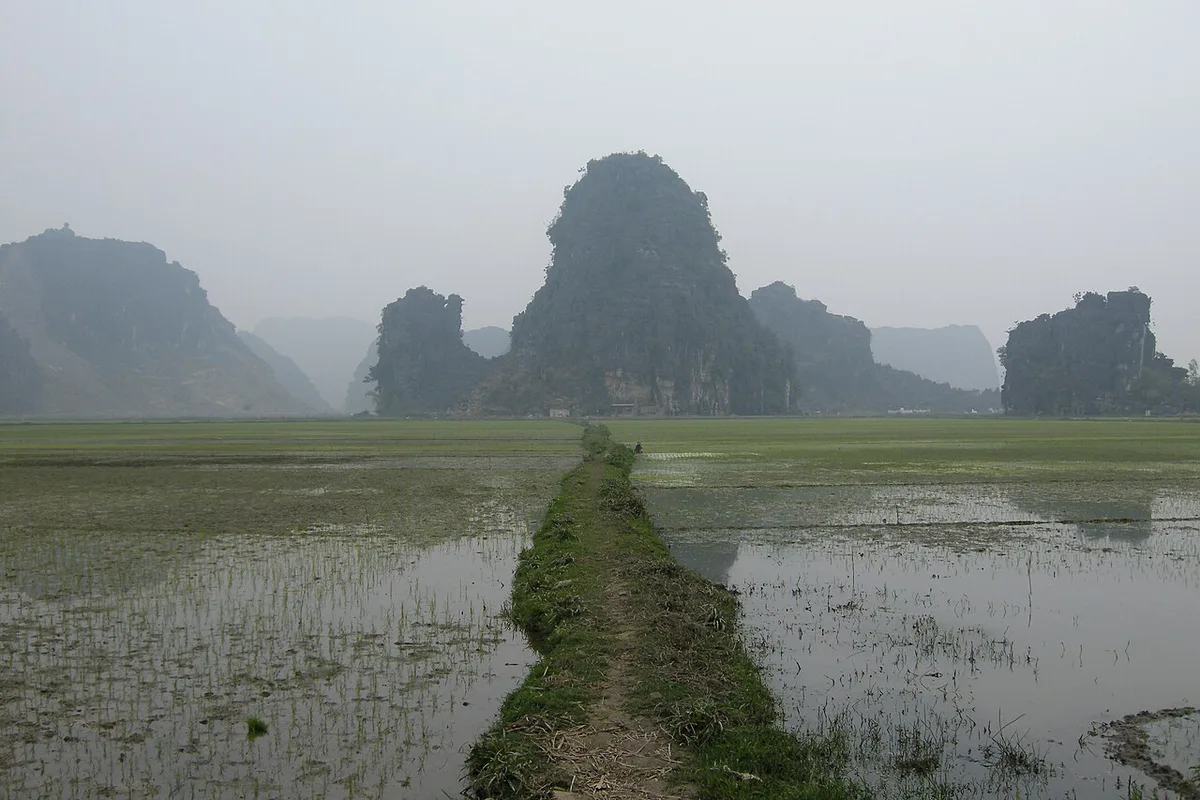
Each season trades something for something else. Rice colour peaks in summer, comfort peaks in autumn, and winter gives the driest hiking with the dullest scenery. Treat the table as a decision matrix rather than a promise, since weather shifts from year to year.
| Season | Months | Conditions | Best for |
|---|---|---|---|
| Spring | February to April | Humid, misty, lush green; Tet falls early in the season | Festivals, green landscapes |
| Summer | May to August | Golden rice in late May and June; 35°C (95°F) heat; afternoon storms in July and August | Rice photography, early-morning boat rides |
| Autumn | September to October | Second harvest, cooler air, clearer skies | Photography, all-round comfort |
| Winter | November to January | Dry, cool and hazy; grey skies; brown fields | Climbing Mua Caves, quiet trails |
Seeing the Golden Sea: The Rice Harvest Calendar
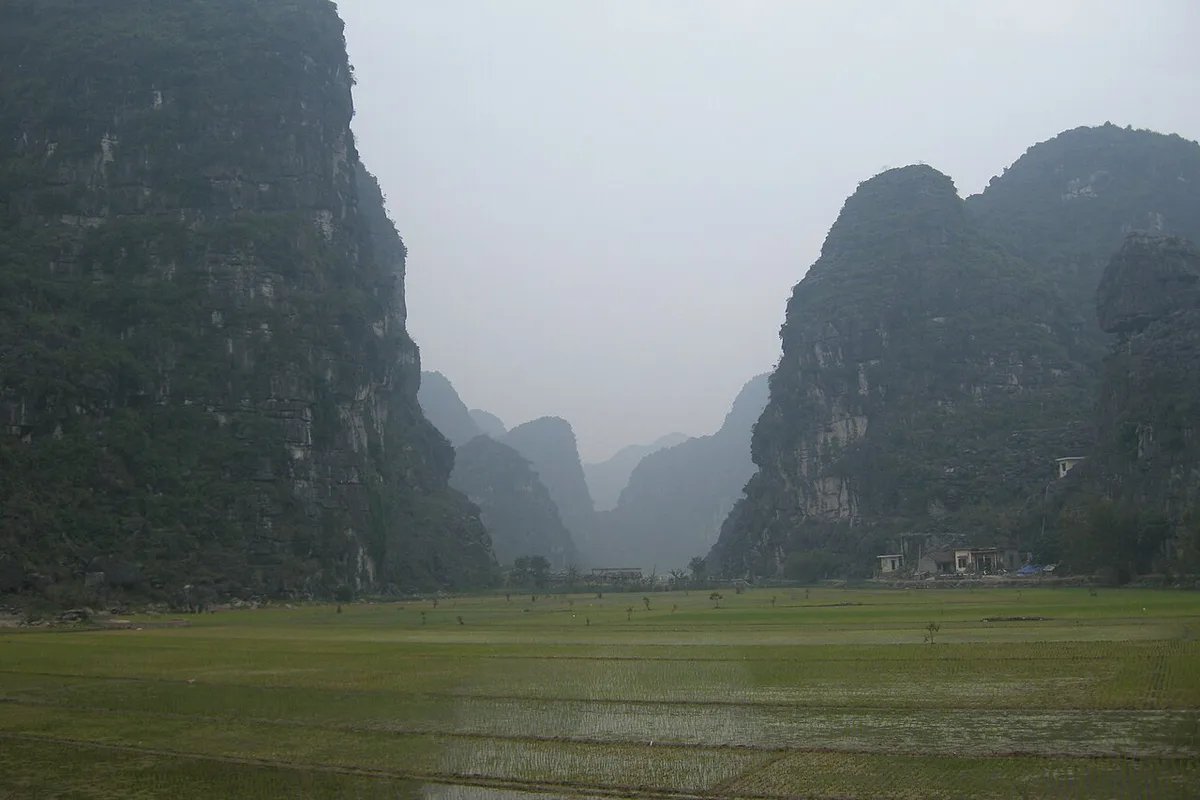
Rice around Tam Coc turns gold in late May to early June. That window is short, since fields stay yellow for only about 2 weeks. Before it, the paddies are bright green. After harvest, they are bare or muddy. The switch from green to yellow depends on rainfall, so never lock in a single date months ahead. Book flexible lodging and watch local reports in the weeks before you travel. For rice views from a boat, read Tam Coc versus Trang An. A second, smaller harvest in September and October gives another chance if you miss the first.
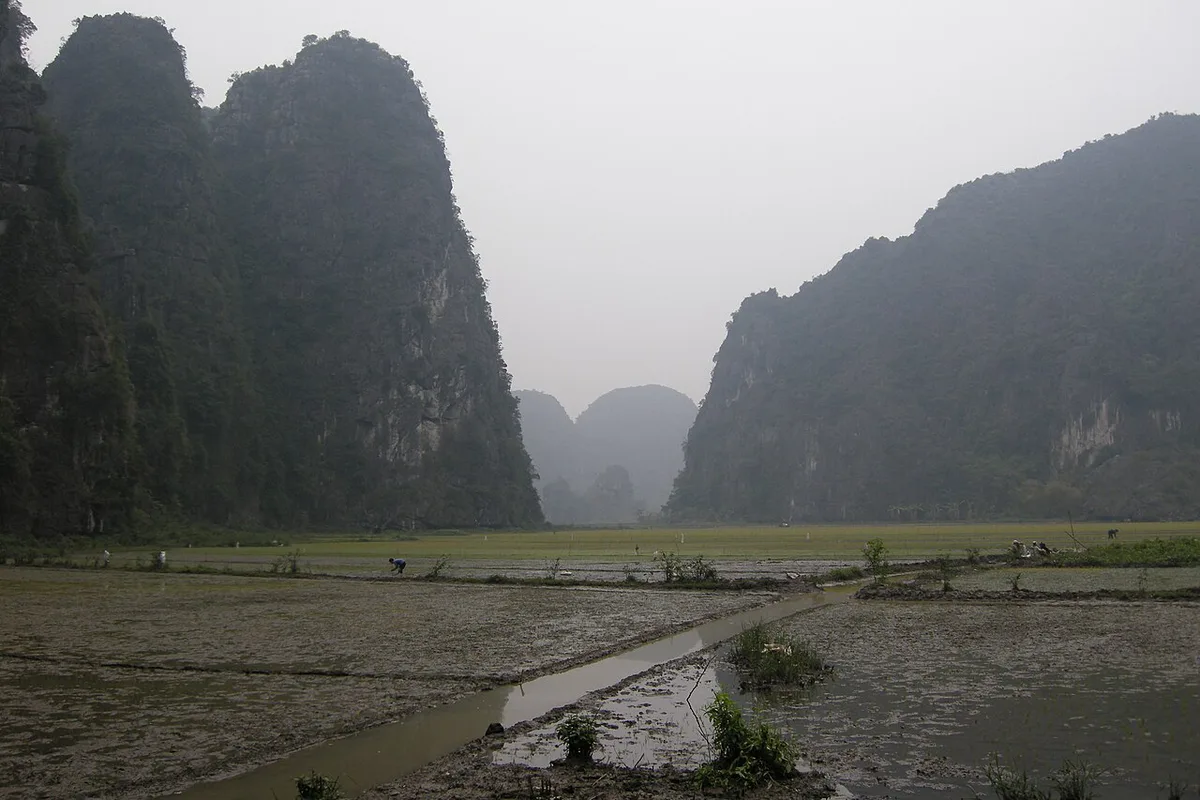
Weather and Logistics: Monthly Expectations
June and July bring peak heat, often 35°C (95°F) or higher. Start boat trips and cave climbs early, and rest through midday. July to September is the rainy stretch, with flooding risk and possible boat tour cancellations. Autumn afternoons typically sit near 25°C (77°F), which is why September and October suit long days outdoors. Winter can feel chilly, with lows around 10°C (50°F) on some nights, so Mua Caves are easier to climb without sweating. Domestic crowds from Hanoi peak on weekends in May, June and July. International visitors peak in December and January. Midweek visits cut queues at both ends of the year.
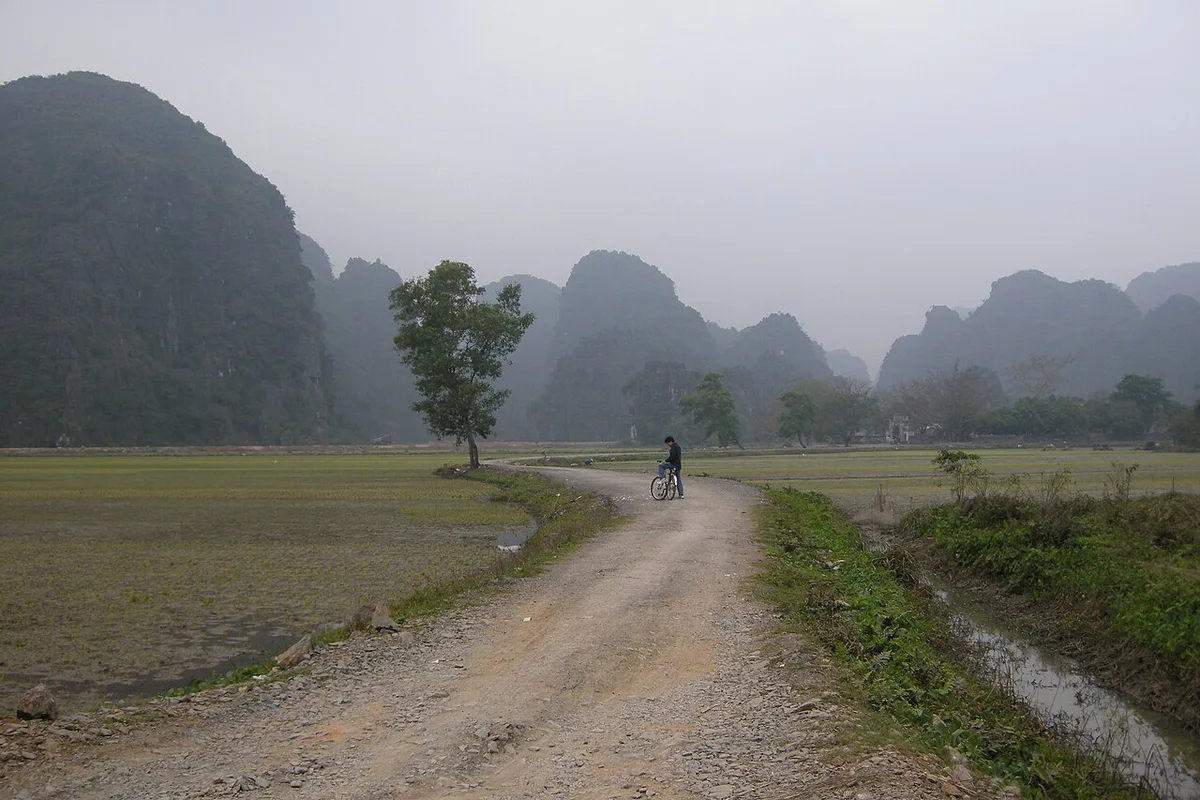
Light and Photography by Season
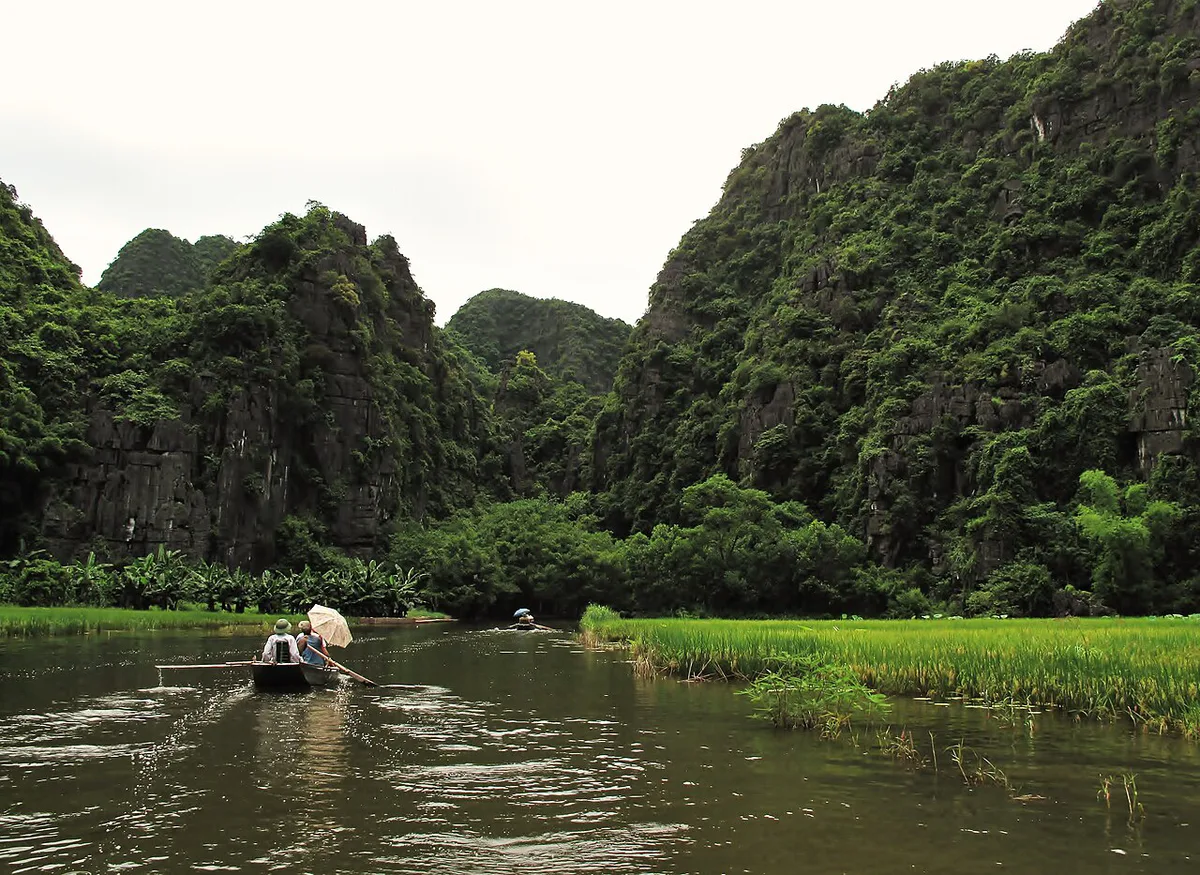
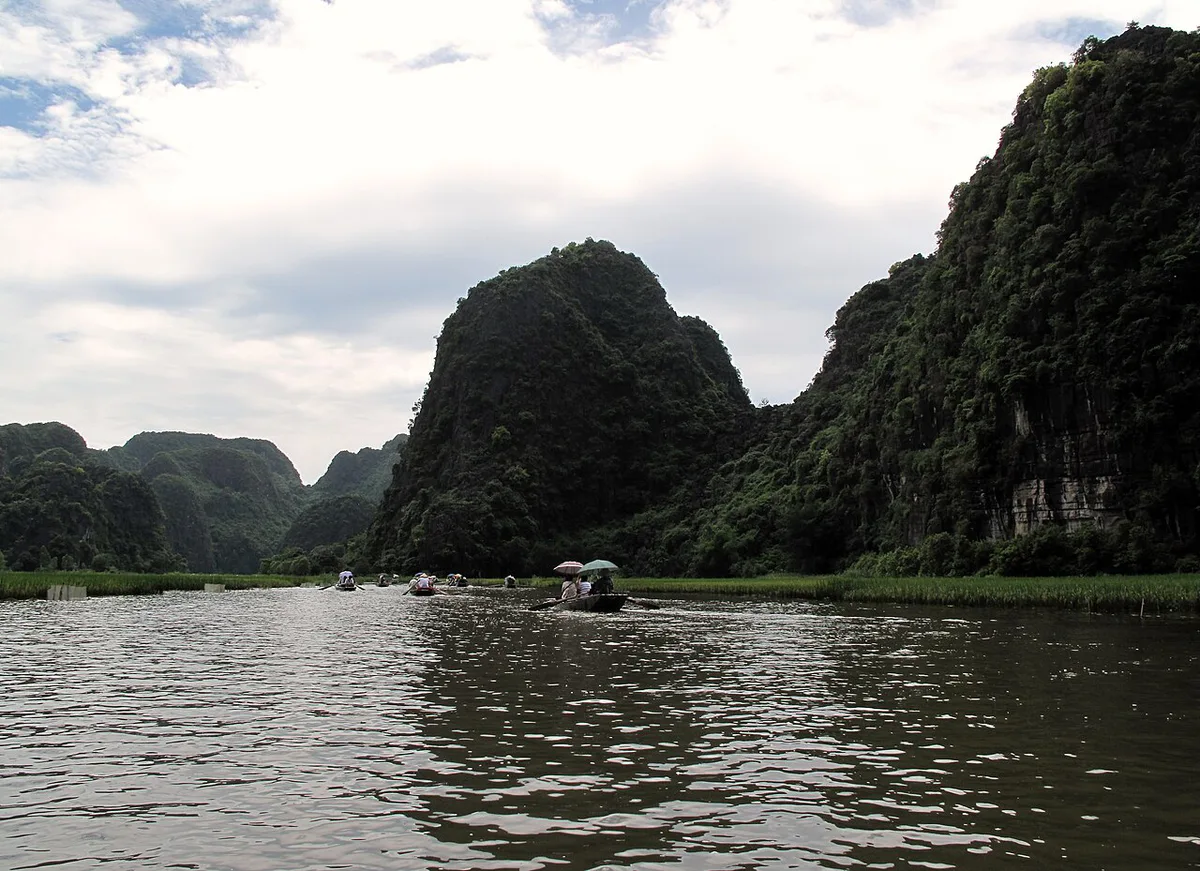
Boat rides at Tam Coc work best in the early morning, when the air is cooler and the water is calm. Mua Caves work best near sunset, when the karst ridge catches warm light. Winter haze flattens both views, so winter photographers should lean on mist and mood rather than colour. Cost also tracks conditions. Boat prices stay stable through the year, but value drops in heavy rain or when fields are bare.
Mua Caves look best at sunset, yet June and July heat can reach 35°C (95°F) or higher, so start early.
Planning Your Trip by Season
Pack sun protection, a hat and water for summer boat trips. Bring a light jacket for winter evenings and a rain shell from July to September. Lodging rates rise with domestic demand. As an illustrative example only, a mid-range room near ₫700,000 on a June weekend could sit nearer ₫400,000 on a quiet February weekday. Verify live rates before booking. Compare areas in our guide to where to stay. Rain slows motorbike travel and makes a private car safer. Plan the Hanoi leg with transport from Hanoi to Ninh Binh. Wet weather also stretches your schedule, so check how many days to allow. A rain-proof backup plan fits into a 2-day Ninh Binh itinerary. If you are combining coastal stops, see getting to Ha Long Bay or the route to Cat Ba.
July to September brings flooding risk and possible boat cancellations, so a 2-day Ninh Binh itinerary needs spare days.
Mistakes to Avoid When Timing Your Visit
Avoid arriving during Tet without a booking, since many services close or fill. Do not expect golden rice in December, when fields are often empty or being replanted. Skip relying on Hanoi forecasts alone, because karst topography can make Ninh Binh feel different. Do not assume May means gold. Check field colour a week or two ahead. Festival dates, such as Hoa Lu Festival in the third lunar month, shift each year, so confirm them with official tourism sources.
Frequently Asked Questions
How many days are recommended in Ninh Binh?
Two days covers the main sights comfortably in good weather. Allow extra time in the rainy months for delays. Our guide on days in Ninh Binh explains the trade-offs.
What is the rainy season in Vietnam?
Around Ninh Binh, the wettest stretch runs from July to September. Other regions follow different patterns. Check our regional weather guide for each area.
Take the route offline
Free: the Ninh Binh route notes
Where to base yourself and what it costs, a day-by-day route that avoids backtracking, real transfer times and fares, seasonal timing, and where it connects onward — condensed from our Ninh Binh guides and made to take offline.
Keep unfolding Vietnam
Continue along the route
Three nearby guides for the next decision in your trip.


