

Photo: oscarsaunders via Flickr (CC BY 2.0)
Vietnam Rainy Season Travel Guide: Best Times & Tips
Plan Vietnam rainy season travel with regional guides, seasonal comparisons, packing tips, and insider knowledge for monsoon months.
On this page
Late September to early October and late April to early May offer the best rainy-season trade-offs for most travelers. Vietnam's monsoon months—spanning May to November by region—deliver lower prices, fewer tourists, and lush landscapes if you plan strategically. Last updated July 2026.
Vietnam experiences three distinct regional rainy seasons, not one unified monsoon. The north (May–September) sees concentrated afternoon showers; the central region (August–December) faces heavier rain and typhoon risk; the south (May–November) gets brief daily downpours. Each region's weather and costs differ dramatically, so matching your travel dates to the right area is essential.
Rainy-season visitors save 20–30% on hotels and $200–400 on flights compared to peak December–February rates. The challenge is shorter daylight windows and occasional multi-day downpours in central Vietnam. This guide breaks down regional weather, concrete pricing, what closes, and exactly what to pack.
Key Takeaways
- Late September to early October and late April to early May offer the best rainy-season trade-offs for most travelers.
- Vietnam's monsoon months—spanning May to November by region —deliver lower prices, fewer tourists, and lush landscapes if you plan strategically.
- Vietnam experiences three distinct regional rainy seasons , not one unified monsoon.
- The north (May–September) sees concentrated afternoon showers; the central region (August–December) faces heavier rain and typhoon risk; the south (May–November) gets brief daily downpours.
Take the route offline
Free: the Vietnam route starter
A two-week south-to-north route with real nightly rates by city, what to book first and how far ahead, region-by-region timing, and the transport costs between each leg — drawn from our published guides.
Overview of Vietnam Rainy Season
Vietnam's rainy season doesn't arrive as one unified monsoon. Instead, each geographic region experiences distinct rainfall patterns timed by different monsoon systems. The north follows the southwest monsoon (May–September). The central coast shifts to October–December; the Mekong Delta stretches May into November.
Rain patterns differ by region. In the north and south, showers typically last 1–3 hours then clear, leaving afternoons for exploration. Central Vietnam's downpours can persist for days during typhoon season. Understanding regional patterns helps you plan realistic daily itineraries.
Rainfall intensity and duration vary dramatically by location. In the south and most of the north, rain typically falls in concentrated 1–3 hour afternoon bursts that clear quickly. Central Vietnam tells a different story—downpours can persist for days, especially September–November during typhoon season. Morning hours often remain dry and sunny across all regions, allowing early-start sightseeing.
Despite heavier rainfall, tourism numbers drop significantly during these months. Domestic prices often fall 20–30% compared to peak dry season (December–February). International flights to Vietnam in May, June, and September run $200–$400 cheaper round-trip than December–February peaks. This pricing advantage appeals to budget-conscious and culture-focused travelers willing to accept afternoon rain.
Understanding which region suits your dates matters most for trip success. If locked into June, northern highland trekking and the Mekong remain viable with brief daily showers. If choosing September, the central coast (Da Nang, Hoi An, Hue) enters typhoon season and deserves extra caution. The right itinerary timing can transform a potentially frustrating visit into an exceptional one.
Season Comparison
Vietnam's rainy season breaks into three distinct phases across three regional zones. Each combination carries different crowd levels, prices, and weather patterns. The table below compares typical conditions so you can pick the timing fitting your priorities.
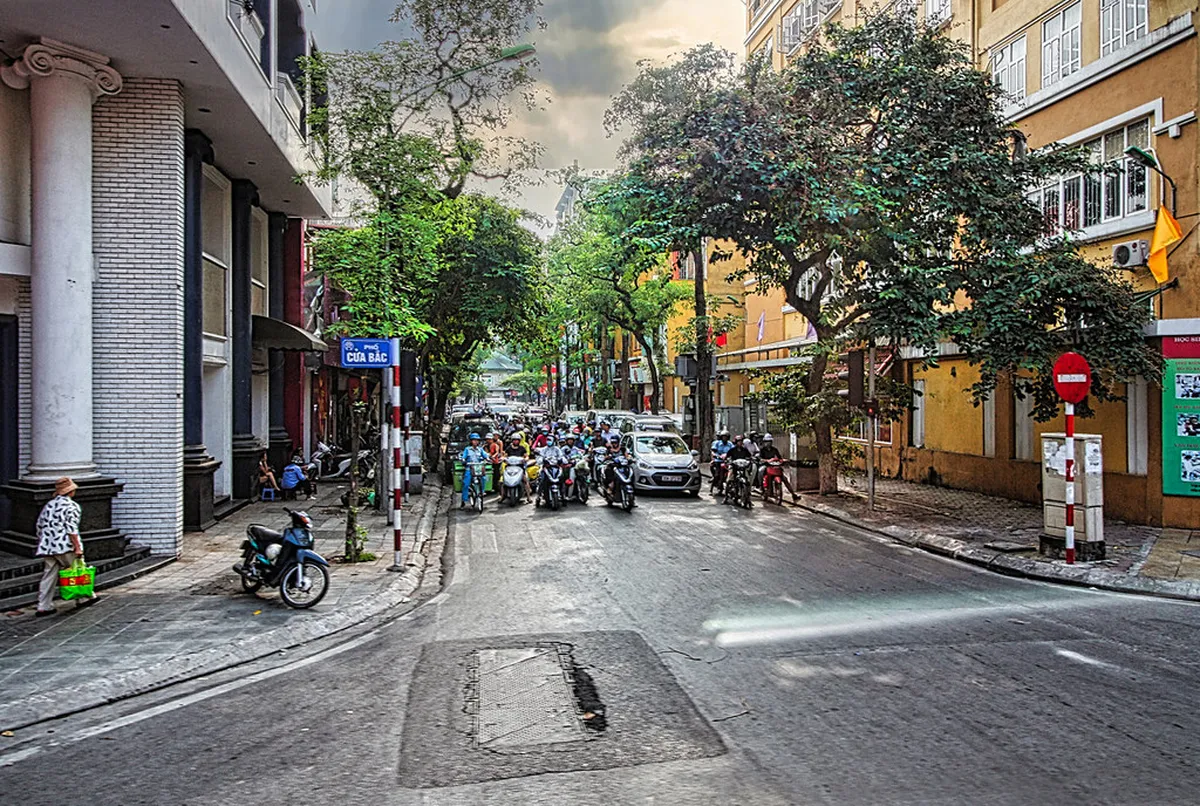
Prices reflect typical mid-range hotel and domestic flight costs during each phase. Budget properties and luxury resorts vary, but seasonal swings remain consistent. Note that central Vietnam's wet-season pricing holds steady even during typhoon months. Fewer tourists compete for space, but weather unpredictability increases travel risk.
Each season spans specific months and temperature ranges in Celsius and Fahrenheit. "Crowds" rates factor in both international tourists and domestic Vietnamese visitors. "Best for" activities reflect realistic conditions during that phase in that region. Check the NCHMF forecast at nchmf.gov.vn 72 hours before central Vietnam travel for typhoon alerts.
| Season & Dates | Region | Weather (°C / °F) | Crowds | Typical Hotel Price | Best For | Key Notes |
|---|---|---|---|---|---|---|
| Early Rainy (May–early June) | North | 25–30°C / 77–86°F | Low | €50–70/night | Budget trekking, festivals | Afternoon showers; mornings dry. Ha Long Bay operating. |
| Early Rainy (May–early June) | Central | 26–32°C / 79–90°F | Very Low | €40–60/night | Coastal cities, culture | Brief rains; daytime heat. Check forecasts for early typhoons. |
| Early Rainy (May–early June) | South | 27–32°C / 81–90°F | Very Low | €35–55/night | Mekong Delta, wellness | 30–60 min showers; lush rice paddies. |
| Peak Rainy (July–August) | North | 26–30°C / 79–86°F | Low | €50–70/night | Adventure, off-beat travel | 1–3 hour afternoon storms; flood risk downstream. |
| Peak Rainy (July–August) | Central | 26–31°C / 79–88°F | Very Low | €40–60/night | Indoor culture, wellness | Heavy unpredictable rain; typhoon risk rising. Monitor NCHMF daily. |
| Peak Rainy (July–August) | South | 27–30°C / 81–86°F | Very Low | €30–50/night | Budget adventurers | Morning showers, afternoons clearer; annual hotel-rate lows. |
| Shoulder (early Sept–early Oct) | North | 24–28°C / 75–82°F | Low–Moderate | €55–75/night | Hiking, cultural events | Rain easing; typhoon risk low. Budget + weather sweet spot. |
| Shoulder (early Sept–early Oct) | Central | 24–29°C / 75–84°F | Moderate | €50–70/night | Beaches, cultural tours | Typhoon season peaks; risky for coastal tours. Inland safer. |
| Shoulder (early Sept–early Oct) | South | 26–29°C / 79–84°F | Moderate | €40–60/night | Mekong, culture | Rains decreasing; prices rising. Still 30% cheaper than Dec–Feb peak. |
| Transition (late Oct–Nov) | North | 20–25°C / 68–77°F | Moderate | €60–85/night | Outdoor adventure | Dry season arriving; temps drop. Sapa visibility improves. |
| Transition (late Oct–Nov) | Central | 22–27°C / 72–81°F | Moderate | €60–85/night | Beaches, outdoor sports | Typhoon risk fading after November; weather settles. |
| Transition (late Oct–Nov) | South | 25–28°C / 77–82°F | Moderate–High | €50–75/night | All activities | Dry season starts; prices rising. Peak tourism begins. |
Which Season Is Right for You?
Choosing your rainy-season timing depends on budget, weather tolerance, and travel style. The breakdown below helps match your priorities to the best season and region. Most travelers can find an ideal window if they accept one compromise: either weather unpredictability or higher prices.
Remember: rainy season ≠ constant rain in most regions. You'll see afternoon showers (30–60 minutes in the south, 1–3 hours in the north) followed by dry exploration time. Central Vietnam is the wildcard—rain can persist for days during peak monsoon (September–November). Inland trekking routes and hill stations (Sapa, Da Lat) often stay drier than coastal zones.
If flexibility matters most, aim for late September to early October. Northern Vietnam and the Mekong Delta both offer excellent conditions at that time. If budget trumps weather comfort, July–August delivers the cheapest rates. Expect the heaviest rains and accept that central coast travel becomes risky then.
- Pick May–June if you're a budget backpacker
- Hotels €35–70/night
- Flights $200–400 cheaper than peak
- Light afternoon showers, mornings clear
- Pick July–August if you want deepest discounts
- South hotels as low as €30–50/night
- International flights near annual lows
- Accept heavier rain, central coast typhoon risk
- Pick late September–early October if weather matters
- North temps perfect 20–28°C / 68–82°F for hiking
- Rain easing, typhoon risk fading
- Prices still 20–30% below peak December–February
- Skip central Vietnam August–November unless typhoon-savvy
- Switch to northern trekking or southern Mekong instead
- Or stay inland at Da Lat (cooler, drier)
- Check NCHMF forecast 72 hours before if visiting anyway
Vietnam's Regional Rainy Seasons
Northern Vietnam's rainy season runs May through September, with peak rainfall arriving mid-June through August. Expect 25–30 rainy days per month at peak, but rain typically falls in concentrated 1–3 hour afternoon bursts. Mornings are typically dry, making early-start sightseeing viable. Temperatures average 25–30°C (77–86°F), cooling slightly as the monsoon progresses into September.

Ha Long Bay cruises operate year-round but face typhoon-related cancellations in August with 24–48 hours' notice. Sapa's misty trekking is actually enhanced by rainy-season moisture, though visibility decreases after heavy downpours. Landslide risk rises on steep trails—always check local conditions before heading out. Three-day trips from Hanoi cost $120–$180 per person all-in, roughly half the December–February rate.
For cultural travelers, the north's monsoon months host smaller local festivals with far fewer international visitors. Museums and indoor attractions (Ho Chi Minh Mausoleum, Temple of Literature in Hanoi) experience less crowding. Use Grab car services ($5–$10 per hour hire) to hop between sites on rainy days. Evening night markets remain open and offer authentic local food experiences.
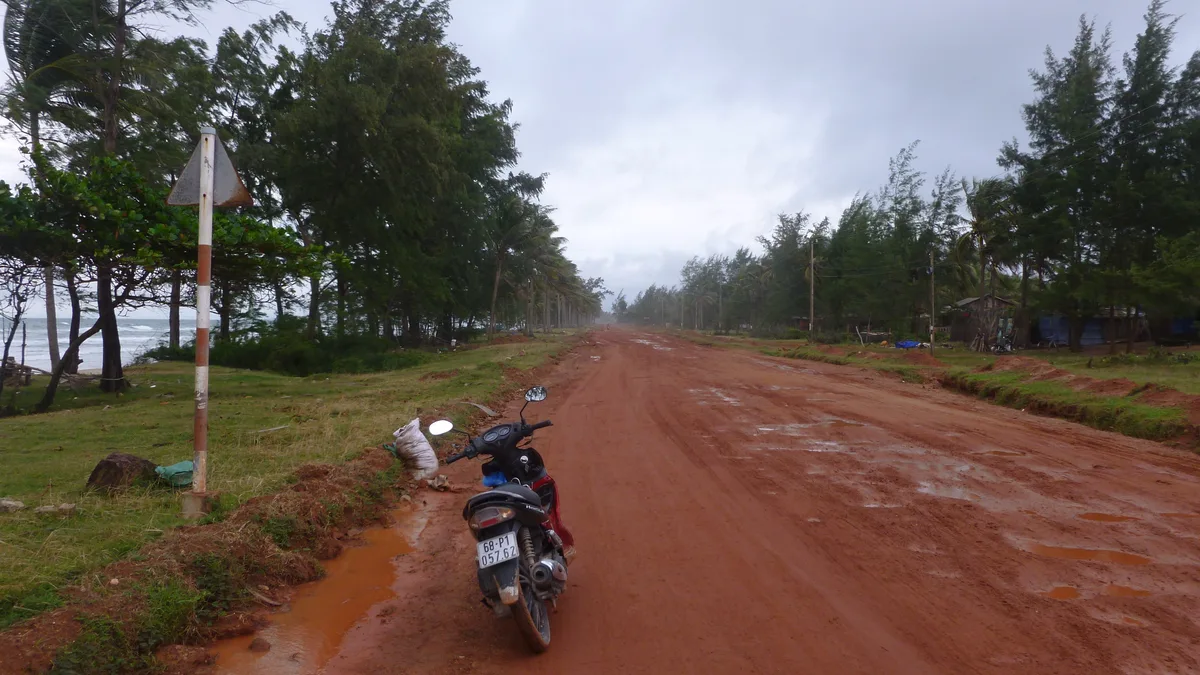
Central Vietnam's rainy season runs August through December, peaking September–November. Unlike the north's localized showers, central downpours can persist for days during typhoon season. Temperatures range 26–31°C (79–88°F), though central highlands (Da Lat) stay cooler at 15–25°C (59–77°F). The central highlands benefit from lower temperatures and drier conditions than the coast.
Typhoon risk means ferries to offshore islands (Cat Ba, Cu Lao Cham) may cancel without warning. Hoi An and Da Nang see occasional flooding on low-lying streets during peak typhoon season. Main tourist zones recover quickly, but streets like Bach Dang saw water reach 1.5 meters in 2023. Check Vietnam.travel forecasts 72 hours before your visit for current typhoon alerts.
Hoi An's lantern-lit ancient town feels magical in soft rain and near-empty streets. Da Nang's beaches are virtually empty, ideal for solo travelers seeking solitude. Cultural sites (Hue's Citadel, Hoi An temples) have half the summer crowds. Flights from central Vietnam cost €80–110 per segment, making day trips to Bangkok or Phu Quoc affordable.
Southern Vietnam and Mekong Delta experience rainy season May through November. Rain typically arrives as brief 30–60 minute showers, especially 2–4 p.m. Mornings and late evenings stay dry and sunny across most days. Temperatures average 27–32°C (81–90°F), occasionally cooler in the Mekong with water breezes.
This region's rapid rain-clearing makes it ideal if you can't reschedule your trip. Mekong Delta tours (rice paddies, floating markets, homestays) cost $40–70 per day—30% cheaper than peak-season rates. Wildlife viewing (bird sanctuaries, mangrove kayaking) benefits from reduced tour-boat congestion. Domestic flights inside the region stay affordable at €80–110 per segment.
Phu Quoc island remains accessible via car ferry or domestic flights even during rainy season. Beach days are gambles, but the island's inland attractions (pepper plantations, night markets) operate normally. Budget travelers save $30–50 per night on beachfront bungalows compared to December–February rates. The island's interior coffee plantations and national park trails stay viable even during rain windows.
What's Closed in Low Season & Practical Constraints
Not everything shuts down during rainy season, but several attractions scale back or close entirely. Understanding what's unavailable helps you build realistic itineraries. Most closures concentrate in central Vietnam (August–November) rather than north or south.
Boat-dependent sites face the biggest seasonal impacts during rainy months. Ha Long Bay cruises operate year-round but cancel 24–48 hours before typhoons (especially August). Cat Ba island ferries pause during typhoon alerts; service resumes within 48–72 hours once weather clears. Mekong Delta long-tail boat tours run daily but reduce schedules if water levels become unsafe.
Outdoor activities scale back, especially in central Vietnam and mountain zones. Sapa's cable car and zipline tours close temporarily after heavy rain due to landslide risk. Rock-climbing sites in Ha Long Bay reduce operations during typhoon season. Mountain-biking tours in the central highlands often postpone to clearer weather windows.
Food and retail continue mostly normally, though some tourist-oriented services adjust. Most restaurants and shops stay open in major cities year-round. Tourist-oriented cafes in smaller towns (Hoi An side streets, Phu Quoc beach shacks) operate shorter hours. Open-air markets (Ben Thanh in HCMC, Dong Xuan in Hanoi) run daily but may relocate stalls during heavy downpours.
Domestic flights rarely cancel unless typhoons are severe, but expect delays. Plan for 1–2 hour delays on central routes about 1–2 times per rainy season. Most budget airlines don't charge penalty fees for weather delays. Check flight schedules 24 hours before departure for status updates.
What to Pack for Vietnam's Rainy Season
Rainy-season packing hinges on one truth: lightweight and waterproof beats bulky and expensive. Vietnam's convenience stores stock $3 plastic ponchos that outperform $80 Gore-Tex jackets. Pair that strategy with quick-dry fabrics and you're equipped for any downpour. Local wisdom beats outdoor-gear marketing every time in tropical monsoon climates.
Buy a $3 local plastic poncho rather than expensive rain gear—it outperforms $80 jackets. Pack quick-dry synthetic or merino wool, not cotton. Choose waterproof sandals over closed shoes. Local solutions beat international outdoor brands in tropical monsoon climates.
Avoid cotton entirely—it dries slowly and feels miserable in 30°C humidity. Quick-dry synthetic or merino wool dries in 2–4 hours and resists mildew. Waterproof sandals you can walk and swim in (Teva, Chaco, or Vietnamese rubber €4) beat closed shoes. Closed footwear traps moisture and breeds fungal issues within days in tropical climates.
Electronics need protection from moisture and salt spray. A $2–4 waterproof phone pouch with lanyard (sold in any tourist area) prevents damage. Keep documents and electronics in a waterproof dry bag inside your main pack. Sunscreen still matters—tropical UV penetrates clouds, causing burns under umbrella-only sun protection.
- Quick-dry clothing essentials
- 2–3 synthetic or merino shirts
- Avoid cotton entirely
- Shorts dry in 4 hours max
- Waterproof gear priority
- $3 local plastic poncho
- Waterproof phone pouch, $2–4
- Waterproof bag for electronics
- Footwear for wet conditions
- Waterproof sandals you can walk/swim in (€4)
- Avoid closed-toe shoes
- Rubber sandals work perfectly
- Sun and humidity protection
- UV-blocking hat or cap
- Quick-dry towel or microfiber cloth
- Lightweight long-sleeve shirt for UV
- First aid and comfort items
- Anti-fungal powder or cream
- Blister prevention pads
- Broad-spectrum sunscreen SPF 50+
Rain-Proof Indoor Attractions in Vietnam
Keep one indoor alternative ready for each destination rather than abandoning the day when a storm arrives. In Hanoi, the Vietnam Museum of Ethnology and Vietnamese Women’s Museum offer substantial exhibits, while the covered Dong Xuan Market works for a shorter stop. In Ho Chi Minh City, combine the War Remnants Museum with the Independence Palace; both are in District 3 or nearby District 1, reducing time spent crossing flooded streets.
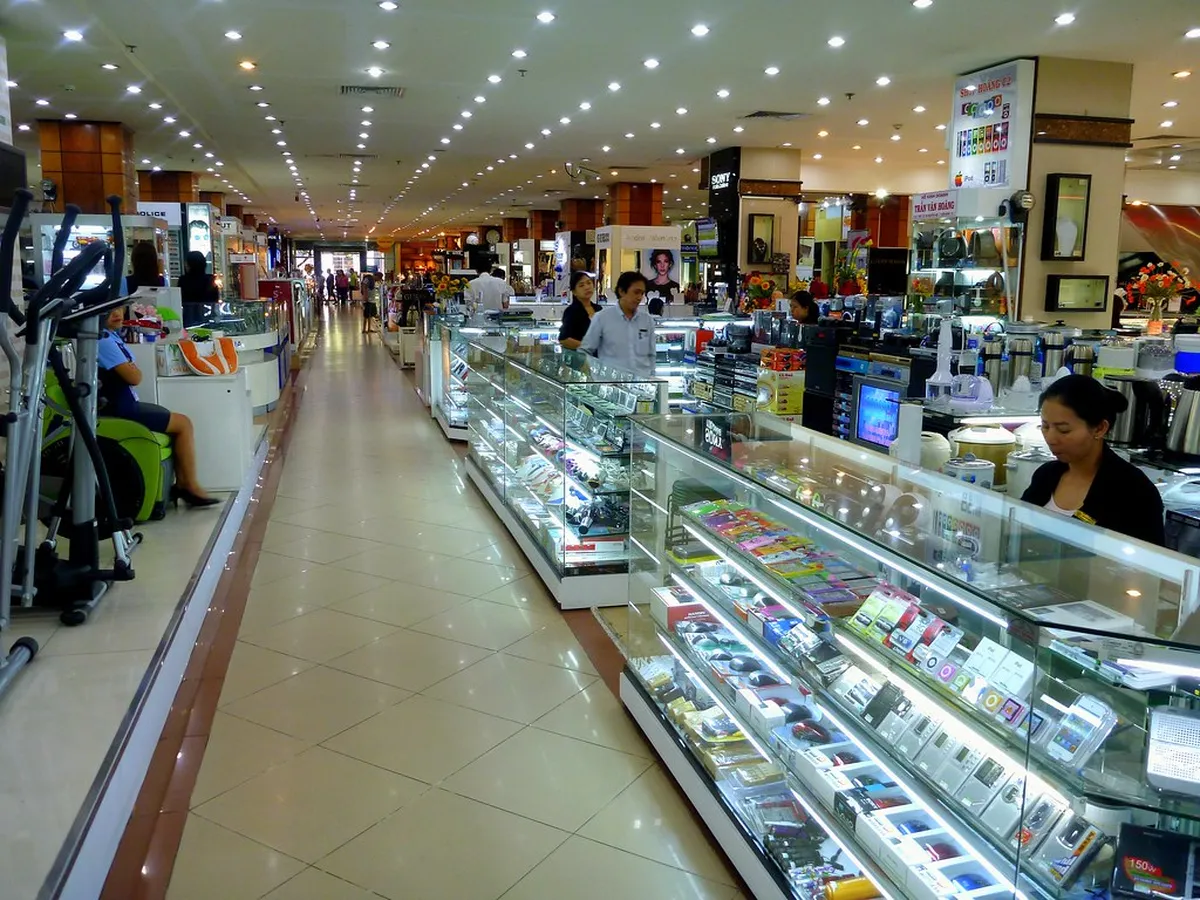
Central Vietnam requires more caution because rain can last for days. Hue’s Museum of Royal Antiquities is a practical companion to the Imperial City, although parts of the citadel remain outdoors. In Da Nang, the Museum of Cham Sculpture is compact and centrally located near the Han River. Hoi An’s old merchant houses and assembly halls provide partial shelter, but reaching them may still involve walking through exposed or flooded lanes.
Check opening hours before leaving, carry footwear suitable for standing water, and group attractions within one neighborhood. During typhoon warnings or active street flooding, remain at your accommodation instead of treating museums as a reason to travel across the city.
Official Planning Checks Before You Go
Use the official Vietnam Tourism weather guide for destination context and the Vietnam Tourism destination directory for a second official baseline. Recheck any opening hour, fare, timetable, closure, access rule, weather risk, or booking condition with the responsible operator shortly before travel; an official destination overview is not a live inventory or service guarantee.
Frequently Asked Questions
Is it still worth visiting Vietnam during the rainy season?
Yes, if you prioritize budget and cultural depth over guaranteed sun. Prices drop 20–30%, crowds thin dramatically, and landscapes turn lush green. The trade-off is afternoon rain (typically brief in the north and south, occasionally multi-day in central Vietnam). Pick the right region and you'll rival dry-season experiences at half the cost.
What is the biggest mistake foreign travelers make during Vietnam's rainy season?
Assuming rain means cancellation. Most showers in the north and south last 30–60 minutes (1–3 hours peak). Central Vietnam's August–December typhoons pose real risks—ferries cancel, and multi-day rain is possible. Second mistake: overpacking expensive rain gear; a €3 local poncho outperforms an €80 jacket. Third: visiting central coast September–November without checking NCHMF forecasts.
What's the cheapest month to visit Vietnam?
July and August offer the lowest annual hotel rates (south €30–50/night, north €50–70/night), but rain intensity peaks and central Vietnam's typhoon risk is highest. If weather matters, May–June or late September–early October offer better value—prices still drop 20–30% versus peak season, but rain is lighter and more predictable.
When should I avoid Vietnam's rainy season entirely?
If set on central Vietnam (Da Nang, Hoi An, Hue), avoid August–November due to typhoons and multi-day rain patterns. If you dislike weather unpredictability, book December–March instead. If dates are fixed, pick the north (May–Sept) or south (May–Nov) over central Vietnam's peak wet months.
How accurate are weather forecasts for Vietnam's rainy season?
Forecasts improve dramatically if you check 72 hours ahead rather than daily. Use the National Center for Hydro-Meteorological Forecasting (NCHMF) at nchmf.gov.vn for central Vietnam typhoon alerts. For the north and south, rain timing is generally predictable—expect afternoon showers but carry on with morning plans.
Can I book Ha Long Bay cruises during rainy season?
Yes, but expect possible cancellations with 24–48 hours' notice if typhoons approach (August peak, September–November central coast). Most tour operators refund or reschedule without penalty. Book flexible tickets and assume one possible delay per week-long visit if traveling August–November.
Vietnam's rainy season rewards flexible travelers with lower prices, thinner crowds, and authentic experiences. The key is matching your dates to the right region: northern highlands for trekking, southern Mekong for culture and wildlife, and central coast only if you monitor typhoon forecasts religiously. Cultural festivals occur throughout the rainy months, offering smaller, quieter celebrations than peak-season tourism.
Pack light, quick-dry gear and a €3 poncho. Book flights in advance to lock in those $200–400 savings. Aim for late September to early October if weather predictability matters. Rainy-season Vietnam isn't a consolation prize—it's a smarter way to travel for those willing to embrace afternoon showers and dive into local life.
Take the route offline
Free: the Vietnam route starter
A two-week south-to-north route with real nightly rates by city, what to book first and how far ahead, region-by-region timing, and the transport costs between each leg — drawn from our published guides.
Keep unfolding Vietnam
Continue along the route
Three nearby guides for the next decision in your trip.


