
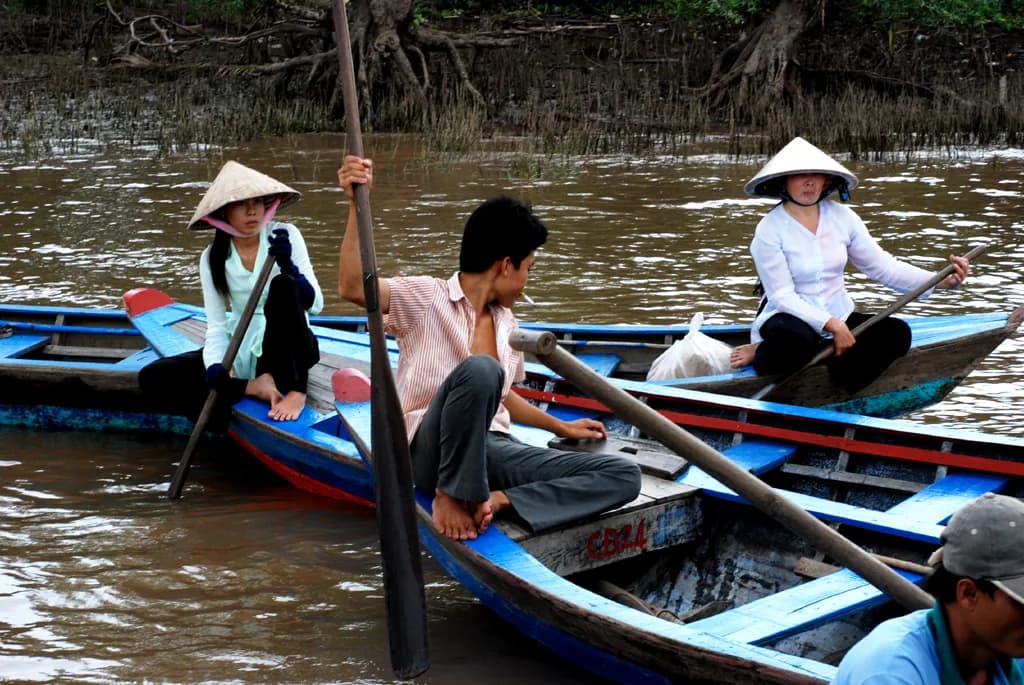
Photo: williamcho via Flickr (CC BY-SA 2.0)
Mekong Delta Itinerary 3 Days Travel Guide
Follow this Mekong Delta itinerary 3 days first-timers trust: floating markets, mangroves, costs, and timing tips. Start planning your route today.
On this page
Three days in the Mekong Delta covers floating markets, mangrove forests, and river towns south of Ho Chi Minh City. This Mekong Delta itinerary 3 days plan works for first-time visitors who want a realistic pace without rushing. You will travel through Cai Be, Can Tho, and Chau Doc, with clear timing and cost notes for each stop.
Last updated July 2026. Prices, hours, and transit times below reflect typical 2026 patterns for the region. Treat exact schedules as approximate and confirm fast-changing details on official sites. Whether this is a first trip or a repeat visit, three days is enough to see the delta's core highlights.
Most visitors join a small-group tour from Ho Chi Minh City rather than driving between towns themselves. Tours simplify transfers between boats, cars, and ferries across three provinces in three days. For deeper regional context, see our Mekong Delta Travel Guide: Routes, Costs, Timing before you book anything.
Key Takeaways
- Three days in the Mekong Delta covers floating markets, mangrove forests, and river towns south of Ho Chi Minh City.
- This Mekong Delta itinerary 3 days plan works for first-time visitors who want a realistic pace without rushing.
- You will travel through Cai Be, Can Tho, and Chau Doc, with clear timing and cost notes for each stop.
- Prices, hours, and transit times below reflect typical 2026 patterns for the region.
Take the route offline
Free: the Mekong Delta route notes
Where to base yourself and what it costs, a day-by-day route that avoids backtracking, real transfer times and fares, seasonal timing, and where it connects onward — condensed from our Mekong Delta guides and made to take offline.
Mekong Delta Itinerary 3 Days: At a Glance
This snapshot lays out all three days before the detailed hour-by-hour plan below. Each day groups stops by area, so you are not doubling back across the delta. Use it to see the shape of the trip before locking in a tour.
Transport shifts between car, boat, and short bike or e-bike stretches, depending on the stop. Costs below reflect typical guided-tour pricing, not a fully independent do-it-yourself budget. Hours listed follow common patterns; always verify with the operator closer to your travel date.
| Day | Key Stops | Main Activities | Transit Time |
|---|---|---|---|
| 1 | Cai Be, Can Tho | 7am pickup, Cai Be floating market and orchard walk, riverside hotel in Can Tho | 2.5 hours to Cai Be |
| 2 | Cai Rang, Tra Su, Chau Doc | 5:30am Cai Rang market, drive to Tra Su mangrove forest, overnight in Chau Doc | 2 hours (Can Tho to Tra Su) |
| 3 | Sam Mountain, Cham village | Sam Mountain views and Ba Chua Xu temple, Cham weaving village and floating fish farms, return drive to Ho Chi Minh City | 6 hours back to Ho Chi Minh City |
The route runs south from Ho Chi Minh City through Tien Giang, Can Tho, and An Giang. The Cai Rang market's morning peak makes Day 2 the earliest, busiest start. Day 3 either loops back to the city or continues on toward the Cambodian border.
First-time visitors often ask whether three days feels rushed compared to a longer regional trip. For the Mekong Delta specifically, three days covers the core route without cutting corners on rest. Travelers short on time can trim Day 3's temple stop and head back to the city earlier.
This plan works whether you are booking a small-group tour or piecing together transport yourself. Repeat visitors who skipped the delta before can use it as a fast, efficient add-on. First-timers get a realistic sense of pacing before committing to a specific operator.
- Day 1: Cai Be Orchards, Can Tho Arrival
- Morning: Depart Ho Chi Minh City for Cai Be
- Afternoon: Cai Be floating market and orchard walk
- Evening: Settle into a Can Tho riverside stay
- Day 2: Cai Rang Market, Tra Su Forest
- Morning: Cai Rang floating market before 7am
- Afternoon: Drive south to Tra Su mangrove forest
- Evening: Arrive Chau Doc for riverside dinner
- Day 3: Chau Doc Temples, Cham Village Culture
- Morning: Sam Mountain views and Ba Chua Xu temple
- Afternoon: Cham weaving village and floating fish farms
- Evening: Return drive to Ho Chi Minh City
Your Day-by-Day Mekong Delta Itinerary (3 Days)
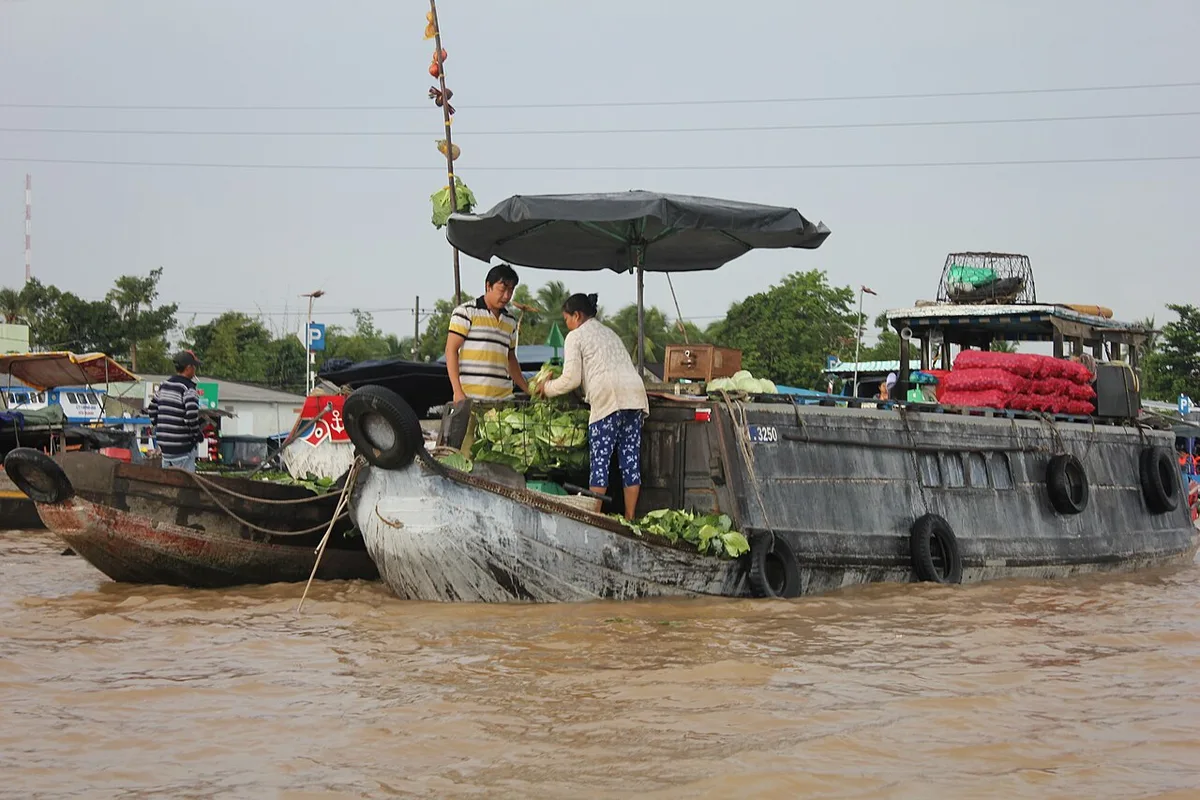
Your first day starts with a 7:00–7:30 AM hotel pickup in central Ho Chi Minh City. The drive south to Cai Be takes about 2 to 2.5 hours through flat rice country. We recommend a light breakfast beforehand, since the first proper stop is the floating market itself. Most guided packages fold Cai Be, an orchard walk, and a riverside dinner into one $145–$200 package.

The second morning starts earliest, with departure around 5:30 AM toward Cai Rang. Most visitors find the market at its busiest between 6:00 and 8:00 AM, before it thins out. From Can Tho, the drive south to Tra Su mangrove forest takes roughly 2 hours by road. In our view, the early wake-up is worth it; the market empties fast once the heat rises.
The final day covers Chau Doc's temples, a Cham weaving village, and floating fish farms on the river. Sam Mountain's viewpoint gets busy by mid-morning, so an early visit avoids the tour-bus crowds. Most groups then drive back to Ho Chi Minh City, a return trip of about 6 hours. Travelers continuing into Cambodia can swap the drive for a speedboat, arriving in Phnom Penh by early afternoon.
Across all three days, transport shifts between car, boat, and the occasional bicycle or e-bike stretch. This mix keeps the pace varied, though it also means limited free time between stops. If backtracking bothers you, note that Day 2 and Day 3 both start in Chau Doc, cutting transfers. We would trim the Cham village visit on a repeat trip, since the market and forest carry the day.
Stops within each day sit close together, which keeps van and boat transfers short. Cai Be, Can Tho, and Chau Doc form a straight line south, so the route never zigzags. Confirm your pickup point and time the night before, since hotel lobbies fill up fast at 7:00 AM.
- Day 1: Cai Be Orchards, Can Tho Arrival
- Morning: 7:00 AM pickup, drive toward Cai Be
- Afternoon: Cai Be market, orchard, and craft stops
- Evening: Arrive Can Tho, riverside hotel check-in
- Time: About 2.5 hours to Cai Be
- Logistics: District 1 hotel pickup only
- Optional: Skip orchard for extra market time
- Day 2: Cai Rang Market, Tra Su Forest
- Morning: 5:30 AM start for Cai Rang market
- Afternoon: Drive south to Tra Su forest
- Evening: Settle into Chau Doc for the night
- Time: About 2 hours Can Tho to Tra Su
- Logistics: Boat transfer required inside Tra Su
- Optional: Add rowboat upgrade for quieter canals
- Day 3: Chau Doc Temples, Cham Village Culture
- Morning: Sam Mountain and Ba Chua Xu temple
- Afternoon: Cham weaving village and floating fish farms
- Evening: Return drive toward Ho Chi Minh City
- Time: About 6 hours back to the city
- Logistics: Or continue by speedboat to Phnom Penh
- Optional: Swap return drive for Phnom Penh boat
Where Is the Mekong Delta, and Is a Tour Worth It?
The Mekong Delta sits in the far southwest of Vietnam, where the river meets the South China Sea. Sediment from the river has built a dense network of channels, canals, and low islands here. The delta stretches roughly two to three hours south of Ho Chi Minh City by road. Provinces like Tien Giang, Can Tho, and An Giang each carry a slightly different rhythm and landscape.
Floating markets built the delta's reputation, especially the wholesale trade at Cai Rang near Can Tho. Rice paddies, fruit orchards, and fish farms have earned the region its label as Vietnam's rice bowl. Centuries of Khmer, Vietnamese, Chinese, and French influence still show up in temples, food, and architecture.
Independent travel through the delta is possible, but distances and boat transfers eat up planning time. A guided route bundles boats, cars, and ferries, which matters across three provinces in three days. Independent travel suits confident planners who read Vietnamese bus schedules and enjoy figuring out logistics. A small-group tour suits first-timers who would rather spend the three days sightseeing than arranging transfers.
Three days is the sweet spot for most travelers, long enough to reach Chau Doc without rushing. A one-day trip only covers Can Tho and Cai Rang, skipping Tra Su forest entirely. The trade-off with three days is two nights of packing and unpacking in small delta hotels. In our view, that trade-off is worth it for the extra provinces and slower pace.
Travel insurance matters here, since rural clinics near Chau Doc handle less than city hospitals do. Look for a policy that covers boat transport and any onward crossing into Cambodia by speedboat. Buy coverage before departure, since policies rarely activate once you are already mid-trip.
Where to Stay: Best Bases for a 3-Day Mekong Delta Trip
Can Tho works as the best base for Day 1 and Day 2, close to Cai Rang market. Mid-range hotels here run modest rates, and riverside rooms often include a Mekong-facing balcony. Homestays near Can Tho add a slower, family-run alternative to standard hotel chains.
Split your nights between two towns. Stay in Can Tho for Days 1–2, close to Cai Rang market. Move to Chau Doc for Night 2, near Sam Mountain and the Cambodian border. This avoids backtracking across the delta and keeps boat transfers short.

Chau Doc becomes the base for Night 2, positioned near Sam Mountain and the Cambodian border. Three-star hotels here are common, with private bathrooms, air conditioning, and Wi-Fi as standard. Solo travelers should expect a single supplement, often around $45 per night on packaged tours.
Book accommodation as part of a package where possible, since delta hotels sell out during Tet. Independent travelers should reserve Can Tho and Chau Doc hotels at least a few weeks ahead in peak months. If Ho Chi Minh City bookends your trip, see our Ho Chi Minh City Travel Planning Hub Travel Guide guide for the extra nights.
Budget travelers often prefer a homestay night in Can Tho over a hotel chain room. Comfort-focused travelers should confirm air conditioning and hot water, which vary between smaller delta guesthouses. Families traveling with kids benefit from Can Tho's more developed dining options near the hotel strip.
Booking hotels through your tour operator usually locks in the described 3-star standard shown above. Independent bookings on the same route give more flexibility but require more research per stop. Either way, confirm cancellation terms before paying in full for peak-season dates.
Book Mekong Delta Tours and Tickets in Advance
Guided 3-day, 2-night departures run daily from Ho Chi Minh City, so booking a week ahead is usually enough. Peak season around Tet and school holidays fills seats faster, so book 2-3 weeks ahead then. Small-group tours sell out quicker than large coach tours, so reserve early if group size matters to you.
Guided tours depart daily from Ho Chi Minh City—book one week ahead for regular dates, or 2–3 weeks ahead during Tet and school holidays. Book Cai Rang market boats the night before through your hotel to avoid higher same-day rates at the pier.
Cai Rang floating market has no ticket, but boat charters get scarce before the 6:00 AM peak. Arrange your boat the night before through your hotel or guide, not at the pier that morning. Most visitors find boats booked same-day cost more than ones arranged a day ahead.
Tra Su Mangrove Forest charges entrance and boat fees on site, with no advance reservation needed. Expect roughly $4–$6 per person for entrance and the small-boat transfer, though rates shift yearly. Confirm current pricing on the official Tra Su tourism page before you go, since fees change.
The Chau Doc to Phnom Penh speedboat needs booking at least 2-3 days ahead in high season. Seats are limited, and the border-crossing paperwork takes longer to arrange at the last minute. Confirm passport and visa rules for Cambodia on the official immigration site beforehand.
Book directly with a licensed local operator when possible, rather than a third-party reseller. Direct booking usually means clearer answers about group size, itinerary changes, and refund policies. Compare at least two operators' inclusions before paying, since some hide costs until arrival.
Add an Extra Day: Mekong Delta Day-Trip Add-Ons
Three days covers the delta's highlights, but a fourth day allows a slower loop through An Giang. Extending one more night near Chau Doc gives time for a Cham silk workshop and Bassac River cruise. This suits travelers who prefer fewer transfers over squeezing in every stop.
Pairing the delta with island time works well after three busy travel days. Our Phu Quoc itinerary for 4 days covers a beach-focused follow-up from Ho Chi Minh City. Flights from Ho Chi Minh City to Phu Quoc run under an hour, an easy contrast after river travel.
Travelers building a longer route should look at the delta as one leg of a wider loop. Our 5-Day Southern Vietnam Itinerary Guide 2026 shows how the delta connects with Ho Chi Minh City and the coast. This works best for trips of 10 days or longer, not a quick weekend add-on.
Rain during the wet season can shorten the Tra Su forest visit, so build in flexibility. A rainy-day swap is an indoor market hall visit or a longer stop at a workshop. Travelers with extra time can also push further south toward Ca Mau's mangrove coastline.
Most itineraries start and end in Ho Chi Minh City, so extra nights there are easy to add. Two extra nights before or after the delta route let you recover from overnight travel days. This works well for travelers arriving on long-haul flights who want a buffer day first.
What to Pack for a 3-Day Mekong Delta Trip
Pack light for the transfers between Cai Be, Can Tho, Tra Su, and Chau Doc, where luggage may move between vans, piers, and small boats. A soft overnight bag is easier to handle than a large rigid suitcase. Keep your passport, cash, phone, and medication in a water-resistant pouch, especially during the Cai Rang and Tra Su boat trips.
- Bring breathable clothing, a compact rain jacket, sunscreen, insect repellent, and a hat with a secure strap.
- Wear shoes with good grip for wet boat steps; sandals are useful at hotels but less stable on docks.
- Carry a refillable water bottle and a light layer for the pre-dawn departure from Can Tho.
Temples around Sam Mountain and Ba Chua Xu require respectful clothing, so include something that covers shoulders and knees. Mosquitoes are more noticeable around Tra Su’s wetlands and near the river after sunset in Chau Doc. During the May-to-November wet season, place spare clothes and electronics inside sealed bags because short, heavy showers can arrive quickly.
Official Planning Checks Before You Go
Use the official Vietnam Tourism Mekong Delta guide for destination context and the official Vietnam Tourism Can Tho guide for a second official baseline. Recheck any opening hour, fare, timetable, closure, access rule, weather risk, or booking condition with the responsible operator shortly before travel; an official destination overview is not a live inventory or service guarantee.
Frequently Asked Questions
How many days do you need for the Mekong Delta?
Three days is enough to cover Cai Be, Cai Rang, Tra Su forest, and Chau Doc without rushing. A one-day trip only reaches Can Tho and the floating market. Two nights let you spread transfers across three provinces instead of one long day.
Is the Mekong Delta worth visiting?
Yes, the delta offers floating markets, mangrove forests, and river life you will not find elsewhere in Vietnam. It rewards a slower pace better than a single rushed day trip. For more route ideas, browse the Viet Unfold travel blog.
Where should you stay in the Mekong Delta?
Can Tho works best for Day 1 and Day 2, close to Cai Rang floating market. Chau Doc suits Night 2, near Sam Mountain and the Cambodian border crossing. Homestays add a slower, family-run alternative to standard three-star hotels.
Is it better to join a tour or explore independently?
A guided tour suits most first-time visitors, since it bundles boats, cars, and ferries across three provinces. Independent travel works for confident planners comfortable with local bus and boat schedules. Most travelers save time and stress by booking a small-group tour instead.
How much does a 3-day Mekong Delta tour cost?
Guided 3-day, 2-night packages typically run $145–$200 per person, with hotels and meals included. Solo travelers often pay a single supplement, commonly around $45 per night. Prices shift by season, so confirm current rates before booking.
What is the Mekong Delta famous for?
The delta is best known for its floating markets, especially the wholesale trade at Cai Rang. Rice paddies, fruit orchards, and fish farms earn it the nickname Vietnam's rice bowl. Centuries of Khmer, Vietnamese, Chinese, and French influence still shape its food and temples.
What is the best time of year for a Mekong Delta itinerary?
The dry season from December through April brings the most reliable weather for boat travel. The wet season from May through November adds humidity and sudden afternoon showers. Floating markets run year-round, so timing mostly affects comfort, not access.
Do you need a visa to visit the Mekong Delta?
Visa rules for Vietnam depend on your nationality and length of stay. Most travelers arrange an e-visa online before arrival, valid for a set number of days. Check current requirements on the official Vietnam immigration site before booking flights.
Can you do the Mekong Delta as a day trip instead of 3 days?
Yes, one-day tours from Ho Chi Minh City exist and typically cover Can Tho and Cai Rang market. They skip Chau Doc, Tra Su forest, and the overnight stays this itinerary includes. A day trip suits a tight schedule, while three days suits a fuller regional look.
Is the Mekong Delta safe for solo travelers?
The Mekong Delta is generally considered safe for solo travelers who take normal precautions. Guided small-group tours add a built-in social element and simplify transport for solo travelers. Keep valuables secure on boats and confirm your accommodation's location before dark.
Three days gives you a realistic, well-paced route through the Mekong Delta's markets, forests, and river towns. You will trade a few early mornings for a slower, less rushed trip than a single day tour allows. Group the stops by province, and the backtracking mostly disappears on its own.
Confirm current tour prices, market hours, and border rules before you travel, since these shift year to year. With that groundwork done, three days is enough to see why the delta earns its reputation.
Take the route offline
Free: the Mekong Delta route notes
Where to base yourself and what it costs, a day-by-day route that avoids backtracking, real transfer times and fares, seasonal timing, and where it connects onward — condensed from our Mekong Delta guides and made to take offline.
Keep unfolding Vietnam
Continue along the route
Three nearby guides for the next decision in your trip.


