

Vietnam Packing List By Season Travel Guide
Complete Vietnam packing checklist by season with specific items for regional differences, weather prep, and activity-based gear. 2026 guide.
On this page
Vietnam stretches across three climate zones with vastly different seasonal patterns. Hanoi's winter hits 10°C while southern beaches stay above 30°C year-round. What you pack for August's monsoon season differs completely from dry-season clothing. Last updated July 2026.
Pack light by choosing items that serve two or more purposes. A sarong becomes a beach towel, temple cover-up, and emergency blanket. Most travelers successfully complete a month in Vietnam with just 18–22 clothing pieces. This strategy reduces luggage weight from 20 kg to under 12 kg—Vietnam Airlines' carry-on limit.
This checklist uses five core categories to ensure nothing gets forgotten. Adjust items based on your specific region and travel dates. Use it alongside first-time travel tips for Vietnam to prepare more thoroughly.
Key Takeaways
- Vietnam stretches across three climate zones with vastly different seasonal patterns.
- Hanoi's winter hits 10°C while southern beaches stay above 30°C year-round.
- What you pack for August's monsoon season differs completely from dry-season clothing.
- Pack light by choosing items that serve two or more purposes.
Take the route offline
Free: the Vietnam route starter
A two-week south-to-north route with real nightly rates by city, what to book first and how far ahead, region-by-region timing, and the transport costs between each leg — drawn from our published guides.
Before You Go Checklist
Organize your packing by five essential categories before you pack. Each category addresses a distinct travel need and simplifies last-minute checks. Print or photograph this checklist and check items off as you gather them.
Weigh your packed bag at home before departure to avoid surprise fees. Airlines enforce the 12 kg carry-on limit strictly at the counter and charge $20–$30 for overages.
Vietnam Airlines enforces a strict 12 kg (26 lb) carry-on limit for both bags combined. Airlines actually weigh bags at the counter—we've seen travelers charged $20–$30 for overages. Weigh your packed bag at home on a household scale to avoid this fee.
Pack items into compression cubes by category for easy access. Rolling instead of folding saves approximately 30% of space. Label cubes so you locate specific items without emptying your bag.
Documents are your most critical item—losing a passport in rural Vietnam means contacting your embassy. Keep originals and copies in separate locations within your luggage. Travelers with limited budgets benefit most from organized packing that avoids emergency purchases.
- Passport and two copies in waterproof sleeves
- Visa documentation and proof of travel insurance
- Credit card and debit card with backup cards
- Cash in USD and Vietnamese dong amounts
- Universal travel adapter for Southeast Asian outlets
- Portable power bank rated 10,000 mAh minimum
- Phone case and tempered glass screen protector
- Five to six lightweight cotton or linen shirts
- Two pairs quick-dry shorts and one pair lightweight pants
- One long-sleeved shirt for sun protection and temple visits
While You're There Checklist
Keep your daily-carry items inside a lightweight daypack or crossbody bag. These essentials should fit under a bus seat and stay accessible. Weather can shift quickly during the rainy season, so buffer items matter.
Rainy season downpours typically last only 10–20 minutes and clear quickly, so a compact umbrella or rain poncho lets you continue most activities without disruption.
Rainy season downpours typically last 10–20 minutes and clear just as fast. A compact umbrella or rain poncho means you skip activities only if you choose to. Waterproof bags protect phones and documents during unexpected floods or river crossings.
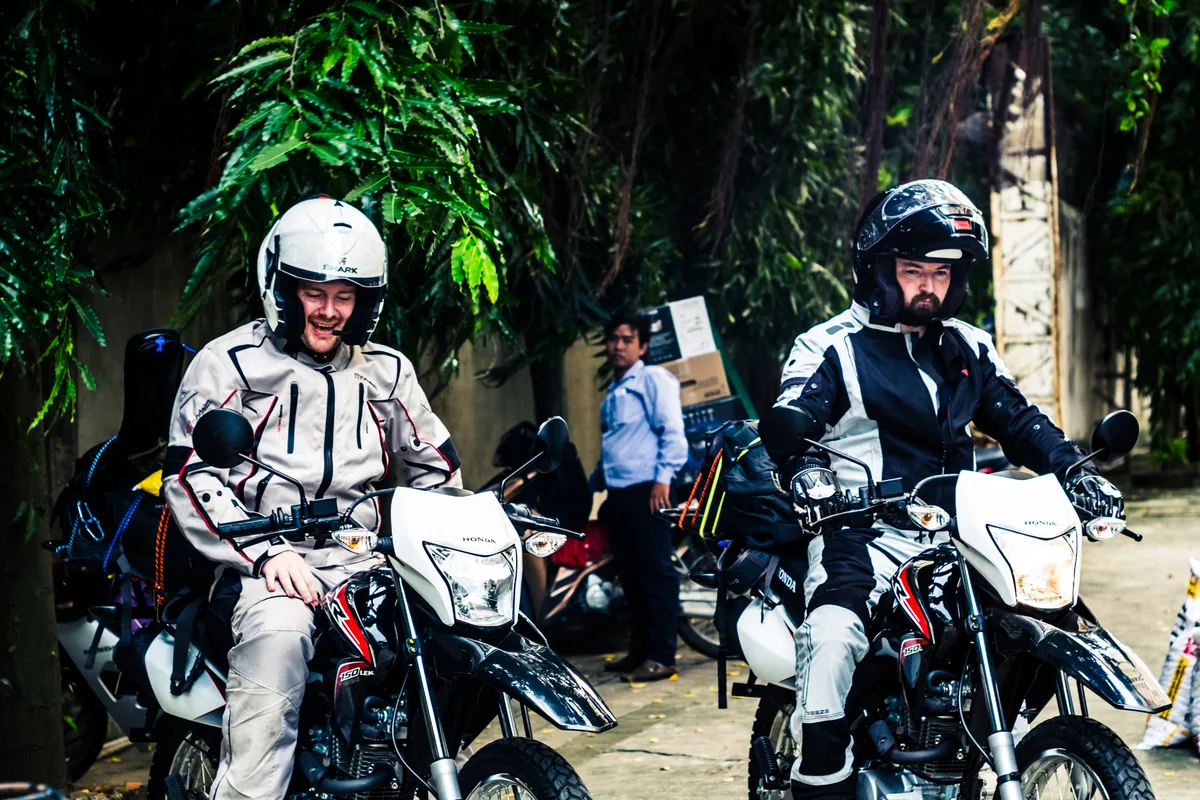
Activities determine what you carry: snorkeling requires reef-safe sunscreen; motorbike travel requires helmets. Regional variation is significant—northern mountain towns drop to 10°C at night. Southern beaches and the Mekong Delta stay warm and humid regardless of season.
Popular Vietnam itineraries include water activities, temple exploration, and long-distance travel. Each demands different gear, but most fit inside a single daypack. Bring a quick-dry microfiber towel—hostels sometimes lack towels or charge €2–€3 rental fees.
- Lightweight daypack 20–30 liters for daily activities
- Reef-safe sunscreen rated SPF 30 and higher
- Compact umbrella or foldable rain poncho
- Slip-on shoes with grip for temple floors and wet trails
- Quick-dry microfiber towel for beaches and swimming
- Reusable water bottle refillable at hotels and cafes
- First-aid kit with blister patches and pain relief
- Waterproof pouch for phone, money, and documents
Common Mistakes Checklist
Most first-time Vietnam travelers repeat the same packing errors. These mistakes usually stem from underestimating humidity or overpacking. Learn from others and avoid discomfort, weight penalties, and luggage-related stress.
The instinct to pack 'just in case' items adds kilograms without practical value. Vietnamese cities stock toiletries, chargers, over-the-counter medicines, and casual clothing. Focus your packing on items that are difficult or impossible to replace locally.
Long-distance travel on trains and overnight buses exposes common comfort oversights. Travelers who skip compression bags regret the luggage space loss. Those who forget quick-dry fabrics struggle with mildew in humid hostels.
- Skipping weight check and exceeding airline carry-on limits
- Packing heavy shoes unsuitable for cobbled streets in Hoi An
- Bringing an adapter without verifying correct outlet types
- Including formal clothing for a culture with casual dress norms
- Relying on an umbrella instead of a rain jacket during monsoon
- Choosing thick cotton over lightweight quick-dry materials
- Forgetting extra passport photos needed for visa extensions
What Not to Pack
Traveling light requires saying no to items that sound useful but rarely get worn. Vietnam's warm climate and casual culture make certain items unnecessary luggage. This anti-packing list frees space for clothes and souvenirs you'll actually use.
Hanoi, Ho Chi Minh City, and Da Nang convenience stores stock common travel items. Basic medicines, deodorant, and international sunscreen brands cost 20–40% more than US prices. Only skip these if confident finding them locally, and if staying with locals who can help.
Hostels provide pillows and blankets despite what online reviews sometimes claim. Many guesthouses include basic toiletries like soap and shampoo. Lightweight synthetic alternatives work better than heavy cotton originals in tropical humidity.
- Heavy shoes—cobbled streets and trail mud destroy thin soles fast
- Multiple thick layers for cooler climates you won't visit
- Full-sized bath towels—hotels provide them and waste luggage space
- Excessive toiletries—shops stock major brands and hotels provide basics
- Printed guidebooks—download offline maps and ebooks instead
Seasonal and Regional Adjustments
Vietnam's long geography creates three distinct climate patterns requiring different packing. The north experiences cool winters while the south stays tropical year-round. Adjust your checklist based on when and where you travel.
Dry Season runs November through April with mild to warm temperatures. Pack: lightweight layers, one cardigan for northern evenings (10–15°C in Sapa), and reef-safe sunscreen. December to March is peak tourist season, but lighter clothes still suffice.
| Dry Season (Nov–April) | Rainy Season (May–October) |
|---|---|
| Mild to warm temperatures; 10–15°C evenings in northern mountains like Sapa | Hot and humid with frequent downpours; August is wettest |
| Pack lightweight layers, cardigan for northern evenings, reef-safe sunscreen | Pack breathable fabrics (bamboo, cotton), compact rain jacket, waterproof phone case |
| Peak tourist season December–March with predictable weather across all regions | Showers typically last 10–20 minutes and clear quickly |
Rainy Season spans May through October with hot, humid air and frequent downpours. Pack: breathable fabrics like bamboo and cotton, a compact rain jacket, and a waterproof phone case. August is wettest but showers rarely exceed 30 minutes, leaving time for activities.
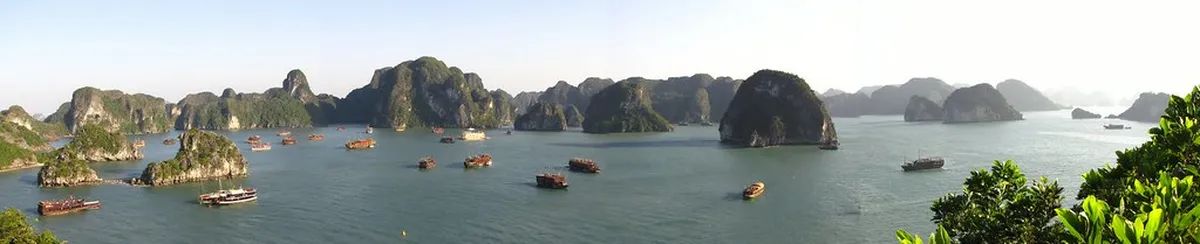
North (Hanoi, Ha Long Bay, Sapa) requires winter layers from December to February. Mountain trekking demands closed-toe shoes with good traction. South (Ho Chi Minh City, Mekong Delta, Phu Quoc) stays consistently warm and humid year-round. Central Region (Da Nang, Hoi An) experiences seasonal transitions with both heat and storm risk. Pack an extra long-sleeved shirt for temple visits and cobbled-street exploration.
For Female Backpackers
Female travelers face unique packing decisions balancing modesty, comfort, and practicality. Vietnamese culture is relatively casual, but temples and rural areas expect respectful dress. This section addresses comfort, cultural sensitivity, and practical female-specific needs.
Lightweight merino wool and bamboo undergarments are essential in tropical humidity. These fabrics dry faster and resist odor better than synthetics—critical in shared hostels. Pack items offering flexibility: a sarong serves as cover-up, towel, scarf, or beach wrap.
Travel safety means visibility and confidence—a discreet money belt keeps cash secure. Menstrual products and preferred pain relievers can be hard to find; bring a month's supply. A lightweight travel wrap provides coverage for temples and conservative rural communities. Lightweight crossbody bags with anti-theft zippers reduce theft risk on crowded buses and streets.
Consider these from Boody for bamboo socks that dry quickly and resist odor. Many female travelers prefer favorite bamboo underwear over synthetic options in humid climates.
- Lightweight bamboo or merino underwear and socks
- Moisture-wicking sports bra or comfortable low-impact bra
- Lightweight cardigan or shawl for temple visits
- Sarong or lightweight wrap for beaches and cultural sites
- Menstrual products and preferred pain relievers
- Discreet money belt or hidden travel pouch
- Lightweight crossbody bag with anti-theft zippers
Health Items to Pack for Vietnam
Pack a compact health kit around your itinerary rather than relying entirely on pharmacies after arrival. Bring enough prescription medicine for the full trip in its original labeled packaging, plus a copy of each prescription. Travelers using injectable medicine should also carry a clinician’s letter explaining the needles and medication.
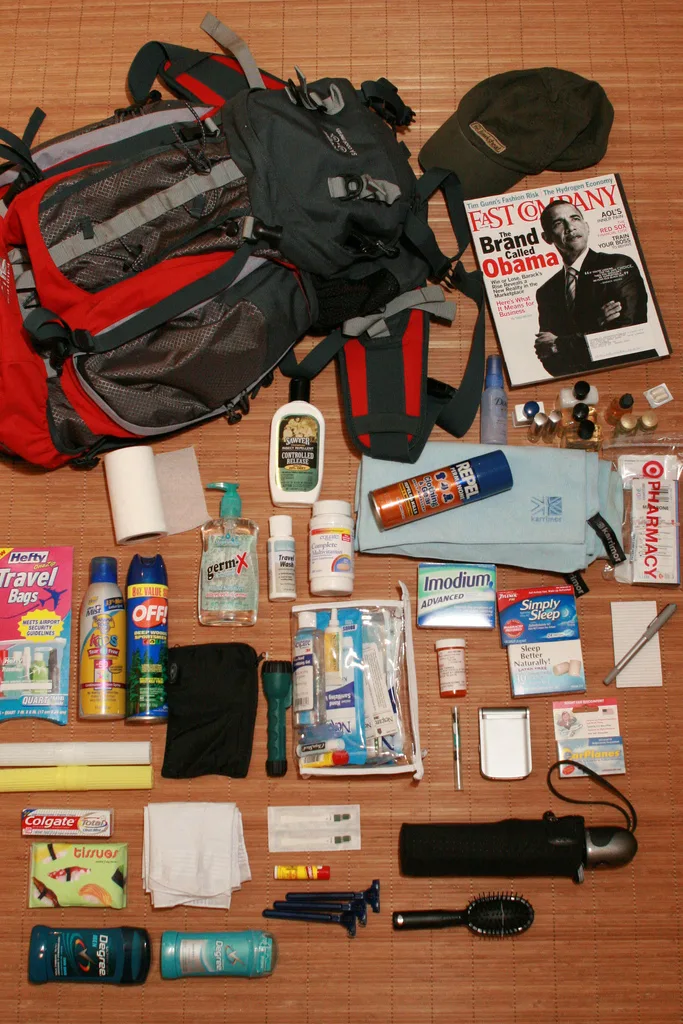
Mosquito protection is especially useful around the Mekong Delta, Phu Quoc, and forested or rural areas of the Central Highlands. Pack repellent containing DEET or picaridin and apply it to exposed skin after sunscreen. Lightweight long sleeves and trousers provide additional coverage around dawn and dusk.
- Oral rehydration salts for fluid replacement after diarrhea or prolonged heat exposure
- Preferred pain reliever, antihistamine, motion-sickness medicine, and any familiar stomach remedy
- Adhesive bandages, antiseptic wipes, blister patches, and a small supply of hand sanitizer
- High-SPF sunscreen and lip balm for exposed boat trips in Ha Long Bay or the Mekong Delta
Common medicines are available in Hanoi, Da Nang, and Ho Chi Minh City, but brand names and instructions may differ. Keep essential medication in your carry-on rather than checked luggage.
Frequently Asked Questions
What's the best time of year to visit Vietnam for packing?
November through April offers ideal conditions: cool enough in the north to require minimal layers, warm enough in the south for light clothing. Rainy season (May–October) demands heavier rain gear and quick-dry fabrics. December to March is busy, but no single season guarantees predictable weather across Vietnam's different regions.
Can I buy items in Vietnam if I forget something at home?
Yes—major cities stock sunscreen, toiletries, phone chargers, and casual clothing at prices 20–40% higher than home prices. Specialty items like prescription medications or specific outdoor brands are harder to find. Check the state department website for official travel resources on availability.
How much luggage space do I really need for Vietnam?
A single 50-liter backpack or carry-on suitcase (under 12 kg) works for 2–4 weeks. Quick-dry fabrics let you wash clothes every 3–4 days, reducing overall volume. Stay under 10 kg total to avoid checked-baggage fees and maintain mobility through narrow guesthouse stairs and public transport.
Do I need special gear for Vietnam's main activities?
Reef-safe sunscreen is essential for snorkeling in Ha Long Bay. Waterproof phone cases protect electronics during water activities. Motorbike travel requires a DOT-approved helmet—rent locally if you don't bring one. Day hikes need sturdy slip-on shoes with good traction for wet, muddy trails.
Pack strategically using the five-category checklist and this seasonal guide. Vietnam's diverse climates reward flexibility—bring layers you can mix and layer. Adjust for your specific itinerary and travel dates, then travel confidently without excess luggage.
Take the route offline
Free: the Vietnam route starter
A two-week south-to-north route with real nightly rates by city, what to book first and how far ahead, region-by-region timing, and the transport costs between each leg — drawn from our published guides.
Keep unfolding Vietnam
Continue along the route
Three nearby guides for the next decision in your trip.


