

Ho Chi Minh City to Can Tho: Transport Guide & Booking Tips
Compare bus, private car, and motorbike options from Ho Chi Minh to Can Tho. Real costs, times, booking tips, and step-by-step travel guide.
On this page
The bus is the best value at $4–$10 and 3.5–5 hours, with multiple departures offered by several operators. Private car transfers cost $100–$150 for 2.5–3 hours of direct door-to-door service. Adventurous travelers can rent a motorbike for $8–$15/day and explore the delta landscape.
Can Tho sits 170 km southwest and is the Mekong Delta's largest city. Most travelers stay overnight to catch the floating markets at dawn—the main reason to visit. Last updated July 2026.
This guide covers every transport method with real prices, duration, booking platforms, and step-by-step guidance. Whether you're planning a quick day trip or overnight stay, you'll find actionable advice here.
Key Takeaways
- The bus is the best value at $4–$10 and 3.5–5 hours, with multiple departures offered by several operators.
- Private car transfers cost $100–$150 for 2.5–3 hours of direct door-to-door service.
- Adventurous travelers can rent a motorbike for $8–$15/day and explore the delta landscape.
- Can Tho sits 170 km southwest and is the Mekong Delta's largest city.
Take the route offline
Free: the Ho Chi Minh City route notes
Where to base yourself and what it costs, a day-by-day route that avoids backtracking, real transfer times and fares, seasonal timing, and where it connects onward — condensed from our Ho Chi Minh City guides and made to take offline.
Where Is Can Tho & Why Visit?
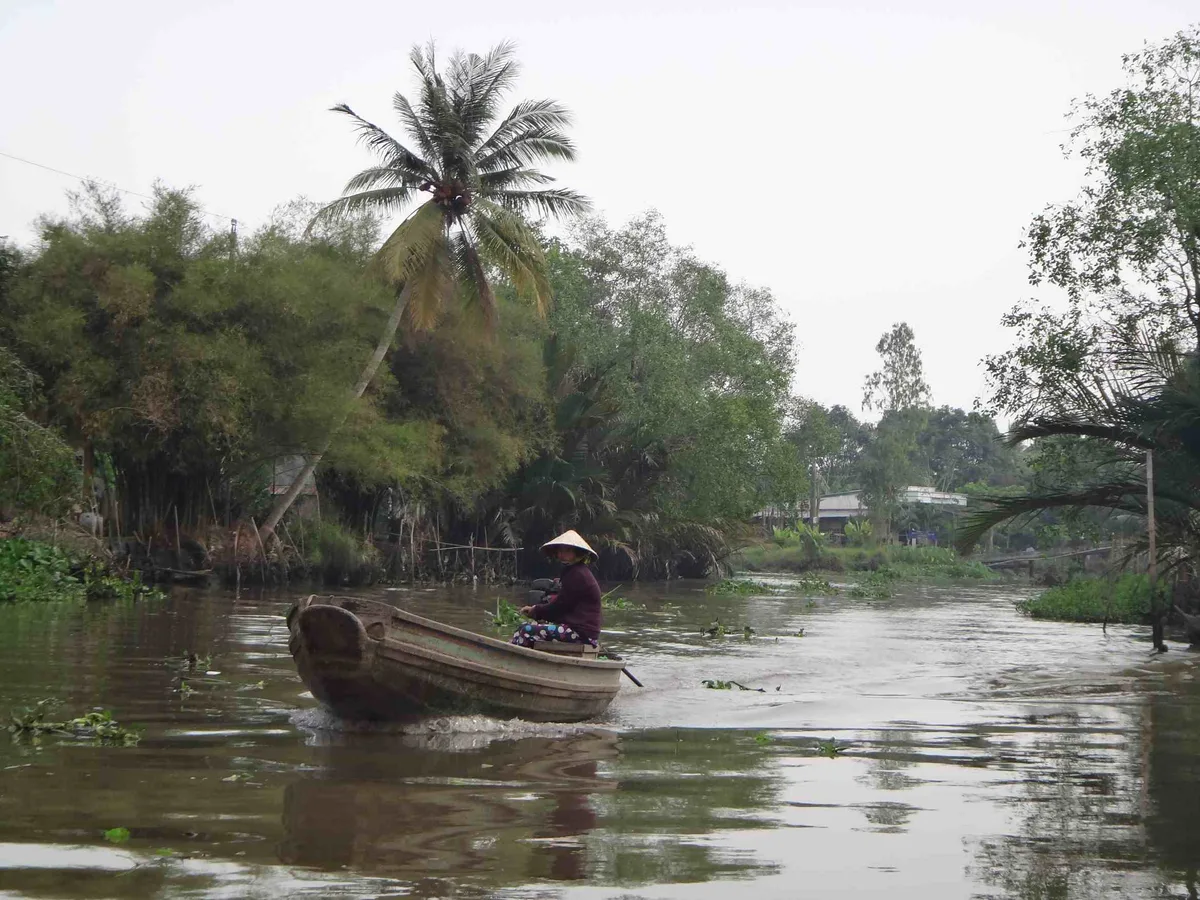
Can Tho is Vietnam's largest Mekong Delta city, yet feels intimate and quiet. Located 170 km south-southwest of Ho Chi Minh, the city is defined by water. The Mekong River, branching canals, and floating markets draw travelers seeking a slower pace.
The primary attractions include Cai Rang Floating Market (active at 5–6 AM), Phong Dien Floating Market, Ninh Kieu Wharf, and Binh Thuy Ancient House dating to 1870. Food lovers visit for fresh Mekong fruit, rice noodles, and boat noodles sold by water vendors. The city quiets down by evening, offering relief from Ho Chi Minh's urban bustle.
Most travelers spend one night to catch the floating markets before 7 AM. Day trips are possible but feel rushed and miss the authentic early-morning scene. Your choice between day and overnight affects which transport option makes the most sense.
Compare Your Transport Options
You have four main ways to reach Can Tho from Ho Chi Minh City. There are no direct flights, despite Can Tho Airport's existence; it connects only to Hanoi and Con Dao. Your choice depends on budget, comfort preferences, and how much time matters.
Each method offers distinct trade-offs in cost, speed, comfort, and experience quality. Bus wins for budget and frequency; private car wins for comfort and convenience. Motorbike rentals appeal to independent travelers seeking flexibility and scenic stops.
| Transport Method | Cost | Duration | Best For |
|---|---|---|---|
| Bus | $4–$10 per seat | 3.5–5 hours | Budget travelers, solo travelers |
| Private Car | $100–$150 per car | 2.5–3 hours | Families, groups, comfort-focused |
| Motorbike | $8–$15 per day | 3.5–4 hours | Experienced riders, adventurers |
| Boat & Cruises | $80–$300+ | 4+ hours | Scenic travelers, cultural immersion |
- Bus: Most Affordable & Frequent
- Cost $4–$10 per seat; operators publish departures from Mien Tay Bus Station, but the live timetable and boarding office must be confirmed.
- Journey takes 3.5–5 hours depending on traffic; covers 170 km on National Route 1A.
- Best for solo travelers and budget groups; e-tickets work via Vexere or at station counters.
- Top operators: Phuong Trang (FUTA, most reliable), Thanh Buoi, Son Nguyen Limousine (premium recliners).
- Private Car Transfer: Most Comfortable
- Cost $100–$150 for the full car (~$25–$35 per person in a group of 3–4).
- Door-to-door service from your hotel takes 2.5–3 hours; no bus station hassle required.
- Best for families, groups, travelers with luggage, or those prioritizing door-to-door service.
- Driver can stop at scenic spots like Can Tho Bridge without rushing the schedule.
- Motorbike Rental: Adventure & Flexibility
- Rent for $8–$15/day; fuel costs about $2–$3 total for the round trip.
- Journey takes 3.5–4 hours depending on pace and stops in rural delta towns.
- Best for experienced riders comfortable with Vietnamese traffic; route is flat through scenic regions.
- Caution: Ride only with a licence and permit combination legally recognized in Vietnam for the exact vehicle category, and confirm that your insurance covers the rider, engine size, and route.
- Boat & Mekong Cruises: Most Scenic
- Cost ranges $80–$300+ depending on cruise type, meals, and multi-day options available.
- Tours take 4+ hours; typically include meals, water activities, and floating market access.
- Best for scenic travelers and cultural immersion seekers willing to book 1–2 days ahead.
- Trade-off: Premium experience but fewer departure times compared to buses and car transfers.
How to Get There: Step-by-Step Guide
Regardless of your chosen method, booking and departure follow a similar logic and timeline. Use these steps to confirm your transport, secure your ticket, and navigate smoothly. Most travelers complete the full trip in 3.5–5 hours from hotel to accommodation.
These steps assume you're choosing bus, private car, or motorbike—the three most popular options. If you're booking a boat tour or specialized cruise, contact operators 24–48 hours ahead. Tours often require minimum group sizes and run less frequently than land transport.
- Step 1: Choose Your Transport Based on Priority
- Bus ($4–$10, 3.5–5 hours) best when budget matters most and you travel solo.
- Private car ($100–$150, 2.5–3 hours) best for families or comfort-focused groups with luggage.
- Motorbike ($8–$15/day, 3.5–4 hours) best for adventurers seeking flexibility and local stops.
- Cheapest option (bus) takes longest; fastest option (private car) costs most—prioritize accordingly.
- Step 2: Book Your Ticket or Arrange Transfer
- For buses: visit 12Go.com or Vexere and select your departure time.
- Schedules and fares change with operator, date, and demand; compare the live total and cancellation terms before paying.
- For private car: contact your hotel concierge; most arrange transfers within 24 hours.
- Book 2–3 days ahead during weekends or holidays to secure preferred times.
- Step 3: Navigate to Your Departure Point
- Bus travelers: reach Mien Tay Bus Station 30–45 minutes before departure via Grab or shuttle.
- Station is 6 km west of central Ho Chi Minh; budget 20–30 minutes depending on traffic.
- Private car: your driver picks you up from your hotel lobby at the agreed time.
- Motorbike: collect your bike from the rental shop (often Districts 1–3) and map your route.
- Step 4: Depart and Prepare for the Journey
- Bus rides offer air-con, snacks, and bathrooms; typical duration 3.5–5 hours with one rest stop.
- Bring water, snacks, entertainment, and motion sickness medication if prone to car sickness.
- Private car allows breaks wherever you want; Can Tho Bridge (~halfway) offers popular photo stops.
- Motorbike riders: wear helmets, depart early for daylight, and stop every 60–90 minutes.
- Step 5: Arrive and Settle Into Your Accommodation
- Bus: you arrive at Can Tho Bus Station; grab a Grab ride or walk to nearby hotels.
- Private car: your driver drops you directly at your hotel; tip 50,000–100,000 VND (~$2–$4).
- Motorbike: return your bike to the rental shop; daily rates usually include return fees.
- If staying overnight for floating markets, rest and arrange 5 AM pickup by your hotel.
Day Trip or Overnight Stay: Which Suits You?
The duration you choose fundamentally shapes what you see and experience in Can Tho. Most travelers spend at least one night to catch Cai Rang Floating Market at sunrise. This is the primary reason to visit; missing it feels like an incomplete trip.
Most travelers stay overnight to catch Cai Rang Floating Market at dawn—the primary reason to visit. Day trips feel rushed and miss the authentic early-morning scene. Overnight hotels cost $30–$80; combined with a tour ($10–$25), the experience is worth every dollar.
For a day trip: depart Ho Chi Minh by 5–6 AM and arrive by 10–11 AM. You'll have 5–6 hours for a floating market tour (2–3 hours), lunch, and one site visit. Day trips work best for travelers on tight schedules already in the Mekong region.
For an overnight stay: arrive by 3–4 PM, explore Ninh Kieu Wharf or local restaurants evening. Wake at 5 AM for a 6 AM boat tour returning by 10–11 AM for more exploration. Overnight hotels cost $30–$80; combined with a $10–$25 tour, the experience is worth every dollar.
If heading onward to Chau Doc, Phu Quoc, or Cambodia, an overnight stay provides flexibility. Check a full southern Vietnam itinerary if you're planning multiple regional stops.
Practical Tips & Common Travel Mistakes
Before departing Ho Chi Minh, confirm a few practical details to ensure smooth travel. Most problems stem from last-minute bookings, unclear station names, or underestimating peak traffic. A little planning removes stress and lets you enjoy the delta landscape.
Book overnight accommodation 3–5 days ahead, especially during weekends or peak season (December–January). Confirm your floating market boat time with hotel staff the evening before; tours fill quickly.
Have Vietnamese dong on hand or access to ATMs in Ho Chi Minh before departing. Book overnight accommodation 3–5 days ahead, especially weekends or December–January peak season. Confirm your floating market boat time with hotel staff the evening before; tours fill quickly.
- Before You Go: Essential Checklist
- Passport or ID copy in case of police stops along the route.
- Vietnamese dong ($50–$100 equivalent); ATMs exist in cities but not at way stations.
- Your hotel's phone number and address written in Vietnamese on your phone.
- Screenshot or print of your bus ticket or private car confirmation email.
- Small backpack for the journey; store large luggage at your Ho Chi Minh hotel if continuing.
- Medications and motion sickness remedies; dusty roads can trigger nausea.
- Comfortable layers; bus air-conditioning can be cold; roads have bumpy sections.
- Common Problems & Practical Fixes
- Buses fully booked: book a private car instead or try off-peak departures (before 7 AM).
- Late arrival at station: buses rarely wait past 15 minutes; call operator immediately for reassignment.
- Forgotten hotel name: bring your address written in Vietnamese; show it to Grab drivers.
- Uncomfortable bus seats: pay $2–$3 extra for premium Limousine-class reclining seats.
- Lost luggage: report immediately at your destination or within 24 hours to bus company.
- Motion sickness: sit near the front (less bouncing) and take breaks every 2 hours.
- Wrong bus station: confirm "Ben Xe Mien Tay" (not Mien Dong or Mien Bac) at ticket counter.
Best Time to Visit Can Tho
Can Tho is accessible year-round, but the season affects heat, rainfall, river conditions, and crowd levels. December through February generally brings drier, more comfortable weather for walking around Ninh Kieu Wharf, visiting Binh Thuy Ancient House, and taking an open-air boat trip. This is also a popular travel period, so reserve accommodation and an early Cai Rang Floating Market boat before weekends and the Tet holiday.
March and April are typically hotter and more humid. Plan outdoor sightseeing for early morning, carry drinking water, and leave the middle of the day for museums, cafés, or a rest at your hotel. The rainy season usually runs from May through November, but showers often arrive in short, heavy bursts rather than lasting all day. September to November can bring higher river levels, which may improve access to smaller canals while increasing the chance of disrupted road or boat plans.
Whatever the month, visit Cai Rang shortly after dawn. Trading activity fades through the morning, and an early departure also avoids the strongest heat and the most common afternoon rain.
Official Planning Checks Before You Go
Use the official Vietnam Tourism Can Tho guide for destination context and the official Vietnam Tourism Mekong Delta guide for a second official baseline. Recheck any opening hour, fare, timetable, closure, access rule, weather risk, or booking condition with the responsible operator shortly before travel; an official destination overview is not a live inventory or service guarantee.
Frequently Asked Questions
How long does the journey from Ho Chi Minh City to Can Tho actually take?
The journey typically takes 3.5–5 hours by bus or 2.5–3 hours by private car. Travel time varies with traffic; avoid morning rush (7–9 AM) and evening rush (5–7 PM) if possible. Motorbike riders typically spend 3.5–4 hours depending on stops and pace.
What is the cheapest way to travel from Ho Chi Minh to Can Tho?
The bus is cheapest at $4–$10 per person, with multiple departures offered by several operators from Mien Tay Bus Station. Book via 12Go.com or Vexere. For groups, splitting a private car ($25–$35 per person) costs less than expected.
Is an overnight stay in Can Tho worth it compared to a day trip?
Absolutely. An overnight stay ($30–$80 for hotels) lets you catch Cai Rang Floating Market at 6–7 AM—the main reason most travelers visit. Day trips miss the market or feel rushed. Plan your southern Vietnam pace if building a multi-city itinerary.
What time must I wake up to see the Cai Rang Floating Market?
Leave your hotel by 5–5:30 AM to catch a boat departing around 6 AM. The market is most active 5:30–8 AM; by 9 AM most traders are leaving. Later departures mean fewer boats and a less authentic experience. Your hotel can recommend tour operators offering 5 AM pickups.
Can I fly directly from Ho Chi Minh City to Can Tho?
No. Although Can Tho Airport (VCA) exists, there are no commercial flights from Ho Chi Minh City. You can fly to Can Tho from Hanoi or Con Dao, but bus, car, or motorbike are the only practical options from Ho Chi Minh. Buses offer the best value and reliability.
Getting from Ho Chi Minh City to Can Tho is straightforward and rewarding in every way. Buses run frequently and affordably; private cars suit comfort-focused travelers; motorbikes suit adventurers. Most travelers stay overnight to catch the floating markets at dawn—Vietnam's most iconic water experience.
Book your transport a few days ahead, plan for 3–5 hours of travel, and settle in. Once you've explored Can Tho, you can connect onward to Chau Doc or Phu Quoc—making it an ideal Mekong hub.
Take the route offline
Free: the Ho Chi Minh City route notes
Where to base yourself and what it costs, a day-by-day route that avoids backtracking, real transfer times and fares, seasonal timing, and where it connects onward — condensed from our Ho Chi Minh City guides and made to take offline.
Keep unfolding Vietnam
Continue along the route
Three nearby guides for the next decision in your trip.


