

Nha Trang Beach Guide: Which Sand Is Worth Your Day
Compare every Nha Trang beach by distance, waves and cost, from Tran Phu to Doc Let and Hon Mun, with seasonal swim-safety tips.
On this page
Last updated November 2026. Choosing a Nha Trang beach comes down to distance, wave strength and how much of the day you want to spend in transit. This guide compares Tran Phu, Hon Chong, Bai Dai, Doc Let, Bai Tru and the Hon Mun snorkeling reserve so you can pick one by need.
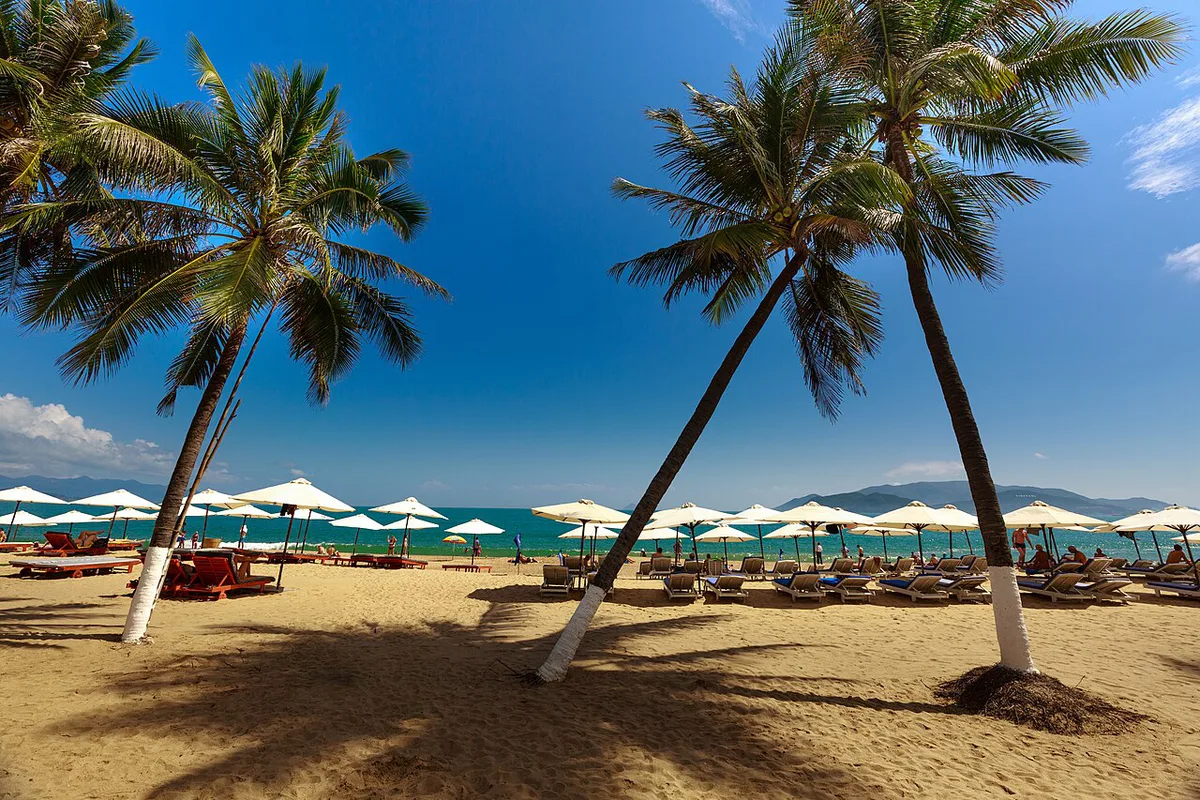
Featured image: Christophe95, CC BY-SA 4.0, via Wikimedia Commons.
Nha Trang Beach: Quick Comparison Guide
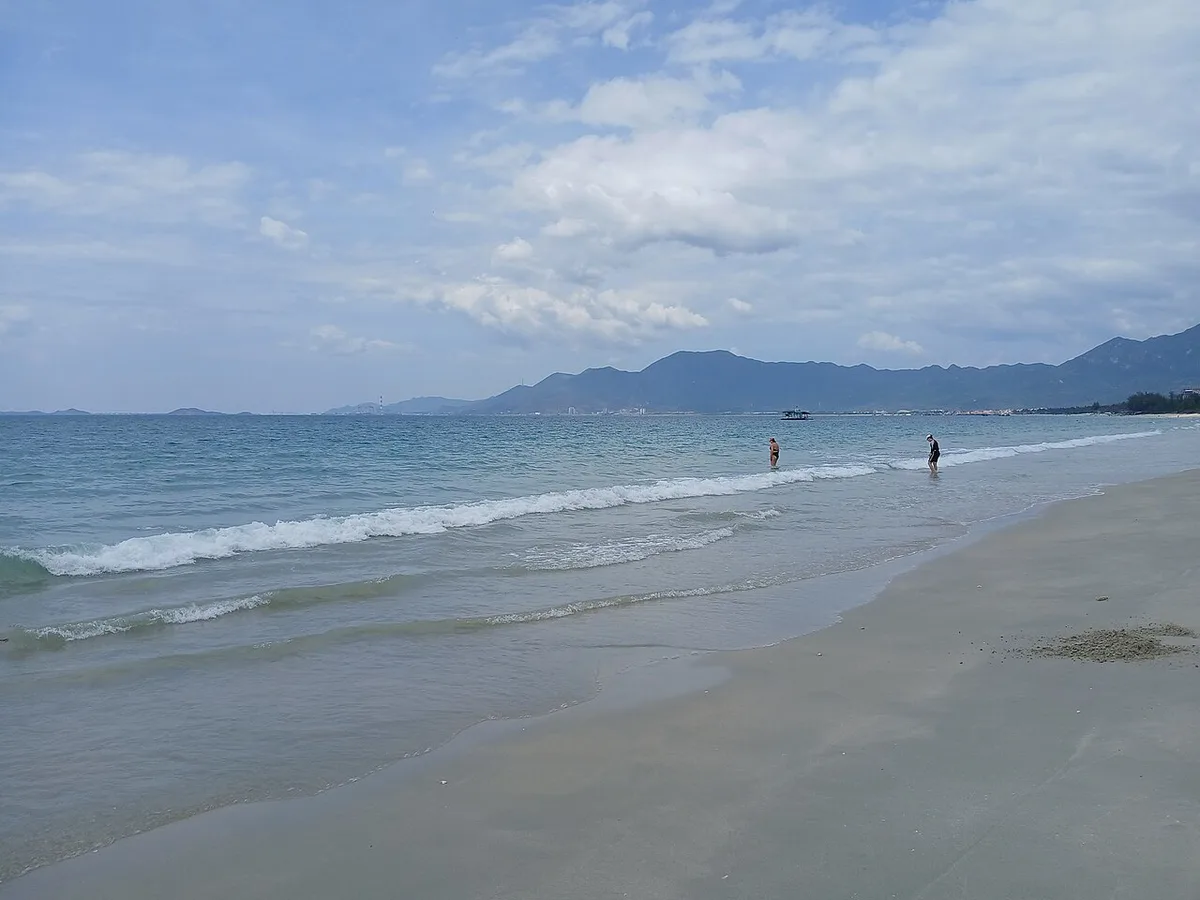
Distances below are measured from the city center. Wave notes come from published traveler reports, so treat them as typical conditions rather than guarantees. Official regional overviews, such as Vietnam Tourism's Nha Trang page, are a useful starting point for wider context. For the full city picture, see our Nha Trang things-to-do guide.
| Beach | Distance from center | Waves | Best for |
|---|---|---|---|
| Tran Phu | 0 km | Wavy, open to the sea | Walkable swims, sun loungers |
| Hon Chong | 5 km | Quieter than the city strip | Rock viewpoint, sunrise |
| Bai Dai | 30 km | Calm, lapping waves | Day trip, white sand |
| Doc Let | 45-50 km | Minimal waves, shallow | Families, photographers |
| Bai Tru (Hon Tre) | 13 km | Minimal waves | Full day with Vinpearl access |
| Hon Mun reserve | 7 km by boat | Varies by site | Snorkeling, not lounging |

Take the route offline
Free: the Vietnam route starter
A two-week south-to-north route with real nightly rates by city, what to book first and how far ahead, region-by-region timing, and the transport costs between each leg — drawn from our published guides.
The Urban Experience: Tran Phu and Hon Chong
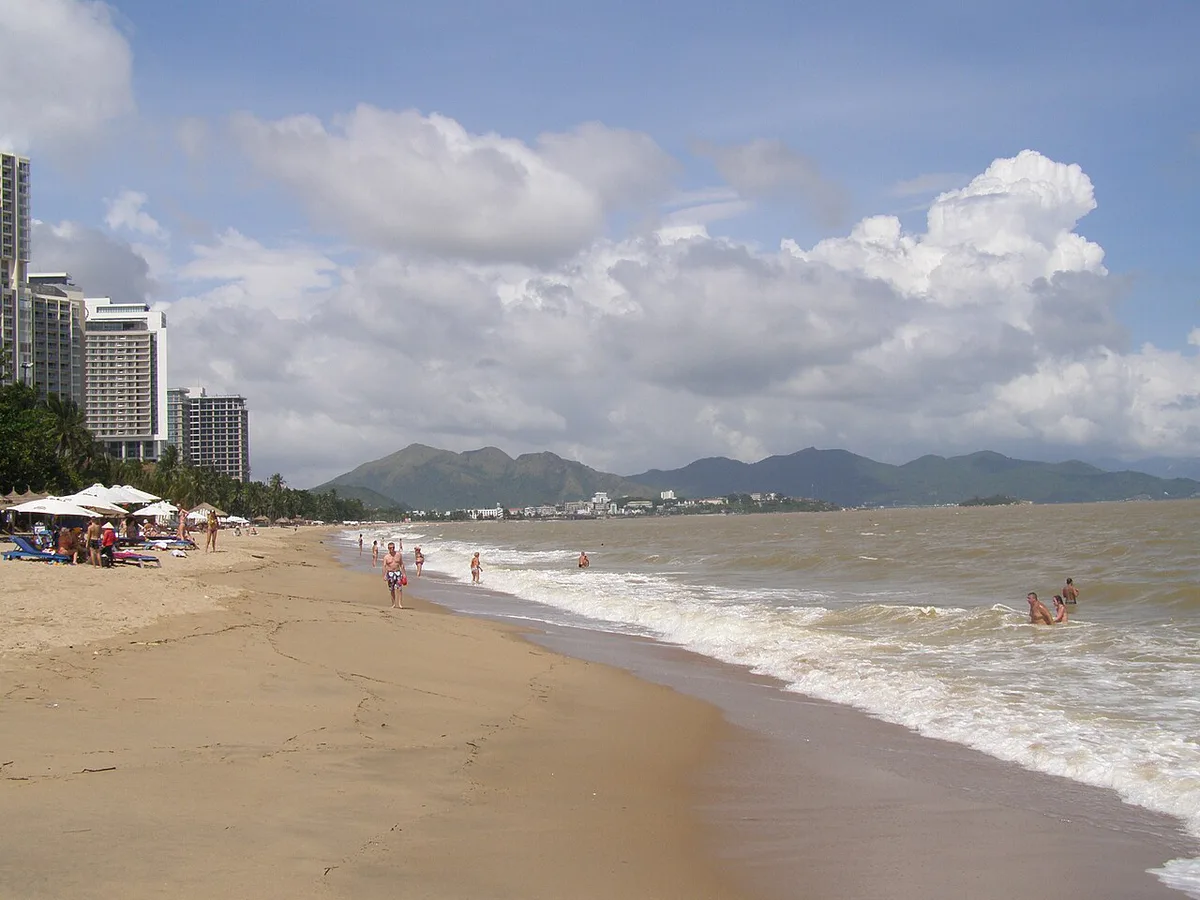
Tran Phu Beach runs about 6 km beside the city. It backs onto Tran Phu Park, which separates sand from traffic along much of the stretch. Vendors rent sun loungers, and many run small beach bars. Expect to pay ₫50,000 to ₫100,000 for a lounger, and negotiate before you sit. Waves hit the shoreline directly, so young children can be knocked over easily. Visibility is poor for snorkeling because surf stirs up the sand. If you plan to stay near this strip, read our guide to where to stay.
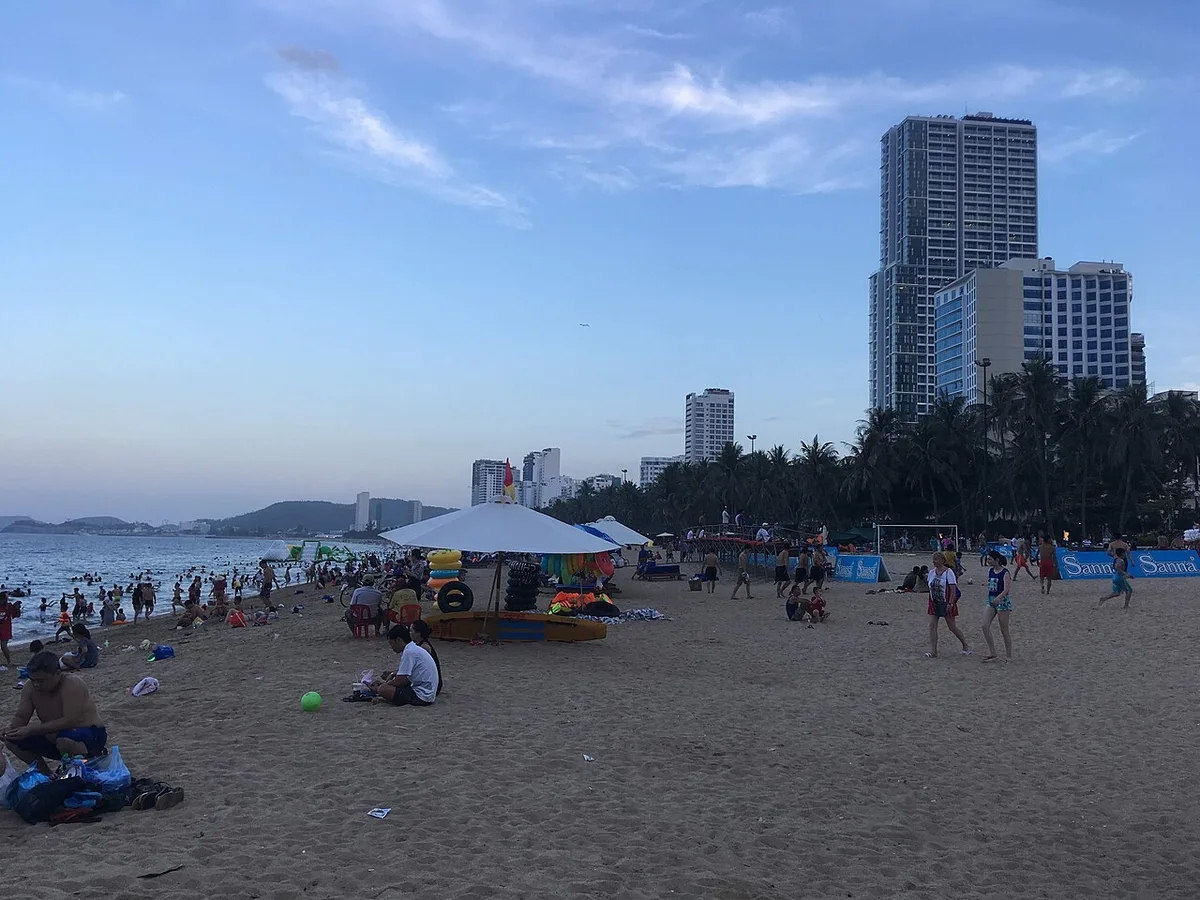
- Hon Chong sits about 5 km north of the center.
- Stacked rocks on the right side of the beach form a small peninsula.
- From the rocks you can see Hon Rua (Tortoise Island) and Hon Do (Red Island).
- A guard may ask for about ₫22,000 to climb. That fee is unofficial, so there is no set rate.
- Po Nagar Cham Towers are roughly a 5-minute drive away, so pair the two.
The Day-Trip Escapes: Doc Let and Bai Dai
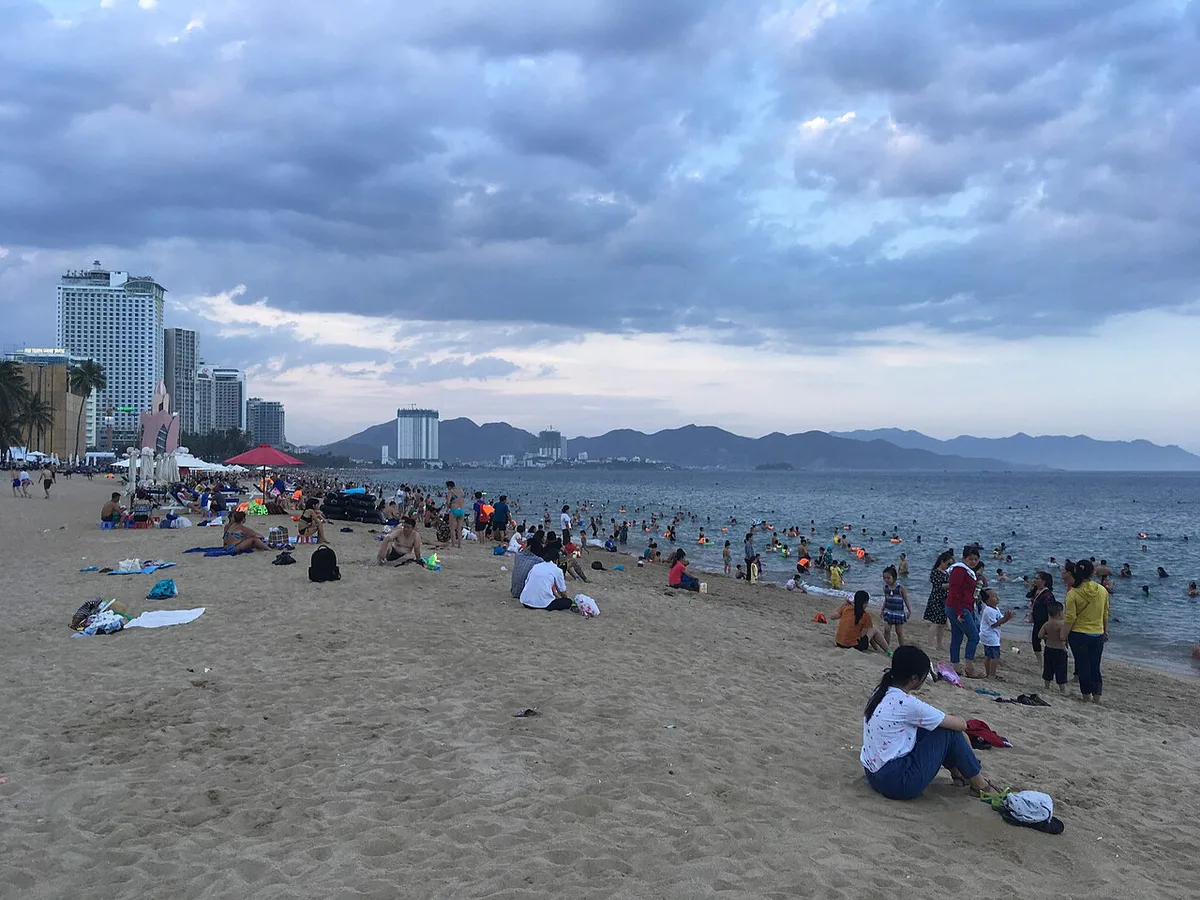
Bai Dai (Long Beach) lies about 30 km south of the center. Reports describe whiter sand, calm waves and palm-lined shore. Hotels nearby make an overnight stay possible. Doc Let is farther, at 45 to 50 km north, because sources disagree on the exact distance. Allow about 1.5 hours each way. The payoff is shallow, turquoise water with minimal waves, which suits toddlers. Salt fields sit nearby, which photographers tend to like. Travelers also report good snorkeling in its quiet lagoon. Coming from the highlands? Our Da Lat to Nha Trang route explains how you will arrive.
Island Hopping: Hon Mun, Hon Tam and Bai Tru
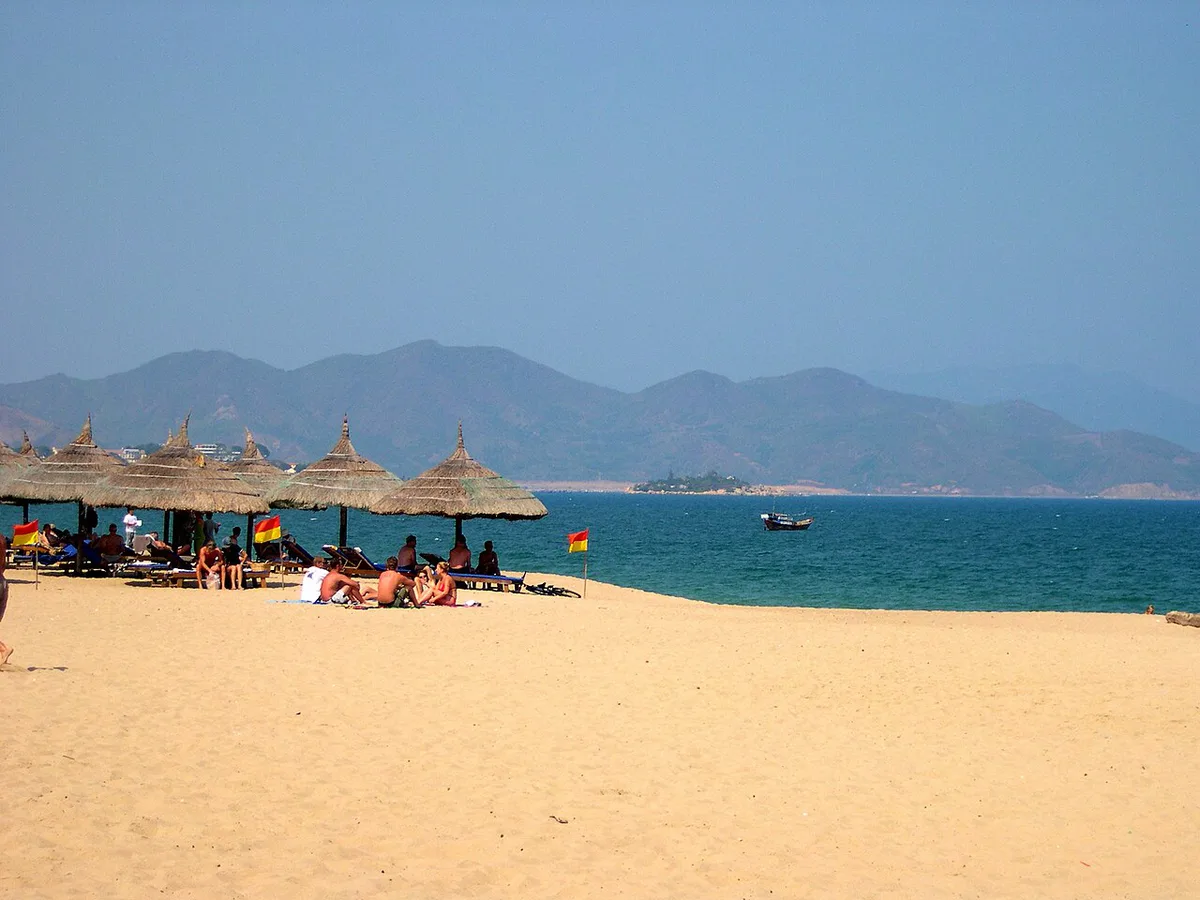
Hon Mun is a marine protected area about 7 km offshore. You can reach it only by boat tour. Treat it as a snorkeling stop, not a lounging beach. Visibility is best from February to September. Reports of tours describe three stops with varying depth and current. Hon Tam is about 7 km away by boat. It is known for mud baths and resort facilities, and access generally means staying at a resort there. Bai Tru on Hon Tre Island sits 13 km from the center and is sheltered from open-sea waves. Its entry fee is about ₫1,100,000, which covers the cable car or speedboat transfer plus Vinpearl amusement park access. Verify current VinWonders ticket inclusions before booking. Go in the morning and commit the whole day.
Entry to Bai Tru is about ₫1,100,000, far above the ₫50,000 to ₫100,000 a Tran Phu lounger costs, so split your daily budget by beach.
Nha Trang Beach Logistics: Getting Around and Costs
City beaches are walkable from Tran Phu hotels. Hon Chong works by short taxi or motorbike. Bai Dai is best by motorbike or private car. Doc Let offers a budget option: the public bus via Ninh Hoa. A taxi costs far more over 45 to 50 km, so open the Grab app and compare quotes before you commit. Motorbike rental typically runs ₫120,000 to ₫250,000 a day in the low season, so confirm at your hotel, since we have no sourced 2026 rate. Budget travelers should also check current ferry and cable car prices at the pier. Choosing between coastal cities? Our Da Nang versus Nha Trang comparison covers the trade-offs.
Seasonal Safety: When Is It Too Wavy to Swim?
Dry season runs from February to August, and those months suit most swimming. Rougher, rainier conditions arrive from October to January. Avoid Tran Phu when warning flags are up, because undertow can be strong. Check forecasts from the national hydro-meteorological service before you go. Bai Tru enjoys its best weather from February to May. Plan around the monsoon using our month-by-month Nha Trang weather guide. For wider timing, see Central Vietnam in Rainy Season: Travel Guide 2026.
Packing List for Vietnam's Beach Capital
Pack light, but bring items that suit sun and salt water. Cash matters, because loungers and taxis often take dong only.
Keep small dong notes for the about ₫22,000 Hon Chong rock climb fee, since no official rate exists.
- Reef-safe sunscreen for Hon Mun snorkeling
- Two towels, since one rarely dries between swims
- Sunglasses for glare off the water
- Waterproof camera or action camera
- Cash in dong for loungers, rock fees and taxis
Getting to Doc Let: Bus, Taxi or Motorbike
Doc Let is a worthwhile day trip for calm, shallow water, but its 45–50 km distance makes transport worth planning. Allow about 1.5 hours each way from central Nha Trang. A Grab or taxi is the simplest option for families carrying towels and snacks. Competitor pricing places a return journey at $40 or more, so check live app quotes before committing.
Budget travelers can use the public bus via Ninh Hoa, although it requires more time and flexibility than a direct car. A motorbike gives the most freedom to stop at the nearby salt fields. Typical rental quotes in the guide are ₫120,000 to ₫250,000 per day. Choose a taxi for convenience, the bus for the lowest-cost route, or a motorbike only if you are confident on Vietnamese roads.
Frequently Asked Questions
Does Nha Trang have good beaches?
Yes, but quality varies by distance. Tran Phu is convenient yet wavy. Bai Dai and Doc Let are calmer and cleaner, and both need a half-day or more. See our guide on whether Nha Trang is worth visiting.
Which is better, Da Nang or Nha Trang?
Nha Trang offers more island and snorkeling access, while Da Nang suits travelers who prefer a bigger city. Our Da Nang to Nha Trang transport guide helps if you plan to see both.
Is it safe to go to Nha Trang now?
Swimming safety depends on the season and daily sea conditions. Check wave warnings before entering the water at Tran Phu. Follow official forecasts and local flag signals.
Take the route offline
Free: the Vietnam route starter
A two-week south-to-north route with real nightly rates by city, what to book first and how far ahead, region-by-region timing, and the transport costs between each leg — drawn from our published guides.
Keep unfolding Vietnam
Continue along the route
Three nearby guides for the next decision in your trip.


