

Best Time to Visit Sapa: Seasonal Guide to Rice Terraces & Trekking
Find the best time to visit Sapa for golden rice terraces, mirror-like paddies, or clear trekking trails. Month-by-month weather, crowds and price swings.
On this page
Last updated November 2026. The best time to visit Sapa depends on what you want from the Muong Hoa valley: flooded mirror paddies around May, golden rice around September, or clear trekking days in spring. Use the month-by-month breakdown below to match your dates to the view, the weather and your budget.
Featured image: JakobHosp, CC BY 4.0, via Wikimedia Commons.
Best Time to Visit Sapa: Quick Verdict
Three windows stand out. September to early October is the golden harvest window. March to May suits spring trekking and clear Fansipan views. May to June is the watering season, when flooded terraces reflect the sky. For views, pick late September. For trekking comfort, pick March to May. For lower prices, avoid National Day on September 2 and the Lunar New Year holiday. Winter and the deep rainy months of July and August are the hardest to plan around. Before you lock dates, skim our Sapa things to do guide to see what else fits your window.
Take the route offline
Free: the Sapa route notes
Where to base yourself and what it costs, a day-by-day route that avoids backtracking, real transfer times and fares, seasonal timing, and where it connects onward — condensed from our Sapa guides and made to take offline.
Sapa Rice Terrace Calendar: From Mirror to Gold
Terraces in the Muong Hoa valley change colour on a fixed farming cycle. Timing a visit around that cycle matters more than picking a "good weather" month. Altitude shifts the dates, so higher villages ripen earlier than lower ones. Villages such as Y Linh Ho and Ta Van do not peak on the same week, so check recent photos before you commit to one route.
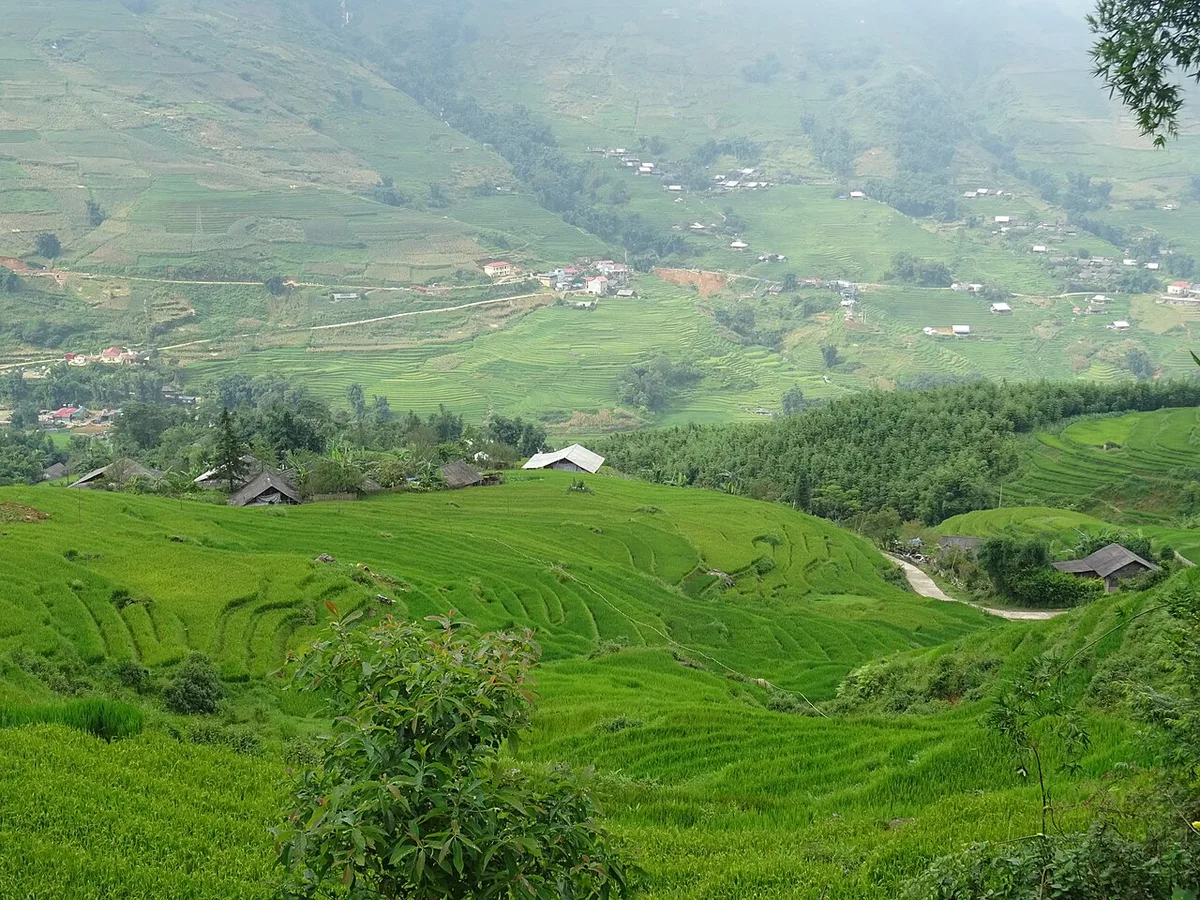
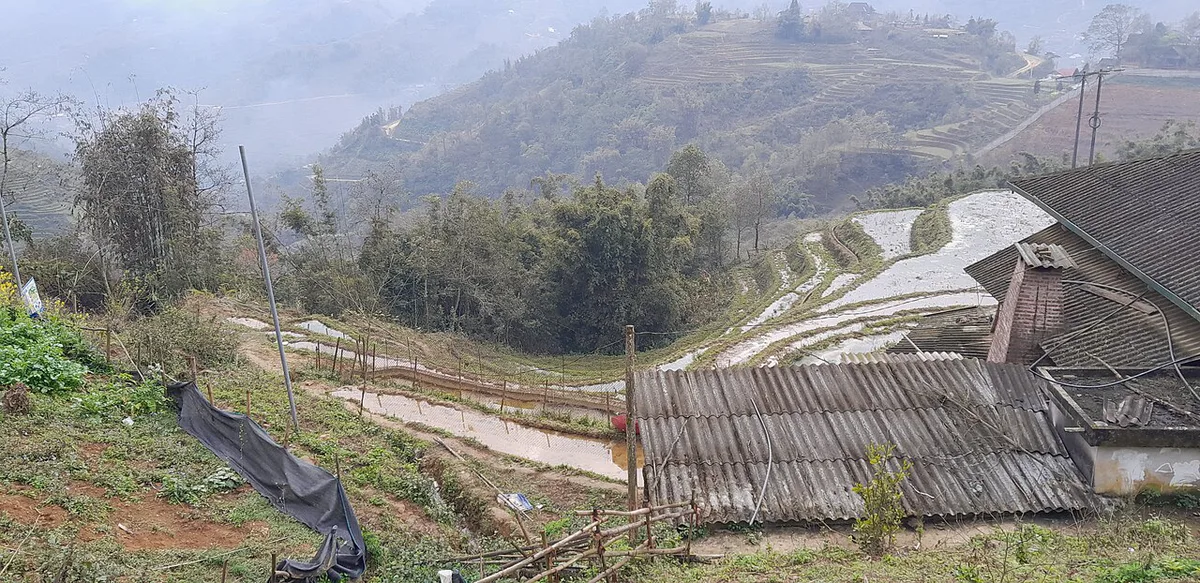
- Watering season, May to June: paddies are flooded and reflect the sky, giving the mirror effect. Terraces look brown-silver first, then turn green as seedlings grow.
- Green season, July to August: terraces are lush, but heavy rain brings mud and landslide risk on slopes.
- Harvest season, September to October: green fades to yellow. Higher terraces harvest earlier, so early September favours the upper villages and late September suits lower ones.
- Dormant season, November to April: terraces are brown or empty. Plan around Fansipan, village culture and markets instead.
Sapa Weather by Month and Season
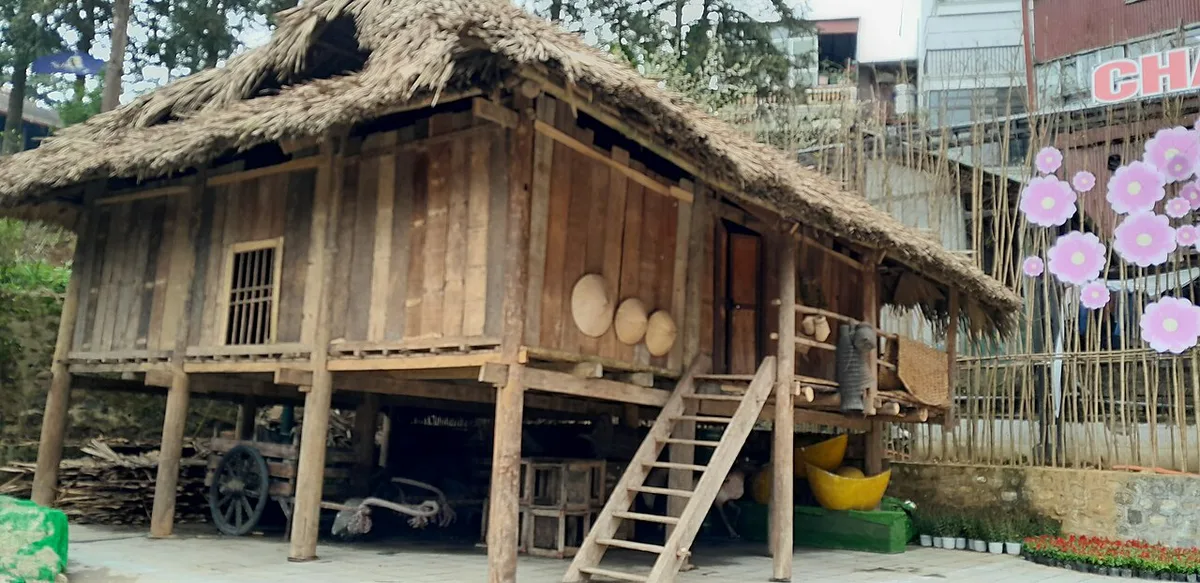
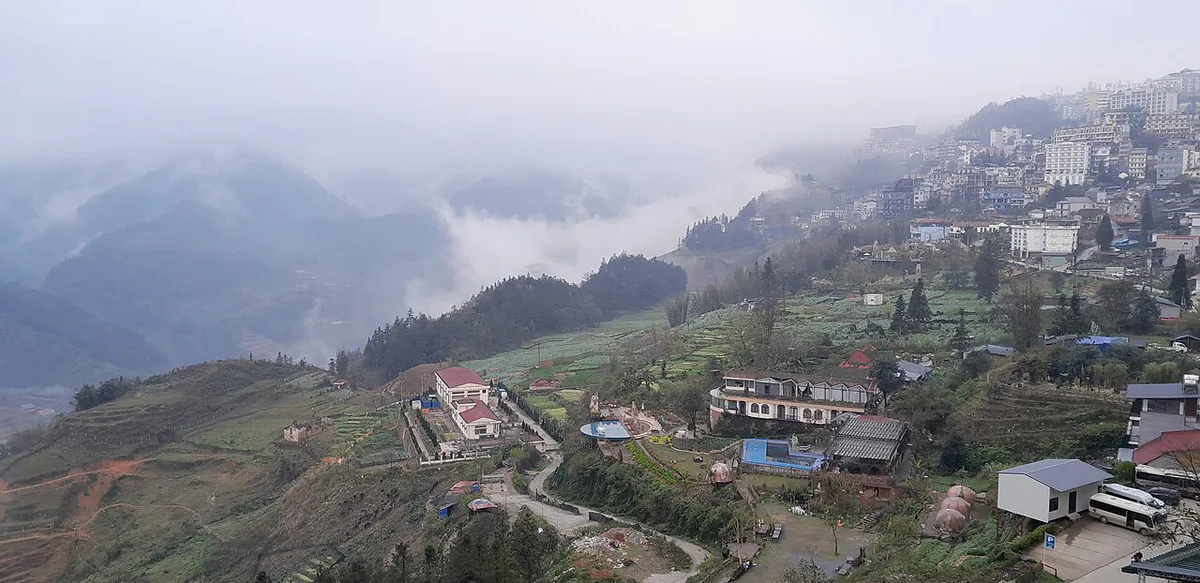
Sapa sits in the Hoang Lien Son Mountains, so the weather can swing within a day. Treat the temperatures below as rough planning ranges, not forecasts. Spring brings the steadiest conditions, with highs around 18°C (64°F) and better odds of seeing Fansipan. Summer is cooler than Hanoi, with daytime highs near 24°C (75°F), but July and August are the rainiest months. Autumn is cool and mostly dry, and it photographs best. Winter is the harshest. Nights can drop to around 2°C (36°F), and thick mist can hide the valley for days. Snow is rare, and it is only plausible in late December or January. Check cable car operating status before a summit day, because extreme weather affects operations. Trekkers should read our Sapa Trekking Guide: Routes, Homestays & Practical Tips for trail conditions in spring and autumn.
- March to May: stable weather, clearer views, plum and cherry blossom early in the season.
- June to August: domestic holiday rush, heavy rain, mud, landslide risk.
- September to November: cool, dry, strongest light for photos.
- December to February: bitter cold, heavy mist, cloud-hunting from viewpoints.
Season Comparison: Views, Trekking, Crowds and Price
Use this table as a decision matrix. Prices are illustrative planning figures in Vietnamese dong, not quoted rates, so confirm current rates with your accommodation. As a rough example, a mid-range room might sit near ₫600,000 a night in a quiet March week and ₫1,200,000 or more around September 2.
| Season | Visuals | Trekking quality | Crowd level | Illustrative room price |
|---|---|---|---|---|
| Spring (Mar–May) | Blossom, then flooded paddies | Very good | Moderate | ~₫600,000 |
| Summer (Jun–Aug) | Mirror to lush green | Muddy, rain risk | High (domestic) | ~₫800,000 |
| Autumn (Sep–Nov) | Golden rice, clear light | Excellent | High around Sep 2 | ₫1,200,000+ at peak |
| Winter (Dec–Feb) | Mist, cloud-hunting | Cold, low visibility | Low, except Tet | ~₫500,000 |
Planning Your Trip: Crowds, Costs and Getting There
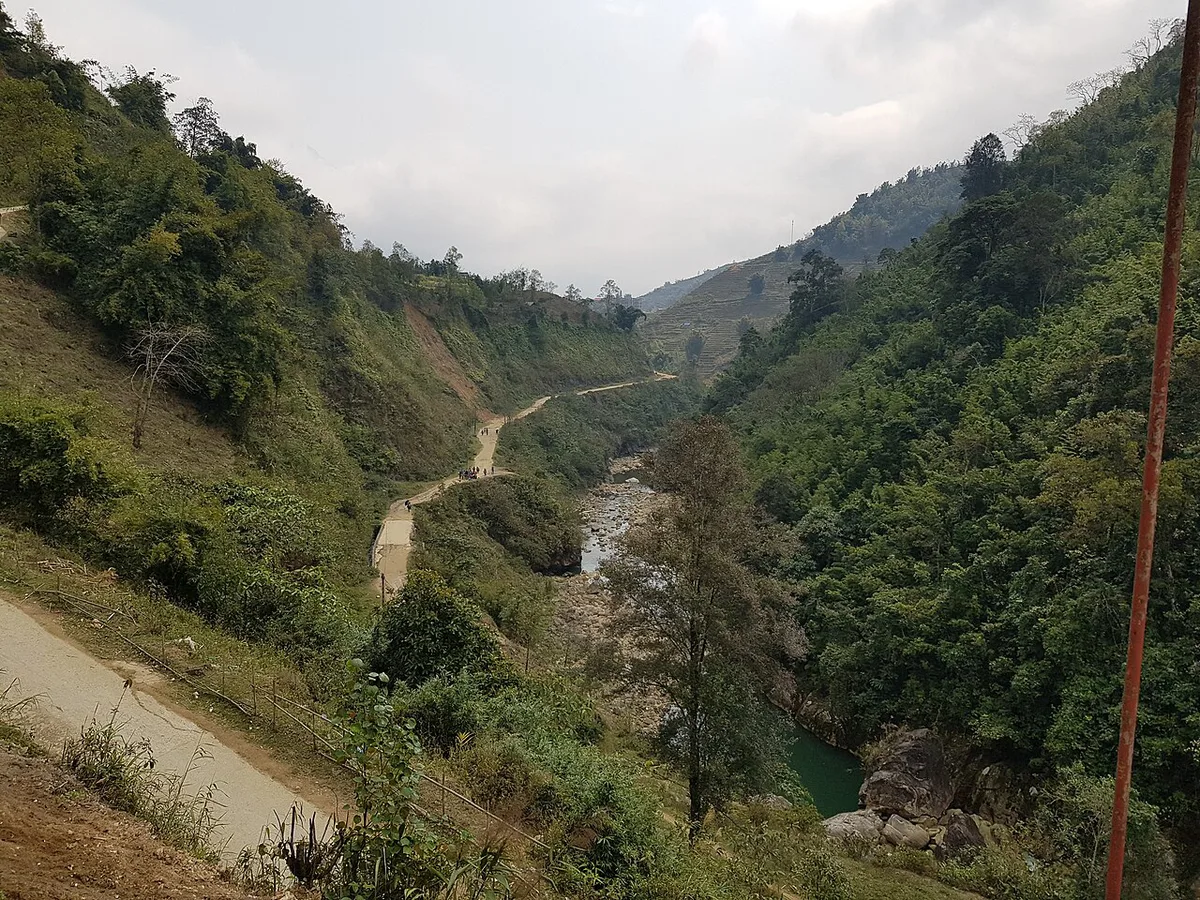
Prices jump around National Day on September 2 and the Lunar New Year holiday. Book early if your dates touch either. From June to August, domestic visitors escaping Hanoi's heat fill the town. Choosing a quieter base helps, so compare options in our 4 Best Areas for Where to Stay in Sapa (2026 Guide) guide. Rain also affects access. Landslides can slow road transfers, so read our Hanoi to Sapa transport guide for options. The overnight option is covered in Hanoi to Sapa by Train: Complete 2026 Sleeper Guide. For markets, Bac Ha's Sunday market is the one to build a weekend around. Check the Vietnam National Administration of Tourism for official festival dates. Give yourself enough days to wait out mist, and see How Many Days in Sapa? 1, 2 or 3 Nights Compared you need. A first plan is mapped in our 3-day Sapa itinerary.
Compare the ₫600,000 a night in a quiet March week against the June to August stretch when domestic visitors fill the town.
Sapa vs Ha Giang: Which Timing Matters More?
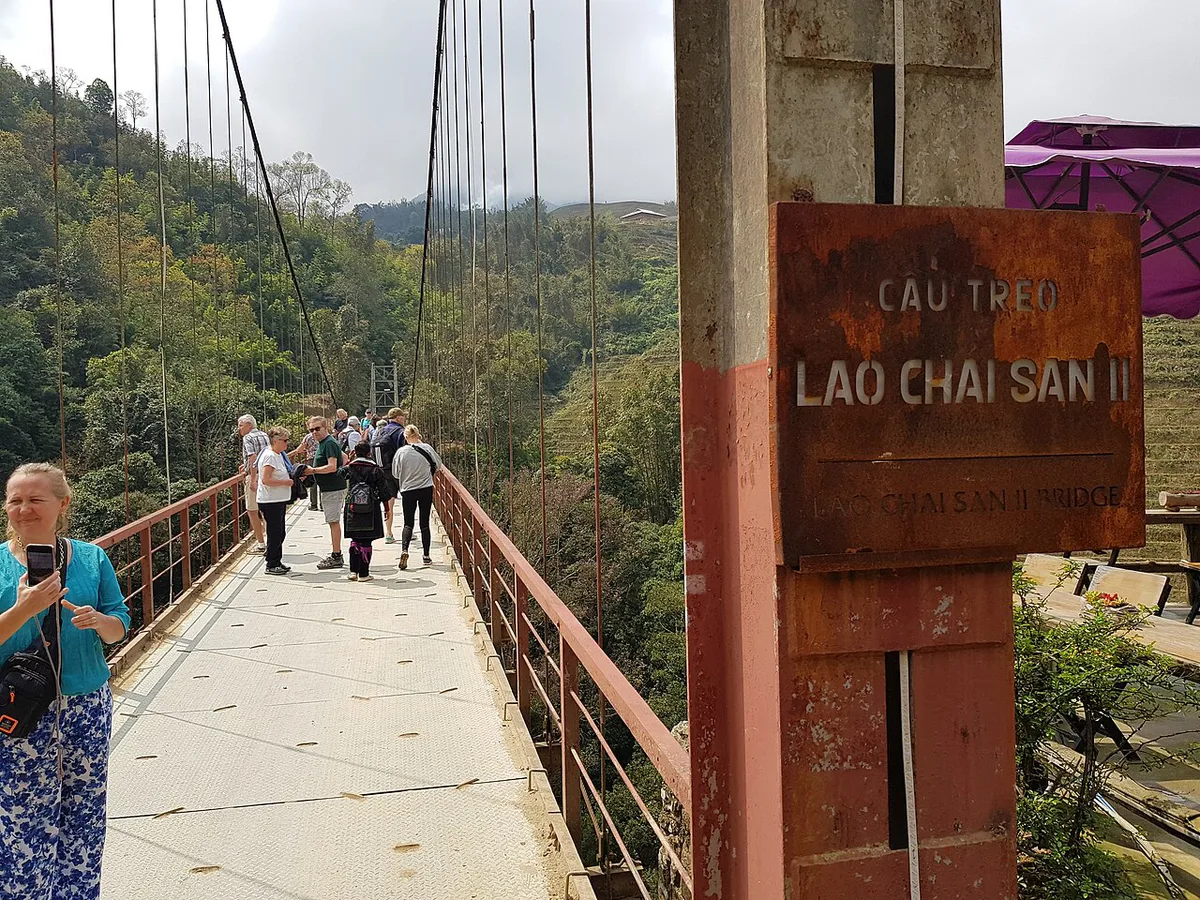
Sapa timing revolves around the terraces. Ha Giang timing revolves around road and karst conditions on the loop. If rice colour drives your trip, Sapa's September window is hard to beat. If you want rugged riding, weather and road safety decide the date. Our Sapa vs Ha Giang comparison helps you choose, and Sapa to Ha Giang: Bus, Buffer and Route Guide 2026 covers combining both. For a wider route, use the 7-Day Northern Vietnam Itinerary: Complete Guide.
Common Timing Mistakes and a Microclimate Packing List
Booking a July trek without checking the rain forecast is the classic error. Mud turns steep village paths slippery. Another mistake is expecting golden rice in November, because harvest is usually finished by then. Town and valley also differ. Sapa town is cooler than the trails around Ta Van and Lao Chai, so layers matter even in summer. Pack for four seasons in one day.
Nights can drop to around 2°C (36°F) in winter, so cold-weather layers matter as much as rain gear on a mist-heavy trip.
- Waterproof shell and light fleece
- Trekking shoes with grip for mud
- Warm hat and gloves for December to February
- Quick-dry shirts for valley hiking
- Rain cover for your camera and day pack
For trip-planning details, see Sa Pa climate on Wikipedia.
Frequently Asked Questions
What is the rainy season in Sapa, Vietnam?
Rain is heaviest in July and August, with showers building from the watering season in May and June. Expect mud on trails and some landslide risk on roads.
Is Sapa in Vietnam worth visiting?
Yes, if you time it to the terraces and accept mist risk. Late September gives golden rice, and spring gives steadier trekking weather.
How many days in Sapa is enough?
Three days covers a valley trek and one buffer day for mist. Our How Many Days in Sapa? 1, 2 or 3 Nights Compared guide breaks it down further.
Take the route offline
Free: the Sapa route notes
Where to base yourself and what it costs, a day-by-day route that avoids backtracking, real transfer times and fares, seasonal timing, and where it connects onward — condensed from our Sapa guides and made to take offline.
Keep unfolding Vietnam
Continue along the route
Three nearby guides for the next decision in your trip.


