

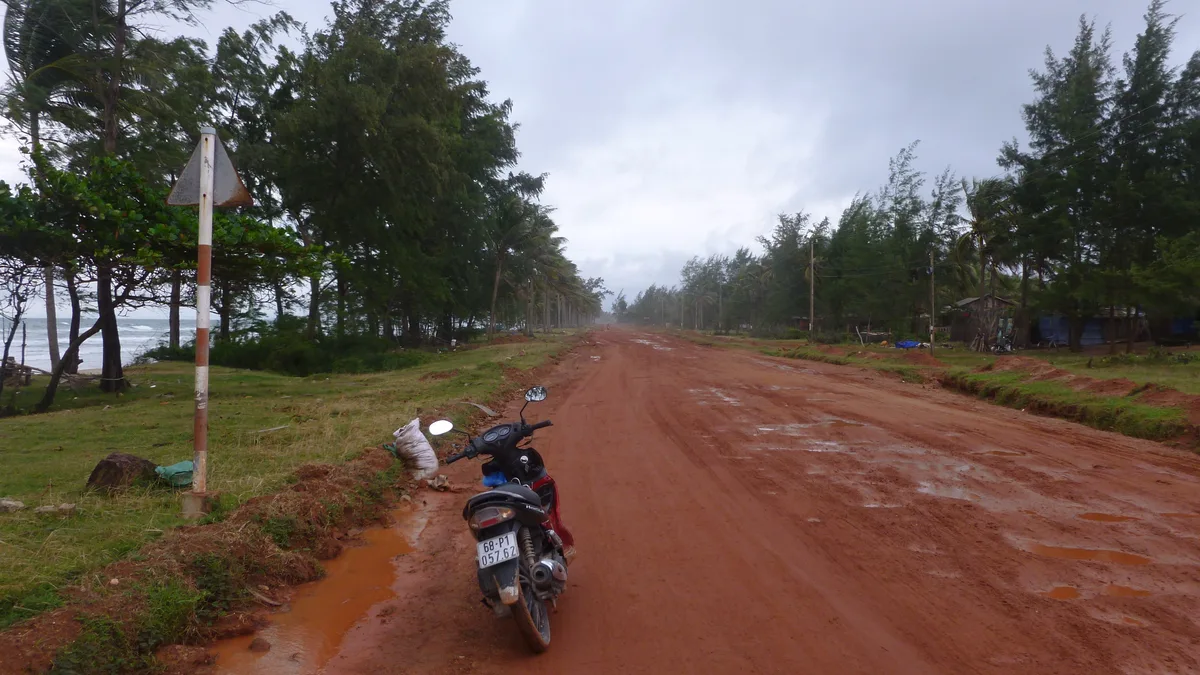
Photo: Mike Hauser via Flickr (CC BY 2.0)
Central Vietnam in Rainy Season: Travel Guide 2026
Plan Central Vietnam in rainy season: find indoor attractions in Hue and Hoi An, budget tips, packing essentials, and realistic weather guidance.
On this page
Central Vietnam's rainy season runs August through December. The region transforms into vivid shades of green. Most travelers avoid monsoon months, but planning changes everything. Rainy season offers lower prices, smaller crowds, and authentic beauty.
Rain here persists differently than elsewhere in Vietnam. Southern showers last 30-60 minutes; Central rains persist for days. September through November bring tropical storms and occasional typhoons. Yet these challenges unlock experiences absent during peak season. Last updated July 2026.
This guide helps you navigate Central Vietnam during monsoon months. You'll learn when rain hits, what to pack, and what to do. Hue, Hoi An, and Da Nang remain open and worthwhile. Rain transforms them rather than closes them.
Key Takeaways
- Central Vietnam's rainy season runs August through December.
- The region transforms into vivid shades of green.
- Most travelers avoid monsoon months, but planning changes everything.
- Rainy season offers lower prices, smaller crowds, and authentic beauty.
Take the route offline
Free: the Central Vietnam route notes
Where to base yourself and what it costs, a day-by-day route that avoids backtracking, real transfer times and fares, seasonal timing, and where it connects onward — condensed from our Central Vietnam guides and made to take offline.
Central Vietnam Rainy Season: Timing & Weather Patterns
Central Vietnam's rainy season begins August and peaks September-November. This timing differs from northern Vietnam's May-October cycle. Peak rainfall occurs when southwest monsoon winds arrive. Rainfall intensity can persist for six to eight hours.
Central Vietnam's rainy season differs from other regions—rains persist for days rather than 30-60 minute showers. September through November bring tropical storms and occasional typhoons. Check forecasts 5-7 days before departure to plan accordingly.
Rain patterns favor days-long downpours over quick showers. Humidity levels reach 75-85% during these months. Temperatures typically range 20-28°C / 68-82°F depending on elevation. Coastal areas stay warmer; highland regions cool noticeably.
Tropical storms and typhoons pose the most serious weather risk. These systems typically track across Central Vietnam October-November. Check typhoon forecasts 5-7 days before departure. Late September through early November requires careful weather monitoring.
Despite persistent rain, the landscape becomes vivid and alive. Gardens, rice paddies, and coffee plantations turn brilliant green. Waterfalls swell with dramatic flows and misty conditions. Atmospheric conditions enhance photography and contemplative travel.
| Region | Rainy Season | Rain Pattern | Temperature | Weather Risk |
|---|---|---|---|---|
| Northern Vietnam | May to October | Heavy summer showers | 20-25°C / 68-77°F | Flash flooding |
| Central Vietnam | August to December | Persistent days-long rain | 20-28°C / 68-82°F | Typhoons, storms |
| Southern Vietnam | May to November | Quick afternoon showers | 24-30°C / 75-86°F | Flash flooding |

Regional Weather Patterns: North, Central & South Vietnam
Vietnam's tropical monsoon climate creates three distinct rainy seasons. Northern Vietnam's May-October cycle brings heavy summer showers. Central Vietnam receives rain August through December from different winds. Southern Vietnam's May-November season brings brief afternoon downpours. Regional timing matters significantly for trip planning.
Central Vietnam's later rainy season overlaps typhoon season. This overlap distinguishes it from safer northern or southern alternatives. Northern trekking destinations worsen through June-August weather. Central beaches and historic cities stay accessible September-early October. The south remains dry December onward—opposite of Central Vietnam.
Weather timing reveals trade-offs between regions. Visit Northern Vietnam June-August for lush landscapes. Expect daily rain and muddy trails in exchange. Choose Central Vietnam September-October for lower prices and fewer crowds. Accept multi-day rain windows as the cost of savings.
Experienced travelers time region visits strategically. Head to Mekong Delta November-February to avoid rain entirely. Visit Central Vietnam during shoulder months only if rain tolerance is high. Plan backup activities regardless of intended region.
Indoor Attractions & Cultural Experiences for Rainy Days
Rainy days unlock Central Vietnam's best cultural institutions. Crowds disappear from museums and historic sites. Hue's ancient citadel, royal tombs, and collections deserve slow exploration. Rain eliminates time pressure and tour-group chaos. Local guides offer extended tours at reduced rates.
Hue's contemplative atmosphere deepens under light rain. The citadel's stone walls feel more imposing. Royal gardens appear more melancholic and reflective. Museums reveal royal history and regional heritage unhurried. Guided museum tours cost 200,000-300,000 VND (€8-12) in rainy season.
Hoi An's lantern-lit old town transforms in rain. Water reflects glowing lanterns onto wet stone streets. Museums here showcase Vietnamese maritime trade and pottery history. The town naturally quiets during afternoon rain. You gain genuine interaction with shopkeepers and artisans.
Da Nang's Museum of Cham Sculpture houses rare Southeast Asian art. Hindu-Buddhist statuary from the Cham Kingdom fills the climate-controlled space. Rain weather makes this museum especially appealing. Evening art workshops and cooking classes cater to rainy-day travelers. Small-group atmosphere improves during quieter rainy months.
Accommodations in Hue often include cultural activity partnerships. Cooking classes, silk-painting workshops, and traditional music performances run daily. Rainy season enrollment drops, ensuring personalized attention. Bundle accommodation plus cultural activities for better overall pricing.
Outdoor Activities That Shine in Wet Conditions
Rain doesn't stop outdoor exploration—it transforms it. Central Highlands near Dalat cool considerably during rainy months. This creates ideal conditions for hiking and coffee-plantation tours. Coffee farms reach peak lushness September-October. Saturated green colors rival any dry-season visit.
Waterfalls reach their most spectacular during rainy season. Water flows strengthen and mist becomes dramatic. Phong Nha-Ke Bang National Park swells with water and energy. Cave formations and river treks become more exciting. Half-day adventure packages cost 300,000-400,000 VND (€12-16), down from peak-season 500,000 VND (€20).
Coastal areas experience windows of sunshine between rain systems. Beach visits remain possible, especially mornings or late afternoons. Single-day beach trips work better than extended coastal stays. Risk concentrates in multi-day rain patterns during October-November. Pack flexible beach scheduling alongside indoor backup activities.
Rainy season actually enhances landscape photography. Saturated colors, dramatic clouds, and mist create striking images. Green terraces and forested mountains photograph beautifully in wet light. Rice paddies reflect sky and create mirror-like compositions. Pack waterproof camera protection and a sturdy tripod.
What to Pack for Central Vietnam Rainy Season
Packing smart transforms rainy season from obstacle to advantage. Your gear choices determine whether rain becomes adventure or frustration. Central Vietnam's humidity and tropical rains demand quick-dry materials. Avoid cotton clothing that retains moisture and breeds mold.
Choose moisture-wicking synthetic shirts and avoid cotton, which retains moisture in humid conditions. Pack a windproof umbrella and waterproof jacket for persistent rain. Waterproof hiking shoes and quick-dry sandals keep feet functional in wet terrain.
- Rain Protection
- Compact waterproof jacket
- Windproof umbrella (standard umbrellas fail)
- Lightweight rain poncho for extended activities
- Quick-Dry Clothing
- Moisture-wicking synthetic shirts
- Quick-dry shorts and lightweight pants
- Merino wool base layers for highlands
- Footwear
- Waterproof hiking or trail shoes
- Quick-dry sandals or water shoes
- Health & Comfort
- Insect repellent with DEET
- Antibiotic ointment for cuts
- Sunscreen for sunny windows
- Gear Protection
- Waterproof phone case
- Camera rain cover
- Waterproof dry bag
- Medications & Extras
- Anti-diarrhea medication
- Antihistamine for humidity allergies
- Quick-dry travel towel
Budget & Crowds: Cost Advantages of Rainy Season Travel
Central Vietnam's rainy season offers dramatic financial savings. Prices drop 30-50% compared to peak December-February. Hue hotels fall from 600,000-800,000 VND (€24-32) nightly to 300,000-400,000 VND (€12-16). Da Nang and Hoi An follow similar downward pricing patterns. These cuts apply to all travel categories—transport, dining, tours.
Smaller crowds reshape the entire travel experience. Hue's citadel, normally crowded with tour groups, feels intimate. Hoi An's lantern streets actually breathe during afternoon rain. Museums operate with minimal queuing. Restaurants offer quieter seating and attentive service.
Family travel becomes more affordable and manageable. Kids enjoy shorter lines and fewer overwhelming crowds. Guides offer more flexibility for breaks and pacing. Family homestays and small resorts offer 40-50% discounts. Cooking classes, workshops, and experiences cost significantly less.
For budget-conscious travelers, rainy season is ideal. A couple spending €100/day in peak season pays €50-70. A 10-day trip saves €300-500+ compared to peak months. Travel insurance provides protection against unexpected storms. Savings justify the weather trade-off for many travelers.
Planning a Smooth Central Vietnam Rainy Season Trip
Successful rainy-season travel hinges on flexible planning. Book flights 4-6 weeks ahead for good rates. Choose tickets with flexible cancellation, not locked-in dates. Accommodations should offer free cancellation options. Travel insurance covering weather-related cancellations is essential.
Build flexibility into your itinerary by design. Add 1-2 extra days to absorb potential rain delays. Prioritize time-sensitive activities—cooking classes, guides, festivals—early. Save flexible activities—museums, shopping, cafes—for rainy periods. This strategy maximizes value despite weather uncertainty.
Transportation logistics shift during rainy season months. Buses operate normally but delay 2-4 hours during heavy rain. Flights rarely cancel for rain but typhoons can ground aircraft. Book transport with free cancellation and monitor forecasts daily. Plan travel days during optimal weather windows when possible.
Health precautions matter more during humid, wet conditions. Mosquito-borne illness risk increases significantly. Use insect repellent during dawn and dusk periods. Stick to bottled water if your stomach is sensitive. Pack common travel medications—English-speaking pharmacists are rarer.
Daily weather checking becomes routine, not optional. Monitor typhoon forecasts October through November particularly closely. Set phone alerts for weather advisories and warnings. Have backup plans ready if dangerous weather develops. Flexibility and preparation prevent rainy-season travel disasters.
Flood and Typhoon Safety in Hue, Hoi An, and Da Nang
Flooding is the main practical risk during prolonged rain, especially in low-lying Hoi An beside the Thu Bon River. Bach Dang and Nguyen Thai Hoc streets can become impassable, and boats may replace walking routes in parts of the Ancient Town. Choose accommodation on higher ground or an upper floor, keep valuables above floor level, and ask the property about its flood procedure before arrival.
Road travel also needs caution. Heavy rain can trigger landslides on mountain sections such as Hai Van Pass and routes west of Hue toward A Luoi. During severe weather, use the Hai Van Tunnel route and avoid self-driving scooters through flooded streets or across moving water. Trains and buses may continue operating but can face long delays when tracks or roads are inspected.
Follow warnings from Vietnam’s National Center for Hydro-Meteorological Forecasting and instructions from hotels or local authorities. If a tropical storm is forecast, postpone trips to Son Tra Peninsula, Cham Islands, Bach Ma National Park, and exposed beaches. Keep passports, medication, a power bank, and dry clothing together in a waterproof bag in case plans change quickly.
Official Planning Checks Before You Go
Use the official Vietnam Tourism weather guide for destination context and the Vietnam Tourism destination directory for a second official baseline. Recheck any opening hour, fare, timetable, closure, access rule, weather risk, or booking condition with the responsible operator shortly before travel; an official destination overview is not a live inventory or service guarantee.
Frequently Asked Questions
Is September a good time to visit Central Vietnam?
September marks early rainy season with moderate rainfall and minimal crowds. Hotels run 300,000-400,000 VND (€12-16) per night—significantly cheaper than peak season. Typhoon risk emerges only late September, giving early-month travelers relative safety. September suits travelers comfortable with rain who prioritize savings and authentic experiences over guaranteed sunshine.
What attractions close during Central Vietnam rainy season?
Most attractions stay open year-round, but some close seasonally. Small island ferries near Nha Trang suspend service during typhoon warnings. Certain hillside hiking operators pause during peak rain weeks. Coastal resort sections close for maintenance in September-October. Always confirm activity availability 5-7 days before travel to avoid disappointment.
Can you visit Hoi An and Hue during rainy season?
Yes—both cities remain open and wonderful. Hoi An during rainy months feels peaceful and romantic; lanterns reflect beautifully on wet pavement. Fewer tourists mean real local interaction. Hue's imperial sites gain contemplative atmosphere. Rain typically comes in afternoon bursts, leaving mornings dry. October sees heaviest rain but lowest accommodation prices.
How much money do you save visiting in rainy season?
Typical savings run 30-50% on hotels (€12-16 vs €24-32 nightly), 25-35% on tours, and 15-20% on dining. A couple spending €100/day in peak season might spend €50-70 during September-October. A 10-day trip saves €300-500+ compared to December-February. Maximum savings appear in October-November, when typhoon risk also peaks.
Which rainy-season month is safest for Central Vietnam travel?
September and early October offer the best safety-comfort balance. Rain frequency increases, but typhoon risk stays minimal. By late October, tropical storms arrive regularly, raising unpredictability. August marks rainy season's start with milder showers. If rain matters more than prices, skip August-November entirely and visit December-March instead.
Central Vietnam's rainy season need not derail your travel plans. It simply requires adaptation, flexibility, and realistic expectations. Lower prices, smaller crowds, and authentic cultural experiences await prepared travelers. Hue, Hoi An, and the Central Highlands offer remarkable value September-November.
Check weather forecasts daily, especially October onward. Book accommodations and transport with free cancellation. Plan museums, cafes, and indoor activities alongside outdoor adventures. Rainy season is not the best time to visit for everyone. For budget travelers and solitude seekers, it's ideal.
Take the route offline
Free: the Central Vietnam route notes
Where to base yourself and what it costs, a day-by-day route that avoids backtracking, real transfer times and fares, seasonal timing, and where it connects onward — condensed from our Central Vietnam guides and made to take offline.
Keep unfolding Vietnam
Continue along the route
Three nearby guides for the next decision in your trip.


