
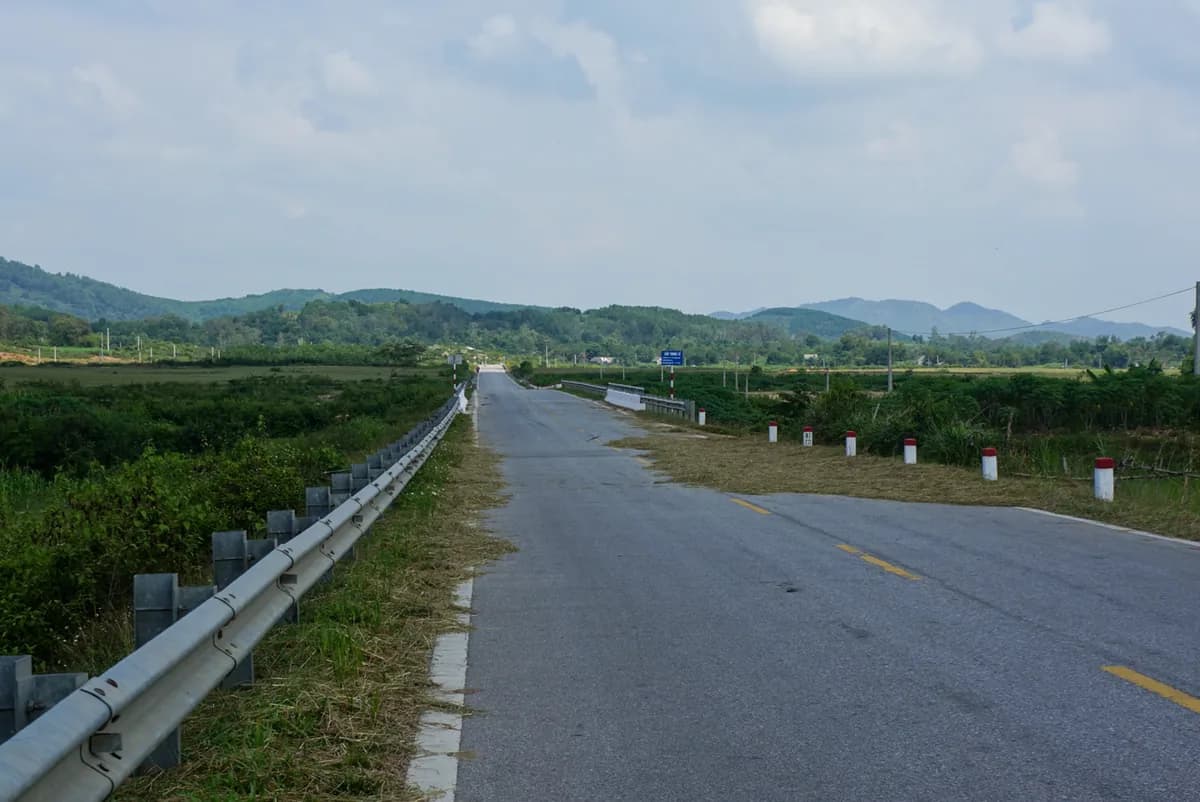
Photo: teflsearch via Flickr (CC BY 2.0)
North to South Vietnam Route: 14-Day Itinerary
Follow a realistic 14-day north to south Vietnam route from Hanoi to the Mekong Delta, with costs, timing, and booking tips. Start planning today.
On this page
A north to south Vietnam route turns one long, narrow country into a single clear trip. This 14-day plan is built for first-timers visiting Hanoi, Hue, Hoi An, and Ho Chi Minh City. Last updated July 2026, with current cruise, train, and museum prices checked against operator listings. Repeat visitors can also use it to fill gaps left over from a shorter first trip.
We recommend traveling north to south so the pace slows as the trip goes on. Hanoi's cooler air suits early sightseeing, while the south rewards a slower final week. That order also lines up with cheaper one-way flights out of Ho Chi Minh City. Central Vietnam sits in the middle, breaking the transit into shorter, manageable legs.
Trains, sleeper buses, short flights, and cruise transfers link every stop on this route. Each day below lists real cost ranges, opening-hour patterns, and typical journey times. Fast-changing details like train schedules deserve a check on official sites before booking. Neighborhood groupings keep backtracking low, especially through Hanoi's Old Quarter and Hoi An's Ancient Town.
Key Takeaways
- A north to south Vietnam route turns one long, narrow country into a single clear trip.
- This 14-day plan is built for first-timers visiting Hanoi, Hue, Hoi An, and Ho Chi Minh City.
- Repeat visitors can also use it to fill gaps left over from a shorter first trip.
- We recommend traveling north to south so the pace slows as the trip goes on.
Take the route offline
Free: the Vietnam route starter
A two-week south-to-north route with real nightly rates by city, what to book first and how far ahead, region-by-region timing, and the transport costs between each leg — drawn from our published guides.
North to South Vietnam Route: 14 Days at a Glance
This route moves through four clear stages, each with its own rhythm and pace. The north brings cool weather, ancient quarters, and limestone-studded bays around Halong. Central Vietnam adds imperial history in Hue and lantern-lit river towns in Hoi An. The south closes the loop with fast city energy and green Mekong Delta canals.
October through April suits this north to south route best. Northern regions stay dry and cool for sightseeing, while southern areas avoid peak monsoon rain. Shoulder months like March often bring lower cruise and hotel prices.
Flights, trains, and private transfers connect each stage, so the pace stays flexible throughout. Swap a flight for an overnight train when the schedule allows a spare evening. The list below groups each day by morning, afternoon, and evening blocks for planning. That structure mirrors how most first-timers actually move through the country in practice.
Every day below carries a rough cost range and a typical opening-hour pattern. First-timers can follow it exactly, while repeat visitors can skip a stage for more depth. Full logistics, pricing, and booking windows follow in the sections after this list. Weather shifts by region, so treat each day's plan as a flexible starting point.
- Day 1: Hanoi arrival, Old Quarter energy
- Morning: Land at Noi Bai airport
- Afternoon: Explore the Old Quarter streets
- Evening: Street food near Hoan Kiem Lake
- Day 2: Hanoi history and French Quarter walks
- Morning: Temple of Literature visit
- Afternoon: French Quarter and Opera House walk
- Evening: Train Street and water puppets
- Day 3: Halong Bay cruise begins
- Morning: Transfer from Hanoi to Halong port
- Afternoon: Board cruise, Bai Tu Long lunch
- Evening: Sunset deck and squid fishing
- Day 4: Caves, kayaks, limestone islands
- Morning: Sung Sot Cave exploration
- Afternoon: Kayak near Ti Top Island
- Evening: Cooking class, overnight aboard
- Day 5: Halong to Ninh Binh transfer
- Morning: Disembark cruise near midday
- Afternoon: Transfer to Ninh Binh
- Evening: Riverside dinner near Tam Coc
- Day 6: Ninh Binh rice-field boat rides
- Morning: Tam Coc rowboat ride
- Afternoon: Climb Hang Mua viewpoint
- Evening: Bich Dong Pagoda visit
- Day 7: Overnight train south to Hue
- Morning: Free time before departure
- Afternoon: Board overnight sleeper train
- Evening: Overnight journey toward Hue
- Day 8: Hue's imperial citadel and tombs
- Morning: Hue Imperial Citadel tour
- Afternoon: Royal tomb visit
- Evening: Perfume River dinner cruise
- Day 9: Hai Van Pass into Hoi An
- Morning: Depart Hue for the coast
- Afternoon: Hai Van Pass stop
- Evening: Arrive in lantern-lit Hoi An
- Day 10: Hoi An lanterns and tailors
- Morning: Ancient Town heritage sites
- Afternoon: Tailor fitting and old bridge
- Evening: Lantern release and night market
- Day 11: Flight south to Ho Chi Minh City
- Morning: Transfer to Da Nang airport
- Afternoon: Flight to Ho Chi Minh City
- Evening: Check in, rooftop dinner
- Day 12: Saigon history and markets
- Morning: War Remnants Museum visit
- Afternoon: Reunification Palace and cathedral
- Evening: Ben Thanh Market and rooftop bar
- Day 13: Cu Chi Tunnels day trip
- Morning: Depart early for Cu Chi
- Afternoon: Tunnel crawl experience
- Evening: Return to Saigon, Bui Vien
- Day 14: Mekong Delta farewell and floating markets
- Morning: Mekong floating market visit
- Afternoon: Fruit orchard and canal ride
- Evening: Farewell dinner in Saigon

Your Day-by-Day North to South Vietnam Itinerary
Four clear legs make up this 14-day plan: Hanoi, the north, central Vietnam, and the deep south. We recommend this order because northern mornings suit walking tours better than southern heat. Save energy for the south, where afternoon heat and crowds both build later in the day. This plan pairs well with a broader 2-week Vietnam itinerary for comparison.
Group days by neighborhood to cut backtracking, especially inside Hanoi and Hoi An. The Old Quarter, French Quarter, and lakeside walks in Hanoi sit close enough to cover on foot. In Hoi An, the Ancient Town, tailor row, and riverside night market all sit within a short walk. That layout keeps Day 2 and Day 10 efficient rather than rushed between stops.
Swap days when weather or energy runs low, since this route builds in slack. A rainy morning in Ninh Binh can shift Hang Mua to the afternoon without losing the day. Families traveling with young kids may want to shorten Day 12's museum visit. Every stop below lists a rough cost, a typical opening pattern, and a realistic transfer time.
- Day 1: Arrive in Hanoi's Old Quarter
- Morning: Land at Noi Bai, ride into town
- Afternoon: Walk Hoan Kiem Lake and Old Quarter
- Evening: Bun cha, then a bia hoi corner
- Time: Half day, airport transfer first
- Logistics: Airport bus ~$2, taxis run 24 hours
- Optional: Rainy day, Vietnam Museum of Ethnology
- Day 2: Hanoi's French Quarter and Train Street
- Morning: Temple of Literature, opens 8am, ~$2
- Afternoon: French Quarter walk, Hanoi Opera House
- Evening: Vendors clear Train Street fast, arrive early
- Time: Full day, about 6 hours out
- Logistics: Train Street cafes charge ~$2 to $3
- Optional: Skip puppets, try a bun cha dinner
- Day 3: Transfer to Halong Bay, board cruise
- Morning: Pickup in Hanoi, transfer starts early
- Afternoon: Board cruise, Bai Tu Long lunch
- Evening: Sunset deck, squid fishing demonstration
- Time: Transfer runs 3.5 to 4 hours
- Logistics: Cruises run roughly $100 to $180 nightly
- Optional: Book the cruise directly with the operator
- Day 4: Caves, kayaking, and island scenery
- Morning: Sung Sot Cave, quieter before 9am
- Afternoon: Kayak or bamboo boat near Ti Top
- Evening: Cooking demo, overnight on the boat
- Time: Full day, cruise-set schedule
- Logistics: Confirm cabin category before final payment
- Optional: Three-day cruise adds Lan Ha Bay
- Day 5: Halong Bay to Ninh Binh transfer
- Morning: Onboard brunch, disembark near midday
- Afternoon: Local transfer runs 3-4 hours
- Evening: Check in, riverside dinner near Tam Coc
- Time: Half travel day, half arrival
- Logistics: Private minivan transfer costs ~$25 to $40
- Optional: Ask guides about direct shared transfers
- Day 6: Ninh Binh's rice fields and caves
- Morning: Tam Coc rowboat, ~$8 to $10
- Afternoon: Climb Hang Mua, ~$2 entry fee
- Evening: Quiet stop at Bich Dong Pagoda
- Time: Full day, sites 6km apart
- Logistics: Rent a bicycle for ~$3 to $5
- Optional: Climb Hang Mua early, stairs crowd fast
- Day 7: Overnight sleeper train toward Hue
- Morning: Free time, short bike ride nearby
- Afternoon: Board the sleeper train south
- Evening: Overnight ride, roughly 11.5 hours total
- Time: Overnight, arriving early next morning
- Logistics: Soft-sleeper berths cost ~$25 to $35
- Optional: Fly Hanoi to Hue instead, ~1 hour
- Day 8: Hue's imperial citadel and tombs
- Morning: Citadel quiet before 9am tour buses
- Afternoon: Visit Tu Duc or Khai Dinh tomb
- Evening: Perfume River cruise, dragon-boat dinner
- Time: Full day, about 5 to 6 hours
- Logistics: Citadel entry ~$8, private car ~$25-$35
- Optional: Rainy day, browse Dong Ba Market
- Day 9: Hai Van Pass into Hoi An
- Morning: Depart Hue toward the coast
- Afternoon: Hai Van Pass photo stop
- Evening: Arrive Hoi An's lantern-lit Ancient Town
- Time: Journey takes about 2.5 to 3 hours
- Logistics: Private car ~$45 to $60, train cheaper
- Optional: Motorbike the pass if weather allows
- Day 10: Hoi An's Ancient Town and tailors
- Morning: Ancient Town ticket covers five sites
- Afternoon: Tailor fitting near Japanese Covered Bridge
- Evening: Lantern release on the river
- Time: Full day, roughly 4 to 5 hours
- Logistics: Old Town ticket costs about $5
- Optional: Visit before 8am, before tour groups arrive
- Day 11: Fly south to Ho Chi Minh City
- Morning: Transfer to Da Nang airport
- Afternoon: Short flight, about 1 hour 20
- Evening: Check into District 1, rooftop dinner
- Time: Half travel day, half free evening
- Logistics: Flights cost roughly $30 to $50
- Optional: Overnight train instead, about 17 hours
- Day 12: Saigon's war history and markets
- Morning: War Remnants Museum opens 7:30am
- Afternoon: Reunification Palace, then Notre-Dame Cathedral
- Evening: Ben Thanh bargains improve after 5pm
- Time: Full day, about 6 hours
- Logistics: Museum entry about $1, Grab app easiest
- Optional: Skip museum if traveling with young kids
- Day 13: Cu Chi Tunnels day trip
- Morning: Early departure, about 1.5 to 2 hours
- Afternoon: Tunnel crawl, optional shooting range
- Evening: Return to Saigon, Bui Vien stroll
- Time: Full day, round trip 5-6 hours
- Logistics: Group tours run ~$15 to $25
- Optional: Swap tunnels for a Mekong day trip
- Day 14: Mekong Delta floating markets and farewell
- Morning: Floating market visit, best before 7am
- Afternoon: Fruit orchard and canal boat ride
- Evening: Return to Saigon for farewell dinner
- Time: Full day, 2-3 hours each way
- Logistics: Day tours cost roughly $25 to $40
- Optional: Stay overnight near Mekong Rustic Homestay
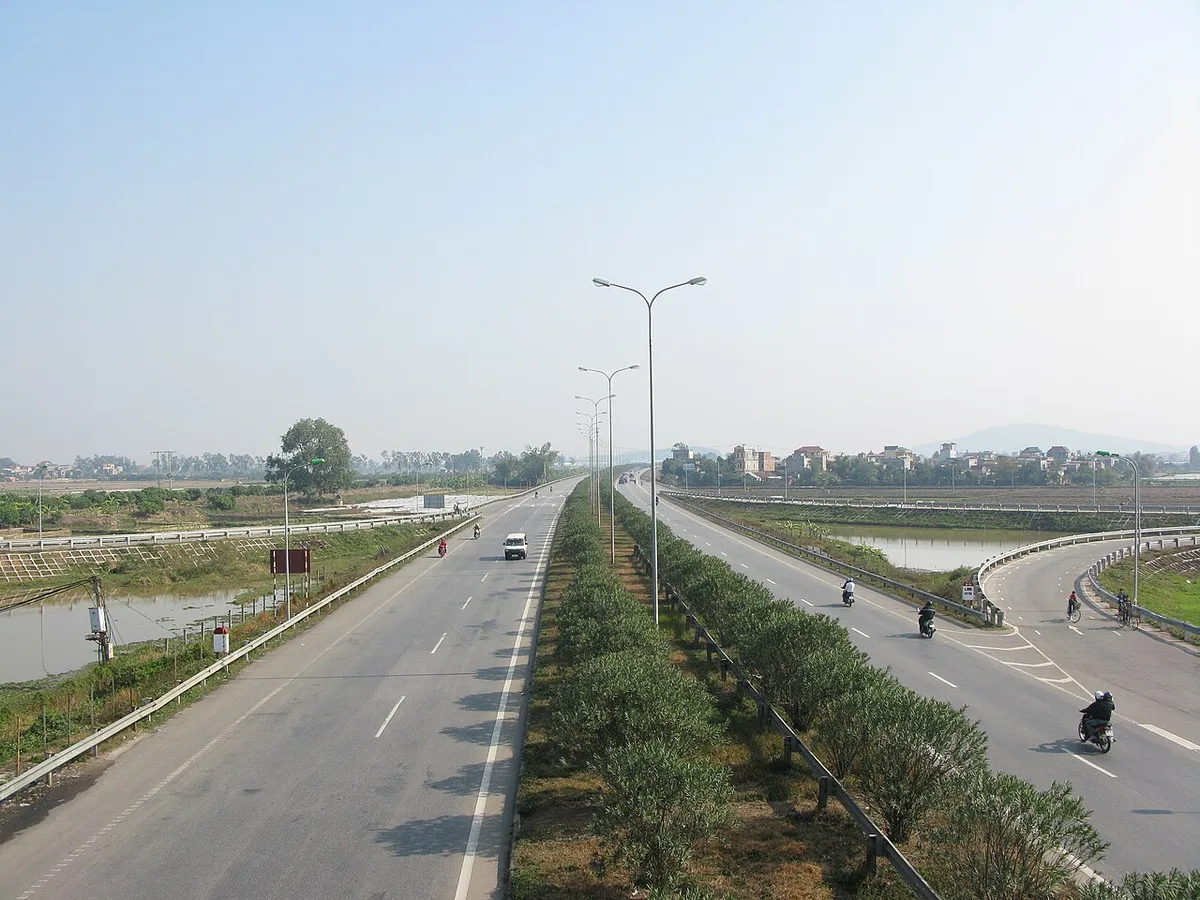
Getting Around: Trains, Buses, and Flights Explained
A north to south Vietnam route runs on four transport options: flights, trains, sleeper buses, and cars. Flights save time between Hanoi, Da Nang, and Ho Chi Minh City for about $30 to $80. Trains cost less and show more scenery, but longer legs run 10 hours or more. Choose flights when a travel day would otherwise eat into sightseeing time.
Sleeper buses fill the gaps flights and trains skip, like Ninh Binh to Phong Nha routes. They cost roughly $10 to $20 per leg and run through the night to save daylight. Light sleepers may prefer a soft-sleeper train berth instead, for a steadier ride. Book sleeper buses and trains a few days ahead during Tet or summer holidays.
| Transport | Cost Range | Duration | Best For |
|---|---|---|---|
| Domestic flights | $30–$80 | 1–2 hours | Saving time between major cities |
| Trains (sleeper) | $25–$35 per berth | 10+ hours | Scenery and budget travel |
| Sleeper buses | $10–$20 per leg | Overnight | Filling route gaps, saving daylight |
| Private transfers | $25–$60 | 2.5–4 hours typical | Point-to-point flexibility |
Inside each city, ride-hailing apps price rides before you book them, cutting bargaining stress. Metered taxis run around the clock, though rates rise slightly after midnight in most cities. Cyclos and motorbike taxis suit short hops through Old Quarter or Ancient Town lanes. Walking covers most of Hoi An and central Hanoi faster than any vehicle can.
Travelers with less than two weeks should compare this plan against a shorter 10-day Vietnam itinerary route. A tighter loop usually means cutting either Ninh Binh or Hoi An, not both. Decide that trade-off before booking any fixed-date train or flight. Longer trips of a month or more can add every stop without this compromise.
Where to Stay Along the Route
Base in Hanoi's Old Quarter for walkable access along this north to south Vietnam route. Rooms here run about $20 to $45 a night for a clean, central guesthouse. Halong Bay lodging is the cruise cabin itself, so book that separately from hotels. Ninh Binh guesthouses near Tam Coc cost even less, often under $20 a night.
In Hue, stay near the Citadel's south bank for short walks to the river and markets. Hoi An rewards a base inside or just outside the Ancient Town's car-free core. Expect $25 to $60 a night for mid-range rooms in either city. Both towns get noticeably quieter once tour buses leave in the late afternoon.
Ho Chi Minh City visitors should anchor in District 1, close to the Reunification Palace and markets. Rooms range from $20 budget stays to $80 for a well-located mid-range hotel. Check a full Vietnam Destinations Guide for Every Region for neighborhood comparisons before booking. District 3 offers a quieter, still-central alternative if District 1 nightlife runs too loud.
Book in Advance: Tickets, Cruises, and Trains
A few reservations need lead time, even on a flexible north to south Vietnam route. Halong Bay cruises fill fastest, especially cabins with a private balcony. Book a cruise 2 to 4 weeks ahead during peak months like October through April. Last-minute cabins do appear, but usually only the smaller, windowless rooms.
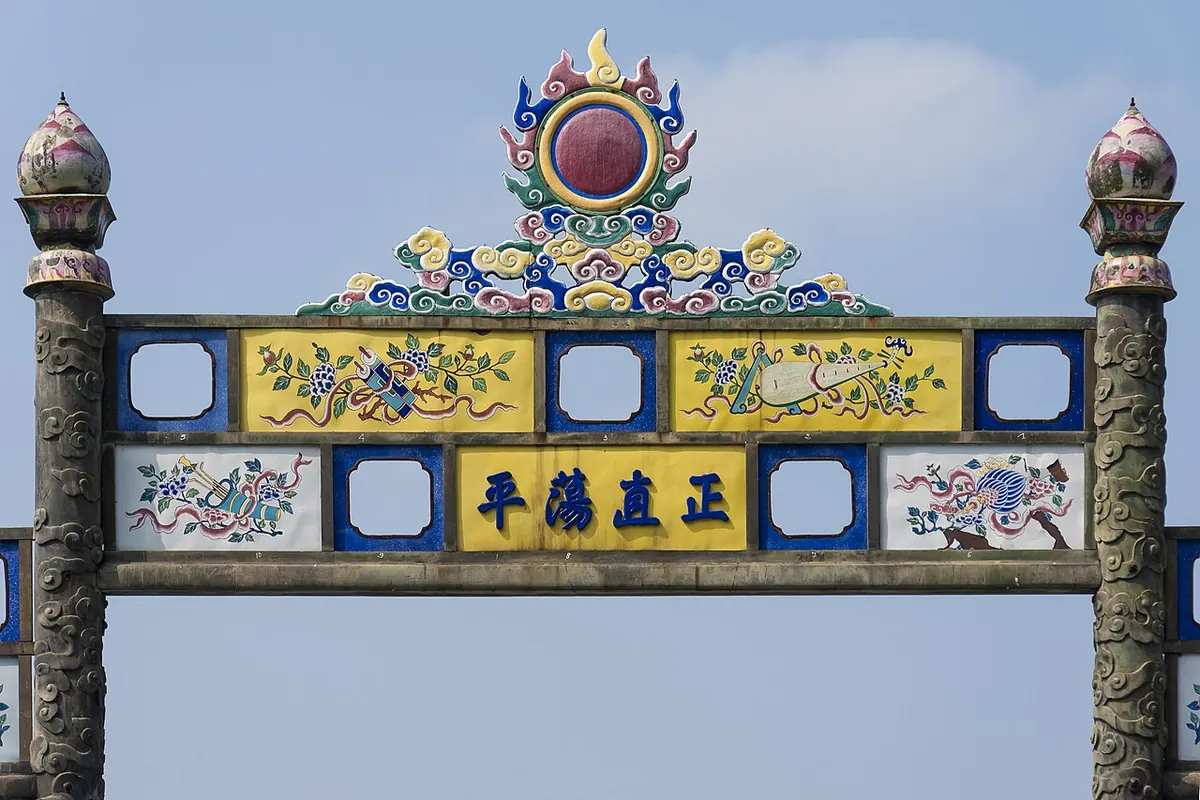
Halong Bay cruises and soft-sleeper train berths require advance booking. Reserve cruises 2 to 4 weeks ahead during peak months; train berths need one to two weeks' notice, especially around Tet holidays.
Soft-sleeper train berths for the Ninh Binh to Hue route sell out around holidays. Reserve that berth at least one week ahead, two weeks around Tet. Domestic flights between Da Nang and Ho Chi Minh City price lowest 3 to 4 weeks out. Prices on both routes climb fast within the final 72 hours before departure.
Hue's Imperial Citadel and Hoi An's Ancient Town ticket rarely sell out, so buy on arrival. Cu Chi Tunnels group tours fill on weekends, so book 2 to 3 days ahead. Confirm exact hours before visiting, since holiday closures shift without much notice. Current entry and e-visa requirements should be checked on Vietnam's official e-visa portal well before departure.
North to South or South to North: Which Way Wins?
Most first-timers ask whether a north to south Vietnam route beats the reverse. Traveling north to south lets the trip build from cool mountains toward warm beaches. The reverse order front-loads humidity, which can wear down early trip momentum. Either way, the same stops appear, just in a different order of climate exposure.
South to north suits travelers who want to end in cooler Hanoi weather. It also front-loads the Mekong Delta, useful if flights favor Ho Chi Minh City arrivals. Weigh flight prices into each city before locking in the direction. A one-way open-jaw ticket usually costs about the same either direction, so climate should decide.
Travelers with a full month can add Phong Nha, Da Lat, or Nha Trang beyond this loop. Each extra stop adds 2 to 3 days, including transfer time in both directions. Review a full one-month Vietnam itinerary before extending past two weeks. Phong Nha suits cave enthusiasts, while Da Lat and Nha Trang add mountain and beach contrast.
Confirm visa rules before booking any flights in either direction. Requirements shift by nationality and change more often than transport schedules do. The Viet Unfold blog tracks route updates and seasonal planning notes. Building in one buffer day near Hanoi or Ho Chi Minh City absorbs most schedule surprises.
A Self-Guided French Quarter Hanoi Walking Route
Set aside two to three hours for a compact French Quarter walk on Day 2. Begin at the Hanoi Opera House on August Revolution Square, then cross to the Vietnam National Museum of History, housed in a former French colonial research institute. Continue along leafy Le Phung Hieu Street toward the Sofitel Legend Metropole Hanoi and the stately Government Guest House on Ngo Quyen Street.
From there, follow Trang Tien Street past galleries and Trang Tien Plaza to Hoan Kiem Lake. Detour south to the Vietnamese Women’s Museum on Ly Thuong Kiet Street if you want historical context beyond architecture; allow at least an hour inside. Finish near St. Joseph’s Cathedral, where surrounding lanes have cafes and casual food options.
The route is roughly three kilometres, but uneven pavements, motorbike parking, and busy crossings slow progress. Walk in the morning for cooler temperatures and clearer building views. Use marked crossings where possible, move steadily with traffic, and avoid photographing guards or restricted government entrances.
Official Planning Checks Before You Go
Use the Vietnam Tourism trip-planning portal for destination context and the official Vietnam Tourism transport overview for a second official baseline. Recheck any opening hour, fare, timetable, closure, access rule, weather risk, or booking condition with the responsible operator shortly before travel; an official destination overview is not a live inventory or service guarantee.
Frequently Asked Questions
How long does it take to go from north to south Vietnam?
Traveling the full north to south Vietnam route takes about 14 to 16 hours of pure transit time. Most visitors spread that across two to three weeks, mixing flights, trains, and buses. A tighter two-week version, like the plan above, still covers every major stop.
Should you travel north to south or south to north in Vietnam?
Either direction works, but north to south suits first-timers best for pacing. The route builds from cooler mountain mornings toward warm southern beaches and delta canals near the end. South to north instead front-loads humidity and ends the trip in Hanoi's milder weather.
What is the golden route in Vietnam?
The so-called golden route links Hanoi, Halong Bay, Hue, Hoi An, and Ho Chi Minh City. It covers Vietnam's most-searched stops in one manageable loop, typically over 10 to 14 days. Most first-timers treat it as the default north to south Vietnam route.
How do you get from Hanoi to Ho Chi Minh City?
Direct flights cover Hanoi to Ho Chi Minh City in about 2 hours and often cost $40 to $80. The Reunification Express train takes around 30 to 32 hours end to end. Most itineraries break the trip into stops, using this Vietnam itinerary guide for stop-by-stop planning.
Is 14 days enough for a north to south Vietnam route?
Fourteen days covers Hanoi, Halong Bay, Ninh Binh, Hue, Hoi An, and Ho Chi Minh City comfortably. It moves briskly, with one to two nights in most stops. Travelers who prefer a slower pace should plan closer to three weeks instead.
What is the best time of year for a north to south Vietnam trip?
October through April works best, since the north stays dry and cool while the south avoids peak monsoon rain. Central Vietnam can still see storms into November, so check forecasts before Hue and Hoi An dates. Shoulder months like March often mean lower cruise and hotel prices.
A north to south Vietnam route rewards travelers who plan around cost, timing, and distance. This 14-day version covers Hanoi, Halong Bay, Hue, Hoi An, and Ho Chi Minh City without rushing. Keep the neighborhood groupings and booking windows above close at hand while planning. Small adjustments, like swapping a flight for a train, keep the trip flexible without losing structure.
Adjust the pace for weather, budget, or a longer trip whenever the schedule allows. Confirm current prices and hours before locking in any fixed-date ticket. A well-paced route turns a long, narrow country into a manageable, memorable trip.
Take the route offline
Free: the Vietnam route starter
A two-week south-to-north route with real nightly rates by city, what to book first and how far ahead, region-by-region timing, and the transport costs between each leg — drawn from our published guides.
Keep unfolding Vietnam
Continue along the route
Three nearby guides for the next decision in your trip.


