

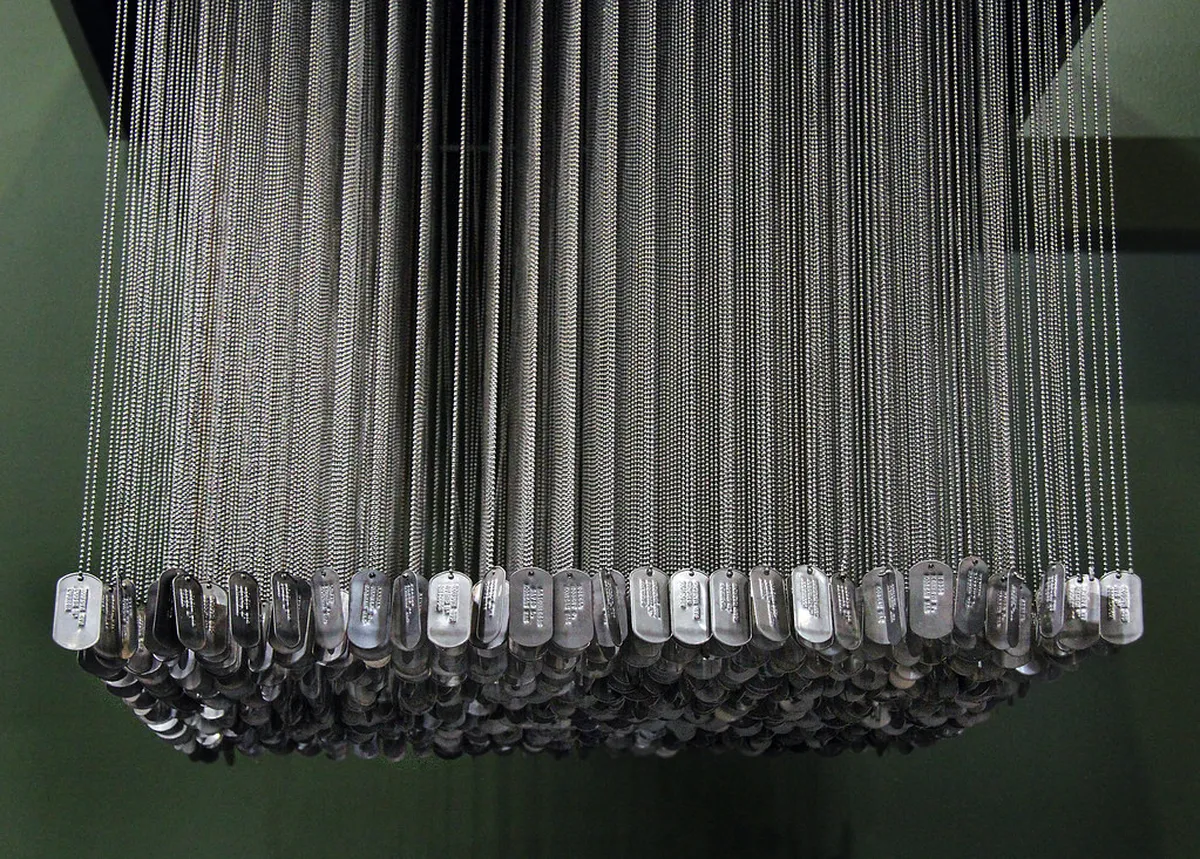
Photo: hasor via Flickr (CC BY-SA 2.0)
Vietnam 2 Week Itinerary Guide: Best 14-Day Route
Plan the ideal Vietnam 2 week itinerary with a day-by-day route, real costs, and booking tips from Saigon to Hanoi. Start planning your trip today.
On this page
A Vietnam 2 week itinerary is the sweet spot for first-time visitors who want both cities and coastline. Two weeks covers Ho Chi Minh City, Hoi An, Hue, Ninh Binh, and Hanoi without a rushed pace. This guide walks through a realistic 14-day route built for first-timers, with costs and timing for each stop.
Last updated July 2026, prices below reflect typical rates in US dollars and Vietnamese dong. The route runs south to north, starting in Ho Chi Minh City and ending in Hanoi. Expect a mix of flights, trains, and private transfers between regions, with two rest days built in.
Stops are grouped by region, so you spend fewer hours retracing routes. We recommend booking flights and a few timed-entry tickets early, especially during peak season from November through February. The day-by-day breakdown below covers mornings, afternoons, and evenings, plus swaps for rain or a lighter budget.
Key Takeaways
- A Vietnam 2 week itinerary is the sweet spot for first-time visitors who want both cities and coastline.
- Two weeks covers Ho Chi Minh City, Hoi An, Hue, Ninh Binh, and Hanoi without a rushed pace.
- This guide walks through a realistic 14-day route built for first-timers, with costs and timing for each stop.
- The route runs south to north, starting in Ho Chi Minh City and ending in Hanoi.
Take the route offline
Free: the Vietnam route starter
A two-week south-to-north route with real nightly rates by city, what to book first and how far ahead, region-by-region timing, and the transport costs between each leg — drawn from our published guides.
Vietnam 2 Week Itinerary At a Glance
The route below spans 14 days from Ho Chi Minh City in the south to Hanoi in the north. Each stop builds on the last, moving through cities, beaches, mountains, and karst rivers. Use this list to see the shape of the trip before diving into daily details.
Flights link the three main regions, while trains and cars handle the shorter hops. Two multi-night stays, in Hoi An and Ninh Binh, break up the travel days. This keeps the pace workable even for travelers prone to jet lag.
Vibe tags next to each day flag the mood, from imperial history to boat trips through limestone karsts. Swap a free afternoon for a spa day or a market crawl if the pace feels tight. The order below also works in reverse, starting in Hanoi and ending in Ho Chi Minh City.
Peak season runs from November to April, when skies stay drier across most regions. Shoulder months like March and September often mean fewer crowds at major sights. Either way, this order keeps flights and long transfers to a minimum.
- Day 1: Saigon arrival and orientation
- Morning: Land in Ho Chi Minh City
- Afternoon: Check into a District 1 hotel
- Evening: Walking-street food and drinks crawl
- Day 2: Tunnels, museums, and city markets
- Morning: Cu Chi Tunnels half-day tour
- Afternoon: War Remnants Museum visit
- Evening: Ben Thanh Market street food
- Day 3: A slow Mekong Delta river day
- Morning: Drive to the Mekong Delta
- Afternoon: Boat ride through river canals
- Evening: Fly north to Da Nang
- Day 4: Da Nang beaches and Golden Bridge
- Morning: Ba Na Hills cable car ride
- Afternoon: Golden Bridge and French Village
- Evening: Da Nang beachfront dinner
- Day 5: Hoi An's lantern-lit old town
- Morning: Transfer from Da Nang to Hoi An
- Afternoon: Old Town heritage buildings walk
- Evening: Lantern-lit riverside evening stroll
- Day 6: Tailors, coconuts, and island time
- Morning: Custom tailoring fitting appointment
- Afternoon: Cam Thanh coconut village boat
- Evening: Basket boat ride at sunset
- Day 7: Hai Van Pass mountain crossing
- Morning: Drive over Hai Van Pass
- Afternoon: Lang Co Bay lunch stop
- Evening: Arrive in Hue for dinner
- Day 8: Hue's imperial citadel and tombs
- Morning: Hue Imperial Citadel tour
- Afternoon: Royal tombs by the Perfume River
- Evening: Dragon boat dinner cruise
- Day 9: Long transfer toward Ninh Binh
- Morning: Fly or train toward Hanoi
- Afternoon: Transfer south to Ninh Binh
- Evening: Settle into a Ninh Binh homestay
- Day 10: Trang An boat and karst caves
- Morning: Trang An boat through caves
- Afternoon: Mua Cave viewpoint climb
- Evening: Bicycle ride through rice paddies
- Day 11: Hanoi's Old Quarter arrival
- Morning: Transfer to Hanoi city center
- Afternoon: Old Quarter orientation walk
- Evening: Water puppet theater show
- Day 12: Halong Bay cruise embarkation
- Morning: Drive to Halong Bay port
- Afternoon: Board an overnight cruise ship
- Evening: Sunset on the cruise deck
- Day 13: Cat Ba cruising, back to Hanoi
- Morning: Cat Ba Island kayaking stop
- Afternoon: Cruise back toward Hanoi
- Evening: Final Hanoi dinner in Old Quarter
- Day 14: Final Hanoi sights and departure
- Morning: Temple of Literature visit
- Afternoon: Last-minute souvenir shopping
- Evening: Transfer to the airport

The Full 14-Day Vietnam Itinerary, Day by Day
The first three days cover Ho Chi Minh City and the Mekong Delta, Vietnam's energetic south. We recommend starting here if you fly in from most international hubs. Expect motorbike traffic, strong coffee, and layered wartime history within a few city blocks. Local operators such as Vietnam Adventure Tour run half-day Cu Chi and Mekong trips with hotel pickup.
Days four through eight shift to the central coast, covering Da Nang, Hoi An, and Hue. This stretch has the best beaches and the highest concentration of tailors and heritage sites. We'd treat Hoi An as your slow point, since walking its Old Town rewards unhurried mornings. Book at least one night inside the Old Town itself, even if it costs a little more.
From day nine, the route heads north to Ninh Binh's limestone rivers, then Hanoi. Most visitors find Trang An's boats quieter before mid-morning tour buses arrive from Hanoi. You'll want comfortable shoes for the Mua Cave steps and flat sandals for the boats. Ninh Binh's rice fields turn brightest green between May and early June each year.
The final days combine a Halong Bay or Lan Ha Bay cruise with a return to Hanoi. Booking the cruise a few weeks ahead secures better cabins at the same price. For more route options, check this Vietnam itinerary planning guide.
- Day 1: Arrive in Ho Chi Minh City
- Morning: Land at Tan Son Nhat airport
- Afternoon: Check into District 1 hotel, $35/night
- Evening: Bui Vien street food, dishes $2-$5
- Time: Full day, mostly rest and orientation
- Logistics: Taxi from airport, ~30 min
- Optional: Skip nightlife, book a spa instead
- Day 2: Cu Chi Tunnels and Saigon history
- Morning: Cu Chi Tunnels tour, $25 with transport
- Afternoon: War Remnants Museum, $1.70 entry
- Evening: Ben Thanh Market night stalls, $2-$8
- Time: Tunnels take 4-5 hours round-trip
- Logistics: Book tour pickup, District 1 hotels
- Optional: Swap tunnels for Mekong day trip
- Day 3: Mekong Delta day trip north
- Morning: Drive to My Tho, about 90 minutes
- Afternoon: Boat trip through canals, $25-$35 tour
- Evening: Evening flight to Da Nang, 80 minutes
- Time: Day trip runs 7-8 hours total
- Logistics: Book tour with hotel pickup included
- Optional: Choose Ben Tre for fewer crowds
- Day 4: Da Nang and Ba Na Hills
- Morning: Ba Na Hills cable car, $32 combo ticket
- Afternoon: Golden Bridge and French Village gardens
- Evening: Dragon Bridge fire show, weekends only 9pm
- Time: Ba Na Hills open 7am-10pm daily
- Logistics: About 40 min drive from Da Nang
- Optional: Skip Ba Na Hills if it's foggy
- Day 5: Settle into Hoi An's Old Town
- Morning: Transfer to Hoi An, about 45 minutes
- Afternoon: Old Town ticket, $5 for five sites
- Evening: Lantern release on the Thu Bon River
- Time: Old Town best walked over 3 hours
- Logistics: Old Town closes to cars at dusk
- Optional: Rent a bike for quieter lanes
- Day 6: Tailoring and Hoi An's countryside
- Morning: Custom tailoring fitting, suits from $25
- Afternoon: Cam Thanh coconut village basket boats
- Evening: Sunset dinner along the riverside
- Time: Tailoring needs a first and second fitting
- Logistics: Coconut village is 15 minutes by car
- Optional: Swap tailoring for a cooking class
- Day 7: Hai Van Pass to Hue
- Morning: Depart Hoi An by private car or bike
- Afternoon: Photo stop at Hai Van Pass summit
- Evening: Arrive in Hue for a riverside dinner
- Time: Transfer takes about 3.5-4 hours
- Logistics: Private car costs $70-$90 for the group
- Optional: Book an Easy Rider motorbike guide
- Day 8: Hue's Imperial Citadel and tombs
- Morning: Imperial Citadel entry, $8, open 8am-5pm
- Afternoon: Tu Duc and Khai Dinh tombs, $10 combo
- Evening: Dinner cruise on the Perfume River
- Time: Citadel alone needs at least 2 hours
- Logistics: Tombs sit 15-30 minutes from the Citadel
- Optional: Skip one tomb if time is tight
- Day 9: Transfer from Hue to Ninh Binh
- Morning: Fly or train from Hue to Hanoi
- Afternoon: Private transfer south to Ninh Binh
- Evening: Check into a Tam Coc homestay
- Time: Full transfer day, roughly 6-7 hours
- Logistics: Overnight train option saves a hotel night
- Optional: Fly instead of the overnight train
- Day 10: Trang An boat and Mua Cave
- Morning: Trang An boat tour, about $10 entry
- Afternoon: Mua Cave viewpoint climb, $4 entry
- Evening: Bike ride through Tam Coc rice paddies
- Time: Boat tour runs about 2.5-3 hours
- Logistics: Boats depart from the Trang An dock
- Optional: Swap Mua Cave if knees are an issue
- Day 11: Transfer to Hanoi's Old Quarter
- Morning: Drive to Hanoi, about 2 hours
- Afternoon: Old Quarter walk around Hoan Kiem Lake
- Evening: Water puppet show, tickets from $4
- Time: Old Quarter loop takes 2-3 hours
- Logistics: Book water puppet seats a day ahead
- Optional: Swap puppets for a street food tour
- Day 12: Board your Halong Bay cruise
- Morning: Drive to Halong Bay port, ~3.5 hours
- Afternoon: Board overnight cruise, from $120 per person
- Evening: Cooking demo and sunset on deck
- Time: Cruise check-in usually starts around noon
- Logistics: Book cruise transfers through the same operator
- Optional: Choose a Lan Ha Bay route instead
- Day 13: Cat Ba Island, back to Hanoi
- Morning: Kayaking or swimming near Cat Ba Island
- Afternoon: Cruise back to the Halong Bay port
- Evening: Transfer to Hanoi, arrive after dark
- Time: Return transfer takes about 4 hours
- Logistics: Confirm the return coach with your cruise
- Optional: Extend one night on Cat Ba Island
- Day 14: Final sights and departure
- Morning: Temple of Literature, $3 entry, 8am-5pm
- Afternoon: Last souvenir run through the Old Quarter
- Evening: Transfer to Noi Bai Airport
- Time: Keep the afternoon flexible for delays
- Logistics: Airport transfer takes about 45 minutes
- Optional: Add a final banh mi cooking class
What to Book in Advance for This Route
A few stops on this route sell out or fill up fast, especially from November through February. Booking these in advance saves you from rearranging an already tight 14-day schedule. We'd prioritize your Halong Bay cruise and any overnight trains first. Peak holidays like Tet, in late January or February, sell out everything even faster.
Halong Bay cruises, flights, and sleeper trains sell out fast during peak season (November–February). Book three to four weeks ahead. Handle e-visa processing first—it takes three business days—before arranging flights.
Domestic flights between Ho Chi Minh City, Da Nang, and Hanoi are worth locking in a month ahead. Prices on routes like VietJet and Bamboo Airways rise fast as departure dates get closer. The same applies to Reunification Express sleeper trains during Tet and summer holidays.
Some experiences also need a specific arrival window rather than advance purchase. Most visitors find the Imperial Citadel in Hue calmer right at its 8am opening. For Halong Bay cruises, book at least three to four weeks ahead for cabin choice.
Travel insurance and any e-visa paperwork also belong on this early-booking list. Processing for Vietnam's e-visa usually takes about three business days. Sort this before you touch flights or the cruise, since it affects your entry date.
- Halong Bay overnight cruise
- Lead time: 3-4 weeks ahead
- Why: cabin choice fills first
- Domestic flights HCMC-Da Nang-Hanoi
- Lead time: 3-4 weeks ahead
- Why: fares rise near departure
- Reunification Express sleeper trains
- Lead time: 2-3 weeks ahead
- Why: sleeper berths sell out fast
- Water puppet theatre in Hanoi
- Lead time: 1-2 days ahead
- Why: evening shows sell out
Where to Stay Along the Route
Where you sleep affects how much time you spend commuting between sights. District 1 works well in Ho Chi Minh City, within walking distance of the Reunification Palace and Ben Thanh Market. In Hoi An, staying inside or near the Old Town keeps evening lantern walks short. Airport transfers from Tan Son Nhat into District 1 usually take about 30 minutes.

Hue's Citadel-side hotels put the Imperial City and Perfume River an easy walk away. In Ninh Binh, guesthouses near Tam Coc or Trang An cut down on daily transfer time. Hanoi's Old Quarter is noisy but walkable, with the lake, water puppet theatre, and food stalls close together. Booking a room with a river view in Hoi An costs only a little extra.
| City | Base Neighborhood | Typical Cost per Night |
|---|---|---|
| Ho Chi Minh City | District 1, near Ben Thanh | $20–60 |
| Hoi An | Old Town or riverside | $25–65 |
| Hue | Near the Citadel moat | $20–50 |
| Ninh Binh | Tam Coc or Trang An | $15–40 |
| Hanoi | Old Quarter, near Hoan Kiem | $20–55 |
Budget travelers can expect $15-$25 per night for clean private rooms in most cities. Mid-range hotels with a pool typically run $35-$70 per night outside peak season. We'd book Hoi An and Ninh Binh stays earlier than the rest, since good guesthouses fill first. These ranges hold steady outside major holidays like Tet and Christmas week.
If neighborhoods feel confusing on a first visit, most hotels can arrange airport pickup for a small fee. This removes one logistics headache on your arrival day in each new city. Confirm check-in times, since many guesthouses hold rooms only until early evening.
- Ho Chi Minh City
- Base: District 1, near Ben Thanh
- Typical cost: $20-$60 per night
- Hoi An
- Base: Old Town or riverside
- Typical cost: $25-$65 per night
- Hue
- Base: Near the Citadel moat
- Typical cost: $20-$50 per night
- Ninh Binh
- Base: Tam Coc or Trang An
- Typical cost: $15-$40 per night
- Hanoi
- Base: Old Quarter, near Hoan Kiem
- Typical cost: $20-$55 per night
Is 2 Weeks Enough Time in Vietnam?
Two weeks covers Vietnam's headline stops, but it does not cover everything worth seeing. Fourteen days is enough for first-timers who want cities, beaches, mountains, and a boat trip. Repeat visitors often use two weeks to go deeper into just one region instead.
If you have extra time, Phu Quoc Island adds two to three days of pure beach time. Ha Giang Loop, in the far north, needs at least three days by motorbike or jeep. Phong Nha's caves are another strong add-on if you're flying through Dong Hoi anyway.
Cutting the route short is possible too, and dropping Ninh Binh or the Mekong Delta saves two days. We wouldn't cut Halong Bay or Hoi An, since both are hard to recreate elsewhere in Vietnam. For a shorter version of this same route, see this 10-day Vietnam itinerary.
Fourteen days also works well against a one-month trip, which allows much slower travel. Compare both options in this one-month Vietnam itinerary guide if you're still deciding on trip length. Either way, book flights and the Halong Bay cruise as soon as dates are fixed.
First-timers should stick close to the order above, since it balances culture, nature, and beach time. Returning visitors might swap Ninh Binh for Sapa's rice terraces or a slower Mekong homestay. Either path works, as long as travel days stay realistic for a 14-day trip.
How to Travel Through Vietnam Between Stops
Flights are the fastest way to cover the long distances between Ho Chi Minh City, Da Nang, and Hanoi. Domestic carriers like VietJet, Bamboo Airways, and Vietnam Airlines connect all the major stops on this route. Most flights run 80 minutes to two hours and cost $30-$70 one-way if booked early.
Use Grab for city rides and motorbikes; it's cheaper than taxis. Grab a local SIM or eSIM at the airport ($5–10 for two to three weeks) for data. Vietnam uses dong, though USD is widely accepted.
Trains suit shorter, scenic hops, especially the coastal run between Hue, Da Nang, and Hoi An. The Reunification Express also covers longer stretches overnight, with soft sleeper berths from about $25-$45. Within cities, Grab handles taxis, motorbike rides, and food delivery, and it's cheaper than hailing a cab.
Sleeper buses connect budget-friendly routes like Ninh Binh to Hue, usually for $15-$25 a seat. Private cars and Easy Rider motorbike guides are worth the extra cost for the Hai Van Pass. Around each city center, walking and short Grab hops cover almost everything on this itinerary.
Vietnam uses the dong (VND), though many hotels and tour operators also quote US dollars. Grab a local SIM or eSIM at the airport for data, generally $5-$10 for two to three weeks. For extra route ideas beyond this loop, browse the Vietnam Destinations Guide for Every Region.
This 14-day route is just one way to see the country, not the only way. Check the full travel blog for more region-specific breakdowns and updates. Adjust the days above to match your own pace and interests.
Halong Bay, Lan Ha Bay, or Cat Ba: Choose the Right Route
These names are often bundled together, but a standard Halong Bay cruise does not necessarily visit Cat Ba Island. Choose a classic Halong itinerary for landmarks such as Sung Sot Cave and Titov Island. Choose Lan Ha Bay when quieter kayaking areas and access to Cat Ba are priorities. If you want time in Cat Ba Town or Cat Ba National Park, add a separate island night rather than assuming an overnight cruise includes a land visit.

Check the exact embarkation point before booking. Many cruises use Tuan Chau International Passenger Port near Ha Long City, while Cat Ba connections may involve a different pier and transfer route. Cruise operators normally require passengers to leave Hanoi early enough for midday boarding; missing check-in can mean missing the sailing.
Keep the evening after the cruise flexible. Fog, storms, and port-authority decisions can change routes or delay returns, especially during unsettled weather. Avoid scheduling an international flight immediately after disembarkation, and confirm whether the quoted package includes Hanoi transfers, kayaking, park fees, and the return coach.
Official Planning Checks Before You Go
Use the Vietnam Tourism trip-planning portal for destination context and the official Vietnam Tourism transport overview for a second official baseline. Recheck any opening hour, fare, timetable, closure, access rule, weather risk, or booking condition with the responsible operator shortly before travel; an official destination overview is not a live inventory or service guarantee.
Frequently Asked Questions
Is 2 weeks enough time for a Vietnam itinerary?
Two weeks is enough time for a Vietnam itinerary that covers the country's highlights for first-time visitors. You'll fit in Ho Chi Minh City, Hoi An, Hue, Ninh Binh, and Hanoi without constant rushing between stops. Repeat visitors often stretch a similar route closer to three full weeks instead.
What should you book in advance for a Vietnam trip?
Book domestic flights, your Halong Bay cruise, and any overnight trains a few weeks ahead. Prices rise fast close to departure, especially around Tet and summer holidays. Timed slots for water puppet shows only need a day or two of notice.
How much does a 2 week Vietnam trip cost?
Budget travelers can expect $40-$60 a day covering guesthouses, local food, and transit. Mid-range travelers should plan closer to $80-$120 a day with private transfers and better hotels. Flights and the Halong Bay cruise are usually the biggest single expenses.
What's the best way to travel between cities in Vietnam?
Domestic flights work best for long hops, like Ho Chi Minh City to Da Nang or Hanoi. Trains suit shorter, scenic routes such as Hue to Da Nang or Hoi An. Sleeper buses and private cars fill in the gaps for budget or flexible routes.
What should travelers avoid when planning a Vietnam 2 week itinerary?
Avoid packing too many overnight transfers back to back, since fatigue adds up fast. Skip booking every activity solid, and leave room for delayed flights or trains. Also avoid the Ha Giang Loop on this route, since it needs its own dedicated trip.
Which Vietnam destinations should first-time visitors prioritize?
First-time visitors should prioritize Ho Chi Minh City, Hoi An, Hue, and Hanoi over smaller add-ons. These four stops cover Vietnam's history, food, and city life within a realistic 14-day pace. Ninh Binh and Halong Bay round out the nature side of the trip.
Two weeks gives you a real feel for Vietnam, from Saigon's energy to Hanoi's lakeside calm. Follow this day-by-day plan loosely, and leave room to slow down where a place surprises you. Book flights, the Halong Bay cruise, and any sleeper trains before you land.
Costs, hours, and transfer times shift year to year, so double-check the official site before booking. With flexible mornings and grouped stops, this route covers a lot without feeling rushed. Start planning your Vietnam 2 week itinerary today, and adjust the days to fit your pace.
Take the route offline
Free: the Vietnam route starter
A two-week south-to-north route with real nightly rates by city, what to book first and how far ahead, region-by-region timing, and the transport costs between each leg — drawn from our published guides.
Keep unfolding Vietnam
Continue along the route
Three nearby guides for the next decision in your trip.


