
Best Time to Visit Mui Ne: Weather, Wind & Travel Tips
Find the best time to visit Mui Ne for kitesurfing, sand dune photos and beach weather. Compare dry and rainy seasons month by month before you book.
On this page
Last updated November 2026. The best time to visit Mui Ne is the dry season from November to April, when skies are mostly clear and the Northeast Monsoon wind fills the bay. Kitesurfers should aim for November to March. Sunseekers and dune photographers can stretch the window by a month or two on either side.
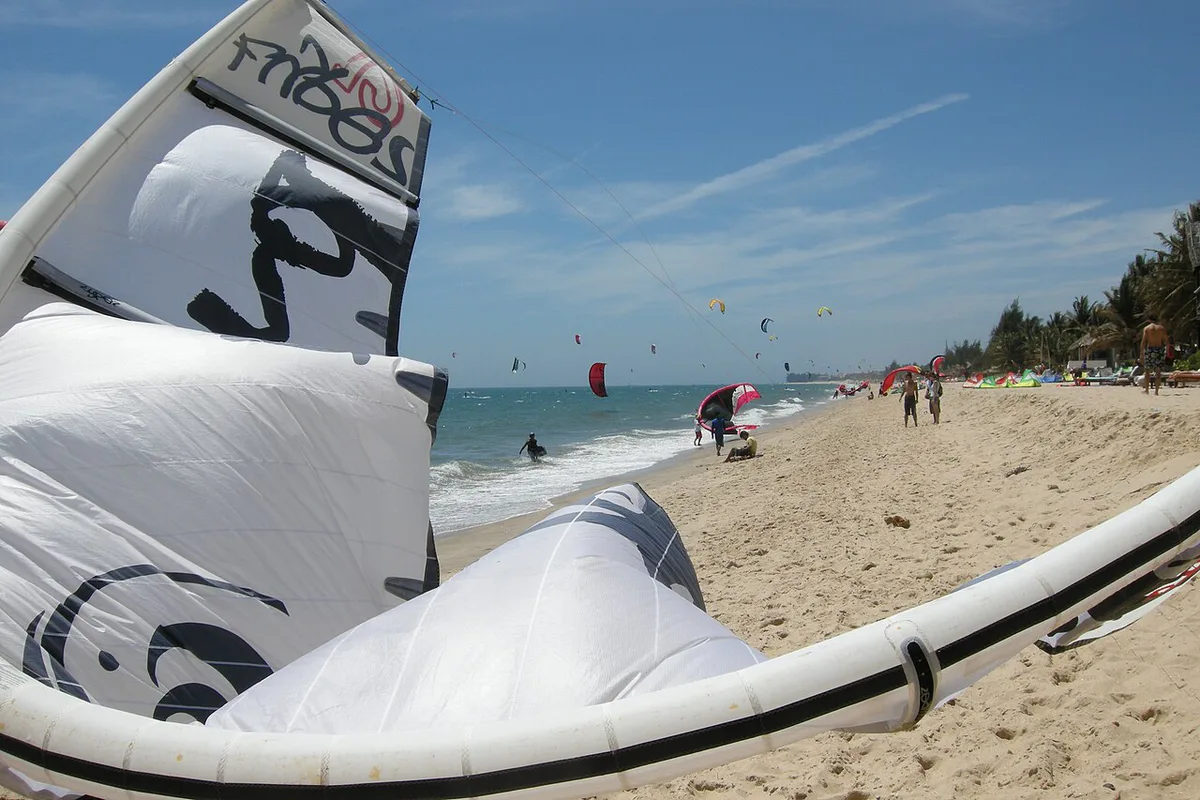
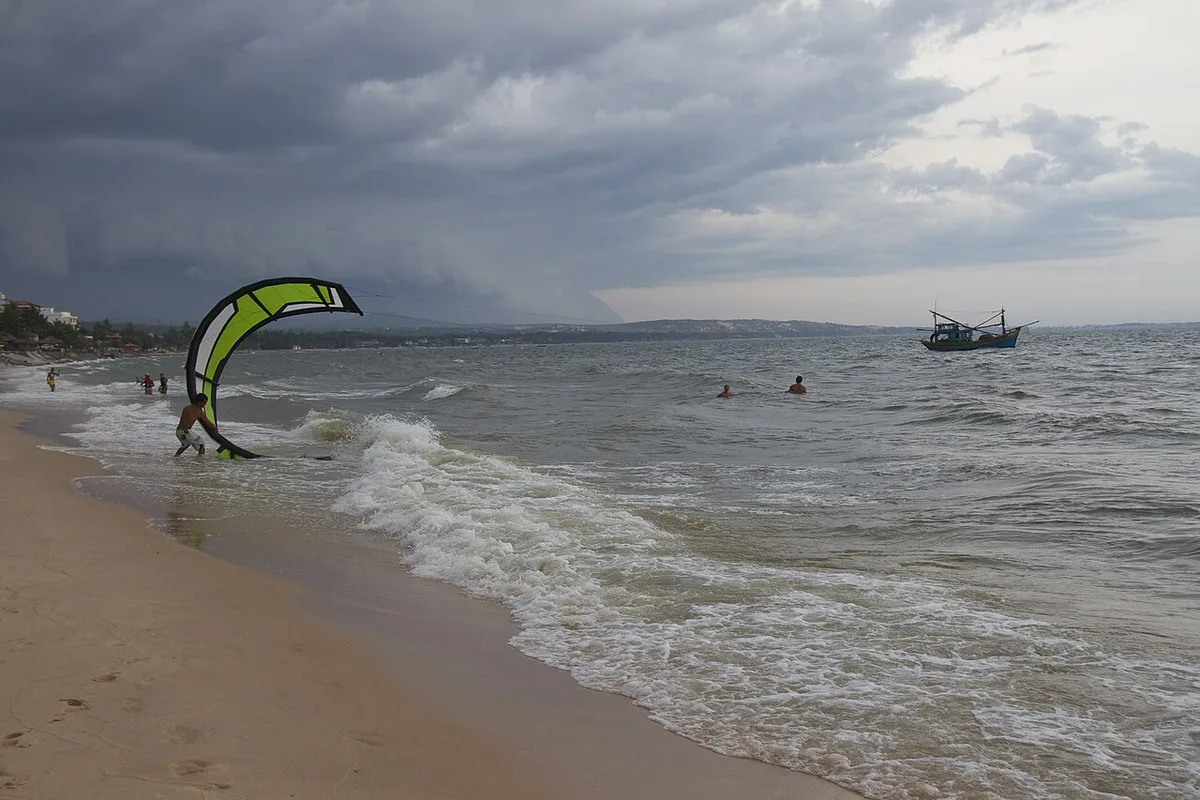
Featured image: Vyacheslav Argenberg, CC BY 4.0, via Wikimedia Commons.
The Best Time to Visit Mui Ne: Quick Answer
Plan for November to April. That dry season gives low humidity and steady sunshine on the Binh Thuan coast. December to February is the most comfortable stretch for walking the dunes and lying on the beach. Wind sports peak from November to March. May to October is the rainy season, but Mui Ne sits in a drier microclimate than nearby Dalat or Ho Chi Minh City. Rain here usually means short afternoon bursts, not day-long downpours. For the wider country, see our guide to the Best Time to Visit Vietnam by Region: Travel Guide.
Take the route offline
Free: the Vietnam route starter
A two-week south-to-north route with real nightly rates by city, what to book first and how far ahead, region-by-region timing, and the transport costs between each leg — drawn from our published guides.
Mui Ne Weather by Season
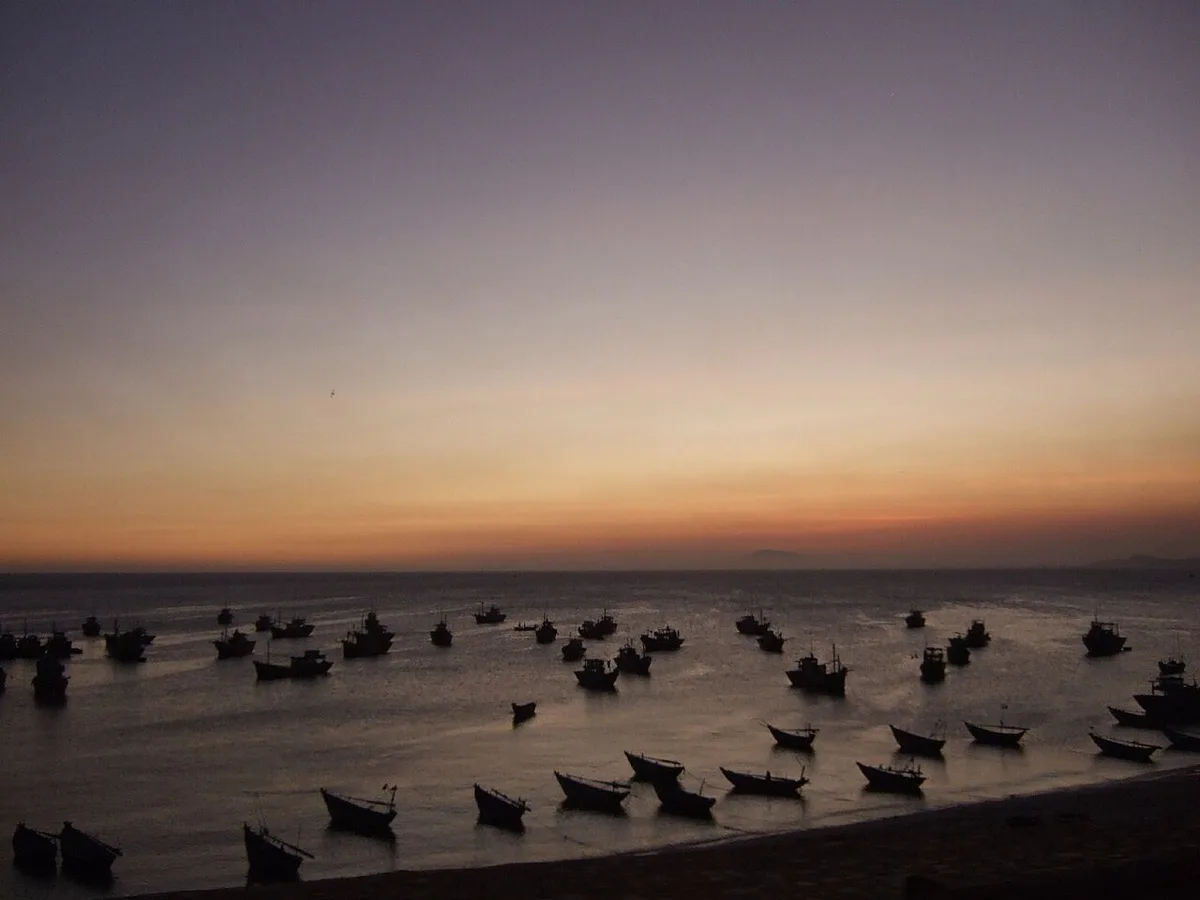
Dry season runs November to April. Expect mostly clear mornings, low humidity and daytime highs typically near 30°C (86°F). Evenings by the sea cool to roughly 24°C (75°F). Wind from the Northeast Monsoon is constant, which keeps the coast breezy but also whips sand along the beach. Rainy season runs May to October. Afternoon showers are common, humidity climbs, and highs often sit around 32°C (90°F). September is the transition month, so showers can linger while the wind has not yet returned. Check the national weather service forecast a few days out, since seasonal averages here are approximate.
| Season | Months | Weather | Wind | Best for |
|---|---|---|---|---|
| Dry | Nov–Apr | Sunny, low humidity, about 30°C (86°F) | Strong and steady, peak Nov–Mar | Kitesurfing, dunes, beach days |
| Shoulder | Late Apr–May, Sep–Oct | Mixed sun and short showers | Light to variable | Quieter beaches, lower rates |
| Rainy | May–Oct | Afternoon bursts, about 32°C (90°F) | Weaker | Budget stays, calm swimming |
Timing Your Visit for Specific Activities
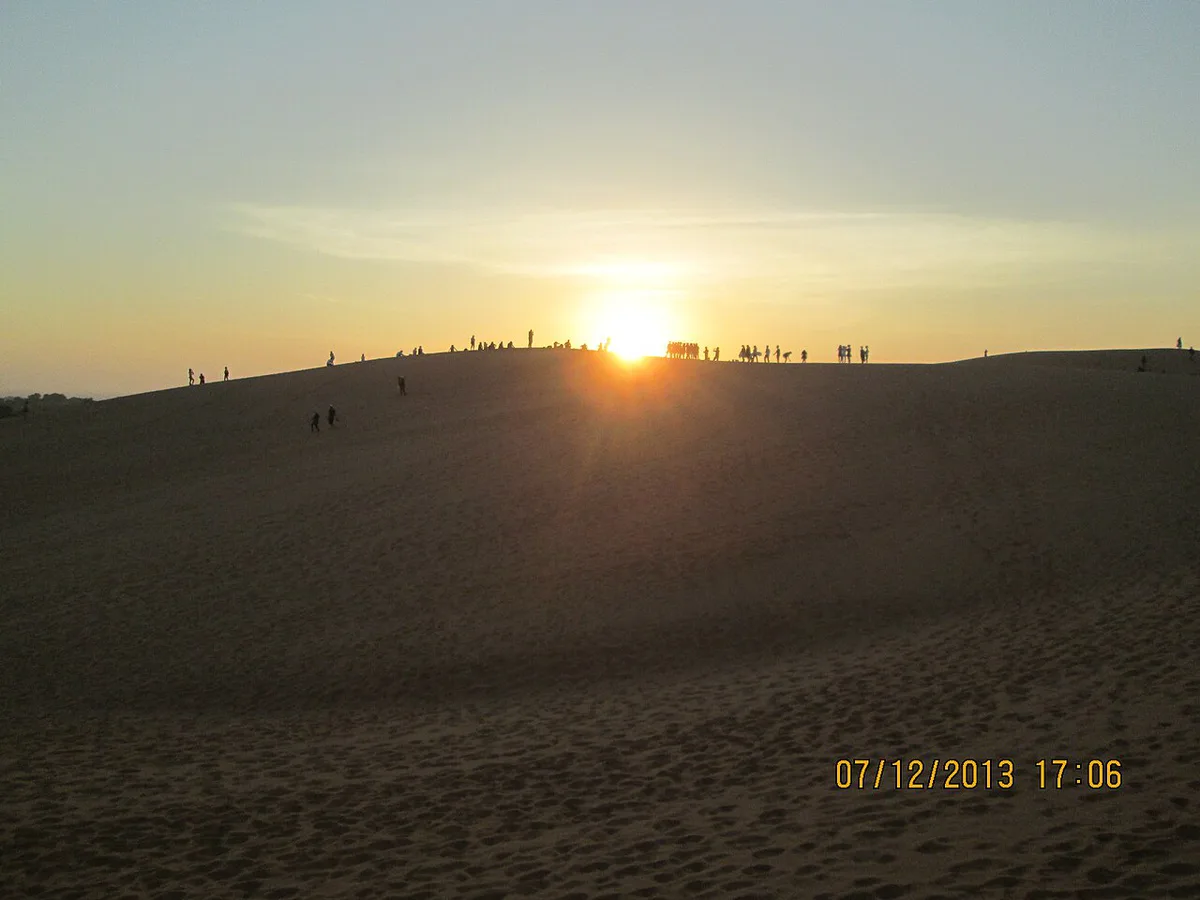
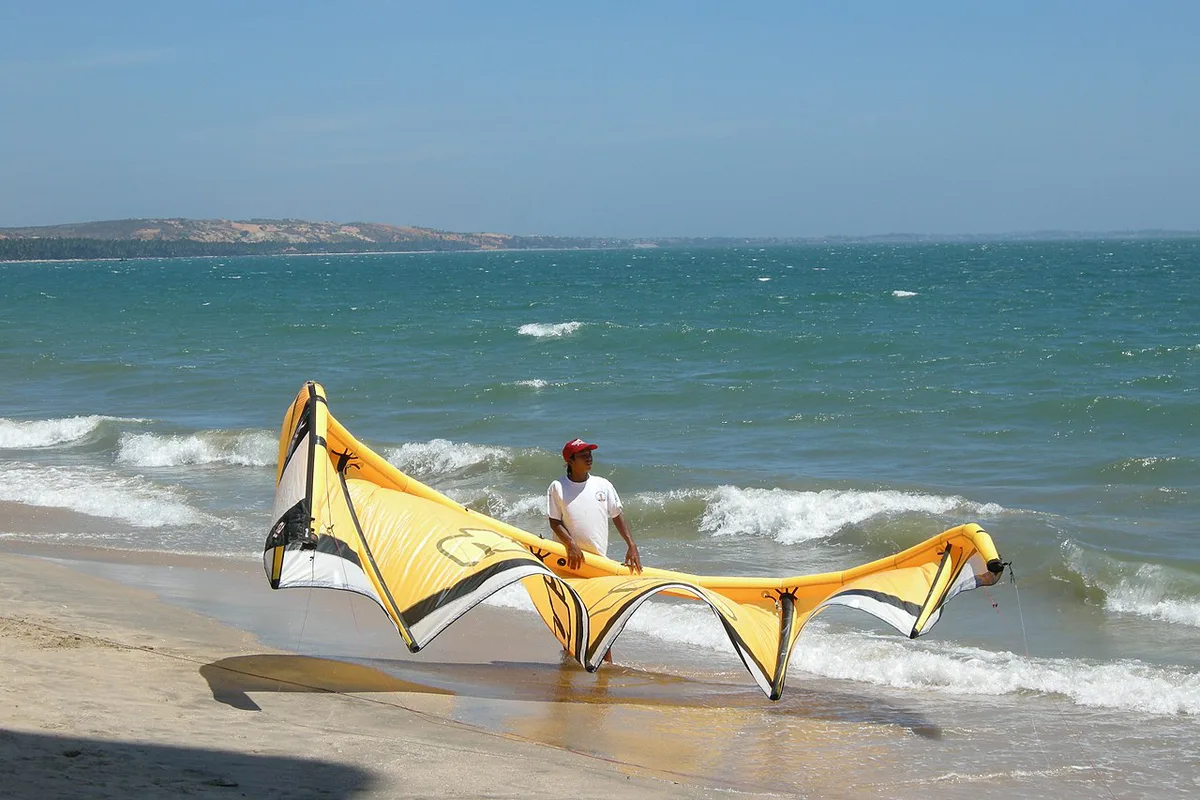
Kitesurfers and windsurfers should book November to March, when the Northeast Monsoon wind is strongest. Expect choppy water and sand-blasted beaches then. Casual swimmers may prefer calmer months. Photographers heading to the White Sand Dunes and Red Sand Dunes should go at sunrise or sunset. Midday sand is hot and the light is flat. The dry months give the clearest skies. Fairy Stream is also best in the early morning, before the heat builds. Budget travelers can use the May to August low season for better resort rates. As an illustration only, a mid-range room quoted at ₫1,500,000 a night in January could drop to around ₫900,000 in June. Treat those figures as a rough pattern, not a published rate, and compare current prices before booking. For activity depth, read our sand dunes guide and beach guide.
Which Traveler Are You?
Pick your window by what you want from the trip.
Sea evenings cool to 24°C (75°F) while the Sunseeker window of December to February brings evenings near 28°C (82°F).

- The Surfer: November to March, with the strongest wind and the busiest kite beaches.
- The Sunseeker: December to February, for dry days and cooler evenings near 28°C (82°F).
- The Photographer: December to March, with sunrise at the dunes for clear light.
- The Budget Traveler: May to August, for lower rates and short afternoon showers.
Mui Ne Month-by-Month Guide

Use this table to match weather, wind and crowds. Late January or February can bring Tet, the Lunar New Year holiday, so verify the exact dates for your year.
| Month | Weather | Wind | Crowds |
|---|---|---|---|
| January | Dry and sunny | Strong | High, Tet possible late Jan |
| February | Dry and sunny | Strong | High around Tet |
| March | Dry, warming | Strong | Moderate to high |
| April | Dry, hotter | Easing | Moderate |
| May | Showers begin | Light | Low |
| June–August | Afternoon showers | Light | Low, domestic holidays may add pressure |
| September | Transition, showers | Light | Low |
| October | Mixed, clearing | Building | Low to moderate |
| November | Drying out | Picking up | Moderate |
| December | Dry and sunny | Strong | High |

Logistics: Planning Your Trip
Allow 4 to 5 hours by road from Ho Chi Minh City. Check current transit times, since expressway segments have changed journeys. Heavy rain can slow roads in the rainy season, so leave extra margin. Our Ho Chi Minh City to Mui Ne guide covers the options. For stays, Ham Tien suits nightlife and kite or surf access. Mui Ne Ward is quieter. Combine the coast with other stops using our 5-Day Southern Vietnam Itinerary Guide 2026, and see 10 Best Things to Do in Mui Ne: A Practical Planning Guide for more ideas.
Build 4 to 5 hours into any road trip from Ho Chi Minh City, and add more when May to October rains slow the drive.
Mistakes to Avoid When Planning
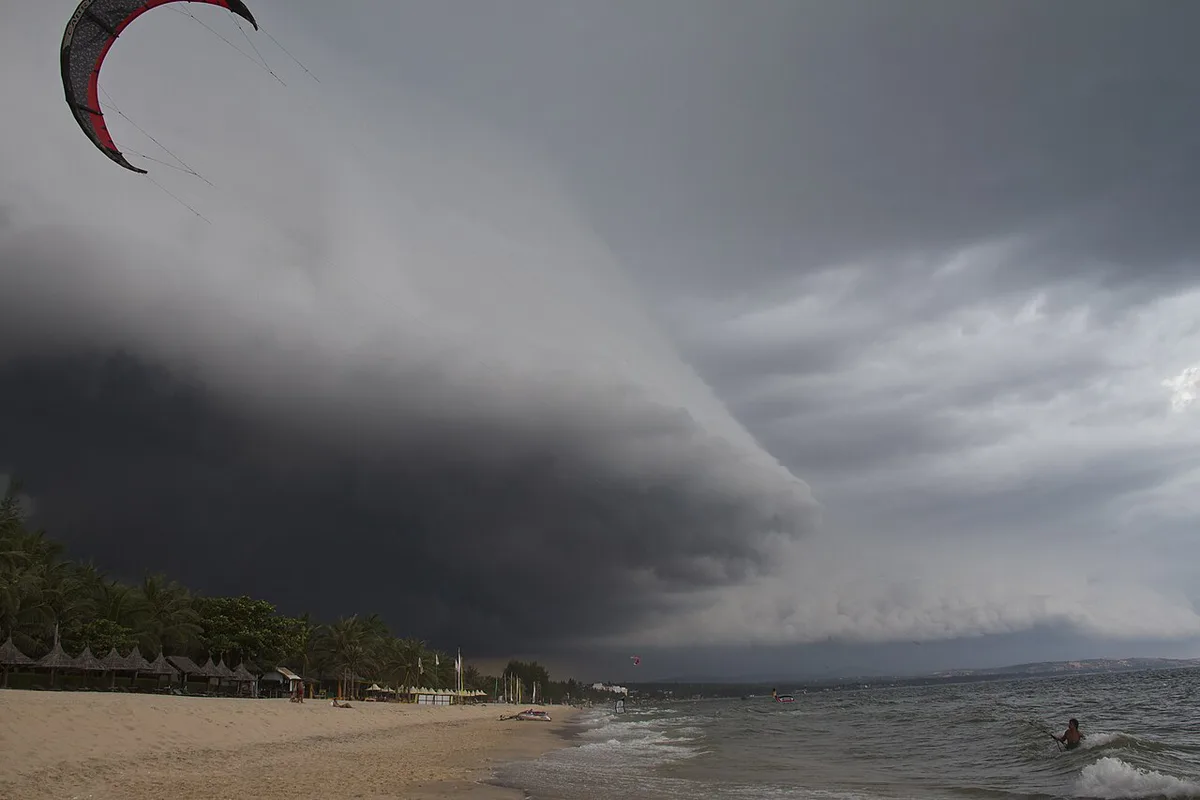
Midday heat at the dunes catches many visitors out, so go at sunrise or late afternoon. Tet bookings fill early, so reserve ahead if your dates fall in late January or February. Peak windy season from November to March also means rough water, so do not expect a calm lagoon. Finally, do not skip checking a forecast in September, when the weather shifts between seasons.
Frequently Asked Questions
What is the best month to visit Vietnam?
It depends on the region, because the north, center and south have different seasons. For the south coast including Mui Ne, December to February is the most comfortable. Our regional timing guide compares them.
Take the route offline
Free: the Vietnam route starter
A two-week south-to-north route with real nightly rates by city, what to book first and how far ahead, region-by-region timing, and the transport costs between each leg — drawn from our published guides.
Keep unfolding Vietnam
Continue along the route
Three nearby guides for the next decision in your trip.