

Best Time to Visit Phong Nha: Weather & Cave Access by Month
Best time to visit Phong Nha: March to May for open caves and moderate heat, Feb–Aug for expeditions, and Sept–Nov flood risk on the Son River.
On this page
Last updated November 2026. The best time to visit Phong Nha is March to May, when heat is moderate, skies are mostly dry and the caves are open. Timing matters more here than in most Vietnamese destinations, because the Son River can close river caves while stairs-access caves stay open. This guide goes month by month and shows what is accessible in each season.
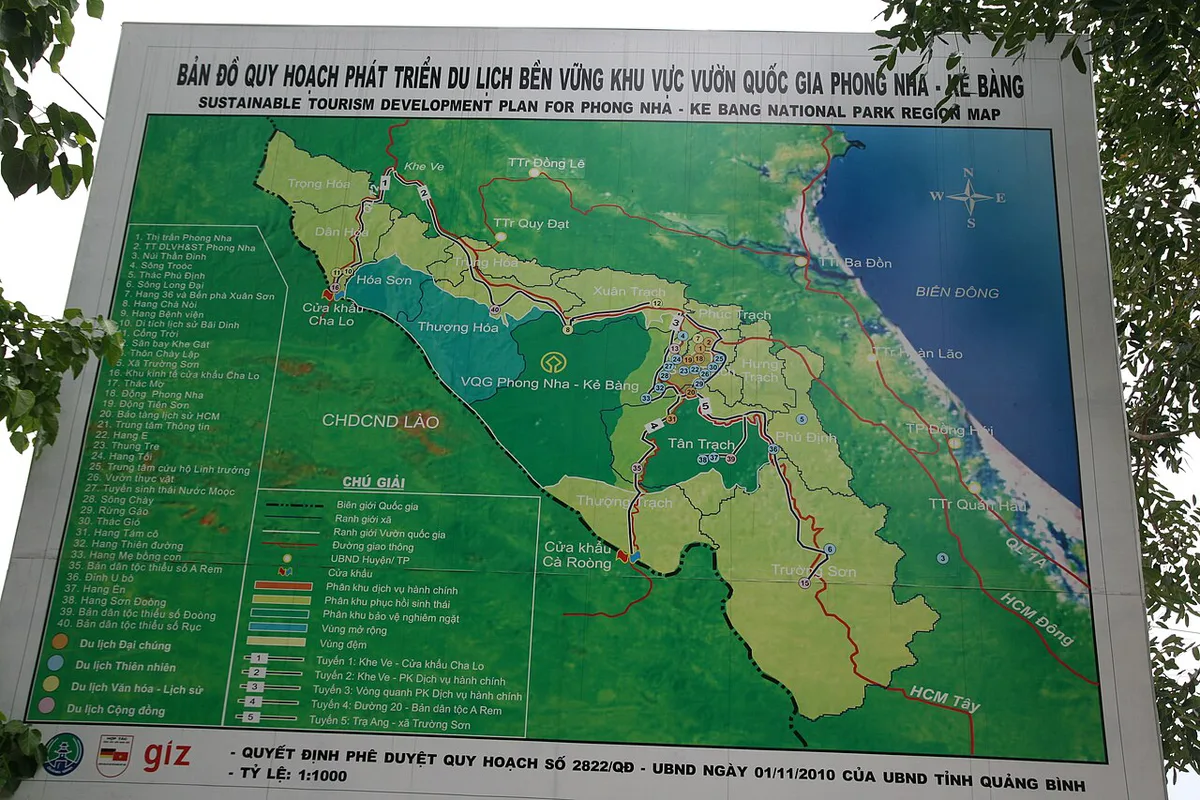
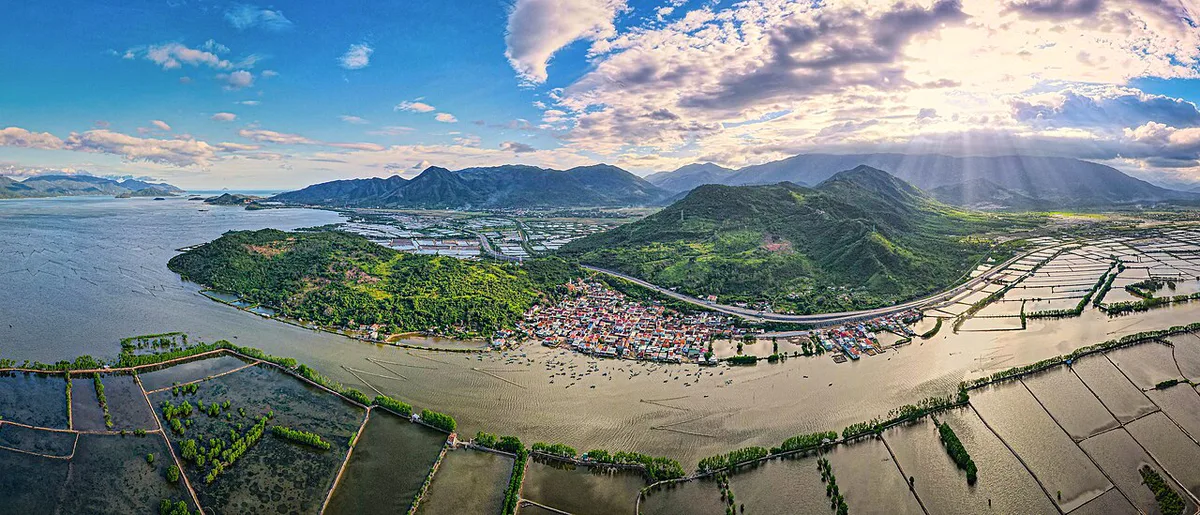
Featured image: Preparetavalise.com, CC BY-SA 4.0, via Wikimedia Commons.
Best Time to Visit Phong Nha: The Short Answer
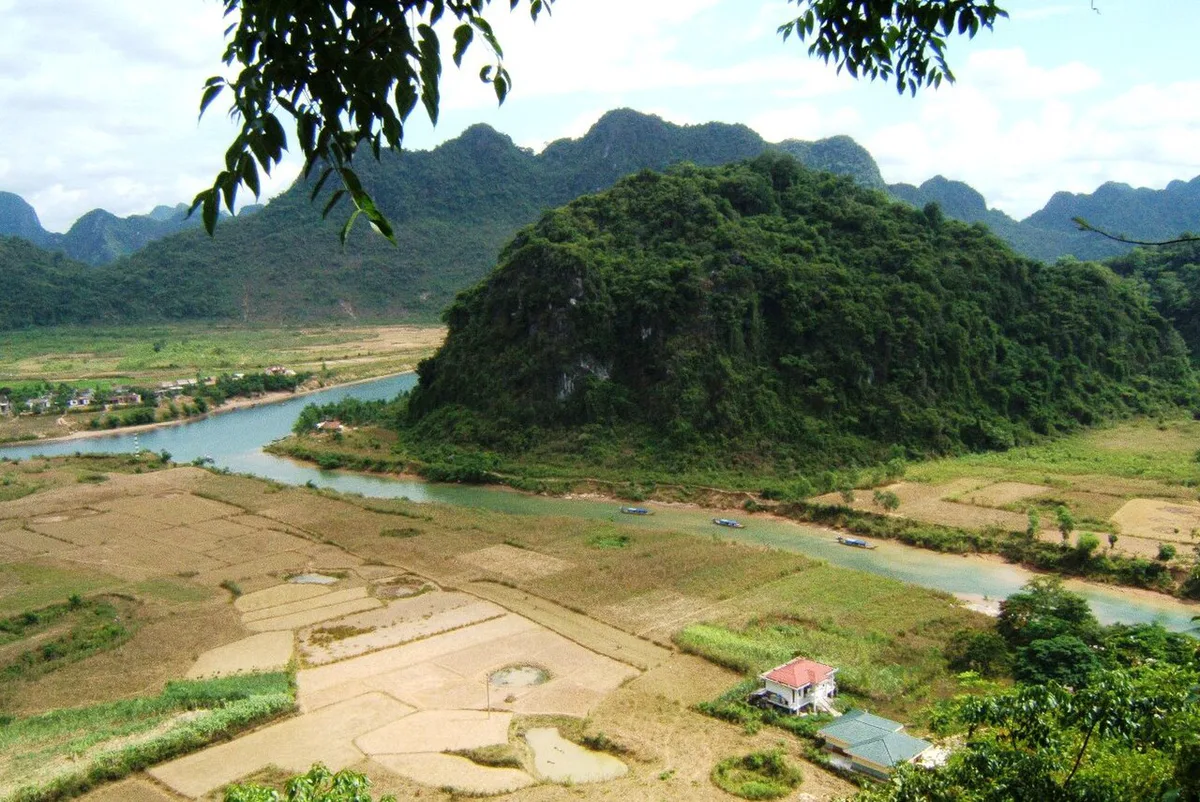
March to May is the strongest window. Temperatures sit below the summer peak, rain is limited and all caves are normally open. September to November is the window to avoid, because typhoon and flood risk peaks. Cave access is the real deciding factor, so the table below pairs weather with what you can actually enter. For the full list of sights, start with our Phong Nha activities guide.
| Months | Weather | Cave access |
|---|---|---|
| Dec–Jan | Cool, damp and grey, around 15°C (59°F) | Partial: show caves open, expeditions off |
| Feb–Apr | Cooler, dry and green | Open: expedition season begins |
| May–Aug | Hot and humid, 30–40°C (86–104°F) | Open: best for swimming and treks |
| Sep–Nov | Typhoon and flood risk | Partial to closed: river caves often shut |
Take the route offline
Free: the Phong Nha route notes
Where to base yourself and what it costs, a day-by-day route that avoids backtracking, real transfer times and fares, seasonal timing, and where it connects onward — condensed from our Phong Nha guides and made to take offline.
The Dry Season: February to August
Dry season is also caving season. February to April suits trekking best, with cooler air and lush greenery. May to August brings heat of 30–40°C (86–104°F), so cave interiors feel like natural air conditioning. That heat suits swimming and water-based activities. June and July are peak months for domestic tourism, so book rooms early. Our where to stay in Phong Nha guide helps you choose a base before those months fill up.
The Rainy Season: September to January
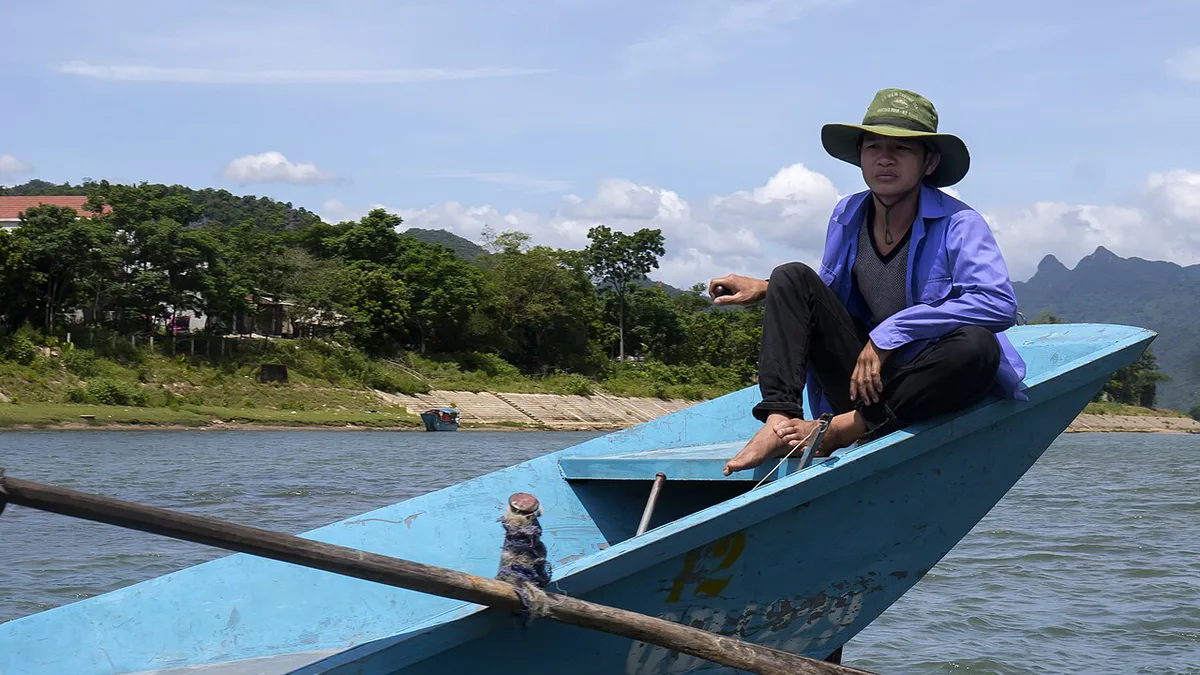
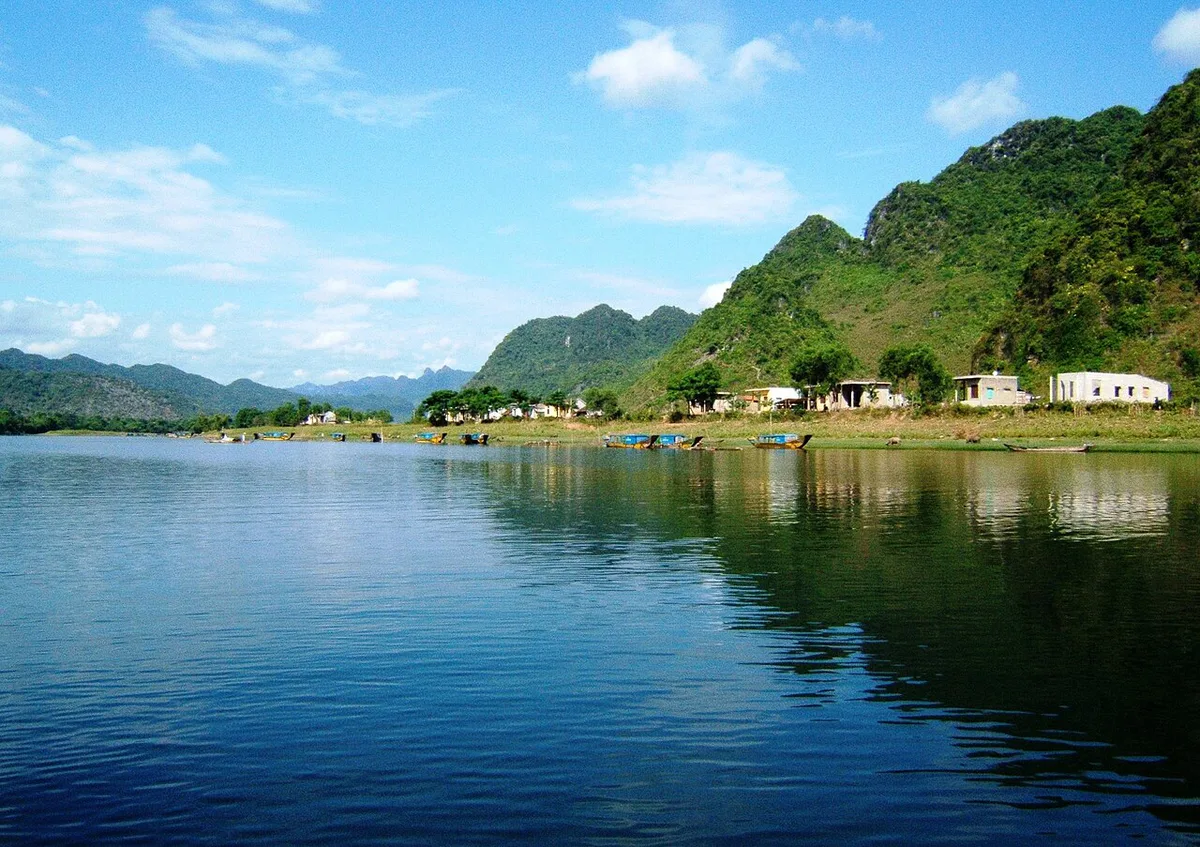
September to November carries the highest flood risk. A rising Son River can close Phong Nha Cave, usually in October and November. Paradise Cave is reached by stairs, so it can stay open when river caves are shut. December and January turn cold and drizzly, with temperatures near 15°C (59°F). Swimming is poor then, but cycling and park exploring are quieter. Expect fewer visitors and lower prices, with fewer activities on offer. For regional context, read our guide to Central Vietnam in Rainy Season: Travel Guide 2026.
Activity-Specific Timing
Multi-day expeditions to Son Doong, Hang En and Pygmy Cave run in a strict February to August window. Operators such as Oxalis Adventure typically pause from mid-September to mid-January, so confirm dates directly. Motorcycling and cycling work best in the shoulder months of March, April, August and September. Those months avoid heatstroke and torrential rain, though early September needs a close forecast check. Photography is clearest in the dry season, when cave visibility is best. Technical details for each cave sit in our Phong Nha Cave Guide: Costs, Boat Sharing and Flood Risk.
Early September motorcycling and cycling need a close forecast check, and the check should run 48 hours before arrival in that shoulder month.
Planning, Packing and Costs
Pack dry bags for the rainy season and moisture-wicking layers for the dry season. Bring a warm layer for December and January. Cave entrance fees are generally set by the government, so they do not rise in peak months. Paradise Cave has recently been listed at 250,000₫, but check the Quang Binh tourism office or the park ticket desk for the current rate. Room rates and tour availability are what shift with the season, so book early for June and July. To structure the days, use our 3-day Phong Nha itinerary. Onward travel is covered in our Phong Nha To Hue Transport Travel Guide guide.
Paradise Cave can stay open when river caves are shut because it is reached by stairs. Its recently listed rate is 250,000₫, so confirm it at the ticket desk.
Mistakes to Avoid
Assuming every cave is open year-round is the most common error. Some river caves close during floods, and expeditions stop outside their season. Underestimating December and January cold is the second one, since 15°C (59°F) with drizzle feels colder inside damp caves. Skipping the forecast is the third. Check it 48 hours before arrival in shoulder months. If Phong Nha is one stop on a wider route, compare it with the best time for central Vietnam.

Frequently Asked Questions
How long should I stay in Phong Nha?
Three days covers the main caves and a day of cycling or park exploring. Our 3-day itinerary shows one way to split them. Add days if you plan a multi-day expedition.
Take the route offline
Free: the Phong Nha route notes
Where to base yourself and what it costs, a day-by-day route that avoids backtracking, real transfer times and fares, seasonal timing, and where it connects onward — condensed from our Phong Nha guides and made to take offline.
Keep unfolding Vietnam
Continue along the route
Three nearby guides for the next decision in your trip.


