

Photo: LazyO79 via Flickr (CC BY 2.0)
Phong Nha To Hue Transport Travel Guide
Plan your Phong Nha to Hue transport with expert tips on buses, trains, and costs. Get booking advice, timing details, and packing lists for a smooth journey.
On this page
Getting from Phong Nha to Hue is straightforward, and this 160 km route is part of a larger Central Vietnam Itinerary: A 10-Day Route Guide that many travelers combine with other stops. Multiple transport options run daily, each with distinct trade-offs between cost, speed, comfort, and flexibility—from budget sleeper buses to scenic trains to adventurous motorbikes. Last updated July 2026.
Quick Answer: The direct bus is best for budget travelers: 250,000 VND (~$10–$11) per seat, multiple daily departures, 4–5 hours travel time. For faster, scenic journeys, take the train from nearby Dong Hoi station (3 hours, 600,000–800,000 VND / ~$25–$30). Private car transfers cost $90–$100 per group, 3.5 hours door-to-door service.
Key Takeaways
- Getting from Phong Nha to Hue is straightforward, and this 160 km route is part of a larger Central Vietnam Itinerary: A 10-Day Route Guide that many travelers combine with other stops.
- Multiple transport options run daily, each with distinct trade-offs between cost, speed, comfort, and flexibility—from budget sleeper buses to scenic trains to adventurous motorbikes.
- Quick Answer: The direct bus is best for budget travelers: 250,000 VND (~$10–$11) per seat, multiple daily departures, 4–5 hours travel time.
- For faster, scenic journeys, take the train from nearby Dong Hoi station (3 hours, 600,000–800,000 VND / ~$25–$30).
Take the route offline
Free: the Phong Nha route notes
Where to base yourself and what it costs, a day-by-day route that avoids backtracking, real transfer times and fares, seasonal timing, and where it connects onward — condensed from our Phong Nha guides and made to take offline.
Step-by-Step: How to Get from Phong Nha to Hue
Traveling from Phong Nha to Hue involves seven simple decision points, from choosing your method to planning optional stops. Each method has pros and cons: buses are cheapest and frequent, trains are scenic and smooth, motorbikes offer freedom, and private cars provide comfort. By following these steps, you'll know exactly what to expect and how much to budget.
The total journey spans 160 km and takes 3.5–5 hours depending on stops and traffic conditions. Even first-time travelers find the process straightforward when they plan booking, packing, and timing in advance. Let's walk through each step to ensure a smooth experience.
- Step 1: Decide on Your Transport Method
- Bus is cheapest and most frequent (250,000 VND / ~$10–$11, 4–5 hours, 6+ daily departures from 4:00 AM).
- Train is scenic and efficient (600,000–800,000 VND / ~$25–$30, ~3 hours, 5 daily trains from Dong Hoi station).
- Motorbike or private car offer flexibility; choose based on solo/group and budget constraints.
- Step 2: Compare & Select Based on Budget
- Bus: 250,000–350,000 VND ($10–$13), most departures, shared experience, less luggage space.
- Train: 600,000–800,000 VND ($25–$30), smooth ride, scenic views, requires taxi to Dong Hoi first.
- Best for most travelers: the direct bus offers unbeatable value unless you prioritize speed or comfort.
- Step 3: Book Your Tickets in Advance
- Use 12go.asia, Baolau, or local agencies in Phong Nha to book buses at least one day before.
- Train tickets sell quickly online via dsvn.vn or at Dong Hoi station; book 2–3 days ahead during peak season.
- Payment methods vary: cash on pickup is standard; some agencies accept card or bank transfer.
- Step 4: Pack Essentials & Arrange Pre-Journey Transport
- Bring drinking water, light snacks, phone charger, passport, and comfortable clothes for air-conditioned comfort.
- Most hotels arrange free or low-cost pickup to the bus station 30 minutes before departure.
- Wear layers: air-conditioned buses and trains can feel cold after a few hours of travel.
- Step 5: Arrive Early & Navigate Boarding
- For buses, arrive 15–30 minutes early to confirm your seat and ask about real departure timing.
- Trains board 15 minutes before departure; find your carriage number on the ticket and your assigned seat.
- Buses sometimes depart early if full; stay nearby and keep your phone ready for driver contact.
- Step 6: Travel & Enjoy the 160 km Route
- Buses include one or two short rest stops (15–20 minutes) for food, drinks, and bathroom breaks.
- Trains offer onboard snacks, toilets, and big windows for rice paddies and coastal scenery views.
- Total journey time: 4–5 hours by bus, ~3 hours by train (fastest overnight express at 2h53).
- Step 7: Optional – Add a DMZ History Detour
- Some organized buses include Vinh Moc Tunnels and Hien Luong Bridge; ask your agency before booking.
- Self-guided DMZ tours cost $80–$100 per person and add 2–3 hours to your travel time total.
- Book DMZ add-ons before your main trip, as on-route arrangements can delay you or cause missed arrival.
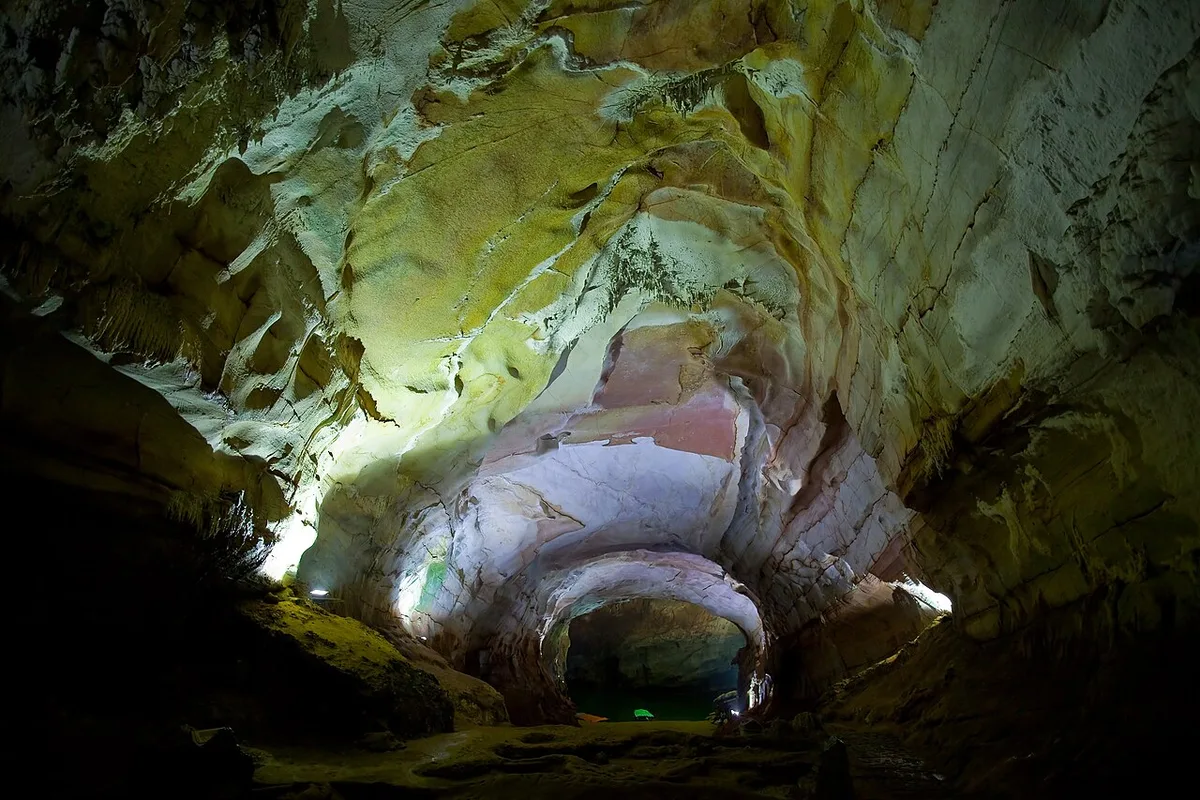
Transport Options: Bus, Train, Motorbike, Car
Phong Nha to Hue offers four main transport methods, each suited to different travel styles and budgets. Timing is influenced by seasonal factors—for example, the rainy season affects some routes—but buses and trains operate year-round. This section details each option with costs, timing, booking, and travel logistics.
Train tickets from Dong Hoi sell out quickly during peak seasons. Book early during busy periods, but treat a seat as confirmed only when the operator issues a valid ticket. Bus frequency varies by operator and date, so compare the live schedule if the train is unavailable.
| Transport | Cost | Travel Time | Daily Departures | Key Details |
|---|---|---|---|---|
| Bus | 250,000–350,000 VND ($10–$13) | 4–5 hours | 6+ daily | Air-conditioned, most budget option, frequent, shared experience |
| Train | 600,000–800,000 VND ($25–$30) | ~3 hours | 5 daily | Scenic, smooth, exits downtown traffic; requires 30-min taxi to Dong Hoi |
| Motorbike | 150,000–600,000 VND ($6–$22) | 4–5 hours | Self-arranged | Maximum flexibility; requires International Driving Permit; scenic routes available |
| Private Car/Minivan | $90–$100 per group | 3.5 hours | Self-arranged | Door-to-door, most comfortable, best for groups; highest cost |
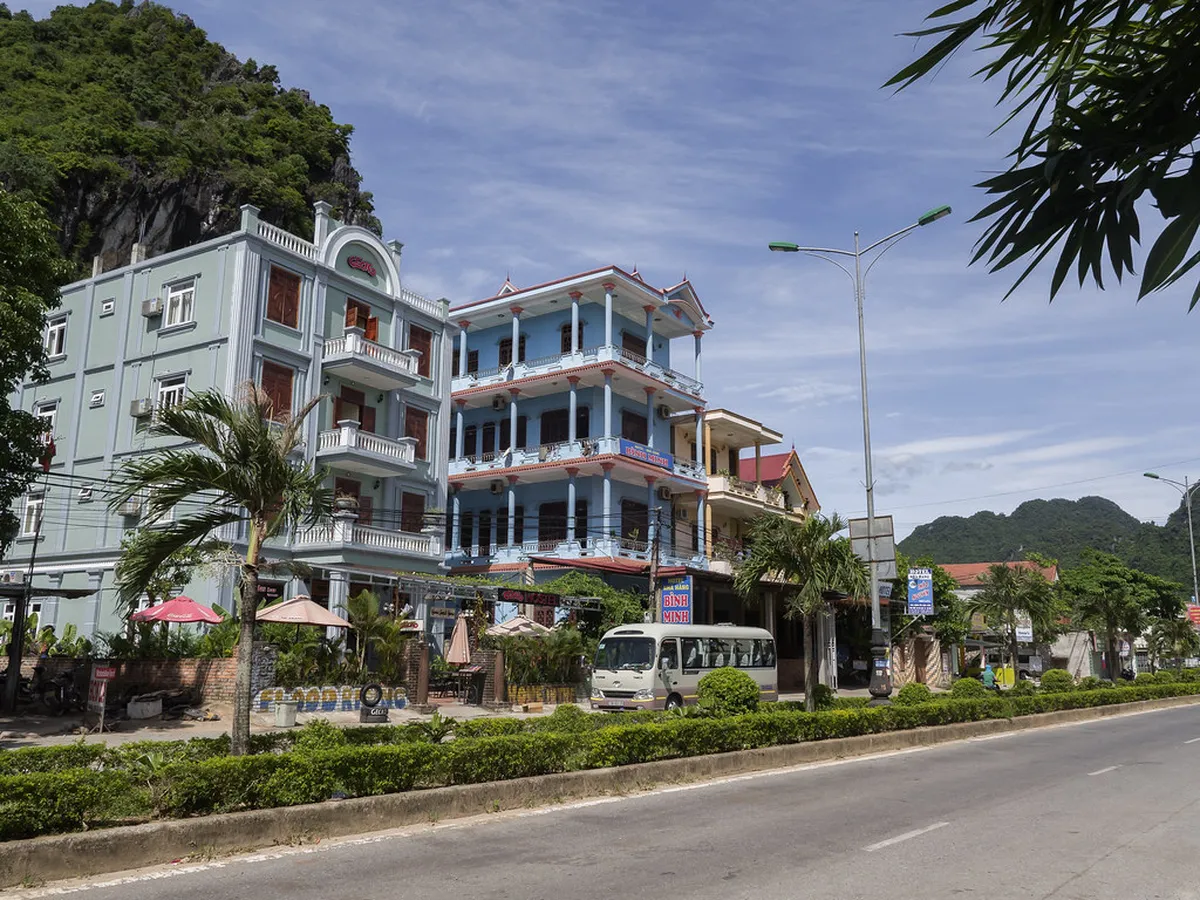
The direct bus is the most popular choice for budget travelers and backpackers seeking a quick transfer. Daily services run six times, with departures between 4:00 AM and 7:00 PM, costing 250,000–350,000 VND ($10–$13) per seat. The 4–5 hour journey includes air-conditioning, reclining seats, and water; overnight sleeper buses allow napping. Drawbacks: crowded buses during peak times, occasional minor delays, and limited luggage space on sleeper models.
The train is ideal for travelers seeking comfort, scenic views, and a smooth, restful ride. Phong Nha has no train station, so you'll need a 30-minute taxi to Dong Hoi (200,000–250,000 VND / ~$8–$10). Five daily trains depart 5:00 AM to 7:30 PM; the 3-hour journey (2h53 on fastest trains) costs 600,000–800,000 VND (~$25–$30). The train terminates in central Hue, avoiding downtown traffic, though tickets sell out during peak seasons.
Motorbike rentals offer maximum flexibility and adventure for solo travelers, couples, or experienced riders. Daily rental costs 150,000–250,000 VND ($6–$10) for a 50–100cc bike or 400,000–600,000 VND ($15–$22) for a larger 150cc+ model. You'll need an International Driving Permit, passport copy, and preferably riding experience; the scenic main highway (Route 1) is paved. The 4–5 hour leisure-pace journey lets you stop for photos; the off-road Route 9 (old Ho Chi Minh Trail) offers more adventure.
Private car or minivan transfers provide the highest comfort and door-to-door convenience for groups and luggage travelers. A four-seat car costs $90–$100 (~2,100,000 VND) one-way; book via your hotel, Viator, GetYourGuide, or local agencies. The 3.5-hour direct drive is flexible: the driver can detour to the best areas to stay in Hue or war-history stops. This option suits groups and travelers with large luggage, though it's pricier than other methods and less common for solo backpackers.
What to Pack & Prepare
Preparing for the 160 km journey ensures comfort and avoids common delays, motion sickness, or frustrations. Pack strategically and confirm logistics the day before to travel smoothly and arrive rested. Here's what every traveler should bring and do.
Confirm your booking the morning of travel to avoid surprises. Arrange hotel pickup 15–30 minutes before departure. Keep your phone fully charged; staying connected with your driver helps if buses depart early when full.
- Essential items to pack for the journey
- Bring a refillable water bottle; buses and trains rarely provide enough free water.
- Pack light snacks (energy bars, dried fruit, nuts) in case rest stops have limited food options.
- Keep your passport or ID card for checkpoint stops in Quang Tri.
- Charge your phone fully the night before; phone chargers are rare on this route.
- Wear comfortable, breathable clothing; air-con can feel cold, so bring a light sweater or jacket.
- Confirm your booking by phone or message the morning of travel to avoid surprises.
- Arrange hotel pickup to the bus station 15–30 minutes before departure time.
Stops Along the Way: DMZ & War History
The Phong Nha to Hue corridor is rich with Vietnam War history and stunning scenic landmarks. Many travelers add 1–3 hours to explore these sites; doing so transforms a simple transfer into a meaningful journey. Here are the key stops worth considering on your route.

Vinh Moc Tunnels were built by villagers as shelter from heavy bombing during the American War. The 30-meter underground village is preserved with narrow tunnels, sleeping quarters, and a kitchen carved into rock. Entry costs 40,000 VND (about $1.50) for adults; a self-guided tour takes 1–2 hours. Guided tours from Hue or Phong Nha typically include this stop and add $80–$100 per person to your journey.
The Ben Hai River marks the historic 17th Parallel—the former border between North and South Vietnam. The iconic Hien Luong Bridge is a free, open-air site with memorials, old bunkers, and historical markers. Most organized DMZ bus tours stop here after Vinh Moc; outdoor areas may appear accessible, but museum areas, monuments, fees, and access rules can have set hours. Confirm locally and respect barriers rather than assuming unrestricted access.
Other nearby stops include Quang Tri Citadel ruins (80,000 VND / ~$3 entry), food-focused explorations in Hue upon arrival, and Truong Son cemetery. Cua Tung and Cua Viet beaches are free and scenic, perfect for motorbike riders or car explorers. If renting a motorbike or car, you can visit all sites in 4–6 hours at your own pace. On bus tours, DMZ stops are limited to 1–2 major sites; specialized DMZ tours cost $80–$100 per person and add 2–3 hours total.
Troubleshooting Common Problems
Even straightforward journeys can hit snags: delayed buses, crowded trains, missed bookings, or unexpected weather. Knowing how to solve these problems keeps your trip on track and your stress level low. Here are practical solutions to the most common issues travelers face.
- Solutions to common travel problems
- Bus is late or full: Call your hotel to confirm pickup and expect minor delays.
- Train tickets are sold out: Try alternate times or book a bus as backup.
- Booking confirmation lost: Bring your passport to the station; staff can look it up.
- Motion sickness: Sit near a window, take medication, or ask for rest stops.
- Luggage theft: Keep your bag close and avoid overhead storage if bus is full.
- Missed your departure: Book the next bus or train immediately; later slots fill fast.
- Weather or road closures: Services continue; verify with your operator during rainy season.
Where to Arrive and Stay in Hue
Confirm your Hue drop-off point before leaving Phong Nha, because bus operators may stop at their own offices rather than the railway station or your hotel. Hue railway station is on Bui Thi Xuan Street, southwest of the Imperial City and within a short taxi ride of the main accommodation areas. Keep your hotel address in Vietnamese and use a metered taxi or ride-hailing app for the final transfer.
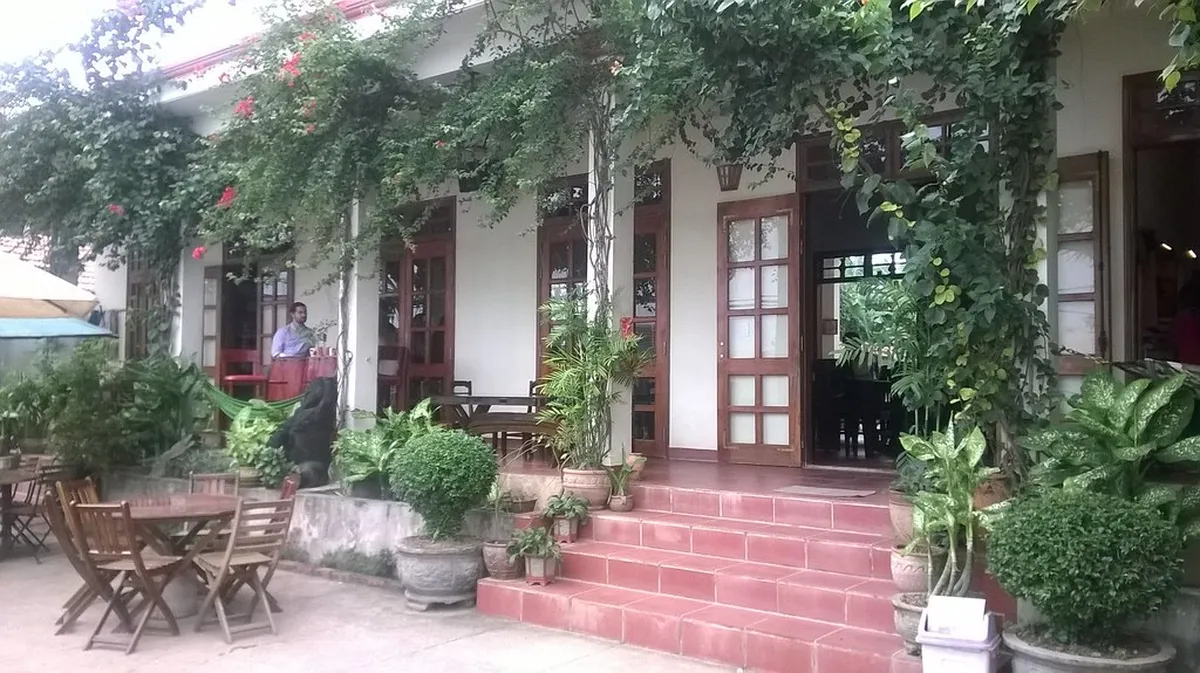
For restaurants, cafés, and evening activity, stay on the south bank of the Perfume River near Pham Ngu Lao, Vo Thi Sau, or Chu Van An streets. This area is convenient for travelers arriving late and offers easy access to tour agencies and onward transport. The north bank, inside or near the Imperial City, suits visitors who prioritize the Citadel, Dong Ba Market, and quieter evenings, although reaching some nightlife and departure points may require an extra river crossing.
If Hue is only an overnight stop, choose accommodation near the south-bank center rather than beside the Citadel walls. Travelers staying several days can prioritize atmosphere and walkability over proximity to the bus office.
Official Planning Checks Before You Go
Use the official Vietnam Tourism Phong Nha guide for destination context and the UNESCO Phong Nha–Ke Bang listing for a second official baseline. Recheck any opening hour, fare, timetable, closure, access rule, weather risk, or booking condition with the responsible operator shortly before travel; an official destination overview is not a live inventory or service guarantee.
For the wider route context, continue with Phong Nha Itinerary 3 Days: A First-Timer's Guide, and How to Book Hue to Hoi An Transport in 2026 before fixing this stop in your itinerary.
Frequently Asked Questions
What's the best way to get from Phong Nha to Hue?
The direct bus is best for most travelers: cheapest at 250,000 VND (~$10), most frequent, and comfortable. For speed and scenery, take the train from Dong Hoi (3 hours, $25–$30). Choose based on your budget and schedule.
How long does the bus trip from Phong Nha to Hue take?
Direct buses take 4–5 hours under normal conditions, including one or two short rest stops. Buses with DMZ stops add 2–3 extra hours. Travel time varies by traffic and weather.
Do I need an international driving permit to rent a motorbike in Vietnam?
Vietnam requires the appropriate licence for the exact vehicle category. Whether an international permit is recognized depends on the convention and documents under which it was issued, so verify the current official rule for your licence; a rental shop handing over a bike does not prove legal or insured riding.
Can I see the DMZ stops on a direct bus, or do I need a special tour?
Some buses include DMZ stops (Vinh Moc Tunnels, Hien Luong Bridge), but you must book a 'DMZ tour bus' in advance—they differ from regular buses. Private DMZ car tours cost $80–$100 per person; regular direct buses do not stop there.
Is it cheaper to book buses or trains in advance?
Booking 1–3 days ahead generally gives better prices and confirms a seat only after the operator issues the ticket. Day-of booking risks sold-out buses or premium pricing. Train tickets sell out faster, so advance booking is strongly recommended during peak seasons.
Where is Dong Hoi train station, and how do I get there from Phong Nha?
Dong Hoi train station is 30 km south of Phong Nha; a taxi costs 200,000–250,000 VND (~$8–$10) and takes 30 minutes. Most hotels arrange pickups. Alternatively, some buses detour to the station before heading to Hue.
Getting from Phong Nha to Hue is one of Vietnam's easiest and most rewarding transfers. Whether you choose a budget bus, scenic train, adventurous motorbike, or comfortable private car, the 160 km journey itself becomes part of the travel experience. With proper planning—booking at least one day in advance, packing essentials, and confirming details—your route will be smooth and truly enjoyable.
The key takeaways: book 1–2 days ahead via 12go.asia or your hotel; pack water, snacks, and ID; budget 250,000–800,000 VND per person for transport alone; consider adding DMZ stops if you have time. Safe travels, and enjoy every km of the views ahead!
Take the route offline
Free: the Phong Nha route notes
Where to base yourself and what it costs, a day-by-day route that avoids backtracking, real transfer times and fares, seasonal timing, and where it connects onward — condensed from our Phong Nha guides and made to take offline.
Keep unfolding Vietnam
Continue along the route
Three nearby guides for the next decision in your trip.


