

Photo: Gary Lee Todd, Ph.D. via Flickr (CC0 1.0)
Best Time to Visit Central Vietnam: Travel Guide
Discover the best time to visit Central Vietnam, from Hue to Hoi An, with monthly weather, prices, and crowd tips to plan a smoother 2026 trip.
On this page
The best time to visit Central Vietnam is mid-February to late April, when skies stay driest. Hue, Da Nang, and Hoi An see mild heat and low humidity through that window, based on typical climate data. Shoulder season, running from mid-February through April, is the sweet spot before summer heat and crowds arrive. Last updated July 2026.
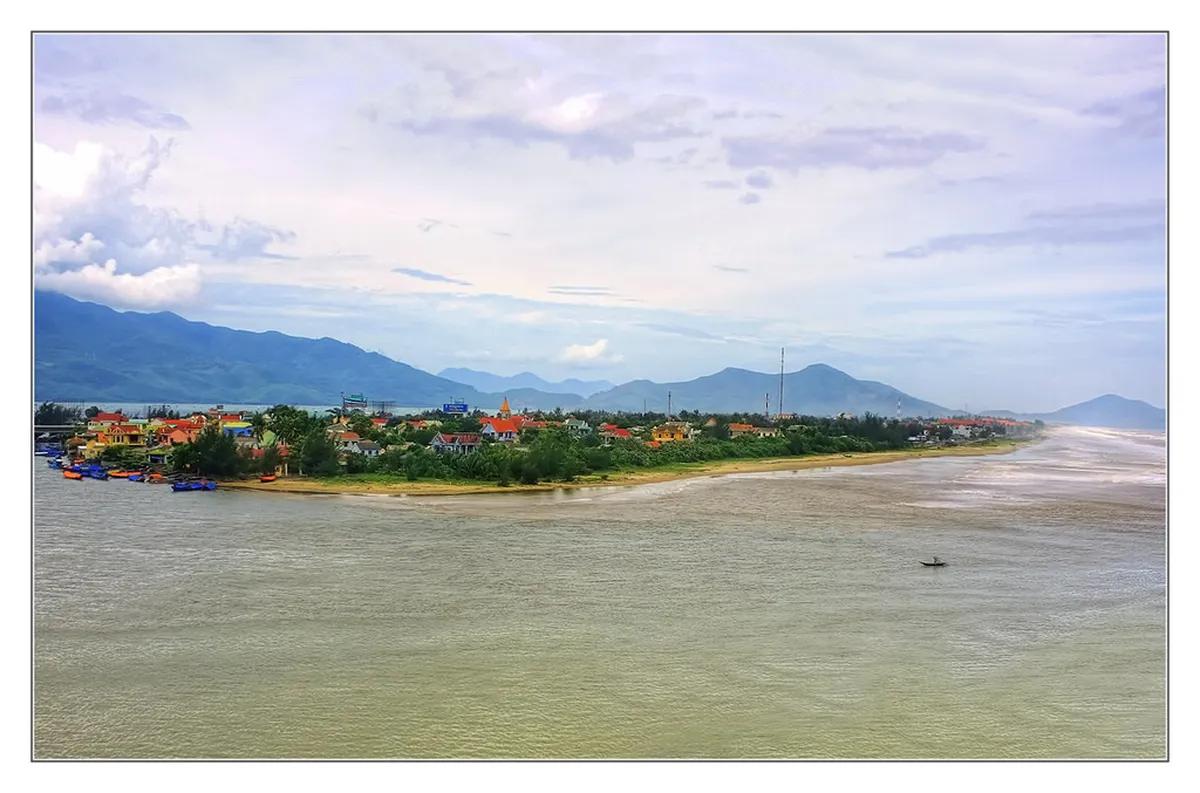
Central Vietnam's coast stretches from Hue through Da Nang, Hoi An, and Phong Nha's caves. Its climate splits into four rough bands: a dry spring, a hot summer, a stormy autumn, and a cool winter. The Hai Van Pass acts as a natural divider, keeping weather patterns distinct on either side. That geography explains why Hue can stay rainy while Da Nang, just south of the pass, stays dry.
Typhoon season along this coast runs from September through November most years. Heavy rain and occasional storm closures make late September through November the riskiest window to avoid. Families and first-time visitors should target the dry season instead, especially March and April. Later sections break down pricing, packing, and closures for each season in detail.
Key Takeaways
- The best time to visit Central Vietnam is mid-February to late April, when skies stay driest.
- Hue, Da Nang, and Hoi An see mild heat and low humidity through that window, based on typical climate data.
- Shoulder season, running from mid-February through April, is the sweet spot before summer heat and crowds arrive.
- Central Vietnam's coast stretches from Hue through Da Nang, Hoi An, and Phong Nha's caves.
Take the route offline
Free: the Central Vietnam route notes
Where to base yourself and what it costs, a day-by-day route that avoids backtracking, real transfer times and fares, seasonal timing, and where it connects onward — condensed from our Central Vietnam guides and made to take offline.
When Is the Best Time to Visit Central Vietnam?
Central Vietnam stays mild and dry from mid-February through April, with days near 24-30°C (mid-70s to mid-80s°F). Humidity stays low and rain is rare, making sightseeing easy in Hue and Hoi An. Crowds build toward Easter and the late-April holiday week, so early booking pays off. A double room in Hoi An's Old Quarter often runs about $45-60 a night in March.
June through August turns hot and humid, with highs of 29-35°C (low 80s to mid-90s°F). Rain still falls in short afternoon bursts, though mornings usually stay clear for beach time. This is peak season for summer holidays, so Da Nang's My Khe Beach gets crowded by midday. Beachfront rooms in Da Nang can climb 40-60% above spring rates during July and August.
September through November brings this coast's defining weather quirk: typhoons. Storms tracking in from the South China Sea can bring heavy rain and short closures. Hotel prices drop sharply then, with some Hoi An rooms cutting rates by half versus July. Travelers who tolerate a few rainy days find the emptiest streets and lowest fares of the year.
December and January bring a cooler, greyer pattern locals call crachin, a fine persistent drizzle. Daytime highs settle around 18-23°C (mid-60s to low 70s°F), cool enough for a light jacket in Hue. Most visitors notice fog over the Hai Van Pass on many December mornings, based on typical seasonal patterns. Tet, the Lunar New Year, usually falls in late January or February and briefly closes family-run restaurants.
A full route that sequences these seasons well appears in our Central Vietnam itinerary guide. Typical rainfall and temperature patterns referenced above align with regional averages from Intrepidtravel.com. Treat these as general seasonal patterns rather than an exact forecast for any single trip.
Central Vietnam Season Comparison
The table below lines up Central Vietnam's four weather bands side by side. Each row names exact months, so checking trip dates against the calendar stays simple. Temperatures appear in both Celsius and Fahrenheit, since guidebooks split between the two units.
Prices swing hardest between the wet low season and the dry peak months. A central Hoi An double room can run about $30-40 in October versus $70-90 or more in July. That is roughly a 100% swing between the cheapest and priciest months on the same street.
Crowd levels follow a similar curve, peaking around Tet, Easter, and the July-August break. The quietest weeks tend to land in late September and again in early December. Regional weather notes for this coast broadly track the seasonal summary from Banyantree.com.
Events cluster in spring and early summer, when calm weather suits outdoor festivals. The Hue Festival, a biennial celebration of imperial heritage, typically lands in late April of even years like 2026. Da Nang's international fireworks competition usually runs several weekends in June, drawing crowds to the riverfront.
Booking three to four weeks ahead secures better rates during the dry season peak. Last-minute deals appear more often in the rainy season, when demand drops sharply. Flights between Hanoi or Ho Chi Minh City and Da Nang also follow this pricing pattern. Fares often dip 20-30% below peak-season levels once typhoon season begins in September.
| Season | Weather | Crowds | Prices | Events | Best for |
|---|---|---|---|---|---|
| Dry season (mid-February to April) | 24-30°C / mid-70s to mid-80s°F, sunny and dry | Moderate, rising near Easter | Mid-range; Hoi An doubles around $45-60/night | Hue Festival (late April, even years) | First-time visitors and easy sightseeing |
| Hot season (June to August) | 29-35°C / low 80s to mid-90s°F, humid with brief showers | High, especially July-August | Peak; Da Nang doubles jump 40-60% over spring | Da Nang Fireworks Festival (June) | Beach days and family summer trips |
| Typhoon season (September to late November) | 24-29°C / mid-70s to mid-80s°F, heavy rain and storm risk | Low | Lowest; Hoi An doubles near $30-40/night | Hoi An Full Moon lantern nights (monthly) | Deep discounts and quiet streets |
| Cool season (December to late January) | 18-23°C / mid-60s to low 70s°F, cloudy with crachin drizzle | Moderate, rising before Tet | Moderate, spikes during Tet week | Tet Lunar New Year (Jan or Feb) | Cooler sightseeing and cultural immersion |
Central Vietnam by Month: What to Expect
January and February stay cool and often overcast, with highs near 20-24°C (upper 60s to mid-70s°F). Tet festivities can fall in either month, filling hotels in Hoi An and Hue for about a week. Many family-run kitchens close for several days around Tet, so confirm restaurant hours in advance.
March and April bring the driest, most reliable weather of the year across the region. Daytime highs reach 26-30°C (upper 70s to mid-80s°F) with long, sunny stretches. This pairing suits the Hue, Da Nang, and Hoi An 7-day itinerary especially well.
May through August turns hot, with highs of 32-35°C (low 90s to mid-90s°F) and higher humidity. Afternoon showers arrive most days by June but rarely last more than an hour. Beach season peaks here, so coastal strips in Da Nang and Hoi An book out weeks ahead in July.
September through November is the riskiest stretch, with typhoons tracking in from the sea. October usually brings the heaviest rainfall totals of the year along this coast. Countrywide climate patterns, including this typhoon window, are summarized by Vietnam.travel.
December bridges the wet season and the cool, dry pattern that follows in January. Rain tapers off gradually, though crachin drizzle can still linger into early January. Christmas week brings a small bump in visitors to Hoi An's lantern-strung Old Town.
What's Closed in Low Season
Certain boats, caves, and restaurants scale back or close entirely during the wet season. Knowing these gaps ahead of time avoids wasted travel days in Hoi An, Hue, and Phong Nha. Most closures cluster between September and December, though exact dates shift with the weather.
Typhoon season runs September through November along this coast. Heavy rain and occasional closures make this the riskiest window to avoid. Travelers with fixed dates should build flexible buffer days into their schedule.
Boats to the Cham Islands from Hoi An routinely suspend service when the sea flag turns red. This happens most often from October through December, sometimes for several days in a row. Snorkeling trips and the island's seafood restaurants close along with the ferry schedule.
Phong Nha's Paradise Cave and its boat tour can shut down when the Son River floods. This is most common between September and November, based on typical flood patterns for the park. Check current access before planning a visit; the Phong Nha 3-day itinerary guide covers backup plans.
Some beachfront restaurants along Hoi An's Cua Dai and An Bang beaches shorten hours in the rainy months. Owners often reopen once the swell drops, usually by December or January. Hue's Perfume River boat tours also pause during flood warnings, most likely in October. Check current routes and detours in our Central Vietnam Transport Guide: Buses, Trains & Taxis before departure.
Some Ba Na Hills cable car sections pause briefly during high winds, though this is rare. My Son Sanctuary stays open year-round, but muddy paths can slow visits after heavy rain. Confirm same-day operating status with hotel staff before heading out during storm warnings.
Which Season Is Right for You?
Choosing a season comes down to trade-offs between weather, crowds, and price. Every traveler type weighs those factors differently, so there is no single right answer. The picks below match common trip styles to the season that suits them best.
Booking accommodation two to three months ahead secures better rates in any season. Last-minute deals appear more often during the rainy season when demand drops sharply.
Photographers and honeymooners often value calm weather and soft light over rock-bottom prices. Families juggling school breaks may need to travel during hotter, busier months regardless of comfort. Budget travelers can trade a little rain for meaningfully lower hotel and tour rates.
Couples planning a wedding or anniversary trip often lean toward late April for calm seas and soft light. Long-stay remote workers may prefer shoulder months to dodge both peak prices and storm disruptions. Booking accommodation two to three months ahead secures better rates in any season.
Weighing personal priorities against our season comparison table narrows the decision quickly. Compare neighborhood options in the Da Nang or Hoi An where-to-stay guide before booking a base. Most travelers land on March, April, or December once weather and budget are weighed together. None of these windows is entirely risk-free, but each limits a different kind of disruption.
Solo travelers on flexible schedules can chase the driest week within a season for better odds. Group trips with fixed flight dates should plan around the typhoon window instead of hoping for luck. A short buffer day near the end of a trip absorbs most weather-related delays.
- Pick March-April if you're a first-timer
- Reliable dry weather in all three cities
- Pick July-August if traveling with kids
- School-break dates and lively beach towns
- Pick October-November if on a budget
- Lowest hotel rates of the year
- Pick December if you want festive culture
- Cooler days and Tet season buzz
- Pick late April if you love festivals
- Hue Festival and warm evening light
What to Pack for Central Vietnam
Packing for Central Vietnam changes more by season than by city. Hue, Da Nang, and Hoi An share one coastal climate, so a single list covers all three. The checklist below breaks essentials down by the four seasonal bands covered earlier.
Rain gear matters most from September through January, when showers arrive with little warning. A packable rain jacket beats an umbrella on windy days near the Hai Van Pass. Quick-dry sandals help on flooded streets during heavier October downpours.
Sun protection becomes essential from March through August, when UV levels run high along the coast. A wide-brim hat and reef-safe sunscreen protect skin during long beach or temple visits. Light, breathable fabrics help manage humidity during the hottest months of June through August.
Modest clothing helps at religious sites such as pagodas in Hue and Hoi An's Old Town. Shoulders and knees should stay covered when entering these spaces, regardless of season. A light scarf works well for both temple visits and cool December evenings.
A dry bag protects phones and cameras during sudden downpours near waterfalls and caves. Insect repellent helps year-round, especially near rice paddies and river areas after rain. A universal adapter and a portable charger round out the packing list for any season.
- Spring (Feb-Apr) packing essentials
- Light layers for cool mornings
- Sunscreen for midday sun
- A light rain jacket just in case
- Summer (Jun-Aug) packing essentials
- Breathable fabrics for heat and humidity
- Reef-safe sunscreen and a hat
- A compact umbrella for afternoon showers
- Fall (Sep-Nov) packing essentials
- A waterproof jacket and dry bag
- Quick-dry shoes for flooded streets
- A flexible buffer day for storms
- Winter (Dec-Jan) packing essentials
- A warm layer for crachin drizzle
- Closed-toe shoes for cooler evenings
- A light scarf for Hai Van fog
Best Time for Beaches, Caves, and the Hai Van Pass
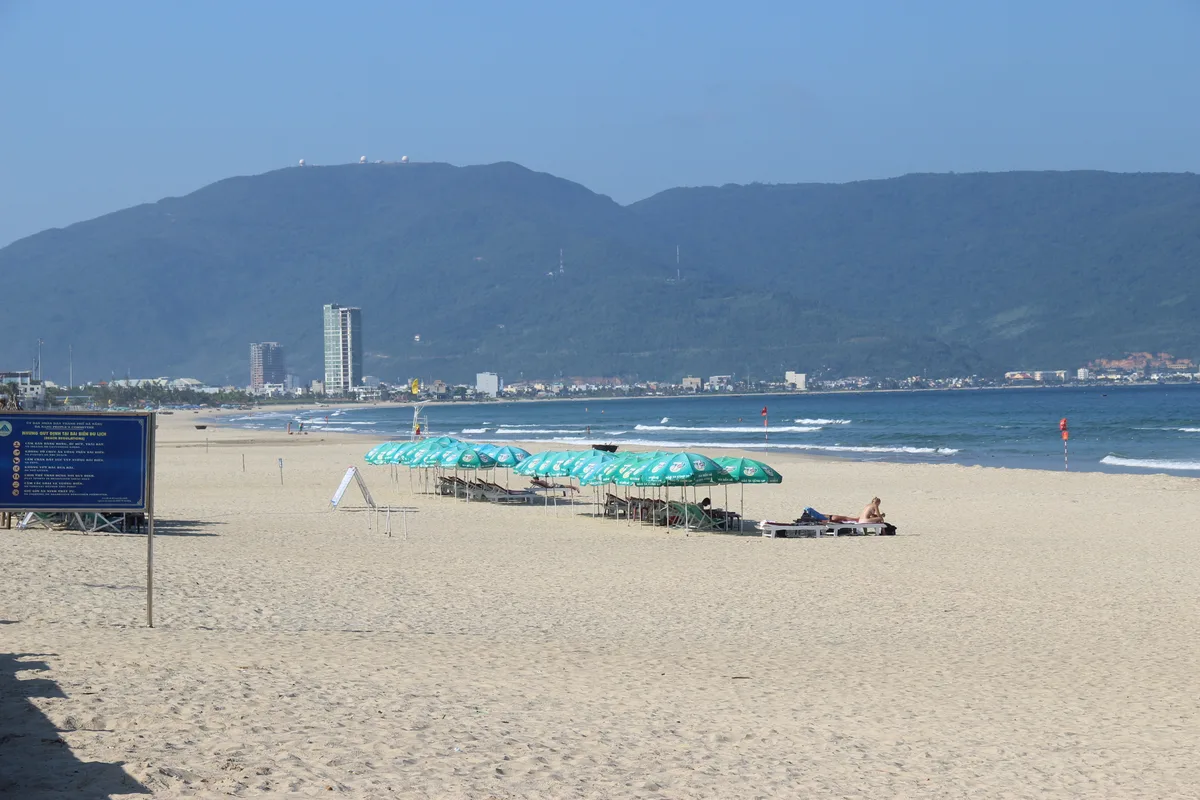
The ideal month changes with the activity. For swimming at My Khe, An Bang, or Cua Dai, aim for March through August, when the central coast usually has calmer seas and more sunny mornings. Start beach days early in June, July, and August to avoid the strongest heat and the busiest afternoon period.

Phong Nha follows a different rhythm. February through August generally provides the most dependable access to caves and river routes, while flooding can interrupt boat trips during the wetter months from September to November. Check conditions directly with Phong Nha–Ke Bang National Park or a licensed cave operator before traveling from Hue or Da Nang, because access can change after overnight rain.
- Hai Van Pass: Choose March through May for clearer views and comfortable riding temperatures.
- Hue monuments: February through April is usually drier for walking between the Imperial City and royal tombs.
- Hoi An beaches: March through July offers better swimming conditions, while rougher seas are more common late in the year.
Travelers combining all three areas should prioritize March or April, the strongest overlap for beaches, cave access, and scenic road travel.
Frequently Asked Questions
What is the best month to visit Central Vietnam?
March and April usually offer the best weather for visiting Central Vietnam overall. Hue, Da Nang, and Hoi An all see dry, mild days with highs around 26-30°C (upper 70s to mid-80s°F). Crowds and hotel rates stay moderate then, well below the July and August peak.
What is the rainy season in Central Vietnam?
Central Vietnam's rainy season runs roughly from September through December most years. Typhoons and tropical storms are most likely between September and November, based on typical seasonal data. October usually brings the heaviest rainfall and the highest chance of short travel disruptions.
Which month should travelers avoid in Da Nang?
October and November carry the highest typhoon and flood risk in Da Nang. Storms can disrupt flights, ferries, and beach access with little advance warning. Travelers with fixed dates should build a flexible buffer day into the schedule.
Is $50 a day enough to travel Central Vietnam?
Yes, $50 a day comfortably covers a mid-range Central Vietnam trip. Budget hotel rooms typically run $15-25 a night outside of Tet week. Street food, local transport, and one paid attraction fit easily within that daily figure.
Is December a good time to visit Central Vietnam?
December works well for travelers who do not mind cooler, cloudy days. Rain tapers off from the typhoon season, though light crachin drizzle can still appear. Fewer crowds and moderate prices make it a reasonable off-peak choice.
Is it worth visiting Central Vietnam in November?
November carries real typhoon risk, so it suits flexible travelers more than fixed-date trips. Rain can disrupt ferries to the Cham Islands and cave tours near Phong Nha. Travelers who build in buffer days often still enjoy quiet, low-priced sightseeing.
Is October a good time to visit Central Vietnam?
October sits inside the typhoon window, so conditions can be unpredictable for outdoor plans. Rain totals typically peak this month, based on typical seasonal data for the central coast. Deep discounts on hotels can offset the weather risk for flexible travelers.
Central Vietnam rewards travelers who match trip dates to its four seasons. Mid-February through April remains the strongest default window for most itineraries. Beach lovers and festival-goers can still time summer or late-April visits with a little planning. Budget-driven trips can lean into the rainy season for the lowest prices of the year.
Start sequencing routes and dates with our Vietnam travel planning blog for more seasonal guides. Whichever season fits best, book key hotels and cave tours a few weeks ahead.
Take the route offline
Free: the Central Vietnam route notes
Where to base yourself and what it costs, a day-by-day route that avoids backtracking, real transfer times and fares, seasonal timing, and where it connects onward — condensed from our Central Vietnam guides and made to take offline.
Keep unfolding Vietnam
Continue along the route
Three nearby guides for the next decision in your trip.


