

Best Time to Visit Phu Quoc: Monthly Weather & Travel Guide
Find the best time to visit Phu Quoc for calm seas and sunny beaches. Compare dry and rainy seasons, monthly weather, ferry risks and resort price swings.
On this page
Last updated November 2026: the best time to visit Phu Quoc is the dry season, roughly November to April, when seas are calm and skies are clear. Rain, sea state and ferry reliability change sharply from May to October. This guide walks through the months so you can trade weather against price.

Featured image: NARA photo 111-CCV-4-CC50252 by SP6 Eugene Randon, Public domain, via Wikimedia Commons.
Best Time to Visit Phu Quoc: The Quick Answer

November to April is the peak window. Humidity is lower, skies are clear and the sea is calm enough for snorkeling and boat trips around the An Thoi archipelago. Daytime highs are typically around 30°C (86°F), though you should check a current forecast before booking. Late October and early April are the sweet spots. Weather is decent, crowds thin out and prices ease. Anyone watching a budget should aim there. For a wider regional view, see our guide to the best time to visit Vietnam.
Take the route offline
Free: the Phu Quoc route notes
Where to base yourself and what it costs, a day-by-day route that avoids backtracking, real transfer times and fares, seasonal timing, and where it connects onward — condensed from our Phu Quoc guides and made to take offline.
Phu Quoc Dry Season vs Rainy Season

Phu Quoc has two clear seasons, with transitional months between them. Heat builds before the rains, so April and May can feel punishing at highs near 32°C (90°F). Treat the temperatures as typical ranges, not forecasts. Resort pricing swings with the seasons. Luxury resorts often cut rates by 30-50% in the wet season. As an illustration only, a room listed at ₫4,000,000 per night in peak season would fall to roughly ₫2,000,000-₫2,800,000 at that discount. Check current rates on the resort's own booking page.
| Season | Months | Weather and sea | Best for | Trade-off |
|---|---|---|---|---|
| Dry season | November to April | Low humidity, clear skies, calm seas | Snorkeling, diving, island hopping in An Thoi | High prices, crowded Long Beach and Night Market |
| Shoulder months | Late October and April | Transitional, humid, heat building in April | Lower crowds and better rates | Mixed weather, rising heat |
| Rainy season | May to October | Heavy afternoon downpours, rough west-coast seas | Waterfalls at full flow, lower resort rates | Ferry cancellations, poorer sea visibility |

Phu Quoc Weather by Month
Use this month-by-month view to match your dates to the activity you care about. Temperatures are typical daytime figures, not guarantees. Starfish sightings at Rach Vem depend on tides and environmental change, so verify current conditions locally.
Highs near 29°C (84°F) from November to February are slightly cooler than the typical 30°C (86°F) quoted for the wider dry season.

- November to February: Calmest and clearest stretch. Highs sit near 29°C (84°F). Sea visibility for snorkeling is at its best.
- March: Dry and hotter. Diving and island hopping remain strong.
- April: Heat builds toward 32°C (90°F). It is a shoulder month with lower crowds but rising humidity.
- May to June: Rains arrive. Expect afternoon downpours and hazier water.
- July to September: Peak of the rainy season. Rough west-coast seas and the highest ferry cancellation risk.
- October: Transitional. Showers ease and prices stay lower. Treat Starfish Beach visibility with caution.
The Two Coasts Rule: Long Beach vs Sao Beach
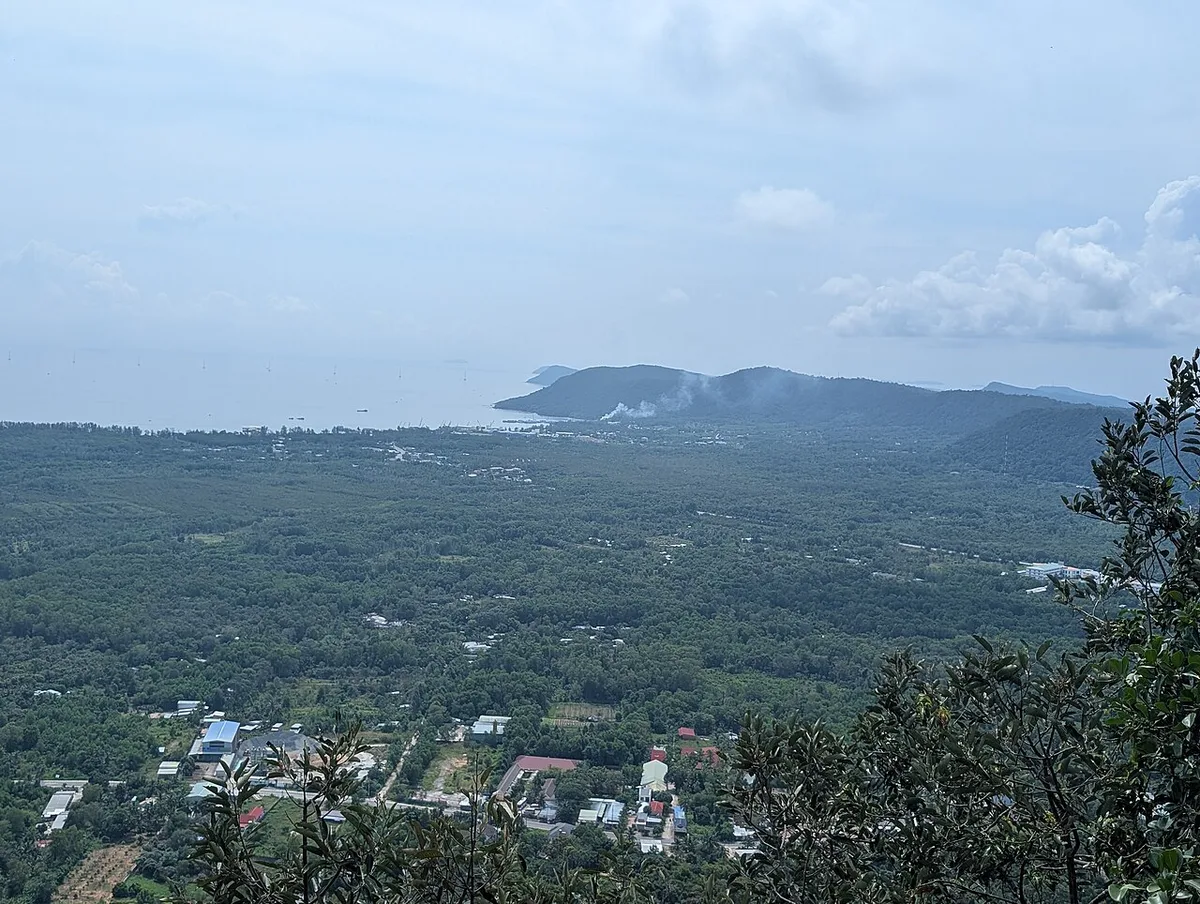
When the west coast is wavy and windy, the east coast can be calmer. Long Beach (Bai Truong) faces the rougher conditions in the wet season. Sao Beach (Bai Sao) on the east side can stay swimmable when the west is not. Our Best Phu Quoc Beaches: Which Shore Suits Your Trip compares both in detail. Pick your resort side by season. Our guide to the best area to stay helps with that. In the rains, waterfalls such as Suoi Tranh run at full flow. See the national park guide for hiking conditions.
Local Holidays and Events
Tet (Lunar New Year) lifts prices, tightens availability and closes some local businesses. Book early and confirm opening times for restaurants. The Phu Quoc Seafood Festival has no confirmed date in our brief, so check official tourism listings before planning around it. The night market is busiest in the dry season.
Getting There by Season: Ferry vs Flight
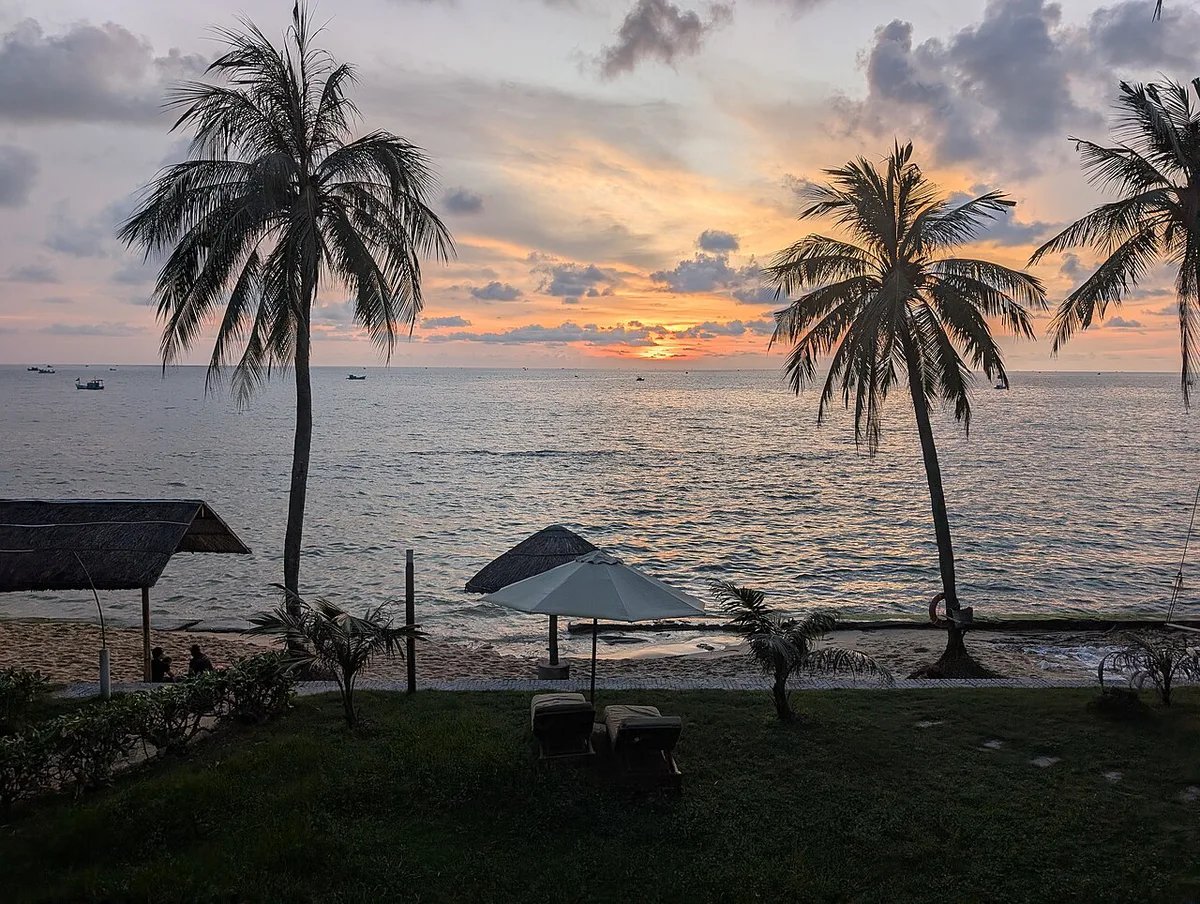
Ferry services are frequently canceled at the peak of the rainy season, July to September. Flights are the only reliable way in during those months. If you still want to cross by sea, build in a backup day. Our ferry vs flight comparison covers the trade-offs. Routes from the mainland include Ho Chi Minh City and Can Tho. Ferry timetables change, so check the operator's current schedule.
Luxury resorts often cut rates by 30-50% in the wet season, though July to September carries the highest ferry cancellation risk.
Common Mistakes to Avoid
Booking a ferry in August without a backup plan is the most costly error. Expecting crystal-clear water at Starfish Beach in peak rain is another. Underestimating April and May heat, with highs near 32°C (90°F), catches many visitors. Skipping a plan for rough west-coast seas also hurts. Once you have your dates, read whether Phu Quoc is worth visiting and build the days with our 4-day itinerary.
For the wider city context, see our complete Phu Quoc tourism attractions guide.
Frequently Asked Questions
What are the best and worst months to visit Vietnam?
Vietnam's weather varies by region, so there is no single answer. For Phu Quoc, November to April is best, and July to September is the roughest. Our regional timing guide covers the rest of the country.
What currency is used in Phu Quoc?
Phu Quoc uses the Vietnamese dong (₫), as in the rest of Vietnam. Check current exchange rates before you travel.
Take the route offline
Free: the Phu Quoc route notes
Where to base yourself and what it costs, a day-by-day route that avoids backtracking, real transfer times and fares, seasonal timing, and where it connects onward — condensed from our Phu Quoc guides and made to take offline.
Keep unfolding Vietnam
Continue along the route
Three nearby guides for the next decision in your trip.


