

Photo: Austin Adventures, Inc. via Flickr (CC BY 2.0)
Vietnam Holidays And Festivals Planning Travel Guide
Plan vietnam holidays and festivals planning with top picks, neighborhood context, timing tips, and practical booking advice for a smoother trip.
On this page
Vietnamese festivals and holidays transform ordinary travel into authentic cultural immersion experiences. These celebrations blend centuries of spiritual beliefs with vibrant community gatherings that reveal genuine Vietnamese life. Understanding when and where to experience these festivals helps you plan meaningful journeys while respecting local customs and traditions. Last updated July 2026.
Key Takeaways
- Vietnamese festivals and holidays transform ordinary travel into authentic cultural immersion experiences.
- These celebrations blend centuries of spiritual beliefs with vibrant community gatherings that reveal genuine Vietnamese life.
- Understanding when and where to experience these festivals helps you plan meaningful journeys while respecting local customs and traditions.
Take the route offline
Free: the Vietnam route starter
A two-week south-to-north route with real nightly rates by city, what to book first and how far ahead, region-by-region timing, and the transport costs between each leg — drawn from our published guides.
Festival Calendar and Timing Overview
Most Vietnamese festivals follow the lunar calendar, meaning dates shift yearly compared to Western calendars. This ancient system aligns celebrations with agricultural cycles and astronomical events significant to Vietnamese spiritual traditions.
Major festival seasons cluster in spring (January through April) and autumn (August through November) months. Tet typically falls between late January and mid-February on the Western calendar. The Mid-Autumn Festival occurs during the full moon of the eighth lunar month, usually in September or October.
Vietnam celebrates Western holidays like Christmas and Valentine's Day, especially in major urban centers. International New Year (January 1st) brings countdown events and parties throughout Hanoi and Ho Chi Minh City. Planning around these dual-calendar events allows flexible travel dates that suit your schedule and preferences.
Digital travel apps now display both lunar and Western dates side-by-side for easy reference. Booking your 10 Best Vietnam Travel Apps (2026) before departure ensures smooth festival navigation and real-time updates.
Major National Holidays and Celebrations
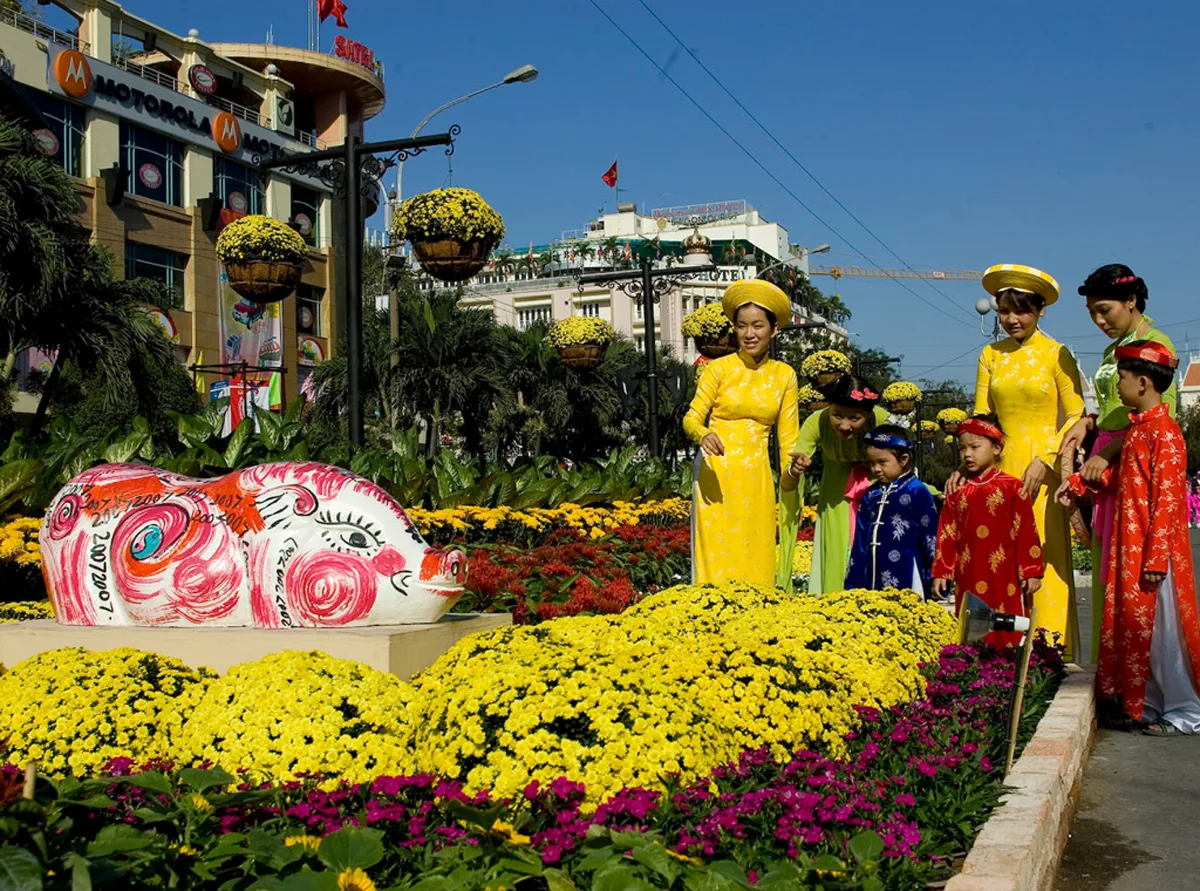
Vietnam Independence Day (September 2nd) commemorates Ho Chi Minh's 1945 declaration of independence from colonial rule. National Day brings parades, flag displays, and official ceremonies throughout cities and rural communities nationwide. Many businesses operate on holiday schedules during this period, so confirm attraction hours before visiting.
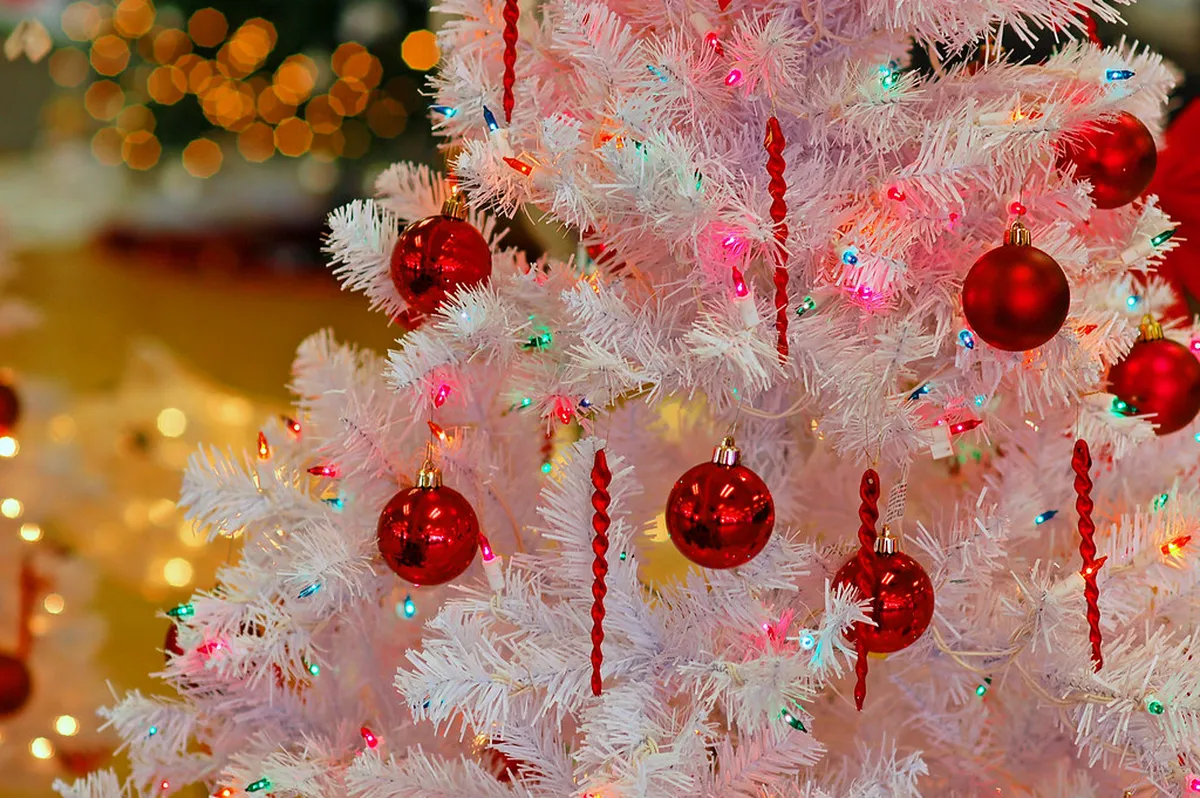
International New Year (January 1st) sees major celebrations in urban areas with fireworks, parties, and cultural events. Hanoi's Dong Kinh Nghia Thuc Square and Ho Chi Minh City's District 1 host large countdown celebrations. Travelers enjoy rooftop bars, live concerts, and performances across major Vietnamese cities during this festive period.
International Labour Day (May 1st) features parades and family gatherings throughout Vietnam's cities and villages. Buddha's Birthday (typically May on the lunar calendar) witnesses temple visits and spiritual observances nationwide. Understanding these public holidays helps you avoid unexpected closures and plan attraction visits accordingly.
Most government offices and select attractions close on official public holidays, requiring advance planning. Creating Vietnam itineraries that account for holiday schedules prevents disappointment and wasted travel time.
Tet Nguyen Dan: Vietnam's Most Important Festival
Tet Nguyen Dan represents Vietnam's most important celebration, marking the lunar new year with deep cultural significance. While officially lasting three days, celebrations typically extend to a full week with many businesses closed. This festival combines spiritual renewal, family bonding, and ancient traditions that define Vietnamese identity across generations.
Pre-Tet preparations create festive energy for weeks beforehand, with families cleaning homes and shopping for traditional items. Markets overflow with fresh flowers, candies, decorations, and special foods like banh chung (sticky rice cakes). Homes receive thorough cleaning to symbolically sweep away bad luck and welcome prosperity for the coming year.
Tet celebrations center on family reunions, temple visits, and honoring ancestors through meaningful rituals and offerings. The first three days focus on spiritual observances, with families visiting ancestral graves and making temple donations. Community gatherings, dragon dances, and street festivals provide joyful celebrations visible throughout Vietnamese neighborhoods.
Travel during Tet presents significant logistical challenges as millions journey to family homes across the country. Transportation becomes severely congested, with flights, trains, and buses fully booked months in advance. Book all travel 2-3 months ahead and expect hotel prices to rise 40-60% compared to regular seasons.
Many restaurants and shops close during Tet, though larger cities maintain limited services for visiting tourists. Visiting smaller towns and villages offers authentic Tet experiences capturing genuine family celebrations and traditions. Despite challenges, Tet travel rewards patient visitors with unparalleled cultural immersion impossible during other seasons.
Spring Celebrations: Cold Food Festival and Beyond
Spring festivals celebrate renewal and honor ancestral traditions, with Cold Food Festival as a notable cultural example. The Cold Food Festival (Tet Han Thuc) falls on the 105th day after the winter solstice, typically in April. This ancient festival commemorates ancestors through specialized pre-prepared foods and family gatherings at ancestral gravesites.
Cold Food Festival traditions exclude cooking in homes, instead featuring special dishes prepared days in advance. Families prepare spring rolls, sticky rice cakes, and other delicacies reflecting centuries-old recipes and family traditions. The festival emphasizes respecting ancestors while enjoying family meals and experiencing springtime community gatherings.
The Perfume Pagoda Festival (February) draws thousands of pilgrims to a sacred mountainside temple near Hanoi. Visitors ascend steep stone steps and boat through dramatic caves to reach the pagoda's inner sanctuary. This spiritually significant month-long celebration attracts believers and curious travelers seeking authentic religious experiences.
Spring weather (March through April) offers comfortable temperatures ideal for festival exploration without extreme heat. Minimal rainfall during spring months provides pleasant conditions for outdoor celebrations and temple visits. First-time festival-goers find spring celebrations less overwhelming than Tet while equally rich in cultural authenticity.
Mid-Autumn and First Full Moon Festivals
The Mid-Autumn Festival (Tet Trung Thu) stands as one of Vietnam's most beloved celebrations focused on children and family. Occurring during the full moon of the eighth lunar month, this festival typically falls in September or October. The celebration honors the autumn harvest while emphasizing family unity and transmitting cultural traditions to younger generations.
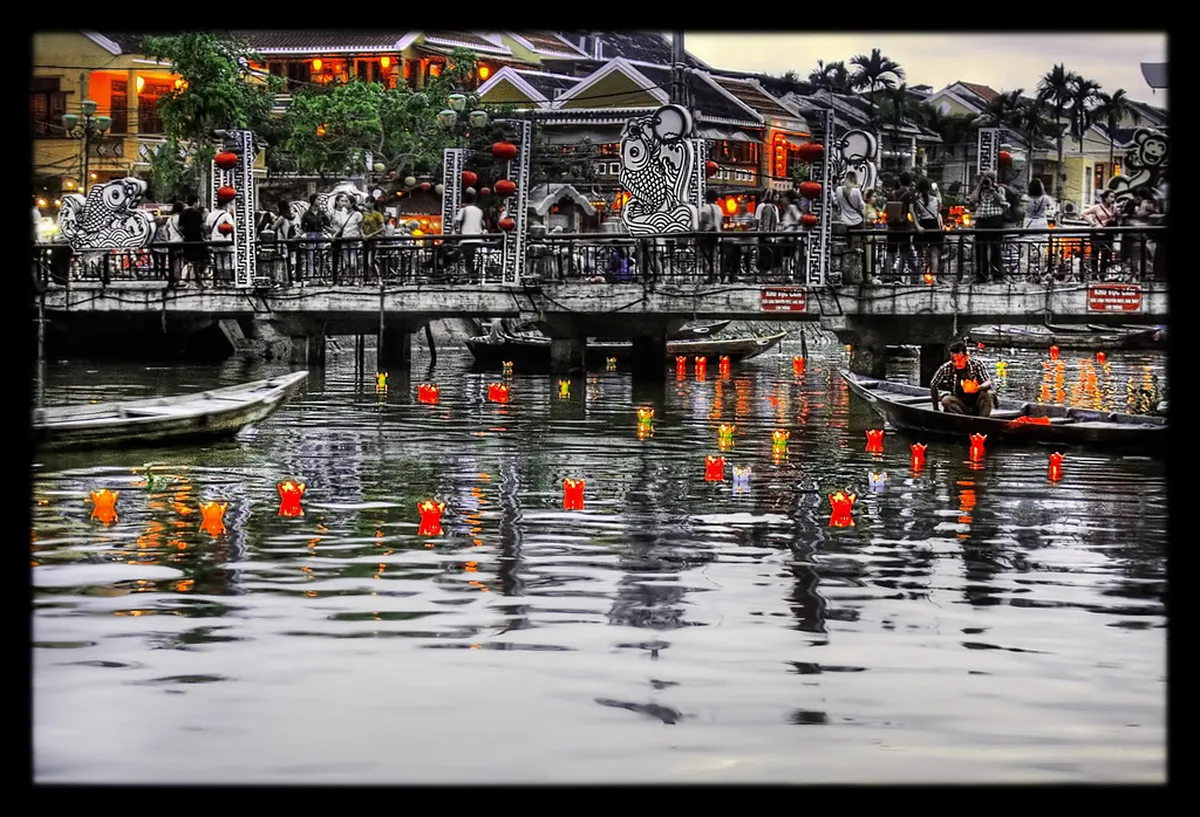
Colorful paper lanterns light up streets and village squares during Mid-Autumn celebrations in every region of Vietnam. Children carry lanterns of various shapes—stars, butterflies, fish—through neighborhoods in festive torchlit processions. Street vendors sell handmade lanterns in countless designs, with families purchasing multiple lanterns as festival centerpieces.
Moon cakes remain essential to Mid-Autumn traditions, with bakeries creating elaborate varieties weeks before the festival begins. Cakes filled with lotus seeds, mung beans, or salted egg yolks symbolize family completeness and lunar beauty. Families exchange moon cakes as meaningful gifts, strengthening bonds through this centuries-old tradition of sharing.
Dragon dances and lion dances transform public spaces into dynamic cultural performance venues during celebrations. Traditional performances showcase Vietnamese arts while entertaining crowds with vibrant costumes and synchronized movements. Consider Vietnam domestic flights to reach multiple regional celebrations during autumn festival season without excessive travel time.
Regional Festival Variations and Cultural Differences
Northern Vietnam emphasizes historical and spiritual festivals tied to religious traditions and legendary national figures. The Hung King Temple Festival (April) honors the legendary founder of the Vietnamese nation with pilgrimages and rituals. Hanoi's numerous pagoda festivals throughout the year draw devotees and curious travelers seeking authentic spiritual experiences.
Central Vietnam celebrates unique water-based festivals and events tied directly to regional agricultural cycles and maritime heritage. The Hue Festival (held in even years during September) showcases royal heritage through performances, processions, and cultural displays. Central coastal regions host smaller specialized festivals celebrating local fishing traditions and maritime cultural practices.
| Region | Notable Festivals | Festival Focus |
|---|---|---|
| Northern Vietnam | Hung King Temple Festival (April), Pagoda festivals year-round | Historical and spiritual traditions tied to religious customs |
| Central Vietnam | Hue Festival (September, even years), Water-based festivals | Royal heritage, agricultural cycles, maritime traditions |
| Southern Vietnam | Ho Chi Minh City celebrations, Mekong Delta harvest festivals | Blended Vietnamese and Southeast Asian influences, harvest traditions |
Southern Vietnam blends Vietnamese festival traditions with influences from neighboring Southeast Asian cultures and communities. Ho Chi Minh City hosts large-scale celebrations drawing international crowds to major parks and temple complexes. The Mekong Delta region celebrates harvest festivals with traditional boat races and water-based cultural events.
Regional variations mean festival experiences differ significantly across North, Central, and South Vietnam regions. Visiting multiple regions during festival season reveals how local customs shape distinct celebration styles and traditions. Plan multi-region Vietnam itineraries to experience Vietnam's diverse festival traditions firsthand and authentically.
Festival Planning: Booking, Etiquette, and Practical Tips
Festival planning begins months in advance, especially for major celebrations like Tet and Mid-Autumn Festival. Book accommodation and transportation 2-3 months before peak festival periods to secure availability and reasonable pricing. Festival season increases prices 30-50% compared to non-festival seasons in the same regions and time frames.
Remove shoes before entering pagodas, dress modestly around religious spaces, and ask permission before photographing rituals. Temples remain active spiritual centers requiring visitor respect.
Book accommodation and transportation 2-3 months before major festival periods to secure availability. Festival season increases prices 30-50% compared to non-festival seasons.
Respectful participation requires understanding temple protocols and sacred celebration customs before visiting religious sites. Remove shoes before entering pagodas, dress modestly around religious spaces, and ask permission before photographing rituals. Remember that temples remain active spiritual centers, not merely tourist attractions, requiring visitor consideration and respect.
Photography restrictions apply in certain sacred spaces and during specific ritual moments throughout celebrations. Always ask guides or local participants before capturing images of ceremonies or intimate family gatherings. Respecting these boundaries honors participants' spiritual experiences while protecting cultural sacred moments from commercialization.
Family-friendly festivals offer opportunities for children to learn Vietnamese culture through direct participation and engagement. Mid-Autumn and Cold Food festivals particularly welcome family involvement with accessible, engaging activities for all ages. Budget-friendly options include free public celebrations in parks and pagodas alongside premium guided festival tours from local operators.
Luxury festival tours provide exclusive access to premium celebration experiences and preferred VIP seating arrangements. High-end tour operators arrange private guides and behind-the-scenes access to cultural moments most tourists miss. These premium options typically cost $500-2,000+ per person but offer unparalleled access, comfort, and cultural depth.
Tet Nguyen Tieu: Vietnam’s First Full Moon Festival
Tet Nguyen Tieu falls on the 15th day of the first lunar month, marking the first full moon after Tet. Families visit pagodas to pray for health, peace, and good fortune, while temples fill with incense, offerings, and vegetarian food. The celebration is especially visible in Ho Chi Minh City’s Cho Lon district, where the Chinese-Vietnamese community gathers at sites such as Nghia An Hoi Quan, Tue Thanh Assembly Hall, and On Lang Pagoda. In Hanoi, Quan Su Pagoda and Tran Quoc Pagoda attract worshippers throughout the day.
Visit early in the morning for a quieter experience or after dusk for lanterns and busier communal worship. Wear clothing that covers shoulders and knees, keep voices low inside prayer halls, and avoid standing between worshippers and altars. Incense smoke and dense crowds can be uncomfortable for young children or travelers with respiratory sensitivities. Because the lunar date changes annually, confirm it before booking. Allow extra travel time around Cho Lon and major pagodas, where traffic and limited parking can make app-based taxis more practical than private vehicles.
Frequently Asked Questions
What makes each Vietnamese festival unique for travelers planning visits?
Each festival offers distinct cultural elements reflecting Vietnam's spiritual heritage and traditions. Tet emphasizes family reunion and ancestral honor through temple visits and traditional meals. Mid-Autumn celebrates children and family unity through lantern processions and moon cake traditions. Cold Food Festival showcases ancestral veneration through specialized pre-prepared dishes prepared days in advance. Regional variations mean the same festival type differs significantly between North, Central, and South Vietnam, providing diverse authentic experiences throughout the country.
Which Vietnam holidays and festivals fit first-time visitors best?
Mid-Autumn Festival and International New Year celebrations suit first-time visitors through accessibility and vibrant public celebrations that welcome tourists. Both draw international crowds and offer English-language tour options from local operators. Cold Food Festival appeals to cultural enthusiasts seeking authentic family experiences without Tet's logistical challenges. Tet provides the most immersive cultural experience but requires extensive advance planning and cultural flexibility. Check Vietnam.travel's official festival guide for current dates and accessibility details before booking accommodations.
How much time should travelers plan for experiencing Vietnamese festival season?
Plan 3-5 days minimum for a single festival experience, though 1-2 weeks allows deeper cultural immersion and regional exploration. Tet season benefits from 7-10 days to experience pre-celebration preparations and post-Tet recovery activities. Major cities concentrate celebrations in specific areas, allowing flexible day-visit options for travelers on tight schedules. Regional festival tours typically span 4-7 days traveling between North, Central, and South Vietnam celebrations. Multi-region itineraries require 10-14 days to experience authentic variations without rushed logistics or missed celebrations.
What should travelers avoid when planning Vietnam festival visits?
Avoid booking transportation during peak festival weeks without advance reservations—roads, trains, and flights fill months ahead. Don't expect normal business hours; many restaurants and shops close during major celebrations, limiting dining and shopping options. Avoid photographing intimate family rituals or ancestor worship ceremonies without explicit permission from participants. Skip traveling during Tet if you dislike crowds or prefer discovering quieter cultural experiences. Consider checking Vietnam's rainy season travel guide before finalizing spring festival dates near monsoon transitions.
Is Vietnamese festival season worth including on a short travel itinerary?
Yes, festival season dramatically enriches short trips through concentrated cultural experiences and authentic community celebrations. Even 2-3 days during Mid-Autumn or New Year celebrations reveal genuine Vietnamese traditions and family values. Short-stay travelers should focus on major city celebrations offering English-language tours and convenient logistics. Consider guided tours to maximize festival experiences without language barriers or complex navigation challenges. Festival timing transforms standard city visits into memorable cultural adventures worth prioritizing in travel schedules.
Vietnamese holidays and festivals celebrate centuries-old traditions while warmly welcoming travelers into genuine cultural experiences. Planning festival visits requires advance booking and cultural preparation, but rewards adventurous travelers with unparalleled immersion. From Tet's spiritual family gatherings to Mid-Autumn's magical lantern displays, each celebration reveals authentic Vietnamese culture. Start planning your festival journey by researching dates aligned with your schedule and travel preferences.
Take the route offline
Free: the Vietnam route starter
A two-week south-to-north route with real nightly rates by city, what to book first and how far ahead, region-by-region timing, and the transport costs between each leg — drawn from our published guides.
Keep unfolding Vietnam
Continue along the route
Three nearby guides for the next decision in your trip.


