
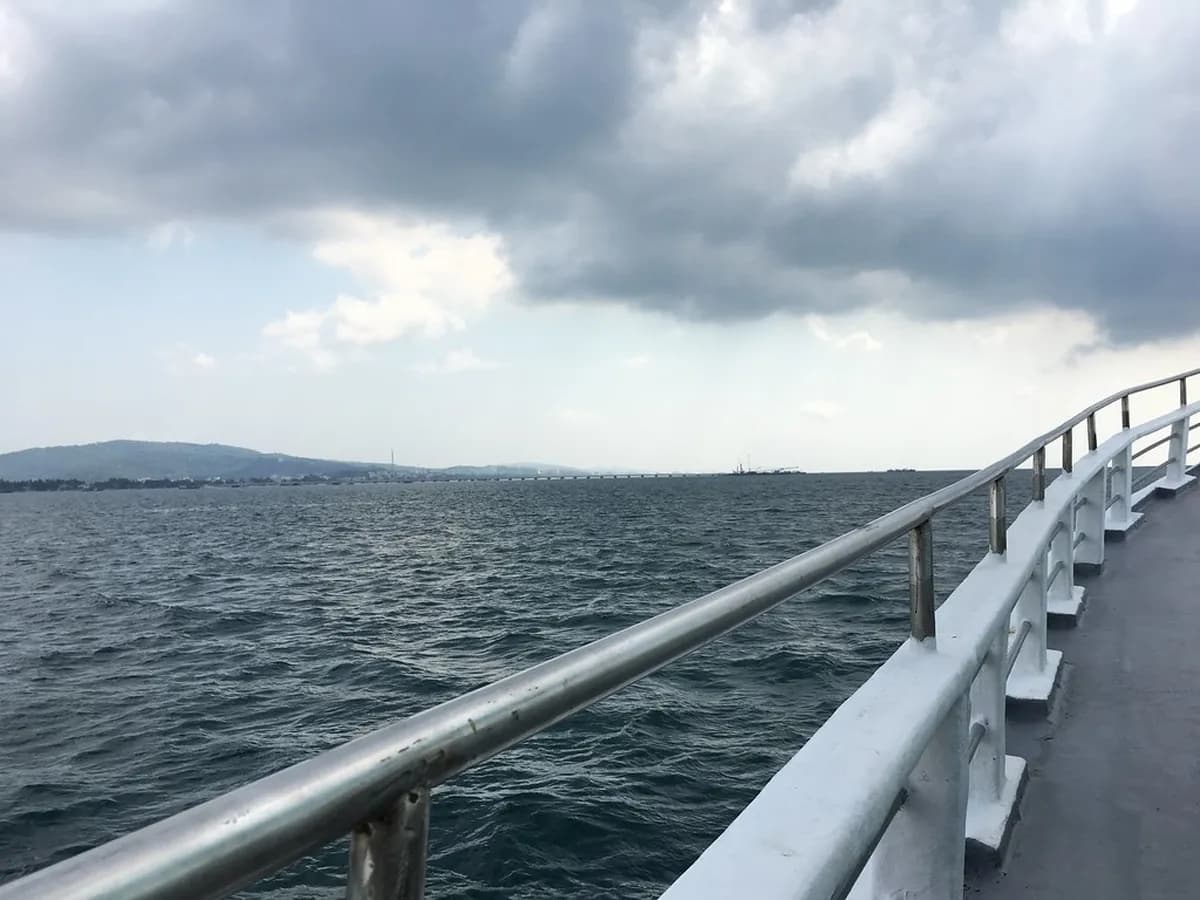
Phu Quoc Ferry Vs Flight: Travel Guide
Plan phu quoc ferry vs flight with top picks, neighborhood context, timing tips, and practical booking advice for a smoother trip.
On this page
Getting to Phu Quoc feels like the first real decision of your island trip. Fly for speed and comfort, or ferry for budget and scenery? Last updated July 2026.
From Ho Chi Minh City, you have three main routes: a 45-minute flight, a 2–4 hour speedboat or ferry, or a road-plus-ferry combo. Each offers different trade-offs in cost, time, comfort, and the journey experience itself. Flight costs $30–$80 one-way; ferries and speedboats cost $8–$15.
If you're short on time or traveling with large luggage, flight wins. But if budget and scenery matter most, ferries deliver remarkable value. For most first-time visitors, a direct flight offers the smoothest arrival and saves hours exploring the island instead.
Key Takeaways
- Getting to Phu Quoc feels like the first real decision of your island trip.
- Fly for speed and comfort, or ferry for budget and scenery?
- From Ho Chi Minh City , you have three main routes: a 45-minute flight, a 2–4 hour speedboat or ferry, or a road-plus-ferry combo.
- Each offers different trade-offs in cost, time, comfort, and the journey experience itself.
Take the route offline
Free: the Phu Quoc route notes
Where to base yourself and what it costs, a day-by-day route that avoids backtracking, real transfer times and fares, seasonal timing, and where it connects onward — condensed from our Phu Quoc guides and made to take offline.
Quick Decision: Flight, Ferry, or Speedboat?
This table captures the essential trade-offs for your route decision. All prices reflect 2026 typical ranges from major operators. Focus on two or three factors—time, cost, comfort—that matter most to you.
Most travelers can't go wrong with any option if they match their style. Flight dominates for speed; ferry dominates for budget. Speedboat splits the difference, appealing to visitors balancing both priorities.
- Quick decision picks
- Pick flight for maximum speed and luggage capacity
- Pick speedboat for quick travel on a moderate budget
- Pick ferry for budget journeys and scenic comfort
- Pick Ha Tien ferry if coming from Cambodia or Chau Doc
| Option | Best For | Typical Cost | Time Needed | Main Pros | Main Cons | Pick If |
|---|---|---|---|---|---|---|
| Flight | Speed + luggage | $30–$80 | 45 min | Fastest, convenient, luggage-friendly | Most expensive, airport queues, less scenic | You have 2–3 days or less on the island |
| Speedboat | Fast + budget | $10–$15 | 2h15–2h30 | Quick journey, scenic views, cheaper than flight | Can be crowded, motion sickness possible, limited luggage | You want speed with lower cost and can sit upright 2+ hours |
| Ferry | Budget + comfort | $8–$12 | 3–4 hours | Cheapest, most comfortable, great sea views, smooth ride | Slowest option, seasickness risk higher, fewer departures | You're on a budget and prefer a relaxed pace |
| Ha Tien ferry | Quick sea + varied | $8–$12 | 1h sea + 2–3h road | Shortest sea crossing (1 hour), scenic route, access to Cambodia | Longer road journey from most of Vietnam, fewer operators | You're coming from Cambodia, Chau Doc, or the Mekong Delta |
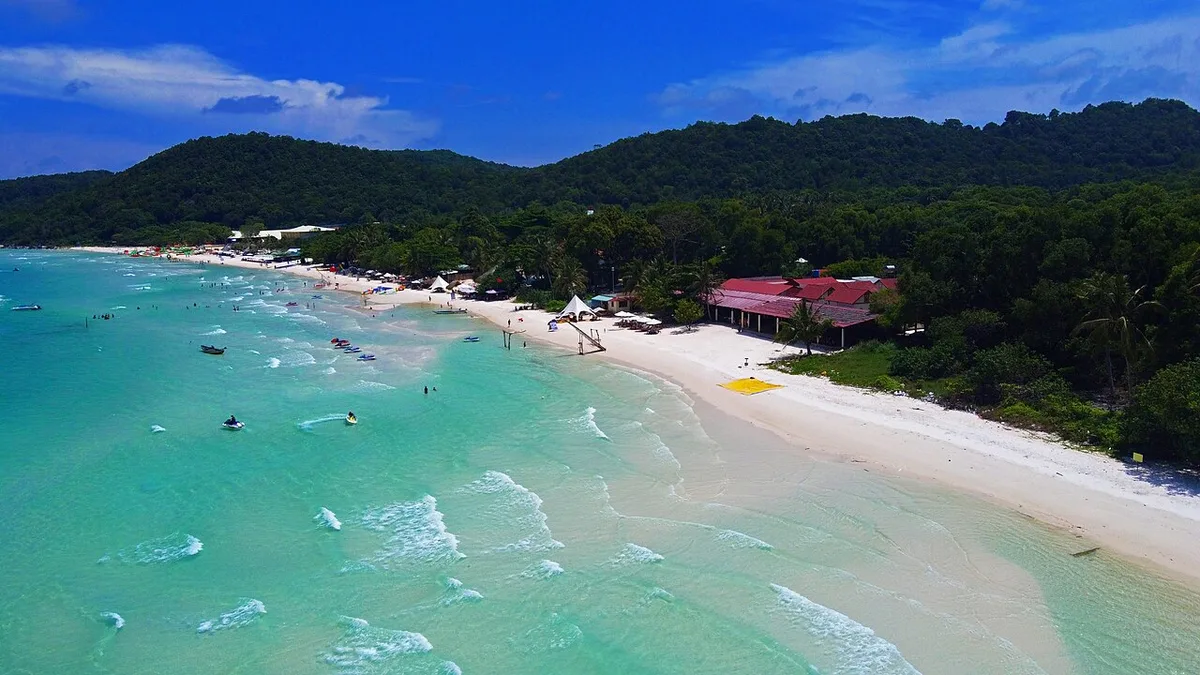
Fly to Phu Quoc: Speed Meets Convenience
A direct flight remains the quickest way to reach Phu Quoc. Phu Quoc International Airport (PQC) sits just 10 minutes from Duong Dong town. Economy fares typically range $30–$80 USD one-way, depending on airline and season.
Foreign passport holders may qualify for Phu Quoc's special visa exemption for a stay of up to 30 days when they meet all official conditions. It does not authorize travel elsewhere in Vietnam. Confirm the current rule on Vietnam's official exemption list before booking.
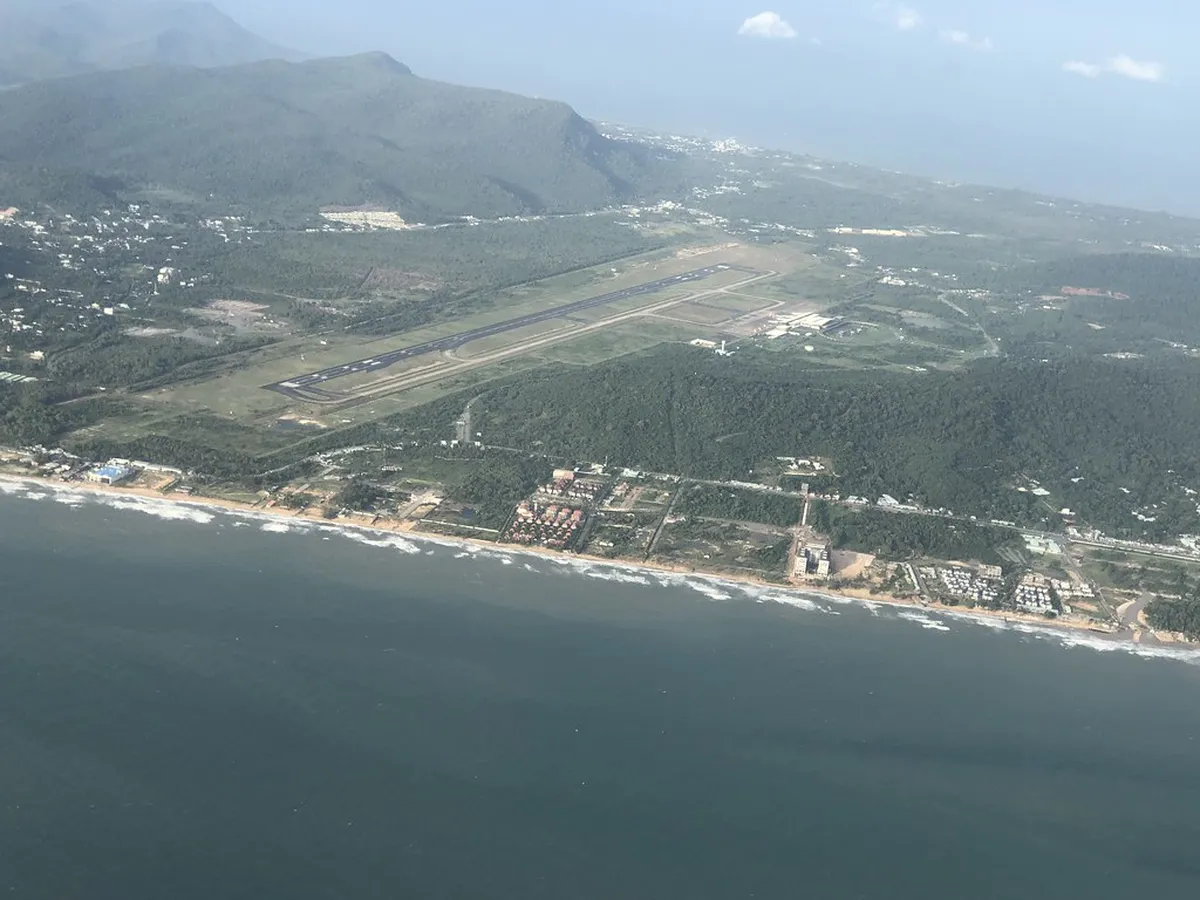
The 45-minute flight from Ho Chi Minh City eliminates the road-and-ferry grind. Vietnam Airlines, VietJet Air, Bamboo Airways, and other carriers operate multiple daily flights. Book in advance during peak season (November–February) to secure better prices.
Phu Quoc has a special exemption of up to 30 days for qualifying foreign passport holders who meet its conditions, including the permitted arrival and onward-travel arrangements. It covers Phu Quoc only, not a mainland Vietnam itinerary. Read the official visa-exemption list and confirm any transit implications before booking.
Beaches near Duong Dong and Long Beach are 10–20 minutes from the airport by car. Ground transport—car rental, taxis, hotel pickups—is readily available upon arrival. No need to navigate a port or ferry terminal; you land and go.
The trade-off is cost and luggage limits on budget airlines. A flight also means airport security, boarding delays, and less flexibility in departure timing. For travelers with strict schedules, though, these minor frictions are worth the time savings.
Ferry & Speedboat: The Scenic Budget Route
Ferries and speedboats depart from two mainland ports: Rach Gia and Ha Tien. From Ho Chi Minh City, a bus or minivan takes 4–5 hours to Rach Gia. Most travelers from mainland Vietnam use the Rach Gia route for its frequency and accessibility.
Ferries accommodate motorcycles and scooters, but speedboats accept only 2–4 bikes per trip. Reserve spots in advance with your operator and budget $10–$20 for transport. Choose ferry if traveling with a vehicle.
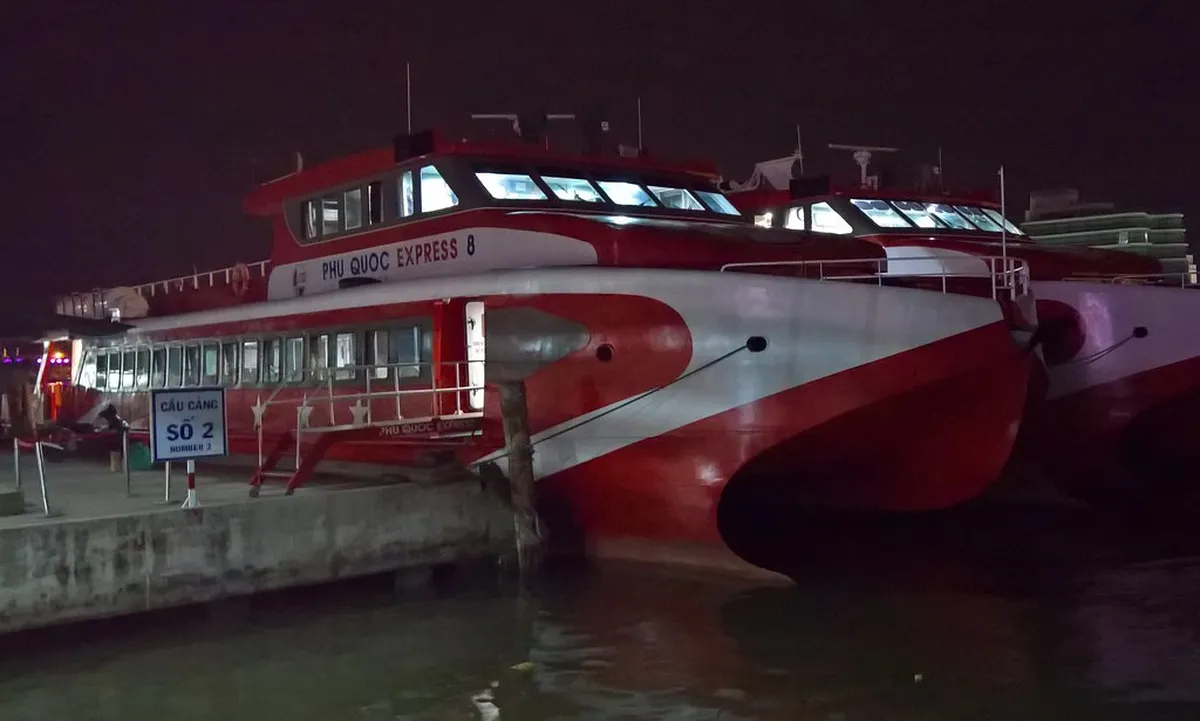
Speedboats (Superdong, Phu Quoc Express) take 2 hours 15 minutes to 2 hours 30 minutes from Rach Gia. They cost $10–$15 per ticket and run multiple departures daily. Ferries take 3–4 hours but cost only $8–$12 and offer more comfort.
Conventional ferries have indoor seating, air conditioning, and restrooms onboard. They're ideal for travelers prone to motion sickness or anyone seeking a leisurely journey. Most operators include free shuttle service from the ferry terminal to hotels on the island.
A full door-to-door journey by road-plus-ferry takes 7–8 hours total from Ho Chi Minh City. Despite the length, the combined cost ($20–$25) is far below a flight. Many travelers sleep on the bus and arrive refreshed; the ferry ride itself is a scenic highlight.
Speedboats are faster but less comfortable; they accommodate passengers and limited motorbikes. The ride can be rough in choppy seas, triggering nausea in sensitive travelers. Choose speedboat only if you prioritize time over comfort and can handle the motion.
Pick Flight If You…
Certain traveler profiles will find flight the obvious choice. Consider these profiles when deciding if air travel justifies the extra cost.
- When flight makes sense
- Have 2–4 days or less and want to maximize beach time
- Travel with large luggage, cameras, or diving gear
- Prefer comfort and air conditioning over budget savings
- Want to arrive fresh and skip a long journey
- Are prone to severe motion sickness on boats or buses
Pick Ferry or Speedboat If You…
Ferry or speedboat appeal to travelers with different priorities. These profiles often find the sea route rewarding beyond just savings.
- When ferry or speedboat make sense
- Budget is your top priority and you're willing to spend 7–8 hours traveling
- You enjoy long journeys and want to see the landscape change
- Traveling with a motorbike or vehicle (ferry accommodates both)
- You want to explore the Mekong Delta between Ho Chi Minh City and the coast
- You're combining Phu Quoc with a Cambodia trip and want scenic routes
Ha Tien Ferry Route: The Quick Coastal Alternative
Ha Tien offers a unique advantage: the shortest sea crossing at just 1 hour. From Rach Gia, the sea journey stretches 2–3 hours; from Ha Tien, it's a rapid 60-minute hop. This makes Ha Tien ideal for travelers coming from Cambodia or the Chau Doc area.
The trade-off is a longer road journey to reach Ha Tien itself. Coming from Ho Chi Minh City, you'd travel 5–6 hours to Ha Tien instead of 4–5 to Rach Gia. Coming from Chau Doc, Ha Tien adds only 1–2 hours and becomes the obvious choice.
Superdong and other operators run multiple daily speedboats from Ha Tien. Ferry and speedboat pricing matches Rach Gia routes ($8–$15 per person). Most travelers combine the Ha Tien route with a Cambodia or Mekong Delta itinerary for maximum value.
The 1-hour sea crossing means shorter exposure to rough waters and motion sickness. Even if the overall journey takes slightly longer, the quicker sea leg appeals to sensitive travelers. Choose Ha Tien if you're already in the southwestern provinces or crossing from Cambodia.
Getting Around Phu Quoc: After You Arrive
Your route choice ends when you land; transport on the island is straightforward. Car rentals cost 150,000–200,000 VND per day (roughly $6–$8 USD). Motorbike rentals run 50,000–100,000 VND daily and offer flexibility for beach exploration.
Most visitors opt for car rental if traveling in groups or carrying gear. Motorbikes suit solo travelers and couples exploring beaches at their own pace. Both options let you visit broader southern Vietnam itineraries if you extend your trip.
Taxis and hotel-arranged pickups are available at the airport and ferry terminals. Beaches in Duong Dong and Long Beach areas sit 10–20 minutes from the airport by car. Plan your ground transport before arrival to avoid confusion or overpriced airport taxis.
Gas is cheap and widely available; road conditions are good across the island. Most attractions and restaurants cluster around Duong Dong town and nearby beaches. A rental ensures you can visit quieter northern beaches or late-night dining spots without ferry schedules.
The Bottom Line: Which Route Is Best for You?
For most first-time visitors, a direct flight offers the best balance. You save 6–7 hours compared to ferry, land rested, and maximize island exploration time. The $30–$80 cost difference per person is reasonable for convenience and comfort.
However, if budget is tight or you're combining Phu Quoc with mainland exploring, ferry wins. The 7–8 hour road-and-sea journey becomes an adventure rather than a burden. You'll see Mekong Delta landscapes, experience local transport culture, and keep costs low.
Our take: fly if you have 2–5 days; ferry if you have 7+ days and tight budget. Speedboat splits the difference but requires tolerance for motion and crowds. If you can, visit Phu Quoc twice: once by flight to maximize days, once by ferry to explore the delta.
Weather, Cancellations, and Connection Buffers
Sea conditions can change the ferry-versus-flight calculation, especially during Phu Quoc’s wetter months. Heavy rain, strong winds, and rough water in the Gulf of Thailand may delay or cancel sailings from Rach Gia and Ha Tien. Check the operator’s departure status before leaving your hotel and keep the phone number or booking channel used to buy the ticket.

Avoid planning a ferry arrival immediately before an international flight, a fixed tour, or the last onward bus. Allow several hours between separate bookings; an overnight buffer is safer when missing the connection would disrupt the rest of your trip. Flights can also be delayed, but airlines generally provide clearer rebooking procedures than independently booked bus-and-boat combinations.
Confirm both the mainland departure terminal and the Phu Quoc arrival port, because your ticket may not deliver you near Duong Dong. Passenger boats commonly arrive at Bai Vong on the island’s east coast, requiring an additional taxi, transfer van, or prearranged hotel pickup. Download your accommodation address before departure and carry enough Vietnamese dong for local transport if mobile data or card payment is unavailable at the pier.
Official Planning Checks Before You Go
Use the official Vietnam Tourism Phu Quoc guide for destination context and the official Vietnam Tourism transport overview for a second official baseline. Recheck any opening hour, fare, timetable, closure, access rule, weather risk, or booking condition with the responsible operator shortly before travel; an official destination overview is not a live inventory or service guarantee.
Frequently Asked Questions
Is taking the ferry actually cheaper than flying?
Yes. A ferry plus bus from Ho Chi Minh City costs $20–$25 total; a flight costs $30–$80. Ferry savings scale if traveling with family. The hidden cost: time—ferry takes 7–8 hours door-to-door, while flight takes 2–3 hours total. Budget the time, not just the money.
Which option is safest for someone who gets motion sickness easily?
Ferry is safest. Conventional ferries run slower and smoother than speedboats. Most ferry operators offer ginger tea and motion-sickness medication onboard. Speedboats are faster but choppier. Avoid speedboat if you're prone to nausea. Flight has zero motion risk and remains the best option for severe motion-sickness sufferers.
Can I take my motorcycle on the ferry to Phu Quoc?
Yes, ferries accommodate motorcycles and scooters. Speedboats accept a very limited number of motorbikes (usually 2–4 per trip). If traveling with a bike, choose ferry over speedboat. Check with your operator in advance to reserve a spot and confirm transport costs (typically $10–$20 additional).
When should I book my flight or ferry?
Book flights 2–4 weeks in advance during peak season (November–February) for better prices. Ferry and speedboat tickets can be booked 1–3 days ahead most of the year, but book online a day early during holidays or weekends. Most operators offer online booking through hotel travel desks or direct websites.
Do I need a visa to fly into Phu Quoc?
Qualifying foreign passport holders may use Phu Quoc's special exemption for a stay of up to 30 days if every official condition is met. The exemption covers Phu Quoc only and does not authorize mainland travel. Check Vietnam's current official exemption list and your transit route before booking.
Your route to Phu Quoc sets the tone for your entire trip. Flight prioritizes time and comfort; ferry prioritizes budget and scenery.
To book your flight, check Vietnam Airlines, VietJet, or Bamboo Airways directly. For ferry departures from Rach Gia or Ha Tien, book through your hotel or major operators like Superdong. Whichever route you pick, arrive ready to explore—Phu Quoc's beaches, markets, and quiet island rhythm reward both quick visits and slower stays.
Take the route offline
Free: the Phu Quoc route notes
Where to base yourself and what it costs, a day-by-day route that avoids backtracking, real transfer times and fares, seasonal timing, and where it connects onward — condensed from our Phu Quoc guides and made to take offline.
Keep unfolding Vietnam
Continue along the route
Three nearby guides for the next decision in your trip.


