

Photo: michael clarke stuff via Flickr (CC BY-SA 2.0)
Can Tho Travel Guide: Top Attractions and Local Tips
Plan your Can Tho travel guide with top picks, timing tips, local neighborhoods, and practical booking advice for a smoother Mekong Delta experience.
On this page
Can Tho is the largest urban center in the Mekong Delta and a practical base for exploring the Hau River, canals, orchards, and nearby communities. The city appeals to travelers who want an early floating-market trip without giving up the restaurants, hotels, and transport connections of a regional hub.
Use the official Can Tho destination overview for current orientation, then confirm boat arrangements and attraction hours locally. Last updated July 2026.
Key Takeaways
- Can Tho is the largest urban center in the Mekong Delta and a practical base for exploring the Hau River, canals, orchards, and nearby communities.
- The city appeals to travelers who want an early floating-market trip without giving up the restaurants, hotels, and transport connections of a regional hub.
- Use the official Can Tho destination overview for current orientation, then confirm boat arrangements and attraction hours locally.
Take the route offline
Free: the Mekong Delta route notes
Where to base yourself and what it costs, a day-by-day route that avoids backtracking, real transfer times and fares, seasonal timing, and where it connects onward — condensed from our Mekong Delta guides and made to take offline.
Must-See Can Tho Attractions
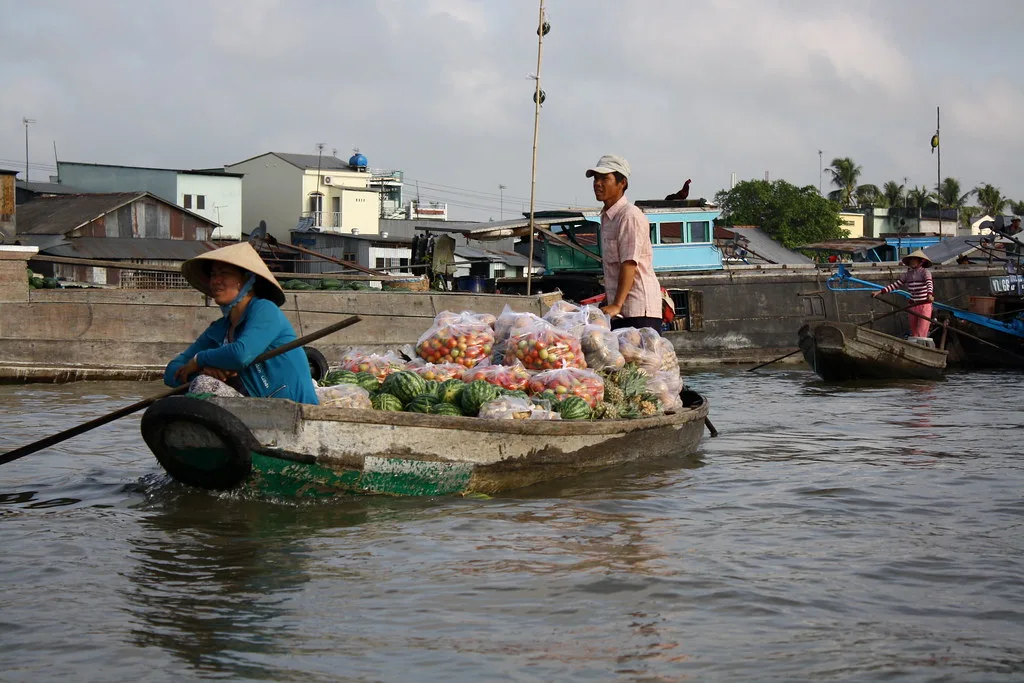
Cai Rang Floating Market is Can Tho's most iconic experience and demands an early start. Hundreds of buyers and sellers gather on boats at dawn, trading produce and goods until the market disperses by mid-morning. The market is most vibrant between 5 and 6 a.m., with roughly half the vendors gone after 7 a.m.
Cai Rang Floating Market operates most vibrantly between 5–6 a.m., with roughly half the vendors gone after 7 a.m. Start by 4:30 a.m. to depart with boats at 5 a.m. for the most authentic experience.
Ninh Kieu Wharf offers a leisurely stroll with authentic local atmosphere throughout the day. Late afternoon visits provide cooler temperatures and fewer crowds as locals walk dogs and couples enjoy river views. The wharf is free and perfect for experiencing how residents interact with the water-centered city.
Binh Thuy Ancient House showcases French colonial and traditional Vietnamese architecture in one structure. Guides explain how local families lived under French influence, offering insight into regional history. The house sits about 10 kilometers from the city center and requires transportation planning.
Tran Quoc Toan Street features 800 meters of murals depicting Mekong Delta landscapes from past and present. The street art provides a photogenic corridor celebrating regional agriculture and waterway culture. Walking this street costs nothing and connects visitors to contemporary local artistic expression.
Truc Lam Phuong Nam Zen Monastery sits 12 kilometers from the city center and welcomes visitors. Monks living there follow a simple life of prayer and contemplation in a peaceful riverside setting. The journey requires planning but offers spiritual and cultural insights rare in commercial tourist areas.
- Cai Rang Floating Market
- Best time: 5-6 am
- Cost: Free to observe
- Access: Boat tours from main harbor
- Duration: 2-3 hours typical
- Ninh Kieu Wharf
- Best time: Late afternoon
- Cost: Free
- Access: Central location, walkable
- Duration: 1-2 hours
- Binh Thuy Ancient House
- Distance: 10 km from center
- Cost: Reasonable entrance fee
- Access: Taxi or tour group
- Duration: 1-2 hours with guide
- Tran Quoc Toan Street Murals
- Length: 800 meters
- Cost: Free
- Best time: Morning light
- Duration: 30-45 minutes
- Truc Lam Phuong Nam Zen Monastery
- Distance: 12 km from center
- Cost: Small donation typical
- Access: Taxi required
- Duration: 2-3 hours
Museums, Art, and Culture in Can Tho
Can Tho Museum preserves regional history spanning centuries of Mekong Delta settlement and development. Exhibits explain how the river shaped agriculture, fishing, and commerce across multiple generations. The museum provides crucial context before exploring other historical sites across the city.
Street art on Tran Quoc Toan Street represents contemporary cultural expression rooted in regional pride. Local artists depict water buffalo, rice cultivation, and river life in vivid murals. The work celebrates Mekong Delta identity and offers visitors a free open-air gallery experience.
Binh Thuy Ancient House documents the intersection of French colonial and Vietnamese cultural traditions. Architecture reveals how wealthy merchant families adapted colonial styles to local climate and needs. Guided tours explain daily life, trade networks, and family hierarchies in pre-modern river communities.
Temple and pagoda visits throughout Can Tho connect travelers to Buddhist spiritual traditions. These spaces remain active centers of worship and community gathering rather than tourist monuments. Visitors should show respect for ongoing religious practices and modest dress codes.
Local craftsmanship flourishes in family chocolate farms, rice noodle factories, and handmade workshops. Watching artisans work provides insight into Mekong Delta's economic and cultural heritage. Many workshops welcome tourists to observe and purchase directly from makers.
Parks, Gardens, and Outdoor Spots in Can Tho
Ba Bo Flower Village is most rewarding when flowers are in season; ask your accommodation about current conditions before making a dedicated trip. Orchards around Can Tho and neighboring districts can offer fruit tasting and short canal rides, but the experience depends on harvest timing and the individual garden.
Rural cycling works best with a mapped route or local guide because narrow bridges, ferry crossings, and private lanes are easy to misread. Start early, carry water and sun protection, and avoid riding unfamiliar paths after dark.
For nature-focused excursions, choose a named reserve, garden, or community operator and confirm what the visit actually includes. Do not rely on a generic “bird sanctuary” listing without a location, access instructions, and recent visitor information.
Small-boat trips through narrow canals can show a quieter side of delta life than the main river. Agree on the route, duration, total price, life-jacket availability, and return point before boarding.
Family-Friendly and Budget-Friendly Options in Can Tho
The central riverfront, Ong Pagoda, Can Tho Museum, and nearby markets can be combined on foot, but guided walks are operator-specific rather than a guaranteed daily city service. Verify the meeting point, language, duration, accessibility, and price before relying on a tour listing.
Shared boats can reduce the cost of a Cai Rang visit, while a private boat gives families more control over departure time and stops. Ask whether the quote is per passenger or for the whole boat, and confirm life jackets and the return point.
Farm and orchard visits are best arranged directly or through a recent local recommendation. Opening hours, tastings, and entry arrangements can change with the season, so contact the property before traveling outside the center.
Ninh Kieu's evening area offers inexpensive food and a lively riverfront atmosphere. Families should compare displayed prices, choose busy stalls with visible food handling, and carry small-denomination cash.
How to Plan a Smooth Can Tho Attractions Day
Cai Rang is an early-morning wholesale market, so arrange departure before sunrise and confirm the exact pickup time the evening before. Market activity varies by day and season; avoid any operator that promises a fixed number of boats or a staged experience.
Allow a flexible morning for the river trip. Some itineraries add a noodle workshop or orchard, but confirm whether the stop is included, optional, or a shopping commission.
Use the hotter middle of the day for Can Tho Museum, a café, or a rest, then walk the Ninh Kieu riverfront later in the afternoon. A two-night stay is usually easier than arriving from Ho Chi Minh City, taking a dawn boat the next morning, and immediately returning.
Can Tho Things to Do
Do not build an itinerary around Phong Dien Floating Market without current local confirmation; trading patterns have changed and old guides can overstate its present activity. Cai Rang remains the better-known market, though it too is a working commercial place rather than a performance.
Sunset river cruises, noodle workshops, orchards, and cooking classes are optional operator-led experiences. Read the latest inclusions, confirm transportation, and ask whether demonstrations are private or shared before booking.
Can Tho's temples and pagodas remain active religious spaces. Dress respectfully, avoid interrupting worship, and ask before photographing people.
For broader delta context and responsible day-trip ideas, consult the official Mekong Delta trip guidance.
Can Tho Homestay
Winter Spring Homestay provides budget-friendly central accommodation with family-operated character. Located near the wharf, it allows walkable access to Ninh Kieu and night markets. Rooms typically cost $15-30 USD per night, making it ideal for independent budget travelers.
Bamboo Eco Village sits 10-12 kilometers outside the city center in a quiet riverside location. Simple bungalows feature clean private bathrooms and peaceful greenery-filled surroundings. The village suits travelers seeking nature-focused retreats away from urban commercial activity.
| Accommodation | Location | Price per Night | Best For |
|---|---|---|---|
| Winter Spring Homestay | Central, near wharf | $15–30 USD | Budget travelers, walkable to Ninh Kieu and night markets |
| Bamboo Eco Village | 10–12 km outside city center | Not specified | Nature-focused retreats, quiet riverside setting |
| Can Tho Ecolodge | Rural setting | $25–50 USD | Sustainability-conscious travelers |
| Azerai Can Tho | Not specified | $100–200 USD | Comfort-focused, upscale amenities and fine dining |
Azerai Can Tho offers upscale resort experiences with spa services and fine dining restaurants. Premium accommodation costs $100-200 USD per night but includes extensive amenities and activities. This option appeals to travelers prioritizing comfort and curated experiences over budget constraints.
Can Tho Ecolodge combines sustainability focus with budget-conscious pricing around $25-50 USD nightly. Environmentally designed buildings minimize ecological impact while maintaining comfort standards. The ecolodge attracts nature-conscious travelers interested in conservation practices and rural settings.
Homestay stays provide cultural immersion through direct interaction with local families. Host families offer insights into daily life, traditional cooking, and river-based livelihoods. These experiences create personal connections and understanding unavailable through hotel stays.
Practical Tips: Ways to Save, Internet, Water, and Pro Tips
Compare shared and private boat quotes on the same basis: total duration, pickup point, number of passengers, included stops, and whether the price is per person or per boat. A hotel booking desk may add convenience, while a direct operator may offer clearer route details; neither is automatically cheaper.
Use sealed drinking water when you are unsure of the source, wash or sanitize hands before eating, and choose food that is freshly cooked and served hot. Travelers with medical concerns should follow advice from their clinician.
Use a metered taxi or an app that shows the fare, vehicle, and trip record. Keep the Vietnamese address of your destination available offline.
Mobile coverage is generally useful in the city and along main roads, but signal can weaken on rural canals. Download maps and booking details before a boat or cycling trip.
Basic Vietnamese greetings help, and a translation app is useful for confirming prices and pickup instructions. Weekday visits can be calmer, but opening hours and market activity should still be checked locally.
Can Tho Festivals, Sports and Outdoor Activities
Festival programs and boat races vary from year to year, so use a current municipal or tourism calendar rather than treating an old event name as annual. Confirm the date, venue, ticket requirement, and weather plan before organizing a trip around one event.
Cycling and paddling experiences can provide a closer look at rural life when operated responsibly. Ask about route length, equipment, helmets or life jackets, guide qualifications, and the plan for heat or thunderstorms.
Do not swim in the Hau River or an unnamed canal based on a generic recommendation. Currents, boat traffic, water quality, and access conditions vary; use a specifically managed swimming facility or follow current local safety advice.
Can Tho Markets, Shopping and Souvenirs
Cai Rang Floating Market serves primarily local commercial functions rather than tourist shopping purposes. Buying directly from boat vendors provides authentic interactions and fair prices compared to retail shops. Fresh produce, dried goods, and local snacks suit immediate consumption more than transport home.
Ninh Kieu Night Market centrally located near the wharf operates from early evening through late night. Vendors sell clothing, souvenirs, toys, and street food reflecting local merchant and tourist preferences. Market atmosphere captures authentic community gathering spaces where locals socialize while shopping.
Can Tho Old Market provides indoor shopping experience with vendors selling produce, clothing, and crafts. The covered market structure offers weather protection and denser merchant concentration than outdoor venues. Haggling follows expected negotiation customs, particularly for non-priced handmade items and souvenirs.
Muoi Cuong Cacao Farm produces handmade chocolate and chocolate wine unique to this specific business. Farm-direct purchases ensure authentic products and fair pricing compared to tourist shop markups. Chocolate gifts make practical souvenirs lightweight enough for luggage without spoilage concerns.
Artisanal crafts including hand-woven textiles and wooden items represent Mekong Delta traditional skills. Shopping directly from makers or homestays supports local economies versus commercial retail channels. Smaller items like woven coasters or wood carvings travel easily and connect visitors to regional culture.
What to Eat and Drink in Can Tho
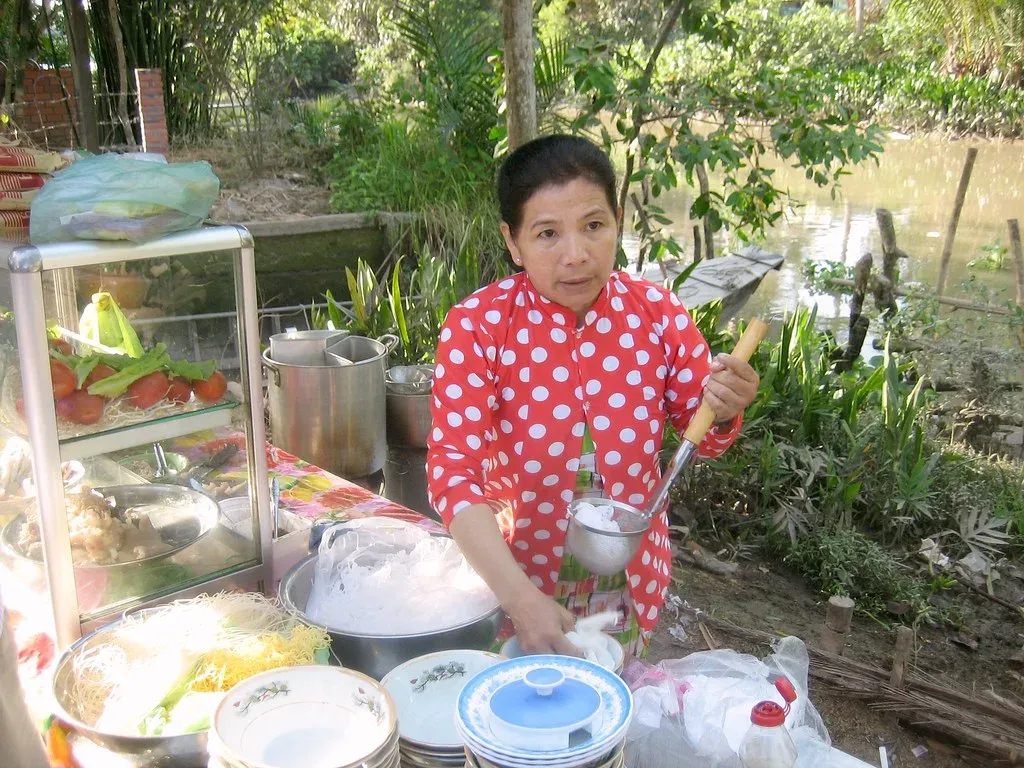
Can Tho’s food reflects the freshwater fish, rice, herbs, and tropical fruit of the Mekong Delta. Start with hủ tiếu, a noodle soup commonly served with pork, seafood, bean sprouts, and chives; some Cai Rang Floating Market boats prepare it for breakfast. Another local favorite is bánh cống, a crisp rice-and-mung-bean cake topped with shrimp and eaten with lettuce, herbs, and fish sauce.
For a shared meal, look for lẩu mắm, a fermented-fish hotpot containing vegetables, fish, seafood, and sometimes pork. Its strong aroma can surprise first-time diners, so groups unsure about fermented flavors may prefer cá lóc nướng trui, snakehead fish grilled whole and wrapped with rice paper and herbs. Fresh sugarcane juice, coconut water, and seasonal fruits such as mango, rambutan, and mangosteen are widely available.
Ninh Kieu Night Market is convenient for sampling snacks, while Can Tho Old Market and neighborhood eateries provide a more everyday dining atmosphere. Visit busy stalls with high turnover, check that cooked food is served hot, and confirm ingredients if you have seafood or peanut allergies.
Frequently Asked Questions
How many days should you plan for a Can Tho travel guide visit?
Three days allows experiencing floating markets, cultural sites, and nature activities without rushing. Two-day visits suffice for travelers with limited time but require prioritization. Single-day trips from Ho Chi Minh City work as whirlwind experiences focusing on morning markets and afternoon activities. Longer stays enable deeper exploration and spontaneous local discoveries unavailable during tight schedules.
Is Can Tho worth visiting as part of a broader Vietnam itinerary?
Yes. Can Tho provides authentic Mekong Delta experiences central to understanding southern Vietnam. The city combines budget-friendly tourism with genuine local culture rather than commercialized attractions. Water-based markets and agricultural landscapes differentiate Can Tho from other destination options. For travelers seeking regional depth over city-hopping, southern Vietnam itineraries benefit significantly from Can Tho inclusion.
What is the best way to get to Can Tho from Ho Chi Minh City?
Buses from Ho Chi Minh City's Mien Tay (Western) Bus Station commonly take about four hours, with fares varying by operator and vehicle class. Check the live operator timetable, departure office, and final drop-off before booking. Shared taxis cost roughly $70 USD for three-person vehicles and reduce travel time slightly. Direct comparison of bus comfort versus taxi speed helps travelers select based on budget and time preferences.
When is the best time to visit Cai Rang Floating Market?
Early morning between 5-6 a.m. provides maximum vendor activity and authentic market energy. After 7 a.m., approximately half the vendors have dispersed, reducing commercial dynamism. Arriving at 4:30 a.m. requires early wake-up but rewards visitors with the most vibrant experience. Weekday visits offer less crowding than weekends, though activity levels remain high throughout the recommended timeframe.
What practical items should travelers pack when visiting Can Tho?
Lightweight, breathable clothing suits the tropical climate with temperatures averaging 27°C year-round. Insect repellent protects against mosquitoes particularly during rainy season months. Sturdy, water-resistant shoes handle boat transitions and muddy farm visits. Sunscreen and hat prevent heat exposure during waterfront activities. Reusable water bottle reduces plastic consumption while staying hydrated in consistent hot weather.
Can Tho rewards travelers seeking authentic Mekong Delta experiences beyond commercialized city tourism. The city's floating markets, river culture, and agricultural heritage create memories that transcend typical guidebook itineraries. Budget-friendly pricing and welcoming local communities make extended stays economically accessible.
Planning with attention to early morning market timing and practical transportation logistics ensures smooth visits. Whether exploring for three days or brief day trips from Ho Chi Minh City, Can Tho delivers genuine cultural connection and natural beauty. Start planning your Ho Chi Minh City to Mekong Delta: 2026 Travel Guide journey today to experience this exceptional destination.
Take the route offline
Free: the Mekong Delta route notes
Where to base yourself and what it costs, a day-by-day route that avoids backtracking, real transfer times and fares, seasonal timing, and where it connects onward — condensed from our Mekong Delta guides and made to take offline.
Keep unfolding Vietnam
Continue along the route
Three nearby guides for the next decision in your trip.


