
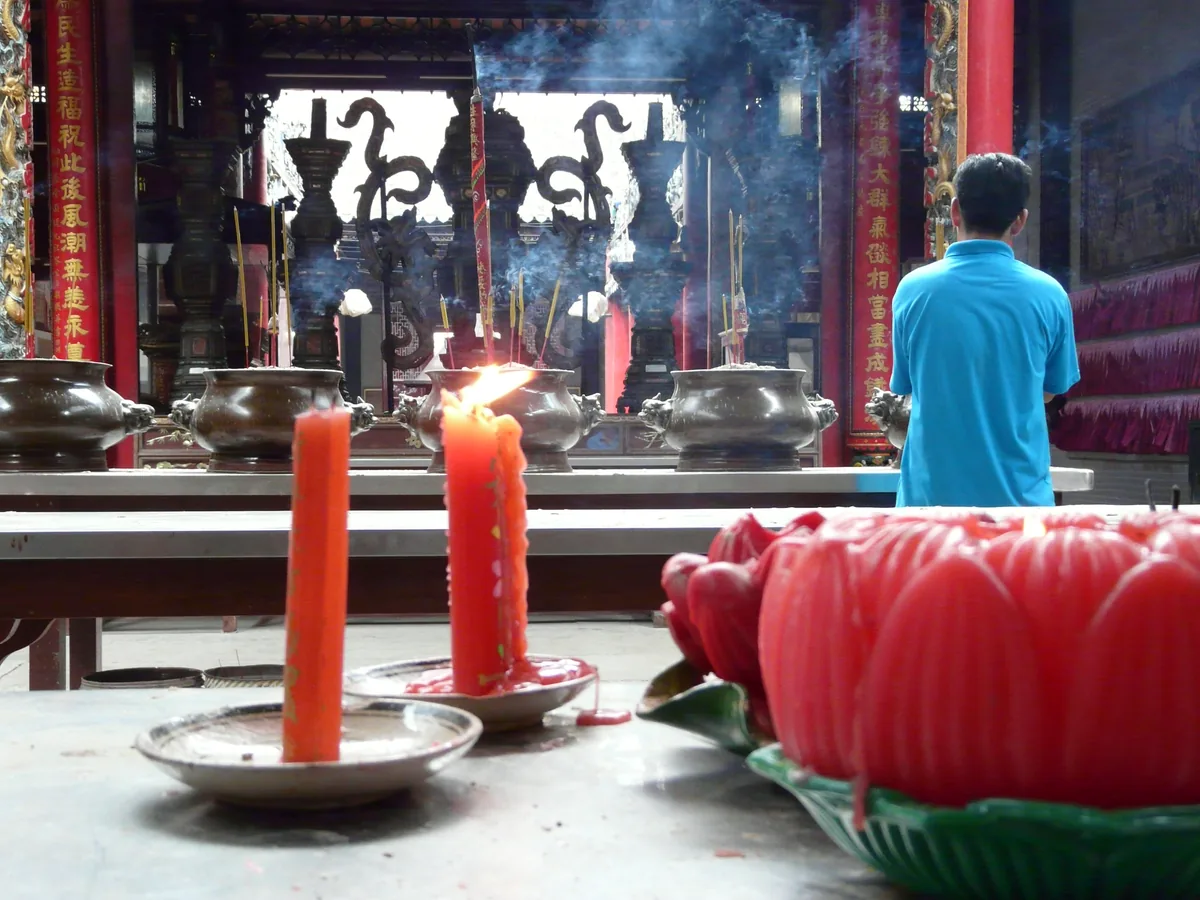
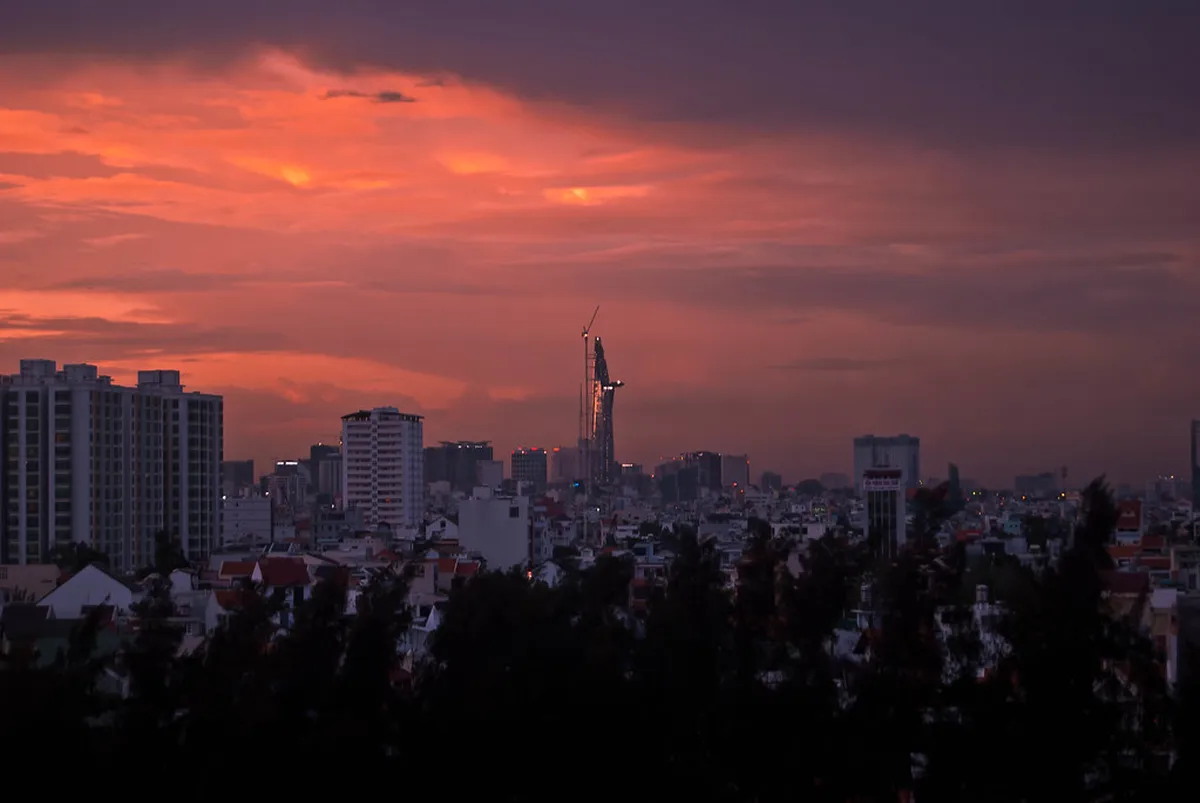
Photo: tjabeljan via Flickr (CC BY 2.0)
Ho Chi Minh City Neighborhoods Guide
Plan ho chi minh city neighborhoods guide with top picks, neighborhood context, timing tips, and practical booking advice for a smoother trip.
On this page
Ho Chi Minh City isn't one neighborhood—it's a collection of very different districts. Each has its own rhythm, rent range, social fabric, and daily character. The right neighborhood changes everything about how you experience the city.
This guide covers major districts, honest cost breakdowns, and practical decision criteria. You'll learn commute times, rent ranges, and which areas suit different travel styles. We highlight experiences that let you explore neighborhoods like a local resident.
Last updated July 2026.
Key Takeaways
- Ho Chi Minh City isn't one neighborhood—it's a collection of very different districts.
- Each has its own rhythm, rent range, social fabric, and daily character.
- The right neighborhood changes everything about how you experience the city.
- This guide covers major districts, honest cost breakdowns, and practical decision criteria.
Take the route offline
Free: the Ho Chi Minh City route notes
Where to base yourself and what it costs, a day-by-day route that avoids backtracking, real transfer times and fares, seasonal timing, and where it connects onward — condensed from our Ho Chi Minh City guides and made to take offline.
An Overview of Districts in Ho Chi Minh
Ho Chi Minh City officially contains 21 districts spread across downtown, inner, and outer zones. In 2024, a major administrative reorganization created Thu Duc City from several districts. This shift affects official names, though locals still use older neighborhood names and references.
Downtown districts like District 1 offer walkable energy, international dining, and historic landmarks. Inner-ring neighborhoods provide better balance between downtown access and more affordable rents. Outer districts deliver more physical space and lower prices, with significant commute trade-offs.
Traffic patterns heavily influence real commute times during peak hours (7–9 AM, 5–7 PM). Getting from District 1 to Thu Duc City during rush hour can take 30–45 minutes by car. Lighter-traffic routes through other districts sometimes save 15–20 minutes on typical commutes. Understanding your likely commute route before choosing a neighborhood is essential for daily quality of life.
Each district serves different traveler profiles and specific budget ranges. Families with children prioritize school access and nearby day-trip opportunities. Digital nomads seek walkable neighborhoods with café culture and coworking infrastructure. Budget travelers target outer districts offering authentic local charm without premium pricing.
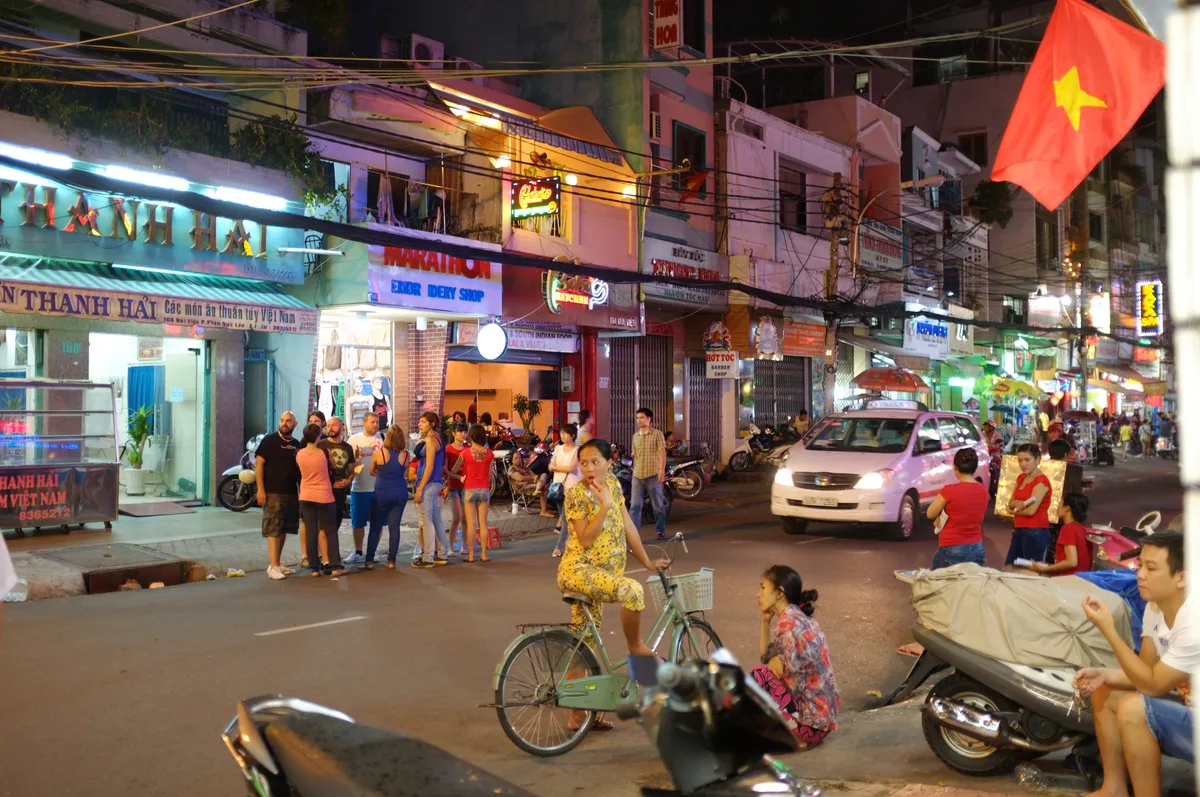
District Comparison at a Glance
This comparison covers four critical factors: neighborhood vibe, typical 2-bedroom rent, commute time to downtown, and best-fit travelers. Rent ranges reflect 2026 market rates across apartments, complexes, and villas. Commute times show typical off-peak travel; rush hour can easily double or triple these estimates.
| District | Vibe | 2-Bed Rent | Commute to Downtown | Best For |
|---|---|---|---|---|
| District 1 | Urban energy, rooftop bars, French colonial heritage | $1,200–$3,000/month | Walking distance | Business professionals, digital nomads, short-term travelers |
| Thao Dien & An Phu (Thu Duc City) | Green expat-village feel, international schools, riverside parks | $1,100–$2,500/month | 15–30 min (off-peak); 40–45 min (rush) | Families with children, couples, international expats |
| District 7 (Phu My Hung) | Planned suburban community, modern malls, Korean and Japanese populations | $900–$2,200/month | 20–40 minutes depending on traffic | Families, luxury apartment seekers, suburban living |
| Binh Thanh District | Modern apartment complexes, park access, emerging restaurant scene | $900–$2,000/month | 15–25 min (off-peak); 25–35 min (rush) | Young professionals, value-conscious renters, park access seekers |
| District 3 | Charming streets with leafy trees, French colonial buildings, local cafés | $800–$1,600/month | 10–20 minutes | Nomads, young professionals, cultural explorers, history enthusiasts |
| District 4 | Local, authentic, working-class neighborhoods, vibrant street food | $600–$1,200/month | 15–30 minutes | Budget travelers, adventurous expats, serious food enthusiasts |
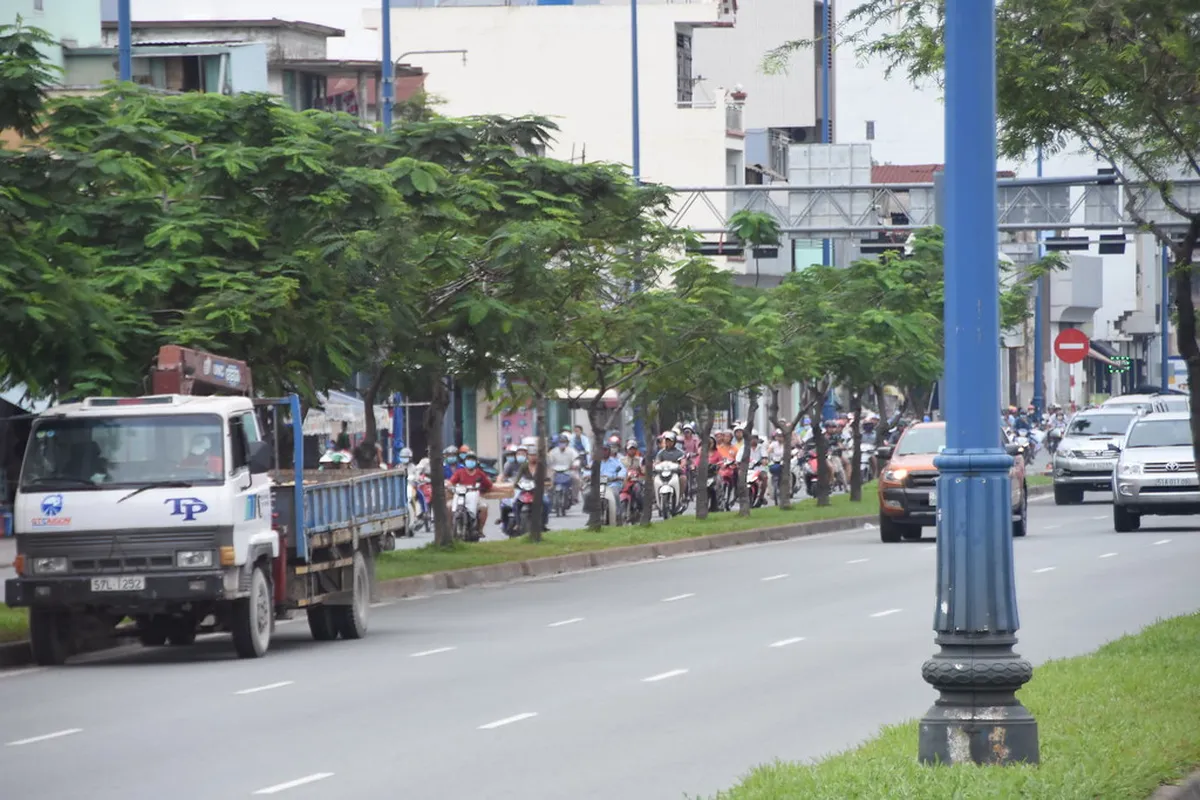
- District 1 — The City Centre
- Vibe: Urban energy, rooftop bars, French colonial heritage, endless dining
- 2-bed rent: $1,200–$3,000/month
- Commute: Walking distance to major offices and entertainment
- Best for: Business professionals, digital nomads, short-term travelers
- Thao Dien & An Phu (Thu Duc City)
- Vibe: Green expat-village feel, international schools, riverside parks
- 2-bed rent: $1,100–$2,500/month
- Commute: 15–30 minutes to District 1 (off-peak); 40–45 minutes during rush
- Best for: Families with children, couples, international expat networks
- District 7 — Phu My Hung
- Vibe: Planned suburban community, modern malls, Korean and Japanese populations
- 2-bed rent: $900–$2,200/month
- Commute: 20–40 minutes to downtown depending on traffic
- Best for: Families, luxury apartment seekers, organized suburban living
- Binh Thanh District
- Vibe: Modern apartment complexes, Binh Thanh Park access, emerging restaurant scene
- 2-bed rent: $900–$2,000/month
- Commute: 15–25 minutes off-peak; 25–35 minutes during rush hour
- Best for: Young professionals, value-conscious renters, park access seekers
- District 3
- Vibe: Charming streets with leafy trees, French colonial buildings, local cafés
- 2-bed rent: $800–$1,600/month
- Commute: 10–20 minutes to downtown
- Best for: Nomads, young professionals, cultural explorers, history enthusiasts
- District 4
- Vibe: Local, authentic, working-class neighborhoods, vibrant street food
- 2-bed rent: $600–$1,200/month (most affordable central location)
- Commute: 15–30 minutes to downtown
- Best for: Budget travelers, adventurous expats, serious food enthusiasts
How to Choose the Right District
Choosing a neighborhood requires balancing four critical factors: commute time, monthly rent, local amenities, and cultural authenticity. Your decision depends entirely on whether you prioritize walkability, budget, or cultural immersion. Most expats eventually optimize for a combination of factors rather than maximizing any single one.
Don't assume rush-hour commutes match off-peak times observed earlier. Verify real-world routes during peak hours (7–9 AM, 5–7 PM) before committing to a district. Rush-hour travel can double or triple typical commute times.
First, clearly identify your budget and commute tolerance level. Budget under $1,000/month forces a choice: District 4 for central location, or outer Binh Thanh for newer complexes. Budget $1,200–$1,600/month opens District 3, District 7, and inner Binh Thanh as solid options. Above $2,000/month, Thao Dien, premium District 1, and newer Phu My Hung complexes become accessible.
Second, assess your work location or daily activity hub with realistic rush-hour timing. Working in District 1 often means accepting 30–45 minute commutes from outlying areas. D1-based workers logically choose D1, D3, or nearby Thu Duc for manageable commutes. Remote workers gain complete flexibility and should prioritize value or cultural authenticity over location proximity.
Finally, honestly evaluate expat amenities against local experience preferences. Thao Dien delivers international schools, Western cafés, English-speaking communities, and expat social networks. District 4 offers street-food authenticity, genuine local vibes, and significant budget savings. District 3 splits the difference with charm, central access, and emerging young-professional culture avoiding expat bubbles.
Binh Thanh District
Binh Thanh represents modern value in an increasingly expensive Ho Chi Minh City. The district seamlessly combines park-side living, modern rental complexes, and genuine affordability. It particularly attracts young professionals and families seeking practical balance over neighborhood prestige. A growing restaurant and café scene reflects the district's transformation into a destination rather than just bedroom community.
Rent for 2-bedroom apartments ranges widely from $900–$2,000 depending on building quality and amenities. Vinhomes complexes with modern gyms and concierge services cost $1,500–$2,000 monthly. Older apartment buildings deliver budget-friendly space at $900–$1,200 without luxury finishes. Commute time to downtown averages 15–25 minutes without heavy traffic, extending to 25–35 minutes during peak hours.
Popular neighborhoods within Binh Thanh concentrate around Binh Thanh Park and its surrounding blocks. This substantial park offers jogging paths, open green space, and a rare breath of nature in dense urban areas. Local restaurants and cafés cluster around Binh Tay and Binh Thai streets, creating emerging dining destinations. The district feels less "bubbled" than Thao Dien but far more organized than rough-edged District 4.
Binh Thanh suits travelers wanting modern infrastructure without paying downtown premium prices. Young couples and single professionals appreciate the neighborhood balance and social scene. Families with young children sometimes find it less connected to international schools than Thao Dien offers. Food lovers enjoy mixing authentic local neighborhoods with newer restaurants reflecting young-professional tastes.
Thu Duc City & Thao Dien
Ask any long-term expat in Vietnam where they live, and Thao Dien appears on most short lists. This riverside neighborhood in Thu Duc City has become HCMC's undisputed expat heartland. International schools, walkable commercial streets, and modern high-rise apartments make it especially popular with families planning 5+ year stays.
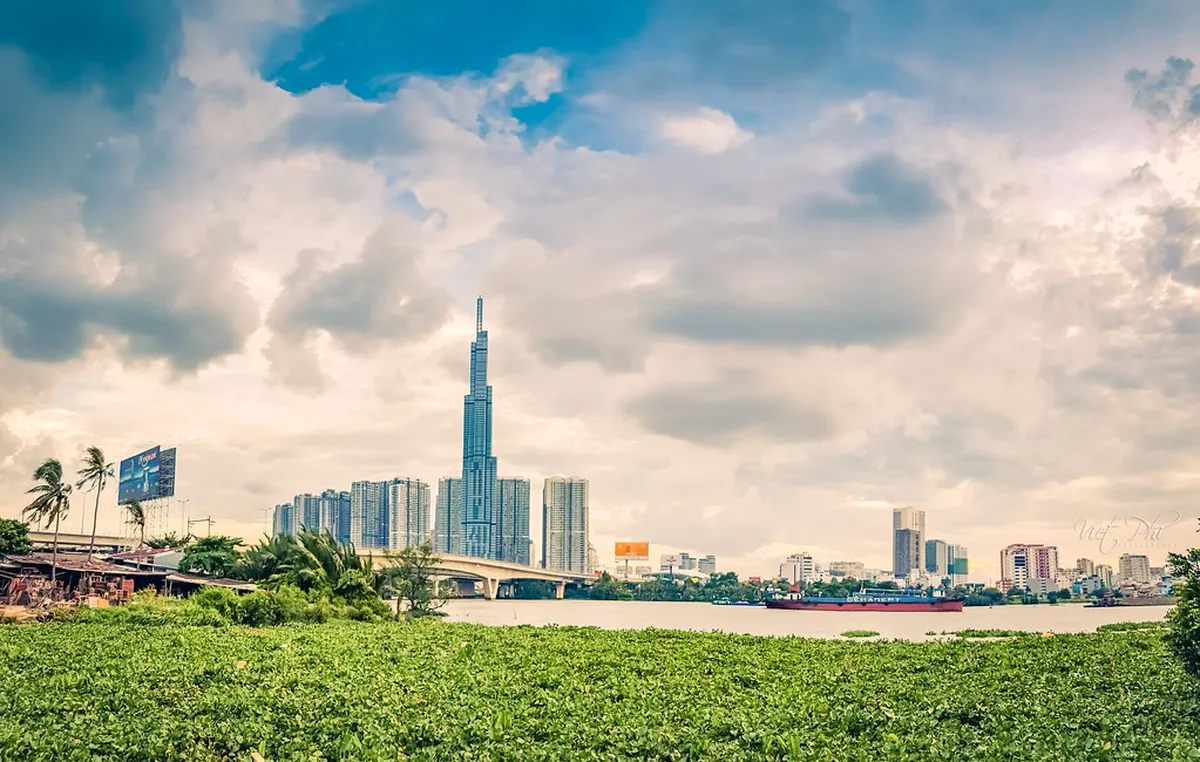
Rent for 2-bedroom apartments ranges from $1,100–$2,500 monthly depending on location and building amenities. Riverside complexes like Masteri Thao Dien and Gateway Thao Dien command premium prices of $1,500–$2,500. Older villas and residential compounds cost $1,100–$1,600 and offer more space than high-rises. Commute to downtown (District 1) typically takes 15–30 minutes during off-peak, extending to 40–45 minutes during rush hour.
Three major international schools concentrate in this neighborhood: ISHCMC, BIS, and SAS. This school access represents the single biggest driver of Thao Dien's popularity with expat families. Families planning long-term Vietnam stays almost always factor school location into their neighborhood decision. Expat support networks, English-speaking medical services, and familiar international brands cluster here.
Thao Dien involves meaningful trade-offs worth understanding before committing. Rush-hour bridge congestion to District 1 can transform a typical 20-minute commute into 45 minutes during peak times. The neighborhood has become "bubbled"—much of daily life stays within the Thao Dien area. Rents exceed other inner-ring districts by $200–$400 monthly for comparable space and features.
Unmissable Experiences Across Districts
Some of the best ways to explore neighborhoods don't require committing to long stays. Day-focused experiences help you test neighborhood vibes, understand real commute routes, and identify areas worth returning to. These practical activities span multiple districts and reveal the city's true character beyond tourist zones. Timing your neighborhood exploration around local meal times and evening hours transforms the experience from sightseeing to genuine understanding.
Early morning river taxi rides (6–8 AM) offer less crowded viewing and significantly cooler temperatures than midday trips. Fares cost around 20,000–50,000 VND (under $3 USD).
Take a water taxi or public bus ride along the Saigon River for 30–60 minutes of unique perspective. This river journey reveals riverside parks, industrial zones, and explains why Thao Dien residents so value riverside access. Fares cost around 20,000–50,000 VND (under $3 USD) depending on distance and boat type. Early morning rides (6–8 AM) offer less crowded viewing and significantly cooler temperatures than midday trips.
Double-decker sightseeing buses operate daily loops through central and inner neighborhoods. A typical 2-hour circular route costs 200,000–300,000 VND ($8–$12 USD) per person. These tours efficiently cover District 1 landmarks, park locations, and give valuable feel for neighborhood commute routes. Hop-on/hop-off ticket options let you explore neighborhoods at your own pace after experiencing the initial guided loop.
Bui Vien and Nguyen Hue Walking Streets offer rare pedestrian zones filled with street food and social energy. These streets occupy District 1's heart and come alive at sunset with vendors, musicians, and crowds. Budget $5–$20 USD per person for a thorough food and culture walk with drinks. Arrive early (5–7 PM) to beat peak crowds and enjoy family-friendly atmosphere, or come late (9 PM+) for slower vibes and local gatherings.
Food Streets You Should Try
Eating along HCMC's food streets reveals authentic neighborhood character better than any guidebook or map. Each street specializes in different dishes, caters to specific price points, and attracts distinct local followings. Timing your neighborhood food exploration right—early evening for families, late night for serious food enthusiasts—transforms the entire experience. Food street exploration connects you to how locals actually eat and spend leisure time rather than where tourists gather.
Phan Xich Long Street in Phu Nhuan District clusters upscale dining restaurants and craft beer bars. Expect to spend $3–$8 USD per dish at popular established spots, reflecting young-professional pricing. The street attracts young professionals and becomes increasingly lively after 6 PM with social crowds. Nearby neighborhoods offer significantly cheaper street-food alternatives if Phan Xich Long feels pricey for your budget.
Vinh Khanh Street in District 4 delivers authentic budget-focused street food and traditional banh mi shops. A complete satisfying meal costs only $1–$3 USD, making this genuinely the best street food value in the city. The street primarily caters to local workers and residents rather than tourists, so crowds thin dramatically after 8 PM. This area perfectly exemplifies authentic HCMC neighborhood life far away from touristy or expat-oriented zones.
Ho Thi Ky Street in District 10 brims with genuine street-food energy and family-run eateries. Pho shops, banh mi vendors, and grilled skewer stalls fill the blocks after sunset. Budget $2–$5 USD for a substantial meal including drinks at neighborhood standards. The overall vibe feels authentically lively and social without being touristy or staged for visitors, representing real neighborhood culture.
District 7 & Phu My Hung
District 7, particularly the planned Phu My Hung area, suits travelers who prefer broad sidewalks, modern apartments, landscaped public spaces, and a quieter evening atmosphere than central Ho Chi Minh City. Crescent Lake and the illuminated Starlight Bridge form the neighborhood’s most pleasant walking circuit, while Crescent Mall provides dining, shopping, and an air-conditioned break during hot or rainy weather. SC VivoCity and the restaurants along Nguyen Duc Canh Street offer additional everyday conveniences.
The district has a substantial Korean community, reflected in its supermarkets, barbecue restaurants, bakeries, and cafés. Families also value proximity to international schools and RMIT University, although these amenities make some parts of Phu My Hung feel more suburban and internationally oriented than traditionally Vietnamese.
The main drawback is access to District 1. Most trips rely on taxis, ride-hailing vehicles, or buses using Nguyen Huu Tho Street, where congestion can become severe around commuting hours. District 7 works best for longer stays, families, and visitors attending events at the Saigon Exhibition and Convention Center; first-time tourists focused on central landmarks may find the daily travel inconvenient.
Official Planning Checks Before You Go
Use the official Vietnam Tourism Ho Chi Minh City guide for destination context and the official Vietnam Tourism transport overview for a second official baseline. Recheck any opening hour, fare, timetable, closure, access rule, weather risk, or booking condition with the responsible operator shortly before travel; an official destination overview is not a live inventory or service guarantee.
Frequently Asked Questions
Which Ho Chi Minh City neighborhoods suit first-time visitors best?
District 1 offers the most walkable landmarks and concentrated downtown energy for stays under one week. Thao Dien appeals to visitors with established friends or family already based there. District 3 provides charming cafés, colonial architecture, and central access without D1 premium pricing. For stays under three days, concentrating in one neighborhood with strategic day trips outperforms rushing between multiple areas.
How much time should you spend exploring different neighborhoods?
One day per neighborhood uncovers major character but misses local rhythms and daily life patterns. Three days per area lets you discover favorite cafés, test realistic commute routes, and understand if the vibe matches your lifestyle. For relocation decisions, spending 2–3 weeks across different neighborhoods provides practical feel for actual daily life beyond first-impression tourism.
What should travelers avoid when choosing neighborhoods?
Don't pick a district purely by rent without calculating true commute costs and time impact over months. Avoid overweighting school rankings without visiting family neighborhoods firsthand during school hours. Don't assume rush-hour commutes match off-peak times you observed; verify real-world routes during realistic peak hours. Check travel blogs for recent updates since buildings, rents, and neighborhoods change significantly year-to-year.
Is spending time in neighborhoods worth including on a short Ho Chi Minh itinerary?
Yes, absolutely, if you have 5+ available days in the city. With only 2–3 days, spending time in one neighborhood while hitting major D1 landmarks maximizes value. Walking a neighborhood's main street, eating at one authentic local restaurant, and visiting a park or temple takes just 3–4 hours and reveals far more about real city life than purely hitting tourist sites alone.
Which districts offer the best value without sacrificing location?
District 4 delivers the absolute lowest rents ($600–$1,200 for 2-bedrooms) with perfectly acceptable commute times and authentic street-food culture. District 3 provides middle-ground pricing ($800–$1,600) with significantly better walkability and charm than District 4. Binh Thanh balances modern amenities with reasonable pricing ($900–$2,000). All three require 15–30 minute commutes to downtown—acceptable trade-offs for savings of $300–$1,000 monthly versus downtown alternatives.
Ho Chi Minh City's neighborhoods each offer remarkably distinct rhythms, price points, and lifestyle flavors. The "best" district for your trip depends entirely on your budget, commute tolerance, and preference for local culture versus international amenities. Visiting neighborhoods before committing to long stays reveals what online research and guidebooks inevitably miss about daily reality.
Start by identifying your budget and commute tolerance, then systematically test neighborhoods during realistic daytime and evening hours. Walking streets, eating locally at neighborhood restaurants, and checking commute routes during peak times helps reveal the actual daily experience. After 2–3 days of neighborhood exploration, the right fit for your specific trip usually becomes remarkably clear through lived experience rather than theory.
Take the route offline
Free: the Ho Chi Minh City route notes
Where to base yourself and what it costs, a day-by-day route that avoids backtracking, real transfer times and fares, seasonal timing, and where it connects onward — condensed from our Ho Chi Minh City guides and made to take offline.
Keep unfolding Vietnam
Continue along the route
Three nearby guides for the next decision in your trip.


