

Photo: mckaysavage via Flickr (CC BY 2.0)
Ho Chi Minh City to Mekong Delta: 2026 Travel Guide
Compare transport options from Ho Chi Minh City to Mekong Delta: bus costs, private car transfers, speedboats, distances, and planning tips for 2026.
On this page
Ho Chi Minh City and the Mekong Delta represent two opposite worlds in southern Vietnam. The city pulses with motorbikes, neon, and street food; the delta whispers through rice paddies, winding canals, and river towns. The journey between them is short—just 70 to 170 km depending on your destination—but the shift in rhythm and pace is profound. Last updated July 2026.
Whether you want a quick one-day escape or a multi-day deep dive, getting to the delta is straightforward. The region spans 13 provinces and offers five major transport methods: bus, private car, speedboat, motorbike, and plane. Each has distinct trade-offs in cost, time, comfort, and flexibility.
This guide covers all your options, key distances, top destinations, and practical tips to help you plan smarter. By the end, you'll know exactly which method fits your budget, schedule, and travel style.
Key Takeaways
- Ho Chi Minh City and the Mekong Delta represent two opposite worlds in southern Vietnam.
- The city pulses with motorbikes, neon, and street food; the delta whispers through rice paddies, winding canals, and river towns.
- The journey between them is short—just 70 to 170 km depending on your destination—but the shift in rhythm and pace is profound.
- Whether you want a quick one-day escape or a multi-day deep dive, getting to the delta is straightforward.
Take the route offline
Free: the Ho Chi Minh City route notes
Where to base yourself and what it costs, a day-by-day route that avoids backtracking, real transfer times and fares, seasonal timing, and where it connects onward — condensed from our Ho Chi Minh City guides and made to take offline.
Transport Options: How to Get There
Most travelers reach the Mekong Delta by bus, private car, or speedboat. Each option carries a different mix of cost, comfort, schedule flexibility, and time—but all depart from or near central Ho Chi Minh City. Understanding your own constraints (budget, schedule, group size) makes the choice clear.
Bus tickets can be booked 1–2 days ahead at VeXeRe or Mien Tay Station. Private car transfers should be reserved 24 hours before through hotel concierge or travel agents. Speedboat schedules run twice daily; check water levels during rainy season as flooding can disrupt services.
| Transport Method | Cost | Travel Time | Best For |
|---|---|---|---|
| Bus | $2.50–$17 USD | 1.5–4 hours (destination-dependent) | Solo travelers and backpackers on tight budgets |
| Private Car | $100–$140 USD | 1.5–4 hours (destination-dependent) | Families, couples, small groups wanting flexibility |
| Speedboat | $30–$50 USD/day | 2 hours (My Tho/Ben Tre) | Scenic water-based arrival for My Tho or Ben Tre |
| Motorbike Rental | $30–$50 USD/day | 1.5–4 hours (destination-dependent) | Adventurous travelers confident on Vietnamese roads |
The bus is most popular for solo travelers and backpackers who prioritize cost. Mien Tay Bus Station in Binh Tan District runs frequent, air-conditioned coaches to destinations across the delta. Reputable operators include Futa Bus and Thanh Buoi; tickets are available at VeXeRe or the station. Luggage fees may be charged separately and aren't always listed clearly in English.
Private car transfers offer the most freedom and comfort, especially for families or small groups. Most services include hotel pickup and cost $100–$140 USD per vehicle; you control timing and can stop at markets or villages. Speedboats from Bach Dang Wharf provide a scenic, water-based alternative for My Tho or Ben Tre (typically 2 hours). Motorbike rentals are cheap and adventurous but require confidence navigating Vietnamese roads; Highway 1A is safest.
- Step 1: Understand your travel timeframe and budget
- Day trip requires 8–10 hours round-trip; multi-day visits allow 2–3 nights in the delta.
- Bus costs 60,000–400,000 VND (~$2.50–$17 USD) depending on destination and seat type.
- Private car runs $100–$140 USD total; speedboat or motorbike rental around $30–$50 USD per day.
- Step 2: Choose your transport method based on priorities
- Bus is best for independent travelers on tight budgets arriving at Mien Tay Station in Binh Tan.
- Private car suits families, couples, and groups wanting flexibility and hotel pickup convenience.
- Speedboat offers a memorable water arrival to My Tho, taking roughly 2 hours from Bach Dang Wharf.
- Step 3: Book your journey in advance when possible
- Bus tickets can be booked 1–2 days ahead at VeXeRe.com or Mien Tay Station; no booking needed for same-day.
- Private car transfers should be reserved 24 hours before through hotel concierge or travel agents.
- Speedboats typically depart twice daily; check schedules and water levels during rainy season.
- Step 4: Plan your exact departure point and timing
- Leave HCMC before 8 AM to avoid traffic and arrive at your delta destination by late morning.
- Bus stations can be chaotic during peak travel; arrive 30 minutes early with valuables in secure bags.
- Private transfers pick up directly from your hotel, eliminating station navigation stress.
- Step 5: Prepare documents, luggage, and comfort items
- Bring passport copy, travel insurance info, and 1–2 days' worth of essential medications.
- Pack lightweight rain jacket, sunscreen, hat, and motion-sickness meds if prone to seasickness.
- Carry cash (VND) for toll booths, local markets, and tips; credit cards aren't widely accepted in delta towns.
- Step 6: Confirm logistics the night before departure
- Reconfirm private car pickup time with your hotel 24 hours before; bus operators rarely confirm.
- Check weather forecast and water conditions, especially June–October when flooding can disrupt schedules.
- Set phone alarms for early-morning departures; many delta tours expect 7–8 AM hotel pickups.
How Far Is It and What's the Journey Like?
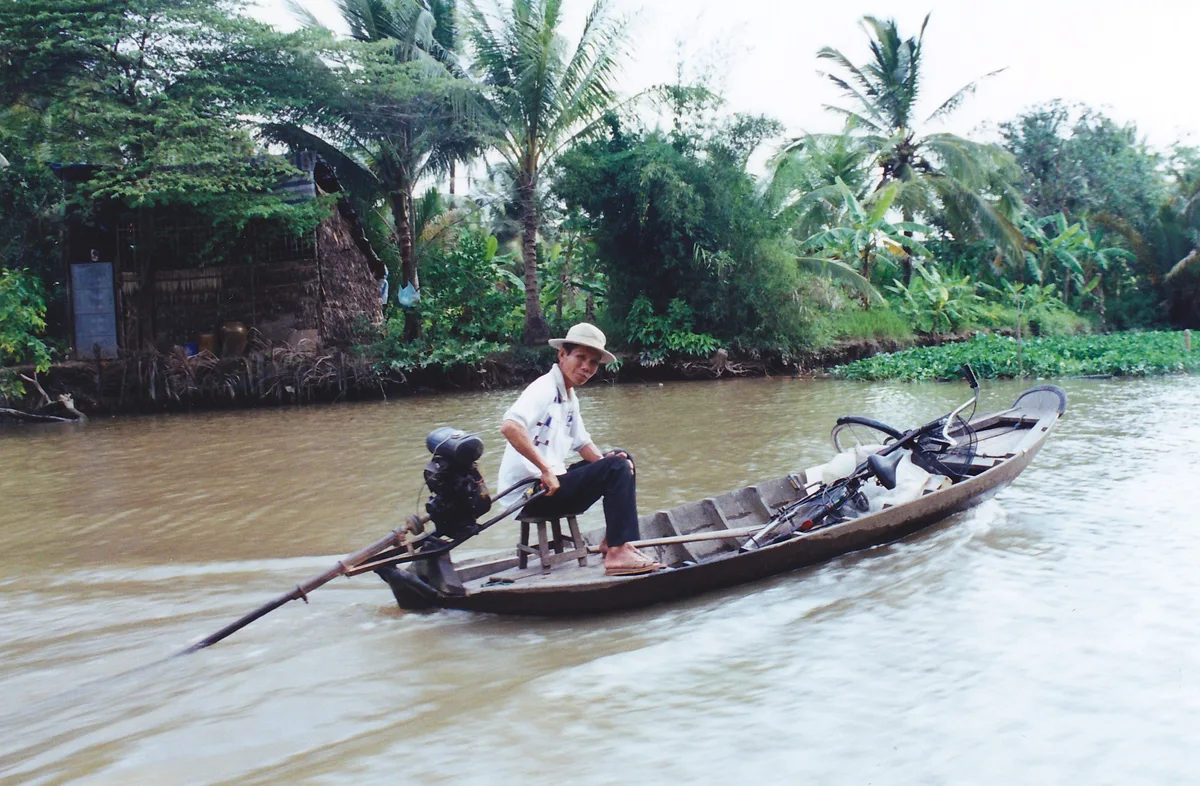
The Mekong Delta doesn't sit in one location—it spreads across 13 provinces spanning roughly 100 to 150 km southwest of Ho Chi Minh City. Your travel time depends entirely on which destination you're targeting and which route you take. Most visitors head to My Tho or Can Tho, which are 70 km and 170 km away respectively.
My Tho, the delta's main gateway, sits just 70 km south and takes 1.5–2 hours by road or 2 hours by speedboat. Ben Tre is 85 km away (2–2.5 hours); Vinh Long 135 km (3–3.5 hours); Can Tho 170 km (3.5–4 hours). The far northern settlements like Ca Mau require 7–8 hours; most day-trippers never reach that far.
Traffic leaving Ho Chi Minh City during peak hours (7–9 AM, 4–6 PM) can add 30–60 minutes to any journey. Public holidays and weekends also see congestion; departing by 7 AM minimizes delays. Road conditions vary: Highway 1A is well-paved but busy; village roads are scenic but slower.
Rainy season (June–October) can add travel time if water levels flood lower routes or roads become muddy. Dry season (November–May) offers reliable, swift journeys with clear roads and pleasant weather. Always check with your transport operator or hotel about conditions before confirming departure time.
- Quick Distance Reference
- My Tho (gateway): 70 km, 1.5–2 hours by road, 2 hours by speedboat.
- Ben Tre: 85 km, 2–2.5 hours; known for coconut orchards and electric-boat tours.
- Can Tho (regional hub): 170 km, 3.5–4 hours; largest floating market and cruise hub.
- Vinh Long: 135 km, 3–3.5 hours; quieter alternative with cycling routes and homestays.
- Chau Doc, An Giang: 240 km, 5–6 hours; remote northern delta with Cham Muslim villages.
Understanding the Mekong Delta
The Mekong Delta is one of Southeast Asia's most important waterways. It is the 3rd longest in Asia and one of the world's most productive agricultural zones, supplying rice, fruit, and fish across Vietnam and beyond.
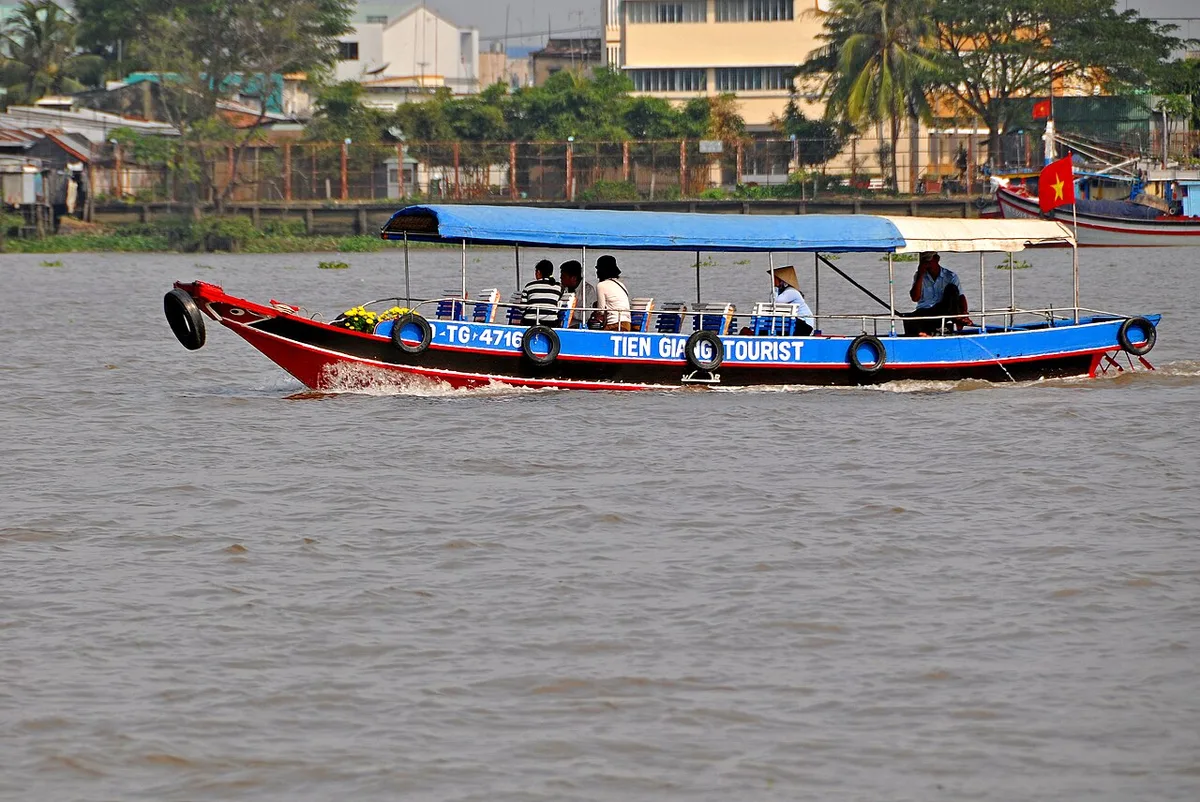
For travelers, the delta represents a complete cultural shift from Ho Chi Minh City's urban energy. You trade motorbikes and neon for canoes and coconut palms, fast-paced street commerce for the unhurried rhythm of tidal rivers. Life moves at the pace of water; seasons shift between harvest and flood.
The delta spans 13 provinces, each with distinct geography and character. My Tho and Ben Tre are closest to HCMC and most heavily visited; Can Tho is the largest city with reliable infrastructure. Farther provinces like Vinh Long and Chau Doc see fewer tourists and reward deeper exploration with authentic homestays and cycling routes. Water is everywhere—canals connect villages, rivers carry commerce, and floods reshape the landscape June through November.
Local economies center on farming (rice, fruit, vegetables), fishing, and small-scale tourism. You'll see water gardens where families grow vegetables on floating rafts, orchards heavy with mangoes and custard apples, and markets where women sell from wooden boats at dawn. This isn't theme-park tourism; it's a working landscape where tourism is one thread, not the whole cloth.
Top Experiences and Highlights in the Delta
The Mekong Delta's main draw is witnessing local life close-up: floating markets at dawn, family-run orchards, river transportation. Most day-trippers to My Tho or Ben Tre experience boat tours, market visits, and homestay meals. Travelers with 2–3 days often venture to Can Tho or inland cycling routes for deeper immersion.
My Tho (1.5–2 hours from HCMC) is the classic entry point with Cai Be floating market, island boat tours, and roadside stalls. A typical day tour costs $10–$25 per person; you'll ride a local sampan, visit a honey farm or coconut candy factory, and eat lunch with a delta family. Ben Tre (2–2.5 hours) offers quieter, coconut-focused experiences: kayaking silent canals, cycling through villages, staying in homestays.
Can Tho (3.5–4 hours) is the regional hub with the largest floating market, larger accommodations, and longer cruise options. Multi-night river cruises departing from Ho Chi Minh City cost $277–$545 per person and stop at Cai Be, Sa Dec, Can Tho, or Phu Quoc. These immersive cruises suit travelers with 2–3 days who want guided food tastings, market walks, and riverside dining.
Eco-tours and cycling trips counter the crowded-market tourist model by taking smaller groups through rice fields and quiet villages. These tours typically cost $20–$40 per person and operate through local guides, homestay operators, or day-trip booking platforms. They work best for travelers comfortable with basic logistics and open to unscripted interactions with local farmers, fishers, and families.
Planning Your Visit: Timing, Preparation, and Practical Tips
A one-day trip to My Tho or Ben Tre is possible but rushed—you'll spend 4–5 hours traveling and just 3–4 hours in the delta. Two to three days is ideal for a real experience: one day for the main delta activities, a second for cycling or a river cruise, and a third for travel. Longer stays (4+ days) suit travelers visiting Can Tho or exploring multiple provinces in depth.
Carry Vietnamese dong cash (500,000–1,000,000 VND daily) for tolls, meals, and tips; credit cards work only in Can Tho's larger hotels. Pack lightweight quick-dry clothing, rain jacket, sunscreen (SPF 50+), sunglasses, hat, and motion-sickness medication. Avoid large luggage for boat tours.
Dry season (November–May) offers clear skies, manageable heat, and reliable road conditions. Rainy season (June–October) brings lower prices, fewer tourists, but muddy roads and water-level flooding that can block access to remote areas. Avoid traveling during Tet (Vietnamese New Year, late January–early February) when buses are packed and locals prioritize family time.
Book accommodation and transport 1–2 weeks ahead for organized tours; independent bus travel can be same-day. Bring lightweight, quick-dry clothing, a rain jacket, sunscreen, sunglasses, and insect repellent. Carry VND cash for tolls, local meals, and tips; credit cards work only in Can Tho's larger hotels and restaurants.
- Packing and Preparation Checklist
- Lightweight breathable clothing that dries quickly and a rain jacket for June–October monsoon months.
- Sunscreen (SPF 50+), sunglasses, and a wide-brimmed hat for intense midday sun and water reflection.
- Motion-sickness medication or wristbands if you're prone to boat discomfort; choppy water is common.
- Small towel and quick-dry bag; many homestays provide basic toiletries but not always towels.
- Phone charger and offline maps of the delta; cellular coverage can drop in remote villages.
- Reusable water bottle; tap water is not safe for tourists, and bottled water costs 5,000–10,000 VND.
- Cash in Vietnamese dong (500,000–1,000,000 VND for a day trip) and small bills for tips and markets.
When Flying to the Mekong Delta Makes Sense
Flying is not a practical shortcut for the delta’s most popular gateways. My Tho, Ben Tre, Vinh Long, and Chau Doc do not have commercial airports, while Can Tho is usually faster to reach from Ho Chi Minh City by road once airport transfers, check-in, and baggage collection are included. Travelers bound for these destinations should use a bus or private car.
A flight is mainly worth considering for Ca Mau, at the far southern end of the delta. Ca Mau Airport places visitors much closer to Ca Mau city, U Minh Ha National Park, and the onward road to Cape Ca Mau than an all-day bus journey from Ho Chi Minh City. Flight schedules on this route can be limited, so confirm availability directly with the airline before planning accommodation or connecting transport.
After landing, arrange a taxi or hotel transfer because public transport from the airport may not match arrival times. Flying also offers little benefit for a multi-stop itinerary through My Tho, Ben Tre, Can Tho, and Chau Doc; traveling overland makes it easier to connect the river towns in a logical sequence.
Official Planning Checks Before You Go
Use the official Vietnam Tourism Mekong Delta guide for destination context and the official Vietnam Tourism Can Tho guide for a second official baseline. Recheck any opening hour, fare, timetable, closure, access rule, weather risk, or booking condition with the responsible operator shortly before travel; an official destination overview is not a live inventory or service guarantee.
Frequently Asked Questions
Is one day enough to explore the Mekong Delta?
Yes, but it's rushed. A one-day tour from Ho Chi Minh City to My Tho or Ben Tre gives you 3–4 hours in the delta after 4–5 hours of travel. You'll see floating markets and local life but won't deeply experience the region. Two to three days is ideal for a balanced mix of activities and travel time.
When is the best time to visit the Mekong Delta?
November through May (dry season) offers clear skies, pleasant temperatures, and reliable road conditions. Rainy season (June–October) brings lower prices and fewer crowds but muddy roads and potential flooding in remote areas. Avoid Tet (late January–early February) when transport is packed and locals prioritize family.
How far in advance should I book my transport and tour?
Book organized tours and private car transfers 1–2 weeks ahead, especially during peak season. Bus tickets can be booked 1–2 days in advance through VeXeRe or Mien Tay Bus Station. Independent travel requires less planning, but departing early morning (before 8 AM) is essential to avoid HCMC traffic.
What are the main differences between day tours and multi-day cruises?
Day tours (typically $10–$35 per person) focus on one town like My Tho or Ben Tre, fitting morning activities and market visits into a few hours. Multi-night river cruises ($277–$545 per person) cover multiple provinces, include meals and guided experiences, and allow deeper immersion. Choose day tours for quick escapes; cruises for a slower, luxe experience.
What should I bring for a day trip to the Mekong Delta?
Pack lightweight, breathable clothing, a rain jacket, sunscreen, sunglasses, a hat, and motion-sickness medication if needed. Bring cash in Vietnamese dong (at least 500,000 VND for transport, meals, and tips), a reusable water bottle, and phone charger. Avoid large luggage; a small daypack is best for boat tours and market visits.
The journey from Ho Chi Minh City to the Mekong Delta is short in distance but profound in shift. In just 1.5 to 4 hours, you move from urban chaos to river rhythms, from motorbike traffic to water canals, from street food vendors to family-run orchards.
Your choice of transport—bus, private car, speedboat, or motorbike—shapes how you arrive and what you experience. The cheapest path (bus, $2–$17 USD) works for backpackers with flexible schedules; the most comfortable (private car, $100–$140 USD) suits families and groups. All lead to the same profound landscape and welcoming local culture.
Whether you commit to one day or three, the delta rewards curiosity and early starts. Book transport early, pack light, and leave HCMC by 7–8 AM to maximize time in this essential corner of southern Vietnam. The delta is waiting.
Take the route offline
Free: the Ho Chi Minh City route notes
Where to base yourself and what it costs, a day-by-day route that avoids backtracking, real transfer times and fares, seasonal timing, and where it connects onward — condensed from our Ho Chi Minh City guides and made to take offline.
Keep unfolding Vietnam
Continue along the route
Three nearby guides for the next decision in your trip.


