

Hanoi to Sapa: Complete Travel Guide
Learn how to travel from Hanoi to Sapa with detailed steps, 5 transport options, real costs, timing, and booking tips for a smooth journey.
On this page
Hanoi to Sapa is one of Vietnam's most popular mountain routes. The journey covers roughly 300 kilometers through lowlands and mountains, gaining 1,600 meters in elevation. Travel time ranges from 5 to 9 hours depending on transport method, weather, and traffic conditions.
The overnight bus is the most practical option for most travelers, departing around 9 PM for $15–$20. The train offers more sleeping comfort at higher cost (~$20–$25) but requires a 50-minute transfer from Lao Cai station. Private cars complete the journey in 5 hours but cost significantly more per person for small groups.
Last updated July 2026. This guide covers every viable method with verified prices, schedules, and insider tips drawn from current operator information. Use it to avoid common booking mistakes and plan your Sapa trip with confidence.
Key Takeaways
- Hanoi to Sapa is one of Vietnam's most popular mountain routes.
- The journey covers roughly 300 kilometers through lowlands and mountains, gaining 1,600 meters in elevation.
- Travel time ranges from 5 to 9 hours depending on transport method, weather, and traffic conditions.
- The overnight bus is the most practical option for most travelers, departing around 9 PM for $15–$20.
Take the route offline
Free: the Hanoi route notes
Where to base yourself and what it costs, a day-by-day route that avoids backtracking, real transfer times and fares, seasonal timing, and where it connects onward — condensed from our Hanoi guides and made to take offline.
Compare Your 5 Travel Options
The 300-kilometer Hanoi-to-Sapa route offers five distinct travel methods, each with different cost, comfort, and scheduling profiles. Your choice hinges on three factors: total budget, comfort preference, and time flexibility. Below is a comprehensive comparison showing real price ranges, journey duration, and typical departure frequencies for each option.
Booking 3–7 days in advance secures better rates and better seat availability, especially during peak season (October–April). Last-minute bookings cost 20–30% more and significantly limit transport method choices and departure times.
| Transport Method | Cost | Journey Duration | Departure | Best For |
|---|---|---|---|---|
| Overnight Bus | $15–$20 | 5.5–6 hours | 9 PM | Budget travelers, daytime Sapa exploration |
| Sleeper Train | $20–$25 | 8 hours + 50-min transfer | 9:35 PM, midnight | Comfort and privacy, solid rest |
| Private Car | ~$140–$160 (up to 4 people) | 5 hours | Flexible | Small groups, business travelers, door-to-door |
| Minivan | ₫400,000+ per person | 5.5–6 hours | Mid-morning | Small groups, shared experience, daytime arrival |
| Motorbike | ₫150,000–₫200,000/day + fuel | 5–10 hours | Flexible | Experienced riders, photo stops, village detours |
Most travelers choose between the overnight bus and sleeper train because they balance value and convenience. Budget-conscious solo travelers and small groups favor buses; those seeking privacy often choose private cars or minivans. Motorbike riders prioritize freedom and scenic stops over speed, adding 5–10 hours but enabling flexible routes and village exploration.
Seasonal factors affect availability and prices. Peak season (October–April) sees higher rates and earlier bookings required; shoulder seasons offer better deals. Weather also influences journey time: typhoon season increases road hazards and potential delays.
- Bus: Budget-Friendly Overnight Option
- Tickets cost $15–$20 (₫300,000–₫400,000) and are bookable via 12Go, SapaExpress, Duc Duong, or Sao Viet.
- Journey takes 5.5–6 hours; overnight buses depart 9 PM and arrive by 2–5 AM.
- Departures run multiple times daily; evening routes are most popular for daytime Sapa exploration.
- Train: Comfortable Sleeper Service
- Sleeper train tickets cost $20–$25 (₫400,000+) via Vietnam Railways or booking platforms.
- Total journey: 8 hours on the train plus a 50-minute drive from Lao Cai station to Sapa town.
- Trains depart at 9:35 PM and midnight daily; limited schedule makes 3–7 day advance booking essential.
- Private Car: Fastest and Most Flexible
- Door-to-door service costs 3.5 million VND (~$140–$160) for up to 4 passengers, bookable via Klook or concierge services.
- Fastest option: roughly 5 hours with minimal traffic, especially during night departures or early morning travel.
- Offers hotel pickup, flexible scheduling, and no transfer hassles; ideal for business travelers or small groups.
- Minivan: Small-Group Daytime Travel
- Tickets cost ₫400,000+ per person and accommodate 4–6 passengers for a shared journey experience.
- Journey duration: 5.5–6 hours depending on rest stops, traffic conditions, and road-work delays.
- Usually depart mid-morning, arriving mid-afternoon; leaves time for evening Sapa exploration.
- Motorbike: Adventure Route with Maximum Freedom
- Rental costs ₫150,000–₫200,000 per day (~$6–$8 USD) plus fuel and insurance; requires valid international driving license.
- Journey takes 5–10 hours depending on stops, road conditions, weather, and your riding pace.
- Enables photo stops, village detours, and your own schedule; best for experienced riders comfortable with mountain roads.
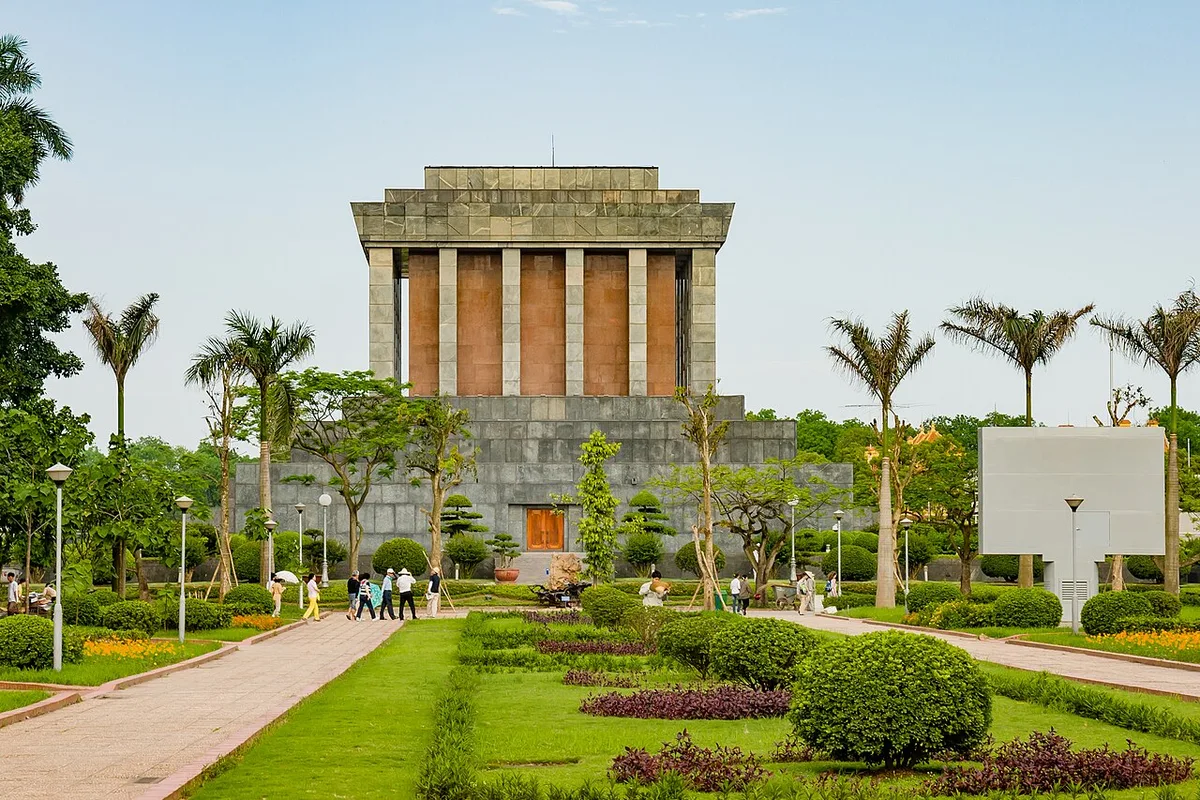
How to Travel from Hanoi to Sapa: 6 Essential Steps
The path from Hanoi to Sapa follows a predictable six-step sequence: decide your method, secure tickets, verify documents, pack essentials, depart on schedule, and settle into your accommodation. Each step addresses a key decision point or common pitfall that disrupts unprepared travelers. Following this sequence ensures you avoid last-minute scrambling, secure competitive rates, and arrive refreshed.
Timing is critical on this route. Most travelers book 3–7 days in advance to secure competitive rates and preferred departure windows. Last-minute bookings are possible but often cost 20–30% more and limit your choice of transport methods. Early bookings also improve seat availability during peak season (October–April).
Related trips from Hanoi like Ha Long Bay share similar booking platforms, so using 12Go or SapaExpress becomes easier on return planning. Understanding the Hanoi-to-Sapa process prepares you for other northern routes and helps you anticipate common friction points.
- Step 1: Choose Your Travel Method Based on Priorities
- Review the comparison above and weigh budget, comfort level, and schedule against your availability.
- Overnight bus suits budget travelers; train suits those valuing sleeping space; private cars suit business travelers.
- Motorbike rental suits adventurous riders; minivans suit small groups wanting shared experience.
- Step 2: Book Your Tickets via Trusted Platforms
- Use 12go.asia, SapaExpress.com, or operator websites to book directly.
- Booking 3–7 days ahead secures better rates; last-minute bookings cost 20–30% more on average.
- Save your confirmation email and take a screenshot; internet access at stations is often unreliable.
- Step 3: Verify Visa Status and Prepare Travel Documents
- Ensure your passport is valid for at least 6 months; Sapa requires no special entry permits or visas.
- Check your Vietnamese visa status if applicable; most tourists use 30-day tourist visas.
- Keep photocopies of your passport, visa, and booking confirmation in a separate bag as backup.
- Step 4: Pack Essentials for Mountain Climate and Travel Duration
- Bring warm layers: Sapa mornings are cool (15–18°C) even in summer; mountain air drops further at night.
- Include motion sickness medication or ginger candies; mountain roads include tight switchbacks and continuous elevation changes.
- Pack snacks, water, and entertainment; overnight buses lack food service between Hanoi and Sapa.
- Step 5: Confirm Pickup Logistics and Depart on Time
- Overnight buses usually pick up from Hanoi's Old Quarter around 8–9 PM; confirm your exact pickup point and time.
- Train departures are 9:35 PM and midnight from Hanoi Railway Station; arrive 30 minutes before departure.
- Private car pickup matches your hotel address; confirm the driver's phone number and car details before departure day.
- Step 6: Settle into Accommodation and Plan Your Sapa Activities
- Upon arrival, ignore aggressive taxis and tour touts; pre-booked hotels are often a 10–15 minute walk from stations.
- Confirm onward plans (trekking guides, cooking classes, tours) with your hotel concierge before resting.
- Sapa's 1,600-meter elevation affects some travelers; rest, hydrate, and eat light meals if experiencing mild altitude effects.
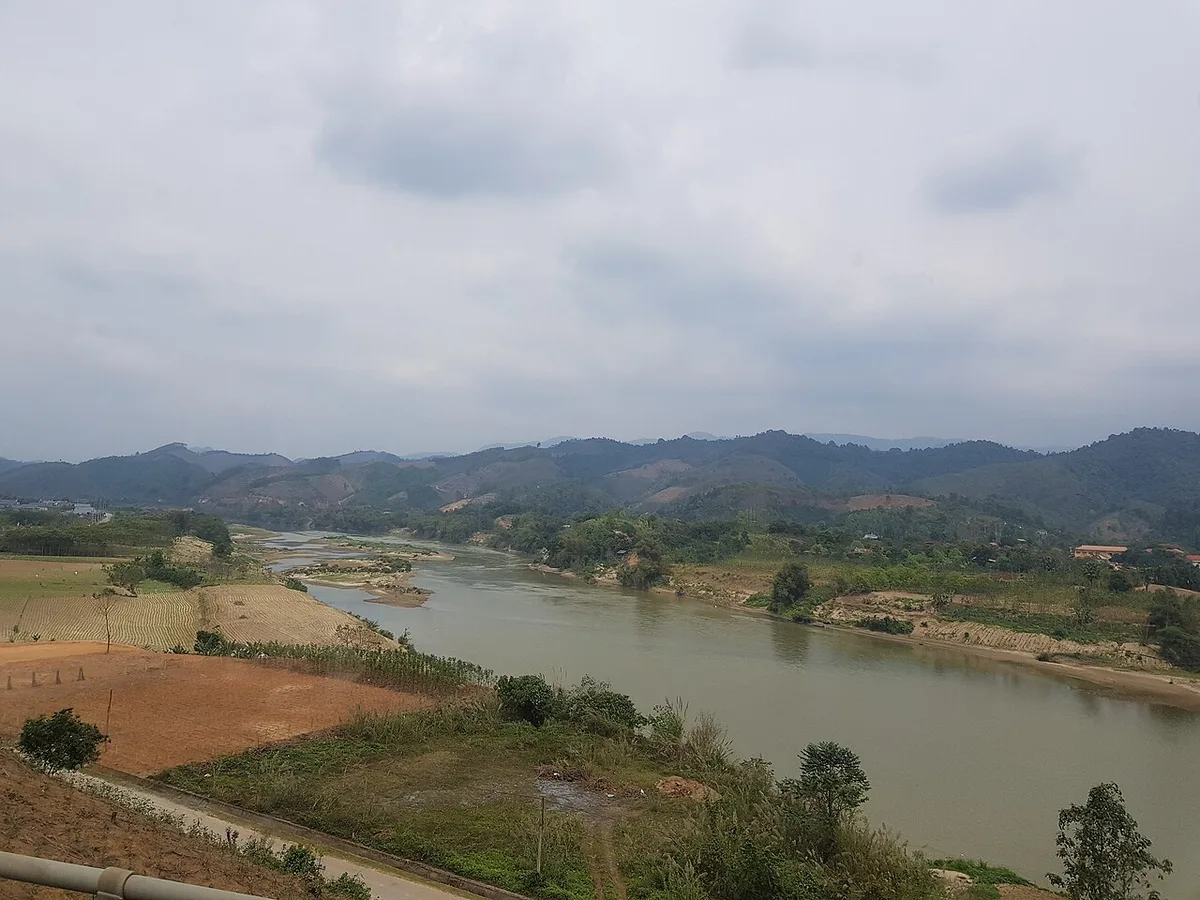
Overnight Bus vs. Sleeper Train: Make Your Choice
The overnight bus and sleeper train dominate this route because they balance cost, comfort, and convenience effectively. However, they excel in different scenarios and serve different traveler profiles. Understanding their trade-offs prevents regret and ensures you pick the right option the first time.
Buses offer clear financial advantage: overnight tickets run $15–$20 compared to $20–$25 for train sleepers. Buses depart multiple times daily, offering scheduling flexibility and backup options if you miss one. For budget-conscious travelers and those prioritizing daylight exploration time in Sapa, the bus wins decisively on value.
Trains provide superior comfort: private sleeper cabins, stable sleeping arrangements, and more personal space. However, trains add a 50-minute transfer from Lao Cai station to Sapa town, increasing total travel time to 9 hours. Limited late-night options (only two departures: 9:35 PM and midnight) can strand you if you miss the departure window.
Choose the bus if you prioritize budget, schedule flexibility, and daylight arrival for exploring Sapa. Choose the train if you value sleeping comfort, privacy, and prefer arriving early morning after solid rest. Choose a private car only if your group can split costs and flexibility is your top priority over economy.
Many travelers book buses on outbound and explore related routes like Hanoi to Ha Giang for comparison on return journeys. This parallel planning helps you understand the full network of northern mountain transport options.
What to Pack: Essential Checklist
The Hanoi-to-Sapa journey spans lowlands and mountains, crossing 1,600 meters in elevation. You'll encounter cool mountain air, variable weather, winding roads, and potentially bumpy transitions. Packing wisely prevents discomfort during travel and prepares you for Sapa's cooler climate and trekking activities.
Most travelers overpack for this route, only to regret carrying excess weight through stations and hotels. A backpack or mid-size roller bag is sufficient; overnight buses lack overhead bin space and roof storage. Prioritize essentials over extras to avoid fatigue during transfers and to move easily through crowded stations.
- Warm layers and light jacket for cool mountain mornings
- Sapa nights and early mornings hover around 15–18°C; midday reaches 22–25°C depending on season.
- Layers allow flexible adjustment as you ascend and explore mountain villages and trekking paths.
- Passport, visa copy, and hotel confirmation printout
- Carry originals in a secure pouch; keep photocopies in your backpack as backup.
- A printed hotel confirmation prevents booking disputes when internet access at remote stations fails unexpectedly.
- Motion sickness medication or ginger candies
- Mountain roads between Lao Cai and Sapa include sharp curves, hairpin turns, and steep elevation changes.
- Preventative medication taken 30 minutes before departure eases nausea significantly for susceptible travelers.
- Snacks, water bottle, and electrolyte powder
- Buses serve minimal refreshment; bringing your own hydration prevents dehydration on 5–9 hour drives.
- Mountain air and altitude increase water loss; electrolyte powders help your body adjust to elevation.
- Phone charger and portable power bank
- Overnight buses have limited electrical outlets; a power bank ensures your phone stays charged.
- This is essential for navigation, planning onward activities, ride-sharing booking, and emergency contact.
- Comfortable shirt and lightweight pants for long travel
- Tight jeans or restrictive clothing causes cramping and discomfort on 5–9 hour bus rides.
- Bring a neck pillow if you tend to sleep awkwardly; buses provide thin seat cushions only.
- Toiletries and small towel
- Many overnight buses lack onboard restrooms; carry hand sanitizer, wet wipes, and tissues.
- A small towel helps if rest stops offer basic washing facilities for a freshen-up.
- Basic first aid and personal medications
- Bandages, pain relievers, antacids, and any prescription medications are useful for unexpected issues.
- Mountain altitude and travel stress can trigger minor ailments; carry preventative remedies.
Troubleshooting: Common Problems and Solutions
Despite careful planning, unexpected issues can arise on the Hanoi-to-Sapa route. Most problems are preventable with advance knowledge or fixable with quick, informed action. Familiarity with these scenarios and their solutions prevents panic and keeps your trip on track.
Sapa's 1,600-meter elevation can trigger mild headache, fatigue, or shortness of breath in some travelers. Ascend gradually, avoid strenuous activity on your first evening, rest quietly with steady hydration—symptoms typically resolve within 24 hours.
Planning ahead is your strongest defense against disruption. Knowing what can go wrong, why it happens, and what to do about it gives you confidence and control.
- Last-minute overbooking or sudden cancellation
- Buses occasionally cancel for low bookings or mechanical issues; trains are more stable operationally.
- Prevention: book 3+ days ahead through reputable platforms like 12Go or SapaExpress to confirm capacity.
- Solution: have a backup booking or contact info for alternative buses; refunds typically issue within 24–48 hours.
- Motion sickness during winding mountain ascent
- Tight switchbacks and continuous elevation changes trigger nausea in many unmedicated travelers.
- Prevention: take ginger candies, motion sickness medication, or dramamine 30 minutes before departure for best effect.
- Solution: sit mid-bus (less movement than rear), request window seats for fresh air, and focus on distant horizons.
- Language barriers at stations and with drivers
- Bus station staff and some drivers speak minimal English; instructions become unclear under time pressure.
- Prevention: download offline Google Translate; screenshot your confirmation with Vietnamese details and destination name.
- Solution: ask your hotel concierge to call your driver; always provide your accommodation name in Vietnamese.
- Confusing taxi queue and inflated rates at arrival
- Arriving passengers face aggressive taxi touts offering rates 2–3× official meter prices.
- Prevention: book hotel pickup or arrange transport before arriving; many hotels offer free pickup.
- Solution: ignore touts, walk toward central Sapa town, and use meter taxis or hotel staff for fair rates.
- Missed bus due to Hanoi traffic delays
- Hanoi congestion often delays pickup times by 30–45 minutes; you risk missing your scheduled departure.
- Prevention: request pickup 90 minutes before your scheduled departure; leave your hotel by the stated time.
- Solution: contact your operator immediately; most offer rebooking on the next available service without charge.
- Mild altitude sickness upon Sapa arrival
- Sapa's 1,600-meter elevation causes mild headache, fatigue, or shortness of breath in some travelers.
- Prevention: ascend gradually; avoid strenuous activity and alcohol on your first evening in Sapa.
- Solution: rest quietly, drink water steadily, eat light meals; symptoms usually resolve within 24 hours.
- Lost or misplaced luggage during overnight travel
- Buses occasionally lose luggage stored underneath; items in overhead areas sometimes disappear in transfers.
- Prevention: carry valuables, medications, and documents in your personal backpack, not in checked luggage.
- Solution: report immediately to the operator with your ticket; they may compensate or locate luggage at terminals.
How to Transfer from Lao Cai Railway Station to Sapa
Trains from Hanoi terminate at Lao Cai Railway Station, not in Sapa. From the station, Sapa town is about 35 kilometers away by road, and the uphill transfer commonly takes 45–60 minutes depending on traffic, fog, and weather. Factor this extra leg into your itinerary when comparing the train with a direct bus.
Shared minibuses usually meet morning arrivals outside the station and leave after filling their seats. They are convenient for central Sapa, but confirm whether the drop-off is at your hotel or a common stop. A pre-arranged hotel transfer is simpler if you arrive with luggage, children, or a trekking departure scheduled that morning. Taxis provide more flexibility, but use the official queue, confirm that the meter is running, and show the driver your accommodation’s Vietnamese address.
Keep your valuables with you while changing vehicles, and contact your hotel before leaving Hanoi if your train arrives before normal check-in time. Ask whether luggage storage or early pickup is available, especially if you plan to begin a trek toward Cat Cat, Lao Chai, or Ta Van shortly after arrival.
Frequently Asked Questions
What is the best way to travel from Hanoi to Sapa?
The overnight bus is best for most travelers: it costs $15–$20, departs 9 PM, and arrives by 2–5 AM, leaving your afternoon free for Sapa exploration. Book via 12go.asia or SapaExpress.com to secure competitive rates and confirmed seats.
Is the train from Hanoi to Sapa worth the extra cost?
The train is worthwhile if comfort and sleeping privacy matter more than cost. Sleeper berths cost $20–$25 but require a 50-minute transfer from Lao Cai station, adding hassle. Choose the train for space and comfort; choose the bus if you value budget and convenience.
How long does it take to get from Hanoi to Sapa?
Travel time ranges from 5 to 9 hours depending on method. Overnight buses take 5.5–6 hours; trains take 8 hours plus 1-hour transfer. Private cars achieve 5 hours in light traffic. Most travelers experience 6–7 hours door-to-door including transfers and rest stops.
How much does it cost to travel from Hanoi to Sapa?
Overnight bus tickets cost $15–$20 (₫300,000–₫400,000); sleeper trains cost $20–$25 (₫400,000+); minivans cost similar to trains. Private car service costs 3.5M VND (~$140–$160) for up to 4 passengers. Motorbike rental is ₫150,000–₫200,000 per day, plus fuel costs.
Can I book a Hanoi-to-Sapa ticket on the same day?
Same-day booking is possible but costs 20–30% more and limits your choices significantly. Overnight buses often sell out, and trains depart only twice nightly. Booking early improves choice, but the fare and seat are confirmed only when the operator issues a valid ticket.
Traveling from Hanoi to Sapa becomes straightforward when you understand your transport options and book strategically. The overnight bus suits most travelers seeking value, efficiency, and daytime Sapa exploration. The train appeals to those prioritizing comfort; private vehicles work best for small groups or business travelers.
Book your tickets 3–7 days ahead through reputable platforms like 12Go or SapaExpress. Pack smart for mountain weather, prepare for motion and altitude effects, and plan your arrival time to maximize daylight in Sapa. Armed with this guide, you'll avoid common pitfalls and enjoy a smooth, confident journey to the mountains.
Take the route offline
Free: the Hanoi route notes
Where to base yourself and what it costs, a day-by-day route that avoids backtracking, real transfer times and fares, seasonal timing, and where it connects onward — condensed from our Hanoi guides and made to take offline.
Keep unfolding Vietnam
Continue along the route
Three nearby guides for the next decision in your trip.


