

Photo: jonolist via Flickr (CC BY-SA 2.0)
Hanoi Food Route Travel Guide
Plan hanoi food route with top picks, neighborhood context, timing tips, and practical booking advice for a smoother trip.
On this page
Hanoi's Old Quarter is a living culinary museum, where street food vendors refine generations-old recipes in tiny alleyways. Every corner reveals something new—noodles steaming in broth, meat sizzling over charcoal, crispy banh mi assembled by hand. Planning a Hanoi food route transforms your visit from casual eating to intentional culinary discovery.
A food route connects signature dishes, neighborhood food stops, and local eating traditions into one cohesive journey. You'll encounter affordable prices, authentic flavors, and the rhythm of Hanoi street life throughout. Last updated July 2026.
Key Takeaways
- Hanoi's Old Quarter is a living culinary museum, where street food vendors refine generations-old recipes in tiny alleyways.
- Every corner reveals something new—noodles steaming in broth, meat sizzling over charcoal, crispy banh mi assembled by hand.
- Planning a Hanoi food route transforms your visit from casual eating to intentional culinary discovery.
- A food route connects signature dishes, neighborhood food stops, and local eating traditions into one cohesive journey.
Take the route offline
Free: the Hanoi route notes
Where to base yourself and what it costs, a day-by-day route that avoids backtracking, real transfer times and fares, seasonal timing, and where it connects onward — condensed from our Hanoi guides and made to take offline.
Hanoi Pho: Vietnam's Soul Dish
Pho (pronounced 'fuh') is Vietnam's national dish and arguably its most iconic. Hanoi's version differs from the southern style—the broth is more delicate and subtle, with refined flavor reflecting northern Vietnamese tradition. Locals often spend decades perfecting their pho recipes, simmering broth overnight to develop complex depth.
At traditional pho shops throughout the Old Quarter, you'll find basic wooden stools and steaming bowls from dawn until late night. The best bowls showcase tender beef sliced paper-thin over rice noodles in rich, perfectly balanced broth. Expect to pay around 50,000 VND ($2.50) for an exceptional bowl at a local favorite.
Phở Gia Truyền Bát Đàn is one of Hanoi's most respected pho destinations and holds Michelin recognition. The shop serves beef pho from a traditional shophouse, where you choose your meat cut at the counter. Arrive early to avoid queues that stretch into the street during peak times.
The experience of eating pho on the street immerses you in Hanoi's morning rhythm and food culture. Scalding broth, crowded surroundings, and the constant buzz of the city create an unforgettable sensory experience. This dish alone justifies planning a dedicated food route through Hanoi.
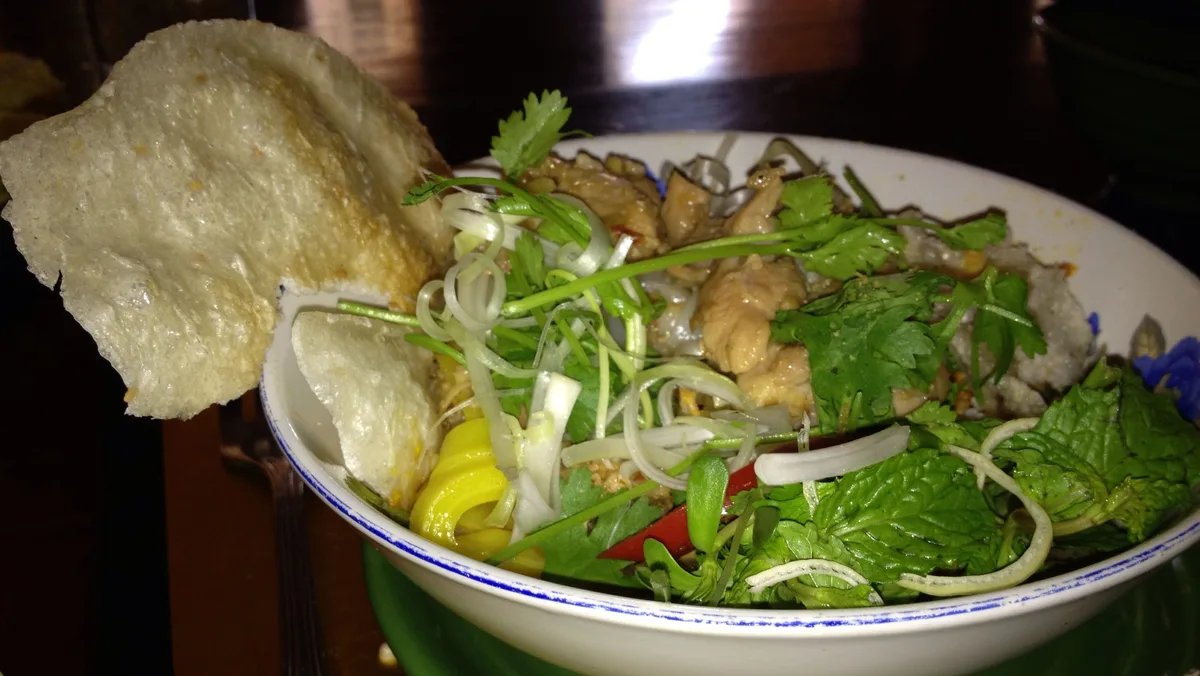
Why Take a Food Tour in Hanoi?
A guided food tour cuts through the chaos of Hanoi's streets and makes sense of the culinary landscape. Local guides know which vendors arrive at dawn, which shops have the best quality, and the stories behind each dish. This insider knowledge transforms random eating into purposeful cultural immersion.
Guided food tours typically include 4–6 stops over 2–3 hours, featuring tastings at iconic vendors and neighborhood discoveries. Many tours include cooking demonstrations or market visits, providing context about Vietnamese food traditions and street food's role in Hanoi culture.
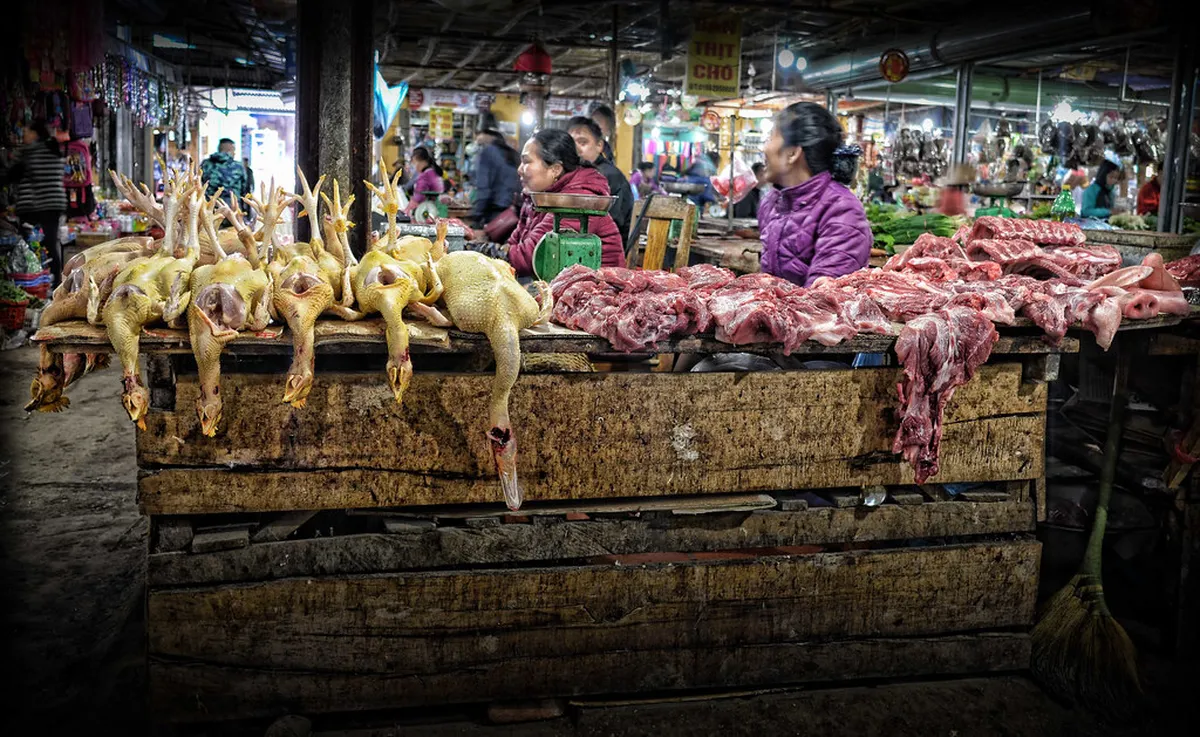
Going solo means discovering amazing street food through trial and error, which appeals to adventurous travelers. Organized tours offer structure, context, and connections to other food lovers on similar journeys. Both approaches work—your choice depends on time, comfort level, and learning style.
Food tours typically include 4–6 stops over 2–3 hours, with tastings at iconic spots and less-touristy neighborhood vendors. You'll learn Vietnamese food traditions, techniques, and the economic role street food plays in Hanoi culture. Many tours also include a brief cooking demonstration or market visit.
Tours cost $25–$40 per person, making them an affordable cultural experience for most budgets. Morning departures (7–9 AM) coincide with peak vendor activity and neighborhood energy. Evening tours offer a quieter pace and different food selections as dinner vendors set up.
Bun Cha: Hanoi's Grilled Masterpiece
Bún chả represents Hanoi's grilled masterpiece and national comfort food. Charred pork belly and ground pork patties cook over burning charcoal, then arrive with fresh herbs, rice noodles, and tangy fish sauce for dipping. The combination of smoky meat, herbaceous freshness, and balanced dipping sauce is quintessentially Hanoi.
The best bun cha spots in the Old Quarter feature modest shopfronts with plastic stools and communal tables. At Bun Cha Ta on Nguyen Huu Huan Street, grilling happens right in front of you. A full serving costs around 60,000–80,000 VND ($2.50–$3.50), making it an affordable feast.
Many visitors find bun cha less famous than pho, but locals often prefer it for lunch and dinner. The interactive experience of building your own bowl with herbs and dipping sauce engages all your senses. Traveling to Hanoi without eating bun cha means missing one of the city's defining flavors.
The smoky aroma from charcoal grills attracts crowds from mid-morning through evening. Sitting elbow-to-elbow with locals at shared tables creates spontaneous connections across language barriers. This communal dining style defines Hanoi's street food culture unlike formal restaurants.
Other Hanoi Street Food Dishes
Beyond pho and bun cha, Hanoi's street food scene spans countless specialties developed over centuries. Bánh mì sandwiches pair crispy French baguettes with pâté, cold cuts, and pickled vegetables—perfect for breakfast or quick lunch. Glass noodle soups, fried nem rolls, and rice cakes round out the full spectrum.
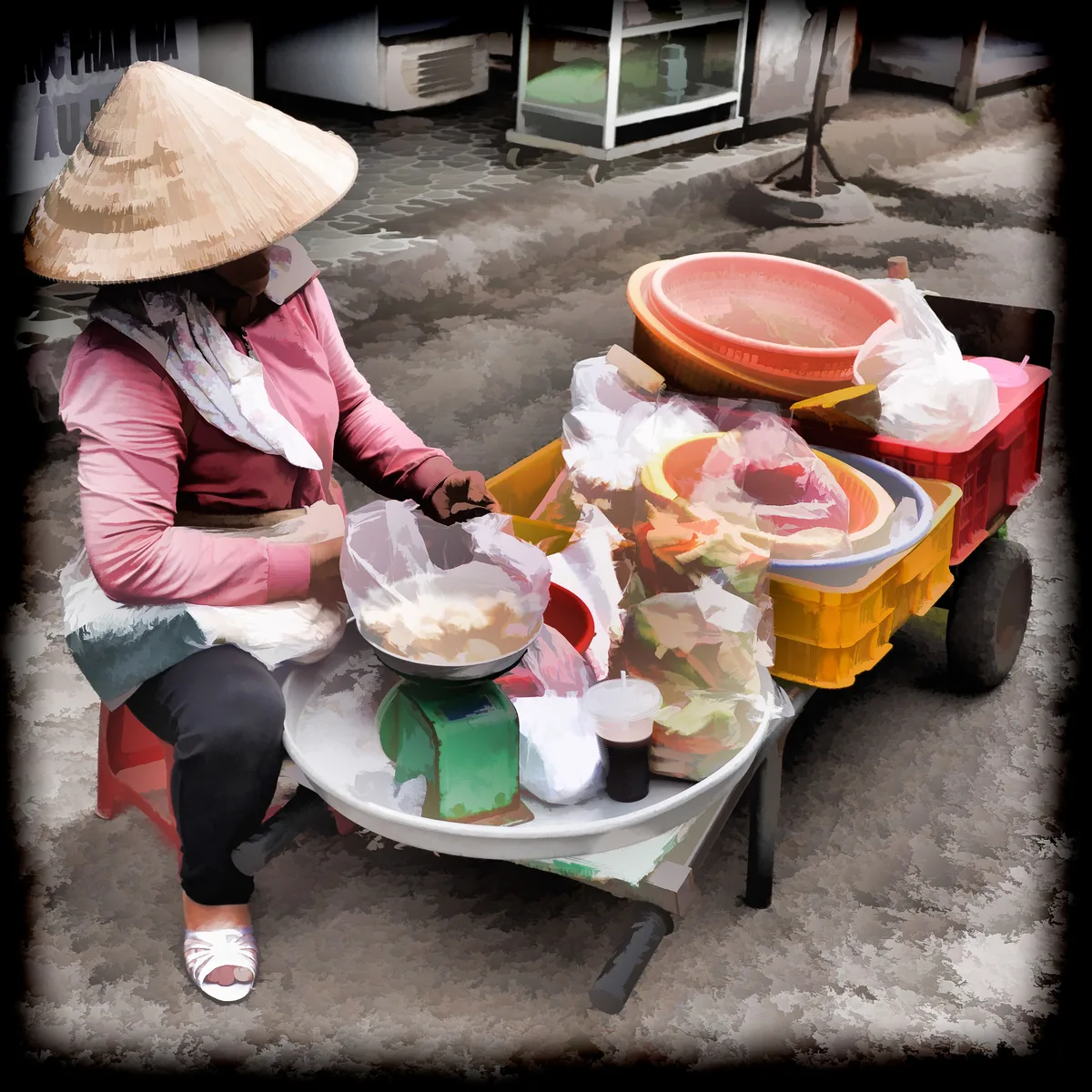
Bánh mì 25, located near Hoan Kiem Lake, is one of the Old Quarter's most famous sandwich shops. A massive banh mi with fresh avocado and cold cuts costs just 55,000 VND ($2.35), making it exceptional value. Vendors toast the bread to order, adding crucial textural contrast to every bite.
| Dish | Main Components | When to Eat | Character |
|---|---|---|---|
| Pho | Rice noodles, beef, delicate broth | Dawn, breakfast | Subtle, refined Northern-style flavor |
| Bun Cha | Grilled pork, herbs, rice noodles, fish sauce | Lunch, dinner | Smoky, communal dining experience |
| Banh Mi | Baguette, pâté, cold cuts, pickled vegetables | Breakfast, lunch | Crispy textured bread, toasted to order |
| Egg Coffee | Egg yolk, condensed milk, strong coffee | Morning, early | Creamy, sweet, tiramisu-like, unique to Hanoi |
Glass noodle soup hidden in Old Quarter alleys delivers light, refreshing comfort with fresh vegetables and delicate broth. Nem (spring rolls) are crispy, flavorful packages of pork and herbs, available as starters or full meals. Regional specialties from Sapa and northern areas also appear on street stalls throughout the city.
Expect to spend 30,000–80,000 VND ($1.25–$3.50) for any single street food dish, with combo meals only slightly higher. Sampling multiple items across a morning or afternoon remains incredibly affordable even for budget travelers. This price accessibility makes exploring Hanoi's complete food spectrum realistic for every wallet.
Egg Coffee: Hanoi's Sweet Surprise
Egg coffee (cà phê trứng) is a creamy, sweet confection unique to Hanoi and impossible to find elsewhere. Café Dinh pioneered this drink in the 1940s using egg yolks, condensed milk, and strong dark coffee. The result tastes like tiramisu in a cup—luxurious, indulgent, and entirely unexpected.
The preparation is an art form—baristas whisk egg yolk and sweetened condensed milk into a velvety foam. This foam tops a small cup of strong, dark Vietnamese coffee brewed through a metal filter. Sipping it with a small spoon blurs the line between coffee, dessert, and beverage.
Café Dinh remains the most famous destination, but numerous smaller shops throughout the Old Quarter serve egg coffee. Prices range from 40,000–60,000 VND ($1.75–$2.50), higher than regular coffee but affordable for a treat. Most places open early and close by evening, so plan your coffee visit accordingly.
Trying egg coffee is more than consuming a beverage—it's experiencing a Hanoi tradition and culinary creativity. Many travelers describe it as a surprising, delicious highlight of their food route. Whether you absolutely love it or find the richness overwhelming, it's worth experiencing once during your stay.
Book Your Hanoi Street Food Tour
Guided food tours offer the easiest entry point for visitors who want structure, context, and social connection. Professional tour operators know optimal timing to hit each vendor, avoid tourist traps, and uncover neighborhood gems unknown to guidebooks. A tour typically costs $25–$40 per person for 2–3 hours of immersive eating and learning.
Bring cash for street vendors who may not accept cards. Wear comfortable shoes for navigating narrow alleys. Avoid touring during peak midday heat (11 AM–3 PM) when streets are chaotic and vendors may run low on supplies.
Airbnb Experiences offers a well-reviewed Food on Foot Tour with small groups and flexible timing. Local tour companies operate similar offerings, often available through booking platforms or directly from your hostel or hotel. Compare itineraries to find a pace that matches your energy level and appetite.
Tours typically include 4–6 food stops, plenty of walking, and an average cost of $30 per person. Bring cash for street vendors, who may not accept cards, and wear comfortable shoes for navigating narrow alleys. Morning tours (starting 7–9 AM) catch the busiest street food period and end by lunch.
If you prefer exploring independently, other Hanoi activities provide context for understanding the city's food culture. Many travelers combine a guided morning tour with evening independent exploration, getting the best of both approaches. Creating your own route requires research but offers complete flexibility in timing and stops.
A Practical Self-Guided Old Quarter Food Route
For a logical walking route, begin early at Phở Gia Truyền Bát Đàn on Bát Đàn Street, when pho is traditionally eaten and queues are usually easier to manage. Continue east through the Old Quarter toward Hàng Bè Street, where small stalls sell nem and other portable snacks. Treat these as tastings rather than full meals so you still have room for later stops.
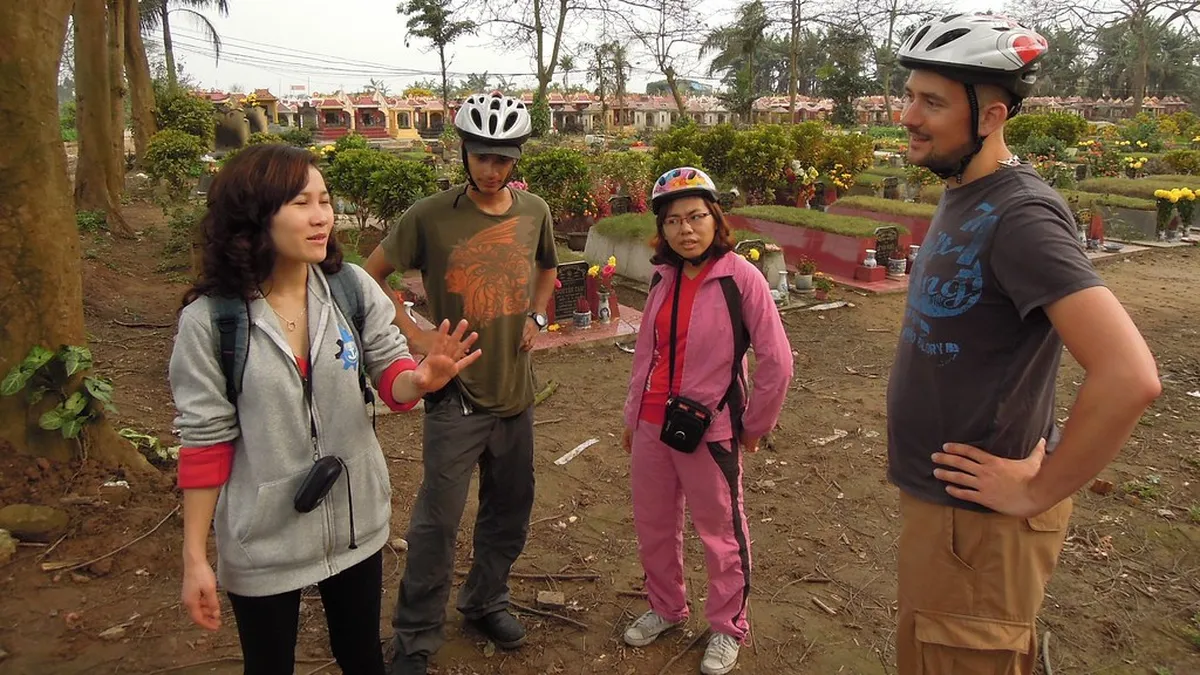
From Hàng Bè, walk toward Nguyễn Hữu Huân Street for bún chả at Bún Chả Ta. The route passes narrow commercial streets where pavements may be occupied by parked motorbikes, so expect to walk partly along the roadway and cross slowly at a predictable pace. Finish near Hoàn Kiếm Lake with egg coffee at Café Đinh, reached through the entrance at 13 Đinh Tiên Hoàng and located upstairs above the street.
Allow three to four hours, including queues and seated stops. Save each destination offline before leaving, carry small-denomination Vietnamese đồng, and confirm opening hours on the day because family-run shops can close after selling out.
Official Planning Checks Before You Go
Use the official Vietnam Tourism food hub for destination context and the official Vietnam Tourism Ha Noi guide for a second official baseline. Recheck any opening hour, fare, timetable, closure, access rule, weather risk, or booking condition with the responsible operator shortly before travel; an official destination overview is not a live inventory or service guarantee.
Frequently Asked Questions
What's the best way to do a Hanoi food route?
A combination of guided and independent exploration works best. Book a 2–3 hour morning food tour to gain insider knowledge and hit key spots, then spend afternoons exploring solo. This balance provides structure plus flexibility to linger at favorite stops or discover unexpected gems. Hanoi's Old Quarter makes this easy—everything is walkable and accessible.
How much time should I plan for a Hanoi food route?
A minimum of 4 hours captures the highlights—one guided tour plus independent exploration. Full-day food adventures (6–8 hours) let you sample more dishes, visit less-touristy spots, and return to standout vendors multiple times. Multi-day routes let you explore different neighborhoods and favorite places repeatedly. Even 2 hours yields worthwhile food experiences.
What should I avoid when planning a Hanoi food route?
Avoid touring during peak midday heat (11 AM–3 PM) when streets are chaotic and vendors may run low on supplies. Don't skip the experience of sitting on plastic stools—it's where locals eat and community forms. Never assume English speakers are abundant; learn basic Vietnamese phrases beforehand. Avoid overly touristy restaurants in favor of street stalls for better quality and prices.
Is a Hanoi food route worth including on a short itinerary?
Absolutely yes, even if you only have one day in Hanoi. Food is central to Vietnamese culture and daily life. A 3–4 hour food tour efficiently covers the city's essence while satisfying your appetite. Visitors on tight itineraries often cite food experiences as their favorite Hanoi memory.
Which Hanoi food route options work best for first-time visitors?
Start with pho and bun cha, Hanoi's two most iconic dishes that define the city's food identity. Add banh mi for breakfast and egg coffee for a unique experience. Regional food tours connect Hanoi specialties to broader Vietnamese cuisines if you're staying longer. A basic route hits these four items in a morning.
A Hanoi food route transforms your understanding of the city far beyond typical sightseeing. Every dish carries history, tradition, and the daily rhythms of local life. Whether you spend three hours or three days exploring street food, you'll encounter authenticity that deepens your connection to Vietnam.
The city's affordable prices, iconic flavors, and welcoming vendors make food tourism accessible to every traveler. Start with the essentials—pho, bun cha, banh mi—then branch into neighborhood discoveries and regional specialties. Pair your food route with other Hanoi experiences for a complete understanding of the city's culture.
Plan your food route before arriving to identify must-try vendors and neighborhoods. Bring cash, comfortable walking shoes, and an appetite for both familiar and surprising flavors. Your Hanoi food route will become the memory that lasts longest after leaving Vietnam.
Take the route offline
Free: the Hanoi route notes
Where to base yourself and what it costs, a day-by-day route that avoids backtracking, real transfer times and fares, seasonal timing, and where it connects onward — condensed from our Hanoi guides and made to take offline.
Keep unfolding Vietnam
Continue along the route
Three nearby guides for the next decision in your trip.


