

Photo: NH53 via Flickr (CC BY 2.0)
How to Visit Cu Chi Tunnels from Ho Chi Minh City
Plan a Cu Chi Tunnels trip from Ho Chi Minh City with transport choices, tour checks, realistic timing, accessibility notes, and practical visitor tips.
On this page
Guided tours (800,000–1,200,000 VND / ~$32–$50) include transport, guide, and 5–6 hour on-site experience. Private car hire via Grab offers similar costs with more independence and flexibility. Budget travelers can use buses, but expect slower travel and minimal guidance.
The Cu Chi Tunnels are Vietnam's most iconic war-related attraction, located 40–50 km northwest of Ho Chi Minh City. This 250 km underground network served the Viet Cong during the American War and remains a powerful historical site. Last updated July 2026.
Most first-time visitors opt for guided tours, which take 5–6 hours round-trip including 1–1.5 hour travel each way. The experience includes guided walks through tunnels, interactive displays of war artifacts, and views of the countryside. Understanding your options—tours, private cars, or public transport—helps you choose the best fit.
Key Takeaways
- Guided tours (800,000–1,200,000 VND / ~$32–$50) include transport, guide, and 5–6 hour on-site experience.
- Private car hire via Grab offers similar costs with more independence and flexibility.
- Budget travelers can use buses, but expect slower travel and minimal guidance.
- The Cu Chi Tunnels are Vietnam's most iconic war-related attraction, located 40–50 km northwest of Ho Chi Minh City.
Take the route offline
Free: the Ho Chi Minh City route notes
Where to base yourself and what it costs, a day-by-day route that avoids backtracking, real transfer times and fares, seasonal timing, and where it connects onward — condensed from our Ho Chi Minh City guides and made to take offline.
How to Get to Cu Chi Tunnels: Your Options
Getting to Cu Chi Tunnels requires a 1–1.5 hour journey from central Ho Chi Minh City, depending on traffic. Travelers have multiple options ranging from guided tours to public transport, each with different costs and logistics. Choosing the right method depends on your budget, independence preferences, and time constraints.
Most visitors book tours through their hotel, travel agencies, or online platforms like Klook and GetYourGuide. Hotels typically charge a markup, but simplicity and concierge support make it worth considering if you're time-strapped. Klook usually offers better prices and more flexible cancellation policies than hotel booking desks.
| Method | Cost | Travel Time | Includes | Best For |
|---|---|---|---|---|
| Guided Tours | $32–$50 | 1–1.5 hours each way | Transport, guide, entry, 5–6 hour experience | First-timers, historical context |
| Private Car (Grab) | $32–$50 | 1–1.5 hours each way | Transport only | Small groups, flexible schedules |
| Public Bus | $3–$5 | 2–3 hours each way | Transport only | Budget travelers, flexible timing |
For independent travelers, hiring a private car through Grab or via your hotel concierge provides flexibility. You control departure times and can request stops along the route for photos or restrooms. Public transport (buses and minibuses) is cheapest but slowest, best for budget-conscious travelers with flexible timing.
- Guided Tours
- Costs 800,000–1,200,000 VND (~$32–$50) round-trip, including transport, guide, entry, and 5–6 hour experience.
- Ben Dinh is closer to HCMC and more interactive; Ben Duoc is 30 minutes further and quieter.
- Book via hotel concierge, Klook, or local travel agencies; Klook usually offers best prices and cancellation terms.
- Private Car Hire via Grab
- Use Grab app or hotel concierge; costs $32–$50 for round-trip; you control timing and make stops.
- Driver provides no guide service; you rely on printed signs, paid guides at the site, or smartphone research.
- Best for small groups, flexible schedules, or travelers who want independence from tour group dynamics.
- Public Bus or Minibus
- Costs ~$3–5 round-trip from Ben Thanh Market or Mien Dong Station; takes 2–3 hours each way.
- No guide provided; you navigate the site yourself using signage or a purchased site map.
- Requires basic Vietnamese or translation app; buses run infrequently, especially mid-afternoon; best for patient travelers.

Step-by-Step Guide to Booking & Visiting
Visiting Cu Chi Tunnels requires planning 1–2 days in advance for optimal pricing and availability. The process involves choosing your transport method, booking your spot, preparing essentials, and timing your departure for manageable traffic. Follow these six steps to ensure a smooth and enriching experience.
Book tours departing 6–7 am to minimize traffic delays and avoid midday heat. Weekend tours experience 1–2 hour potential delays; weekday departures are smoother, cheaper, and less crowded. Most tours return by 2–3 pm.
Most tours run daily, but weekend departures fill quickly due to higher tourist demand. Booking 48 hours ahead through Klook or your hotel improves the chance of getting your preferred date and time slot. Last-minute bookings may require premium pricing or force you into an inconvenient departure time.
- Step 1: Choose your transportation method
- Guided tours suit first-timers; private cars suit independents; buses suit budget travelers with flexible timing.
- Tours typically cost $32–$50 round-trip including guide; private cars cost similarly but without historical commentary.
- Klook offers tours at competitive rates with strong cancellation terms; Grab app handles private car booking directly.
- Step 2: Book your tour and confirm details
- Reserve 1–2 days ahead through your hotel concierge, Klook, or Grab for best availability and pricing.
- Weekday departures are cheaper and less crowded than weekends; early morning (6–7 am) avoids traffic congestion.
- Check confirmation email for meeting point, exact time, inclusions (lunch, guide, entry fee), and cancellation policy details.
- Step 3: Pack essentials and prepare yourself
- Bring 1.5–2 liters of water, sunscreen (SPF 50+), hat, insect repellent, and closed-toe walking shoes.
- Wear light, breathable clothing; avoid flip-flops; inform your guide of mobility issues or claustrophobia beforehand.
- Rain gear is essential May–September; tunnel entrances are muddy after rain; guides may reschedule in severe downpours.
- Step 4: Travel to Cu Chi Tunnels
- Journey takes 1–1.5 hours depending on traffic; early morning (6–7 am) is fastest, avoiding midday Highway 15 congestion.
- Road follows northwest toward Cambodia border; guides use drive time to teach war history and context.
- Bathroom stops occur at halfway points; some tours include short stops at souvenir shops; expect potential 2-hour delays on weekends.
- Step 5: Explore the tunnels and historical sites
- Ben Dinh is closer and more interactive with booby trap exhibits; Ben Duoc is quieter and deemed more authentic.
- Plan to walk ~1.5 km through tunnels, bunkers, kitchens, wells, and an underground hospital with hands-and-knees crawling sections.
- Shooting range costs extra (~$10 per magazine) and is optional; many skip due to noise and ethical concerns.
- Step 6: Return to Ho Chi Minh City
- Departure from tunnels is typically 11 am–1 pm; return journey takes 1–1.5 hours with lighter afternoon traffic.
- Most drop-offs occur at your hotel by 2–3 pm; some tours include a lunch stop or restaurant credit.
- Inform guides of any urgent return deadlines (flights, bookings); extended tours rarely incur extra fees for delays.
What to Pack & Prepare
Proper preparation ensures your Cu Chi experience is comfortable and safe, especially given the outdoor elements and tunnel conditions. The 5–6 hour visit involves walking on dirt paths, crouching through narrow passages, and spending time in direct sun. Packing the right gear and mentally preparing for the experience prevents common discomforts.
Humidity and heat are intense, especially April–October; insects are active year-round, particularly during May–September rainy season. The tunnels remain cool but can be tight and claustrophobic for some visitors; physical mobility is essential for full enjoyment. Starting with a checklist ensures you don't overlook critical items.
- Essential packing checklist
- Bring 1.5–2 liters of water to stay hydrated during the 5–6 hour outdoor experience.
- Pack high-SPF sunscreen
- SPF 50+, sunglasses, and a wide-brimmed hat are essential for midday sun protection.
- Wear sturdy walking shoes
- Closed-toe shoes are suitable for muddy paths and tunnel navigation; avoid flip-flops completely.
- Bring insect repellent
- DEET-based repellent is important; mosquitoes are common, especially during rainy season (May–September).
- Pack a rain jacket
- Lightweight jacket is essential May–September; tunnels become muddy after rain, and weather shifts rapidly.
- Wear breathable clothing
- Light-colored, breathable fabrics work best; dark colors absorb heat and make the experience less comfortable.
- Communicate mobility concerns
- Inform your guide about knee issues, back problems, or claustrophobia before entering narrow tunnel sections.
What to Expect Inside the Tunnels
The Cu Chi Tunnels network stretches approximately 250 km underground, though visitors access only a small fraction. Construction started 1948 by Viet Minh forces; it expanded dramatically during American involvement (1955–1975). Today, two main visitor sites open to tourists: Ben Dinh and Ben Duoc.
Tunnel passages are optional; visitors uncomfortable with confined spaces can skip tight sections without penalty and remain above ground. Inform guides beforehand of mobility or claustrophobia concerns to explore alternatives and rejoin the group later.
Ben Dinh is closer to HCMC (40 km) and more touristy, with interactive exhibits, booby trap demonstrations, and kitchens. Ben Duoc sits 30 km further northwest and feels more authentic and less crowded, though facilities are more basic. Most first-time visitors choose Ben Dinh; repeat visitors often prefer Ben Duoc for a quieter experience.
Visitors walk approximately 1.5 km through the tunnel network, seeing living quarters, kitchens, medical rooms, and operation centers from wartime. Narrow passages require crouching or crawling on hands and knees; some sections are only 1 meter wide. The experience is physically demanding but surprisingly engaging and educational for most visitors.
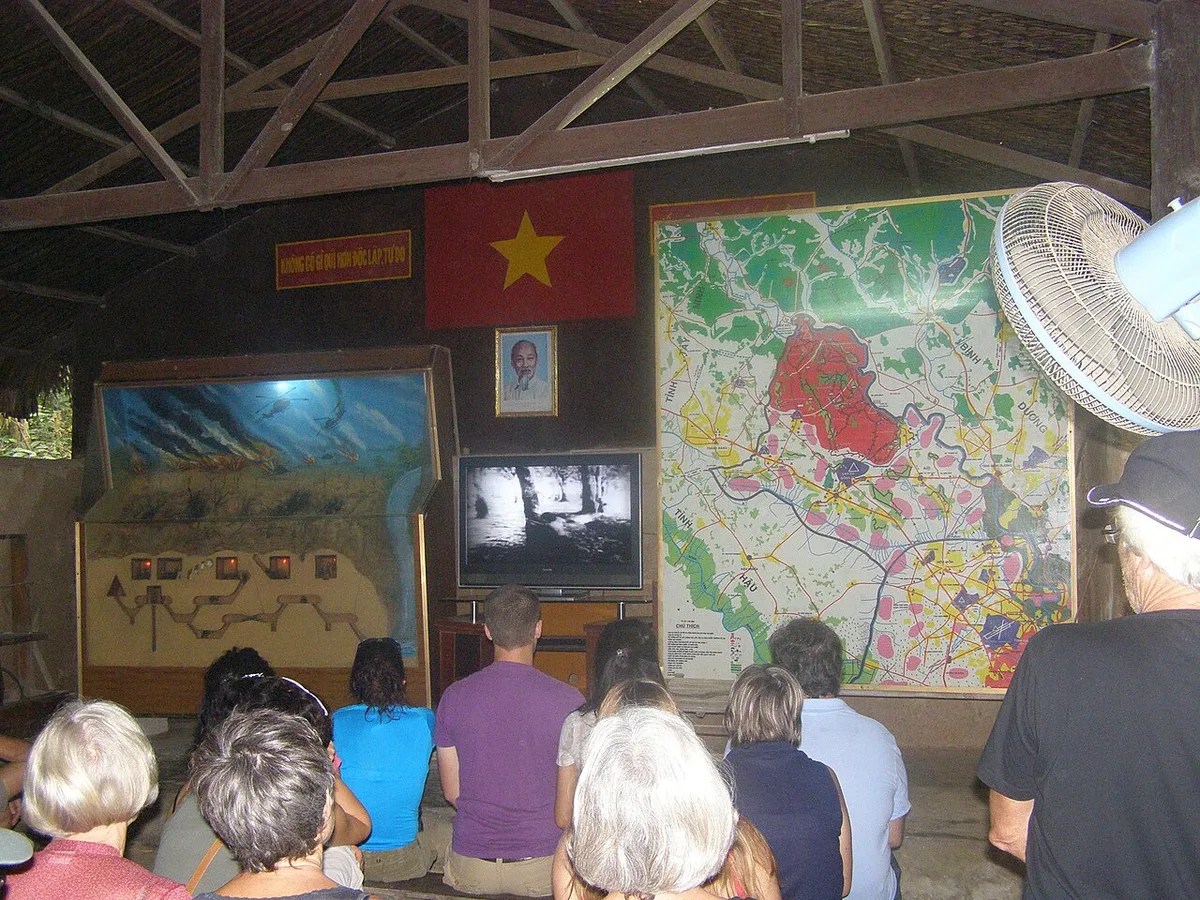
Most guided tours include war documentaries, map explanations of tunnel cross-sections, and hikes through actual tunnels. Shooting ranges allow firing Vietnam War-era weapons for ~$10 per magazine; optional but controversial for cultural appropriateness. Tours conclude with complimentary cassava snacks, tea, and a gift shop visit with local souvenirs available.
Is It Really Worth Visiting?
Many worry Cu Chi Tunnels might feel touristy, disrespectful to war dead, or overly commercialized. In reality, most travelers find the experience surprisingly engaging and emotionally resonant, especially with a knowledgeable guide. The interactive nature and historical perspective make it distinct from a typical museum visit.
Time and cost considerations are important factors in the decision. The 5–6 hour round-trip represents significant time for a short visit but offers unique educational value not elsewhere available. Cost ranges from $3–5 (budget public transport) to $32–50 (guided tours), making it accessible to various budgets.
The tunnels appeal to history enthusiasts, those curious about the Vietnamese war perspective, and authentic experience seekers. Those uncomfortable with narrow spaces, physically limited, or opposed to dark tourism might choose alternative HCMC attractions. Families with children can visit but should assess kids' comfort with confined spaces and war-related history.
Cu Chi Tunnels worth visiting if you have 5–6 hours, ~$35, and genuine curiosity about the Vietnamese war perspective. The experience differs significantly from air-conditioned museum visits and offers tangible, physical connection to history. Skip it only if you're short on time, have mobility constraints, or feel conflicted about war site tourism.
Common Challenges & How to Solve Them
Even well-planned trips can encounter unexpected challenges at Cu Chi. Understanding common issues and their solutions helps you navigate disruptions without stress. The following troubleshooting guide addresses the most frequent problems travelers face on Cu Chi visits.
- Heavy traffic causes tour delays
- Book early morning tours (6–7 am) to minimize traffic delays; weekend tours experience 1–2 hour potential delays.
- Large tour groups feel overwhelming
- Small-group tours (10–15 people) via Klook feel less overwhelming than 30+ person groups on Ben Dinh.
- Claustrophobia or tunnel crawling fears
- Most tours offer tunnel alternatives; you can skip tight sections or wait above ground without penalty.
- Unexpected extra costs arise
- Confirm in advance what the tour price includes: entrance, guide, meals, or extras like the shooting range.
- Tour guide quality disappoints
- Read TripAdvisor and Klook reviews before booking; 4.5+ rated guides provide excellent historical context.
- Physical exhaustion or fitness demands
- The 1.5 km walk involves slopes and tight passages; notify guides of mobility concerns beforehand.
- Weather or site closure disruptions
- May–September is rainy season; light rain continues tours, but heavy downpours may cancel with rescheduling options.
Is Cu Chi Worth Visiting If You Skip the Tunnels?
Yes. Entering the narrow passages is optional, and much of the Cu Chi experience takes place above ground. Visitors can examine concealed trapdoors, ventilation shafts disguised as termite mounds, bunker entrances, bomb craters, defensive traps, weapon displays, and reconstructed kitchens designed to disperse cooking smoke. Guides also explain the tunnel system through maps, cross-section models, and wartime demonstrations.
Tell your guide before the tour if you have claustrophobia, knee or back problems, limited mobility, or concerns about crawling. At each tunnel entrance, you can remain outside and rejoin the group when participants emerge; there is no need to prove your fitness or enter an uncomfortable space. Ben Dinh generally offers more demonstrations and visitor-oriented displays, while Ben Duoc provides a quieter setting and stronger emphasis on the wider historical landscape.
Skipping the tunnels removes the most physical part of the visit, but not its main historical value. A knowledgeable guide matters more in this case because the above-ground features can look ordinary without an explanation of how they supported communication, concealment, medical care, and daily life.
For the wider route context, continue with 8 Best Day Trips from Ho Chi Minh City (2026), and Ho Chi Minh City Travel Planning Hub Travel Guide before fixing this stop in your itinerary.
Frequently Asked Questions
How long does a Cu Chi Tunnels visit take from Ho Chi Minh City?
The full experience, including 1–1.5 hour travel each way and 5–6 hours on-site, typically takes 7–8 hours round-trip. Most tours depart early morning (6–7 am) and return by 2–3 pm, fitting within a single day without rushing. For a shorter version, some agencies offer 4-hour condensed tours.
Do I have to take a guided tour, or can I visit independently?
You can visit independently by hiring a Grab car (~$35) or public bus (~$5), though you'll lack professional historical context. Guided tours ($32–50) provide professional commentary, context, and optimal route planning. Most first-timers prefer guides to maximize learning and cultural understanding.
What's the difference between Ben Dinh and Ben Duoc tunnel sites?
Ben Dinh, 40 km from HCMC, is more touristy with interactive booby trap exhibits, documentaries, and larger groups. Ben Duoc, 70 km away, is quieter and considered more authentic but with fewer amenities. Choose Ben Dinh for first-time visitors; Ben Duoc for repeat visitors seeking fewer crowds.
Is the shooting range included, and is it worth doing?
The shooting range costs extra (~$10 per magazine of 30 bullets) and is completely optional. You can fire Vietnam War-era weapons, but many skip due to noise, ethics, and expense. Most guides won't pressure you to participate.
When is the best time to visit Cu Chi Tunnels?
November–January (cool season) is ideal for outdoor walking; March–May is hot but dry; May–September is rainy, humid, and muddy. Early morning tours (6–7 am) avoid midday heat year-round. Weekend tours book solid weeks ahead; weekday visits are cheaper, quieter, and easier to schedule.
Cu Chi Tunnels stands as Vietnam's most iconic war heritage site and a must-visit for history-conscious travelers. The 5–6 hour experience, accessible via multiple transport methods ($3–50), offers unparalleled insight into Vietnamese resilience and ingenuity. Proper planning, advance booking, and realistic expectations maximize your enjoyment and learning.
Whether booking a guided tour or hiring a private car, Cu Chi Tunnels rewards thoughtful preparation. Use this guide's steps, packing checklist, and troubleshooting tips to ensure your visit feels smooth and meaningful. The tunnels await your discovery.
Take the route offline
Free: the Ho Chi Minh City route notes
Where to base yourself and what it costs, a day-by-day route that avoids backtracking, real transfer times and fares, seasonal timing, and where it connects onward — condensed from our Ho Chi Minh City guides and made to take offline.
Keep unfolding Vietnam
Continue along the route
Three nearby guides for the next decision in your trip.


