

Vietnam Motorbike Rental Guide: Licence, Insurance, and Safety
Use this document-first Vietnam motorbike rental guide to check licence validity, insurance terms, bike condition, safety gear, and safer alternatives.
On this page
A rental shop may hand over a scooter without checking your documents. That does not prove you may legally ride it, that the bike is roadworthy, or that an insurer will cover an incident. Those questions must be resolved before payment.
This guide uses a document-first approach: verify legal recognition and insurance for your exact licence and motorcycle category, assess your real riding experience, inspect the vehicle, and understand the contract. Last reviewed July 2026.
Key Takeaways
- A rental shop may hand over a scooter without checking your documents.
- That does not prove you may legally ride it, that the bike is roadworthy, or that an insurer will cover an incident.
- Those questions must be resolved before payment.
- This guide uses a document-first approach: verify legal recognition and insurance for your exact licence and motorcycle category, assess your real riding experience, inspect the vehicle, and understand the contract.
Take the route offline
Free: the Vietnam route starter
A two-week south-to-north route with real nightly rates by city, what to book first and how far ahead, region-by-region timing, and the transport costs between each leg — drawn from our published guides.
Should You Rent a Motorbike in Vietnam?
Renting can make sense for an experienced, properly documented rider on a route suited to their skills. It is a poor way to learn. Dense city traffic, mountain bends, rain, construction, animals, buses, trucks, and limited night lighting create conditions very different from a quiet practice lot.
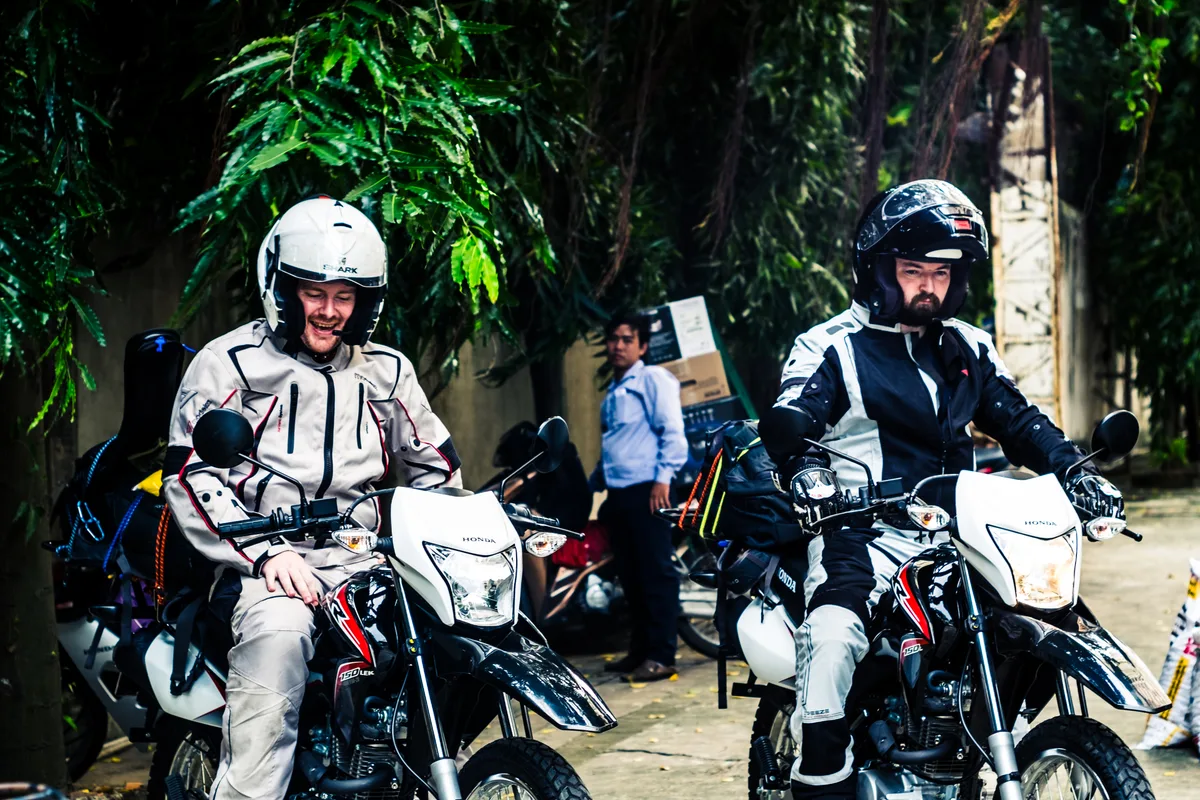
If you cannot confidently perform emergency braking, slow-speed turns, hill starts, wet-weather control, and hazard scanning on the chosen bike, use a licensed driver, taxi, tour, bus, or train instead.
Alternatives still provide flexible access. Ride-hailing works in many cities, private drivers suit day routes, and some guided services carry the traveler as a passenger. For intercity journeys, compare the Vietnam transport options before choosing a motorcycle by default.
Licence and International Driving Permit
The correct document depends on the rider's nationality, home licence, issuing country, permit convention, vehicle category, and current Vietnamese rules. An International Driving Permit is a translation and recognition document; it does not create a motorcycle entitlement missing from the underlying licence.
Vietnam participates in the 1968 Vienna Convention framework. Current UK government Vietnam advice, for example, tells British drivers to carry both a UK licence and a 1968 IDP when driving a car or motorbike. That guidance is specific to UK-issued documents and should not be generalized to every country.
Before renting, ask the government agency that issued your licence which permit Vietnam recognizes for you and whether your licence category covers the exact motorcycle. Cross-check with a Vietnamese embassy or competent Vietnamese authority if the answer is unclear. Travelers staying or residing longer may face a different licence-conversion route.
The Vietnam Government Portal's IDP explanation describes Vietnam's 1968 Convention permit framework and vehicle classes. Carry the original home licence and recognized permit together if that is the applicable route; a phone photo is useful backup but is not a substitute for required originals.
The rules for renting, riding, registering a vehicle, and making an insurance claim are separate. A shop's willingness to rent does not establish any of the other three.
Insurance: Verify the Exact Ride
Read the travel-insurance wording before committing to a motorcycle. Do not settle for a statement that “motorbikes are covered.” Ask in writing about:
- the rider's home licence and recognized permit;
- the motorcycle category and engine capacity;
- driving versus riding as a passenger;
- helmet and protective-equipment conditions;
- alcohol, drugs, speeding, illegal activity, and road restrictions;
- paved roads, off-road tracks, mountain routes, and geographic exclusions;
- medical treatment, evacuation, personal liability, and damage to the rented bike;
- prior authorization and claims evidence.
Medical travel insurance and vehicle insurance are not the same. A travel policy may address eligible injury costs but exclude damage to the rental motorcycle, injury to another person, or damage to another vehicle. Ask the rental company for the vehicle's registration and insurance documents, then confirm what the policy actually covers and the deductible.
The U.S. Department of State's Vietnam information warns US travelers that renting a moped or motorbike without a Vietnamese licence is illegal and that insurance may not pay after an unlicensed accident. US-issued documents require country-specific advice; do not assume an online IDP seller changes that position.
Choose a Bike You Already Know How to Ride
Choose by lawful licence category, fit, condition, route, luggage, and proven experience—not by the cheapest daily rate. Engine size alone does not make a bike beginner-friendly. Weight, seat height, brake feel, transmission, tires, throttle response, and load all change handling.
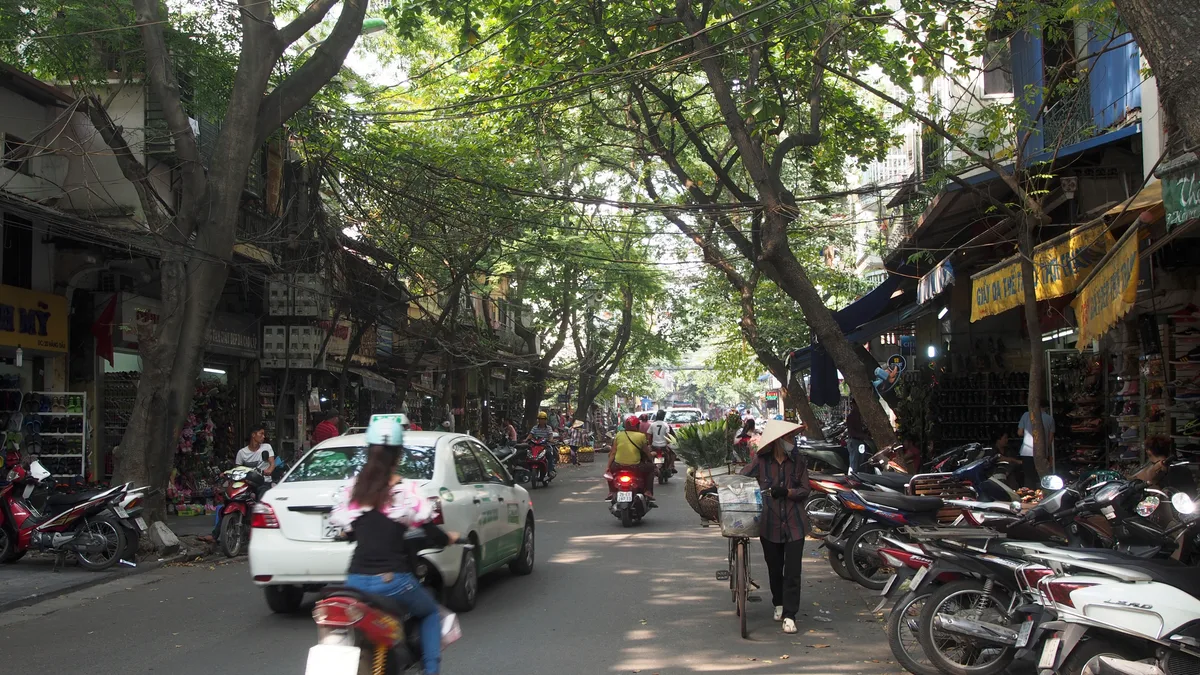
Do not upgrade to a larger motorcycle after a few days simply because the first scooter feels manageable. Mountain roads and high-speed traffic demand skills that city riding may not test. If your licensed experience does not match the route, change the route or transport.
Confirm that the motorcycle's registration details match the vehicle. Ask whether luggage racks, phone mounts, rain covers, spare helmets, and one-way drop-off are included, and verify the maximum load stated by the manufacturer or rental company.
Pre-Rental Inspection Checklist
Inspect the motorcycle in daylight before signing. If the shop will not allow a careful check or short controlled test by a properly licensed rider, leave.
- Identity: registration details, number plate, make, model, and frame information where accessible.
- Tires: adequate tread, no visible cords, cuts, bulges, or obvious pressure problem.
- Brakes: firm and progressive front and rear response without grinding, pulling, or excessive lever travel.
- Controls: throttle returns freely; steering moves without binding; mirrors remain fixed.
- Lights: headlight, tail light, brake light, indicators, and dashboard warning lights work.
- Horn and stand: horn works; side or center stand holds securely and any cut-off switch behaves correctly.
- Leaks and damage: no visible fuel, oil, or coolant leak; no loose panels or structural damage.
- Helmet: correct fit, secure strap, intact shell, clear visor, and no visible impact damage.
Photograph and video every side of the bike, wheels, controls, fuel level, odometer, registration document, accessories, helmet, and every existing mark. Ensure the contract or handover record acknowledges damage already present.
Contract, Deposit, and Roadside Support
Read the rental agreement before transferring money or handing over a document. It should identify the company, rider, motorcycle, dates, price, deposit, included equipment, mileage rule, permitted area, return location, late fee, damage process, theft responsibility, breakdown support, and emergency contacts.
Avoid leaving your passport as collateral. Current UK travel advice specifically says not to use a passport as a vehicle-hire deposit. Prefer a documented monetary or card deposit and obtain a signed receipt.
Ask what happens after a puncture, mechanical failure, collision, theft, police stop, or missed one-way handover. “Roadside assistance included” is incomplete unless the service area, hours, contact method, response process, and charge are clear.
For luggage transfer, keep passports, money, medication, electronics, keys, insurance documents, and a rain layer with you. Photograph checked bags and retain the receipt until collection.
Route, Weather, and Daily Go/No-Go Check
Review the route in sections, not only as a destination pin. Check surface type, mountain gradients, fuel access, construction, daylight, forecast, flood or landslide alerts, mobile coverage, and realistic rest stops. Avoid riding at night or in conditions beyond your experience.
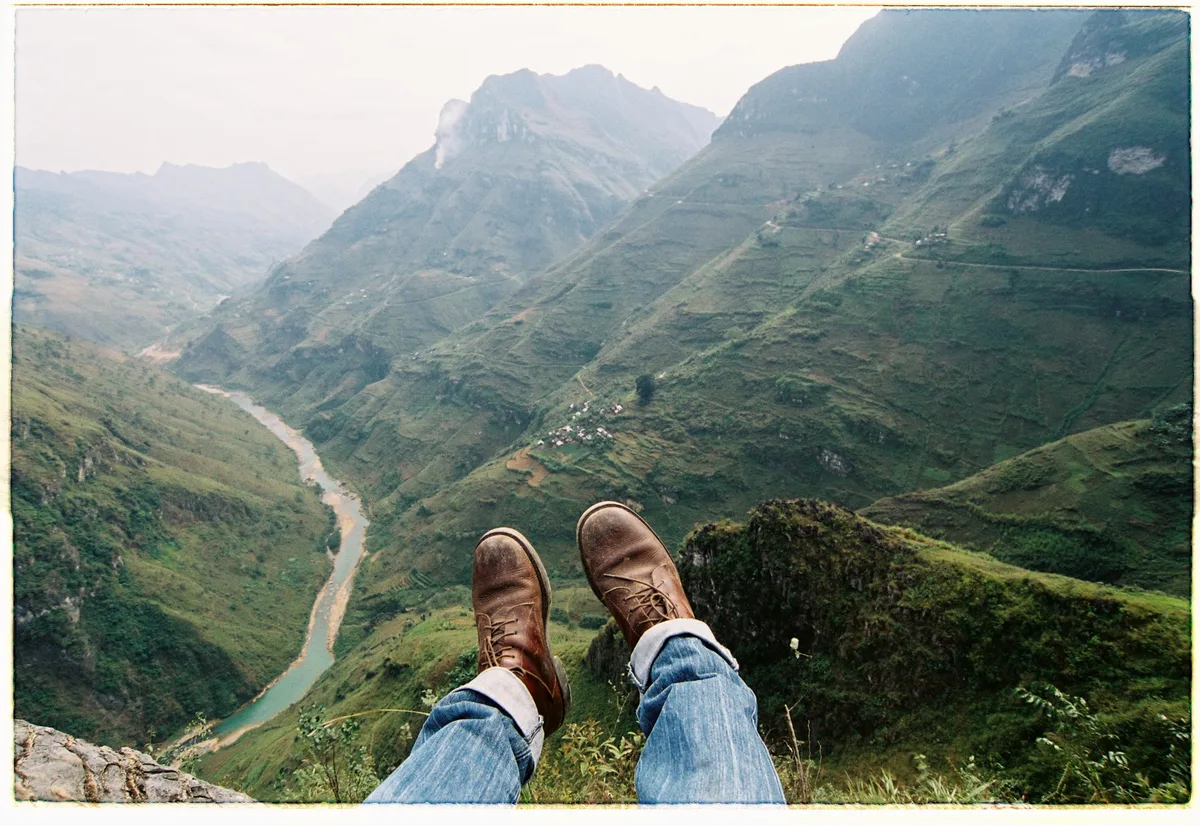
Before each departure, repeat the tire, brake, light, horn, leak, and fuel checks. Adjust the route for rain, wind, fog, fatigue, illness, heat, or poor visibility. Turning back or taking a different vehicle is a successful safety decision, not a failed itinerary.
Share the planned route and expected arrival with someone who will notice if you do not check in. Keep offline maps, charged power, water, weather protection, emergency contacts, and the rental company's number accessible.
What to Do After an Incident
- Move out of immediate traffic danger if this can be done safely and call emergency services when needed.
- Seek medical care; do not delay urgent treatment while trying to establish liability.
- Notify police when required and follow local instructions.
- Contact the rental company and insurer or assistance service as soon as circumstances permit.
- Record the location, vehicles, plates, damage, road conditions, contacts, and witnesses without obstructing responders.
- Keep police, medical, towing, repair, and payment documents. Do not admit liability or authorize major repairs without understanding the contract and insurer instructions.
Vietnam's medical emergency number is 115. Save it and your insurer's assistance number offline before the first ride.
For the wider route context, continue with 10-Day Vietnam Itinerary: Route Guide for 2026 before fixing this stop in your itinerary.
Frequently Asked Questions
Can a foreign tourist legally ride a motorbike in Vietnam?
Only when the rider's documents and vehicle category satisfy the current Vietnamese rules applicable to that nationality. A recognized permit may need to be carried with the original home licence, and the home licence must include the correct motorcycle category. Verify with official issuing-country and Vietnamese sources before renting.
Does an International Driving Permit let anyone ride in Vietnam?
No. Recognition depends on the permit convention, issuing country, validity, underlying home licence, and vehicle category. An IDP does not add a motorcycle entitlement that the home licence lacks, and an online seller cannot create legal recognition.
Does travel insurance automatically cover motorbike riding?
No. Coverage depends on the exact policy and may require lawful documents, the correct vehicle category, helmet use, an allowed engine size, an approved route, and compliance with alcohol and activity rules. Confirm the exact ride in writing before paying.
Should a first-time rider learn on a scooter in Vietnam?
No. Vietnam's traffic and road conditions are not a suitable place to learn basic motorcycle control. Use a licensed driver or other transport and obtain proper training and licensing in a controlled environment before considering a future ride.
What should I inspect before accepting a rental motorbike?
Match the registration to the bike, then check tires, brakes, steering, throttle, lights, indicators, horn, mirrors, stands, leaks, helmet, fuel, and existing damage. Photograph the entire handover and make sure all prior damage appears on the signed record.
Rent only after three independent checks pass: you are properly licensed to ride the exact category, the insurance terms address the exact activity, and your real skills fit the bike and route. If any answer is uncertain, choose another transport option.
A careful contract, daylight inspection, daily safety check, conservative route, and offline emergency plan reduce avoidable risk. They do not make motorcycle travel risk-free, but they replace guesswork with verifiable decisions.
Take the route offline
Free: the Vietnam route starter
A two-week south-to-north route with real nightly rates by city, what to book first and how far ahead, region-by-region timing, and the transport costs between each leg — drawn from our published guides.
Keep unfolding Vietnam
Continue along the route
Three nearby guides for the next decision in your trip.


