

Hai Van Pass Guide Travel Guide
Plan your Hai Van Pass guide with top transport picks, timing tips, best stops, and practical booking advice for a smoother central Vietnam trip.
On this page
The Hải Vân Pass winds through central Vietnam's most scenic coastline, connecting Hội An, Đà Nẵng, and Huế. Last updated July 2026. This 21-kilometer mountain pass rises 500 meters above the East Sea, offering dramatic ocean vistas that rank among Southeast Asia's most celebrated road experiences.
For over two millennia, this geographic spine served as a natural boundary between ancient kingdoms and climate zones. Today it's best known for its world-class coastal scenery rather than its strategic history. Whether you're riding by motorbike, joining a guided tour, or taking a scenic drive, this guide covers transport options, must-see stops, and essential preparation tips for your journey.
Key Takeaways
- The Hải Vân Pass winds through central Vietnam's most scenic coastline, connecting Hội An, Đà Nẵng, and Huế.
- This 21-kilometer mountain pass rises 500 meters above the East Sea, offering dramatic ocean vistas that rank among Southeast Asia's most celebrated road experiences.
- For over two millennia, this geographic spine served as a natural boundary between ancient kingdoms and climate zones.
- Today it's best known for its world-class coastal scenery rather than its strategic history.
Take the route offline
Free: the Central Vietnam route notes
Where to base yourself and what it costs, a day-by-day route that avoids backtracking, real transfer times and fares, seasonal timing, and where it connects onward — condensed from our Central Vietnam guides and made to take offline.
What Is the Hai Van Pass?
The name Hải Vân translates to 'Ocean Cloud Pass,' referring to the mist and clouds that wrap mountain peaks year-round. This geographic spine separated Vietnam's tropical south from its subtropical north for millennia. The ancient Hai Van Pass once marked the boundary between the Champa and Đại Việt kingdoms, with the border gate still visible today.
During the 1960s-70s American War, the pass earned the grim nickname 'Street Without Joy' because it connected two heavily damaged cities. That tragic chapter contrasts sharply with the pass's modern reputation as one of the world's most scenic drives. The 2008 Top Gear Vietnam special featured the pass prominently, introducing it to international audiences and sparking decades of travel interest.
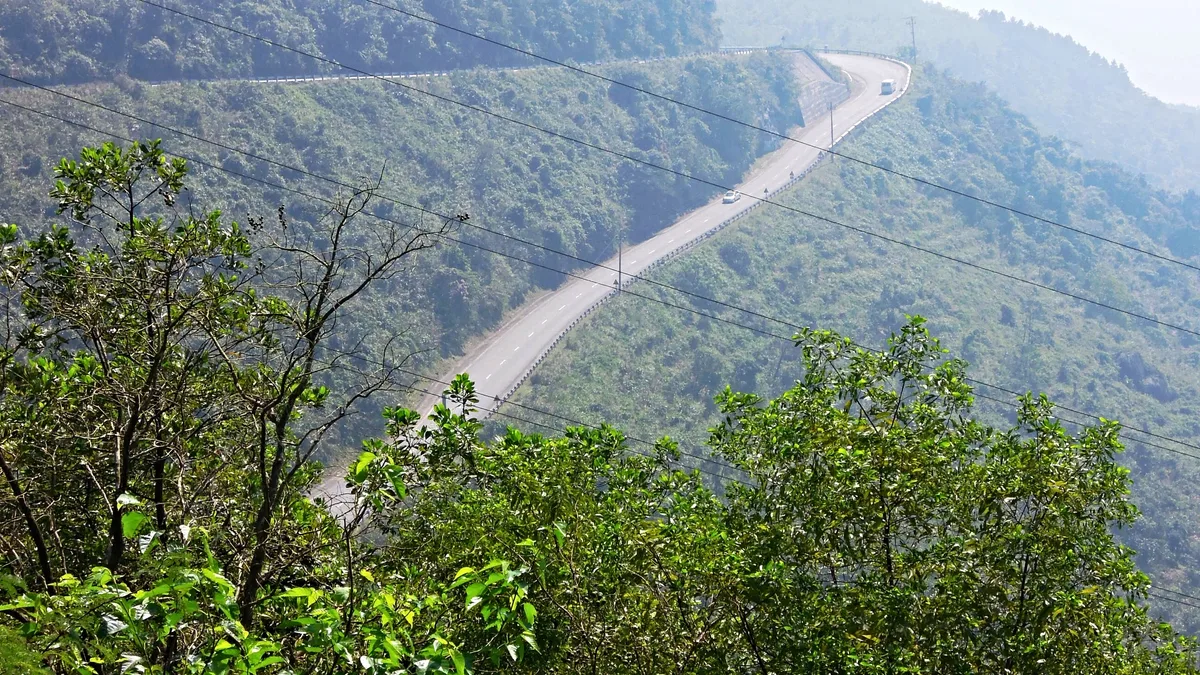
At its highest point, the Hải Vân Pass reaches 500 meters elevation with sweeping views across the East Sea and surrounding mountains. The 21-kilometer pass itself is just one section of larger routes connecting the three cities. The full journey time and experience depend largely on which route you choose and how many stops you make for photos and exploration.
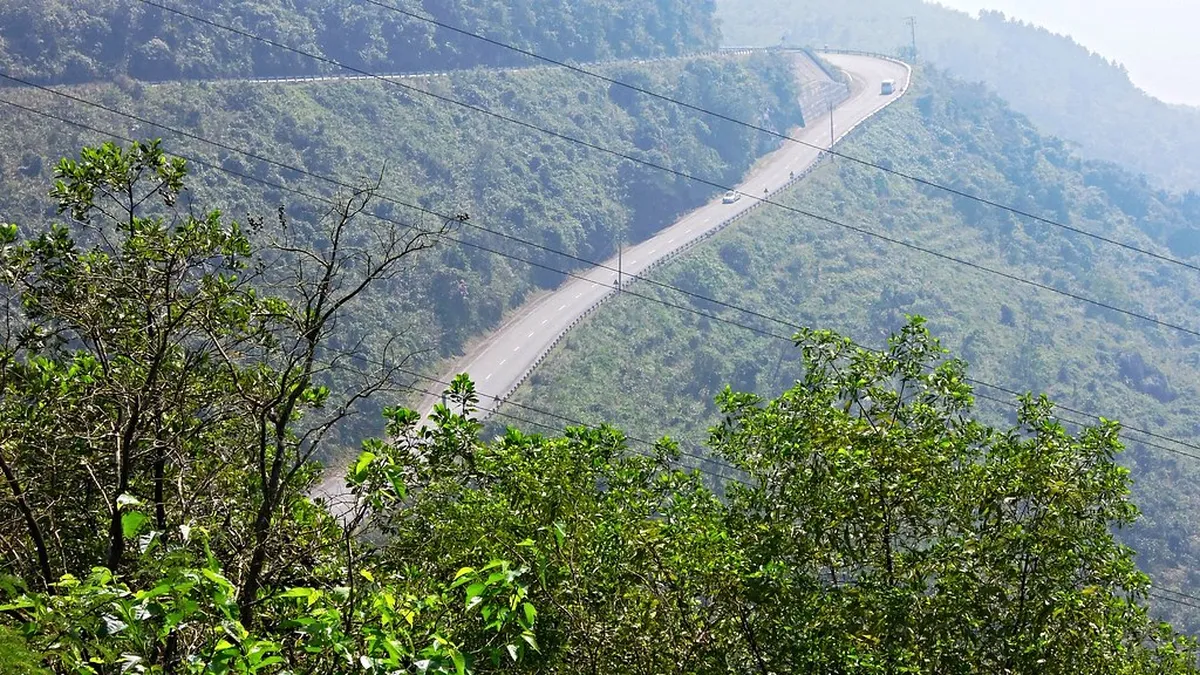
Road conditions throughout the pass are excellent, featuring smooth asphalt and clear markings. However, hairpin mountain bends demand confidence and experience from riders, especially in wet weather. Weather patterns change rapidly at this elevation, with clouds and sudden rain potentially affecting safety and visibility.
How to Travel the Hai Van Pass
You have five main options for experiencing the Hải Vân Pass, each with different costs, adventure levels, and flexibility. Your choice depends on your motorcycle comfort, budget, time availability, and desired independence. Understanding each option's trade-offs helps you pick the best fit for your travel style and group composition.
Most experienced travelers choose one method based on their priorities. Budget-conscious adventurers often prefer motorbike self-drive for maximum savings. Those prioritizing comfort lean toward car or Jeep tours with air conditioning and professional guidance.
| Travel Option | Cost | Key Characteristics | Best For |
|---|---|---|---|
| Motorbike (self-drive) | 100,000–200,000 VND/day | Maximum freedom and pace control; most physically demanding | Budget-conscious adventurers |
| Easy Rider tours | Higher than self-rental | Professional guide drives; zero steering responsibility; local insider knowledge | Nervous riders |
| Car hire | €50–70 per person (group tours) | Most comfortable with air conditioning; space for luggage and passengers | Families with children; comfort preference |
| Jeep tours | Open-air with removable roof; middle-ground between motorcycle and car; professional driver and guide | Adventure seekers | |
| Train | Scenic 2-hour journey; zero physical exertion or driving needed | Low-energy travelers seeking relaxation |
- Motorbike (self-drive)
- Maximum freedom and pace control
- Cost: 100,000-200,000 VND per day
- Requires prior motorcycle experience
- Most physically demanding option
- Easy Rider tours
- Professional guide drives; you ride as passenger
- Zero steering responsibility, full safety
- Local insider knowledge included
- Higher cost than self-rental but worth it for nervous riders
- Car hire
- Most comfortable with air conditioning
- Space for luggage and passengers
- Cost: €50-70 per person for group tours
- Best for families with children or comfort preference
- Jeep tours
- Open-air adventure with removable roof
- Rugged middle-ground between motorcycle and car
- Professional driver and local guide included
- More exhilarating than closed vehicles
- Train
- Scenic 2-hour journey from Hội An to Huế
- Zero physical exertion or driving needed
- Passes through Highway 1A segment with views
- Best for low-energy travelers seeking relaxation
Must-See Stops and Attractions
The Hải Vân Pass route passes through several worthy stops worth exploring between cities. Planning your pause points helps you break up the journey and maximize scenic views. Most travelers allocate 4-5 hours minimum for the scenic route, accounting for multiple photo stops and short walks.
At the pass's highest point, an expansive scenic overlook offers sweeping views of the East Sea and mountainous terrain. This is the most famous photo spot along the entire route. Several small cafes and vendors operate here, selling cold drinks and snacks to passing travelers and tour groups. The overlook fills with tourist vehicles during midday, so early morning visits provide better photography and significantly fewer crowds.
Between Đà Nẵng and the pass, Linh Ứng Pagoda sits on a hillside with sweeping coastal views. The pagoda features a prominent white Buddha statue visible from the road. This 30-minute detour offers cultural interest, spiritual atmosphere, and excellent photography opportunities for temple enthusiasts.
On the route's northern section toward Huế, several beaches and small fishing villages reveal authentic local coastal life. These stops offer windows into traditional Vietnamese village culture far removed from tourist centers. These areas remain less developed than major tourist beaches, providing more genuine experiences and often better fresh seafood at local vendors.
Hai Van Pass Motorcycle Guide
If you're considering a rental motorbike, start with the document and skill checks in the Vietnam motorbike rental guide. A shop handing over a bike does not prove that your licence and permit are recognized, that your category covers the motorcycle, or that insurance applies. Resolve those points through official sources and written policy terms before booking.
The Hải Vân Pass has bends, grades, changing visibility, mixed traffic, and weather exposure. It is not a suitable route for learning. Choose a licensed driver, private car, train, or guided passenger option if your experience does not include confident braking, cornering, hill control, and wet-weather riding on the chosen motorcycle.
Inspect registration, tires, brakes, steering, throttle, lights, horn, mirrors, stands, leaks, fuel, and helmet in daylight. Photograph the motorcycle and every existing mark at handover. Carry required original documents, keep essential medication and money with you, and do not leave a passport as a rental deposit.
Check the route and forecast on the day, then adjust for fog, rain, wind, construction, fatigue, and remaining daylight. Fill up before the climb, identify fuel and rest options, share your route and arrival time, and turn back if conditions exceed your skills.
Route Maps and Distance Options
Two main routes connect Hội An and Đà Nẵng to Huế, each with distinct trade-offs. The scenic coastal backroads route covers approximately 165 kilometers one-way and winds through mountains, passes, and coastal areas. The faster highway route via Highway 1A covers about 130 kilometers but passes through a tunnel, missing most of the famous pass views.

Most travelers choose the scenic route for its views and riding adventure, though it takes roughly 1-2 hours longer overall. The pass itself represents just 21 kilometers of the total journey, making route selection crucial for maximizing scenery and experience. Modern GPS apps help navigate the backroads route, though asking locals for current road conditions ensures you stay on the best and safest roads available.
The route direction doesn't significantly change the experience—you see roughly the same spectacular scenery in reverse order. If traveling south-to-north, begin in Hội An or Đà Nẵng and end in Huế. If traveling north-to-south, simply reverse the route and start from Huế. Pick your starting city based on your larger Vietnam itinerary and the direction you're traveling across the country.
Best Time to Visit the Hai Van Pass
March through September offers the best overall conditions for the Hải Vân Pass experience. These months feature stable weather patterns, manageable rainfall, and excellent visibility for photography and safety. This period strategically avoids both the cold season's occasional fog and late fall's typhoon risks.
April through June offers ideal conditions with fewer crowds than summer peak season. July–August brings afternoon thunderstorms and road congestion. Early morning departures help avoid weather disruptions and crowds.
April through June represents the ideal window with mild temperatures, lower rainfall, and consistently clear skies. These shoulder months bring significantly fewer tour buses than the summer peak season, creating a less crowded experience. Accommodation prices remain reasonable during these months compared to the July-August peaks when prices spike substantially.
July and August bring peak tourist season with the highest prices and largest crowds on the road. Afternoon thunderstorms are common during these months, potentially reducing visibility and increasing safety concerns. Roads become congested with tour buses, motorcycles, and cars, especially around midday hours between 10 AM and 3 PM. If traveling during peak summer, aim for early morning departures to beat both crowds and afternoon weather disruptions.
October through February brings cooler weather and occasional clouds, especially at higher elevations. Visibility can be limited by persistent fog and mist, affecting both photography quality and riding safety conditions. Winter travel remains possible for experienced riders but demands extra caution and appropriate cold-weather clothing layers.
Essential Preparation: Insurance, Safety, and Packing
Read the actual travel-insurance wording. Ask whether your exact licence, recognized permit, motorcycle category, engine size, role as driver or passenger, route, and protective equipment meet the policy conditions. Medical, evacuation, vehicle-damage, and third-party liability cover are separate questions.
Get ambiguous motorbike coverage confirmed in writing. A general statement that “adventure activities are covered” is not enough for a claim decision.
Pack weather protection, water, a charged phone and power bank, offline maps, basic first-aid supplies, and emergency contacts. Keep required original driving documents accessible and save backup copies separately.
Travel during full daylight, take breaks before fatigue affects control, and avoid a fixed arrival promise that encourages riding through poor conditions. Tell someone your planned route and expected check-in time.
One-Way Motorbike Rentals and Luggage Transfers
Travelers riding between Hội An and Huế do not necessarily need to return the motorbike to their starting city. Several rental operators offer one-way service: collect the bike in Hội An, Đà Nẵng, or Huế and return it to a partner branch at the opposite end. Many can also transfer large backpacks or suitcases by van, leaving you with only a daypack for the Hải Vân Pass.
Confirm the return location, luggage deadline, damage-deposit terms, and expected delivery time before paying. Ask whether your bags go directly to your accommodation or must be collected from the rental office. Keep your passport, money, medication, electronics, rain layer, and insurance documents with you rather than in the transferred luggage.
If starting in Hội An, luggage may leave before you and reach Huế later that day; the reverse arrangement is commonly available from Huế. Photograph both the motorcycle and checked bags at handover, attach your name and destination contact details, and retain the receipt until everything is returned. Availability varies, so reserve ahead during weekends and peak travel months.
Official Planning Checks Before You Go
Use the Vietnam Tourism trip-planning portal for destination context and the official Vietnam Tourism transport overview for a second official baseline. Recheck any opening hour, fare, timetable, closure, access rule, weather risk, or booking condition with the responsible operator shortly before travel; an official destination overview is not a live inventory or service guarantee.
For the wider route context, continue with How to Book Hue to Hoi An Transport in 2026, and Da Nang to Hoi An Transport Guide (2026) before fixing this stop in your itinerary.
Frequently Asked Questions
Is it safe to ride the Hai Van Pass alone on a motorbike?
No route can be declared safe in all conditions. A solo ride is appropriate only for an experienced, properly documented rider whose insurance applies to the exact motorcycle and route. Check the bike, road, visibility, forecast, and daylight on the day; use a licensed driver or another transport option if any factor is uncertain.
How long does it take to complete the Hai Van Pass route?
Allow most of a daylight travel day between Hội An or Đà Nẵng and Huế if you want stops on the pass. Actual time depends on the start point, transport mode, traffic, weather, construction, and stops. Check a live route on the day and do not let a fixed arrival target pressure you into unsafe conditions.
What is the best time of year to visit the Hai Van Pass?
No month guarantees safe or clear conditions on a mountain pass. Central Vietnam's rain, wind, fog, heat, and storm risk change by season and day. Check official weather warnings and local road conditions shortly before departure, keep the plan flexible, and postpone when visibility or surface conditions are poor.
How much does it cost to rent a motorbike for the Hai Van Pass journey?
Rental cost depends on the motorcycle, dates, one-way service, luggage transfer, deposit, insurance, and included support. Compare written quotes for the same terms and inspect the bike before payment. Do not choose a motorcycle or shop solely because it has the lowest daily rate.
Can I experience the Hai Van Pass without renting a motorcycle?
Yes. Use a private car or guided passenger ride, or take a northbound train from Đà Nẵng toward Huế for coastal and pass views; Hội An has no railway station, so connect to Đà Nẵng first. Confirm current train schedules and seat orientation before booking.
The Hải Vân Pass can be experienced by train, private car, guided passenger ride, or a properly documented self-ride. Choose the mode that fits your experience and the conditions rather than treating a motorbike as mandatory.
Consider combining the pass with longer stays in Hội An, Đà Nẵng, or Huế and the Central Vietnam itinerary. Check live weather and road information, preserve daylight, and keep enough flexibility to postpone the crossing.
Take the route offline
Free: the Central Vietnam route notes
Where to base yourself and what it costs, a day-by-day route that avoids backtracking, real transfer times and fares, seasonal timing, and where it connects onward — condensed from our Central Vietnam guides and made to take offline.
Keep unfolding Vietnam
Continue along the route
Three nearby guides for the next decision in your trip.


