
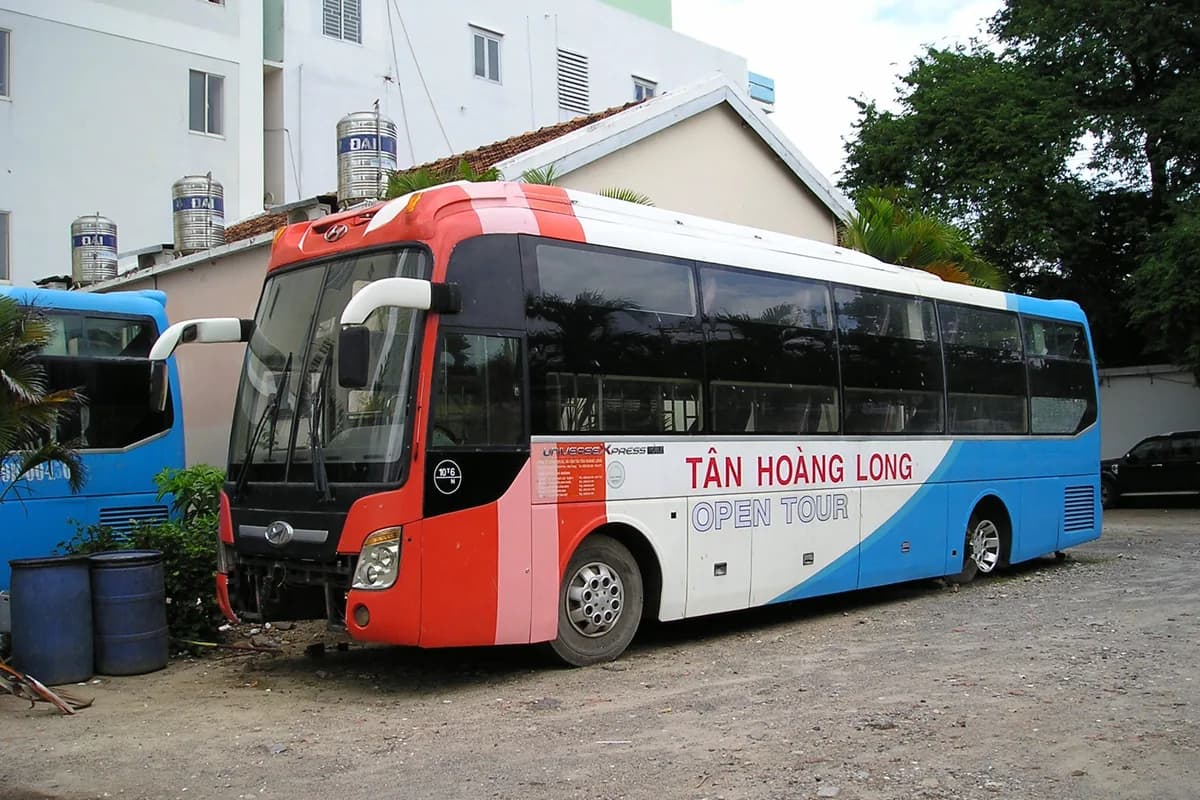
Photo: KK70088 via Flickr (CC BY-SA 2.0)
Vietnam Transport Guide: Trains, Buses, Flights & Grab
Compare trains, flights, sleeper buses, and Grab in this Vietnam transport guide, with 2026 prices, timing tips, and booking advice for smoother travel.
On this page
Getting from Hanoi to the Mekong Delta involves more than picking one bus or train. This Vietnam transport guide breaks down flights, trains, sleeper buses, and city rides side by side. Each option carries its own cost, timing, and comfort trade-offs worth knowing before you book.
Last updated July 2026. Prices and schedules shift often, so treat every figure here as a planning baseline. Readers building a longer route can pair this guide with a detailed How Many Days in Vietnam? A 10-Day Itinerary breakdown. Together, the two guides help match transport choices to a realistic trip length.
Key Takeaways
- Getting from Hanoi to the Mekong Delta involves more than picking one bus or train.
- This Vietnam transport guide breaks down flights, trains, sleeper buses, and city rides side by side.
- Each option carries its own cost, timing, and comfort trade-offs worth knowing before you book.
- Prices and schedules shift often, so treat every figure here as a planning baseline.
Take the route offline
Free: the Vietnam route starter
A two-week south-to-north route with real nightly rates by city, what to book first and how far ahead, region-by-region timing, and the transport costs between each leg — drawn from our published guides.
Vietnam Transport Guide: Quick Summary
Vietnam runs on four main transport modes for travelers covering long distances. Domestic flights save time on the longest hauls, while trains suit scenic coastal legs. Sleeper buses fill gaps the railway does not reach, and ride-hailing apps handle city trips. The list below compares typical cost and travel time for each option.
Book flights and train berths three to four weeks ahead for significantly lower fares and better seat choices. Last-minute domestic flights often cost double compared to early bookings, especially during holidays and peak season.
| Transport Mode | Duration | Cost (USD) | Best For |
|---|---|---|---|
| Domestic Flights | 1–1.5 hours | $40–80 | Hanoi to HCMC or Phu Quoc |
| Reunification Express Train | 2.5–34 hours | $8–$70 | Hue–Da Nang and overnight runs |
| Sleeper Buses & Limousine Vans | 5–14 hours | $15–$40 | Routes train skips |
| Grab, Taxis, Motorbike Taxis | Minutes within city | $0.50–$5 | Short city hops |
Choosing between these modes usually comes down to three questions. How many hours can you spare, how much comfort do you need, and how fixed is your budget? Short answers: fly when a train ride exceeds twelve hours, take the train for scenic or overnight legs, and default to Grab inside cities. The sections below unpack each option in more depth.
Booking further ahead almost always beats waiting until the last minute. Flights and trains both reward early planning with lower fares and better seat choices. Keep that pattern in mind as this Vietnam transport guide moves into route-specific detail.
- Domestic flights for long hauls
- Time: about 1 to 1.5 hours
- Cost: roughly $40-80 USD ahead
- Best for: Hanoi to HCMC or Phu Quoc
- Reunification Express train for scenic legs
- Time: 2.5 to 34 hours
- Cost: about $8 to $70 USD
- Best for: Hue-Da Nang and overnight runs
- Sleeper buses and limousine vans
- Time: 5 to 14 hours
- Cost: roughly $15-40 USD
- Best for: routes the train skips
- Grab, taxis, and motorbike taxis
- Time: minutes within one city
- Cost: about $0.50 to $5 USD
- Best for: short city hops

Domestic Flights and the Reunification Express
Domestic flights make sense once a train ride would eat a full day. Hanoi to Ho Chi Minh City runs about 2 hours by air versus roughly 33 to 34 hours by rail end to end. Booking three to four weeks ahead typically costs $40 to $80 USD, while last-minute fares can climb past $100 USD. Check current schedules and fare rules directly with Vietnam Airlines before locking in dates.

The Reunification Express connects Hanoi, Hue, Da Nang, and Ho Chi Minh City along one coastal line. A soft-sleeper berth from Hanoi to Hue runs around $40 USD for a roughly 13-hour overnight ride. The full Hanoi to Saigon run stretches past 30 hours and can cost $70 USD or more. Confirm berth classes and current fares on the Vietnam Railways booking site.
One short leg outperforms both flying and the long-haul train. Hue to Da Nang over the Hai Van Pass takes about 2.5 hours and costs roughly $8 to $12 USD. The coastal views along this stretch are hard to match from a plane window. It also links two stops travelers use to compare northern, central, and southern Vietnam travel styles.
A simple rule helps decide between flying and riding the rails. Skip trains longer than 15 hours unless an overnight berth saves you a hotel night. Travelers building a longer route often mix both, flying the long legs and training the scenic middle. A full 3-week Vietnam itinerary shows how that mix plays out across regions.
Sleeper Buses, Limousine Vans, and Border Trips
Sleeper buses fill routes where the railway does not reach, like Hanoi to Sapa. Overnight coaches and limousine vans typically run 5 to 14 hours depending on the route. Fares usually land between $15 and $40 USD, with shorter hops at the lower end. Hanoi to Sapa by van or sleeper bus often takes 5 to 6 hours for around $20 to $35 USD.
Comfort varies a lot between operators, so seat type matters more than the price tag. Reclining seats with curtains beat flat sleeper pods for travelers prone to motion sickness. Pack earplugs, a light blanket, and a charged phone for overnight departures. Keep valuables in a daypack rather than the overhead or under-bus storage.
Sleeper buses run 30 to 60 percent slower than private cars on the same expressways. Mandatory speed limits and multiple pickup stops explain most of that gap. Riders sensitive to winding mountain roads may prefer daytime departures over red-eye runs. Check seasonal weather through a Best Time to Visit Vietnam by Region: Travel Guide guide before booking mountain routes.
Long-distance coaches also cross into Cambodia and Laos from several Vietnamese cities. Routes from Ho Chi Minh City reach Phnom Penh and Siem Reap, while central cities connect toward southern Laos. Border crossings add passport and visa checks, so budget extra time beyond the listed journey length. Verify current visa rules and crossing points with each operator before booking a cross-border seat.
Urban Transport: Grab, Taxis, and Motorbike Taxis
Grab dominates city transport across Hanoi, Da Nang, and Ho Chi Minh City. The app shows an upfront fare before you book, so there is no meter haggling. A short GrabBike hop across a district typically costs about $1 to $2 USD. A GrabCar ride covering the same short distance usually runs $2 to $5 USD.

Traditional taxis still work well, especially with reputable brands like Mai Linh or Vinasun. Starting fares run around 12,000 to 15,000 VND, or roughly $0.50 USD. Choose a metered taxi over Grab during surge pricing hours, typically 7 to 9 a.m. and 5 to 7 p.m. Choose Grab instead when you want a fixed price locked in before the ride starts.
Motorbike taxis, called xe om, remain the fastest way through gridlocked traffic. Fares for a 1 to 3 km hop usually fall between $0.80 and $2 USD. Staying in a walkable, well-connected neighborhood cuts down on how often you need one. Our Vietnam Accommodation Guide: Where to Stay in 2026 breaks down which areas keep transfers short.
Save your hotel address inside the Grab app before your first ride. That step avoids typing confusing Vietnamese street names under time pressure. Keep small VND notes on hand since drivers cannot always break large bills. Screenshot the fare and driver details before every trip, just in case.
Renting a Motorbike or Scooter in Vietnam
Renting a scooter delivers real flexibility for reaching rural villages and back roads. Daily rental costs typically run $5 to $10 USD, often cheaper for multi-day rentals. Many riders call it one of the more iconic ways to experience the country. That freedom comes with real legal and safety trade-offs worth weighing first.
A rental shop handing over a motorcycle does not prove that your licence and permit are recognized or that insurance applies. Verify both for your nationality, vehicle category, and route before signing.
Driving-document rules depend on the rider's issuing country, home licence category, recognized permit, and current Vietnamese requirements. Use official sources and the Vietnam motorbike rental checklist; an IDP cannot add a motorcycle entitlement missing from the home licence.
Read the actual insurance wording for licence, engine size, helmet, alcohol, road type, and driver-versus-passenger conditions. Medical, vehicle-damage, and third-party liability cover are separate. Inspect registration, tires, brakes, steering, lights, horn, leaks, and helmet before accepting a bike.
Vietnam is not an appropriate place to learn basic motorcycle control. Travelers without substantial licensed experience should hire a licensed driver or use a car, ride-hailing service, bus, or train.
Visa Prep, Key Phrases, and a 14-Day Plan
Sort out entry paperwork before booking any domestic flight or train ticket. Most travelers now apply through Vietnam's official e-visa portal weeks before departure. Processing times and fees change, so confirm current rules on the official government site. A rejected or delayed visa can force expensive last-minute rebooking across your whole trip.
A handful of Vietnamese words smooth out transport bookings and taxi rides. Staff at bus stations and train counters often speak limited English outside big cities. The phrases below cover the situations travelers hit most often.
A typical 14-day route mixes every mode covered in this guide. Start in Hanoi, then take a sleeper train or short flight toward Hue and Da Nang. Ride the Hai Van Pass leg by train, then Grab around Da Nang and Hoi An. Finish with a flight south to Ho Chi Minh City for the Mekong Delta stretch.
That pattern flies the longest legs and trains the most scenic stretch. It also leaves buffer days for weather delays or an extra market visit. For a fuller day-by-day breakdown, pair this plan with a complete 10-Day Vietnam Itinerary: Route Guide for 2026 guide. Adjust the mix based on your own budget, comfort, and time limits.
- Bao nhieu tien? (How much?)
- Use: asking any fare amount
- Tip: point at the meter or app
- San bay (Airport)
- Use: naming your destination fast
- Pair with your hotel name
- Ga tau (Train station)
- Use: directing taxis or Grab
- Works well written on paper
- Ben xe (Bus station)
- Use: finding long-distance bus terminals
- Local signs rarely use English
- Cho toi xuong day (Let me off here)
- Use: stopping a bus or xe om
- Handy past official stops
Getting To and From Vietnam’s Airports
Airport transfers deserve separate planning because distance does not always predict journey time. Nội Bài International Airport is roughly 25–30 km north of central Hanoi, so allow extra time during commuter traffic. Tân Sơn Nhất International Airport sits much closer to central Ho Chi Minh City, but congestion around the terminal and Trường Sơn Street can make a short transfer unexpectedly slow. Da Nang International Airport is comparatively convenient, with the city center and beach districts only a short drive away.
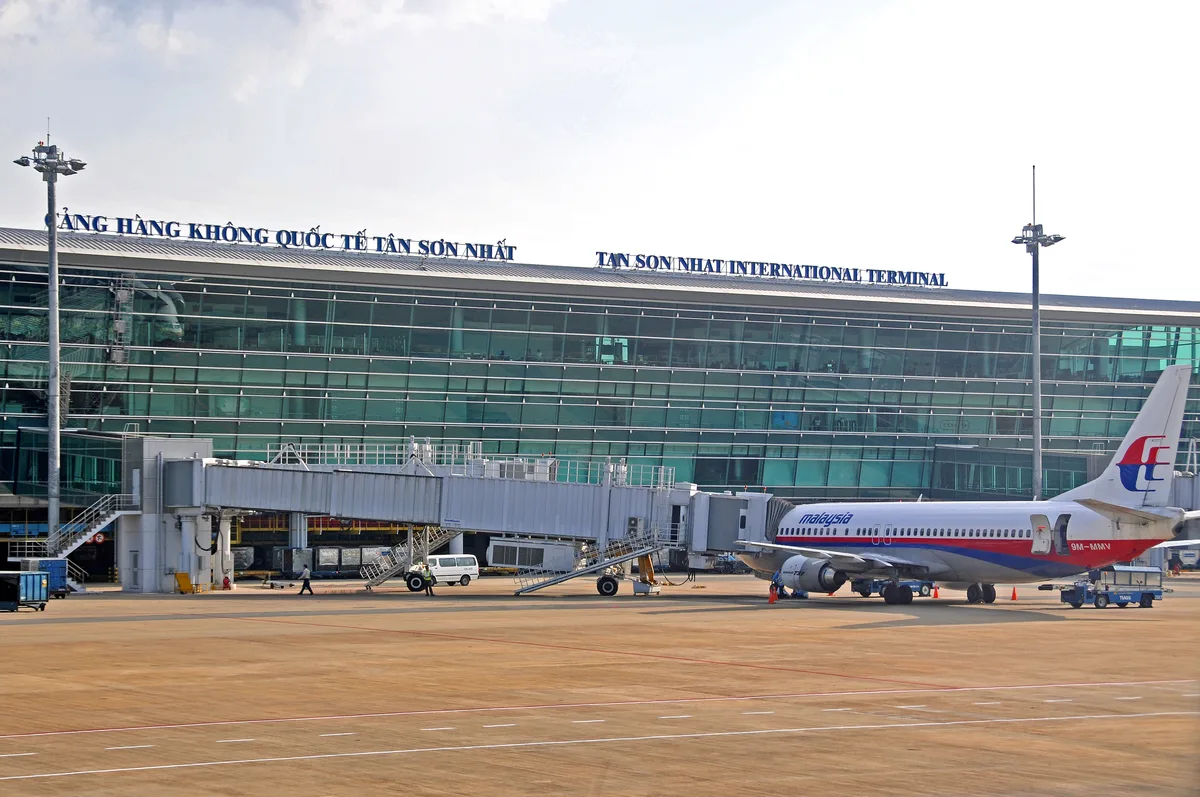
Grab is available at these major airports, although designated pickup points may be outside the arrivals doors or on a specific level. Follow signs in the app and ignore unsolicited drivers offering rides inside the terminal. Metered taxis from established operators and prearranged hotel transfers are useful alternatives when mobile data is unavailable or several passengers have luggage.
Check the terminal before leaving for a flight: domestic and international departures may use separate buildings, and airlines can change check-in locations. Build a traffic buffer into airport trips, particularly in Hanoi and Ho Chi Minh City, and keep your flight number available for the driver rather than relying only on the airline name.
Official Planning Checks Before You Go
Consult Vietnam Tourism’s official transport overview and the official Vietnam Tourism transport FAQs. Use these official pages as a mode-selection baseline. The responsible airline, railway, bus company, or local authority controls live schedules, fares, baggage rules, and disruption handling.
Frequently Asked Questions
Is Grab or a taxi better for getting around Vietnam?
A ride-hailing app shows an estimated fare and pickup details before confirmation, while a licensed metered taxi may be easier at an official airport or station rank. Availability and pricing change with location and demand, so compare current options and verify the vehicle before boarding.
How much time should you budget for transport in Vietnam?
Treat each regional move as a substantial part of the day and add margin for terminal transfers, traffic, weather, and delays. Check current operator schedules for the exact date rather than relying on a national average.
What should first-time visitors avoid when planning transport in Vietnam?
Avoid stacking long transfers without recovery time, booking an unverified operator, or assuming the station shown on an old article is still correct. Confirm the operator, terminal, baggage rules, arrival time, and cancellation conditions before paying.
Do you need a special license to rent a motorbike in Vietnam?
You need driving documents recognized for your nationality and the exact motorcycle category. Depending on the issuing country, this may involve carrying a recognized permit with the original home licence, while other travelers may need a Vietnamese licence. Verify official guidance and insurance terms before renting.
Is the Reunification Express worth it compared with flying?
Scenic shorter rail legs can be part of the experience, while a flight may save time on a long north-south transfer. Compare door-to-door time, current fare, baggage, airport access, sleep, and cancellation terms for your dates.
Vietnam's transport network rewards a little upfront planning more than any single perfect choice. Flights save time, trains deliver scenery, sleeper buses fill the gaps, and Grab handles the cities. Mixing all four based on distance and comfort usually beats forcing one mode the whole trip.
Book flights and popular train berths early, especially around holidays and peak season. Keep a few Vietnamese phrases handy for stations and bus counters outside major cities. For more route-specific planning, browse the full Vietnam travel guides collection. A little preparation now means fewer surprises once your trip actually begins.
Take the route offline
Free: the Vietnam route starter
A two-week south-to-north route with real nightly rates by city, what to book first and how far ahead, region-by-region timing, and the transport costs between each leg — drawn from our published guides.
Keep unfolding Vietnam
Continue along the route
Three nearby guides for the next decision in your trip.


