

Photo: David McKelvey via Flickr (CC BY 2.0)
Best Area to Stay in Hanoi: 7 Picks for 2026
Wondering about the best area to stay in Hanoi? Compare Old Quarter, French Quarter, and five more picks with 2026 prices, hours, and booking tips.
On this page
Our editors have compared every central neighborhood to find the best area to stay in Hanoi for different budgets and trip styles. Last updated July 2026. This guide breaks down seven proven picks, from the buzzing Old Quarter to the quiet lakeside lanes of Truc Bach. Each entry includes real hotel price ranges, typical opening hours for nearby sights, and honest trade-offs to weigh before booking.
Hanoi packs twelve urban districts into a compact capital, so a ten-minute difference in location can change an entire trip. First-timers usually want walkable streets near Hoan Kiem Lake, while families often prefer the calmer roads around West Lake. Budget travelers, couples, and business visitors each tend to gravitate toward a different pocket of the city. The comparisons below use verified 2026 pricing and hours so the decision takes minutes, not hours of forum reading.
The sections ahead cover seven areas, a side-by-side look at Old Quarter versus French Quarter, and hotel-booking advice. There is also guidance on basing a stay for side trips to Ninh Binh, Sapa, or Halong Bay. A short list of overrated picks and common booking mistakes rounds out the practical advice. Read straight through for a full comparison, or jump to the area that matches a specific travel style.
Key Takeaways
- Our editors have compared every central neighborhood to find the best area to stay in Hanoi for different budgets and trip styles.
- This guide breaks down seven proven picks, from the buzzing Old Quarter to the quiet lakeside lanes of Truc Bach.
- Each entry includes real hotel price ranges, typical opening hours for nearby sights, and honest trade-offs to weigh before booking.
- Hanoi packs twelve urban districts into a compact capital, so a ten-minute difference in location can change an entire trip.
Take the route offline
Free: the Hanoi route notes
Where to base yourself and what it costs, a day-by-day route that avoids backtracking, real transfer times and fares, seasonal timing, and where it connects onward — condensed from our Hanoi guides and made to take offline.
The 7 Best Areas to Stay in Hanoi
Hanoi's best neighborhoods for visitors cluster around Hoan Kiem Lake, West Lake, and a few quieter side districts. Prices below reflect double rooms in 2026, quoted in US dollars since most Hanoi listings price that way. Hours refer to nearby landmarks, not the neighborhoods themselves, since areas do not open or close. Always check official sites for holiday closures, since schedules shift around Tet and other Vietnamese holidays.
Getting the best area to stay in Hanoi right depends mostly on trip length and tolerance for noise. A short two- or three-night stay favors central, walkable blocks close to sights like the Hanoi Night Market. A longer stay of five nights or more can justify a quieter base with a short taxi ride into town. The list below moves from the busiest, most central picks toward calmer, more residential options.
| Area | Price Range (USD) | Distance from Hoan Kiem Lake | Best For |
|---|---|---|---|
| Old Quarter | $25-$65 | Walking distance | First-timers, budget travelers |
| French Quarter | $65-$130+ | 10-15 minute walk | Couples, design-focused travelers |
| West Lake (Tay Ho) | $150-$300 | 20-25 minutes by taxi | Families, longer-stay visitors |
| Truc Bach | $25-$50 | 10-15 minutes by taxi | Couples, solo travelers |
| Ba Dinh | $80-$150 | 15-20 minutes by taxi | History-focused travelers |
| Hai Ba Trung | Undercuts Old Quarter by $10-20 | 10-15 minutes by taxi | Shoppers, budget travelers |
| Cau Giay | $20-$35 | 20-30 minutes by taxi | Business travelers |
Most listed hotels appear on Agoda and Booking.com, and prices shift with season and demand. Tet, which falls in late January or February, pushes rates up across every neighborhood. Shoulder months like March, April, October, and November usually offer the best value. Rooms without windows are common in older Old Quarter buildings, so check floor plans before booking.
The comparison below highlights who each area suits best, along with a realistic cost range. Distances to Hoan Kiem Lake are used as the central reference point throughout. Walking times assume a relaxed pace rather than a rushed one. Every price and hour listed here was checked against current 2026 hotel listings and attraction pages.
Prices above reflect double-occupancy rooms and can shift 10 to 20 percent during major Vietnamese holidays. Always confirm the exact rate and cancellation policy directly with the property before paying a deposit. Many hotels in these areas offer free cancellation up to 24 or 48 hours before check-in. That flexibility makes it easier to compare the best area to stay in Hanoi without booking too early.
1. Old Quarter, Hanoi's Buzzing First-Timer Base
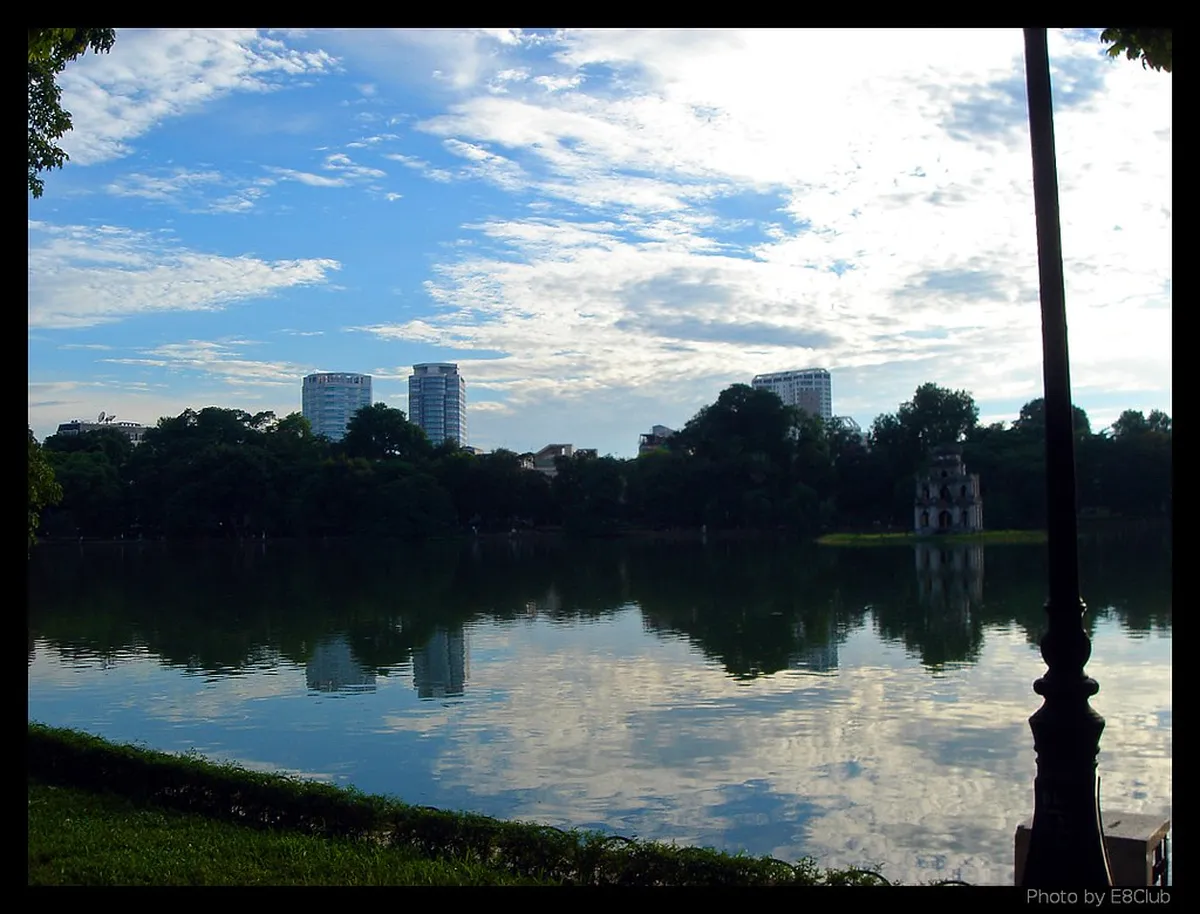
Old Quarter is often described as a maze of 36 ancient trading streets, according to local heritage guides. First-time visitors like it because Hoan Kiem Lake, the Water Puppet Theatre, and Train Street sit within walking distance. Graffiti Hotel rooms run about $25 to $40 a night, while La Mejor Indochine Hotel's city-view rooms reach about $65.
Hoan Kiem Lake's walking path stays open around the clock, though the Ngoc Son Temple closes by 6pm daily. Noi Bai Airport sits about 45 minutes away by taxi or a metered airport bus. Book a room on an inner lane rather than a main street to cut down on late-night scooter noise.
2. French Quarter, Boutique Comfort Near Hoan Kiem
French Quarter sits just south and east of Hoan Kiem Lake, filled with colonial-era villas and wide boulevards. Couples and design-focused travelers pick this area for its quieter streets and higher-end dining scene. Five-star stays like La Sinfonia Majesty Hotel start near $100 a night with breakfast included.
The nearby Hanoi Opera House runs guided tours on select afternoons, so check the schedule before visiting. Most hotels here sit a 10 to 15 minute walk from the lake and the Old Quarter edge. Adding a balcony room usually costs about $15 more a night and is worth it for the view.
3. West Lake (Tay Ho), Space and Family Comfort
West Lake, known locally as Tay Ho, wraps Hanoi's largest lake in a relaxed, leafy setting. Families and longer-stay visitors like the wide footpaths, lakeside cafes, and expat-friendly restaurants. Rooms at InterContinental Hanoi Westlake and similar lakeside resorts typically run $150 to $300 a night.
The Tran Quoc Pagoda, believed to be Hanoi's oldest according to local heritage records, opens daily from 7:30am to 6pm. The area sits roughly 20 to 25 minutes by taxi from the Old Quarter core. Grab a bike or scooter rental to cover the lake's roughly 17-kilometer shoreline, a distance local guides often cite.
4. Truc Bach, a Quiet Lakeside Retreat
Truc Bach is a small peninsula wedged between West Lake and the city center. Couples and solo travelers seeking peace like its short lakeside promenade and low nightlife noise. Mid-range hotels such as Hotel Genial typically price rooms in the $25 to $50 range.
The lakeside walking path has no set hours and stays pleasant most evenings after 6pm. It is a 10 to 15 minute taxi ride from Hoan Kiem Lake and the Old Quarter. Ask for an upper floor room, since ground-level units can catch noise from nearby cafes.
5. Ba Dinh, for History and Local Life
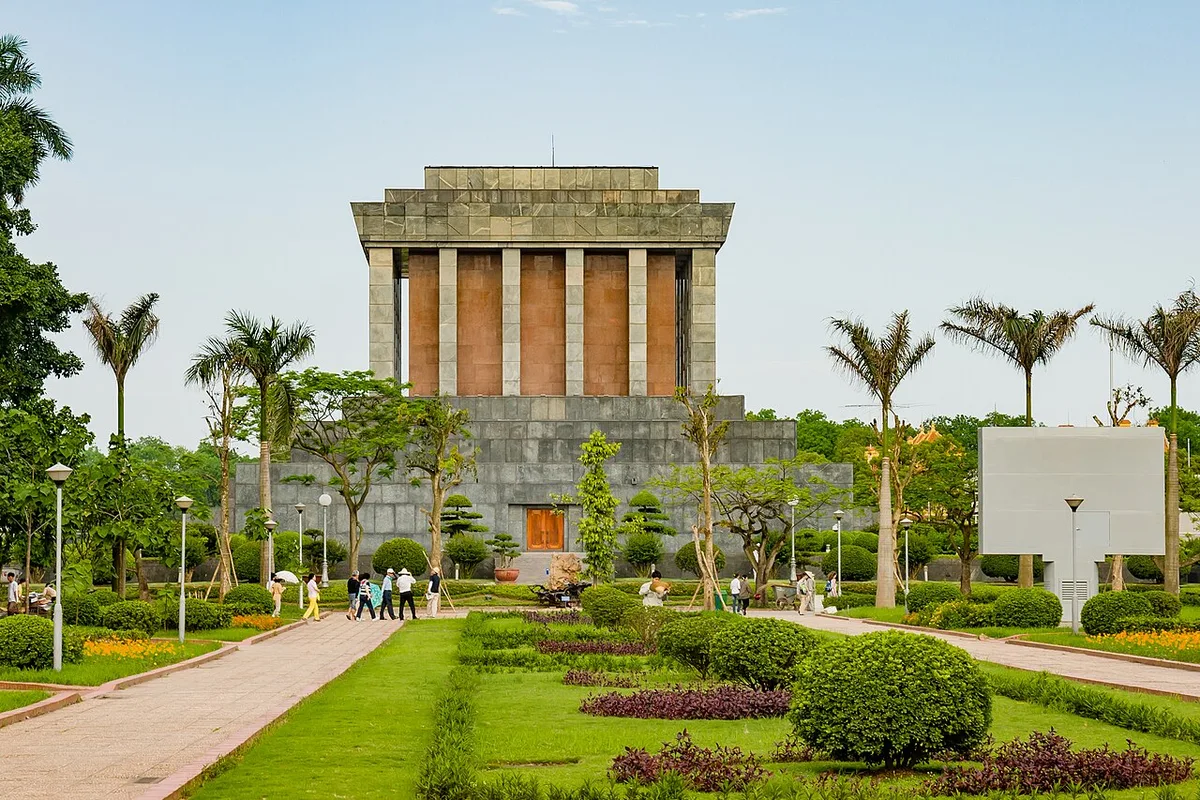
Ba Dinh District holds Hanoi's government buildings, embassies, and several major historic sites. History-focused travelers base here for easy access to the Ho Chi Minh Mausoleum and Temple of Literature. Hotels in the area, including Lotte Hotel, generally run from about $80 to $150 a night.
The Ho Chi Minh Mausoleum opens Tuesday through Thursday and on weekends from 7:30am to 10:30am, closed Monday and Friday. Most sights here sit a 15 to 20 minute taxi ride from central Hoan Kiem Lake. Visit the mausoleum early, since the queue moves in one direction and closes to new arrivals mid-morning.
6. Hai Ba Trung, for Local Markets and Budget Stays
Hai Ba Trung sits south of Hoan Kiem Lake and feels more residential than touristy. Shoppers come for wholesale clothing streets and markets that rarely see foreign visitors. Budget guesthouses here often undercut Old Quarter prices by $10 to $20 a night.
Local markets typically run from about 7am to 6pm, with the quietest browsing in the morning. The district sits a 10 to 15 minute taxi ride from Hoan Kiem Lake's southern edge. Treat it as a shopping stop or a budget base, since evenings here stay quiet.
7. Cau Giay, Practical Base for Business Travelers
Cau Giay is a modern business district west of the Old Quarter, away from the tourist core. Business travelers and deal-seekers like its newer towers, malls, and lower average room rates. Hotel rooms here often start around $20 to $35 a night, noticeably cheaper than comparable Old Quarter options.
The nearby Vietnam Military History Museum opens Tuesday to Sunday, 8am to 11:30am and 1:30pm to 4:30pm. Expect a 20 to 30 minute taxi or bus ride into central Hoan Kiem Lake from here. This area suits travelers who prioritize value and quiet over walkable access to major sights.
Old Quarter vs French Quarter: Which Should You Pick?
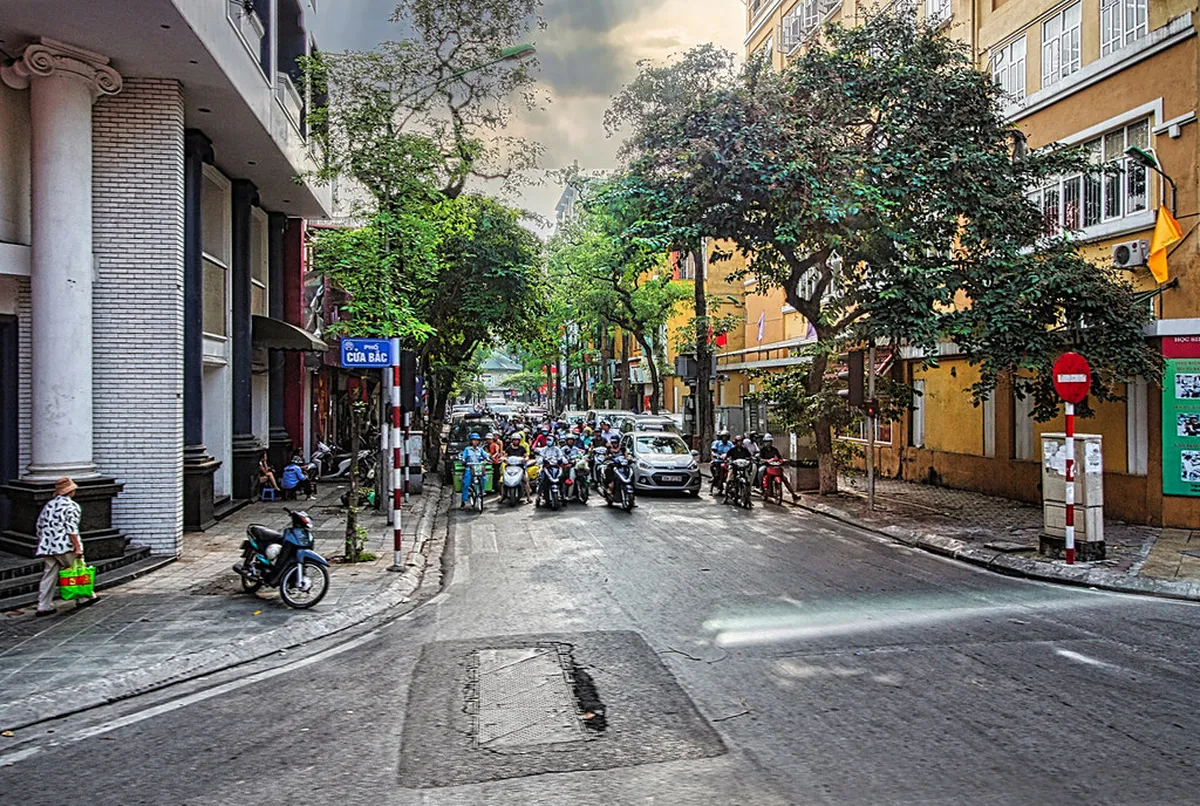
Old Quarter and French Quarter sit right next to each other, yet they feel like different cities. Old Quarter is louder, cheaper, and more chaotic, packed with street vendors and scooter traffic. French Quarter feels calmer, with tree-lined streets, colonial villas, and higher average room rates. Most first-time visitors end up choosing based on budget and noise tolerance rather than location alone.
Three questions usually settle the choice between these two central districts. First, does the trip run three nights or fewer, where walking convenience matters most? Second, is a full night's sleep more important than being steps from nightlife and street food? Third, does the budget stretch past $60 a night, where French Quarter options open up?
Old Quarter rooms commonly range from $20 to $50 a night, based on 2026 listings on Agoda and Booking.com. French Quarter rooms typically start near $65 and climb past $130 for lake-view suites. Both districts sit within a 15-minute walk of Hoan Kiem Lake's shoreline path. Noise levels differ sharply after 9pm, when Old Quarter bars and night markets stay busy.
Travelers who want both worlds often split a stay, spending two nights in each district. Pair either base with a look at the best things to do in Hanoi to map out sightseeing routes. Walking between the two districts takes about 10 minutes along Trang Tien or Hang Bai street. A short water puppet show or lakeside walk works well as a bridge between the two areas each evening.
One overrated pick worth flagging is booking directly on the lake's northwest corner during peak season. Rooms there often cost a premium for a lake view that is partly blocked by trees and vendor stalls. A similar room two streets back frequently costs $10 to $15 less with a comparable walk time. Save the view for a rooftop bar visit instead of paying extra for it inside a hotel room.
Choosing a Hotel and Getting Around Hanoi
Reading recent hotel reviews matters more in Hanoi than in many other cities. Older reviews can describe renovated rooms, different owners, or since-closed properties. Filter reviews to the last six months on Agoda or Booking.com before trusting the star rating. Photos uploaded by recent guests usually show a more accurate picture than the listing's official photos.
Filter hotel reviews to the last six months on Agoda or Booking.com before trusting star ratings. Cross-check Google ratings against these platforms, as review-swap practices are common in Hanoi's hospitality industry.
Rooms without windows are common in older Old Quarter buildings, especially at budget price points. These cost $10 to $20 less but can feel cramped. Confirm window status directly with properties, since listing photos often lack clarity.
Google reviews for Hanoi hotels deserve extra scrutiny, since review-swap practices are common in the industry. Some properties trade five-star reviews with guests in exchange for a free breakfast or a small discount. Cross-check a hotel's Google rating against its Agoda or Booking.com score before deciding. A gap of more than half a star between platforms is often worth investigating further.
Older Old Quarter buildings often list rooms with no exterior window, especially at lower price points. These rooms cost less, around $10 to $20 below a windowed equivalent, but can feel cramped. Homestay-style options near Hoan Kiem Lake often offer more natural light for a similar price. Confirm window status directly with the property, since listing photos do not always make it clear.
Walking covers most of Old Quarter and French Quarter, since both districts are compact and mostly flat. Ride-hailing apps like Grab handle longer trips, with most in-city rides costing $2 to $5. Airport transfers run about 45 minutes each way, and pricing options vary by season and demand. See information here on public bus routes from Noi Bai Airport, and confirm current fares before travel.
Budget seekers can also consider mini-hotels and homestays, which often run $15 to $25 a night. These properties cluster in Old Quarter side lanes and in parts of Hai Ba Trung District. Expect smaller rooms, a simple breakfast, and front-desk staff who often speak conversational English. Try a few nights first before committing longer, since room quality can vary within the same building.
Basing Your Stay for Sapa, Ninh Binh, or Halong Bay
Hanoi works well as a base for side trips to Ninh Binh, Halong Bay, Sapa, and Tam Coc. Each destination suits a different area of the city, mostly based on pickup logistics. Most tour operators pick up guests directly from Old Quarter or French Quarter hotels. Staying outside these two districts can add 20 to 30 minutes to an early pickup time.

Ninh Binh day trips typically leave Hanoi between 6am and 7am and return by early evening. A rowboat trip through Tam Coc or Trang An usually costs $20 to $25 per person. Travelers wanting more time can follow a two-day Ninh Binh itinerary instead of a rushed day trip. Booking a Ninh Binh tour the night before is usually fine outside major holidays.
Halong Bay trips run as long day tours or overnight cruises, with pickup times around 7:30am. Sapa trips usually depart by overnight train or a daytime bus, taking roughly 5 to 6 hours each way. Both routes favor a Hanoi base near Hoan Kiem Lake, where most pickup points and ticket offices sit. Book Sapa transport a few days ahead during peak trekking season from September through November.
Deciding which trips to combine depends mostly on total time available in northern Vietnam. A trip of a week or longer can reasonably fit Ninh Binh, Halong Bay, and Sapa together. Check a full 7-Day Northern Vietnam Itinerary: Complete Guide for realistic pacing across these three regions. Shorter trips of three to four days usually fit only one side trip alongside Hanoi sightseeing.
Beyond these three big names, several shorter 12 Best Day Trips from Hanoi (2026 Guide) fit into a single morning or afternoon. The Perfume Pagoda, Duong Lam Ancient Village, and the Bat Trang ceramic village all fall into this category. Most run $15 to $40 per person, depending on group size and transport type. Book through a hotel front desk or a local tour operator once settled into a chosen area.
Is Hanoi Old Quarter Safe, and What Should You Skip?
Hanoi ranks as one of the safer capital cities in Southeast Asia for solo and family travelers. Old Quarter streets stay busy with locals and vendors well past 10pm, which helps with safety. Standard precautions still apply, including watching bags closely in crowded markets and night streets. Traffic, not crime, is the more common safety concern, especially when crossing wide intersections.
A few pockets are worth avoiding for an overnight stay rather than an outright travel warning. Areas directly bordering Long Bien Bridge can feel isolated and poorly lit after dark. Some far-flung sections of Cau Giay sit too far from sights for a short first visit. None of these areas pose serious danger, but they add unnecessary travel time for most itineraries.
Hai Ba Trung deserves a visit even for travelers staying elsewhere in the city. Its wholesale clothing streets and local markets offer prices well below Old Quarter tourist shops. A short taxi trip there in the late morning avoids both the opening rush and midday heat. Treat it as a shopping detour rather than a full-day plan, since sights are limited.
Skip hotel package deals that bundle multiple paid tours into the room rate. These packages often mark up tours by $10 to $20 over booking them independently. Compare a hotel's tour price against a local operator before adding anything to the booking. For more Hanoi planning ideas, browse the wider Vietnam travel blog for route and itinerary guides.
Basic etiquette goes a long way in every Hanoi neighborhood, from Old Quarter markets to quiet Ba Dinh streets. Dress modestly when visiting temples or the Ho Chi Minh Mausoleum, covering shoulders and knees. Remove shoes before entering homes, some guesthouses, and most temple interiors. A polite greeting in Vietnamese, even just xin chào, tends to earn a warmer welcome at small guesthouses.
Hostels, Serviced Apartments, and Heritage Stays
Hanoi’s accommodation type matters almost as much as its neighborhood. Social hostels cluster around Ta Hien, Ma May, and Luong Ngoc Quyen in the Old Quarter, putting travelers close to nightlife but also its late-evening noise. Check whether dorm beds have privacy curtains, lockers, and an enforced quiet period before booking.
For stays of a week or longer, serviced apartments around West Lake and Truc Bach provide kitchen facilities, laundry access, and more living space than central hotel rooms. Confirm whether electricity, housekeeping, and drinking water are included, because longer-stay listings do not always bundle the same services.
Traditional tube-house hotels in the Old Quarter offer the most atmospheric setting, but their narrow floor plans can mean steep stairs, small lifts, or interior rooms without windows. Travelers with heavy luggage or limited mobility should ask about elevator access and the exact room floor. Boutique villas in the French Quarter generally provide quieter surroundings and larger communal spaces, although they may sit farther from the Old Quarter’s street-food lanes and tour pickup points.
Frequently Asked Questions
Where do most tourists stay in Hanoi?
Most tourists stay in the Old Quarter, the compact district just north of Hoan Kiem Lake. It offers the highest concentration of budget and mid-range hotels, plus easy walking access to major sights. First-time visitors on short trips usually find it the most convenient base.
Should I stay in Hanoi Old Quarter?
Old Quarter suits short stays, budget travel, and anyone who wants nightlife and street food within walking distance. It gets loud after dark, so light sleepers might prefer French Quarter or Truc Bach instead. Either choice keeps you close to Hoan Kiem Lake.
Where to stay in Hanoi for first-time travelers?
First-time visitors generally do best in the Old Quarter or French Quarter, both within a 15-minute walk of Hoan Kiem Lake. Old Quarter suits tighter budgets, while French Quarter offers quieter streets and higher-end hotels. A three-day Hanoi itinerary pairs well with either base.
Where should I avoid staying in Hanoi?
Avoid overnight stays right along Long Bien Bridge, since the area feels isolated and dim after dark. Far edges of Cau Giay District also sit too far from central sights for short trips. Neither area is dangerous, just inconvenient for most itineraries.
How many days do you need in Hanoi?
Most travelers plan two to four nights in Hanoi before heading to Ninh Binh, Halong Bay, or Sapa. Three nights allows time for Old Quarter sightseeing, a water puppet show, and one day trip. Longer stays fit in cooking classes or a Hai Ba Trung shopping morning.
Is West Lake or Old Quarter better for families?
West Lake usually suits families better, thanks to wider footpaths, quieter traffic, and larger hotel rooms. Old Quarter can feel overwhelming for young children after dark, given the crowds and scooter traffic. Families on a short trip sometimes split their stay between both areas.
The best area to stay in Hanoi ultimately comes down to trip length, budget, and tolerance for noise. Old Quarter and French Quarter cover most first-time visits, while West Lake and Truc Bach suit longer, calmer stays. Hai Ba Trung and Cau Giay work best as budget or business-focused bases away from the tourist core. Whichever area you choose, Hoan Kiem Lake sits within a short taxi ride of nearly every pick on this list.
Book hotels a few weeks ahead during peak months like October, November, March, and April. Cross-check reviews across at least two platforms before confirming a room, especially in Old Quarter. Pair the chosen base with a clear day-by-day plan to make the most of a short Hanoi visit. With the right area locked in, the rest of a Hanoi trip tends to fall into place easily.
Take the route offline
Free: the Hanoi route notes
Where to base yourself and what it costs, a day-by-day route that avoids backtracking, real transfer times and fares, seasonal timing, and where it connects onward — condensed from our Hanoi guides and made to take offline.
Keep unfolding Vietnam
Continue along the route
Three nearby guides for the next decision in your trip.


