

12 Best Free Things to Do in Hanoi (2026)
Plan free and cheap things to do in Hanoi: temples, lakes, street food, trains. Discover 12 authentic experiences under ₫100,000 with practical tips.
On this page
Hanoi is one of Asia's most affordable capitals, and the best experiences cost nothing at all. Free temples, lakeside walks, and street-side observations blend seamlessly with ultra-cheap eats—beer for ₫2,000–₫5,000, noodles for ₫40,000. This guide covers the 12 best free and cheap things to do in Hanoi, whether you have one day or a week. Last updated July 2026.
Hanoi's character emerges through street-level experiences rather than expensive attractions. From watching trains pass through cafes to sipping fresh beer in the Old Quarter, every memorable moment here carries a bargain price. Whether you're a first-time visitor or returning on a tight budget, this guide emphasizes items accessible by foot or cheap Grab rides, with practical timing and cost details so you can plan confidently.
Key Takeaways
- Hanoi is one of Asia's most affordable capitals, and the best experiences cost nothing at all.
- Free temples, lakeside walks, and street-side observations blend seamlessly with ultra-cheap eats—beer for ₫2,000–₫5,000, noodles for ₫40,000.
- This guide covers the 12 best free and cheap things to do in Hanoi, whether you have one day or a week.
- Hanoi 's character emerges through street-level experiences rather than expensive attractions.
Take the route offline
Free: the Hanoi route notes
Where to base yourself and what it costs, a day-by-day route that avoids backtracking, real transfer times and fares, seasonal timing, and where it connects onward — condensed from our Hanoi guides and made to take offline.
12 Best Free Things to Do in Hanoi
Hanoi doesn't require a big budget to reveal its charm and character. The city offers genuinely free attractions—from temples and lakes to train-side cafes—alongside deeply affordable experiences like beer for pennies and noodles for pocket change. This list covers 12 items ranked by accessibility, authenticity, and value, mixing iconic sites with local favorites.
Many of Hanoi's most memorable experiences cost nothing to enjoy. Walking the Old Quarter, exploring pagodas, cycling Hoan Kiem Lake, and sipping street coffee are all free. Paid attractions like water puppet shows and museums remain remarkably affordable—₫30,000–₫100,000 ($1.20–$4 USD)—compared to Western prices.
Most attractions close by 5–6pm, so plan your mornings accordingly. Early visits (before 7am) offer crowd-free experiences at temples and lakeside spots where locals practice tai chi and meditation. This list prioritizes items you can visit in a single long day or spread across a 2–3 day trip without exhaustion.
1. Tran Quoc Pagoda, Vietnam's Oldest Buddhist Temple
Sitting on a peninsula in Hoan Kiem Lake, this 6th-century pagoda is Vietnam's oldest surviving Buddhist monastery. Stone stupas, red wooden halls, and peaceful lake views make it a serene morning destination before crowds gather. Entry typically costs ₫20,000–₫30,000; opening hours vary seasonally but generally span 8am–5pm.
Located 2km north of Hoan Kiem Lake, the pagoda is reachable by taxi or a 20-minute walk from Old Quarter. Arrive before 7am if you want to avoid crowds and witness the peaceful morning routines of local monks and pilgrims.
2. Ho Chi Minh's Mausoleum, Free Monument to Vietnamese Independence
Located in Ba Dinh Square, the mausoleum marks where Ho Chi Minh declared Vietnam's independence on September 2, 1945. Entry to Ba Dinh Square and the mausoleum is free, though the attached Ho Chi Minh Museum costs ₫40,000. The mausoleum opens mornings only and closes Monday and Friday; dress conservatively with shoulders and knees covered.
From Hoan Kiem Lake, take a taxi (₫40,000–₫60,000) or bus #09 directly to Ba Dinh District, about 15 minutes away. Arrive early; long queues form by mid-morning, and the entire complex closes by noon on most days.
3. Hanoi Train Street, Where Trains Pass Through Cafes
On this narrow street in the Old Quarter, trains pass by just meters from shops and cafes in a surreal daily ritual. Watching an actual train approach and pass through is a free, visceral experience rarely found elsewhere in the world. Trains typically run twice daily, usually in early morning (around 6:30am) and late afternoon (around 3pm–4pm); times vary seasonally.
Located in the northern Old Quarter; easy 10-minute walk from Hoan Kiem Lake or accessible by Grab taxi (₫20,000–₫30,000). Sit at a trackside cafe for cheap coffee (₫5,000–₫10,000) and watch; safety is a concern, so stay alert and off the rails.
4. Hoan Kiem Lake, Hanoi's Sacred Freshwater Hub
The Lake of the Restored Sword is Hanoi's spiritual center, offering free access to parks, walking paths, and scenic views year-round. Locals walk, jog, and practice tai chi around the lake's perimeter; early mornings offer the most peaceful and social atmosphere. Friday–Sunday evenings (7pm–midnight in summer, 6pm–midnight in winter), vehicles are banned and the lakeside becomes a car-free social zone.
The lake sits in central Hanoi, surrounded by the Old Quarter, French Quarter, and downtown; easily walkable from most hotels. Free entry; a full lap takes 30–45 minutes; grab a street vendor coffee (₫3,000) and experience the city's heartbeat firsthand.
5. St. Joseph's Cathedral, Historic French Colonial Church
Built in 1886, this Gothic Revival cathedral is Hanoi's most iconic church and a striking contrast to the Buddhist temples. Entry is free, and the simple stone interior with high ceilings conveys colonial-era grandeur without commercial overlay or crowds. Currently open for worship and viewing, though hours fluctuate with services; typically accessible mornings and late afternoons.
Central location at 40 Nha Chung Street in Old Quarter; a 5-minute walk from Hoan Kiem Lake or reachable by Grab (₫10,000–₫15,000). Visit after sunrise or around 5pm when light filters through stained glass, creating atmospheric photo opportunities.
6. Temple of Literature, Vietnam's First University Complex
Founded in 1070, this Confucian temple is Vietnam's oldest school and a haven of courtyards, stone steles, and educational heritage. Admission typically costs ₫30,000–₫40,000; the complex takes 60–90 minutes to explore thoroughly with clear visitor signage. Open daily 8am–5pm (closed Monday); quieter mid-afternoon; school groups often crowd mornings, so plan accordingly.
Located 1.5km west of Hoan Kiem Lake; reachable by Grab (₫25,000–₫40,000) or a 20-minute walk from Old Quarter. The peaceful courtyards and carved stone steles reward slow exploration; bring a guide if historical depth matters to your visit.
7. Bia Hoi Corner, Hanoi's Legendary Cheap Beer Junction
On Luong Ngoc Quyen Street in the Old Quarter, plastic stools line the sidewalk where locals drink ice-cold fresh beer daily. Bia hoi (fresh draught beer) costs just ₫2,000–₫5,000 per glass, making it Hanoi's most affordable social gathering spot. Most bia hoi joints operate 10am–late night; the scene intensifies from 5pm onward when workers finish and crowds swell.
In the Old Quarter, a short walk from Hoan Kiem Lake; Grab taxi costs ₫10,000–₫15,000 if you prefer not to walk. Arrive before 6pm for a casual vibe with locals; after 8pm it's rowdier and more touristy, though still authentic and cheap.
8. Bun Cha Huong Lien, The Obama-Bourdain Noodle Bowl
This modest Old Quarter eatery served bun cha (grilled pork noodles) to President Obama and chef Anthony Bourdain in 2016. The dish—charred pork patties over rice noodles with fresh herbs and dipping sauce—costs ₫40,000–₫60,000, a bargain for authenticity. Open daily 11am–9pm; peak lunch hours (11:30am–1pm) mean long queues, but tables turn over quickly with efficient service.
Located at 1 Hang Manh Street in Old Quarter, a 10-minute walk from Hoan Kiem Lake or reachable by Grab. Arrive off-peak (2pm–4pm) to eat comfortably; the meat is grilled fresh each day, and the broth simmers constantly for depth.
9. Hoa Lo Prison Museum, The Haunting Hanoi Hilton
Once a symbol of French colonial control, this prison was later used during the Vietnam War; today it's a complex historical museum. Admission typically costs ₫30,000–₫40,000; exhibits cover three centuries of imprisonment, war, and survival with graphic historical detail. Open daily 8am–5pm (closed Monday); plan 90 minutes for a meaningful visit; English signage and displays guide self-tours.
Located on Hoa Lo Street in Old Quarter, walkable from Hoan Kiem Lake or a short Grab ride (₫15,000–₫25,000). The guillotine exhibit and prisoner cells are sobering; it's an emotionally weighty but essential piece of Hanoi's 20th-century history.
10. Hanoi Water Puppet Show, Ancient Performance on Water
This 10th-century art form features wooden puppets performing behind a water screen to live music, telling folktales and historical stories. Tickets range from ₫100,000–₫200,000 depending on seat class; shows typically run 45–60 minutes with performances starting around 8:15pm. Thang Long Water Puppet Theater operates daily; book online to secure tickets and avoid sold-out evening slots.
Thang Long Theater sits near Hoan Kiem Lake, a 10-minute walk from Old Quarter or Grab ride (₫15,000–₫25,000). Arrive 15 minutes early; Vietnamese fluency is not required—the visual storytelling and live orchestra transcend language barriers completely.
11. B-52 Victory Museum and B-52 Lake, Cold War History Crater
This museum near Hanoi celebrates the 1972 downing of a B-52 bomber, displaying the wreckage and telling its dramatic wartime story. Admission typically costs ₫30,000–₫50,000; the museum is compact, taking about 45–60 minutes to explore with historical context. Open daily 8am–5pm, closed Monday and Friday; the adjacent B-52 Lake (actually a bomb crater) provides unique photo opportunities.
Located about 5–10km west of central Hanoi; a Grab taxi ride costs ₫60,000–₫100,000 from Hoan Kiem Lake. Hiring an English-speaking guide elevates the experience by adding context to the artifacts; many travelers book this as a half-day excursion.
12. Vietnamese Women's Museum, Stories of Resilience and Culture
This museum celebrates Vietnamese women's roles in history, war, and daily life through textiles, photographs, costumes, and artifacts. Admission typically costs ₫30,000–₫40,000; exhibits span multiple floors and include galleries on traditional dress, marriage, and wartime service. Open Tuesday–Sunday 8am–5pm (closed Monday); plan 60–90 minutes for thorough exploration; English signage and audio guides available.
Conveniently located on Ly Thuong Kiet Street in central Hanoi near Hoan Kiem Lake, a 15-minute walk or quick Grab (₫10,000–₫20,000). The museum is less crowded than major sites; it offers nuanced perspectives on Vietnamese culture rarely presented in mainstream tourism.
How Many Days Should You Plan in Hanoi?
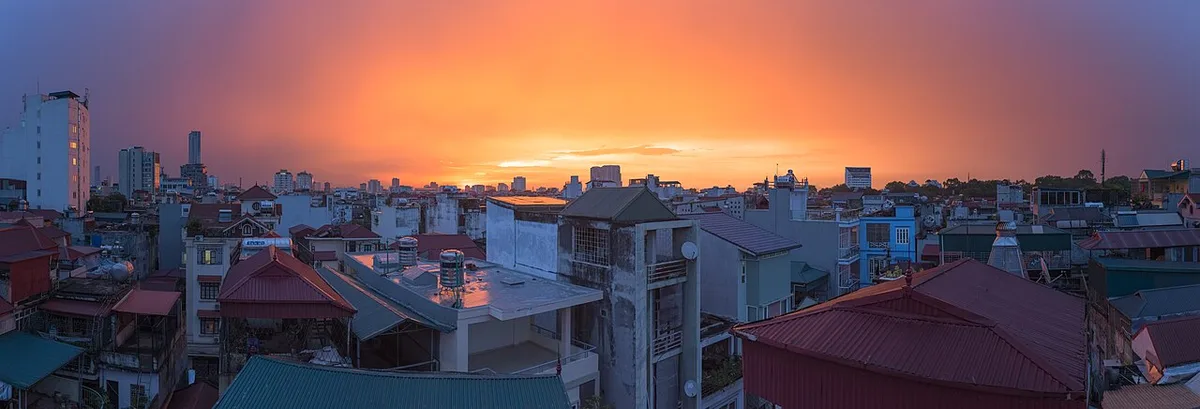
Hanoi rewards flexibility in trip length depending on your pace and interests. A single day allows you to tick the major boxes—mausoleum, lake, pagoda, train street—but you'll rush and feel exhausted. Two days lets you explore at a sustainable pace: one day for central Hanoi sites, one for museums and neighborhood cafes.
Three or more days gives you time for nearby day trips and deeper neighborhood immersion into local life. The sweet spot for most travelers is 2–3 days in Hanoi itself, allowing both major draws and hidden-cafe discovery. Longer stays reveal neighborhood nuances that guidebooks miss: quiet morning coffee spots, local markets, and residential streets where tourism hasn't gentrified daily life.
First-timers often underestimate Hanoi's density and walking pace. What looks like a quick walk on a map takes twice as long due to traffic, crowds, and the irresistible temptation to stop at every cafe. Budget at least 3–4 hours for each major site if you want to avoid the modern-tourist-trap feeling of rushing through.
If your schedule allows, pair Hanoi with a 1–2 day nearby trip—Ninh Binh for limestone and kayaking, or Ha Long Bay for a cruise. Most travelers find 4–5 days total (2–3 in Hanoi + 1–2 away) offers the best balance between city depth and regional variety. Solo travelers often stay 3–4 days in Hanoi alone, as the city's social bia hoi culture and cheap street food reward lingering.
Best Time to Visit Hanoi
Hanoi's climate swings between extremes, making season choice crucial for comfort and value. October–November is ideal: mild temperatures (20–25°C), clear skies, and pleasant humidity make walking enjoyable all day. April–May is warm but manageable (24–30°C) if you start early and rest during peak afternoon heat.
October-November is ideal, with mild temperatures (20-25°C), clear skies, and pleasant humidity making all-day walks enjoyable. Visiting November-March brings 15-25% lower prices than October peak season.
| Season | Temperature | Conditions | Best For |
|---|---|---|---|
| October–November | 20–25°C | Mild, clear skies, pleasant humidity | Ideal for walking and outdoor exploration |
| April–May | 24–30°C | Warm but manageable | Best with early starts and afternoon rest |
| June–September | Over 35°C | Hot, humid, monsoon rains | Walking exhausting; avoid if possible |
| December–February | 10–15°C | Cool, dry, grey skies | Budget travel, prices dip 15-25% |
Summer (June–September) brings heat, high humidity, and monsoon rains that make walking exhausting; temperatures exceed 35°C regularly. Winter (December–February) brings cool, dry weather (10–15°C) but requires layers, and grey skies can dampen the vibe. Lunar New Year (late January/early February) crowds out hotels and drives prices up 30–50%, though the city decorates festively.
Hoan Kiem Lake is most photogenic in early mornings year-round, regardless of season. Train Street is accessible daily, though train times vary; the water puppet show runs nightly regardless of weather. Most temples and museums operate year-round on similar schedules, so attractions themselves are predictable.
Visit shoulder months (March, September) for a balance of weather and price—slightly cooler than peak season, less crowded. Budget travelers benefit most from November–March when prices dip 15–25% compared to October peak season. If budget is secondary and weather is primary, October–November and March–April offer the best conditions for outdoor exploration.
Easy Day Trips from Hanoi
Hanoi's surrounding regions offer rich cultural and natural experiences within a few hours' travel. Ninh Binh (120km south) provides dramatic limestone landscapes, ancient temples, river kayaking, and authentic village culture for ₫400,000–₫600,000/day tours. Ha Long Bay (160km east) is a UNESCO World Heritage site, but cruises cost ₫1,500,000–₫3,000,000 for multi-day trips.
For budget travelers, Ninh Binh offers better value than Ha Long Bay. A guided day trip typically includes pickup (7–8am), temple visits, kayaking, and lunch for under ₫700,000. Compare Ninh Binh vs. Ha Long Bay to decide based on your budget and interests; alternatively, take a bus from Hanoi (₫100,000–₫150,000) for even cheaper solo travel.
Closer options include Bat Trang pottery village (30 minutes, free entry) or the Cat Ba Island coastal route via Ha Long Bay's quieter side. Most travelers combine 2–3 days in Hanoi with a 1–2 day Hanoi to nearby destination excursion for regional context and variety. Book day tours the night before to secure spots and negotiate group discounts with local operators.
Practical Tips for Exploring Hanoi Free
Grab (Southeast Asia's ride-hailing app) is your lifeline for getting around efficiently and cheaply. Download it before you arrive; rides cost ₫20,000–₫50,000 depending on distance, far cheaper and safer than unlicensed taxis. Walk when you can—Hanoi's chaotic streets become familiar after one day, and walking reveals cafes and details taxis miss.

Most attractions close by 5-6pm, so plan mornings accordingly. Arriving before 7am offers crowd-free experiences at temples and lakeside spots. Budget at least 3-4 hours per major site to avoid rushing.
Street food and bia hoi beat restaurants by 60–80% for value. A full meal at a local stall costs ₫30,000–₫60,000; beer at a street corner costs ₫2,000–₫5,000; coffee costs ₫5,000–₫15,000. Bring small-denomination bills; many vendors lack change for large notes, and this speeds up transactions.
Dress conservatively, especially at temples and the Ho Chi Minh Mausoleum (shoulders and knees covered). Wear insect repellent in warmer months (mosquitoes carry dengue); carry a reusable water bottle and refill at hotels or buy bottled water (₫3,000–₫5,000). Expect to negotiate prices at markets and with cyclo drivers; haggling is expected and half the cultural experience.
Most attractions close by 5–6pm, so start early and plan accordingly. Book water puppet shows and cooking classes in advance; popular evening slots sell out quickly. A local SIM card (₫50,000–₫100,000 for 4–7 days of data) keeps you connected for navigation and booking without international roaming fees.
Learn a few Vietnamese phrases (hello = Xin chào, thank you = Cảm ơn, how much? = Bao nhiêu?). Locals appreciate the effort to speak their language, which opens doors to better recommendations and lower prices. Carry a phrasebook or download Google Translate offline for backup communication when spoken words fail.
Where to Stay in Hanoi for Free Attractions
For a first visit, stay near Hoan Kiem Lake or in the Old Quarter. This puts the lake, St. Joseph’s Cathedral, Bia Hoi Corner, Thang Long Water Puppet Theatre, and the southern section of Train Street within walking distance. The Old Quarter is convenient and lively, but rooms near Ta Hien and Luong Ngoc Quyen streets can be noisy after dark.
The French Quarter, south and east of the lake, is calmer while remaining close to central sights. It is a practical base for walking to the Vietnamese Women’s Museum, Hanoi Opera House, Hoa Lo Prison, and the weekend pedestrian zone around Hoan Kiem Lake. Ba Dinh suits travelers prioritizing the Ho Chi Minh Mausoleum, One Pillar Pagoda, Temple of Literature, and B-52 Victory Museum, although evening dining options are more dispersed.
Check the exact address before booking: some properties advertised as “Hanoi center” are several kilometers from the lake. Choosing accommodation within a short walk of Hoan Kiem Lake can reduce transport costs and make early-morning sightseeing much easier.
Official Planning Checks Before You Go
Use the official Vietnam Tourism Ha Noi guide for destination context and the Vietnam Tourism trip-planning portal for a second official baseline. Recheck any opening hour, fare, timetable, closure, access rule, weather risk, or booking condition with the responsible operator shortly before travel; an official destination overview is not a live inventory or service guarantee.
Frequently Asked Questions
What is a must-do in Hanoi?
Most visitors prioritize Ho Chi Minh's Mausoleum, Hoan Kiem Lake, and the Old Quarter—all free or nearly free to access. Add one pagoda visit and a water puppet show to round out the essential experience.
What month should I avoid visiting Hanoi?
Summer (June–September) is hot, humid, and rainy; temperatures exceed 35°C and monsoons make walking unpleasant. Lunar New Year (late Jan/early Feb) inflates prices 30–50%. For the best experience, visit October–November or March–April instead.
What should I avoid doing in Hanoi?
Skip pricey tourist cafes on Train Street and high-rise bars charging ₫300,000+ per drink. Book tours directly, not through hotels. Eat street food where Vietnamese families gather, not on curated 'food tours' marketed to tourists.
How do I find non-touristy things to do in Hanoi?
Walk residential neighborhoods (Ba Dinh District, Ho Tay's west side) and eat street food where Vietnamese families queue. Ask hotel staff for hidden cafes and markets. Hiring a local guide (₫300,000/day) unlocks insider neighborhood access tourists rarely discover.
Where should I stay in Hanoi?
Hoan Kiem Lake surroundings place attractions within walking distance. Old Quarter offers budget guesthouses (₫150,000–₫400,000/night) with authentic atmosphere but noise; French Quarter has quieter mid-range hotels (₫400,000–₫800,000). Choose based on budget and chaos tolerance.
Can I use my phone and internet in Hanoi?
Buy a local SIM card at the airport (₫50,000–₫100,000 for 4–7 days of data) for fast, cheap connectivity via Viettel, Mobifone, or Vinaphone. Most cafes, hotels, and malls offer free WiFi, so connectivity isn't a major concern if you're budget-conscious.
Is Hanoi safe for travelers?
Hanoi is generally safe for tourists; petty theft and scams occur, but violent crime is rare. Use Grab instead of unlicensed taxis; watch bags in crowded markets; avoid flashing valuables. Most travelers feel comfortable walking central areas like Hoan Kiem Lake at night.
What food should I try in Hanoi?
Hanoi's iconic dishes include pho (noodle soup, ₫30,000–₫50,000), bun cha (grilled pork noodles, ₫40,000–₫60,000), cha ca (turmeric fish, ₫60,000–₫80,000), and egg coffee (₫20,000–₫30,000). Taste banh mi (₫15,000–₫25,000) and spring rolls (₫10,000–₫20,000) for snacks throughout the day.
How much money should I budget per day in Hanoi?
Budget ₫500,000–₫800,000 ($20–$32 USD) per day for budget travel covering meals, transport, and one attraction. Mid-range travelers spend ₫1,200,000–₫1,600,000 ($48–$64). Hardcore budget travelers can live on ₫300,000–₫400,000 ($12–$16) eating purely street food.
Should I hire a guide in Hanoi?
Self-guided exploration works fine for major sites and street food. However, guides elevate the experience for historical sites (Hoa Lo, mausoleum, temples) where context matters deeply. Hire a guide for ₫300,000–₫500,000/day if history is central to your interests.
Hanoi doesn't require deep pockets to captivate and inspire lasting memories. Wander the Old Quarter, cycle Hoan Kiem Lake, catch a sunrise at a temple, and you've experienced the city's soul. Add a water puppet show, a ₫40,000 bun cha, and street beer, and you'll leave with memories that rival far pricier destinations.
Plan 2–3 days, pace yourself to avoid heat exhaustion, and embrace the organized chaos that defines Hanoi. The city rewards curiosity and flexibility more than budget, and both are abundant here for every traveler. Most importantly: show up with an open mind and willingness to get lost—that's when Hanoi reveals itself beyond any guidebook.
Take the route offline
Free: the Hanoi route notes
Where to base yourself and what it costs, a day-by-day route that avoids backtracking, real transfer times and fares, seasonal timing, and where it connects onward — condensed from our Hanoi guides and made to take offline.
Keep unfolding Vietnam
Continue along the route
Three nearby guides for the next decision in your trip.


