

Photo: Sudharsan.Narayanan via Flickr (CC BY 2.0)
Best Time To Visit Hanoi Travel Guide
Plan your best time to visit Hanoi with seasonal weather guides, crowd forecasts, pricing trends, and practical booking tips for maximum comfort and value.
On this page
October to November and March to early April are the most comfortable months for visiting Hanoi. These shoulder seasons bring stable weather, mild temperatures (20–29°C / 68–84°F), and balanced crowds. The Old Quarter, lakeside walks, and café culture feel effortless during these windows rather than physically demanding.
Timing determines how Hanoi feels during your stay. Light quality shifts with seasons; air moisture and heat dramatically affect walking pace and daily rhythm. Choosing dates aligned with your comfort level and travel style ensures unhurried exploration rather than struggle.
Last updated July 2026. This guide breaks down all four seasons with weather data, pricing patterns, and traveler-type recommendations. Use the information below to choose dates with confidence, not guesswork.
Key Takeaways
- October to November and March to early April are the most comfortable months for visiting Hanoi.
- These shoulder seasons bring stable weather, mild temperatures (20–29°C / 68–84°F), and balanced crowds.
- The Old Quarter, lakeside walks, and café culture feel effortless during these windows rather than physically demanding.
- Timing determines how Hanoi feels during your stay.
Take the route offline
Free: the Hanoi route notes
Where to base yourself and what it costs, a day-by-day route that avoids backtracking, real transfer times and fares, seasonal timing, and where it connects onward — condensed from our Hanoi guides and made to take offline.
Season Comparison
Hanoi's four seasons each deliver distinct conditions that shape visitor experience and daily comfort. Weather, crowds, pricing, and available activities vary dramatically across the year. The table below compares all seasons so you can weigh trade-offs and choose dates matching your priorities.
Peak seasons attract the largest visitor volumes and highest prices. Value seasons offer affordability but require flexibility and heat tolerance. Shoulder seasons balance comfort, crowd levels, and cost in ways peak and low seasons cannot achieve.
| Season | Months | Temperature | Humidity & Rainfall | Crowds & Prices | Best Suited For |
|---|---|---|---|---|---|
| Autumn | October–November | 20–29°C / 68–84°F | Lower humidity, minimal rain, clear skies | High crowds, +30–50% hotel rates | Comfort seekers, walkers, cultural tours |
| Spring | March–early April | 16–27°C / 61–81°F | Moderate humidity, occasional showers | Moderate–high crowds, +20–35% rates | Spring events, outdoor exploration, photographers |
| Winter | December–February | 10–20°C / 50–68°F | Cool, persistently damp, drizzle 2–3 days/week | Moderate crowds, baseline hotel rates | Quiet exploration, museums, indoor culture |
| Summer | May–September | 24–36°C / 75–97°F | High humidity (80–90%), monsoon rains June–September | Low crowds, 30–50% lower hotel rates | Budget travelers, museum/gallery focus, flexibility |
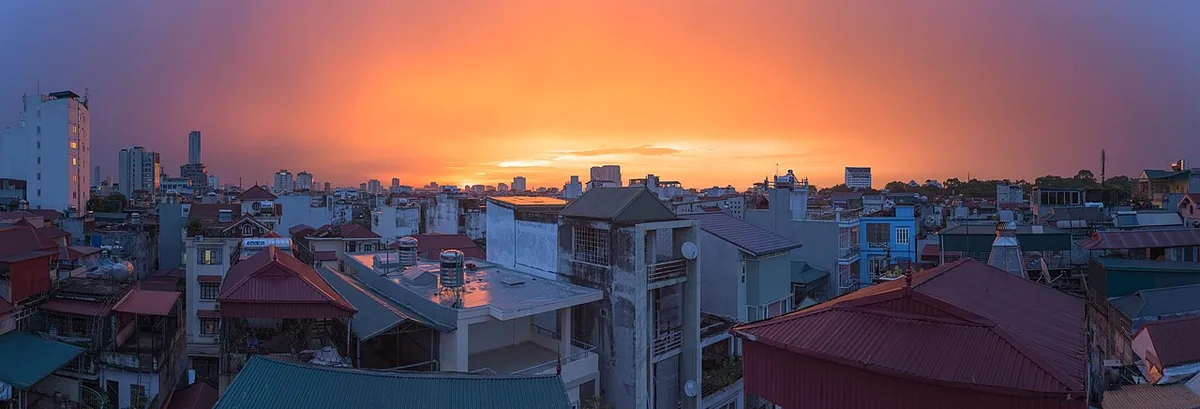
Understanding Hanoi's Climate
Hanoi occupies northern Vietnam's subtropical monsoon zone, creating four distinct seasonal patterns. The Southwest Monsoon dominates from May through September, according to Vietnam's official climate data. This monsoon system delivers approximately 70% of Hanoi's annual rainfall in just five months.
December–February brings cool, damp conditions. Drizzle occurs two to three days weekly; humidity remains elevated (75–80%), creating damp chill rather than crisp cold that travelers often expect.
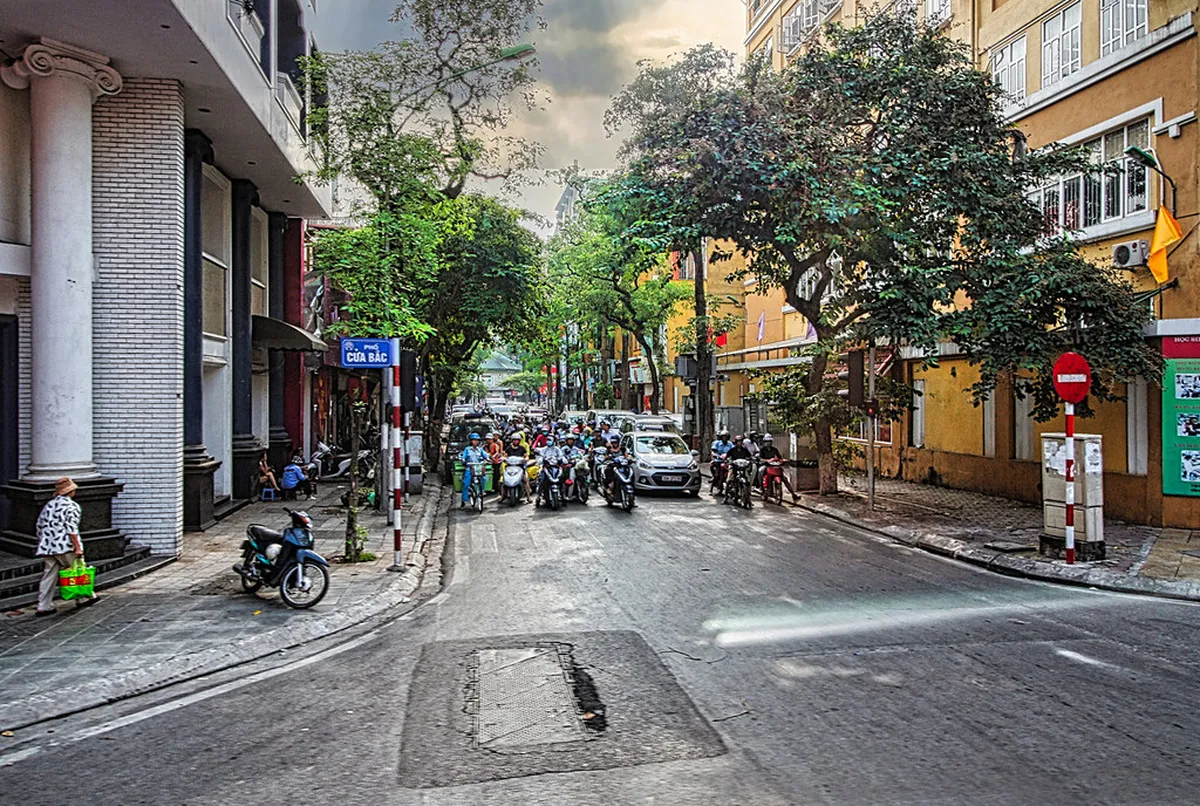
Autumn (October–November) follows the monsoon's retreat as high-pressure systems move south from China. These conditions create stable, clear skies and noticeably lower humidity compared to preceding months. Air feels lighter; walking the Old Quarter or strolling around Hoan Kiem Lake requires minimal physical adjustment.
Spring (March–April) marks the transition between winter cool and summer heat. Temperatures rise steadily from 16°C / 61°F in early March to 27°C / 81°F by late April. Humidity increases as monsoon season approaches, and afternoon showers become more frequent.
Winter (December–February) brings cooler temperatures averaging 10–20°C / 50–68°F, but persistent dampness defines the season. Most travelers expect crisp, dry cold; instead, they encounter damp chill and drizzle occurring two to three days each week. Relative humidity remains elevated (around 75–80%), making layers more important than absolute temperature numbers suggest.
Summer heat intensifies rapidly from May onward, with daily highs reaching 34–36°C / 93–97°F by mid-summer. Humidity climbs to 80–90%, creating a sensation of moving through warm water rather than air. Pacing outdoor activities requires discipline: early mornings (6–9 a.m.) and late afternoons (5 p.m. onward) are most workable.
Which Season Is Right for You?
Choosing Hanoi's ideal season depends less on calendar dates and more on your travel priorities and physical preferences. Different traveler profiles thrive in different windows based on comfort, budget, or experience goals. Use the recommendations below to self-select your best fit.
- Pick October–November if you want
- Optimal comfort: clear skies, mild temps (20–29°C / 68–84°F), low humidity
- Unlimited walking energy without heat-induced fatigue or weather delays
- Peak café culture and street-life exploration without constant weather adjustment
- Pick March–early April if you want
- Spring energy and market buzz without summer's oppressive humidity
- Fewer crowds than October–November; accommodations cost 15–20% less
- Pleasant walking conditions most of the day with occasional afternoon showers
- Pick December–February if you want
- Quiet streets and fewer tourists, especially in second half of January
- Lowest hotel prices and minimal tour-group competition
- Focus on museums, galleries, temples, and indoor café culture
- Pick May–September if you want
- Budget-friendly rates: 30–50% lower than peak season across all accommodation classes
- Indoor cultural attractions remain fully operational and less crowded
- Flexibility to plan indoor time and embrace rainy-day exploration
- Pick late January–early February if you want
- Lunar New Year (Tet) festival atmosphere: street decorations, family gatherings, parades
- Traditional food markets featuring holiday specialties and candied fruits
- Note: book accommodations 8–12 weeks ahead; prices increase 40–60% during this window
What's Closed in Low Season
Hanoi operates year-round, but service frequency and availability shift noticeably during May–September. Museums, galleries, temples, and major attractions maintain normal hours even during low season. Water-based activities and outdoor day tours see the most significant reductions.
Lake tours around Hoan Kiem and West Lake operate daily in peak season but reduce frequency during June–August. Some adventure operators require minimum group sizes during monsoon months or run trips only in early morning. Halong Bay day-trip operators may cancel sailings during heavy downpours but resume once weather clears.
Rooftop bars and outdoor café seating close temporarily during heavy monsoon rainfall but reopen within hours. Street food vendors typically advance operating hours to 5–6 a.m. to avoid mid-day heat but remain open year-round. Restaurant hours adapt to traffic: outdoor dining concentrates on cooler morning and evening periods during summer months.
International hotel chains and mid-range properties in Hanoi's main neighborhoods remain open all seasons. Budget guesthouses rarely close, though some reduce staff during July–August low season. Booking platforms stay active year-round, though tour operators may require advance notice (24–48 hours) for summer activity confirmation.
What to Pack
Packing strategy shifts with Hanoi's seasons more dramatically than many destinations. Winter damp requires different layers than autumn's dry coolness or summer's wet heat. Each seasonal section below outlines practical packing by climate condition and daily activity.
- October–November (peak comfort season)
- Lightweight cardigan or thin jacket for evening strolls (temps drop 5–10°C after sunset)
- Comfortable walking shoes with grip (you'll explore the Old Quarter extensively)
- Sun hat and UV sunglasses for clear, bright skies
- Light rain jacket or compact umbrella (occasional showers occur but rarely disrupt plans)
- December–February (cool and damp)
- Medium-weight sweater or fleece layer (10–20°C / 50–68°F feels colder than thermometer suggests due to dampness)
- Waterproof rain jacket and umbrella (essential; drizzle occurs 2–3 days per week)
- Long pants or jeans and closed-toe shoes (puddles linger from damp streets)
- Scarf or light wool layers for additional warmth (some museums and cafés can feel chilly)
- March–early April (spring warmth)
- Breathable cotton and linen clothing; temperatures climb throughout the month
- Lightweight layers you can remove as afternoon heat builds (16–27°C / 61–81°F range)
- Moisture-resistant rain jacket or poncho (afternoon showers increase by late April)
- Comfortable walking sandals or closed-toe shoes depending on personal preference
- May–September (hot, humid, and rainy)
- Moisture-wicking t-shirts and tank tops; cotton absorbs sweat but dries slowly
- Quick-dry shorts, capris, or lightweight linen pants (humidity 80–90%)
- Sandals with good grip or water-ready shoes (streets become slick during afternoon downpours)
- Wide-brimmed sun hat, UV-blocking sunglasses, and reef-safe sunscreen (SPF 50+)
Planning Your Visit: Timing, Booking, and Practical Considerations
Booking timelines differ dramatically between peak and low seasons. Peak season (October–November and March–April) requires advance planning to secure preferred accommodations and tours. According to Vietnam Airlines' seasonal guide, booking four to six weeks ahead prevents last-minute unavailability and price spikes.
Peak season (October–November, March–April) demands booking four to six weeks ahead. Hotels in the Old Quarter fill 6–8 weeks in advance, while budget guesthouses remain available closer to travel dates.
Hotels in the Old Quarter and around Hoan Kiem Lake fill quickly during October–November. Mid-range properties (₫1,500,000–₫2,500,000 or ~$60–$100 USD per night in peak season) book 6–8 weeks ahead. Budget guesthouses (₫400,000–₫800,000 or ~$16–$32 USD per night) remain available closer to travel dates but better options vanish early.
Day tours and restaurant reservations should be booked before peak season begins. Many Hanoi's popular attractions and group tours limit daily capacity, especially during October–November. Last-minute bookings work during May–September low season but reduce selection and tour timing flexibility.
Shoulder seasons (December–February and late April–early May) offer flexibility without peak-season premiums. Accommodations cost 15–25% less than October–November, and booking one to three weeks ahead typically ensures good availability. Late April and early May carry the lowest prices with workable weather, though humidity begins rising late May onward.
Build flexibility into summer travel (May–September) for weather adjustments. Plan indoor activities (museums, galleries, water puppet theater) for afternoon downpours rather than fighting rainfall. Use budget savings from low-season rates to extend your Hanoi stay or add nearby destinations to your itinerary.
Best Time to Combine Hanoi and Halong Bay
For a trip that pairs Hanoi with Halong Bay, October to November and March to April offer the best overall balance. Hanoi is comfortable for walking during these periods, while calmer temperatures make an overnight cruise or day trip more pleasant than in midsummer. Conditions on the bay can still differ from the capital: March and April often bring mist or low cloud, which creates atmospheric limestone views but may limit long-distance visibility.

December to February is cooler and frequently overcast around Halong Bay. Cruises normally operate, but pack a windproof layer because exposed decks feel colder than central Hanoi. From June through September, heavy rain, thunderstorms, and tropical storms can disrupt sailing schedules. When local authorities close the port for safety, operators must cancel or postpone departures, regardless of conditions in Hanoi.
Place the cruise near the middle of your itinerary rather than immediately before an international flight. That leaves room to reschedule if marine weather changes. Confirm departure status with the operator the evening before and again on the morning of travel, especially during the summer storm season.
Frequently Asked Questions
What is the single best month to visit Hanoi?
October stands out for consistent weather, low humidity (60–70%), clear skies, and the city's most relaxed pace. Mid-October through early November maintains ideal conditions before temperatures start dropping. However, expect 30–50% higher hotel rates and peak tourist crowds.
When should I visit if I want to avoid crowds and save money?
May through August offers 30–50% lower accommodation rates and substantially fewer tourists. June through August bring monsoon rains and heat up to 36°C / 97°F, requiring patience with weather. However, museums remain uncrowded, and you can secure better restaurant tables and guide availability.
Is visiting during Lunar New Year (Tet) recommended?
Lunar New Year (late January to early February) showcases Hanoi's most vibrant festival atmosphere, with decorations, family gatherings, and traditional food markets. Expect 40–60% hotel price increases and advanced booking requirements 8–12 weeks ahead. Many family-run businesses close for three to five days during the holiday week.
Can I visit Hanoi during the monsoon season (June–September)?
Yes. The Southwest Monsoon brings daily afternoon downpours (typically 1–3 hours) that clear quickly. Plan morning outdoor time, keep an umbrella handy, and schedule indoor cultural activities for afternoons. Budget-conscious travelers thrive during this period despite heat and rain.
What should I expect if I visit Hanoi in December or January?
December and January bring cool, damp conditions (10–20°C / 50–68°F) with drizzle occurring two to three days weekly. Humidity remains elevated (~75–80%), creating damp chill rather than crisp cold. Crowds and prices drop significantly compared to autumn and spring, making this ideal for quiet exploration and museum visits.
How much cheaper are accommodations during low season versus peak season?
Budget guesthouses cost approximately 15–25% less during May–September compared to October–November. Mid-range hotels (Old Quarter properties) drop 30–50% from peak rates, dropping from ₫1,500,000–₫2,500,000 (~$60–$100 USD) in October to ₫900,000–₫1,500,000 (~$36–$60 USD) in summer. Luxury properties maintain more stable rates year-round.
The best time to visit Hanoi is October to November for most travelers. This window combines stable weather, manageable physical demands, and the city's most atmospheric pace. Book accommodations four to six weeks ahead, and expect 30–50% premiums over low-season rates in exchange for unmatched comfort.
If peak season conflicts with your schedule, March to early April offers a compelling alternative. Spring delivers pleasant temperatures (16–27°C / 61–81°F), moderate crowds, and prices 15–20% lower than autumn. Budget travelers thrive during May–September despite heat and monsoon rains; pair discounted hotels with flexible activity planning and indoor cultural exploration.
Take the route offline
Free: the Hanoi route notes
Where to base yourself and what it costs, a day-by-day route that avoids backtracking, real transfer times and fares, seasonal timing, and where it connects onward — condensed from our Hanoi guides and made to take offline.
Keep unfolding Vietnam
Continue along the route
Three nearby guides for the next decision in your trip.


