

Photo: Rod Waddington via Flickr (CC BY-SA 2.0)
10 Best Vietnam Overnight Train Routes (2026)
Explore Vietnam's 10 best overnight train routes with costs ($15–$130), schedules, booking tips, and what to expect onboard in 2026.
On this page
Vietnam's overnight sleeper trains are among the most efficient ways to cover long distances while saving on accommodation costs. The Reunification Express—a network spanning 1,700 km from Hanoi to Ho Chi Minh City—connects virtually every major destination along the way. Last updated July 2026. This guide covers the 10 best overnight train routes with real pricing, schedules, and practical tips for booking and traveling comfortably.
Key Takeaways
- Vietnam's overnight sleeper trains are among the most efficient ways to cover long distances while saving on accommodation costs.
- The Reunification Express—a network spanning 1,700 km from Hanoi to Ho Chi Minh City—connects virtually every major destination along the way.
- This guide covers the 10 best overnight train routes with real pricing, schedules, and practical tips for booking and traveling comfortably.
Take the route offline
Free: the Vietnam route starter
A two-week south-to-north route with real nightly rates by city, what to book first and how far ahead, region-by-region timing, and the transport costs between each leg — drawn from our published guides.
10 Best Vietnam Overnight Train Routes
Vietnam's railway network makes it easy to connect major cities and hidden gems using overnight sleeper cabins. Most routes depart in the evening (21:00–22:00) and arrive early morning, meaning you lose no daytime to travel.
Prices below reflect soft sleeper AC, the most popular class offering comfort and value for overnight journeys. All bookings can be made through Baolau, 12Go Asia, or the real Vietnam Railway site.
1. Hanoi to Sapa via Lao Cai – Mountain Adventure Route
Sapa is Vietnam's most trekked mountain town, offering hill-tribe villages and misty Fansipan peaks. The overnight journey is efficient and scenic, saving a full day of travel and hotel costs combined. Typical cost: $30–$45 for soft sleeper AC; trains depart 21:00–22:00 and arrive 05:00–06:00.
Sapa sits 38 km from Lao Cai station; arrange jeep transfer through your hotel (about 50 minutes). Set an alarm 30 minutes before arrival; luggage storage at Lao Cai costs a small fee.
2. Hanoi to Hue – Imperial Capital Route
Hue, Vietnam's ancient imperial capital, features royal architecture and war history museums. This mid-length journey strikes a balance between reasonable travel time and a full night's sleep. Typical cost: $40–$55 for soft sleeper AC on this 12–14 hour route.
Hue Train Station sits only 300 meters from the Old Quarter and affordable guesthouses. Book onward transport to the Citadel or Perfume River in advance for smooth exploration.
3. Hanoi to Ho Chi Minh City – Reunification Express
This legendary journey covers 1,700 km in nearly 2 days, known as one of the world's greatest train journeys. The full crossing of Vietnam is a rite of passage for backpackers and adventurous travelers. Typical cost: $50–$65 soft sleeper AC, or $130+ for private VIP cabin; duration is 35–37 hours.
Board at Hanoi Train Station (2.4 km north of Old Quarter); arrive at central Saigon Station. Pack entertainment (book, offline music, games) and patience; the journey passes through Hue, Da Nang, Nha Trang.
4. Hue to Da Nang – Scenic Central Coastal Route
This short route connects Hue's imperial heritage to Da Nang's beaches and Hoi An's ancient streets. The 5–6 hour journey is manageable and popular with families, though some prefer soft seats. Typical cost: $20–$30 for soft sleeper AC; both overnight and daytime options run regularly.
Da Nang Station is 5 km from the beach; Hoi An is 30 km south (45-minute drive). Many travelers skip the sleeper here and take daytime transport to maximize beach and town time.
5. Ho Chi Minh City to Nha Trang – Coastal Beach Route
Nha Trang offers Vietnam's best beaches, island tours, and fresh seafood restaurants. Departing Ho Chi Minh City in the evening, you wake to coastal views as the train hugs the shore. Typical cost: $30–$45 for soft sleeper AC on this 7–9 hour route.
Trains typically depart 19:00–21:00 and arrive 05:00–07:00 at central Nha Trang Station. Book water activities (island tours, diving, snorkeling) in advance or arrange at your hotel.
6. Ho Chi Minh City to Phan Thiet & Mui Ne – Beach Express
This is Vietnam's quickest beach getaway: 4–5 hours to Phan Thiet, gateway to famous Mui Ne dunes. Ideal for short itineraries combining HCMC city life with a beach break without losing sleep. Typical cost: $15–$25, the most budget-friendly option on this list.
Both day and overnight trains run; daytime may be more practical for this short route. Arrange Mui Ne tour operator pickups in advance; many offer dune buggy rides and evening boat tours.
7. Hanoi to Dong Hoi – Northern Scenic Route
Dong Hoi is your gateway to Phong Nha-Ke Bang National Park with underground rivers and cave systems. This longer journey (approximately 15–16 hours) is less crowded than Hanoi-Sapa and rewards with biodiverse access. Typical cost: $40–$60 for soft sleeper AC; the route follows the coast for morning sunrise views.
Dong Hoi Station sits 40 km from Phong Nha cave headquarters; arrange driver pickup in advance. Book cave diving or multi-day jungle treks before arrival; many cave tours operate on fixed schedules.
8. Hue to Ho Chi Minh City – Southern Heritage Route
This full-day journey (approximately 20 hours) connects two of Vietnam's most historically rich cities. You'll pass through Da Nang, Hoi An, Nha Trang, and other stops; some travelers break this journey. Typical cost: $55–$80 for soft sleeper AC; VIP cabins cost $100+ depending on season.
This route is most comfortable in soft sleeper or private cabin due to length. Luggage storage at both stations costs around $10 per bag for several hours.
9. Nha Trang to Ho Chi Minh City – Return Coastal Journey
The reverse of the HCMC-Nha Trang route allows a full day in Nha Trang before evening departure. Ideal for travelers heading south to explore the Mekong Delta or moving to Cambodia. Typical cost: $30–$45 for soft sleeper AC on this 7–9 hour route.
Depart 19:00–21:00, arrive 05:00–07:00; this route can sell out during peak season (Dec–Feb). Combine with day trips inland to mountain temples or nearby fishing villages before boarding.
10. Hanoi to Da Nang – Central Vietnam Express
Da Nang, Vietnam's third-largest city, offers golden beaches, Marble Mountains, and easy Hoi An access. This 18-hour journey is popular for travelers skipping Saigon but wanting central Vietnam highlights. Typical cost: $45–$70 for soft sleeper AC; trains depart 20:00–21:00 and arrive 14:00–15:00.
Da Nang Station is centrally located; your hotel can arrange taxi or Grab pickup. If arriving mid-afternoon, head to Hoi An (30 km, 45-minute drive) to catch evening lantern lighting.
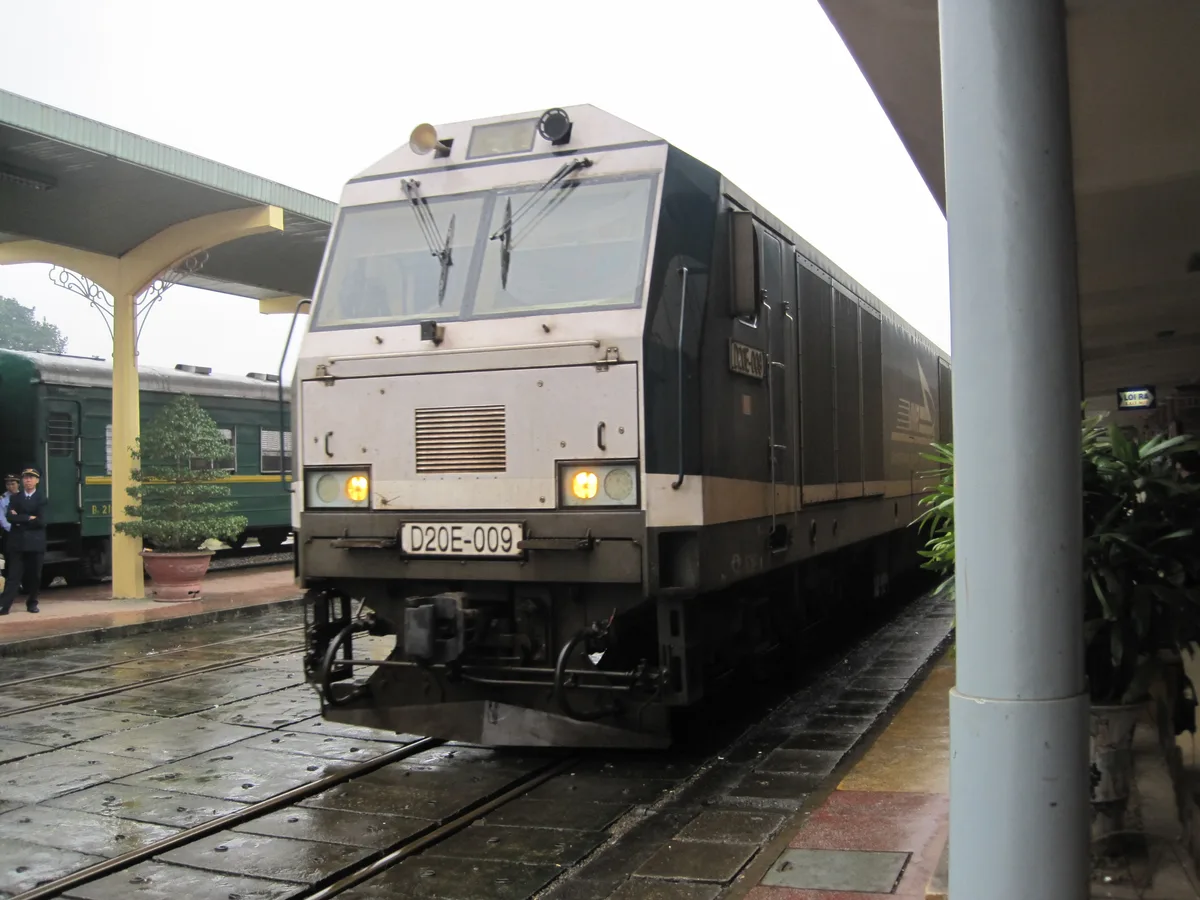
About Sleeper Train in Vietnam
Vietnam's state-owned railway system connects north and south with sleeper trains remaining one of the most efficient ways to cross the country. Unlike overnight buses, sleeper trains offer space to lie flat, air conditioning, and the gentle rhythm of rails.

The main Reunification Express artery runs the full 1,700 km from Hanoi to Ho Chi Minh City with stops at virtually every major city. Secondary lines branch to mountain destinations like Sapa, cave regions like Dong Hoi, and beach areas.
Vietnam sleeper trains are unique for combining affordability with genuine comfort for long overnight journeys. A soft sleeper AC cabin costs roughly the same as or less than a mid-range hotel, yet you wake 400+ kilometers ahead.
Safety is generally good; theft is rare and trains maintain regular schedules with minimal delays. Most travelers report solid sleep on soft sleepers, especially in lower berths away from corridor activity.
How to Book Your Tickets
Booking a Vietnam sleeper train online is straightforward, typically taking just a few minutes. The two most reliable sites are Baolau and 12Go Asia; both let you select exact berths and receive instant confirmation.
Book 1–2 weeks ahead for peak-season routes (December–February); popular services often sell out completely. Off-season (May–August), booking just 2–3 days ahead works fine, and prices typically drop 10–20% compared to peak.
Some travelers book through travel insurance providers or tour operators, which sometimes offer discounts but add markups. The official Vietnam Railways website (dsvn.vn) is cheapest but requires a Vietnam-registered card most international visitors lack.
Timing matters: popular routes often sell out during peak season (December–February), so book 1–2 weeks ahead. Off-season (May–August), booking a few days ahead works, and prices drop 10–20%.
When you book online, you receive a digital ticket shown on your phone to the train attendant at boarding. Arrive at the station 30 minutes early to locate your platform; major stations have English-speaking staff to help.
Different Classes and Costs of Seats/Sleeps
Vietnam sleeper trains offer four main berth types suited to different budgets and comfort needs. Understanding the differences helps you choose the right option without overpaying or sacrificing sleep.
Soft seats (non-sleeper) are cheapest—typically $5–$15 for routes under 4 hours—but recline only partially. Best for daytime hops between nearby towns or travelers willing to sacrifice sleep for budget savings.
| Berth Class | Berths per Cabin | Cost | Best For |
|---|---|---|---|
| Soft Seats | Open seating | $5–$15 | Daytime routes under 4 hours |
| Hard Sleepers | 6 (stacked) | $20–$45 | Budget overnight travel |
| Soft Sleepers | 4 | $30–$60 | Mid-length routes, most popular choice |
| Private VIP | 2–4 | $100–$130+ per person | Families, couples, privacy on longer routes |
Hard sleepers offer 6 beds per cabin (three stacked berths per side) but feel cramped for taller guests. Prices range $20–$45 depending on route length; lower berths are more comfortable than upper ones.
Soft sleepers feature 4 beds per cabin and are far the most popular choice for overnight routes. These cost $30–$60 for mid-length routes, roughly $7–$10 per hour of travel. The cabin is lockable, air-conditioned, and spacious; solo travelers can book whole cabins or share. Lower berths are preferred for access ease; upper berths cost slightly less but require climbing.
Private VIP cabins sleep 2–4 people with ensuite toilets, costing $100–$130+ per person. These suit families, couples, or those prioritizing complete privacy on longer popular routes.
Food and Drink Onboard Vietnam Sleeper Trains
Most sleeper trains have limited dining cars; offerings are expensive and often poor quality. Pack snacks (nuts, dried fruit, energy bars), instant noodles, and water to supplement onboard options.
Tea and coffee are sometimes offered free or for $0.50 by attendants, particularly on longer routes. At major stops (Hanoi, Hue, Da Nang, Ho Chi Minh City), you have 10–20 minutes to buy fresh food from platform vendors.
Toilets onboard are functional but basic (squat-style on most trains); bring your own wet wipes and hand sanitizer. Higher-class cabins (soft sleeper and VIP) are cleaner and more modern than hard sleeper toilets.
Tips for a Smooth Train Journey
Set an alarm for 30 minutes before your stop to avoid oversleeping and missing your destination. Jot down your destination in Vietnamese and ask your cabin attendant to check your ticket an hour before arrival.
Set an alarm 30 minutes before arrival to avoid oversleeping. Bring earplugs and eye mask for better sleep quality. Keep valuables in pouch near pillow, not backpack. Lock cabin door with chain at night.

Keep your passport, money, and valuables in a pouch near your pillow, not in your backpack. Theft is rare, but it's more likely when you're asleep; if sharing a cabin, keep to yourselves.
Lower berths are preferable for comfort, toilet access, and security; book in advance for this preference. Bring earplugs and a light eye mask; corridor activity and train rhythm can disrupt light sleepers.
Luggage storage at major stations costs around $10 per bag for 4–6 hours. Lock your cabin door from inside and use the chain lock at night; most compartments lock from within.
Bring a change of clothes, light slippers, and a scarf as air conditioning can be aggressive. Stay hydrated; bring a refillable water bottle and ask attendants for ice water at stops.
Navigating the Station and Boarding Your Train
Check the station name, train number, carriage, and berth on your ticket before leaving your hotel. Hanoi Railway Station’s main entrance is at 120 Le Duan, but some trains use the secondary entrance on Tran Quy Cap; follow the entrance shown in your booking instructions or ask station staff. In Ho Chi Minh City, trains use Saigon Railway Station at 1 Nguyen Thong in District 3—not a terminal beside the central bus stations.
Arrive 30–45 minutes before departure and keep your passport and digital ticket ready for inspection. Departure boards identify services by train number, such as SE1 or SE3, rather than by destination alone. Platform assignments can change, so confirm the train number on the carriage before boarding.
- Find the carriage number printed on your ticket, then show the attendant your berth number.
- Store large bags beneath the lower berth or on the cabin’s overhead rack without blocking the corridor.
- Board promptly when access opens; intermediate stops may allow only a few minutes.
At smaller stations such as Dong Hoi or Lao Cai, announcements may be mainly in Vietnamese. Showing your ticket to uniformed staff is the simplest way to locate the correct platform.
For the wider route context, continue with Vietnam Train Travel Guide 2026, and Vietnam Sleeper Bus Guide: Complete Travel Tips before fixing this stop in your itinerary.
Frequently Asked Questions
What is the Reunification Express, and is it worth taking?
The Reunification Express is the main north-south railway line running 1,700 km from Hanoi to Ho Chi Minh City in 35–37 hours, ranked among the world's greatest train journeys. Yes, it's worth taking if you have time and want an immersive, romantic alternative to flying; many consider it a once-in-a-lifetime Southeast Asia experience.
Can you actually sleep well on a Vietnam sleeper train?
Yes, most travelers sleep reasonably well on soft sleeper AC cabins (4-berth), especially in lower berths away from corridor noise. Bring earplugs, an eye mask, and accept that sleep will be lighter than home—the train rhythm often helps. Hard sleepers and soft seats are less comfortable for sleep on longer routes.
Which berth class should families with children book?
Families generally prefer soft sleeper AC cabins (4-berth) or private VIP cabins for safety, space, and bathroom privacy. Lower berths are easier for kids to access; private cabins offer ensuite toilets, ideal for nighttime bathroom trips. Book in advance to secure your cabin preference.
How far in advance should I book a Vietnam sleeper train?
Book 1–2 weeks ahead for peak-season routes (December–February), especially Hanoi-Sapa or Hanoi-Ho Chi Minh City, as they often sell out. Off-season (May–August), 2–3 days ahead usually works, and prices drop 10–20%. Popular routes like Hanoi-Hue can fill anytime, so earlier is always safer.
Is it safer to book online through Baolau or directly from Vietnam Railways?
Both are safe if you use official websites: Baolau and 12Go Asia are reputable third-party platforms trusted by backpackers. Vietnam Railways (dsvn.vn) is the official operator but requires a Vietnam-registered card, making it impractical for most international visitors. For convenience, Baolau is the better choice despite a small booking fee built in.
Vietnam's sleeper trains offer an affordable, comfortable, and genuinely memorable way to traverse the country from north to south. Whether stretching your budget, saving time, or chasing the romance of rail travel, these 10 routes cover everything from mountain treks to beach days. Start with planning your broader itinerary, then book sleeper segments 1–2 weeks in advance through Baolau or Vietnam Railways for one of Southeast Asia's great travel experiences.
Take the route offline
Free: the Vietnam route starter
A two-week south-to-north route with real nightly rates by city, what to book first and how far ahead, region-by-region timing, and the transport costs between each leg — drawn from our published guides.
Keep unfolding Vietnam
Continue along the route
Three nearby guides for the next decision in your trip.


