

Ho Chi Minh City Layover Guide Travel Guide
Plan ho chi minh city layover guide with top picks, neighborhood context, timing tips, and practical booking advice for a smoother trip.
On this page
You're standing in Tan Son Nhat's arrivals hall, watching motorbikes blur past the glass windows. Ho Chi Minh City's electric energy sits just 4.3 miles away, but your watch is ticking. The real question isn't what to see—it's whether leaving the airport is actually worth it.
This guide covers practical layover strategies based on your actual time, visa status, and risk tolerance. You'll learn how much time you truly have after immigration, transit delays, and return buffers claim their share. We break down what's legally possible, what's realistically doable, and what's more stress than reward.
Ho Chi Minh City receives significant most tourist inflow year-round, making advance planning essential for layover success. Last updated July 2026, this guide reflects current visa rules, airport procedures, and practical timing realities.
Key Takeaways
- You're standing in Tan Son Nhat's arrivals hall, watching motorbikes blur past the glass windows.
- Ho Chi Minh City's electric energy sits just 4.3 miles away, but your watch is ticking.
- The real question isn't what to see—it's whether leaving the airport is actually worth it.
- This guide covers practical layover strategies based on your actual time, visa status, and risk tolerance.
Take the route offline
Free: the Ho Chi Minh City route notes
Where to base yourself and what it costs, a day-by-day route that avoids backtracking, real transfer times and fares, seasonal timing, and where it connects onward — condensed from our Ho Chi Minh City guides and made to take offline.
Must-See Ho Chi Attractions
District 1 concentrates the best landmarks within walking distance or short taxi rides. The War Remnants Museum delivers gut-wrenching history in 60 to 90 minutes without lines if you arrive early. Reunification Palace, Ben Thanh Market, and Bitexco Financial Tower form a tight cultural triangle.
The War Remnants Museum sits on Vo Van Tan Street and opens at 7:30 AM most days. Exhibits span colonial history through American War conflicts with brutal honesty and visual intensity. Budget $5 to $8 for entry and ask staff which rooms matter most if time is tight.
Ben Thanh Market anchors District 1's commercial energy and local street life in one compact block. Haggle, sample street food, and photograph the electric chaos without a tour guide. Early morning (before 10 AM) means fewer crowds and easier navigation through packed aisles.
Bitexco Financial Tower's Skydeck on floor 49 provides 360-degree city views in fifteen minutes. Entry costs about $8 to $10 and beats climbing Notre-Dame Cathedral for pure vista efficiency. Clear days reward visitors with motorbike rivers stretching to the horizon in every direction.
Notre-Dame Cathedral serves as a rest point between attractions and photo opportunity simultaneously. The colonial architecture and central plaza let you reset before tackling the next landmark or food stop.
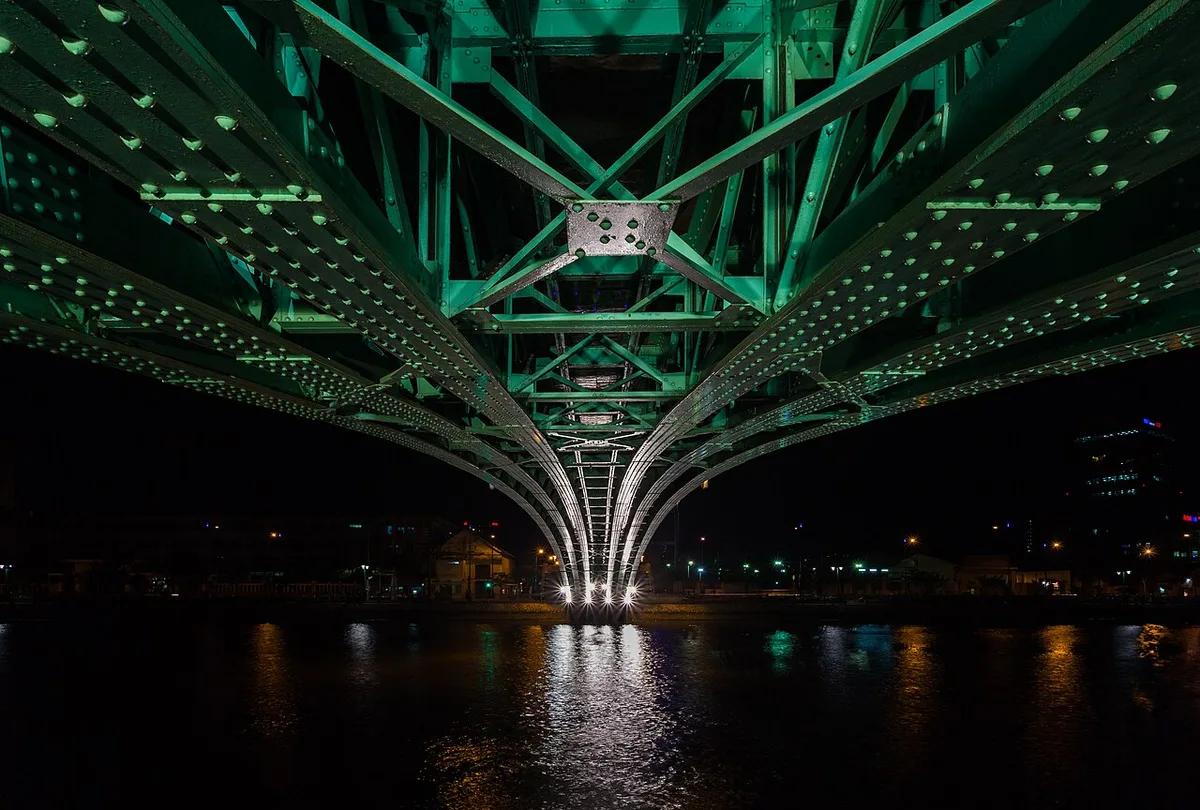
Museums, Art, and Culture in Ho Chi
Museums cluster within District 1's core, making cultural deep-dives possible even on compressed schedules. The War Remnants Museum dominates (as mentioned earlier), but three other institutions deserve brief visits if time permits. All sit within $1 to $2 taxi rides of each other or walkable distances.

The Museum of Vietnamese History shares similar opening hours and explores earlier dynasties and emperors. Entry runs $3 to $5, and most visitors spend 45 to 60 minutes examining artifacts. The museum's courtyard offers shade and quiet breaks between galleries.
The Fine Arts Museum showcases traditional and contemporary Vietnamese artwork across three floors. Photography policies vary between galleries, so check with staff before capturing images. Budget $4 to $6 for entry and 40 to 50 minutes if you walk quickly through sections.
Gallery districts near Dong Khoi Street mix commercial shops with independent art spaces. Wandering these areas costs nothing and connects you to local creatives and street-level culture. Galleries typically open around 9 AM and welcome drop-in visitors without advance bookings.
Art installations and street murals appear throughout District 1 without requiring any entry fees. Photography-savvy layover travelers find rich content between official attractions simply by walking purposefully and staying alert.
Parks, Gardens, and Outdoor Spots in Ho Chi
Green spaces offer mental breaks from chaotic streets and a chance to observe local daily rhythms. Tao Đàn Park sits north of District 1 and attracts locals doing tai chi and morning exercises. Entry is free and the park opens at dawn, making early-morning visits perfect for jet-lagged travelers.
The Saigon River's eastern bank has developed walking paths that connect multiple neighborhoods gradually. Starting near Bitexco Financial Tower, paths stretch toward District 2 with minimal traffic stress. Morning walks reward early risers with misty light and fewer crowds than noon hours bring.
Botanical Garden (Vuon Bach Thao) occupies 50 acres northwest of downtown District 1. Taxi fare runs $3 to $5, but limited layover time makes this a low-priority stop on tight schedules. Park hours run 7 AM to 5 PM daily, with $1 to $2 entry fees for visitors.
The Notre-Dame Cathedral plaza functions as a natural rest point and gathering space between museum visits. Benches, cafes, and shade make it ideal for decompressing before returning to intensive sightseeing. Free water fountains and public restrooms sit within steps of the plaza entrance.
Family-Friendly and Budget-Friendly Options in Ho Chi
Families traveling with children benefit from flexible, low-stress attractions that don't demand rigid timing. Street food tours, markets, and riverside walks let kids move at their own pace without museum fatigue. Budget travelers stretch limited layover hours furthest by minimizing transport costs and entrance fees.
Street food tours run $15 to $30 per person and typically skip major transit between stops. Vendors cluster in markets and alleys, so one geographic zone yields multiple tasting opportunities. Tours start early (7 to 8 AM) and return by late morning, fitting easily into short layovers.
Ben Thanh Market and Binh Tay Market deliver shopping, dining, and cultural immersion simultaneously. Children explore vendor stalls, sample unfamiliar flavors, and watch cash-only haggling dynamics without boredom. Market entry is free and food costs $1 to $3 per item, making this extremely budget-conscious.
Walking tours of District 1 cost $20 to $40 per person with English-speaking local guides. Three-hour morning tours end by noon, leaving time for a final meal before airport return. Guides pace tours for families and adjust pace based on children's energy and interest levels.
Riverside cafes and public spaces provide free rest areas where families recharge between activities. Coffee and iced tea cost $0.50 to $2 and sit-down time lets children (and parents) decompress. Bep Me In offers affordable family-style dining on Le Thanh Ton Street near central attractions.
How to Plan a Smooth Ho Chi Attractions Day
The layover math determines your entire strategy: subtract airport time and return buffer from total hours. A typical flight math looks like: deplaning (60-90 minutes), transit (45-60 minutes), return buffer (3 hours), and sightseeing time (what's left). An 8-hour layover shrinks to roughly 2.5 to 3 actual hours in the city center—not 8.
An 8-hour layover yields only 2.5–3 hours for exploration after accounting for immigration (60–90 minutes), transit (45–60 minutes), and return buffer (3 hours). Build in delays to avoid missed-flight stress.
Book transportation before landing or at the airport to eliminate Grab app queues and 45-minute waits. A pre-arranged taxi or hotel shuttle may be more predictable, but the provider must confirm the pickup and total price. Ride-sharing apps work well for return trips when you control the timeline precisely.
Choose one focused route: either museums or markets or temples, not all three. Jumping between Districts 1, 2, and 5 consumes time in traffic without authentic deep engagement. Seasonal timing influences crowd levels, but layover visitors rarely control arrival dates.
Identify the farthest attraction first (like War Remnants Museum), then work backward toward the airport. This approach avoids backtracking and uses declining energy levels on simpler activities closer to return time. Build a buffer: if you plan 2.5 hours of activities, execute only 2 hours worth to catch unforeseen delays.
Confirm flight delays and gate information 90 minutes before departure, not 30. Airport staff need 30-minute windows to page international passengers; you need 60 for peace of mind. Arriving airport-side too early is preferable to sprinting through security after your watch alarm.
Private Versus Group: Control Versus Fixed Pace
Private guides offer flexibility at the cost of higher per-person fees and self-management responsibility. Group tours run fixed schedules and depart without stragglers, which creates security but sacrifices control. Your choice depends on flight-delay risk tolerance, budget flexibility, and comfort with uncertainty.

Private guides cost $80 to $120 for four-hour half-day tours including transportation. Guides adapt to flight delays, interest changes, and pacing without rigid timelines or group dynamics. Solo travelers and small families benefit most from private guide flexibility and personalized recommendations.
| Option | Cost | Timeline Flexibility | Best For |
|---|---|---|---|
| Private Guide | $80–$120 for half-day | Adapts to flight delays | Solo travelers, small families |
| Group Tour | $60–$90 per person | Fixed departure times | Families with young children |
| DIY Exploration | Saves $40–$50 | Full control, time-consuming | Loose connections (4+ hours) |
Group tours run $60 to $90 per person and hold firm departure times regardless of stragglers. If immigration runs 2 hours instead of 90 minutes, the group departs without you—this is the trade-off. Families with young children and cost-conscious travelers gain value from pre-planned routes and group energy.
DIY exploration saves $40 to $50 but burns precious minutes on navigation, translation, and traffic waiting. The "price" of a missed flight dwarfs any savings from skipping a tour guide. First-time Ho Chi Minh visitors rarely navigate efficiently enough to maximize short layover hours.
Evaluate your post-layover plans: if your next flight is tight, the tour certainty matters psychologically. If you have 4+ hour connections with loose baggage claims, DIY exploration becomes more reasonable. Broader Vietnam itineraries benefit from layover reconnaissance trips that tours can't accommodate.
Can You Legally Step Outside Tan Son Nhat
Leaving the international transit area means formally entering Vietnam, so the rule depends on your passport, travel document, trip purpose, and permitted stay. A short layover does not create a separate visa exemption.
Confirm your status through Vietnam entry requirements, the official visa-exemption list, and the official Vietnam e-visa portal. Do not rely on an airline forum, visa reseller, or another traveler's nationality.
Vietnam currently grants a 45-day unilateral exemption to a defined list of passports under stated conditions. US, Canadian, and Australian passport holders are not on that standard list and generally need an appropriate visa, while Japanese passport holders currently appear on it. Rules can change, so verify the official list close to departure.
If you need an e-visa, obtain approval before travel and check the validity dates, permitted entry point, and number of entries shown on the document. If you cannot establish that you may enter Vietnam, remain airside and ask your airline about transit arrangements.
Even when entry is permitted, allow a conservative return buffer for traffic, security, immigration, and any terminal change. Airport queues vary too much for a published best-case time to be treated as a guarantee.
Ho Chi Minh City Is Worth Visiting Even For A Day
Three focused hours in Ho Chi Minh City deliver more authentic sensory experience than most all-day tours elsewhere. The city's chaotic energy, street food culture, and colonial architecture create overwhelming first impressions that linger. Layover reconnaissance trips often spark return visits lasting weeks or months.
Jet lag works in your favor on arrival layovers: you're naturally disoriented, so Ho Chi Minh's organized chaos feels less intimidating. The adrenaline of navigating a foreign city keeps you alert despite long-haul fatigue. Conversely, late-night arrivals on tight schedules argue for airport lounges and sleep over rushed sightseeing stress.
The War Remnants Museum and Ben Thanh Market combo delivers authentic Vietnamese culture in three hours maximum. You'll see colonial monuments, taste street food, observe local working life, and confirm whether Vietnam suits your travel style. Returning visitors often invest in longer stays or regional itineraries after successful layover visits.
Reality check: if you've worked 14-hour flights from Los Angeles or London, mental energy is depleted. Pushing through exhaustion for rushed sightseeing often creates negative impressions that don't reflect the destination. Honest self-assessment of fatigue levels prevents regret over aggressive layover itineraries.
Staying Airside at Tan Son Nhat During a Short Layover
If your connection is under six hours, staying inside Tan Son Nhat International Airport is usually the safer choice. Follow the international transfer signs rather than immigration, and check your onward gate on the flight-information screens because gate changes are common. Confirm before your first flight that checked baggage is tagged to the final destination; passengers on separate tickets may need to enter Vietnam, collect bags, and recheck them, which requires meeting Vietnam’s entry rules.
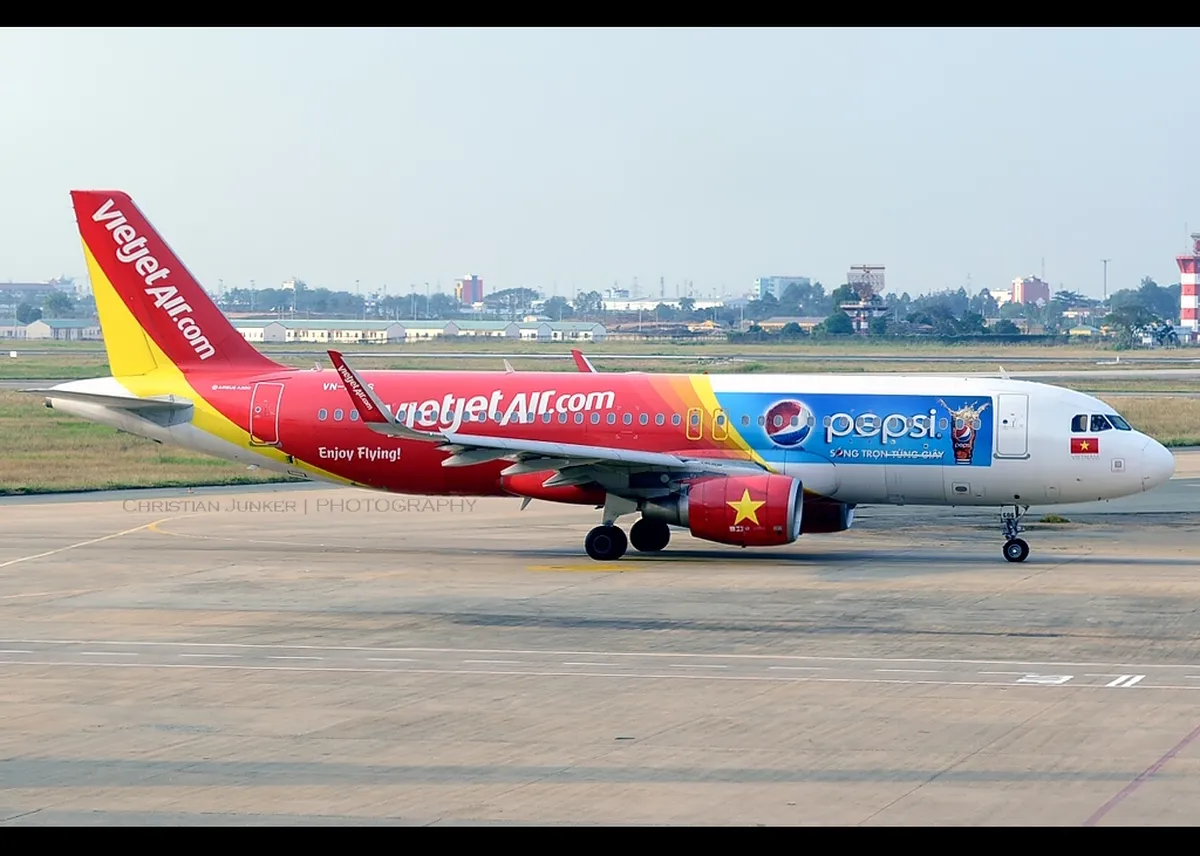
The international terminal has restaurants, cafés, duty-free shops, charging points, and paid lounges beyond security. Le Saigonnais Business Lounge and other contract lounges may offer meals, Wi-Fi, quieter seating, and showers, although access and operating hours depend on the airline, travel class, or lounge program. Keep travel documents and a change of clothes in your cabin bag in case checked luggage remains unavailable during transit.
For an overnight connection, choose a well-lit seating area near your departure concourse but away from busy boarding gates. Set multiple alarms, monitor the screens, and reach the gate when boarding begins rather than relying only on app notifications.
Frequently Asked Questions
How much time do I actually have in Ho Chi Minh City during a layover?
Real time shrinks faster than you expect. From a typical 8-hour layover: subtract 60–90 minutes for immigration and deplaning, 45–60 minutes to transit from Tan Son Nhat to District 1, and 3 hours for your return buffer and airport procedures. That leaves roughly 2.5 to 3 hours of actual boots-on-ground time in the city. A 6-hour layover leaves almost zero margin for delays or complications—immigration queues frequently run 90 minutes alone, consuming your entire window before transit even starts.
Can I leave the airport on my layover if I have a US passport?
A US passport does not receive Vietnam's standard unilateral tourist exemption, so a traveler normally needs an appropriate approved visa before passing immigration. A layover creates no special exception. Confirm the e-visa's dates, entry point, and number of entries; if you cannot establish entry permission, remain airside and contact the airline.
Should I book a private guide, a group tour, or explore alone?
Private guides cost $80–$120 for half-day visits and adapt to flight delays; group tours run $60–$90 per person but depart on fixed schedules regardless of stragglers. DIY exploration saves money but wastes precious minutes on navigation and translation. For tight layover windows under 4 hours, pre-booked certainty matters more than cost savings. If your next flight connection is loose (4+ hours), solo exploration becomes more reasonable. Broader Vietnam itineraries benefit most from layover reconnaissance visits planned carefully beforehand.
What's the cheapest way to travel from Tan Son Nhat Airport to District 1?
Grab (ride-sharing app) costs $5–$8 but involves 45-minute waits during peak hours; official metered taxis start at $10–$15 with no queue delays; airport shuttle buses run $2–$3 but involve scheduled departures and longer travel times. Pre-booking a taxi or hotel shuttle can reduce app-queue stress, but timing is dependable only after the provider confirms the pickup and contingency contact. Time value matters more than $5–$10 savings on compressed layover schedules.
Is a 6-hour layover in Ho Chi Minh City doable?
Technically possible but extremely risky. After immigration (60–90 minutes) and transit (45–60 minutes), you have less than 2 hours in the city plus a 3-hour return buffer. A single flight delay, taxi queue, or museum line eliminates your sightseeing window and creates sprint-back stress. Most travel specialists recommend 8 hours minimum for city visits. If your 6-hour layover is mandatory, staying airside in the airport lounge is often the saner choice—lower stress and fewer missed-flight risks trump seeing 45 minutes of hastily rushed attractions.
Ho Chi Minh City layovers demand realistic expectations about actual available time versus your original boarding pass gap. Between immigration queues, transit delays, and return buffers, most travelers discover only 2.5 to 3 hours for exploration. Honest self-assessment of fatigue, visa status, and risk tolerance determines whether city exits make sense for your specific situation.
Successful layover visits prioritize one focused route—War Remnants Museum and Ben Thanh Market, for example—over scattered multi-district wandering. Pre-arranged transportation eliminates Grab app delays, and early morning starts maximize daylight and minimize crowds. Layover reconnaissance trips spark deeper return visits, turning brief stops into extended itinerary planning opportunities.
Book private guides or group tours in advance if city visits fit your timeline and risk tolerance. Check your passport-specific entry requirements early and use only Vietnam's official e-visa portal if an e-visa is required. Use this guide's timing formulas and logistics hacks to maximize your window into one of Southeast Asia's most electric cities.
Take the route offline
Free: the Ho Chi Minh City route notes
Where to base yourself and what it costs, a day-by-day route that avoids backtracking, real transfer times and fares, seasonal timing, and where it connects onward — condensed from our Ho Chi Minh City guides and made to take offline.
Keep unfolding Vietnam
Continue along the route
Three nearby guides for the next decision in your trip.


