

Photo: Mark Le via Flickr (CC BY 2.0)
Ho Chi Minh City With Kids Travel Guide
Plan ho chi minh city with kids with top picks, neighborhood context, timing tips, and practical booking advice for a smoother trip.
On this page
Ho Chi Minh City is Vietnam's largest hub and a gateway for families exploring the country. The city blends history, culture, and outdoor spaces in ways that engage kids of different ages. From underground tunnel adventures to vibrant markets and water parks, HCMC offers practical variety without breaking family budgets. Last updated July 2026.
Key Takeaways
- Ho Chi Minh City is Vietnam's largest hub and a gateway for families exploring the country.
- The city blends history, culture, and outdoor spaces in ways that engage kids of different ages.
- From underground tunnel adventures to vibrant markets and water parks, HCMC offers practical variety without breaking family budgets.
Take the route offline
Free: the Ho Chi Minh City route notes
Where to base yourself and what it costs, a day-by-day route that avoids backtracking, real transfer times and fares, seasonal timing, and where it connects onward — condensed from our Ho Chi Minh City guides and made to take offline.
Top Ho Chi Minh Attractions for Families
The Cu Chi Tunnels remain the most iconic day trip from the city center. Located about 40 kilometers northwest, they require roughly 2 hours by Grab car. These tunnels were used during the war and now offer crawling passages, some at full adult height. Kids typically enjoy the physical challenge and the historical immersion it provides.
Cu Chi Tunnels suit kids 6+ who don't mind confined spaces. War Remnants Museum works best for ages 10+. Water Puppet Theater and Saigon River Cruises suit all ages. Match attractions to individual maturity and comfort levels.
| Attraction | Recommended Ages | Cost per Person | Duration | Best Time to Visit |
|---|---|---|---|---|
| Cu Chi Tunnels | 6+ | 200,000 VND ($10) | 3–4 hours | Early morning; Ben Dinh has school groups before 2pm |
| War Remnants Museum | 10+ | 100,000 VND adults; 50,000 VND kids ($5–$2.50) | 2–3 hours | 7:30am–6pm; visit early to avoid afternoon heat and crowds |
| Water Puppet Theater | All ages | 100,000–200,000 VND ($5–$10) | 45 minutes | Nightly performances; reserve ahead on peak days |
| Saigon River Cruise | All ages | 150,000–300,000 VND ($7–$15) | 1.5–2 hours | Evening departures 4–5pm for best light |
Entry costs about 200,000 VND ($10) per person at Ben Dioc, the quieter section. The more visited Ben Dinh section costs similarly but draws school groups, especially before 2pm. Travel independently via Grab to avoid pricey tour markups and rigid schedules. Plan 3–4 hours on-site, including time in the gift shop and nearby food stalls.
The Cu Chi Tunnels day trip works best for kids 6 and older who don't mind confined spaces. Younger children may feel anxious in tight passages; assess comfort levels honestly before booking. Bring water, sunscreen, and expect humid conditions even underground. Photography is permitted, so capture moments freely.
The War Remnants Museum delivers Vietnam's modern history with unflinching detail and depth. It's not a traditional entertainment venue; expect war photography, military hardware, and agent-orange memorials. The museum spans multiple floors and can take 2–3 hours to explore thoroughly. Older kids (10+) often find it educational and sobering; younger children may find content distressing.
Admission costs 100,000 VND ($5) for adults and 50,000 VND ($2.50) for kids. The museum sits in central District 1, easily reached by Grab for around 80,000–100,000 VND. English signage is clear, but hiring a guide adds depth if your kids are mature enough. Opening hours are 7:30am to 6pm daily; visit early to avoid afternoon heat and crowds.
Water Puppet Theater offers a uniquely Vietnamese cultural experience suited for all ages. Performances run nightly for about 45 minutes, featuring traditional puppets set to live music. Ticket prices range from 100,000 to 200,000 VND ($5–$10) depending on seat location. The Golden Dragon theater is central and books quickly on peak days, so reserve ahead.
A Saigon River cruise at sunset provides a slower-paced alternative to active sightseeing. Cruises typically last 1.5–2 hours and cost 150,000–300,000 VND ($7–$15) per person. Kids enjoy the breeze, cityscape views, and optional dinner without the physical demands of walking tours. Evening departures (around 4–5pm) capture the best light and avoid peak afternoon heat.
Museums, Art & Cultural Sites with Kids
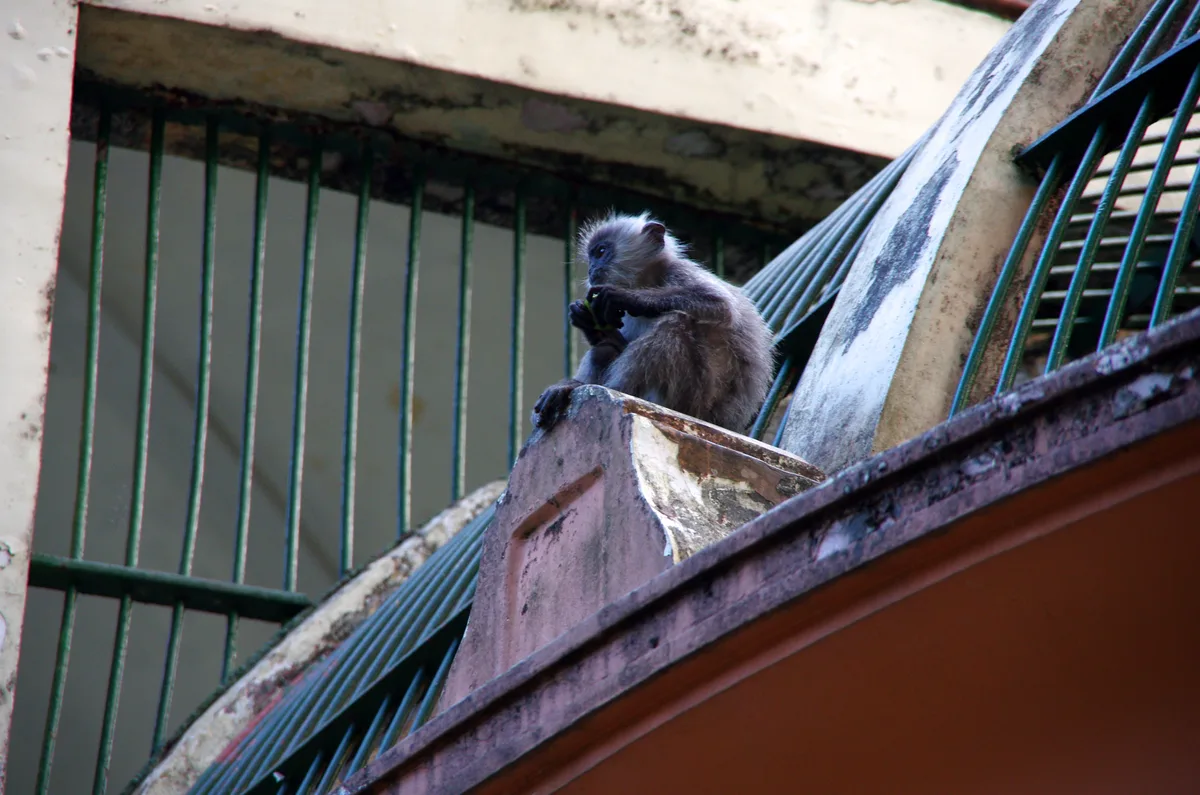
The Mariamman Hindu Temple is a colorful, photogenic stop that kids find visually engaging. Located in District 1, it's a working temple with ornate sculptures, incense, and active worship. There's no entry fee; visitors are welcome to explore respectfully during daytime hours. Explain Hindu traditions briefly before visiting so kids understand the cultural setting.
French colonial buildings scattered across central HCMC tell stories of Vietnam's colonial past. Notable structures include the Saigon Opera House, City Hall, and Notre Dame Cathedral. These can be explored via self-guided walks; photography is permitted but ask before photographing worshippers. Budget 1–2 hours for a leisurely architectural stroll with kid-friendly stops for snacks.
Ben Thanh Market is sensory-rich: packed with vendors, colors, smells, and sounds. Open 5am–6pm as a day market and 6pm–10pm as a night market for leisure shopping. Entry is free; you pay only for food or items purchased—typical snacks cost 20,000–50,000 VND ($1–$2.50) each. Visit Ben Thanh Market between 6pm–8pm for a family-friendly atmosphere; after 9pm the mood becomes more adult-oriented.
The market's food stalls offer safe, popular street eats: banh mi, fresh fruit, pho, and spring rolls. Point at what you want or use simple English; most vendors understand basic travel requests. Expect crowds and noise; this is part of the authentic experience but may overwhelm sensitive kids. Bring hand sanitizer and advise kids to choose vendor-prepared foods, not shared bowls.
The Palace of Independence (Reunification Palace) sits imposingly in downtown HCMC. Guided tours reveal furnished rooms and historical context, typically lasting 30–45 minutes. Admission is 100,000 VND ($5) per person; tours run several times daily in English. Kids ages 8+ usually appreciate the grandeur and audio-guide stories; younger visitors may lose focus.
Parks, Gardens & Water Activities
Tao Dan Park is a free, accessible green space in central HCMC with playgrounds and sculptures. No entry fee applies; it's ideal for cooling off, letting kids play, and people-watching. Early mornings (6–8am) are quietest; weekends draw more families and locals. Bring a water bottle and wear sunscreen; shade is limited in open areas.
Dam Sen Water Park offers a full day of aquatic relief from HCMC's heat and density. Located outside the city center (about 10 kilometers), it requires a 200,000 VND ($10) Grab ride. Entry costs roughly 200,000–300,000 VND ($10–$15) per person depending on day and season. The park includes slides, pools, and wave machines suitable for ages 3 and up.
Peak times attract school groups, especially weekdays after 2pm; arrive by 10am instead. A full day on-site spans 4–5 hours comfortably; half days (mornings only) work too. Bring sun protection, change clothes, and cash for food inside (overpriced but necessary). Locker rental costs extra (around 50,000 VND); weigh security against convenience.
The Mekong Delta day tour is a long but rewarding excursion from the city. Tours depart around 7:30am and return by 5–6pm, making for a 9–10 hour day. Costs typically range from 400,000 to 800,000 VND ($20–$40) per adult, with kids often at half price. Tours include boat rides through waterways, floating markets, and local home visits.
The experience exposes kids to rural Vietnam, tropical agriculture, and a slower pace of life. Small children (under 5) may struggle with the duration; ages 6+ generally enjoy the novelty. Bring snacks, water, hats, and seasickness medication if prone; boats rock on open water. Book via your hotel or trusted tour operators to ensure English-speaking guides and preferred group sizes.
Food, Markets & Street Dining
Bến Nghé Street is a pedestrian food alley packed with vendor stalls and plastic chairs. It opens in the evening (around 5pm) and thrives between 6pm–8pm with locals and tourists. Stalls offer grilled meat skewers, seafood, noodle soups, and fresh fruit juice, most priced 20,000–50,000 VND per serving. After 8–9pm the vibe becomes more adult-focused; earlier hours suit families best.
No menus exist; point to what other diners have or ask hotel staff to write your order in Vietnamese. Food safety is generally good—stalls with fast turnover and visible cooking are your best bet. Kids often enjoy the casual, social atmosphere and novelty of eating street-side under lights. Plan 45 minutes to an hour for a full meal, including ordering and eating time.
Ben Thanh Market also offers sit-down or stand-up eating in dedicated food zones. Banh mi sandwiches, spring rolls, and pho are staples; most meals cost 40,000–80,000 VND ($2–$4). The food court is rowdy and crowded but safe; crowds are part of the charm. Visit early (11am–1pm) for less congestion and better lunch selection.
Walking Street (Nguyen Hue) has evolved into a modern dining and entertainment strip. Restaurants here cater to tourists and expats; prices are higher than street stalls (100,000+ VND per dish). Best for families between 6pm–8pm when the pedestrian zone is lively but not rowdy. Many venues have kids' menus and air-conditioning; they're good backups on very hot or rainy days.
Getting Around & Planning Your Day
The Grab ride-sharing app transformed family transportation in HCMC completely. Install it before arrival; fares are transparent (no haggling), typically 60,000–120,000 VND ($3–$6) per ride. Larger vehicles (Grab XL) accommodate more luggage and car seats if needed. Payment via credit card or local SIM avoids cash exchange hassles.
Avoid outdoor activities between 10am–3pm due to intense tropical heat and humidity. Schedule museums, markets, and shaded indoor spaces during this window. Plan rest periods in air-conditioned cafés or hotels every 3–4 hours of activity.
Traditional taxis still operate but require negotiating fares and speak limited English. For airport pickup, pay in advance via Grab (around 150,000–200,000 VND, or $7–$10) to avoid taxi-stand markup pressure. Taxis from hotels are easier to arrange but cost more; Grab remains the family-friendly default. Motorbike taxis exist for single passengers but aren't practical for families with kids and luggage.
Heat management is critical when traveling with kids in HCMC's tropical climate. Avoid midday outdoor activities between 10am–3pm; schedule museums, markets, and shaded spots during this window. Stay hydrated; carry water bottles and refill frequently (tap water is safe in hotels but buy bottled elsewhere). Plan rest periods in your hotel or air-conditioned cafés every 3–4 hours of activity.
Accommodation options range widely; budget hotels near District 1 offer cleanliness and access. Family rooms or two-bed options run 400,000–800,000 VND ($20–$40) per night. Neighborhoods like Ben Thanh or Nguyen Hue put you near major attractions and restaurants. Book ahead during school holidays to secure family-friendly rooms; online reviews on TripAdvisor are reliable.
A typical day structure might be: morning hotel breakfast, late-morning museum visit, lunch at Ben Thanh Market. Then rest during peak heat, followed by park visit or water activity around 4pm. Dinner can be street food (6–8pm) or sit-down restaurant; many kids adapt quickly to Vietnamese meal times. Build in flexibility for meltdowns, unexpected crowds, or rainy days—plans rarely survive contact with tired kids.
Ho Chi Minh City For Kids: Why It Works
HCMC has emerged as a go-to family destination in Southeast Asia, and the reputation is earned. The city combines low costs, cultural density, modern services, and enough kid-focused infrastructure to avoid constant friction. Families can spend quality time without exhausting budgets or navigating too many language barriers.
Vietnam's cost advantage means a family of four eats, sleeps, and entertains itself for $80–$150 per day. Attraction prices are modest: museums cost $2–$5, day trips $20–$40, and street meals $1–$3. This budget headroom lets parents say yes to spontaneous outings without guilt. Families from high-income countries often rediscover fun because money stress dissolves.
The city balances urban intensity with accessible green space and quiet neighborhoods. District 1 and District 2 (Thao Dien) offer expat-friendly areas with cafés, parks, and familiar safety standards. Yet venturing into markets and street areas exposes kids to authentic Vietnam, not a sanitized resort version. This blend—comfort plus adventure—appeals to both parents and kids.
Families increasingly choose southern Vietnam itineraries that anchor in HCMC, then fan out to Da Lat, the Mekong, or coastal areas. HCMC's airport, hotel density, and Grab network make it the easiest base for longer trips. Kids adapt to Vietnam faster than many destinations; the food, culture, and pace normalize quickly. Returning families often book follow-up trips, suggesting HCMC hits a sweet spot for family travel.
Where to Stay in Ho Chi Minh City with Kids
District 1 is the most convenient base for a short family visit. Staying near Ben Thanh, Nguyen Hue Walking Street, or Tao Dan Park keeps restaurants, museums, and major sights within a short Grab ride. The tradeoff is traffic noise, limited pavement space, and busy evenings, so request a room away from the street and check whether windows are soundproofed.
For a quieter stay, consider Thao Dien in Thu Duc City, formerly District 2. This residential area has supermarkets, international restaurants, cafés, playgrounds, and larger serviced apartments that suit families needing a kitchen or laundry facilities. However, crossing the Saigon River to central attractions can take much longer during rush hour, making Thao Dien less practical for an itinerary focused on District 1.
Before booking, confirm that the property has family rooms rather than assuming an extra bed is available. A swimming pool, included breakfast, lift access, and nearby convenience store can matter more than luxury finishes. Families arriving late should also arrange airport pickup or use Grab, as Tan Son Nhat Airport traffic is unpredictable.
Official Planning Checks Before You Go
Use the official Vietnam Tourism Ho Chi Minh City guide for destination context and the official Vietnam Tourism transport overview for a second official baseline. Recheck any opening hour, fare, timetable, closure, access rule, weather risk, or booking condition with the responsible operator shortly before travel; an official destination overview is not a live inventory or service guarantee.
For the wider route context, continue with Ho Chi Minh City Travel Planning Hub Travel Guide, and Ho Chi Minh City 3 Day Itinerary Guide before fixing this stop in your itinerary.
Frequently Asked Questions
What is the best time to visit Ho Chi Minh City with kids?
November to January offers cooler, drier weather ideal for families (25–28°C, or 77–82°F). September and October see fewer tourists and lower prices but higher humidity. Avoid May–September if you're heat-sensitive; the city becomes oppressive and exhausting. School holidays in July–August attract crowds but offer shorter operating hours at some attractions. Any season works with smart planning: heat avoidance, hydration, and air-conditioned breaks.
How long should we spend in Ho Chi Minh City with kids?
Three to four days allows time for the War Remnants Museum, Cu Chi Tunnels day trip, a park afternoon, and market exploration without rushing. Two days works if you focus on inner-city attractions only. A week suits families who want deep market dives, multiple water-park visits, and relaxed meal timing. Most families balance attractions with rest; kids exhaust faster in heat and humidity, so build in pool or hotel downtime.
Is Ho Chi Minh City safe for kids?
HCMC is generally safe for families in well-traveled areas (District 1, Ben Thanh, Walking Street). Petty theft is rare but possible; watch bags and don't flash valuables. Traffic is intense and chaotic; traffic lights are suggestions, so supervise kids crossing streets closely. Nightlife areas can be rowdy late (after 10pm), so keep kids away. Medical care is modern in central areas. Overall, HCMC is safer for families than Bangkok or Manila.
What should kids pack for a trip to Ho Chi Minh City?
Lightweight, breathable clothing, hats, and strong sunscreen are essential year-round. Bring swimwear for water parks and hotel pools; most families swim daily to cool off. Closed-toe shoes are recommended for temple visits and markets (not scandalous, but respectful). Medications should include diarrhea tablets and fever reducers; pharmacies are good but simpler to travel prepared. Insect repellent is useful year-round. Portable chargers for phones and tablets help keep kids content during long Grab rides or market waits.
What's the difference between Saigon and Ho Chi Minh City?
Saigon is the old colonial name; Ho Chi Minh City (HCMC) is the official name post-1975. Both refer to the same city. Locals and travelers use both interchangeably, so don't be confused when signs or taxi drivers mention 'Saigon.' The name change reflects Vietnam's political history, but for practical travel purposes, they're identical.
Ho Chi Minh City offers families a rare blend of culture, affordability, and kid-friendly activities. From underground tunnel adventures to floating-market day trips, there's enough variety to please different ages. The city's low costs and good services mean less parental stress and more genuine family time.
Planning around heat, crowds, and your kids' energy levels transforms a good trip into an exceptional one. Build rest days, choose attractions that match ages and interests, and don't overpack the itinerary. HCMC rewards families who embrace spontaneity and local flavor while maintaining comfort boundaries.
Take the route offline
Free: the Ho Chi Minh City route notes
Where to base yourself and what it costs, a day-by-day route that avoids backtracking, real transfer times and fares, seasonal timing, and where it connects onward — condensed from our Ho Chi Minh City guides and made to take offline.
Keep unfolding Vietnam
Continue along the route
Three nearby guides for the next decision in your trip.


