

Photo: SqueakyMarmot via Flickr (CC BY-SA 2.0)
Best Time To Visit Ho Chi Minh City Travel Guide
Plan the best time to visit Ho Chi Minh City with seasonal breakdown, weather patterns, pricing comparisons, packing tips, and practical daily-rhythm advice.
On this page
December to February is the best time to visit Ho Chi Minh City. Cooler temperatures at 21-27°C (70-81°F), lower humidity, and minimal rainfall make walking and outdoor exploration comfortable. Last updated July 2026.
Shoulder seasons (March-April and October-November) offer alternatives with tradeoffs. March-April stays dry but heat rises to 28-34°C (82-93°F), requiring slower midday pacing. October-November transitions from rain with fewer crowds and moderate prices.
Your ideal season depends on weather tolerance, budget, and activity focus. Comfort seekers prioritize December-February; budget travelers target May-September. All seasons work for museum visits and cultural exploration when outdoor timing adjusts.
Key Takeaways
- December to February is the best time to visit Ho Chi Minh City.
- Cooler temperatures at 21-27°C (70-81°F), lower humidity, and minimal rainfall make walking and outdoor exploration comfortable.
- Shoulder seasons (March-April and October-November) offer alternatives with tradeoffs.
- March-April stays dry but heat rises to 28-34°C (82-93°F), requiring slower midday pacing.
Take the route offline
Free: the Ho Chi Minh City route notes
Where to base yourself and what it costs, a day-by-day route that avoids backtracking, real transfer times and fares, seasonal timing, and where it connects onward — condensed from our Ho Chi Minh City guides and made to take offline.
Season Comparison
Ho Chi Minh City follows a tropical monsoon climate with two primary seasons. The dry season (December to April) brings predictable weather ideal for walking. The rainy season (May to November) brings afternoon showers, higher humidity, and reduced prices.
Each season appeals to different travelers based on priorities. December-February attracts comfort-focused visitors; May-September attracts budget travelers. March, April, and October-November serve as shoulder seasons with mixed conditions.
| Season | Months | Weather | Crowds | Prices | Best For |
|---|---|---|---|---|---|
| Dry Season | December to February | 21-27°C / 70-81°F, sunny, <100mm monthly rain | Peak (busy streets) | Hotels $50-100/night | Comfort seekers, walkers |
| Late Dry | March to April | 28-34°C / 82-93°F, hot, minimal rain | Moderate | Hotels $45-80/night | Heat-tolerant travelers |
| Early Rainy | May to June | 28-32°C / 82-90°F, afternoon showers | Fewer crowds | Hotels $30-50/night | Budget travelers |
| Peak Rainy | July to October | 27-32°C / 81-90°F, frequent rain, humid | Lowest crowds, local vibe | Hotels $25-40/night | Flexible budget travelers |
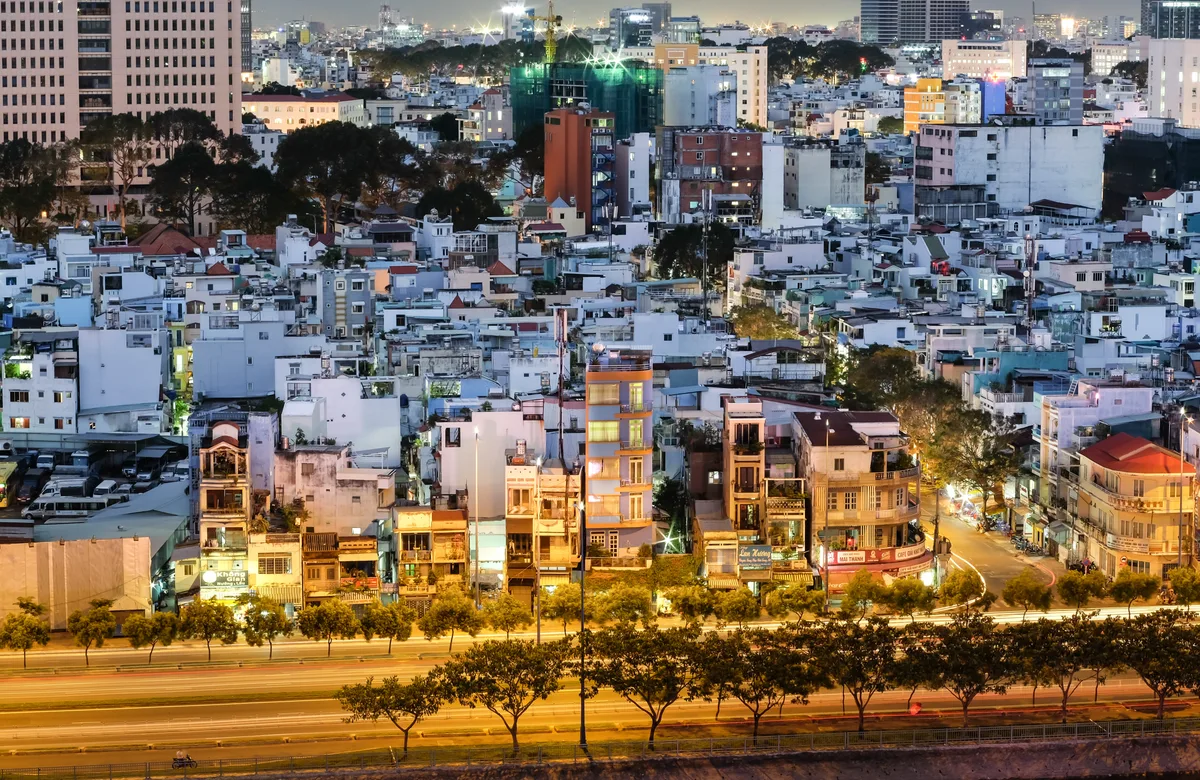
Which Season Is Right for You?
Choosing your season depends on three factors: weather tolerance, budget, and activity priorities. Comfort seekers should aim for December-February. Budget travelers should target May-September for 40-60% lower hotel rates.
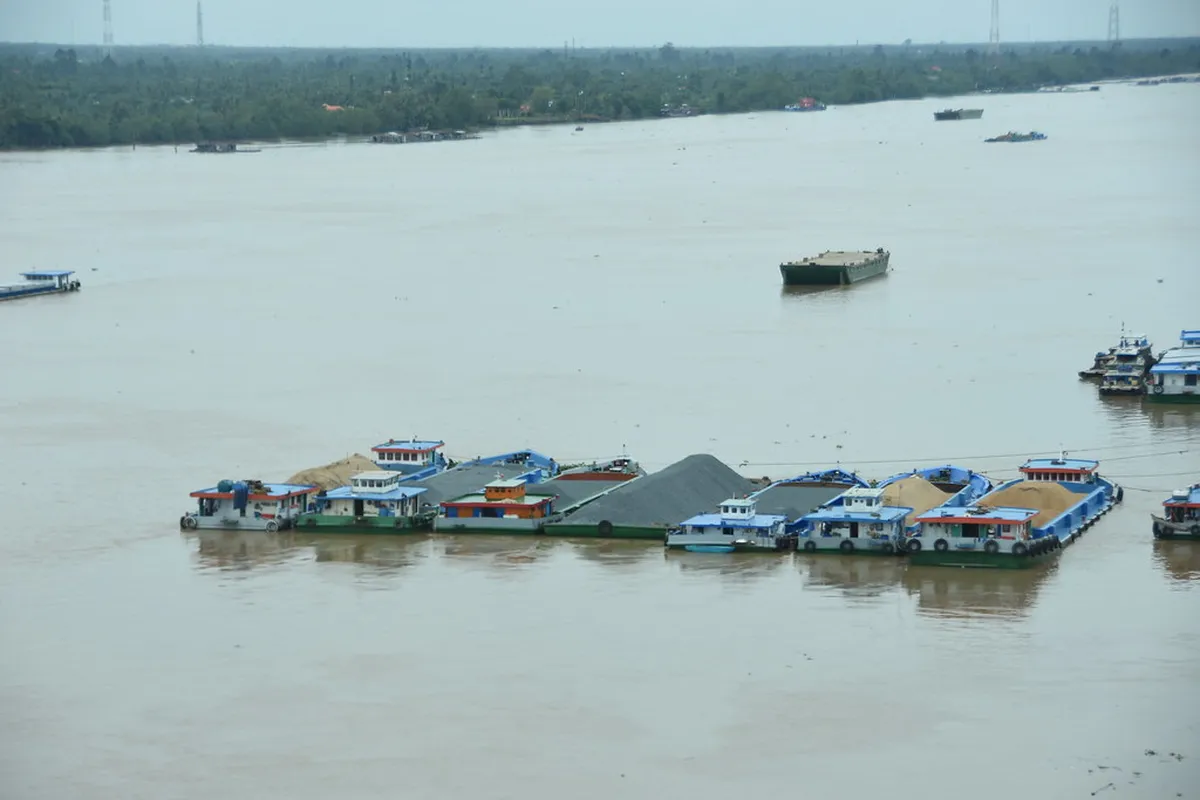
Weather comfort ranks highest for many visitors seeking all-day exploration. Walking tours, open-air markets, and evening street dining work best December-February at 21-27°C (70-81°F). If museums, shopping malls, and cafes appeal during peak heat, May-November removes time-of-day constraints.
Pricing varies dramatically across seasons. Peak season (December-February) commands premiums of $50-100/night for mid-range hotels. Low season (May-September) offers $25-50/night — a 40-60% reduction for identical properties.
- Pick December to February if you want
- Comfortable walking in warm but manageable heat
- Predictable weather for all-day outdoor plans
- Pick March to April if you want
- Guaranteed dry weather without peak crowds
- Willingness to reserve midday for museums or rest
- Pick May to September if you want
- Budget accommodation at 40-60% discounts
- Flexibility with afternoon rain and indoor alternatives
- Pick October to November if you want
- Shoulder-season balance of comfort and pricing
- Preference for fewer crowds than peak season
Best Time for Museums, History, and Indoor Cultural Experiences
Museums, galleries, and historical sites remain accessible year-round. Indoor exploration becomes most appealing during rainy months (May-November) when outdoor heat or rainfall limits street time. Attractions like the War Remnants Museum, Central Post Office, and History Museum serve as excellent anchors regardless of season.
Rainy months, particularly August and September, often provide significantly shorter museum queues—typical 2-3 hour waits reduce to 30-45 minutes compared to December-February's peak season.
December-February offers optimal conditions for combining museum visits with outdoor exploration. Most visitors alternate between indoor attractions during midday peak heat (11am-3pm) and street exploration during early mornings. Layover visitors with limited time should prioritize morning museum entry to avoid long queues.
Rainy months often provide shorter queues at major attractions. August and September see typical 2-3 hour waits reduced to 30-45 minutes compared to December-February. Tet (late January to early February) brings cultural festivals but also significant closures — many smaller galleries shut for 3-5 days.
Best Time for Walking, Sightseeing, and Food Exploration
Walking and street-level exploration define Ho Chi Minh City's identity. The ideal window is December-February, when 21-27°C (70-81°F) temperatures allow full-day walking without exhaustion. Early mornings (6-9am) and late afternoons (4:30-7pm) offer comfortable conditions year-round.
District 1, District 3, and Ben Thanh Market buzz with energy during these windows. Street food exploration — markets, hawker stalls, restaurant patios — rewards most during dry season when outdoor seating feels pleasant. Day trips to Ben Tre for local market immersion work best before 10am and after 4pm.
March-April walking remains feasible but requires structured pacing. Plan major sightseeing for early morning; reserve 11am-3pm for cafes, museums, or hotel rest. Resume late afternoon (4:30-7pm) when temperatures moderate below 32°C (90°F).
Rainy months (May-November) reduce continuous street appeal but enable morning exploration. Morning hours (6am-11am) typically stay dry for markets and food tours. Many travelers find the quieter atmosphere and authentic local rhythm more rewarding than peak-season crowds.
Practical Planning Tips: Packing, Timing, and Daily Rhythm
Ho Chi Minh City's daily rhythm shifts with season and time of day. Early mornings (6-9am) remain reliably comfortable year-round and ideal for markets, walking tours, and street photography. Late afternoons (4:30-7pm) provide equal comfort as evening breezes settle in.
Most visitors alternate between indoor attractions (museums, malls, cafes) during midday peak heat (11am-3pm) and outdoor exploration during early mornings and late afternoons for maximum comfort.
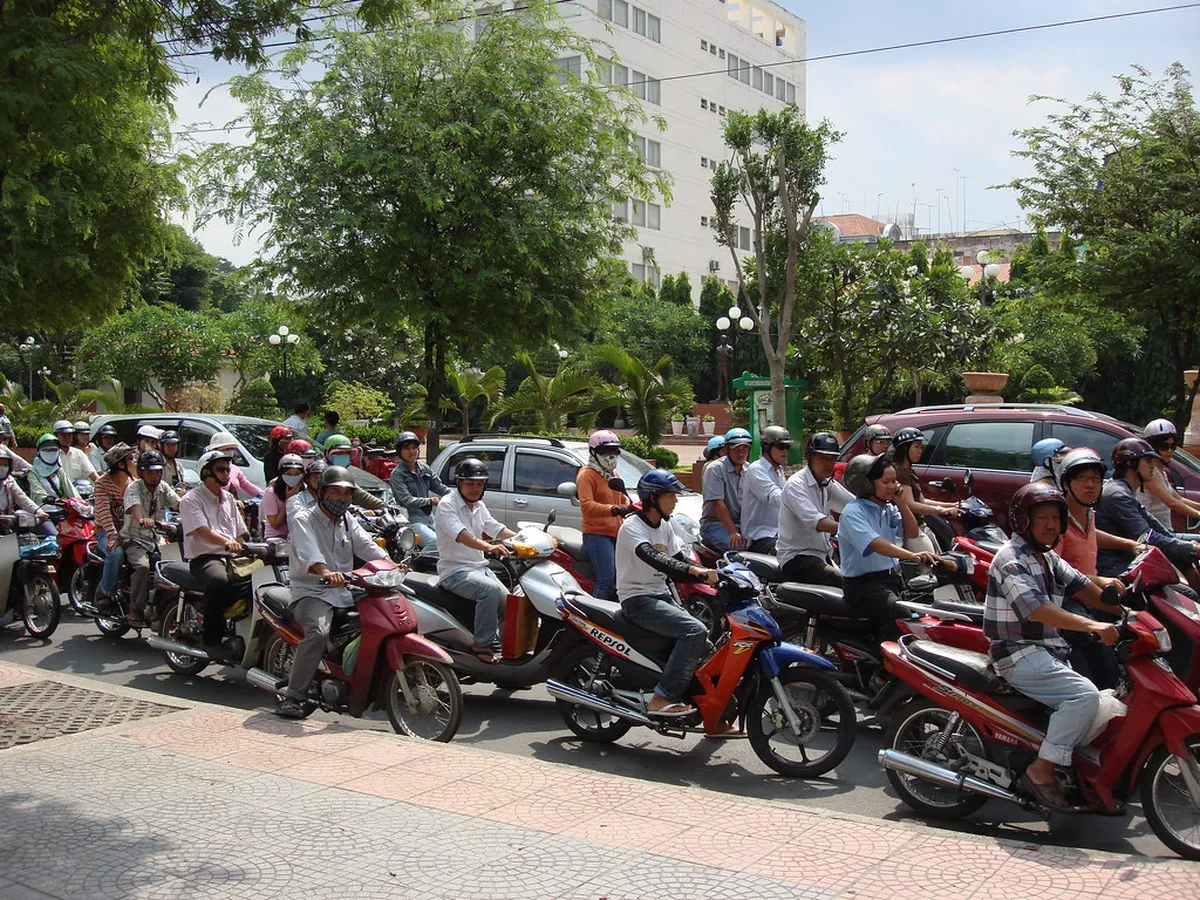
Midday timing (11am-3pm) requires caution year-round but intensifies May-November. Plan indoor activities — museums, malls, cafes, or hotel rest — during this window. Air-conditioning is ubiquitous, but outdoor activity becomes slow and strenuous during midday peak.
Transportation and closures shift seasonally in nearby areas. Mekong Delta ferry services to Ben Tre and Can Tho operate year-round but thin schedules during May-September. Planning a Mekong comparison trip requires early booking during peak season (December-February).
Some family-run restaurants close during Tet (late January to early February) when owners return home. Island ferries maintain service but run fewer trips during low season. Plan flexibility into itineraries if visiting May-September; morning departures usually succeed best.
What to Pack
Packing shifts noticeably by season; common items anchor both. Dry-season travelers (December-February) prioritize lightweight, breathable clothing for all-day walking. Rainy-season travelers (May-November) prioritize quick-dry fabrics and waterproof protection.
- Dry Season (December to February)
- Lightweight cotton shirts and shorts (plan 10k+ daily steps)
- Sunscreen (SPF 50+) and UV-blocking sunglasses
- Comfortable walking shoes broken in before arrival
- Light cardigan or scarf (air-conditioning can shock)
- Casual evening wear for restaurants and rooftop bars
- Small daypack for walking exploration
- Rainy Season (May to November)
- Quick-dry clothing (cotton blends, linen, synthetics)
- Waterproof backpack cover or dry bag for electronics
- Compact umbrella or lightweight rain poncho
- Water-resistant sandals or quick-drying shoes
- Moisture-wicking layers (rayon, linen, technical fabrics)
- Microfiber towel (packs small, dries fast)
- Antifungal toiletries (humidity increases fungal risk)
- Year-Round Essentials
- Layers for intense air-conditioning in malls and hotels
- Comfortable walking shoes (non-negotiable)
- Portable phone charger and waterproof pouch
- Medications and first-aid basics
Best Time to Avoid Crowds and Holiday Disruptions
For lighter crowds without the heaviest rainy-season conditions, consider March or late October through November. March follows the December–February peak but remains mostly dry, while late October and November usually offer improving weather before year-end visitor numbers rise. Visit major District 1 sights, including the War Remnants Museum, Independence Palace, and Ben Thanh Market, early in the day to avoid tour-group congestion.
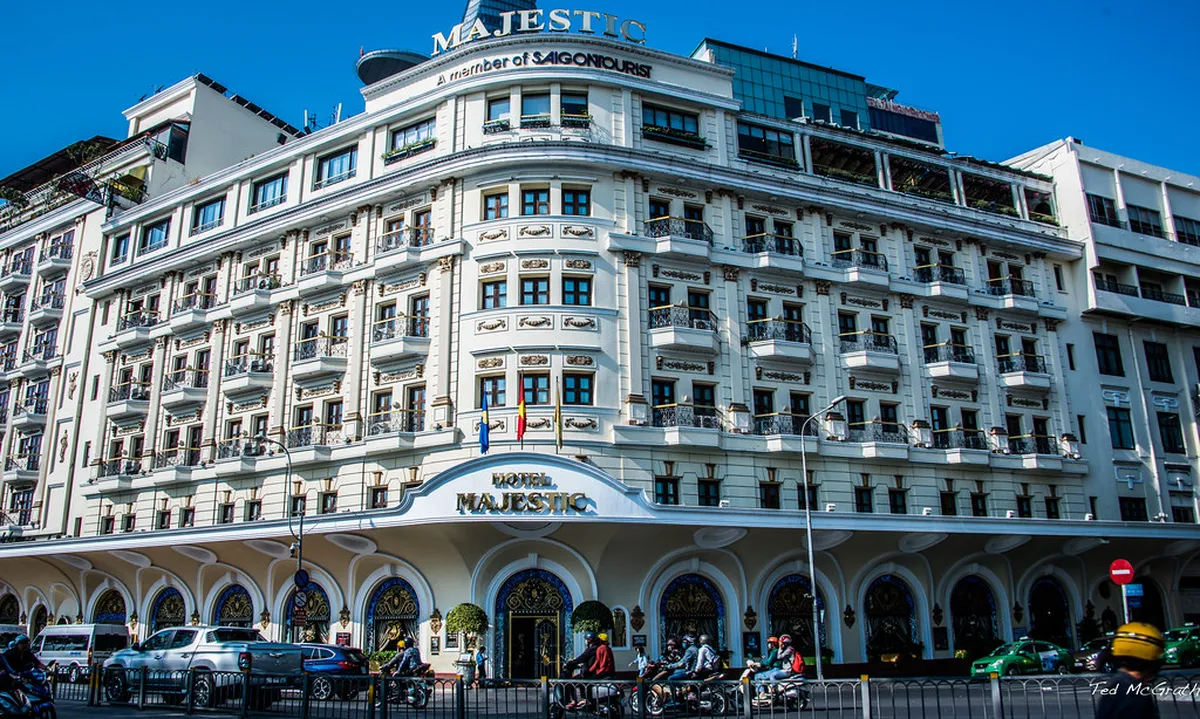
Check Vietnam’s holiday calendar before booking. Tet, which falls in January or February depending on the lunar calendar, can disrupt normal routines for several days. Family-run restaurants, independent shops, and smaller galleries may close, while airports, trains, and intercity buses become busy as residents travel home. The public-holiday period around Reunification Day on April 30 and International Labour Day on May 1 can also increase domestic travel and demand for transport to destinations such as Vung Tau, Da Lat, and the Mekong Delta.
If visiting during a holiday, reserve long-distance transport and accommodation early, confirm attraction hours directly, and keep flexible dining options such as hotel restaurants, shopping centers, and established District 1 venues.
Frequently Asked Questions
What is the single best month to visit Ho Chi Minh City?
December offers ideal conditions — temperatures peak comfort at 21-27°C (70-81°F), rainfall stays minimal under 100mm, and the city energizes without overwhelming crowds. January and February work similarly, though February brings Tet cultural festivals alongside some business closures.
Is May a good time to visit Ho Chi Minh City?
May works well for budget travelers and flexible explorers. Afternoon showers usually arrive after 2pm, leaving mornings (6am-11am) dry for street exploration. Hotels cost 40-50% less ($30-50/night vs $50-100/night peak), and luggage storage services help day-trippers navigate early and late plans.
When should I avoid Ho Chi Minh City?
April brings intense heat (35-38°C / 95-100°F) that exhausts walkers quickly despite dry conditions. Late July-early September hits peak rainfall and humidity. However, these periods work if you structure days around early mornings (6-9am), plan indoor activities, and consult Ho Chi Minh City weather chart for detailed month-by-month conditions.
How many days do I need in Ho Chi Minh City?
Three to four days covers District 1, District 3, Ben Thanh Market, War Remnants Museum, and street food experiences comfortably. Five to six days allows Mekong Delta day trips and deeper neighborhood exploration. Weather impacts pacing — expect slower progress during May-November due to heat management and occasional rain interruptions.
Is the dry season really that crowded?
Yes, December-February brings peak tourist season and higher prices ($50-100/night for mid-range hotels). Major attractions remain navigable outside 7-8am and 5pm+ windows. If crowds matter more than weather comfort, March-April or October-November offer better balance with moderate prices ($35-80/night) and fewer visitors.
What's closed during the rainy season?
Most attractions operate year-round, but ferry schedules thin during low season and some restaurants close during Tet (late January-February). Check venue hours before August-September visits to smaller galleries. For seasonal closure details, consult Ho Chi Minh City resources for current transportation and closure updates.
Ho Chi Minh City rewards visitors across all seasons when expectations match conditions. December-February delivers the easiest experience with comfortable weather, predictable days, and vibrant street life. May-September suits budget travelers and those who embrace morning exploration, indoor cultural experiences, and flexible scheduling.
The right time depends on balancing weather comfort, budget, and activity priorities. Early-morning exploration (6-9am) works year-round; late-afternoon breaks (4:30-7pm) structure afternoon heat or rain management. Book accommodations at least 2-3 months ahead during December-February to secure preferred pricing and locations.
Take the route offline
Free: the Ho Chi Minh City route notes
Where to base yourself and what it costs, a day-by-day route that avoids backtracking, real transfer times and fares, seasonal timing, and where it connects onward — condensed from our Ho Chi Minh City guides and made to take offline.
Keep unfolding Vietnam
Continue along the route
Three nearby guides for the next decision in your trip.


