

Ho Chi Minh City Markets Guide Travel Guide
Plan your ho chi minh city markets guide with top picks, neighborhood context, timing tips, and practical booking advice for a smoother market experience.
On this page
Ho Chi Minh City's markets are a pulsing heart of local life, commerce, and culture. Last updated July 2026. Shopping here ranges from tiny street stalls to four-story indoor malls, each with distinct atmosphere and offerings for visitors.
Whether you're seeking traditional handicrafts, cheap designer knockoffs, or fresh produce, HCMC markets deliver both authenticity and variety. The city blends colonial-era Ben Thanh Market with modern establishments, creating a shopping landscape unlike anywhere else in Southeast Asia. Bargaining is expected, crowds peak in early morning, and genuine deals require knowing where locals actually shop.
This guide cuts through tourist traps and shows which markets suit your schedule and spending style. You'll learn specific hours, locations, specialty items, and practical tips for navigating district by district. From wholesale Binh Tay to upscale Saigon Square, discover where to find authentic souvenirs, fashion, and local products.
Key Takeaways
- Ho Chi Minh City's markets are a pulsing heart of local life, commerce, and culture.
- Shopping here ranges from tiny street stalls to four-story indoor malls, each with distinct atmosphere and offerings for visitors.
- Whether you're seeking traditional handicrafts, cheap designer knockoffs, or fresh produce, HCMC markets deliver both authenticity and variety.
- The city blends colonial-era Ben Thanh Market with modern establishments, creating a shopping landscape unlike anywhere else in Southeast Asia.
Take the route offline
Free: the Ho Chi Minh City route notes
Where to base yourself and what it costs, a day-by-day route that avoids backtracking, real transfer times and fares, seasonal timing, and where it connects onward — condensed from our Ho Chi Minh City guides and made to take offline.
Best Markets in Ho Chi Minh City
Ben Thanh Market stands as HCMC's most iconic shopping destination in District 1 near the old French Quarter. Operating from 6:00 AM to midnight daily, it offers textiles, souvenirs, handicrafts, fresh produce, seafood, and spices. The main hall pulses with activity, but certain stalls continue serving diners until 10:00 PM for late-night browsing.
Binh Tay Market in District 5 (Chinatown) serves as the city's wholesale heart and covers more ground than Ben Thanh. Peak crowd times run 8:00-11:00 AM and 2:00-5:00 PM, making mid-morning or late afternoon quieter visits possible. The authentic atmosphere and lower prices attract both locals buying bulk supplies and tourists hunting deals on luggage, handbags, and household goods.
| Market | District | Hours | Best For | Price Range |
|---|---|---|---|---|
| Ben Thanh Market | 1 | 6:00 AM–Midnight | Souvenirs, textiles, handicrafts | Medium to high |
| Binh Tay Market | 5 | 6:00 AM–6:00 PM | Wholesale, luggage, bulk buys | Budget-friendly |
| An Dong Market | 5 | 8:00 AM–2:00 PM | Fashion, fabrics, handicrafts | Negotiable, budget |
| Thai Binh & Xom Chieu | 6 | 7:00 AM–6:00 PM | Produce, textiles, wholesale goods | Lowest wholesale rates |
An Dong Market occupies a four-story indoor structure on An Duong Vuong Street, District 5, just 10 minutes from downtown. Operating 8:00 AM to 2:00 PM daily, it specializes in fashion clothes and handicrafts with prices you can bargain down. The covered indoor layout beats weather concerns, making it ideal for hot or rainy days.
Thai Binh Market at 57A Thap Muoi Street in District 6 runs 8:00 AM to 5:00 PM and attracts budget-conscious shoppers. Xom Chieu Market, also in District 6 at 57 Thap Muoi, spans 7:00 AM to 6:00 PM with everything from produce to textiles at wholesale prices. Both serve local residents primarily, offering genuinely cheap goods where haggling can yield 30% reductions easily.
- Ben Thanh Market
- District: 1 (central)
- Hours: 6:00 AM - 24:00
- Best for: souvenirs, textiles, handicrafts
- Vibe: tourist-friendly, crowded peak hours
- Price range: medium to high
- Binh Tay Market
- District: 5 (Chinatown)
- Hours: 6:00 AM - 6:00 PM
- Best for: wholesale, luggage, bulk buys
- Vibe: local-focused, authentic
- Price range: budget-friendly
- An Dong Market
- District: 5
- Hours: 8:00 AM - 2:00 PM
- Best for: fashion, fabrics, handicrafts
- Vibe: covered, climate-controlled
- Price range: negotiable, budget
- Thai Binh & Xom Chieu
- District: 6
- Hours: 7:00 AM - 6:00 PM
- Best for: produce, textiles, everything
- Vibe: local wholesale, less touristy
- Price range: lowest wholesale rates
What to Shop in Ho Chi Minh City
Conical hats (Nón Lá) are iconic Vietnamese souvenirs available at every market with prices ranging widely by quality. Ao Dai, the traditional Vietnamese dress, works as formal wear or photo-opportunity costume; street vendors offer tourist versions under 200,000 VND. Cheap designer knockoffs flood District 1 street shops and market stalls, though quality varies and authenticity doesn't exist here.
Handcrafted ceramics, vases, embroidery, and sand paintings showcase Vietnamese artisan skills and cost far less here than abroad. Seek these at An Dong Market, Saigon Square, and dedicated handicraft stalls where local makers sell direct or near-direct. Marou chocolate, Vietnamese coffee, and Lotus tea represent premium local products that store well and gift easily.
Propaganda art posters and vintage propaganda prints appeal to collectors seeking authentic Cold War-era communist memorabilia. Lacquerware trays, bowls, and decorative boxes offer refined souvenirs that pack safely into luggage when wrapped carefully. Antiques and vintage collectibles concentrate at Antique Market Cafe where furniture, old maps, and retro goods attract serious collectors.
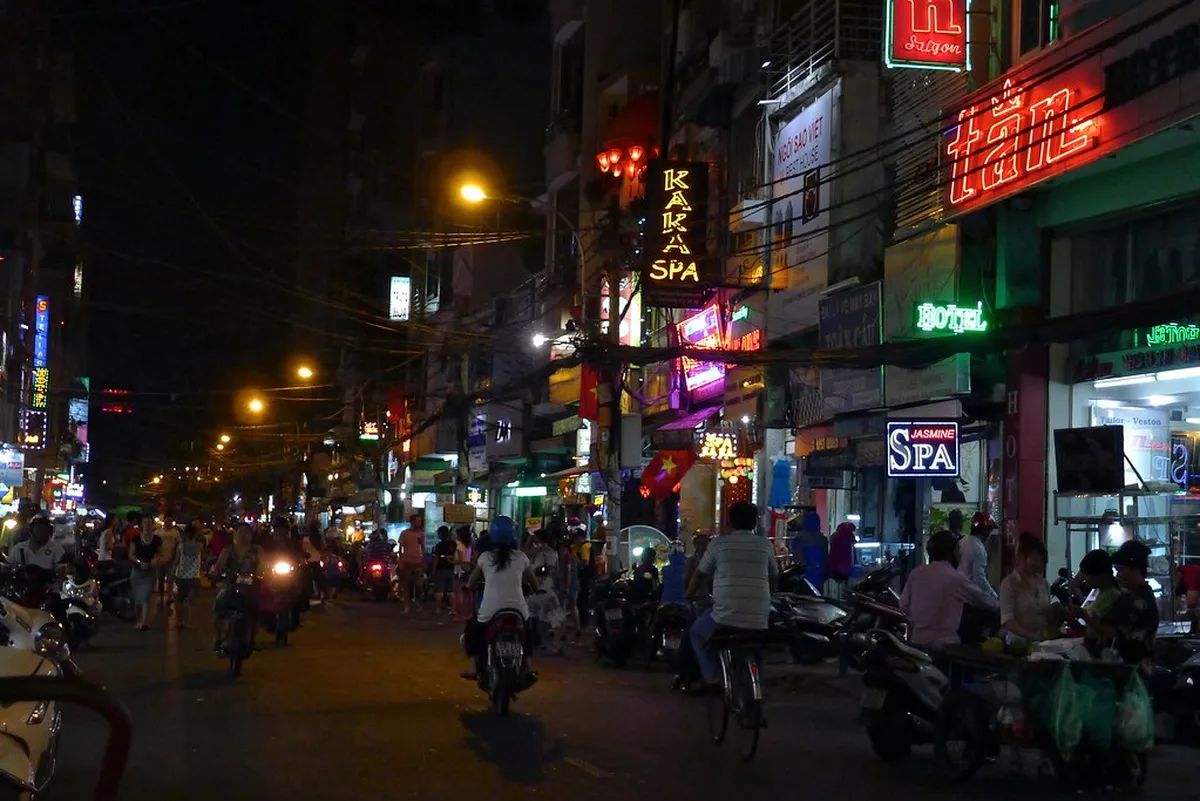
Luggage, handbags, and shoes fill dedicated sections at Ben Thanh, Binh Tay, and Le Lai Street with brands ranging from knockoff to legitimate. Street clothing vendors along Nguyen Trai, Le Van Sy, and Nguyen Dinh Chieu streets operate primarily evenings and welcome bargaining aggressively. Food souvenirs—dried fruit, candy, instant pho—suit backpackers and won't spoil during travel.
Shopping Tips & Neighborhood Guide
Bargaining is standard practice at traditional markets; expect to negotiate 20-30% lower than opening price in friendly, respectful tones. Malls and modern shops display fixed prices and resist haggling, whereas street vendors and market stalls expect it as normal conversation. Small talk, smiling, and showing genuine interest in quality boost your odds of better deals significantly.
Vendors often lack change for large bills, so small notes (50,000–100,000 VND) are practical. Reusable bags are essential; most markets charge for plastic or have limited supplies during peak hours.
Early visits often offer active produce trading and softer photography light, but stock and crowd levels vary by market and day. Mid-day (12:00-2:00 PM) brings heat and humidity but fewer tourists competing for vendor attention and lower bargaining overhead. Evening shopping (5:00-8:00 PM) works for casual browsing when temperatures drop, though selection may have thinned.
District 1 concentrates upscale shopping, designer shops, malls, and tourist-oriented venues with fixed pricing and English-speaking staff. District 5 (Chinatown) hosts the major wholesale markets—Binh Tay, Hoang Hoa Tham—where locals source bulk goods at lowest prices. District 6 (around Thap Muoi Street) draws minimal tourism, offering pure local shopping culture with less commercial overlay than central areas.
Bring small bills (50,000, 100,000 VND notes) because vendors won't carry large change and may claim inability to break big bills. Reusable bags prove essential; most markets charge for plastic and have limited supply during peak hours. Comfortable walking shoes handle uneven flooring, drainage channels, and extended browsing without fatigue.
Markets for Every Budget
Budget travelers find the best deals at Thai Binh Market, Xom Chieu Market, and street vendor clusters in Districts 5-6 where prices hit wholesale lows. Expect to spend 50,000-300,000 VND per item here, with handicrafts, clothes, and everyday goods costing fractions of mall prices. Haggling yields faster discounts; vendors expect it and rarely take offense.
Mid-range shopping concentrates at Saigon Square (9:30 AM-9:00 PM, multiple locations in District 1), Ben Thanh, and Binh Tay's tourist-facing sections. Prices range 200,000-1,000,000 VND for quality souvenirs, apparel, and handicrafts with acceptable durability. These venues balance authenticity, fair pricing, and English comprehension so visitors navigate transactions smoothly.
Premium shopping flows through Diamond Plaza (Le Thanh Ton Street), high-end mall boutiques, and Dong Khoi Street designer shops in District 1. Prices exceed 1,000,000 VND for legitimate brands, luxury goods, and curated collectibles; expect fixed pricing and professional service. Planning a full Vietnam trip allows spreading splurges across cities rather than concentrating all spending in HCMC malls.
Planning Your Market Visit
Allocate 2-3 hours per major market; Ben Thanh and Binh Tay deserve minimum two-hour exploration to sample each section meaningfully. Smaller markets like Hoang Hoa Tham or Xom Chieu need 45-60 minutes for thorough browsing. Chain multiple markets into one day geographically by grouping District 1 stops (Ben Thanh, Saigon Square) or District 5 stops (Binh Tay, An Dong).
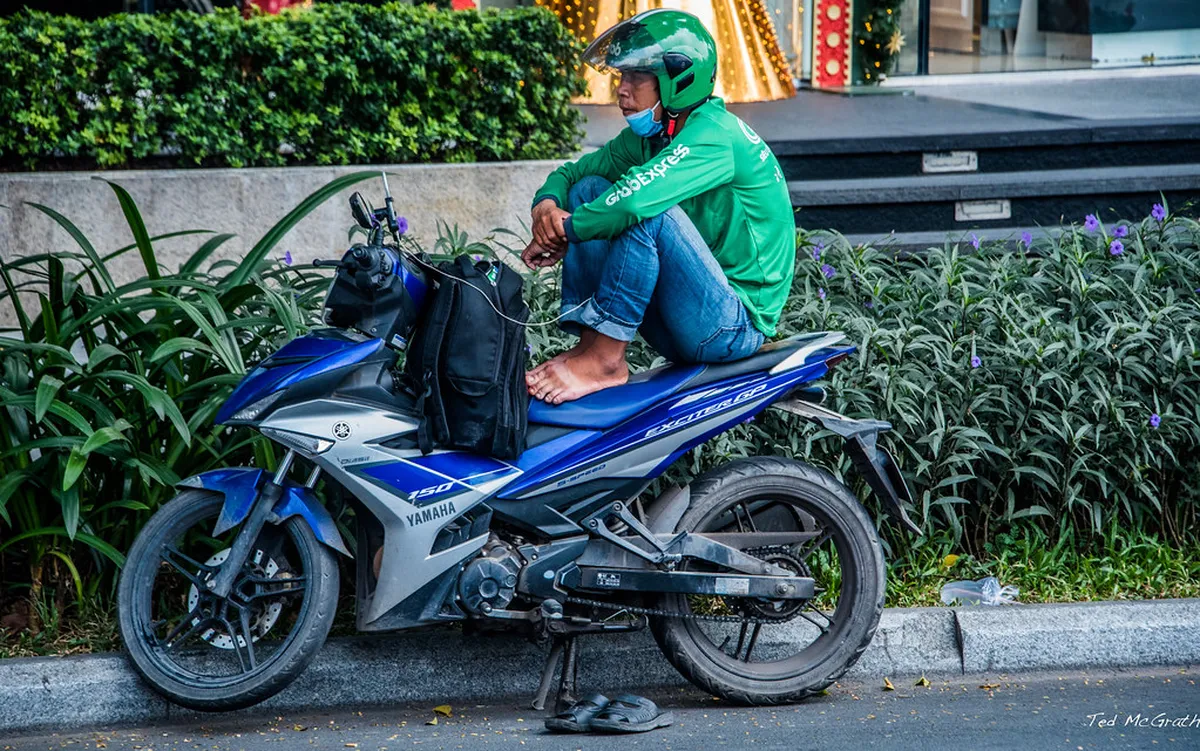
Grab (ride-sharing) or taxis cost 30,000-80,000 VND per trip depending on distance; these beat walking between District 1 and District 5. Most hotels arrange market tours (200,000-400,000 VND per person) bundling 2-3 markets with guide commentary. Public buses serve locals primarily; taxis offer clearer English negotiation and convenience for luggage-laden shoppers.
Bring small bills, reusable bags, phone battery packs, and comfortable shoes as non-negotiables for full-day market immersion. Peak seasons (November-February) offer cooler weather perfect for extended shopping; June-August heat makes early morning crucial. February-May and September-October blend manageable temperatures with lower crowds and potential price reductions outside peak tourism.
How to Save More Money & Time When Arriving in Vietnam?
Exchange currency at the airport or major bank branches (Vietcombank, BIDV, Agribank) for official rates beating street dealers by 2-5%. Avoid tourist-area money changers; they apply significant markups disguised as commissions. ATMs dispense VND at fair exchange rates and suit travelers who plan market purchases of specific amounts.
Buy a local SIM card (Viettel, Vinaphone, Mobifone) for 30,000-50,000 VND before exploring markets. Google Maps navigation using mobile data saves time linking geographically close markets. Mobile payment apps (Momo, ZaloPay) work at some modern market vendors but cash dominates traditional stalls still.
Group market visits geographically to minimize transport costs; don't ping-pong between District 1 and District 5 repeatedly. Visit during shoulder season (March-May, September-November) when prices drop 10-20% and crowds thin compared to Christmas and summer breaks. Combination shopping trips bundling markets with family attractions optimize your time and transport efficiency.
OUR VIETNAM COMBO
Morning market session: Start at Ben Thanh Market (7:00-9:00 AM) for best crowds and fresh goods selection of textiles and souvenirs. Grab breakfast at a market food stall (20,000-50,000 VND) then browse for two hours without pressure. Transport to Saigon Square or nearby Le Thanh Ton Street by 10:30 AM (15-20 minute Grab ride).
Afternoon session: Browse Saigon Square fashion, cosmetics, and homeware (9:30 AM-1:00 PM hours perfect for extended stay) then lunch at nearby restaurants. Rest 2:00-4:00 PM in your hotel or café (essential mid-day heat break), then revisit lighter shopping or museums. Evening finale: Return to Ben Thanh Night Market (6:00 PM onward) for dining atmosphere, people-watching, and late-night casual shopping until 10:00 PM.
Exploring Vietnamese Night Markets
Ben Thanh Night Market operates around the main market's exterior gate and entrance areas from approximately 6:00 PM until 2:00-3:00 AM. Food vendors dominate the night setup: grilled meats, pho, banh mi, fresh juices, and desserts fill tables where tourists and locals mingle. The casual dining atmosphere blends shopping impulses with late-night hunger satisfaction, making it a cultural experience beyond typical retail.
Street pickpocketing increases in night-market crowds, particularly after midnight. Secure valuables and watch bags closely. Hygiene standards vary; choose stalls with local queues and high ingredient turnover.
Photography thrives here; the vibrant neon, street food sizzle, and crowd energy create stunning images. Always ask vendors before photographing their stalls or faces; a polite gesture or small purchase smooths interactions significantly. Best for couples, adventurous diners, and cultural immersion seekers; solo travelers should visit with caution after midnight when crowd types shift.
Prices at night markets run 30-50% higher than daytime stalls due to tourist convenience markup and after-hours operation costs. Hygiene standards vary; eat where queues show locals ordering and stalls show high turnover of fresh ingredients. Street pickpocketing increases in night-market crowds; secure valuables and watch bags closely amid the bustle.
Hoang Hoa Tham Market
Located on An Duong Vuong Street in District 5 (Chinatown), Hoang Hoa Tham Market sits about 10 minutes by car from downtown HCMC. Operating 8:00 AM to 2:00 PM daily, it closes noticeably earlier than Ben Thanh or night markets, making morning visits non-negotiable. This vendor concentration focuses on fashion clothes and handicrafts with prices tagged for negotiation; expect 20-30% reductions with polite haggling.
The market's primary appeal reaches travelers seeking authentic artisan goods and wholesale fashion deals away from heavy tourist zones. Compared to Ben Thanh's souvenir focus, Hoang Hoa Tham emphasizes practical clothing, fabrics, and handmade crafts for locals and savvy visitors. Specialized market guides sometimes highlight this venue for its local-first culture and photogenic vendor setups.
Antique Market Cafe
Antique Market Cafe occupies two District 1 locations: 77-89 Nam Ky Khoi Nghia Street and 179E-181-183-185 Hai Ba Trung Street. Hours run consistently 9:30 AM to 9:00 PM daily, matching Saigon Square timing and making adjacent shopping runs logical. The cafe-integrated format lets browsers relax with coffee between browsing, blending retail therapy and relaxation uniquely.
Vintage collectibles, antique furniture, retro souvenirs, and decorative items stock shelves targeting serious collectors and gift-hunters. Prices reflect specialty-market positioning; items cost more than Thai Binh but less than international auction houses, targeting tourists with wallets. Photography potential peaks here; the retro aesthetic and curated displays provide backdrops superior to standard stall photography at busy markets.
Tan Dinh Market for Fabrics and Local Food
Tan Dinh Market at 48 Hai Ba Trung Street in District 1 is a practical alternative to Ben Thanh for travelers interested in textiles and everyday neighborhood shopping. The yellow market building stands opposite the pink Tan Dinh Church, making the two easy to combine in one visit. Inside, fabric stalls carry cotton, linen, silk blends, lace, and material for tailored áo dài, while other sections sell produce, dried foods, spices, household goods, and prepared Vietnamese dishes.
Visit in the morning for the widest food selection and the liveliest local atmosphere. Fabric buyers should bring measurements, inspect material in natural light, and confirm whether the quoted amount is per meter before agreeing to a purchase. Bargaining may be possible for larger quantities, but food prices are generally less flexible. The aisles are narrow, and floors near the meat and produce sections can be wet, so closed shoes are sensible. Tan Dinh suits visitors seeking fabric or a functioning local market more than those wanting polished souvenir displays.
Official Planning Checks Before You Go
Use the official Vietnam Tourism Ho Chi Minh City guide for destination context and the official Vietnam Tourism transport overview for a second official baseline. Recheck any opening hour, fare, timetable, closure, access rule, weather risk, or booking condition with the responsible operator shortly before travel; an official destination overview is not a live inventory or service guarantee.
For the wider route context, continue with Ho Chi Minh City Food Route Travel Guide, and Ho Chi Minh City Neighborhoods Guide before fixing this stop in your itinerary.
Frequently Asked Questions
Which market is best for souvenirs in Ho Chi Minh City?
Ben Thanh Market in District 1 dominates souvenirs with dedicated textile, handicraft, and spice sections. Operating 6:00 AM-midnight daily, it suits travelers seeking conical hats, Ao Dai, propaganda art, and coffee in one central venue. Bargaining works here; expect 20-30% price reductions. For artisan quality, An Dong Market or Antique Market Cafe offer curated selections beyond mass-market volume.
Should I visit Ben Thanh Market as a tourist?
Yes, Ben Thanh Market merits a visit for its iconic status, central location, and diverse offerings tourists expect. Reality check: it's crowded during peak hours (9:00 AM-12:00 PM, 4:00-6:00 PM), pricier than local markets, and packed with souvenir stalls. Arriving 7:00-8:00 AM beats crowds significantly. While touristy, it remains functional for authentic goods if you bargain and avoid impulse buys.
What should I buy from Ho Chi Minh City markets?
Focus on items that don't spoil and fit luggage: Marou chocolate, Vietnamese coffee beans, conical hats (flat-pack), silk scarves, ceramics, propaganda art posters, and Ao Dai costumes in smaller sizes. Avoid fresh produce, electronics (warranty issues), and oversized furniture unless you have checked baggage space and shipping tolerance. Handicrafts and textiles offer the best value-to-weight ratio for souvenirs.
What time is best to visit Ho Chi Minh markets?
Early morning (7:00-9:00 AM) offers fresh goods, manageable crowds, and coolest temperatures before midday heat peaks. Mid-afternoon (2:00-4:00 PM) brings fewer tourists and active bargaining without morning crush stress. Avoid 11:00 AM-1:00 PM when tour groups peak and heat becomes intense. Night markets operate 6:00 PM onward for casual dining-plus-shopping experiences suited to evening travelers.
How much time do I need to spend at markets?
Allocate 2-3 hours minimum per major market (Ben Thanh, Binh Tay) to explore meaningfully without rushing. Smaller venues (Hoang Hoa Tham, Xom Chieu) need 45-60 minutes each. Bundling two geographically close markets into one 4-5 hour expedition works logistically; add 30 minutes for transport between locations. First-time visitors benefit from guided tours (200,000-400,000 VND) that compress logistics efficiently.
Ho Chi Minh City's markets span every budget, interest, and shopping style imaginable across districts and time zones. From Ben Thanh's iconic souvenirs to Binh Tay's wholesale depths to night markets' dining-and-browsing fusion, choices abound. Starting early, bringing cash and bags, bargaining respectfully, and grouping geographically transforms markets from overwhelming to enriching.
Plan one dedicated market day into your HCMC itinerary, or scatter shorter visits between attraction stops to sample without exhaustion. The authentic local culture, genuine goods, and negotiation traditions outlive any mall experience for travelers seeking real Vietnam. Return with handicrafts, coffee, and stories rather than plastic souvenirs—this guide equips you to shop like an insider.
Take the route offline
Free: the Ho Chi Minh City route notes
Where to base yourself and what it costs, a day-by-day route that avoids backtracking, real transfer times and fares, seasonal timing, and where it connects onward — condensed from our Ho Chi Minh City guides and made to take offline.
Keep unfolding Vietnam
Continue along the route
Three nearby guides for the next decision in your trip.


