

6 Sapa Photography Spots: Fansipan, Muong Hoa and More
Sapa photography guide to 6 spots: Fansipan, Muong Hoa, O Quy Ho Pass, Cat Cat, Silver Waterfall and Silk Path, with rice calendar, consent and drone tips.
On this page
Last updated November 2026: Sapa photography works best when you treat the whole region as your subject, not just the town. Start with Fansipan for summit panoramas, Muong Hoa Valley for terraces, and O Quy Ho Pass for road-scale shots. Cat Cat, Silver Waterfall and Silk Path Grand Sapa fill the gaps between those three.
Featured image: Sapa Paragliding, CC BY-SA 4.0, via Wikimedia Commons.
6 Sapa Photography Spots Ranked by Effort and Reward
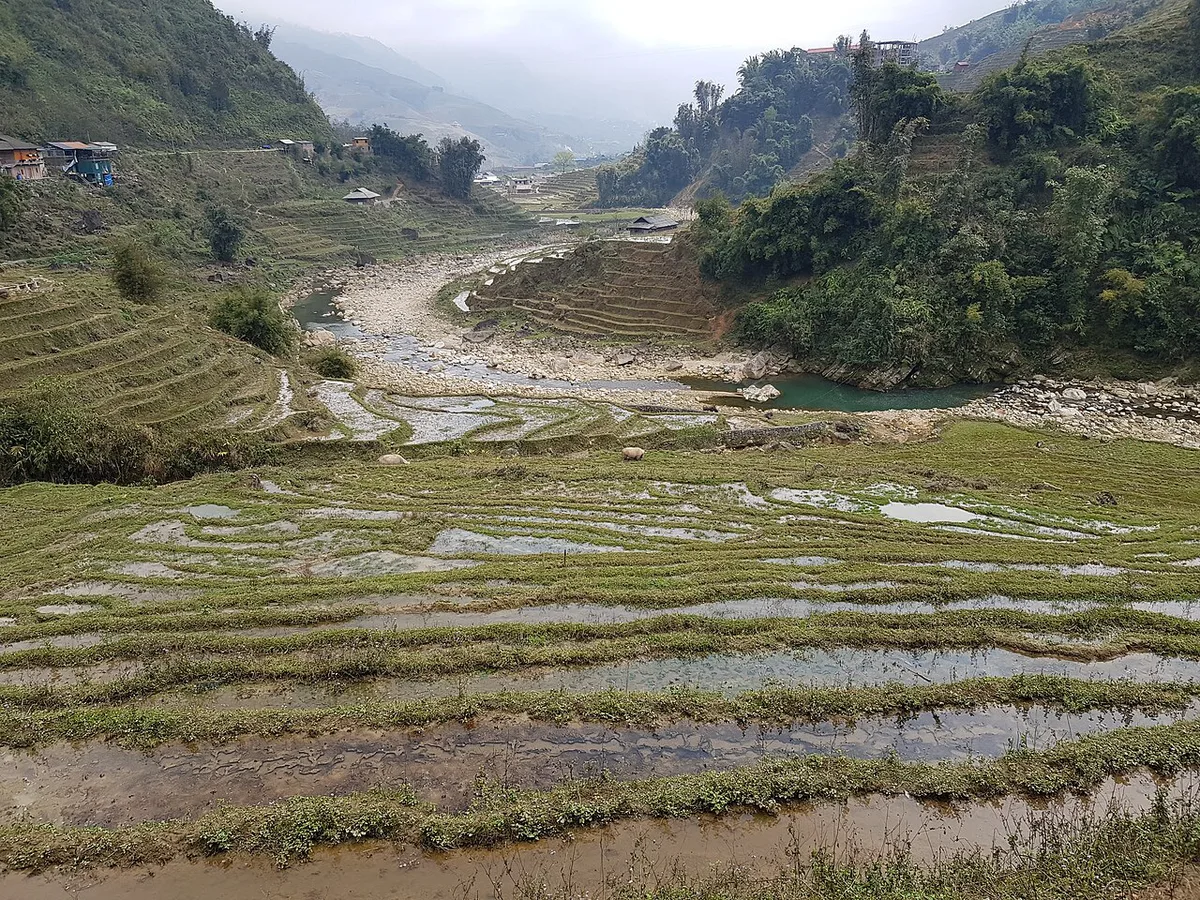
Each spot below rewards a different kind of frame and costs a different amount of effort. Fansipan Summit stands at 3,143 m (about 10,312 ft). Then Yard at Silk Path Grand Sapa sits near 1,500 m (about 4,921 ft). Choose one visual priority per day rather than chasing all six.
- 1. Fansipan Summit
- Best for high-mountain panoramas and above-the-clouds frames from 3,143 m.
- Cost is high because of the cable car, and weather dependency is high too.
- Pack a wide lens and keep the day flexible so you can move it if cloud sits on the summit.
- 2. Muong Hoa Valley (Lao Chai and Ta Van)
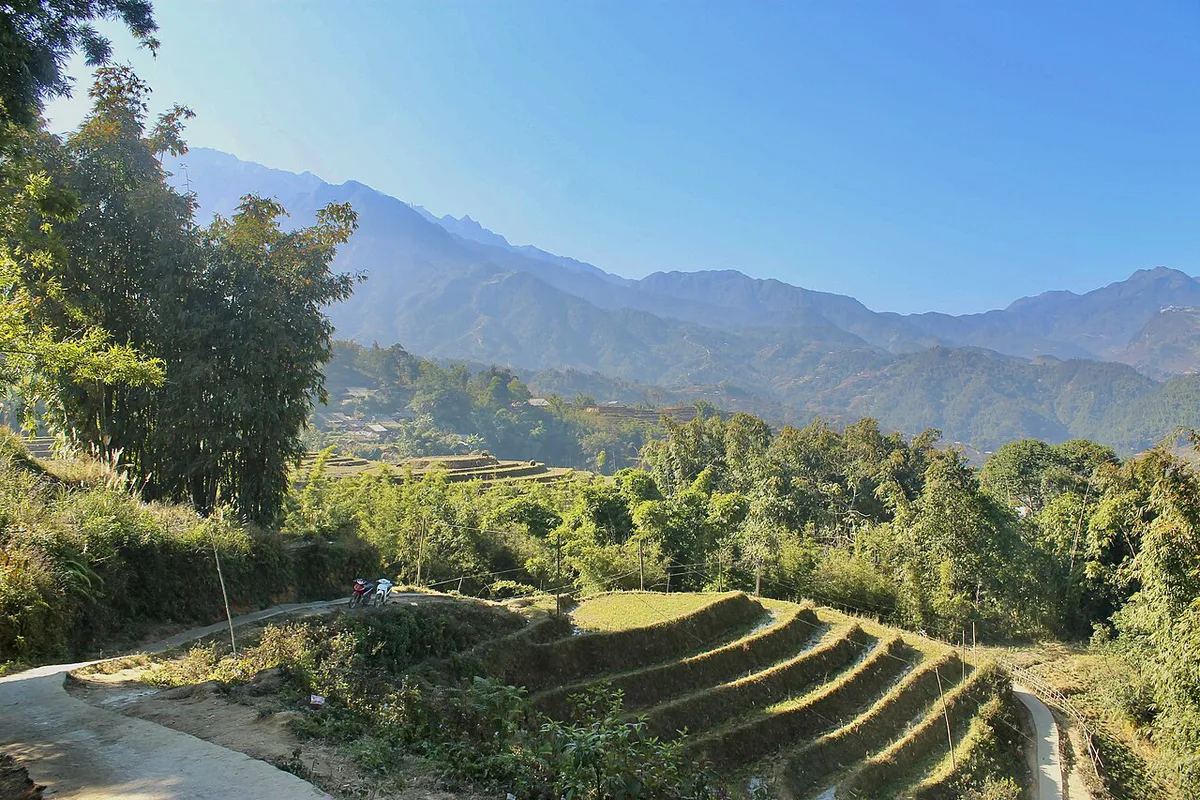
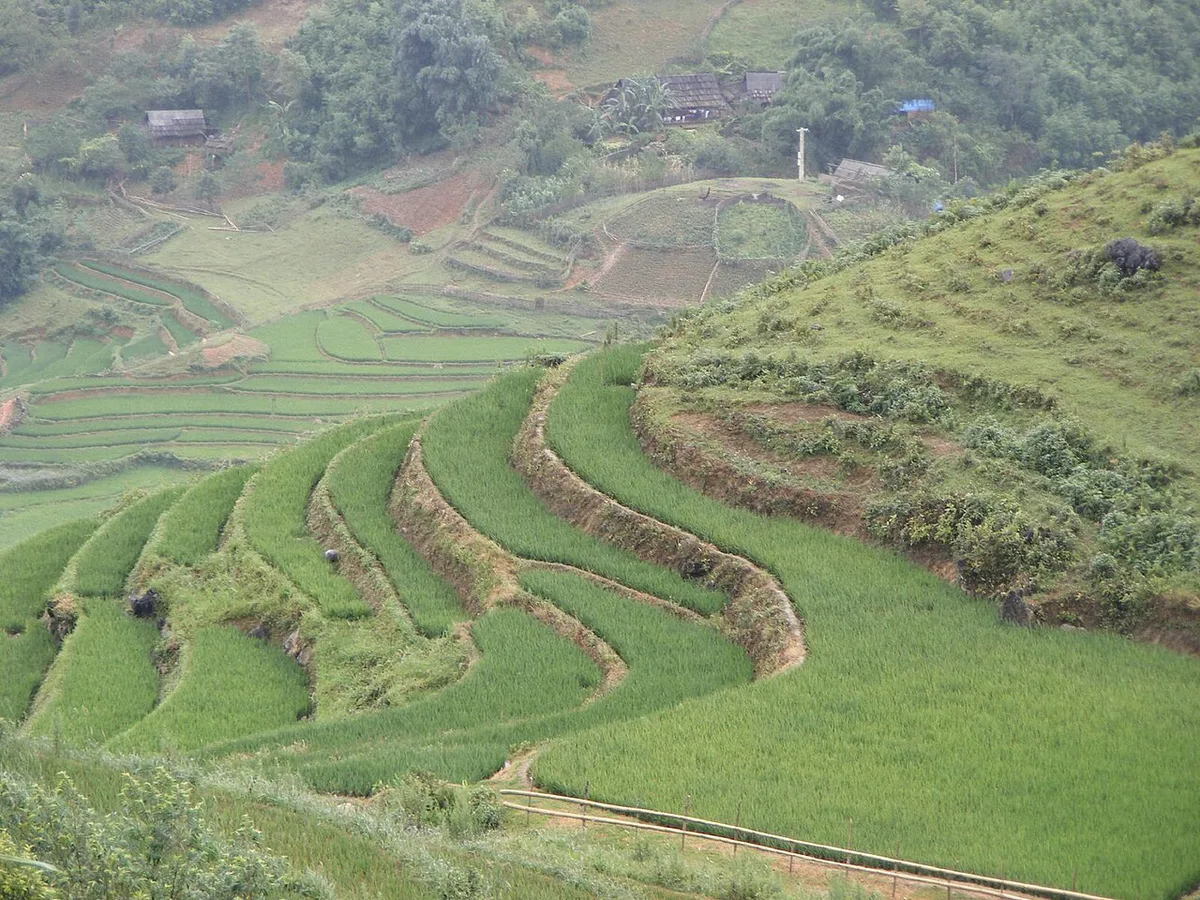
- Best for texture: terraces, village roads, streams and slopes change as you walk.
- Expect trekking and a highly seasonal result, so check recent field photos before you go.
- A telephoto lens compresses the terrace layers. For access, see our guide to reaching remote terraces on foot.
- 3. O Quy Ho Pass
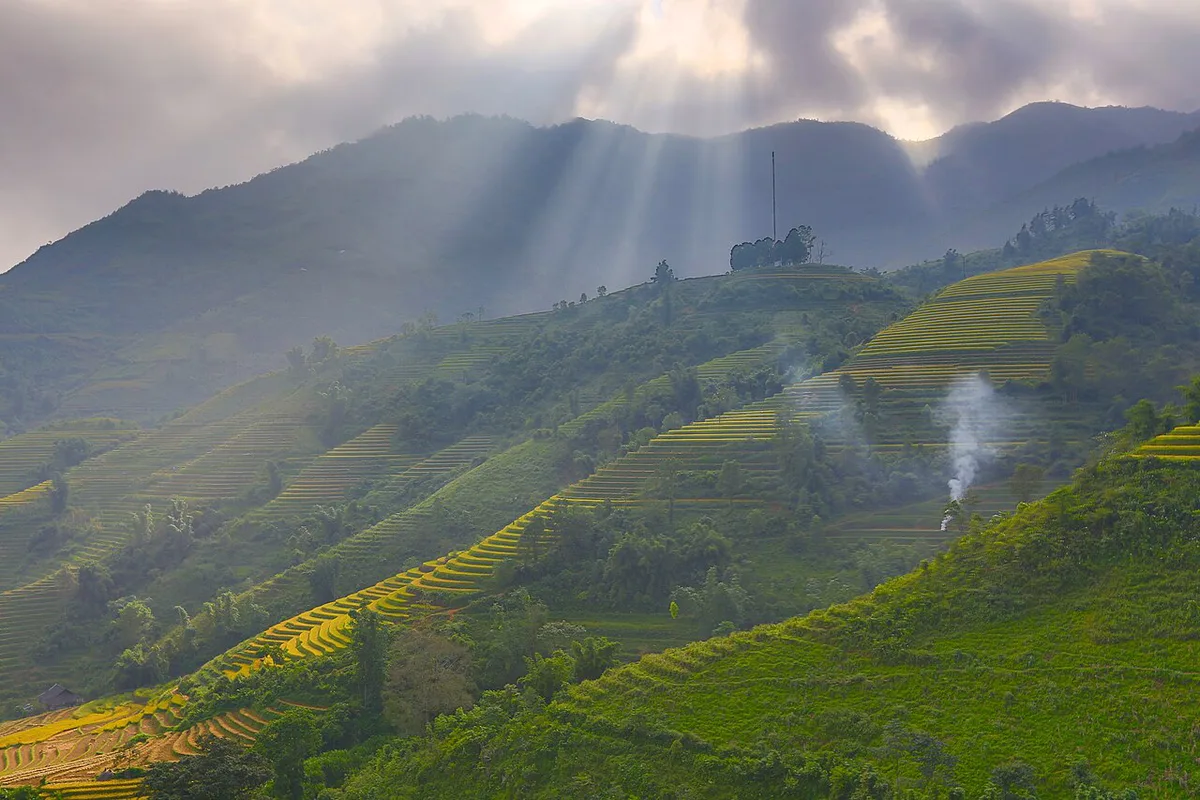
- Best for scale: winding road, exposed bends, moving cloud and sunset light trails.
- Suits motorbike riders and anyone with a private driver.
- Fog adds mood but can hide the panorama and cut road safety. Our road-scale stops on the pass help you pick one or two.
- 4. Cat Cat Village
- Closest to town, with a structured walking route, valley slopes and a waterfall for long exposures.
- Costume rentals and photo areas give staged cultural shots, not documentary work.
- 5. Silver Waterfall
- A quick stop on the O Quy Ho road, good for vertical compositions and forest textures.
- Treat it as a route stop, not a standalone photography mission.
- 6. Silk Path Grand Sapa and Then Yard
- The resort has a French-castle look, a hundred-year-old rose garden and the Sky Gate at Then Yard.
- Those settings suit wedding and lifestyle portraits. Check current access rules for non-guests before planning a shoot.
Take the route offline
Free: the Sapa route notes
Where to base yourself and what it costs, a day-by-day route that avoids backtracking, real transfer times and fares, seasonal timing, and where it connects onward — condensed from our Sapa guides and made to take offline.
Fansipan vs Muong Hoa vs O Quy Ho: Which Sapa Photography Trade-Off Fits You
Fansipan, Muong Hoa and O Quy Ho are the heavy hitters, and they trade effort against visual reward differently. Fansipan gives elevation but depends on visibility. Muong Hoa gives texture but needs walking. O Quy Ho gives scale but suits those with wheels.
At 3,143 m, Fansipan trades elevation for cable-car cost, while Muong Hoa asks for trekking on foot.
| Spot | Best for | Effort and cost | Main risk |
|---|---|---|---|
| Fansipan | High-mountain panoramas, clouds | Cable car, higher cost | Cloud and wind hide the view |
| Muong Hoa Valley | Terraces, texture, human-interest shots | Trekking on foot | Crop stage changes by season |
| O Quy Ho Pass | Winding road, scale, light trails | Motorbike or private driver | Road weather shifts fast |
The Photographer's Calendar: Timing the Rice Cycle
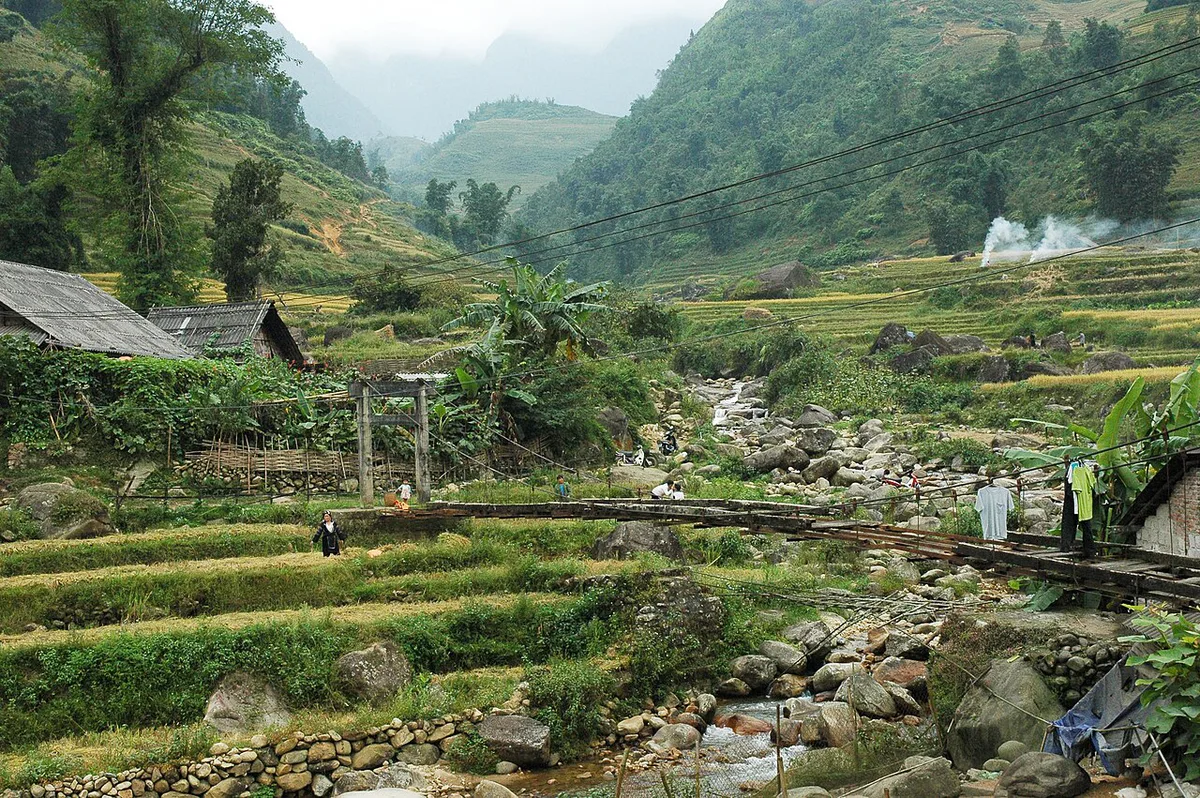
Rice terraces change colour across the year, so the month decides your frame. Mirror season runs May to June, when water-filled terraces reflect the sky. Green season covers July to August. Golden season runs September to early October, at harvest. Planting and harvest vary by year and elevation, so treat these as ranges. Our rice harvest calendar covers the wider seasonal trade-offs.
Aim for a clear 11:00 AM window during May-June mirror season, when water-filled terraces reflect the sky.
| Season | Months | What you photograph |
|---|---|---|
| Mirror | May-June | Water-filled terraces reflecting sky |
| Green | July-August | Lush green texture |
| Golden | September-early October | Yellow harvest hues |
| Mist | Winter | Fog, mood and European-style town architecture |
Weather Over Golden Hour: Lenses and Timing
A clear window at 11:00 AM beats a foggy sunset. Sapa weather shifts quickly, so protect the most weather-sensitive stop and reorder the rest. When mist rolls in, move from Fansipan to Silver Waterfall and the forest. Wide lenses suit Fansipan. Telephotos suit terrace compression in Muong Hoa. For specific light windows, see our notes on timing for pass and summit light.
Consent and Drones: Ethical Sapa Photography
Villages such as Cat Cat and Ta Van are homes, not sets. Use a simple consent protocol. Ask first, with a smile and gesture. Show the screen afterwards. Accept a no without argument. Never photograph children, private homes or family spaces without permission. Costume rentals produce staged shots, so do not present them as documentary work. A photogenic view is not a legal fly zone. Vietnam applies aviation and local restrictions to drones. Check current rules with the relevant Vietnamese authority before you travel with one.
Planning Your Sapa Photography Route and Budget
One traveler-photographer quoted on TravelBud booked a sleeper bus with Good Morning Sapa for $16, taking 6 hours from Hanoi. The same source puts a planned tour from Hanoi at about $110. Verify both before you book. For entry fees at Cat Cat, the Fansipan cable car and village trekking permits, no sourced figure is available here, so use official Sa Pa tourism information. Stay on Fansipan Road for balcony views. Over-scheduling is the common mistake, so use our plan to fit these stops into three days. Add non-photography stops around town only if time allows.
Frequently Asked Questions
Where is Sapa in Vietnam?
Sapa is in Northern Vietnam, in the northwest highlands. A sleeper bus from Hanoi takes about 6 hours, according to a traveler quoted on TravelBud.
When to avoid Sapa in Vietnam?
Avoid planning around rainy days. A photographer quoted on TravelBud says a rainy trip is not worth it. Check local weather apps and keep your itinerary flexible.
Explore Sapa Photography
Plan where and when to shoot in Sapa, from terraced valleys and mountain passes to sunrise and sunset viewpoints.
Routes and Passes
Light and Timing
Plan Your Trip
Take the route offline
Free: the Sapa route notes
Where to base yourself and what it costs, a day-by-day route that avoids backtracking, real transfer times and fares, seasonal timing, and where it connects onward — condensed from our Sapa guides and made to take offline.
Keep unfolding Vietnam
Continue along the route
Three nearby guides for the next decision in your trip.


