

Sapa Trekking Guide: Routes, Homestays & Practical Tips
Plan Sapa trekking with 1, 2 and 3-day routes, Cat Cat and Muong Hoa Valley walks, homestay tips, weather windows and guided vs independent advice.
On this page
Last updated November 2026. Sapa trekking ranges from a 2 km walk to Cat Cat village to a 32 km, three-day push toward Ban Ho. This guide sorts the routes by time, effort and cultural payoff, so you can pick one before you book.
Featured image: Diego Angel, CC BY 3.0, via Wikimedia Commons.
Sapa Trekking Quick Start: Why Two Days Works for Most People

Most travelers do best with a 2-day, 1-night trek through Muong Hoa Valley. You walk roughly 22 km, sleep in a village homestay and ride a taxi back to town. A full-day trek is the fallback when time is tight. Three days suits people who want remote villages and can handle more uphill. If you are still deciding how long to stay overall, read our guide on time needed in Sapa. For a ready-made schedule, see the three-day Sapa plan.
Take the route offline
Free: the Sapa route notes
Where to base yourself and what it costs, a day-by-day route that avoids backtracking, real transfer times and fares, seasonal timing, and where it connects onward — condensed from our Sapa guides and made to take offline.
Choosing Your Trek: 1, 2 or 3 Days
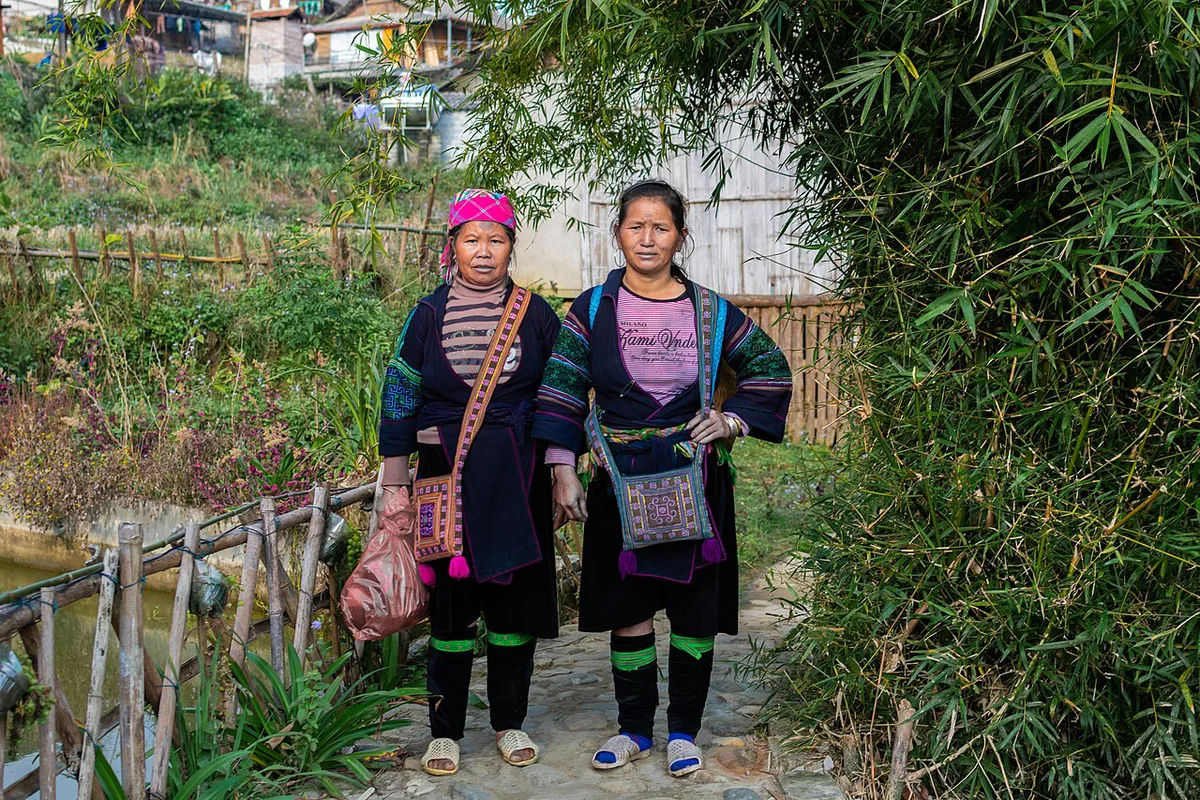
Tour days here are shorter than the names suggest. A full-day trek lasts about 5 hours, including a lunch break of around an hour. Most start near 9:00 am, and a taxi collects the group around 2:00 pm. Two-day and three-day tours also finish in the early afternoon. Routes vary by agency and guide, so confirm villages before you pay. Figures below are typical, not fixed.
| Option | Approx. distance | Terrain and effort | Best for |
|---|---|---|---|
| Full-day | 12 km | Mostly downhill on dirt paths; steep, slippery sections | Short on time, light budget |
| 2-day / 1-night | 22 km | Uphill and downhill; dirt, rock and cement paths | Best balance of scenery and homestay culture |
| 3-day / 2-night | 32 km | Uphill and downhill; more remote villages | Deeper immersion, stronger fitness |
- Full-day: lunch included, taxi back to town.
- 2-day: usually 2 lunches, 1 dinner and 1 breakfast.
- 3-day: usually 3 lunches, 2 dinners and 2 breakfasts.
Main Sapa Trekking Routes: Cat Cat, Lao Chai to Ta Van, Ta Phin and Ban Ho
Cat Cat is the shortest option. The village sits about 2 km from Sapa town and looks over Muong Hoa Valley. It suits a half-day without a guide. The Lao Chai to Ta Van walk is the classic valley route. Ta Van village lies in the Lao Chai district, and many 2-day treks sleep there. On day two, groups often climb through bamboo forest to a waterfall and the Red Dao village of Dzang Ta Chai. Water flow is light in winter and larger in summer. Multi-day treks continue toward Ban Ho, reached by roughly a 2-hour hike on day three of one reported itinerary. Ban Ho is more developed, and the final day is shorter. A quieter alternative is Hau Tho, which has no village center nearby. Ta Phin is another common village outing from town. Our sources do not give distances for it, so ask your agency for the route and timing. For other ideas beyond trekking, browse top Sapa activities.

Guided vs Independent Sapa Trekking
Yes, you can trek without a guide. Several hikes work as day trips from town, and a motorbike or taxi can drop you in the valley for more paths. Getting lost is the main risk. Many trails cross private land, which feels awkward without a local. A guide also translates at the homestay, where hosts may speak little English. Multi-day independent treks are possible too. Book homestays ahead or ask around, since rooms usually turn up even in high season. Go guided for Ban Ho and remote villages. Go independent for Cat Cat and short valley loops. Tip a guide you are happy with. A common rule of thumb is 10% of the tour price.
Getting to Sapa for a Trek
Sapa sits about 300 km northwest of Hanoi. A sleeper bus takes roughly 6 hours, depending on rest stops. The overnight train runs 8 to 9 hours and costs more, but gives a longer sleeping block. Compare both in our guides to getting from Hanoi to Sapa and the overnight Lao Cai train. From Lao Cai station, allow about 1 hour by minibus to Sapa town. Expect touts the moment you step off. Say you have a booked tour, and they move on faster. Sapa has no commercial airport at the time of writing, so confirm any change with official sources.
Sapa Homestay vs Hotel: Where to Sleep
Town hotels give you heating options, coffee shops and nightlife around the central square. Valley homestays give you views, a family dinner and an early night. Dinner often wraps up by 7:00 pm. Facilities are basic. Bathrooms may be outdoors, though a hot shower is typical, and you get a private room. Other guests can share the house. Meals are shared, and everyone uses their own chopsticks to take food from common dishes. Breakfast is often banana and honey pancakes. Expect rice wine toasts at some tables. Valley bases such as Ta Van keep you away from town traffic and building noise. Our guide to the best area to stay compares options. Many people also spend one night in town before or after the trek, which helps if fog delays a start.
Cultural Etiquette: Helpers, Vendors and Tipping
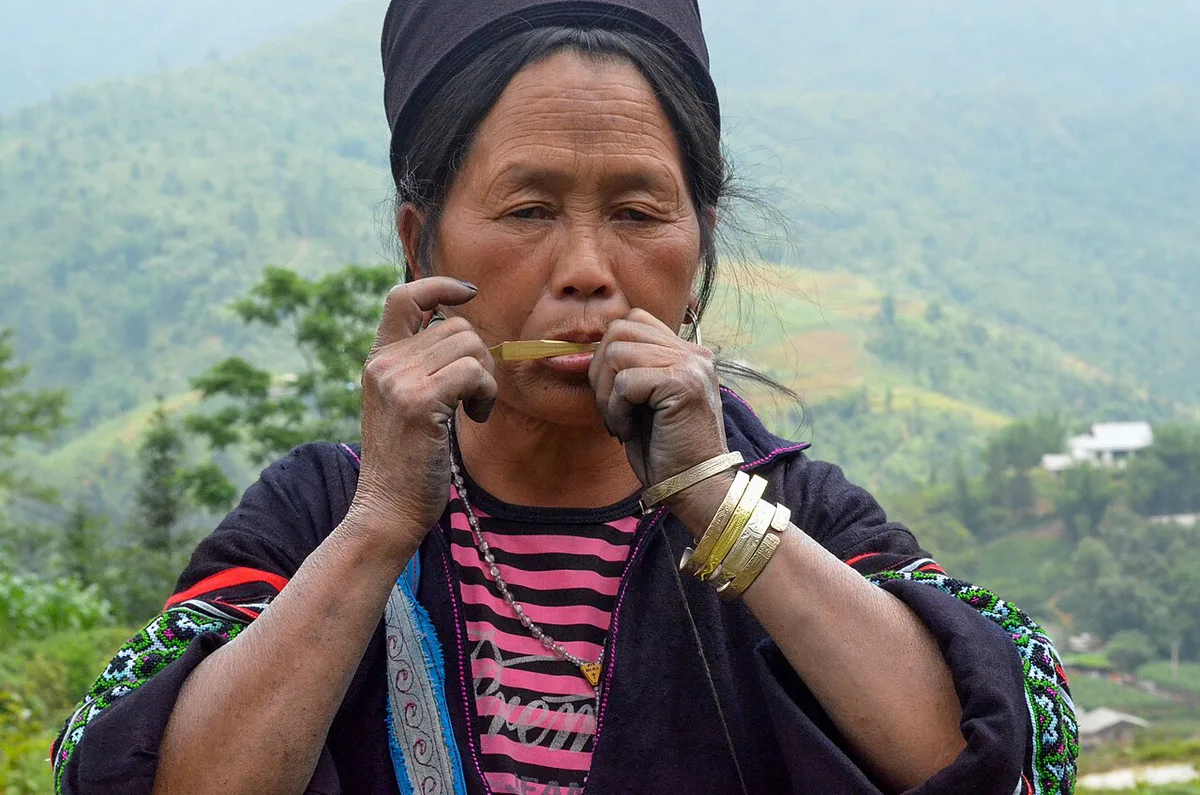
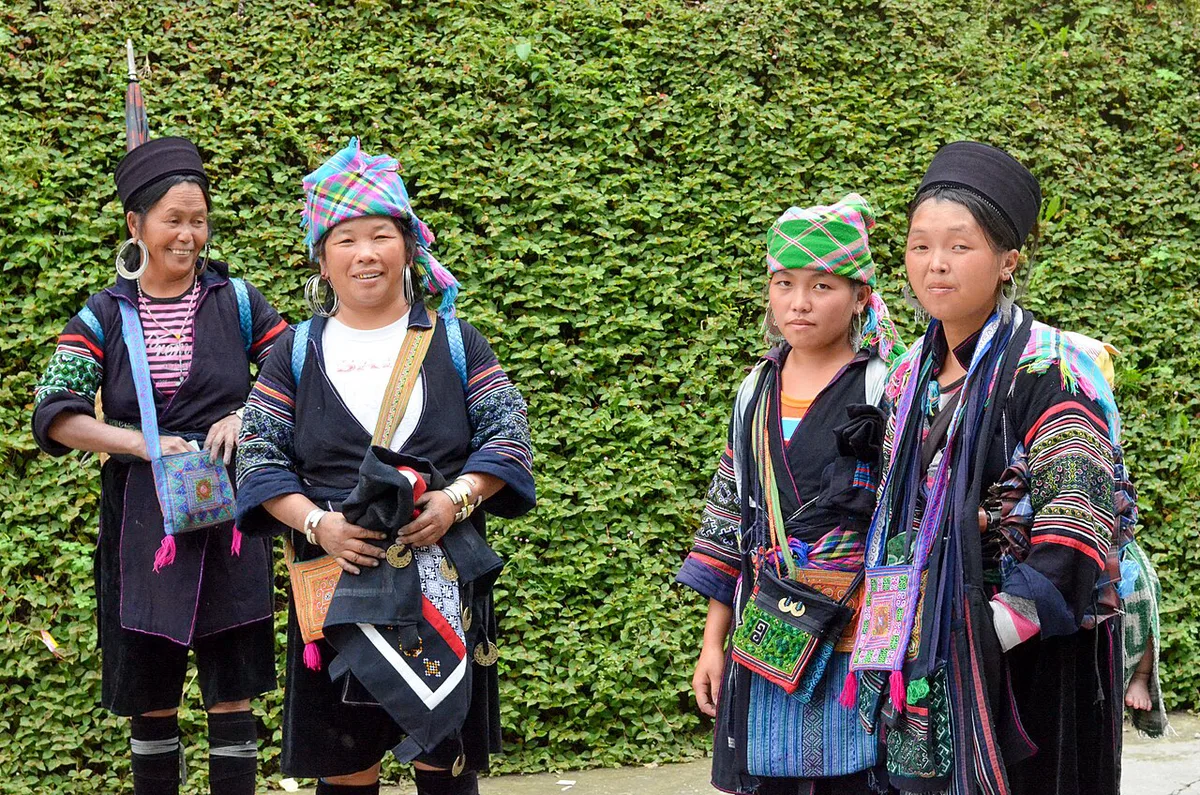
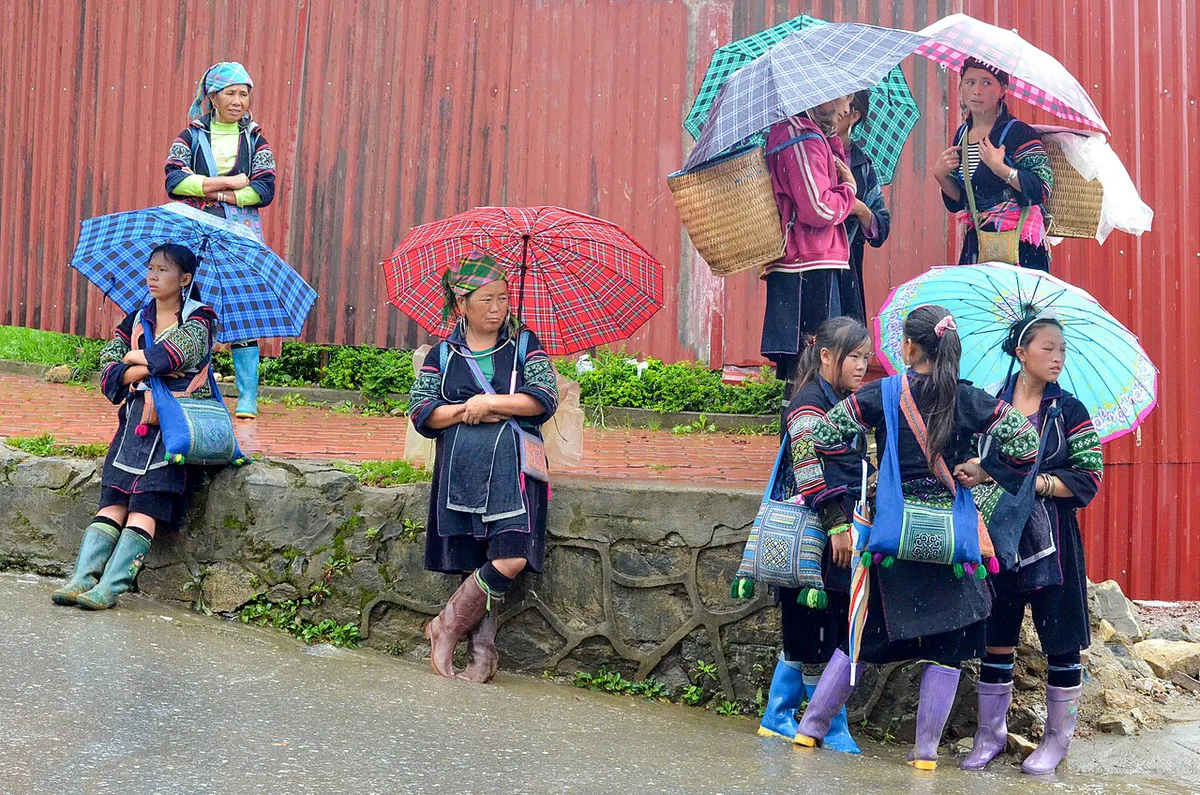
Main groups in the area include the Black Hmong, Red Dao and Tay. Giay and Xa Pho communities are also named by guides. Each wears distinct traditional dress. On many day-one routes, local women walk beside your group. They steady you on muddy slopes, then offer handicrafts at lunch. Treat this as a service with an expected purchase. Decide on a small amount before you start, and carry small notes. Buying one item usually makes it easier to decline later at lunch stops. Do not buy from children, since it can discourage families from sending them to school. Say no firmly and politely, and keep your tone friendly.
Plan a guide tip of 10% of the tour price, since Ban Ho and remote villages are where a guide helps most.
Weather and Best Season for Sapa Trekking
March to May brings green terraces. September to October brings golden harvest slopes. Check month-by-month detail in our best time to visit guide. June to August is the rainy season, so paths turn muddy and slippery, especially on rice terrace edges. Winter nights can drop to the low 40s °F, and homestays rarely have central heating. A thick comforter helps, but bring layers. Fog can erase views. If visibility is poor, ask your agency to move the trek by a day. Hanoi also works as a fallback base. Many agencies handle date changes for weather.
Dinner often wraps up by 7:00 pm at a valley homestay. Winter nights can fall to the low 40s °F, so pack a warm layer for the evening.

Packing List for a Sapa Trek
Wear proper hiking boots. Paths include steep, slick sections even on the downhill full-day trek. Boot rental exists in town, but quality varies, so inspect soles before you commit. Pack a daypack with water, since the first stretch has no village. Leave your large bag at the hotel or agency, which is included with most tours. Bring small Vietnamese dong notes for drinks and handicrafts, insect repellent, a waterproof cover for your bag, a warm layer and a phone translation app. Wi-Fi is common at homestays. Mobile data works in many parts of the valley with a local SIM.
Fansipan: Summit Trek or Cable Car
Fansipan is Vietnam's tallest peak, at over 10,300 feet. Altitude sickness symptoms can appear there, unlike on valley walks. Most hikers take 2 days, and strong walkers attempt 1 day. The alternative is a cable car of around 15 minutes. Check current tickets with the Fansipan cable car operator. The cable car is also the one major Sapa outing that is generally accessible for wheelchair users. Valley treks are not, and Sapa town is hilly.

Is Sapa Still Worth It? Sapa vs Ha Giang
Sapa is busier than it used to be. Vendors follow visitors down town streets, and the town center is crowded. The valley still rewards you on a 2-day trek. Choose Sapa for walking and homestay culture. Choose Ha Giang for a motorbike loop and big landscapes. Our Sapa and Ha Giang comparison covers the trade-offs. Doing both? See the route between the two regions.
Safety and Mistakes to Avoid
Snakes live in the area, so watch your step and stay on the path. Rice terrace edges are narrow, and a slip means a drop into muddy paddy water. Avoid unlicensed guides, and read recent reviews before booking. Do not cram a trek into a rushed schedule. Weather turns quickly, and a spare day helps. Solo women have reported feeling safe on valley routes, but use normal precautions. When Sapa is done, continue with our northern Vietnam route.
For trip-planning details, see Hoang Lien National Park.
Take the route offline
Free: the Sapa route notes
Where to base yourself and what it costs, a day-by-day route that avoids backtracking, real transfer times and fares, seasonal timing, and where it connects onward — condensed from our Sapa guides and made to take offline.
Keep unfolding Vietnam
Continue along the route
Three nearby guides for the next decision in your trip.


