

8 Best Things to Do in Sapa, Vietnam (2026 Planning Guide)
Eight things to do in Sapa: Fansipan, Muong Hoa Valley, Ta Van, Cat Cat, Ta Phin herbal baths, plus a fog Plan B and how to pick your days.
On this page
Last updated November 2026: the best things to do in Sapa combine the Fansipan cable car, Muong Hoa Valley rice terraces and Red Dao herbal baths in Ta Phin. This highland base in Lao Cai province has grown from a quiet hill station into a busy tourist hub. Expect crowds in town and far quieter trails once you walk out into the valley.
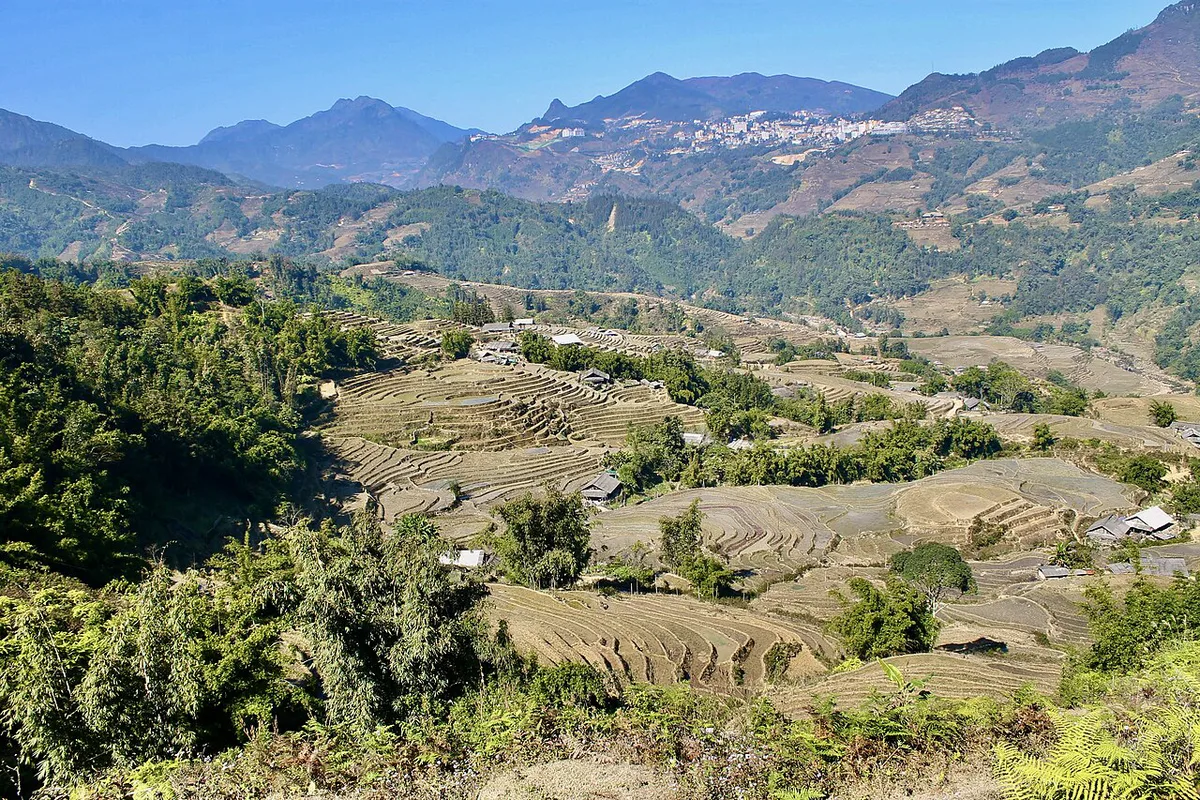
Featured image: Andre Hospers, CC BY 4.0, via Wikimedia Commons.
8 Best Things to Do in Sapa
Sapa sits in the Hoang Lien Son mountain range, and most activities fall into three types: big views, village walks and slow recovery time. The eight picks below mix all three. Each one notes who it suits and what can go wrong.
- 1. Ride the Fansipan cable car
- Fansipan is known as Indochina's roof, and the Sun World cable car lifts you from Sapa town toward the summit area. Check ticket prices and hours on the official Fansipan Legend site before you go.
- Du Soleil Café sits up top and is described as the highest coffee shop in Southeast Asia. Clouds can hide the view completely, so pick a clear morning.
- 2. Walk the Muong Hoa Valley
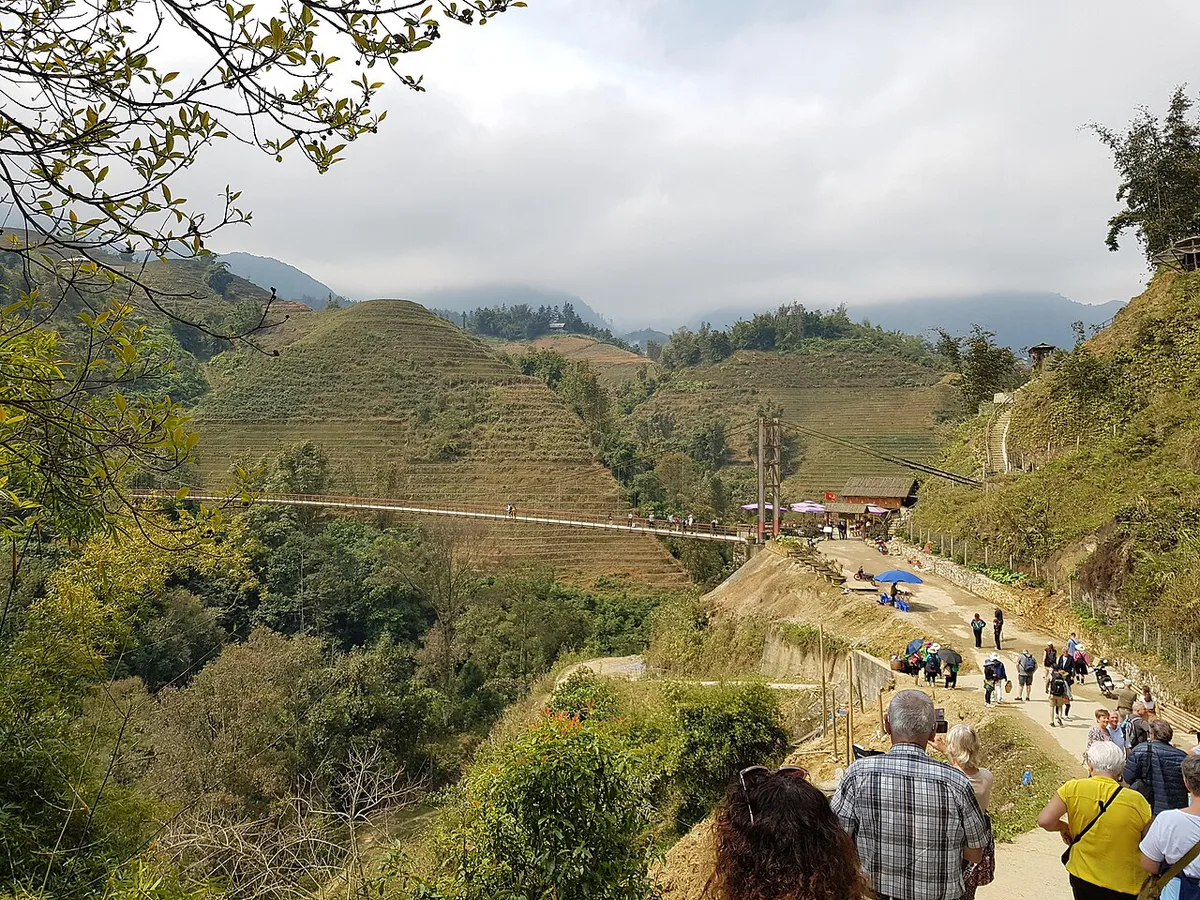
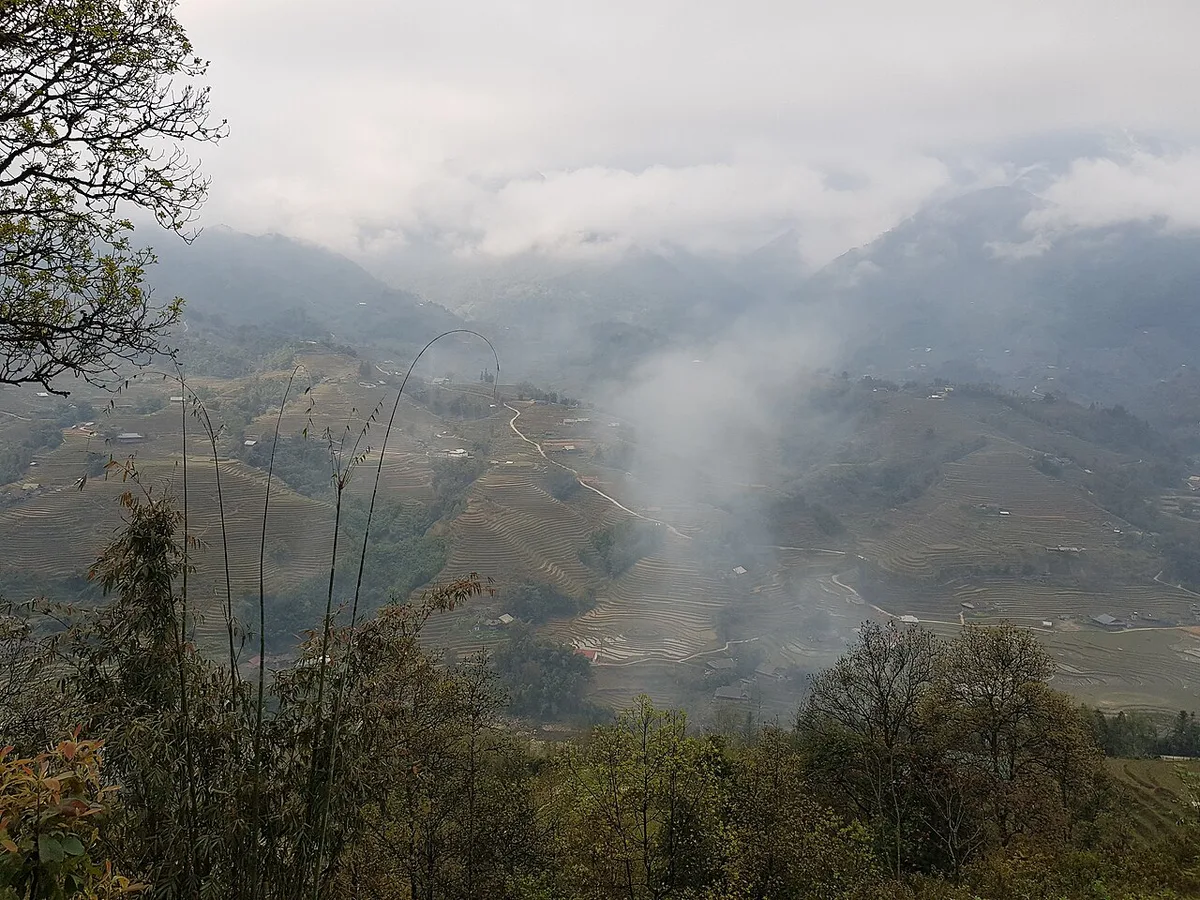
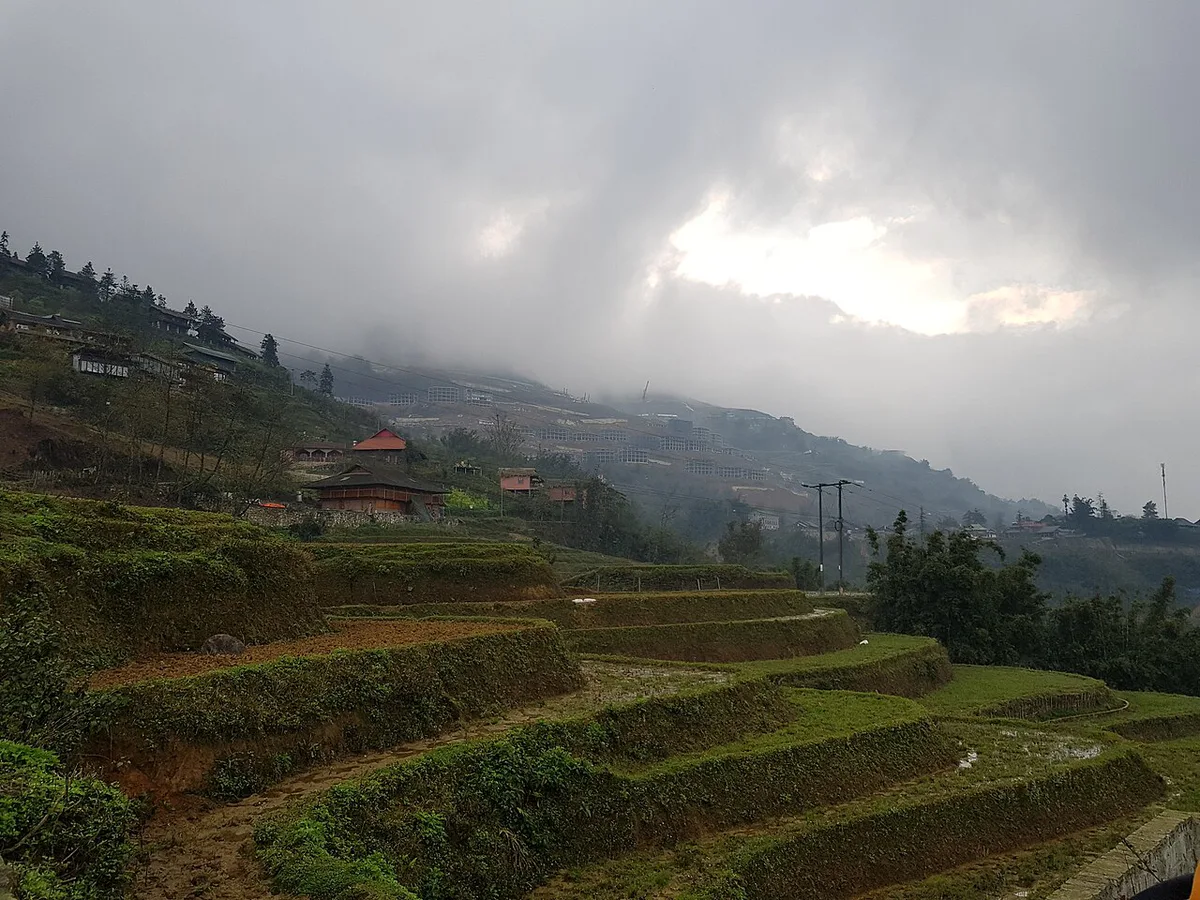
- This is the main rice-terrace landscape around Sapa, and it works as a half-day walk or a longer route. Our Sapa trekking routes page compares the options by difficulty.
- Even trails sold as easy can be steep and slick after rain. Wear shoes with real grip.
- 3. Trek to Ta Van and Lao Chai
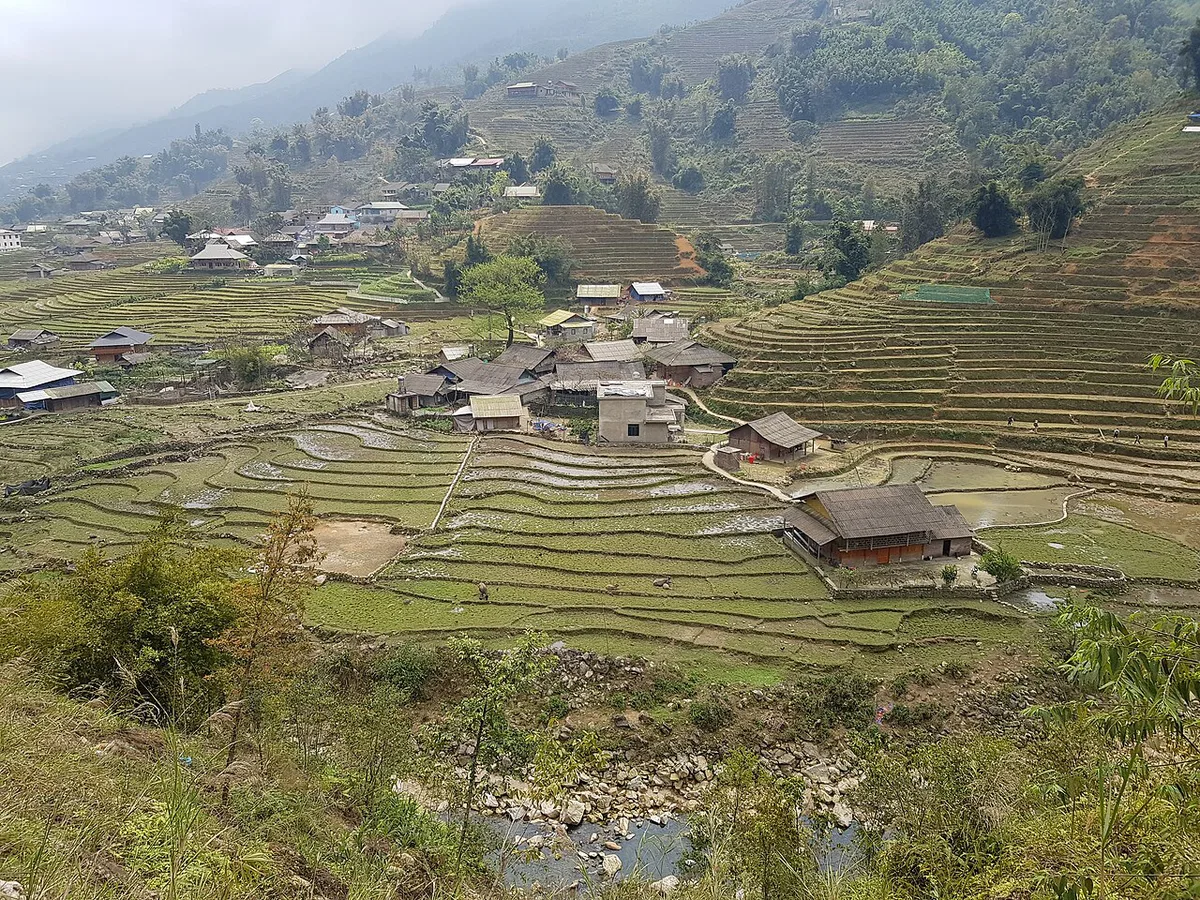
- Both villages lie in the valley and suit travelers who want an authentic walking day with Hmong and Red Dao communities.
- Several cafés here look straight onto the terraces. Villages typically collect an entry fee at checkpoints, so carry small notes.
- 4. Visit Cat Cat Village
- Cat Cat works best as a culture-lite stop. Think of it as a cultural theme park: good for photos and costume rentals, but heavily commercialized.
- Choose it when you want an easy outing close to town rather than a deep village experience.
- 5. Soak in a Red Dao herbal bath
- Baths happen in wooden tubs and last 20 to 30 minutes. Red Dao households use around 20 medicinal herbs harvested from the surrounding highlands.
- Ta Phin Village is the more authentic source, though some places in town also offer baths. Tea or ginger drinks usually follow the soak.
- 6. Spend a night in a homestay
- A luxury homestay behaves like a boutique hotel. A true homestay means sleeping on mats and sharing a family dinner.
- Decide which you want before booking, then read our guide to the best areas to stay.
- 7. Walk Sapa Lake and the Stone Church
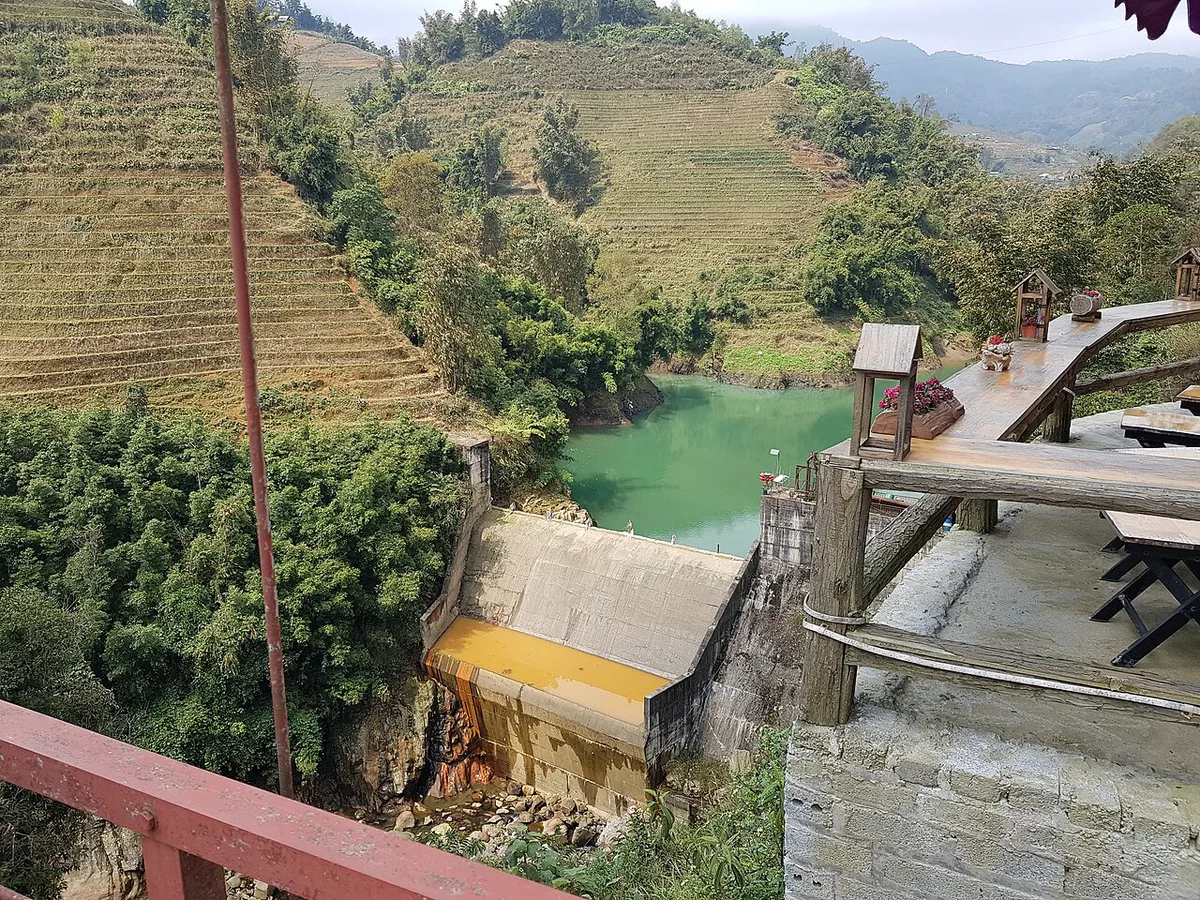
- Sapa Lake is a free, low-effort evening stroll with benches along the shore and cafés nearby. Golden hour is the best time for photos.
- Sapa Stone Church is the town landmark, so it is easy to add to the same walk.
- 8. Browse the Sapa market
- Weekend markets showcase Hmong and Dao crafts and textiles. Treat silver jewelry from street vendors with caution unless you can verify it.
- The Love Market is now closer to a staged performance than a spontaneous event. Check current schedules locally.
Take the route offline
Free: the Sapa route notes
Where to base yourself and what it costs, a day-by-day route that avoids backtracking, real transfer times and fares, seasonal timing, and where it connects onward — condensed from our Sapa guides and made to take offline.
Plan B When Fog Hides Muong Hoa Valley and Fansipan
Whiteouts are common enough that every plan needs a fallback. Skip the cable car and the valley trek on days when you cannot see across the street. Switch to a Red Dao herbal bath, a village homestay lunch, the weekend market or a long coffee at a terrace café. Keep the cable car and long treks for the morning after fog lifts, rather than booking them on a fixed day.
Red Dao herbal baths last 20 to 30 minutes, so they fit neatly into a fog-day fallback.
Which Village Suits Which Traveler
Match the village to your energy level. Cat Cat suits photographers and short visits. Ta Van and Lao Chai suit walkers who want real village contact. Ta Phin suits anyone chasing the herbal bath. A two-day trek is a big physical toll, while the cable car plus a town base gives you views with far less effort.
| Village | Best for |
|---|---|
| Cat Cat | Photographers and short visits |
| Ta Van and Lao Chai | Walkers who want real village contact |
| Ta Phin | Anyone chasing the herbal bath |

How Many Days and How to Get to Sapa
Two days covers Fansipan, one valley walk and a bath. A third day adds slack for fog and a deeper village stay. Our guide on how long to stay weighs the trade-offs. For a ready route, use the 3-day Sapa itinerary. From Hanoi, the highway bus takes roughly 5.5 to 6 hours, per current reporting. Compare the sleeper bus options in our Hanoi transfer guide. The alternative is a luxury sleeper carriage, covered in the train route breakdown.
Travel from Hanoi by highway bus takes roughly 5.5 to 6 hours, so a spare day matters when fog blocks the cable car.
Sapa or Ha Giang for Your Northern Trip
Sapa offers terraces, cable-car convenience and wellness. Ha Giang is rawer and built around motorbike loops. If you are torn, read our Sapa and Ha Giang comparison. To combine both, see the overland link between them. A longer loop through the region fits into the 7-Day Northern Vietnam Itinerary: Complete Guide.
Best Time and Practical Essentials
Harvest season in September and October brings golden terraces. May shows the planting season with flooded, mirror-like fields. Our seasonal Sapa guide covers the months in between. No verified entry fees were available for Cat Cat or the cable car when this page was written, so confirm both at the gate or on the official Fansipan Legend site. Avoid three mistakes: booking a trek during total fog, buying silver from street vendors unchecked, and underestimating steep walks labeled easy.
For trip-planning details, see Sa Pa on Wikivoyage.
Explore more of Sapa
Plan your Sapa trip with guides to timing, where to stay, trekking and trip length, plus routes from Hanoi and onward to Ha Giang.
Plan your Sapa trip
- Best Time to Visit Sapa: Seasonal Guide to Rice Terraces & Trekking
- How Many Days in Sapa? 1, 2 or 3 Nights Compared
- Sapa Itinerary 3 Days: First-Timer's Route Guide
Stay and trek
Getting there and beyond
Going deeper on this theme? Our 6 Sapa Photography Spots guide covers it in detail, with the practical planning this page leaves out.
Explore things to do in other cities
Take the route offline
Free: the Sapa route notes
Where to base yourself and what it costs, a day-by-day route that avoids backtracking, real transfer times and fares, seasonal timing, and where it connects onward — condensed from our Sapa guides and made to take offline.
Keep unfolding Vietnam
Continue along the route
Three nearby guides for the next decision in your trip.


