

Photo: Arian Zwegers via Flickr (CC BY 2.0)
Sapa Itinerary 3 Days: First-Timer's Route Guide
Follow this Sapa itinerary 3 days guide for treks, Fansipan, and Cat Cat Village, with 2026 costs, opening hours, and booking tips before you travel.
On this page
Sapa itinerary 3 days planning usually starts with one question: how much can you actually see in three days? This misty mountain town in northern Vietnam packs rice terraces, ethnic villages, and a cable car to Vietnam's highest peak into a small area. This guide is built for first-time visitors who want a realistic, walkable route without wasted driving time.
Last updated July 2026. Prices below reflect 2026 rates in Vietnamese dong and US dollars, since Sapa's ticket costs shift from year to year. Expect cooler air than Hanoi at any time of year, so pack layers regardless of season.
The plan below groups stops by area, so the Muong Hoa Valley trek, the Fansipan cable car, and Cat Cat Village each get their own day. You'll find typical costs, opening-hour patterns, and transit times for every stop, plus optional swaps for rain or tired legs. Trains, sleeper buses, and private transfers all run the Hanoi-Sapa route, so pick whichever fits your budget and schedule.
Key Takeaways
- Sapa itinerary 3 days planning usually starts with one question: how much can you actually see in three days?
- This misty mountain town in northern Vietnam packs rice terraces, ethnic villages, and a cable car to Vietnam's highest peak into a small area.
- This guide is built for first-time visitors who want a realistic, walkable route without wasted driving time.
- Prices below reflect 2026 rates in Vietnamese dong and US dollars, since Sapa's ticket costs shift from year to year.
Take the route offline
Free: the Sapa route notes
Where to base yourself and what it costs, a day-by-day route that avoids backtracking, real transfer times and fares, seasonal timing, and where it connects onward — condensed from our Sapa guides and made to take offline.
Sapa Itinerary 3 Days at a Glance
This three-day Sapa itinerary groups activities by area to cut down on backtracking. Day one stays in the Muong Hoa Valley on foot, day two heads up Fansipan by cable car, and day three loops through Cat Cat Village. Each day below lists a rough time window so you can judge pacing before committing.
Start each day before 9am to explore trails ahead of tour buses from Hanoi. Morning fog clears by afternoon, and early starts capture the quietest moments and misty views.
The order works well for most first-timers, but you can swap days two and three if the forecast changes. Fansipan's summit views depend heavily on cloud cover, so a clear-sky day is worth chasing. Checking the forecast the night before helps decide which day gets the cable car.
Morning fog is common in Sapa town through mid-morning, even when afternoons turn clear. Local guides note that trails and viewpoints stay quietest before 9am, ahead of tour buses from Hanoi. Building a slightly earlier start into each day avoids the biggest crowds.
- Day 1: Rice terrace trek to Lao Chai
- Morning: Walk from town toward valley trailhead
- Afternoon: Trek rice terraces, casual lunch stop
- Evening: Return to Sapa, free evening
- Day 2: Fansipan cable car and summit
- Morning: Funicular then cable car up
- Afternoon: Explore summit complex, viewpoints
- Evening: Descend, relax back in town
- Day 3: Cat Cat Village and market wander
- Morning: Walk village trails and waterfall
- Afternoon: Browse Sapa town and shops
- Evening: Night market, farewell dinner
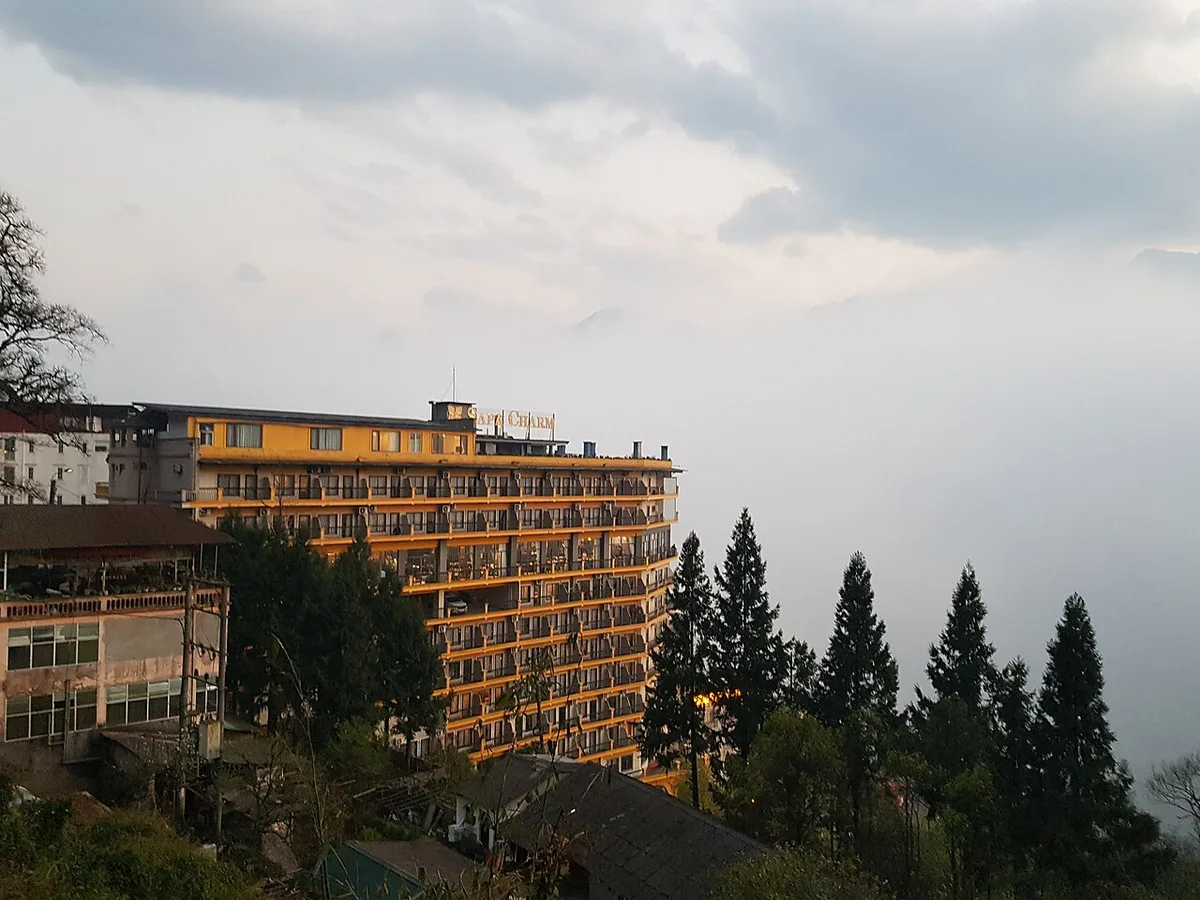
Your Day-by-Day 3-Day Sapa Itinerary
Each day below follows morning, afternoon, and evening blocks with timing and logistics. We suggest starting Day 1 straight from your hotel to save transfer time. Our guide to getting around Hanoi covers train and bus options to Sapa.

Day 1 covers the Muong Hoa Valley on a self-guided trek toward Lao Chai village. The route leaves the main road near a landmark called Sapa Clay House and drops into terraced rice fields. Most trekkers cover the loop in about 4 to 6 hours at an easy pace, stopping often for photos. A casual lunch stop, such as Cúc Restaurant and Coffee, breaks up the walk nicely.
Day 2 swaps hiking boots for a cable car ride up Fansipan, Vietnam's highest peak at 3,143 meters. The Fansipan Legend complex gets crowded by mid-morning once tour groups arrive from Sapa town. Booking the first cable car slot, usually near 8am, keeps the summit walkways manageable.
Day 3 stays close to town with a loop through Cat Cat Village and its waterfall trail. It's an easy morning that pairs well with market browsing and a slower final afternoon. You'll want comfortable shoes, since stone steps get slick after rain.
Travelers short on time sometimes swap the Lao Chai trek for a guided motorbike loop instead. That route passes Heaven's Gate before continuing to Love Waterfall, a shorter and drier alternative. It suits rainy days or anyone nursing sore legs from Fansipan the day before.
- Day 1: Trek Muong Hoa Valley to Lao Chai
- Morning: Walk from town past Sapa Clay House
- Afternoon: Trek valley, lunch at Cúc Restaurant
- Evening: Return to Sapa town, dinner
- Time: 4-6 hour round trip typical
- Logistics: Self-guided walk is free
- Optional: Book multi-day guide via GetYourGuide
- Day 2: Fansipan Cable Car and Summit
- Morning: Ride funicular then cable car up
- Afternoon: Explore summit complex and viewpoints
- Evening: Descend, relax back in town
- Time: Cable car ride takes 15-20 minutes
- Logistics: Tickets run about $20-$40 USD
- Optional: Skip summit stairs, ride cable only
- Day 3: Cat Cat Village and Market
- Morning: Walk 30-40 minutes to Cat Cat
- Afternoon: Loop village trails and waterfall
- Evening: Browse Sapa night market, dinner
- Time: Village loop takes 2-3 hours
- Logistics: Entry fee about $6 USD
- Optional: Book Klook guided half-day tour
Is 3 Days in Sapa Enough?
Three full days in Sapa works well for most first-time visitors. That's enough time for one trek, the Fansipan cable car, and a village walk. Travelers wanting a deeper trek or a homestay night should budget a fourth day.
Arriving in Sapa after midday on day one makes the schedule feel rushed. Overnight trains and sleeper buses from Hanoi typically arrive early morning, around 5-6am. That early arrival is actually useful, since it leaves a full first day free.
A common mistake is booking the Fansipan cable car for a cloudy afternoon slot. Mornings usually offer clearer summit views before clouds build up later in the day. Skipping advance booking during weekends and holidays can also mean sold-out tickets.
October through December and March through May bring the clearest, driest weather. Pairing Sapa with Hanoi is common, and our Hanoi 2-day itinerary works well before or after this trip. Whatever the season, evenings in Sapa stay cool, so pack a warm layer.
Where to Stay in Sapa
Staying in central Sapa town keeps every part of this itinerary within walking distance. It also means quick access to restaurants, the market, and the Fansipan station. Valley homestays near Lao Chai or Ta Van suit travelers who prefer a slower pace.
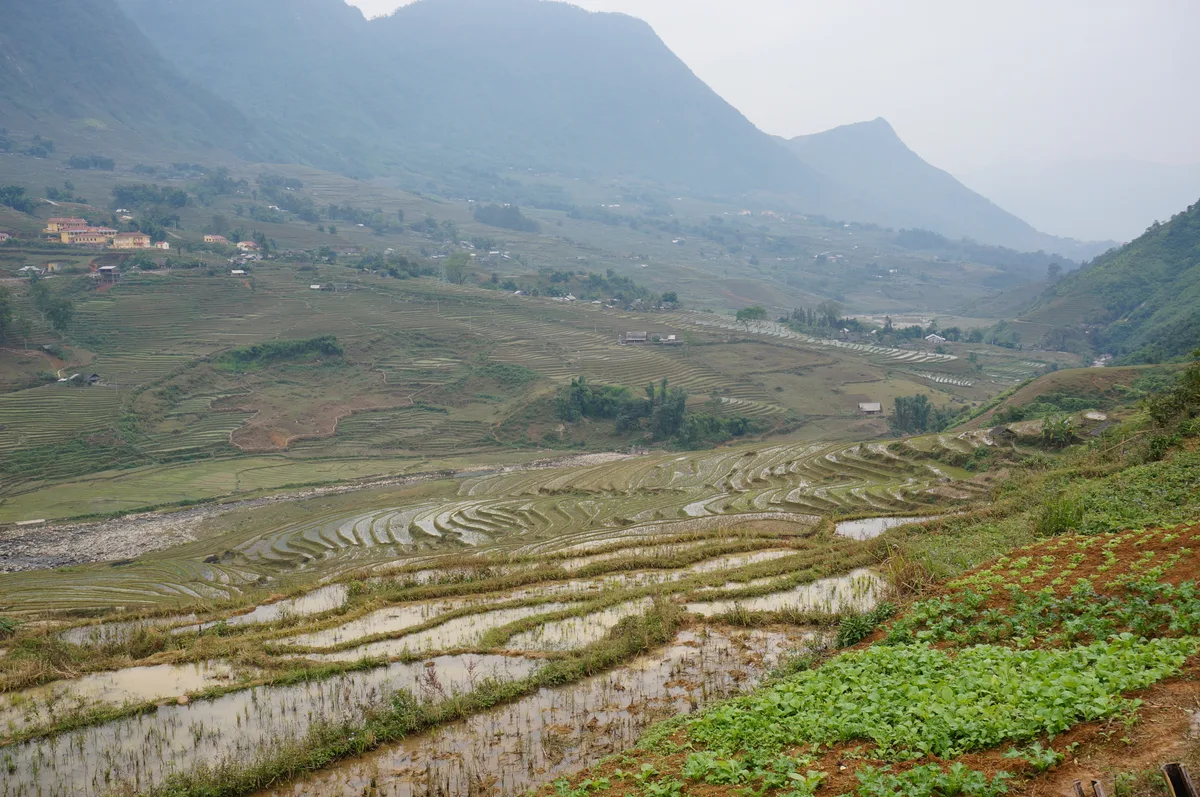
Pao's Sapa Leisure Hotel sits on the lower end of town with valley-facing rooms. Rooms here typically run in the mid-range bracket, with breakfast included at most rates. The location suits this itinerary well, close to both Cat Cat Village and the town center.
Homestays around Ta Van or Lao Chai cost less and place you inside the valley itself. Mornings there start with mist over the rice terraces before day-trippers arrive from town. The trade-off is a bumpier road in and fewer dining choices nearby.
Book a room near Sun Plaza if minimizing walking matters to you. That area sits close to the Fansipan cable car station and the night market. It also cuts down on the return walk after a long trekking day.
Book Ahead: Fansipan, Treks and Cat Cat Tickets
A few Sapa experiences are worth booking before you arrive, especially July through September and around holidays. Peak weekends can sell out cable car slots and guided tours days in advance. Booking ahead also locks in current pricing before seasonal increases.
Book the first cable car slot, usually around 8am, for the clearest summit views before clouds build later in the day. This also keeps summit walkways less crowded.
Fansipan cable car tickets are easiest to buy 1-2 days ahead online, or same-day at the station if slots remain. During weekends and holidays, buying online the week before is safer. Prices run roughly $20-$40 USD, depending on package and season.
For a fuller trekking experience, consider a 2 to 3 day trek with a local guide, booked 1-2 weeks ahead. Multi-day guided treks fill up faster during peak trekking season, October through April. A local guide also adds trail knowledge that a self-guided walk misses.
If you'd rather skip the planning, the Sapa Cat Cat Village Half-Day Guided Tour on Klook covers transport and a guide. Book this one 2-3 days ahead during busier months. It suits travelers who want Day 3 fully organized without extra logistics.
Add a Day: Extending Your Sapa Trip
With a fourth day, add an extra night in a valley homestay near Ta Van. That extra night allows a slower morning before the long trek back to town. It also opens up quieter trails away from the Lao Chai day-trip crowds.
Travelers continuing north sometimes tack on the 4-Day Ha Giang Loop Itinerary: Vietnam's Best Ride after Sapa. Both regions share mountain scenery, but Ha Giang trades cable cars for motorbike mountain passes. Budget at least 3-4 extra days if adding that loop to this trip.
A shorter add-on is an extra half-day around Ta Phin village, known for textile weaving. It's a quieter alternative to Cat Cat Village, with fewer souvenir stalls along the path. Local guides can arrange this as a half-day walk from town.
Bookending the trip with Hanoi time also works well for first-timers. Explore the Hanoi Old Quarter Guide: What to Know Before You Go before heading north, or relax there after Sapa's early mornings. Either way, allow a buffer day in Hanoi in case sleeper transport runs late.
Motorbike Alternative: Tram Ton Pass and Love Waterfall
If rain makes the Muong Hoa Valley trails too muddy, replace the long trek with a road trip along National Highway 4D toward Tram Ton Pass. The route climbs northwest from Sapa past Silver Waterfall before reaching O Quy Ho Pass, often called Heaven’s Gate. Viewpoints here overlook the Hoang Lien Son range, but visibility can change quickly as cloud moves across the pass.
Continue to the entrance for Love Waterfall inside Hoang Lien National Park, where a forest path leads to the waterfall. Allow enough daylight for the walk and return ride rather than treating it as a quick roadside stop. Silver Waterfall is easier to access and works as a shorter alternative if the weather deteriorates.
Only rent a motorbike if you are licensed, insured, and comfortable with steep, wet mountain roads. Fog can reduce visibility sharply around O Quy Ho, while buses and trucks use Highway 4D. Otherwise, hire a local driver or take a taxi for the same loop. Bring a waterproof layer and warm clothing even when Sapa town feels mild.
For the wider route context, continue with 7-Day Northern Vietnam Itinerary: Complete Guide, and Hanoi to Sapa: Complete Travel Guide before fixing this stop in your itinerary.
Frequently Asked Questions
Is 3 days in Sapa enough for first-time visitors?
Yes, three full days covers a trek, the Fansipan cable car, and Cat Cat Village comfortably. Arrive on an overnight train or bus so day one starts fresh. Travelers wanting a homestay night or a longer trek should add a fourth day.
What is the best order for a Sapa itinerary 3 days plan?
Start with the Muong Hoa Valley trek on day one, since it needs no advance booking. Save Fansipan for day two, ideally a clear-sky morning. Finish with Cat Cat Village on day three for an easier final day.
How do you get from Hanoi to Sapa?
Overnight sleeper trains and buses both run the Hanoi-Sapa route and typically arrive early morning. Private transfers take about 5-6 hours by road. Check current schedules before booking, since departure times shift seasonally.
How much does a 3-day Sapa trip cost?
Budget roughly $20-$40 USD for Fansipan tickets and about $6 USD for Cat Cat Village entry. Add transport, meals, and lodging on top of those two main costs. Mid-range hotels in town run affordably compared to Hanoi.
What should you pack for a Sapa itinerary in 2026?
Pack warm layers year-round, since Sapa stays cooler than Hanoi even in summer. Bring sturdy shoes for wet, stone-step trails around Cat Cat Village. A light rain jacket helps during sudden mountain showers.
Three days in Sapa fits a trek, Fansipan's summit, and Cat Cat Village without feeling rushed. Book the cable car and any guided trek a few days ahead, then start mornings early to beat both fog and crowds. Keep this route flexible, since mountain weather changes plans more often than any fixed schedule.
For more first-timer routes, browse the wider Viet Unfold blog before you go. It pairs well with the three days you've just planned here.
Take the route offline
Free: the Sapa route notes
Where to base yourself and what it costs, a day-by-day route that avoids backtracking, real transfer times and fares, seasonal timing, and where it connects onward — condensed from our Sapa guides and made to take offline.
Keep unfolding Vietnam
Continue along the route
Three nearby guides for the next decision in your trip.


