

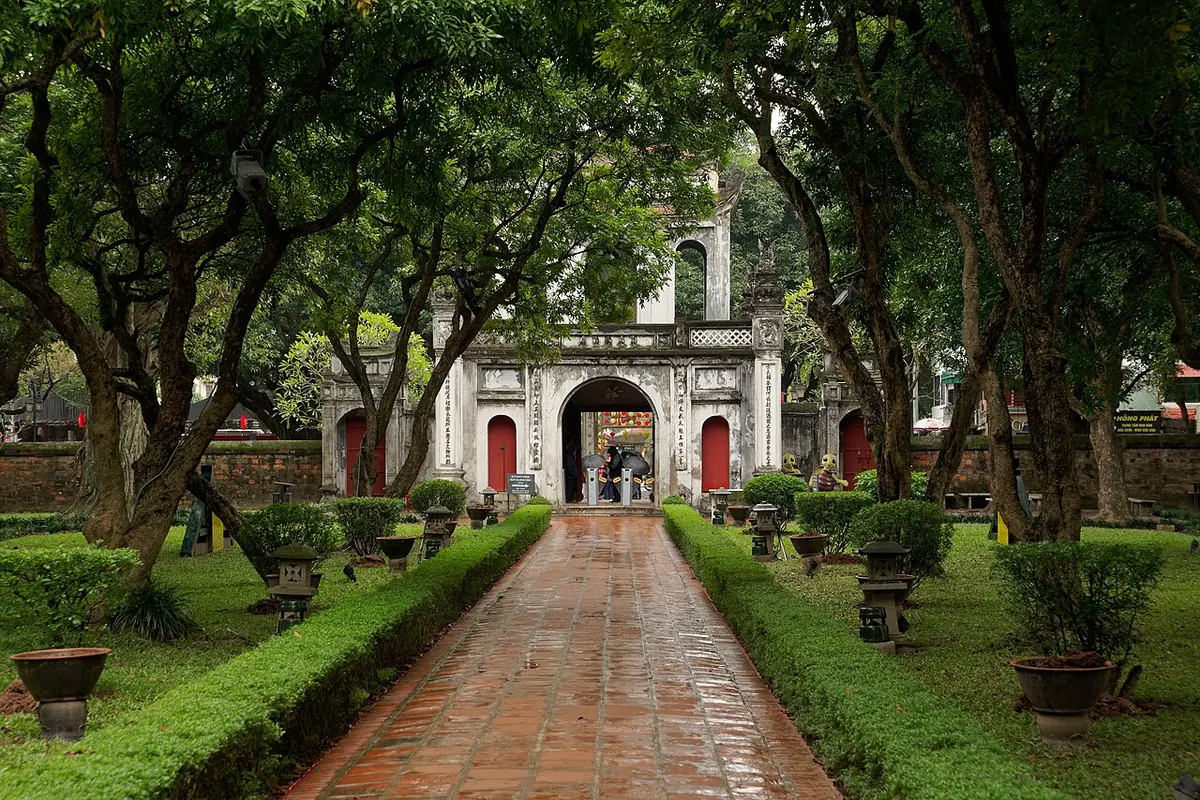
Photo: Mike Norton via Flickr (CC BY 2.0)
Sapa vs Ha Giang 2026: Choose the Right Mountain Trip
Compare Sapa vs Ha Giang in 2026 by scenery, comfort, trip length, weather, transport burden, and route fit, with clear advice for visiting one or both.
On this page
The Sapa vs Ha Giang decision is not a contest between two mountain views. Sapa is a flexible base with treks, villages, hotels, and the Fansipan cable car. Ha Giang is a moving road circuit where long hours on mountain roads are the experience.
That distinction changes how many nights you need, how much comfort you control, how weather affects the trip, and whether transport feels like access or the main activity. This 2026 comparison gives both places enough time to work instead of judging them through a rushed one-night stay or a shortened Loop.
Official tourism and road-safety sources were checked on August 15, 2026. For a complete northern route around either choice, use the Hanoi travel-planning hub.
Key Takeaways
- Choose Sapa when you want one base, trekking choices, more accommodation control, and a route that can shrink or expand.
- Choose Ha Giang when you want the road journey itself, can give it four Loop days, and accept changing rooms and sustained mountain travel.
- Sapa scenery is reached through walks, valley transfers, and a cable car; Ha Giang scenery unfolds continuously between overnight stops.
- From Hanoi, Sapa has road and rail-plus-road options; Ha Giang is a road journey.
- Fog and rain reduce the value of both trips, but bad visibility and wet roads create a larger route problem on the Ha Giang Loop.
- Visiting both needs about nine or ten days from Hanoi once the direct transfer and recovery time are counted honestly.
Take the route offline
Free: the Northern Vietnam route notes
Where to base yourself and what it costs, a day-by-day route that avoids backtracking, real transfer times and fares, seasonal timing, and where it connects onward — condensed from our Northern Vietnam guides and made to take offline.
Sapa vs Ha Giang: Which Fits Your Trip?
Choose Sapa for a fixed mountain base with trekking and comfort choices. Choose Ha Giang for a multi-day road circuit through karst passes. With fewer than five nights from Hanoi, Sapa is usually easier to fit well.
Neither destination is universally better. A traveler who dislikes long road days may love Sapa and resent the Loop. A traveler who wants the road to be the experience may find a town-based Sapa stay too contained. The practical question is which travel shape belongs in the rest of the itinerary.
Compare the Two Mountain Trips at a Glance
| Decision factor | Sapa | Ha Giang |
|---|---|---|
| Trip shape | One base with day walks and excursions | Moving circuit with a different overnight stop most days |
| Primary scenery | Terraced valleys, villages, Hoang Lien mountains, Fansipan | Karst plateau, deep canyons, high passes, Nho Que River |
| Scenery access | Walking, guided trekking, road transfer, cable car | Motorbike passenger, legal self-drive, or car tour |
| Useful minimum | Three nights from Hanoi | Five nights from Hanoi for a four-day Loop plus gateway travel |
| Comfort control | Choose one hotel and adjust each day | Comfort changes with vehicle, weather, and nightly stops |
| Hanoi access | Direct road service or train to Lao Cai plus road transfer | Road transfer to Ha Giang City |
| Weather flexibility | Swap a trek, cable car, town block, or rest period | Route still must progress between overnight towns |
| Best match | Hikers, mixed-interest groups, comfort-sensitive travelers | Road-trip travelers who accept sustained mountain exposure |
“Useful minimum” includes the route from Hanoi, not only nights at the destination. A two-night Sapa package or three-day Loop may be sold, but availability does not prove the pace is sensible for every traveler.

The Main Difference: Sapa Is a Base, Ha Giang Is a Circuit
Sapa lets you unpack once. From Sapa town or a valley stay, each day can be a guided trek, a shorter village walk, a Fansipan outing, or a rest block. If clouds close in, the plan can change without abandoning the next hotel.
The official Sapa destination guide identifies trekking, village access, and Fansipan as distinct experiences. That variety is the source of Sapa's flexibility: the destination is not dependent on completing one prescribed loop.
Ha Giang City is a gateway. The scenery most visitors mean by “Ha Giang” lies outward through Quan Ba, Yen Minh, Dong Van, Ma Pi Leng, Meo Vac, and other route stops. The official four-day Loop itinerary follows a changing sequence of roads and overnight towns rather than returning to one base.
This makes Ha Giang less forgiving of an under-planned day. A shortened stage, late start, or poor-weather pause affects the next bed as well as the current activity. It also makes the route rewarding for travelers who enjoy continuity: the transitions are not dead time between attractions.
Scenery Access: Walking Into a Valley or Moving Through a Pass
Sapa is strongest when you want to enter the landscape on foot. A trek can descend through terraced valleys and villages, while a cable-car day reaches high elevation without using a motorcycle. The official tourism page for Fansipan describes a 15-minute cable-car journey to the summit area, creating a non-trekking option when the mountain is visible.
Ha Giang is strongest when you want the changing landscape to define the day. Limestone walls, the Dong Van Karst Plateau, Ma Pi Leng Pass, and the Nho Que River appear along the road sequence. Stops matter, but the visual relationship between them is a major part of the trip.
Do not reduce the choice to “rice terraces versus mountains.” Both regions contain terraced agriculture and mountain communities. The real contrast is how you reach the view: repeated walks and excursions from a base in Sapa, or hours of forward movement through a road circuit in Ha Giang.
Photography does not settle the question either. Sapa can lose distant views to cloud while revealing close valley detail; Ha Giang can expose broad passes but demands that cameras stay secured while the vehicle moves. Choose the access method you will still enjoy after the first viewpoint.
Comfort: Sapa Offers More Control, Not Guaranteed Ease
Sapa offers the wider comfort range. Travelers can select a central hotel, valley homestay, or higher-end resort and return to the same room. A mixed-interest pair can split for a strenuous trek and a shorter town or cable-car day, then meet again without changing the route.
That does not make Sapa effortless. Valley trails can be steep, muddy, and uneven. A remote homestay adds road or walking time, and a cloudy summit can make an expensive Fansipan outing poor value. The advantage is the ability to revise the day while keeping the base.
Ha Giang comfort depends on the whole chain: passenger position, vehicle, road surface, rain protection, luggage, daily riding hours, and the standard of each overnight stop. Riding as a passenger with an experienced local driver removes the self-driving task, but it does not remove wind, vibration, weather, or hours spent on the bike.
A private-car Loop changes the physical burden and suits travelers who do not want motorcycle exposure. It also changes the experience: some narrow stops and roadside interactions may work differently, while the passengers gain shelter and easier luggage handling. Ask for the actual route rather than assuming every “Ha Giang tour” follows the same circuit.
Trip Length: Count Hanoi Transfers and Recovery
Give Sapa three nights from Hanoi as a useful minimum: one arrival period, two activity days, and a realistic departure. Four nights work better when a valley homestay, a longer trek, and Fansipan all matter. The three-day Sapa itinerary shows how to divide those choices without repeating this comparison.
Give Ha Giang five nights from Hanoi for a four-day Loop: one gateway or arrival night, the four route days, and a departure that is not tied directly to a flight. A further Hanoi recovery night is prudent before an inflexible international connection. The four-day Ha Giang Loop plan covers the stage-by-stage circuit.
| Time available from Hanoi | Best use | What to avoid |
|---|---|---|
| 2 nights | Keep the time in Hanoi or choose a nearer trip | A return mountain transfer with only one usable day |
| 3–4 nights | Sapa with one or two main activity days | Squeezing Ha Giang into a shortened road loop |
| 5–6 nights | A four-day Ha Giang Loop with gateway time, or slower Sapa | Trying to visit both mountain regions |
| 9–10 nights | Sapa, direct transfer, four-day Loop, and buffer | Back-to-back overnight transport to save calendar days |
If the full Vietnam trip has only seven or eight days, choosing either mountain region may already displace Ha Long Bay or Ninh Binh. Compare that trade in the northern Vietnam itinerary before adding transport reservations.
Transport Burden From Hanoi
Sapa offers two route patterns. Direct buses and vans climb to Sapa, while the railway runs from Hanoi to Lao Cai and requires a separate road transfer uphill. Sapa itself has no railway station. Compare the full mode choices in the Hanoi–Sapa transport guide or the rail chain in the Hanoi to Sapa train guide.
Ha Giang has no useful passenger-rail or airport shortcut from Hanoi. The practical journey is by road to Ha Giang City, followed by the Loop on another vehicle or tour. The Hanoi–Ha Giang guide covers bus and private-transfer mechanics.
For Sapa, the arrival burden ends when you reach the chosen base. For Ha Giang, reaching the city only positions you for the route briefing and first Loop stage. A late sleeper-bus arrival therefore saves less usable time than it appears if the traveler still needs sleep, equipment checks, and a driver meeting.
Compare hotel checkout, pickup, transfer, waiting, arrival, final drop, and the next fixed commitment. A faster advertised vehicle can create a worse trip if it delivers you before reception opens or shortly before a mountain departure.
Cost Comparison: What Each Trip Actually Spends
Getting there costs about the same either way — roughly $10–$26 per seat from Hanoi. The real gap is on the ground: Sapa's headline costs are paid attractions, while Ha Giang's are the multi-day Loop itself.
| Cost line | Sapa | Ha Giang |
|---|---|---|
| Transfer from Hanoi | Overnight bus $15–$20; sleeper train $20–$25 plus the Lao Cai road leg | Sleeper bus $13–$19; limousine or cabin bus $18–$26; day bus $10–$15 |
| Private car from Hanoi | About $140–$160 for up to four | About $150 for two to four |
| Main paid attraction | Fansipan cable car about $20–$40; Cat Cat Village about $6 | Nho Que River boat about $5–$8; Lung Cu Flag Tower about $1 |
| The core experience | Valley treks are largely self-guided and free beyond a guide's fee | Loop costs $40–$80 self-driven or $150–$250 guided over 3–4 days |
| Motorbike rental | About $6–$8 per day plus fuel | About $6–$10 per day for a 100–110cc bike |
| Lodging per night | Full hotel range, from hostels to resorts | Homestay $8–$15 with breakfast; dorm bed $5–$8 |
A three-day Sapa trip can be built cheaply if you skip Fansipan, because the walking is the attraction. Ha Giang has a harder floor: the Loop is a paid multi-day package whether you drive it or ride behind a guide, and it is the reason to go. Figures are 2026 planning estimates from our Hanoi to Sapa guide, Hanoi to Ha Giang guide, Sapa itinerary, and Ha Giang Loop itinerary.
Season: Choose for Visibility and Route Resilience
The official Sapa guide highlights April–May for favorable weather and September–October for terrace scenery. It also describes June–August as rainy and November–March as colder. These are broad seasonal patterns, not a forecast for a particular ridge or village.
The official Ha Giang destination page highlights spring blossoms, autumn rice, and late-year buckwheat flowers. A second official page notes that the region can be visited across the year, but that does not mean every day is equally suitable for a road circuit.
| Period | Sapa decision | Ha Giang decision |
|---|---|---|
| April–May | Strong window for trekking and clearer views; verify local rain | Viable road window; check heat, storms, and current road advice |
| June–August | Lush but wetter; keep trek and cable-car days flexible | Green landscapes, but rain raises the consequence of a fixed road stage |
| September–October | Terrace season can drive demand; book the important base and guide | Rice scenery and cooler periods can increase route demand |
| November–March | Cold and fog can obscure views; pack for elevation | Cooler road exposure; spring blossoms vary by place and timing |
Check the forecast for the actual overnight towns, not only Hanoi or Sapa. Ha Giang's route spans changing elevations and valleys. If heavy rain, very poor visibility, or an official road warning affects the Loop, delay, reroute with the operator, or choose another region; a prepaid schedule does not overrule current conditions.
Ha Giang Road Risk: Separate Self-Drive From the Destination
The Ha Giang Loop is not synonymous with self-driving. Travelers can ride as a passenger with a qualified local driver or arrange a car route. The current official tourism feature on Ha Giang advises visitors not to ride alone and recommends a local driver for the mountain roads.
Self-driving adds legal, insurance, and skill questions. Requirements depend on nationality and licence. For example, current UK government travel advice for Vietnam says UK licence holders need the 1968 version of an international driving permit together with their UK licence. Travelers from other countries must check their own issuing authority, Vietnamese requirements, the rental contract, and the insurer rather than copying that rule.
The same government advice says drivers and passengers must wear a helmet. The official four-day Loop guide advises approaching curves carefully, riding in daylight, and stopping after dark because obstacles and construction can appear. These measures reduce exposure; they do not make a mountain road risk-free.
- Choose self-drive only if: the licence is valid for the motorcycle, insurance explicitly covers the activity, and the rider already has relevant mountain-road skill.
- Choose a local driver if: the passenger accepts motorbike exposure but should not or does not want to control the bike.
- Choose a car if: weather shelter, luggage, mobility, or avoiding motorcycle travel matters more than the classic riding format.
- Choose Sapa or another route if: hours on mountain roads remain unacceptable in every Ha Giang format.
Do not let a rental offer decide fitness to ride. A business handing over a motorcycle is not proof of a valid licence, insurance coverage, appropriate experience, or safe conditions.
Choose by Traveler Profile
Choose Sapa for a mixed-interest group
Sapa is easier when one traveler wants a long trek and another wants a shorter walk, spa block, town café, or cable car. A single base also simplifies luggage and lets the group reunite without changing the next night's address.
Choose Ha Giang when the road is the shared priority
Ha Giang works when everyone accepts that several days revolve around movement, stops, simple overnight towns, and changing conditions. One reluctant passenger can experience the route as endurance rather than scenery, so agree on vehicle and daily exposure before booking.
Choose Sapa when mobility or recovery time is uncertain
A Sapa stay can still include steps, slopes, and uneven tracks, but it offers more ways to reduce the day and return to the same room. Ask hotels and operators specific access questions; “easy trek” is not a measurable accessibility standard.
Choose neither if the schedule cannot absorb the transfer
A mountain destination loses value when the trip allows only an arrival evening and departure morning. A nearer landscape such as Ninh Binh may fit better. The Ninh Binh versus Ha Long Bay comparison offers an alternative decision from Hanoi without pretending it replaces the mountains.
Can You Visit Sapa and Ha Giang on One Trip?
Yes, but treat the connection as a full transfer day. The reliable sequence is Hanoi → Sapa → Ha Giang City → four-day Loop → Hanoi. The direct Sapa–Ha Giang road journey avoids a Hanoi backtrack, yet it still needs a normal arrival night before the Loop.
| Day | Plan | Purpose |
|---|---|---|
| 1 | Hanoi to Sapa | Arrive and keep the first activity light |
| 2–4 | Sapa base | Two main activity days plus flexibility |
| 5 | Sapa to Ha Giang City | Dedicated road transfer and sleep |
| 6–9 | Ha Giang Loop | Complete the circuit without compressing stages |
| 10 | Return toward Hanoi or recover | Protect the next hard connection |
The Sapa–Ha Giang transfer guide covers pickup, vehicle, arrival, and buffer decisions. Do not duplicate that transfer by returning to Hanoi unless a city rest, disrupted service, or separate booking makes the backtrack useful.
Reverse order can work, but judge the recovery pattern. A Loop followed immediately by a long transfer and a strenuous Sapa trek stacks fatigue. If Ha Giang comes first, reserve the first Sapa day for a lighter plan and keep the main trek later.
Book the Decision in the Right Order
- Choose the trip shape. Decide between a fixed base and moving circuit before comparing tour photos.
- Count complete nights from Hanoi. Include arrival, gateway, transfer, and recovery nights.
- Choose the access format. For Sapa, select road or rail-plus-road; for Ha Giang, select passenger, legal self-drive, or car.
- Verify legal and insurance conditions. Complete this before paying for a self-drive package.
- Book the route dependency. Secure the essential guide, driver, or Loop format before secondary activities.
- Leave weather flexibility. Avoid a hard flight or international departure immediately after the mountain block.
Recheck the operator, pickup address, overnight stops, luggage plan, cancellation terms, and weather policy shortly before travel. A comparison guide can choose the right route shape; only the responsible operator controls the live departure and service.
Official Sources Checked for 2026 Planning
- Vietnam Tourism: Sapa destination guide for seasonal patterns, trekking, villages, and access context.
- Vietnam Tourism: Fansipan guide for the cable-car alternative and summit access.
- Vietnam Tourism: Ha Giang destination guide for seasonal landscapes and regional context.
- Vietnam Tourism: four-day Ha Giang Loop for the route structure and road guidance.
- Vietnam Tourism: current Ha Giang Loop feature for the local-driver safety recommendation.
- UK FCDO Vietnam safety and security advice for current UK licence, helmet, and road-travel guidance.
Season descriptions are planning baselines, not live forecasts. Reconfirm road conditions, weather, driver credentials, vehicle details, insurance, and operating status before departure.
Frequently Asked Questions
When should you avoid Sapa?
Avoid committing to Sapa when the short-range forecast shows persistent cloud or severe rain and the trip depends entirely on distant mountain views or exposed trekking. June through August is broadly wetter, while November through March can be cold and foggy. Check the actual forecast rather than rejecting a whole month automatically.
Is Sapa really worth visiting?
Sapa is worth visiting when you can stay at least three nights from Hanoi and want trekking, terraced valleys, villages, or Fansipan from one adjustable base. It is poor value as a rushed overnight return if transfers leave only a few daylight hours or cloud removes the only planned activity.
Is the Ha Giang Loop really worth it?
The Ha Giang Loop is worth it for travelers who want a multi-day mountain road journey and accept changing accommodation, sustained vehicle time, and weather exposure. It is not automatically worthwhile for someone who wants only viewpoints, dislikes long road days, or must compress the circuit to meet a fixed connection.
How risky is the Ha Giang Loop?
The Loop involves steep, winding mountain roads where weather, traffic, construction, obstacles, fatigue, rider skill, licensing, and vehicle condition all matter. Risk cannot be reduced to one label. Travelers should avoid unqualified self-driving, use helmets, travel in daylight, verify insurance, and consider a qualified local driver or car.
Can you do Sapa and Ha Giang in one trip?
Yes. Allow about nine or ten days from Hanoi: three Sapa nights, one direct transfer day and Ha Giang arrival night, a four-day Loop, then a return or recovery day. With fewer nights, choose one rather than relying on consecutive overnight vehicles and a shortened Loop.
How many days do you need for Sapa versus Ha Giang?
Plan at least three nights from Hanoi for Sapa and five nights for Ha Giang when completing a four-day Loop with gateway travel. Add a night to either route before an inflexible flight. Those ranges protect useful activity time rather than counting only nights sold in a package.
Choose the Mountain Trip You Can Actually Enjoy
Sapa offers adjustable days from one base; Ha Giang asks the traveler to commit to a moving road journey. Choose on comfort, scenery access, available nights, season, and transport burden—not on which photograph appears more dramatic.
Place the winning option inside the complete Hanoi and northern Vietnam planning hub, then book the essential route dependency before smaller activities.
Take the route offline
Free: the Northern Vietnam route notes
Where to base yourself and what it costs, a day-by-day route that avoids backtracking, real transfer times and fares, seasonal timing, and where it connects onward — condensed from our Northern Vietnam guides and made to take offline.
Keep unfolding Vietnam
Continue along the route
Three nearby guides for the next decision in your trip.


