

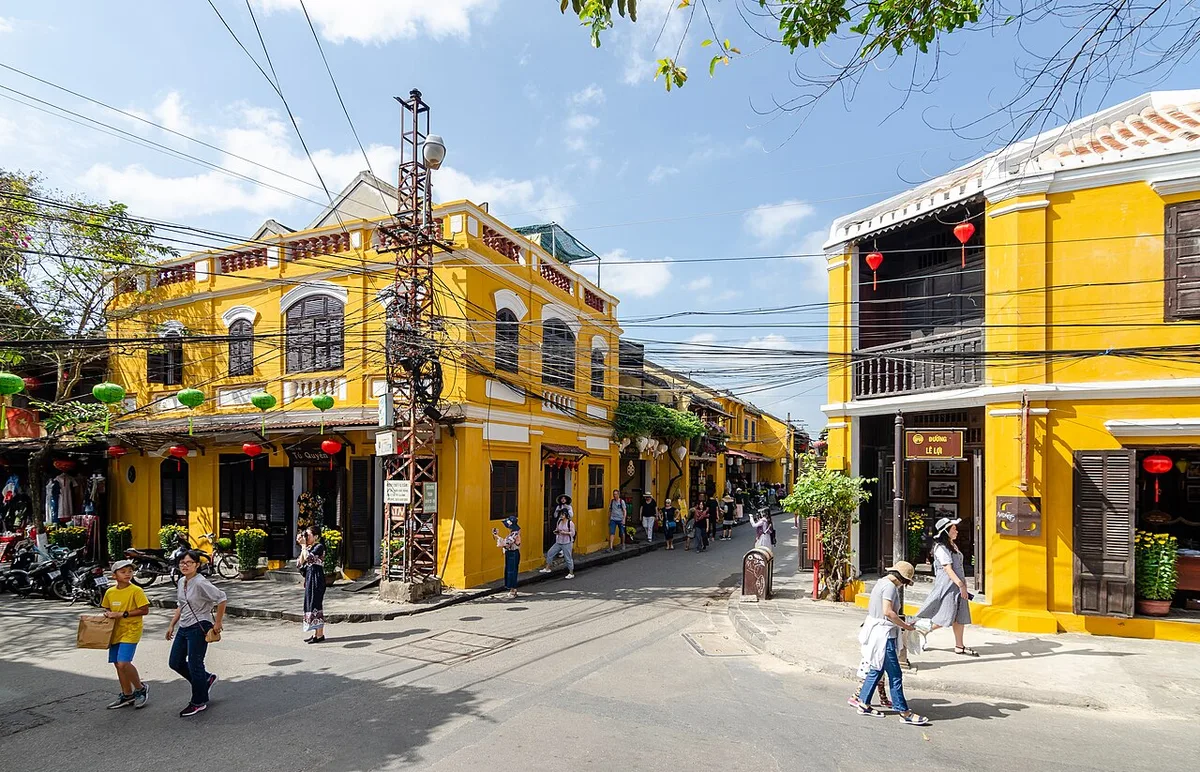
Photo: shankar s. via Flickr (CC BY 2.0)
Best Areas to Stay in Hoi An: Neighborhood Guide
Find your perfect Hoi An neighborhood: Old Town charm, beach relaxation, countryside peace, or local island vibes. Prices, pros/cons, and first-timer tips.
On this page
Hoi An offers six distinct neighborhoods, each with its own rhythm, costs, and appeal. Our editors have stayed across Old Town's UNESCO streets, beach resorts, countryside rice fields, and emerging local zones. Last updated July 2026.
The right choice depends on your budget, crowd tolerance, scooter skills, and what you came to do. This guide cuts through generic comparisons by laying out real transport costs, noise policies, seasonal flooding risks, and what most travelers get wrong.
Whether you're a first-timer weighing Old Town versus beach, a budget backpacker hunting $10 hostels, or a couple seeking peaceful rice-field homestays, we've included the specifics you need. You'll find pricing for each zone, typical opening hours, how to navigate between areas, and honest trade-offs.
Key Takeaways
- Hoi An offers six distinct neighborhoods, each with its own rhythm, costs, and appeal.
- Our editors have stayed across Old Town's UNESCO streets, beach resorts, countryside rice fields, and emerging local zones.
- The right choice depends on your budget, crowd tolerance, scooter skills, and what you came to do.
- This guide cuts through generic comparisons by laying out real transport costs, noise policies, seasonal flooding risks, and what most travelers get wrong.
Take the route offline
Free: the Hoi An route notes
Where to base yourself and what it costs, a day-by-day route that avoids backtracking, real transfer times and fares, seasonal timing, and where it connects onward — condensed from our Hoi An guides and made to take offline.
6 Best Areas to Stay in Hoi An
Hoi An clusters accommodation into six main zones, each 15–45 minutes apart by taxi, scooter, or bicycle. Budget hostels run $10–$15 per night; mid-range hotels $30–$70; luxury resorts $120–$400+, depending on season and area. Transport costs matter: a Grab taxi from Old Town to An Bang Beach costs ~$3; scooter rental is $5–$10/day.
Old Town closes to vehicles after 3 PM, creating pedestrian-only streets and a 10 PM noise curfew year-round. October through April brings dry weather, peak prices, and crowds; May through September sees rain, occasional Old Town flooding, and 20–40% discounts. Most visitors stay 2–4 nights, while longer stays benefit from quieter neighborhoods and scooter freedom.
| Zone | Nightly Cost | Distance from Old Town | Best For |
|---|---|---|---|
| Old Town | $10–$350+ | Center | First-timers, walkability |
| An Bang Beach | $12–$400 | 10–15 min (scooter) | Relaxation, young travelers |
| Cua Dai Beach | $35–$250 | 15 min (scooter) | Quiet seekers, couples |
| Countryside | $25–$80 | 20–30 min (scooter) | Slow travel, peace |
| An Hoi Island | $40–$100 | 5 min walk | Local vibes, artists |
| West Bank | $50–$120 | 10–15 min walk | Families, longer stays |
Our picks reflect on-the-ground reality: what works for families, couples, solo travelers, and budget-conscious explorers. We've skipped overcrowded tour-trap hotels and focused on areas where you'll actually connect with local life and reasonable value. Each zone carries distinct trade-offs explained below.
1. Old Town (Ancient Town): UNESCO Heart & Tourist Hub
Hoi An's Ancient Town is a UNESCO World Heritage site with narrow pedestrian streets, lantern-lit cafes, and centuries-old architecture that anchor every first-time visit. Every major attraction, market, restaurant, and tour desk cluster here within walking distance. Mid-range hotels run $40–$100/night; hostels $10–$20; luxury options $150–$350+, depending on season and room type.
The town closes to vehicles at 3 PM; afterward, foot traffic dominates, creating a tourist-heavy vibe from 4 PM onward with a 10 PM noise curfew. Honest take: stay here one night to orient yourself, then relocate to a quieter zone if crowds or evening noise bother you.
2. An Bang Beach: Laidback Coastal Escape with Village Charm
An Bang is Hoi An's most popular beach, a 10–15 minute scooter ride or $3–$4 Grab taxi ride north from Old Town. Beach-shack restaurants, cheap seafood platters, casual beach bars, and young-traveler energy define this zone; expect a laid-back, social vibe. Accommodation ranges from beachfront hostels ($12–$18/night) to mid-range resorts ($50–$120/night) and luxury beachfront villas ($200–$400/night).
Water and sand are good for swimming and lounging; the beach gets busy from 4 PM onward as locals and tourists arrive. Ideal for couples, solo travelers, and families with kids; less ideal if you want cultural immersion or a quiet escape.
3. Cua Dai Beach: Quiet Sand & Sunset Refuge
Cua Dai is a quieter, less-developed beach alternative about 5 km south of Old Town, a $4–$5 Grab taxi ride away. Fewer tourists, wider sand, and fishing-village authenticity appeal to travelers seeking solitude and long walks without crowds. Hotels and resorts here run $35–$80/night for mid-range, $120–$250 for upscale; you'll find fewer budget hostels than at An Bang.
The beach is less developed, so restaurants and cafes are fewer; plan to travel to Old Town or hire a scooter for evening dining. Best for couples, quiet-seekers, and travelers with a scooter or willingness to Grab back to town for activities.
4. Hoi An Countryside & Rice Fields: Slow Travel & Coffee Culture
West and south of Old Town, rural homestays and boutique resorts sit among rice paddies, offering peace and farm-to-table dining. Coffee shops, farm stays, and agrarian homestays run $25–$80/night; expect basic-to-comfort accommodations, not beachfront luxury. This zone requires a scooter rental ($5–$10/day) or daily Grab rides ($2–$4 each way) to explore and eat in town.
Water buffalo, sunrise cycling, cooking classes, and organic cafes define the experience; noise policies are relaxed year-round. Ideal for slow-travel enthusiasts, couples seeking quiet romance, and adventurers with scooter skills; not for nightlife seekers or those wanting walkable convenience.
5. An Hoi Island: Emerging Local Vibes & Artistic Pockets
An Hoi Island, just west of Old Town across a pedestrian bridge, is becoming Hoi An's creative hub with artist studios, vintage cafes, and local restaurants. Fewer tourists than Old Town proper, yet close enough to walk to major attractions; accommodation runs $40–$100/night for mid-range guesthouses. You'll find art galleries, motorbike rental shops, and eclectic local dining; this is where Hoi An's young professionals and artists gather.
Transport is simple: a 5–10 minute walk from Old Town center, or a $2 Grab if you're laden with luggage. Great for solo travelers, artists, couples, and anyone wanting authentic neighborhood feel without full Old Town tourist overload.
6. West Bank (Cam Nam): Family-Friendly & Emerging Calm Zone
West of the river, the newer West Bank development offers family resorts, larger rooms, and green space away from the tourist crush. Hotels here run $50–$120/night for families; there's more space and fewer scooters than Old Town but less walkable commerce. A 10–15 minute walk to Old Town, or $2–$3 Grab to major attractions; scooter rental opens up countryside and beach access.
Schools, local markets, and quieter streets make this zone popular with longer-stay visitors and families with young children. Trade-off: less walkable tourism density, but better for rest, families, and peace; requires a scooter or daily Grab willingness.
Where to Stay in Hoi An for First-Time Visitors
First-timers should start in or near Old Town to ground yourself in Hoi An's core history and attractions. You'll see lantern-lit streets, night markets, and UNESCO heritage in person, eat at celebrated restaurants, and meet other travelers. After one or two nights orienting yourself, you can relocate to a quieter zone if you prefer peace.

The classic first-timer strategy is: sleep in Old Town for night one, then move to An Bang Beach or countryside for days two through four. This gives you the iconic Hoi An experience without burning out on crowds, and lets you explore at a slower pace elsewhere. Alternatively, book a quieter island or countryside base, then day-trip into Old Town for specific attractions and evening dining.
Budget considerations: Old Town hostels and budget hotels ($10–$30/night) are denser here than elsewhere. Beach and countryside stays often cost more per night but offer more space and fewer crowds, potentially offsetting higher accommodation with reduced stress. Factor in transport costs when choosing: Old Town minimizes daily Grab expenses; beach or countryside stays add $2–$6/day in transit.
If this is your first Vietnam stop, Old Town's walkability and tourism infrastructure make independent exploration easy. If you've already visited Hanoi or Ho Chi Minh City, you may crave the countryside or beach immediately and skip the tourist epicenter.
A common mistake: booking a beautiful beachfront villa without realizing daily commutes to attractions and restaurants take 2–3 hours. A better move: book a mid-range Old Town or An Hoi spot for three nights, then try a beach or countryside stay for nights four through six if time allows.
How to Choose Your Best Hoi An Neighborhood
Start by ranking your priorities: walkability to food and culture, beach relaxation, peaceful escape, budget, nightlife, or family space. Old Town wins on walkability and tourism infrastructure; beaches win on relaxation; countryside wins on peace and nature; An Hoi wins on local vibes.
Next, assess your mobility: do you have a scooter license and comfort driving in Vietnam? With a scooter, countryside and quieter beaches become accessible and affordable ($5–$10/day rental plus cheap gas). Without one, stick to Old Town, An Hoi, or budget $2–$6/day in Grab rides to explore beaches and rice fields.
Crowd tolerance matters: Old Town is busy 4 PM onward (10 PM noise ban); An Bang attracts rowdy backpackers; Cua Dai and countryside are quiet. Light sleepers and noise-sensitive travelers should avoid Old Town and An Bang after 4 PM, or stay briefly and relocate.
Budget: estimate nightly accommodation ($10–$300) plus transport ($0–$6/day) plus meals ($3–$25/day). Countryside homestays may cost less per night but require scooter rentals; Old Town costs more but eliminates daily transport.
Finally, consider length of stay: one or two nights favor Old Town (less planning); three nights or longer benefit from combining zones or settling in a quieter base. Longer stays in countryside or Cua Dai allow you to slow down and skip daily commutes.
Getting Around Between Accommodation Areas
Hoi An's six main zones spread across roughly 10 km, connected by taxi, scooter, bicycle, and foot. Grab taxis are cheapest for solo travelers and couples; rides to An Bang or Cua Dai run ~$3–$5; countryside rides run $3–$8. GrabBike (motorcycle taxi) costs half the car price ($1.50–$3) for adventurous travelers; bicycles rent for free or $1–$2/day from hostels.

Scooter rentals ($5–$10/day) unlock countryside temples, rice-field cafes, and beaches beyond Grab radius. You'll need an International Driving Permit and Vietnamese driving comfort; traffic is chaotic but manageable once you learn the rhythm. Without a scooter, daily Grab rides add up: six days at $4/day = $24, versus a $8 scooter rental savings or countryside freedom.
Bicycles suit Old Town and nearby areas (An Hoi, nearby temples, riverfront cafes) but aren't practical for beach or countryside day trips. Walking connects Old Town, An Hoi, and West Bank; allow 15–25 minutes between zones.
From Old Town to each zone: An Bang Beach is 10–15 minutes by scooter, 5 minutes by Grab; Cua Dai is 15 minutes by scooter, 7 minutes by Grab. Countryside is 20–30 minutes by scooter, 10–15 minutes by Grab; An Hoi is a 5-minute walk. No single zone is more than 45 minutes from another by taxi, making day trips and multi-zone exploration realistic even on short visits.
Pro tip: if you stay in countryside or Cua Dai, rent a scooter for the entire stay; Grab-only strategies waste time and money on daily commutes.
Seasonal Considerations and Booking Strategy
Hoi An's dry season (October–April) brings sunny weather, comfortable temperatures (18–25°C), and peak tourism. Expect higher prices and crowded streets during these months. Wet season (May–September) brings humidity, tropical downpours, and periodic Old Town flooding; rates drop 20–40% and tourists thin out.
December–February peak season can triple accommodation costs. Hotels fill 2–3 months in advance. Book three months ahead or expect premium rates and severely limited room availability.
Flooding in Old Town occurs 1–3 times per wet season (May–September). Most hotels have pumps and sandbags, but ground-floor rooms get damp. Confirm flood history and request upper-floor rooms when booking.
October–November and March–April are shoulder months: warm, drier weather, moderate crowds, and reasonable prices. December–February peak season can triple accommodation costs; book three months ahead or accept pricier, less-available options. Hotels often fill 2–3 months in advance during December–February peak.
Flooding in Old Town happens 1–3 times per wet season; most hotels have pumps and sandbags, but ground-floor rooms get damp. If you visit May–September and stay in Old Town, confirm the hotel's flood history and request an upper-floor room. Here's a flood area map for reference.
Booking strategy: peak season (Dec–Feb) requires 2–3 month advance notice and premium rates. Shoulder season (Mar–Apr, Oct–Nov) offers value and availability with last-minute bookings. Wet season (May–Sep) rewards flexible travelers: spontaneous bookings often yield same-day discounts, and fewer tourists mean better meals and service.
Price trends: a mid-range Old Town hotel runs $80/night in peak season, $50 in shoulder, and $35 in wet season. Beach and countryside stays follow similar patterns but with less seasonal swing; they're more stable at $60–$80/night year-round. Book directly or through platforms to compare rates and secure your Hoi An stay.
Hoi An Accommodation Map: How the Areas Fit Together
Hoi An’s accommodation areas form a compact corridor from the Thu Bon River to the coast. Ancient Town occupies the north bank around the Japanese Covered Bridge and Hoi An Market. Across the river, An Hoi Island contains the Hoi An Night Market and many bars; it is convenient for evening activity but can be noisy near Nguyen Hoang Street. Cam Nam lies south of the historic center across Cam Nam Bridge and offers quieter lanes within cycling distance of the sights.

Hai Ba Trung Street leads northeast from Ancient Town toward Tra Que Vegetable Village and An Bang Beach. Cua Dai Road runs east through Cam Chau’s rice fields to Cua Dai Beach, making Cam Chau a practical middle ground for travelers who want reasonable access to both town and coast. When comparing hotels on a map, check the actual walking route rather than straight-line distance: river crossings, pedestrian zones, and large resort grounds can lengthen the journey. For a car-free stay, look within roughly one kilometer of Ancient Town; for beach time with occasional sightseeing, choose An Bang or the eastern end of Cua Dai Road.
Official Planning Checks Before You Go
Use the official Vietnam Tourism Hoi An guide for destination context and the UNESCO Hoi An listing for a second official baseline. Recheck any opening hour, fare, timetable, closure, access rule, weather risk, or booking condition with the responsible operator shortly before travel; an official destination overview is not a live inventory or service guarantee.
For the wider route context, continue with Hoi An Travel Planning Hub Travel Guide, and Hoi An 3 Day Itinerary Travel Guide before fixing this stop in your itinerary.
Frequently Asked Questions
Is it better to stay at the beach or Old Town in Hoi An?
Old Town is best for first-timers and short stays (1–2 nights) because attractions and restaurants are walkable. Beach stays suit relaxation-focused travelers and those staying 3+ nights; they're quieter but require daily Grab rides ($3–$5 each way) to explore attractions and eat in town.
Which month should I avoid Hoi An?
Avoid September (peak wet season with frequent flooding in Old Town) if you're accommodation-sensitive. December–February brings the highest prices (often double or triple mid-season rates). May–August offers discounted rates and fewer crowds, though humidity and rain are frequent—a worthwhile trade-off if you're flexible.
How many days in Hoi An is enough?
Two nights gives a brief Old Town taste; three to four nights allows Old Town plus a beach or countryside day-trip. Five-plus nights lets you stay in multiple zones. Most visitors spend three to four nights: one night in Old Town and two to three in a beach or countryside base.
Where can I find the best value accommodation in Hoi An?
Hostels run $10–$15/night in Old Town and An Bang; countryside homestays run $20–$40/night; mid-range hotels run $30–$70/night across all zones. Wet season (May–September) discounts rates 20–40%. Compare Hoi An with Da Nang accommodation options to see if a multi-city approach saves money.
Do I need a scooter to explore Hoi An?
No, but a scooter ($5–$10/day rental) dramatically expands countryside access and cuts Grab costs. Without one, stick to Old Town and An Hoi by foot, or budget $2–$6/day in taxi rides to beaches. Scooters require an International Driving Permit and Vietnamese driving comfort; pedestrians and Grab users do fine without one.
Hoi An rewards visitors who choose their neighborhood intentionally rather than booking the first cheap option. Whether you're chasing lantern-lit streets, beach sunsets, rice-field peace, or local artist vibes, the right zone makes the difference between an okay trip and a great one.
Book your first night in Old Town to orient yourself, then move to a zone that matches your priorities—and don't skip exploring multiple neighborhoods if your schedule allows. The beauty of Hoi An is that no zone is more than 45 minutes from another, so a short stay can span several experiences without exhausting you. Day-trips to nearby attractions like Marble Mountains are easy from any Hoi An base, extending your Central Vietnam reach.
Take the route offline
Free: the Hoi An route notes
Where to base yourself and what it costs, a day-by-day route that avoids backtracking, real transfer times and fares, seasonal timing, and where it connects onward — condensed from our Hoi An guides and made to take offline.
Keep unfolding Vietnam
Continue along the route
Three nearby guides for the next decision in your trip.


